Podcast
On Hand
Hosted by Michigan Public · EN
Ever wondered why we call ourselves “Michiganders”? Or why we say “pop” instead of “soda”? Or, seriously, how many people need to be rescued from Sleeping Bear Dunes every year? That’s why we’re bringing you a new podcast - On Hand - to answer all your questions about what makes our state so special.
To share a story or submit your questions, head to michiganpublic.org/onhand
If you like what you hear on the pod, consider supporting our work: michiganpublic.org/podfund
27episodes
Episodes
Newest firstAll episodes
We need your stories for an upcoming episode!
3d ago00:01:30Tap to summarizeSubmit your stories and questions to On Hand! Online Submission Form Call us: 734-764-7840 Email us: onhand@michiganpublic.org We're looking for: 1) Pasty stories! Is there a recipe that you grew up making, and still love to share? Or maybe you successfully completed the Keweenaw pasty trail, and lived to tell the tale? 2) Keweenaw Peninsula stories! Maybe you have an annual camping spot up there that has the absolute best views. Or maybe you’ve weathered the winter up there, and have a story of survival to share?See omnystudio.com/listener for privacy information.
Transcribe →
Your Stories: Love rocks
1w ago00:07:25Tap to summarizeA couple from Muskegon, who started dating in the early days of the COVID-19 pandemic, shared the story behind the special rocks that became a symbol of their love. GUESTS: Maggie and Ben Reinhard Want to submit a question to On Hand? Do it here: Online Submission Form Call us: 734-764-7840 Email us: onhand@michiganpublic.org See omnystudio.com/listener for privacy information.
Transcribe →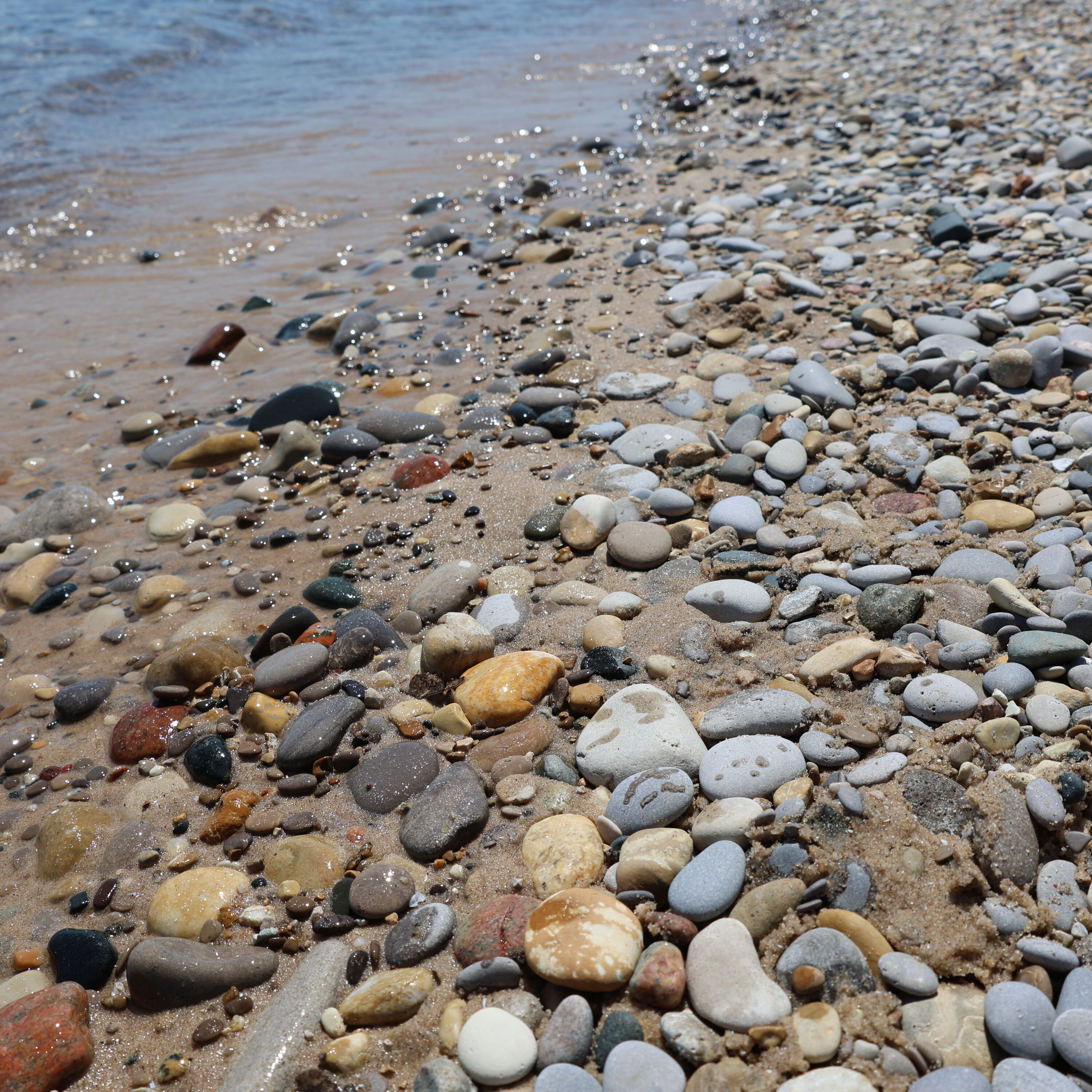
Can you find Petoskey stones outside of Petoskey?
2w ago00:18:40Tap to summarizeFor many a Michigander, Petoskey stones are way more than just a cool looking rock. They’re a physical reminder of happy memories of Michigan summers past. The Petoskey shares a name with the Northern Michigan city, but their distribution–and the story they tell us about our state’s ancient history–is a lot bigger. On this episode of On Hand, we talk to a couple of rockhounding experts about everything you need to know about our state stone. GUESTS: Scot and Jennifer Wack, co-authors of Rockhounding: A Beginner’s Guide to Rock Hunting Around Lake Michigan and co-owners of the NorthPort Trading Post Want to submit a question to On Hand? Do it here: Online Submission Form Call us: 734-764-7840 Email us: onhand@michiganpublic.org See omnystudio.com/listener for privacy information.
Transcribe →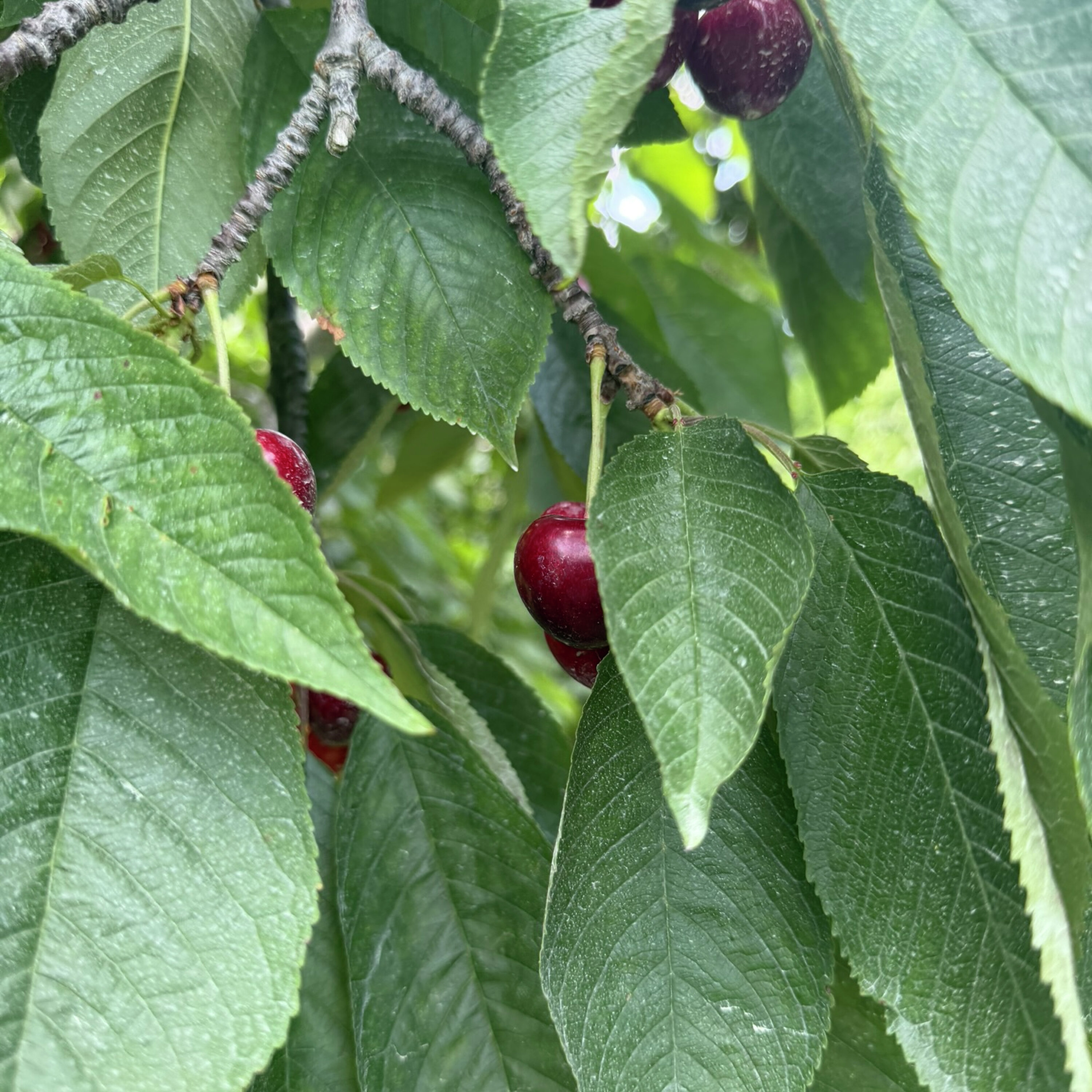
Your Stories: The Giving Cherry Tree
3w ago00:07:01Tap to summarizeA listener shares his story about the lessons in tenderness, abundance and connection a forgotten cherry tree gave him. GUEST: Andrew Harmon originally from Rockford, MI but spent many of his young adult years living in Grand Rapids. He now lives in Boston, MA. Want to submit a question to On Hand? Do it here: Online Submission Form Call us: 734-764-7840 Email us: onhand@michiganpublic.org If you like what you hear on the pod, consider supporting our work: michiganpublic.org/podfundSee omnystudio.com/listener for privacy information.
Transcribe →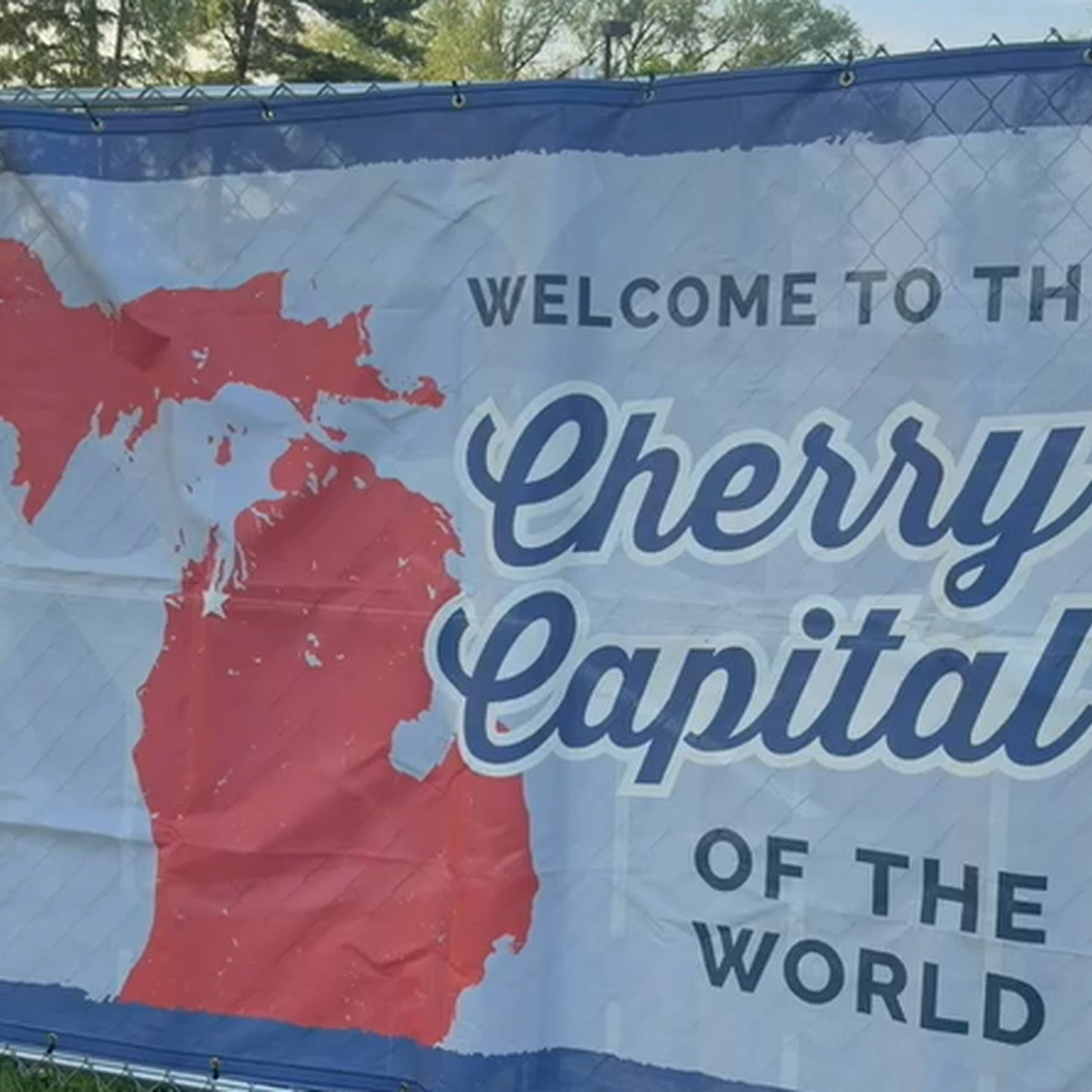
How did Michigan become the cherry capital?
Jul 1700:20:35Tap to summarizeCome July, cherries are everywhere here. Sweet. Sour. Deep maroon, golden yellow and even blush pink. Michigan is the second largest grower of cherries in the nation and we're home to the National Cherry Festival. But why? In this episode we tell you the story of our favorite little stone fruit, the cherry. How did it get here? And how did Michigan become synonymous with cherries? GUESTS: Chris Reiser, president for the Peter Dougherty Society.Nikki Rothwell, 2025 Cherry Industry Person of the year and Michigan State University's extension specialist in tree fruit integrated pest management. Jim Eckerle, farmer and owner of Eckerle Farms in Leelanau County & Suttons Bay.Zach Eckerle, grandson of Jim Eckerle and future owner of Eckerle Farms. Want to submit a question to On Hand? Do it here: Online Submission Form Call us: 734-764-7840 Email us: onhand@michiganpublic.org See omnystudio.com/listener for privacy information.
Transcribe →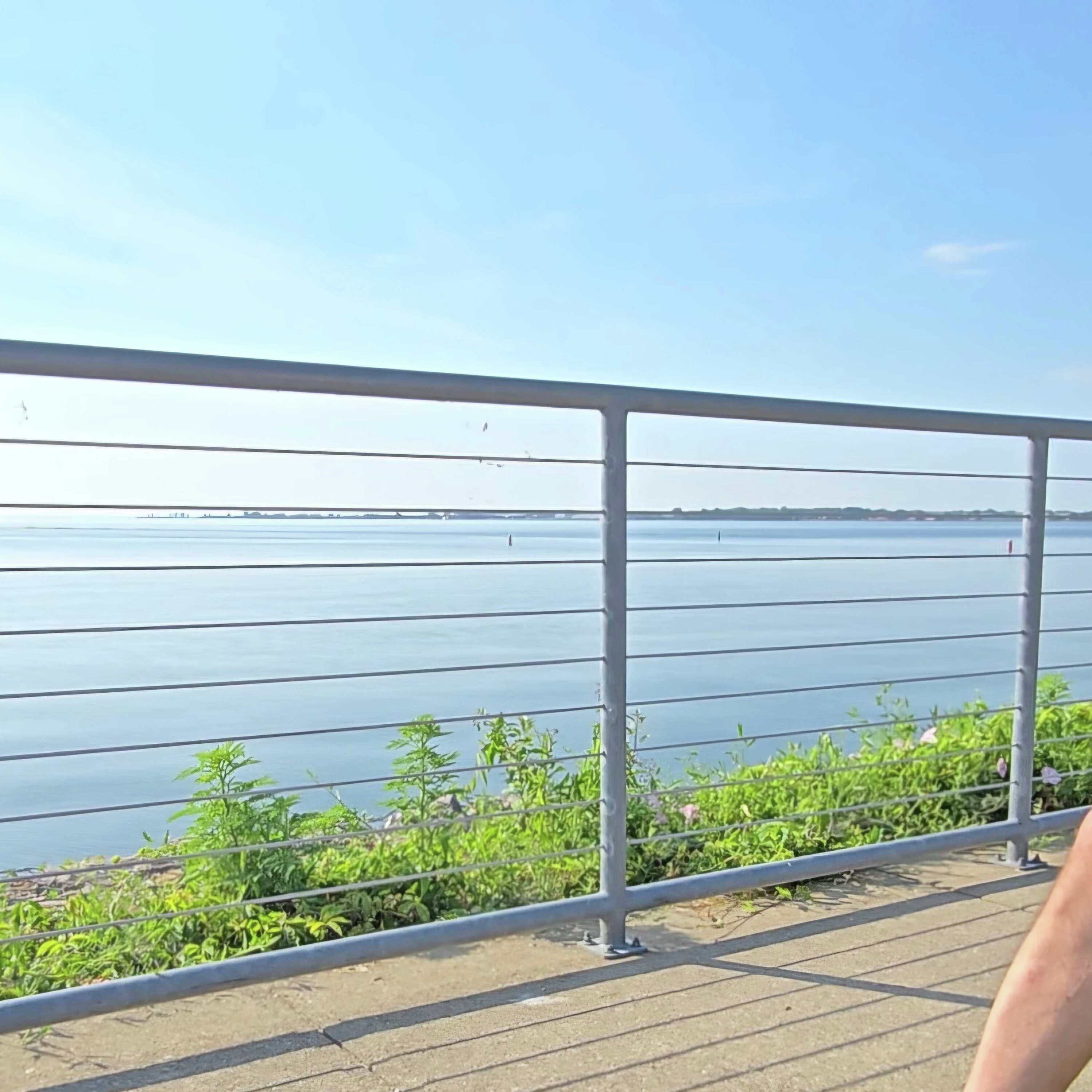
Your Stories: An ode to Lake St. Clair
Jul 1000:08:59Tap to summarizeSeveral of you reached out to argue for adding Lake St. Clair as a 6th Great Lake (or 5th if you count Huron and Michigan as one). On this episode, we hear about one man's love for this "heart-shaped" lake — and the song it inspired him to make. Plus, a story about life in the straits of Mackinac. LYRICS: Lake St Clair (Make Her Great) By Guy Sferlazza In a world that rewards hate She has always been great And worth more than a billion billion billion billionaires She surrounds us with her love How many years and still she’s young Mother Earth produced the jewel of Lake St Clair We didn’t have to make her great She’s the heart of all these lakes See it for yourself if you dare When the sun is coming up There’s an ocean full of love From sea to shining sea, And she is there All the service to this land all generations the grand lake Of the sweet fresh water sea Bathed in beauty We, the people shall decide Make it plain in broad daylight That’s a great lake that you may have never seen We proclaimed her a great lake on this very day come out and see her here There’s no compare In this crazy mixed up world. Take a break from the absurd find out what she’s worth Great Lake St Clair. GUESTS ON THIS EPISODE: Guy Sferlazza, Shelby Township resident and musician Candace Smith, owner of Tours Around Michigan Cover image credit: Adam Yahya Rayes Want to submit a question to On Hand? Do it here: Online Submission Form Call us: 734-764-7840 Email us: onhand@michiganpublic.org See omnystudio.com/listener for privacy information.
Transcribe →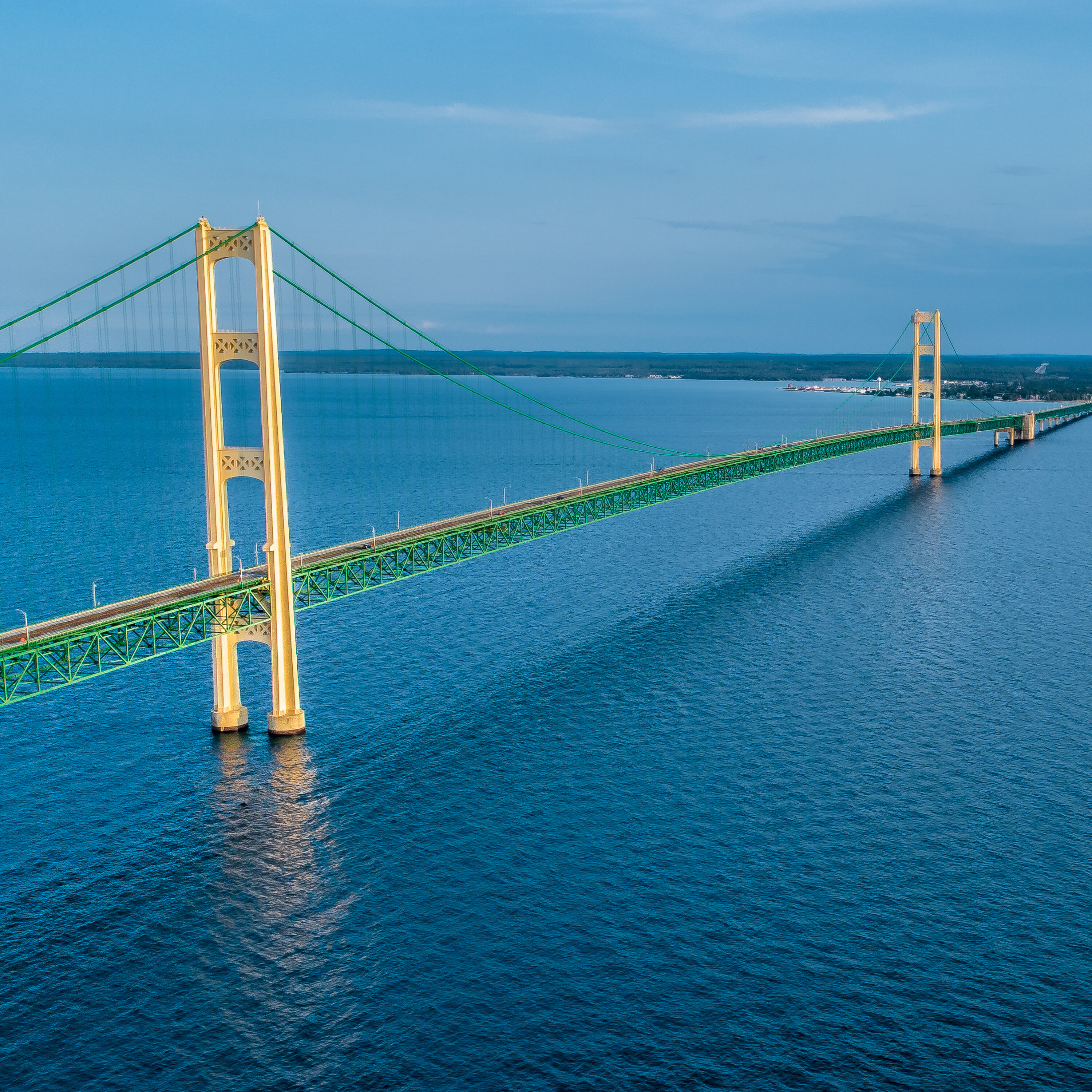
Are Michigan and Huron actually one large Great Lake?
Jul 300:21:56Tap to summarizeAre Michigan and Huron separate lakes – or have we been counting the Great Lakes wrong? There may actually be four Great Lakes: “Lake” Huron and “Lake” Michigan could actually be considered “lobes” of one big lake — big enough to unseat Lake Superior as the world’s largest freshwater lake by surface area. We hear two takes: one from a scientific perspective, and one from a cultural perspective. GUESTS: Eric Anderson, director of hydrologic science and engineering at the Colorado School of Mines. Eric Hemenway, humanities program manager for the University of Michigan’s School for Environment and Sustainability. Cover image credit: Aaron - stock.adobe.com/302750092 Want to submit a question to On Hand? Do it here: Online Submission Form Call us: 734-764-7840 Email us: onhand@michiganpublic.org See omnystudio.com/listener for privacy information.
Transcribe →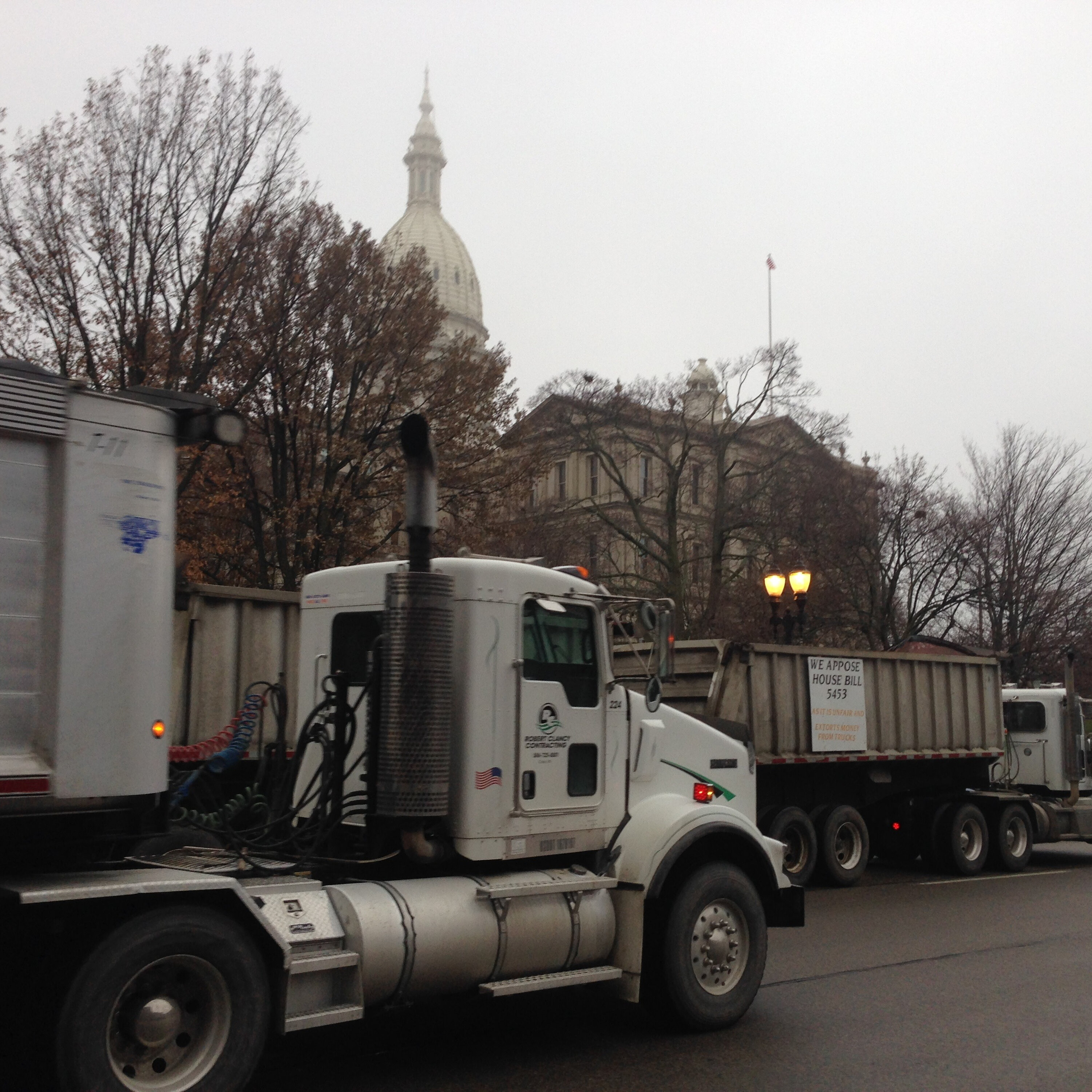
Your Stories: The trucks are too heavy
Jun 1900:09:54Tap to summarizeMANY of you wrote in to say that the reason the roads are seemingly always in terrible shape in Michigan is because of truck weights - and the fact that Michigan often doubles truck weight limits from those of federal guidelines. Today we're hearing and feeling your anger, and talking to an engineer about what heavy trucks do to roads, and why it's only one part of the equation for road conditions. GUEST ON TODAY'S EPISODE: Craig Atwood, managing director of Allegan County Road Commission Want to submit a question to On Hand? Do it here: Online Submission Form Call us: 734-764-7840 Email us: onhand@michiganpublic.org If you like what you hear on the pod, consider supporting our work: michiganpublic.org/podfundSee omnystudio.com/listener for privacy information.
Transcribe →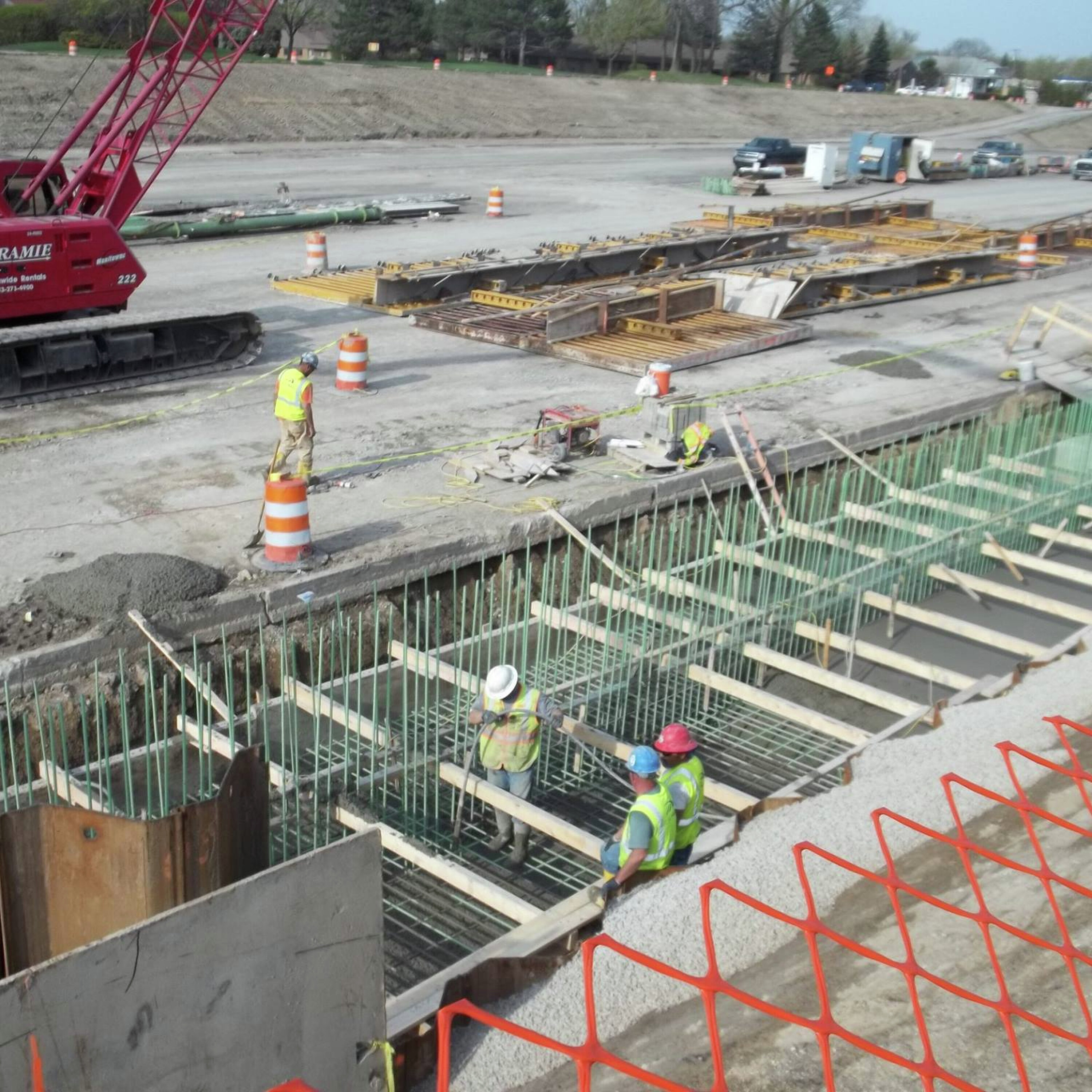
Why are we always fixing Michigan roads?
Jun 1200:19:55Tap to summarizeAre Michigan's roads really so bad that we need to be repairing them all the time? What's really going on with our orange-barrel forests? For this episode of On Hand, we tackle a listener's question about road repairs by talking to two actual road engineers. We'll also get externally-verified facts about road quality, and hear some real talk about road politics in Lansing. We even bump into someone who started her own guerilla road crew. Guests: Hamtramck resident Maritza Garibay Brent Schlack, Director of Engineering, Washtenaw Road Commission Adam Lape, Director of Operations, Washtenaw Road Commission Lauren Gibbons, Bridge Michigan reporter Adrian Hemond, CEO, Grassroots Midwest Want to submit a question to On Hand? Do it here: Online Submission Form Call us: 734-764-7840 Email us: onhand@michiganpublic.org If you like what you hear on the pod, consider supporting our work: michiganpublic.org/podfundSee omnystudio.com/listener for privacy information.
Transcribe →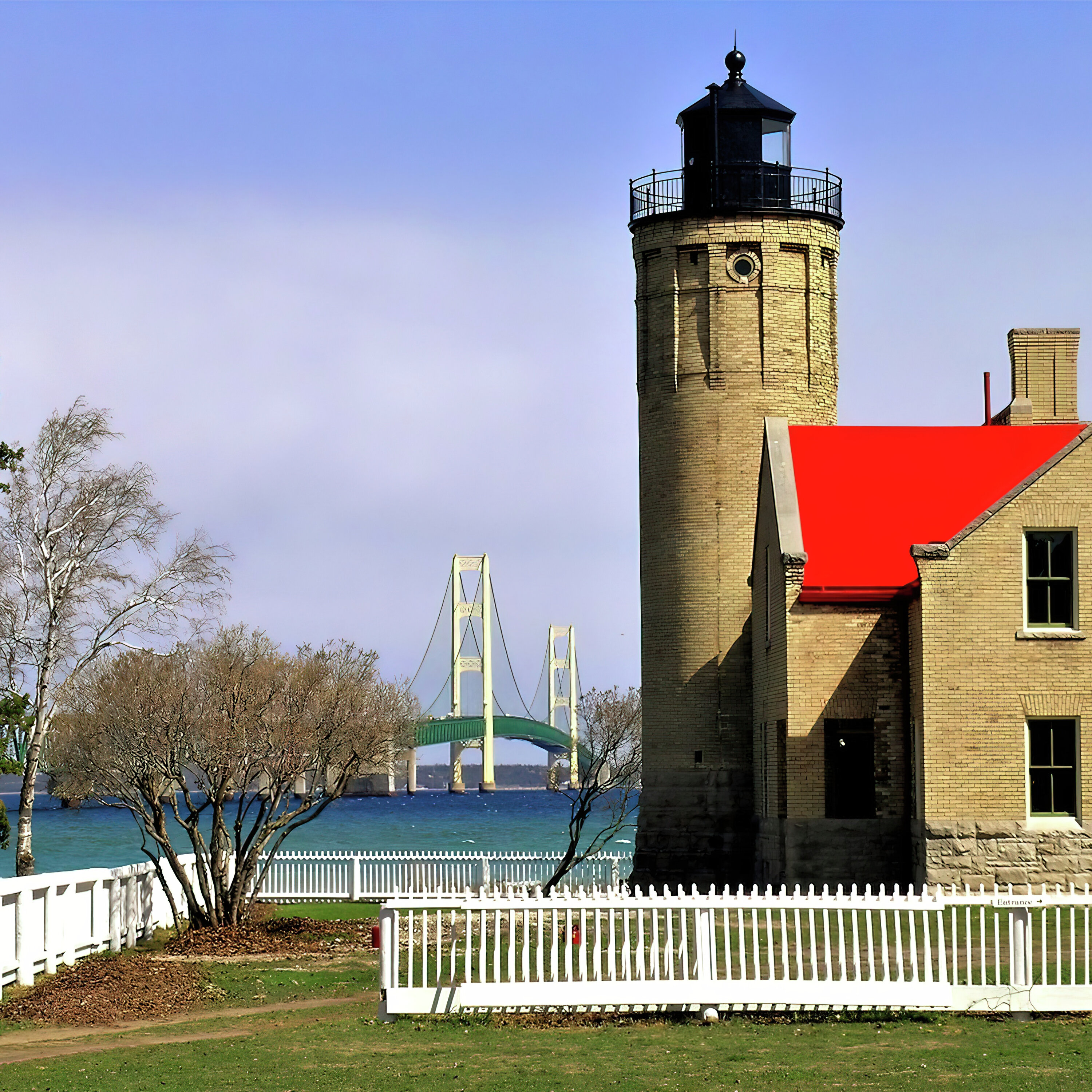
Your Stories: The U.P. is true Up North
Jun 700:08:12Tap to summarizeFor many Michiganders, Up North begins at the north end of the Mackinac Bridge. One listener defends the Upper Peninsula as true north. And another listener says the southern border of the mitten is also Up North for many people. GUESTS ON THIS EPISODE: Ken Raisanen, retired teacher and lifelong Upper Peninsula Michigander Keith Baker, City Manger of Coldwater Want to submit your own story or question to On Hand? Do it here!See omnystudio.com/listener for privacy information.
Transcribe →