Podcast
One Minute Remaining - Stories from the inmates
Hosted by Jack Laurence · EN
In 'One Minute Remaining' I speak with inmates serving lengthy prison sentences for a range of different crimes. From arson to robbery, attempted murder and even murder itself and everything in between.
I'm not here to try and prove them innocent or guilty, what I am here to do is allow them the chance to tell their stories. We'll look at the case's against them and allow them to tell us their accounts of the events that lead up to their incarceration.
Join the OMR Family and help support the show in a way that suits you, plus get bonus content, all the links are here
HOTLINE:03 5294 0569
Got a Question about a case? comment or just thoughts you'd like to share. Call the OMR hotline and leave a message and you could be featured in an upcoming episode
Hosted on Acast. See acast.com/privacy for more information.
64episodes
Episodes
Newest firstAll episodes

No One Was Coming P2
1w ago00:29:50Tap to summarizeIn the summer of 2003, in the small Virginia town of Craigsville, an 18 year old boy shot and killed the man the town knew as a former rescue squad captain and a pillar of the community. Christopher Bennett never denied it. He confessed, took a plea deal to avoid the death penalty, and was handed three consecutive life sentences totalling 1,800 years.But behind that front door, Chris and his siblings say, was a man the town never saw. Years of abuse. Children told to pray for help that never came. And a report of what was happening to his little sisters, made just one day before the shooting.Over this series, Jack chats with Chris from inside Buckingham Correctional Center about his childhood, that night, the sentence designed to outlive him, and a family still fighting to bring him home.---------------------------------------------------------------------------------------------------------------------------------------------------------------------------------------------------------------------------This series contains discussion of child sexual abuse, physical abuse and domestic violence. If you or someone you know needs support, help is available.Australia1800RESPECT (sexual assault and domestic violence, 24/7): 1800 737 732Blue Knot Foundation (adult survivors of childhood trauma): 1300 657 380Bravehearts (child sexual abuse support): 1800 272 831Kids Helpline (ages 5 to 25, 24/7): 1800 55 1800Lifeline (crisis support, 24/7): 13 11 14United StatesChildhelp National Child Abuse Hotline (24/7): 1-800-422-4453RAINN National Sexual Assault Hotline (24/7): 1-800-656-4673National Domestic Violence Hotline (24/7): 1-800-799-7233988 Suicide and Crisis Lifeline (24/7): call or text 988United KingdomNSPCC Helpline (adults concerned about a child): 0808 800 5000Childline (for anyone under 19, 24/7): 0800 1111NAPAC (adult survivors of childhood abuse): 0808 801 0331Rape Crisis England and Wales (24/7): 0808 500 2222Samaritans (24/7): 116 123International For domestic violence services in other countries, visit hotpeachpages.net for a directory of helplines and agencies worldwide.If a child is in immediate danger, call emergency services: 000 in Australia, 911 in the US, 999 in the UK.EARLY AND AD FREE ACCESS: for as little as $1.69 a week!Apple + HEREPatreon and find us on Facebook here. Hosted on Acast. See acast.com/privacy for more information.
Transcribe →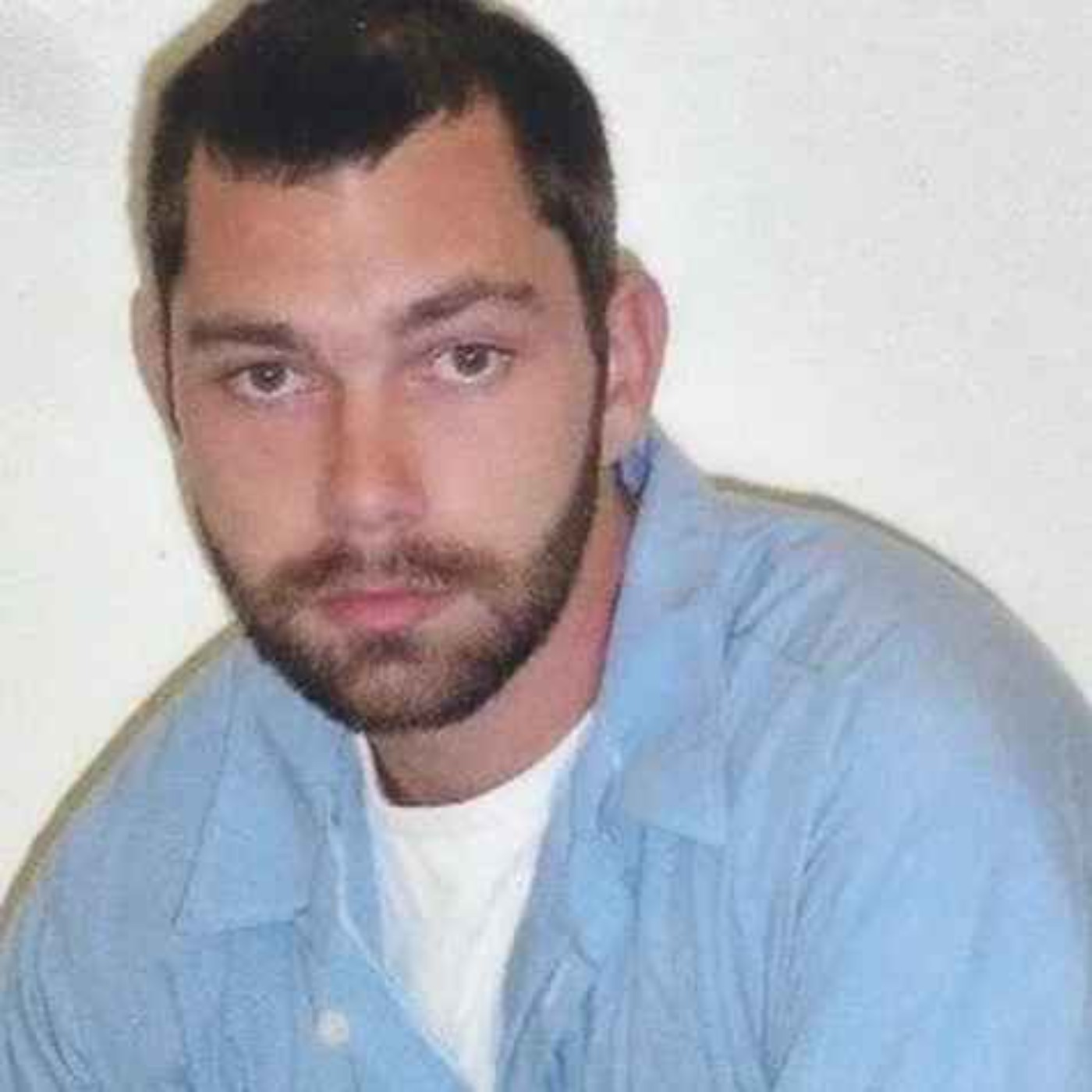
No One Was Coming P1
1w ago00:33:01Tap to summarizeIn the summer of 2003, in the small Virginia town of Craigsville, an 18 year old boy shot and killed the man the town knew as a former rescue squad captain and a pillar of the community. Christopher Bennett never denied it. He confessed, took a plea deal to avoid the death penalty, and was handed three consecutive life sentences totalling 1,800 years.But behind that front door, Chris and his siblings say, was a man the town never saw. Years of abuse. Children told to pray for help that never came. And a report of what was happening to his little sisters, made just one day before the shooting.Over this series, Jack chats with Chris from inside Buckingham Correctional Center about his childhood, that night, the sentence designed to outlive him, and a family still fighting to bring him home.---------------------------------------------------------------------------------------------------------------------------------------------------------------------------------------------------------------------------This series contains discussion of child sexual abuse, physical abuse and domestic violence. If you or someone you know needs support, help is available.Australia1800RESPECT (sexual assault and domestic violence, 24/7): 1800 737 732Blue Knot Foundation (adult survivors of childhood trauma): 1300 657 380Bravehearts (child sexual abuse support): 1800 272 831Kids Helpline (ages 5 to 25, 24/7): 1800 55 1800Lifeline (crisis support, 24/7): 13 11 14United StatesChildhelp National Child Abuse Hotline (24/7): 1-800-422-4453RAINN National Sexual Assault Hotline (24/7): 1-800-656-4673National Domestic Violence Hotline (24/7): 1-800-799-7233988 Suicide and Crisis Lifeline (24/7): call or text 988United KingdomNSPCC Helpline (adults concerned about a child): 0808 800 5000Childline (for anyone under 19, 24/7): 0800 1111NAPAC (adult survivors of childhood abuse): 0808 801 0331Rape Crisis England and Wales (24/7): 0808 500 2222Samaritans (24/7): 116 123International For domestic violence services in other countries, visit hotpeachpages.net for a directory of helplines and agencies worldwide.If a child is in immediate danger, call emergency services: 000 in Australia, 911 in the US, 999 in the UK.EARLY AND AD FREE ACCESS: for as little as $1.69 a week!Apple + HEREPatreon and find us on Facebook here. Hosted on Acast. See acast.com/privacy for more information.
Transcribe →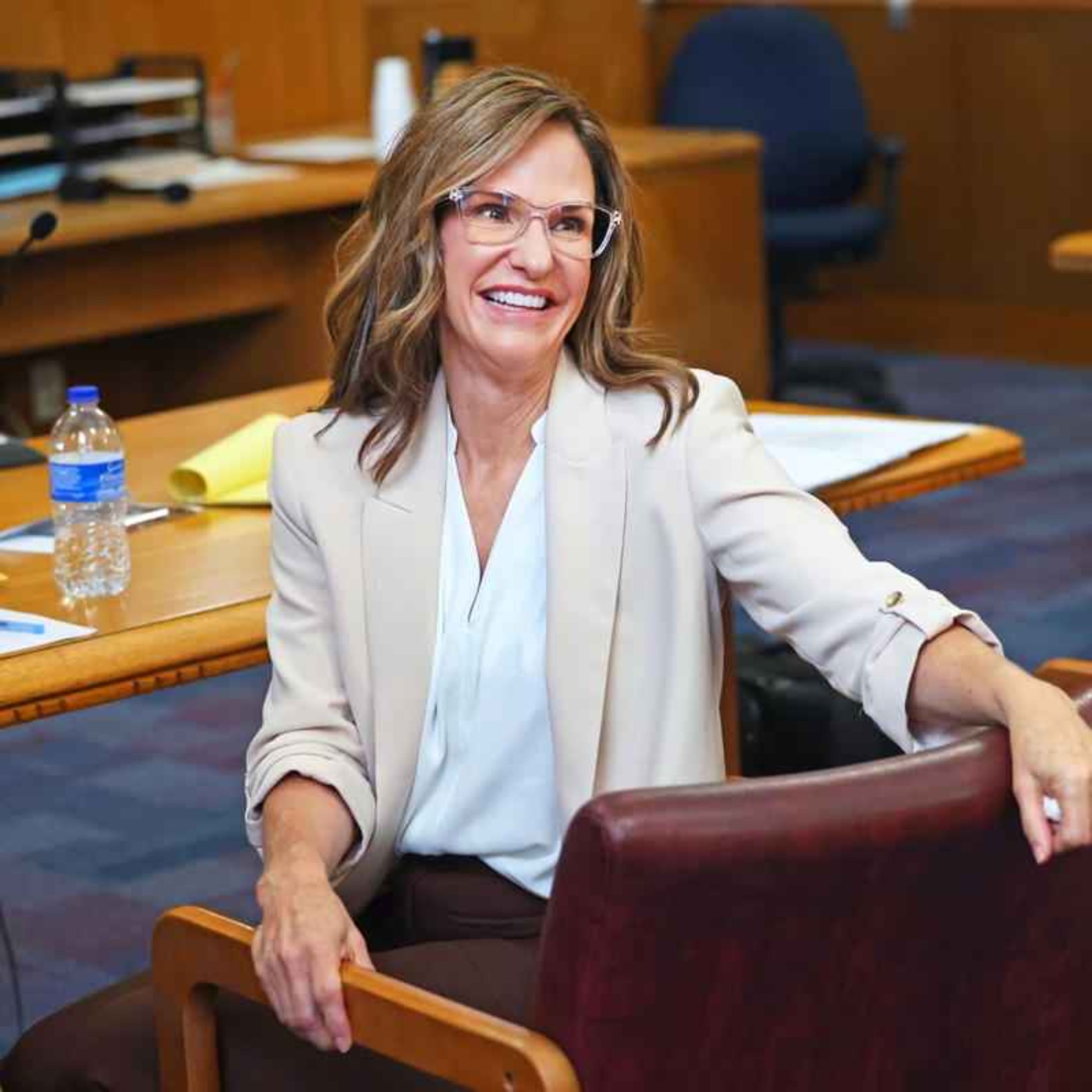
Every Parent's Camera Roll P7 - Kelly Nichols
2w ago00:26:07Tap to summarizeWe recently covered the story of Kelly Nichols, who was accused of creating child pornography involving her own two daughters. Those two girls, now grown women, have said that nothing happened, that they had a wonderful childhood, and that they felt nothing but love and safety.Throughout their parents' trial, and the sentencing and appeal hearings that followed, they were referred to as 'the victims'. Yet both have said that the only thing they are victims of is the system itself. A system that claimed to be fighting for them, but would not listen to a word they had to say.Today, they finally get the chance to have a voice, and to set the record straight about their parents in their own words.Kelly and Doug Nichols and their two daughters are, seemingly, your normal all-American family. Kelly grew up on a farm in rural Illinois; she has a strong faith and even stronger family values. She and Doug met when the pair were in their early twenties, dated for four years, and then got married. Doug worked in IT, while Kelly enjoyed a long and happy career as a dental hygienist, respected and loved by her patients and by the community.As the family grew, they did all the things young, busy families do. They went on adventures and holidays, the girls played sports, and they attended church every Sunday. And, like almost all families, they documented the years through pictures and videos, especially of their two young daughters. Treasured family memories. Memories that would one day land them both in prison, arrested, tried and convicted of possessing and producing child pornography.It all started when allegations were made against Kelly's husband, Doug. Allegations he denies. Allegations we cannot go into, as they are still making their way through the court system. These allegations had nothing to do with Kelly, but they would be the catalyst for what came next.As part of the complaint, the person making the allegations told police that if they took Doug's phone and computer, they would find evidence to back up her claims. So they did. But they found nothing. What they did find, however, while searching through the computer and phone, was those very family memories: thousands of pictures and videos of the two kids. As police went through the files, they said they found what they deemed to be images and videos of a sexual nature.They took what they had found to a grand jury, and very quickly this supposedly normal all-American family were having their lives dissected and pulled apart online, their faces plastered across the internet under headlines like "Decatur Couple Arrested on Child Porn and Sex Charges."This is a case where we can truly say: it could happen to you.EARLY AND AD FREE ACCESS: for as little as $1.69 a week!Apple + HEREPatreon and find us on Facebook here. Hosted on Acast. See acast.com/privacy for more information.
Transcribe →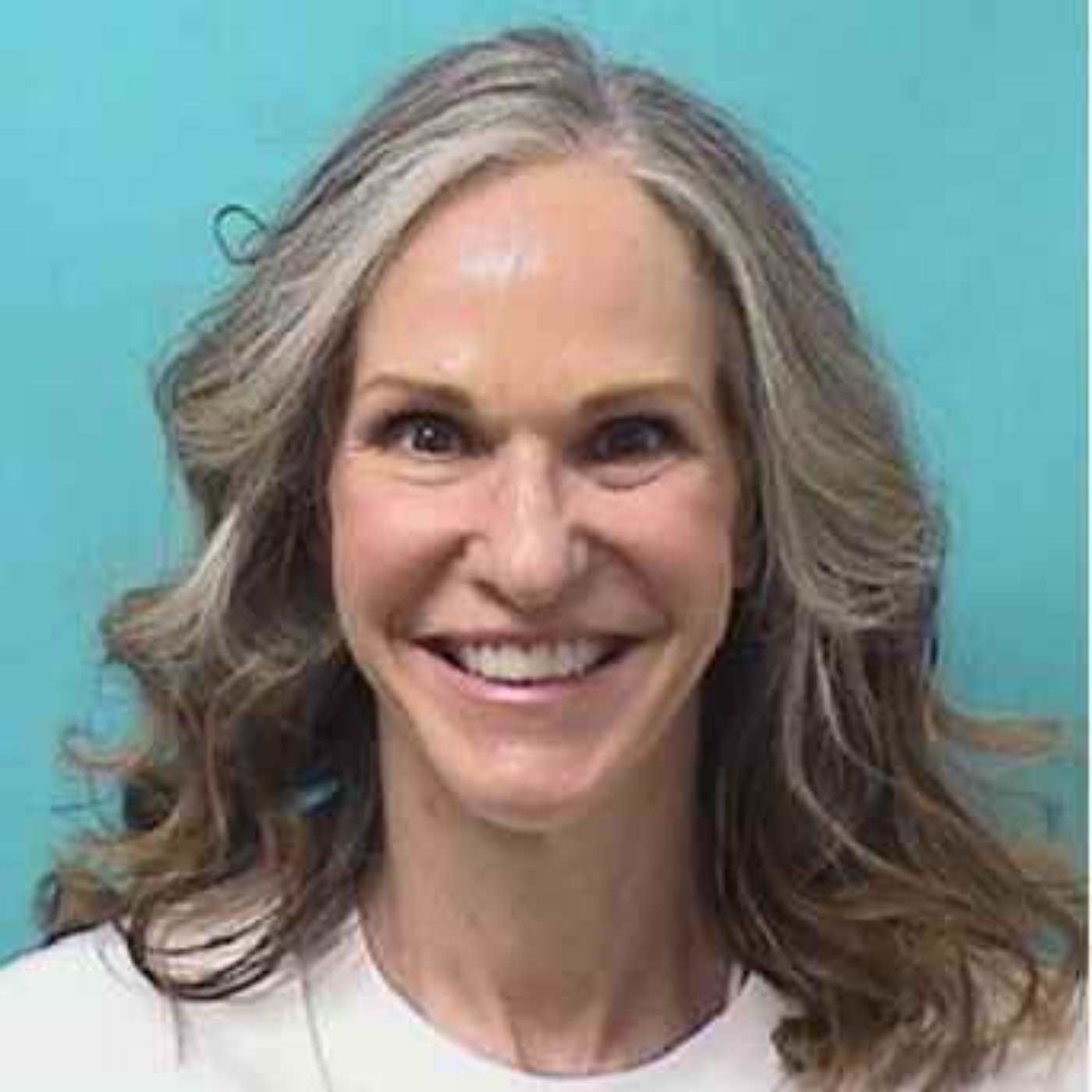
Every Parent's Camera Roll P6 - Kelly Nichols
2w ago00:34:21Tap to summarizeKelly and Doug Nichols and their two daughters are, seemingly, your normal all-American family. Kelly grew up on a farm in rural Illinois; she has a strong faith and even stronger family values. She and Doug met when the pair were in their early twenties, dated for four years, and then got married. Doug worked in IT, while Kelly enjoyed a long and happy career as a dental hygienist, respected and loved by her patients and by the community.As the family grew, they did all the things young, busy families do. They went on adventures and holidays, the girls played sports, and they attended church every Sunday. And, like almost all families, they documented the years through pictures and videos, especially of their two young daughters. Treasured family memories. Memories that would one day land them both in prison, arrested, tried and convicted of possessing and producing child pornography.It all started when allegations were made against Kelly's husband, Doug. Allegations he denies. Allegations we cannot go into, as they are still making their way through the court system. These allegations had nothing to do with Kelly, but they would be the catalyst for what came next.As part of the complaint, the person making the allegations told police that if they took Doug's phone and computer, they would find evidence to back up her claims. So they did. But they found nothing. What they did find, however, while searching through the computer and phone, was those very family memories: thousands of pictures and videos of the two kids. As police went through the files, they said they found what they deemed to be images and videos of a sexual nature.They took what they had found to a grand jury, and very quickly this supposedly normal all-American family were having their lives dissected and pulled apart online, their faces plastered across the internet under headlines like "Decatur Couple Arrested on Child Porn and Sex Charges."This is a case where we can truly say: it could happen to you.EARLY AND AD FREE ACCESS: for as little as $1.69 a week!Apple + HEREPatreon and find us on Facebook here. Hosted on Acast. See acast.com/privacy for more information.
Transcribe →
Every Parent's Camera Roll P5 - Kelly Nichols
3w ago00:29:54Tap to summarizeKelly and Doug Nichols and their two daughters are, seemingly, your normal all-American family. Kelly grew up on a farm in rural Illinois; she has a strong faith and even stronger family values. She and Doug met when the pair were in their early twenties, dated for four years, and then got married. Doug worked in IT, while Kelly enjoyed a long and happy career as a dental hygienist, respected and loved by her patients and by the community.As the family grew, they did all the things young, busy families do. They went on adventures and holidays, the girls played sports, and they attended church every Sunday. And, like almost all families, they documented the years through pictures and videos, especially of their two young daughters. Treasured family memories. Memories that would one day land them both in prison, arrested, tried and convicted of possessing and producing child pornography.It all started when allegations were made against Kelly's husband, Doug. Allegations he denies. Allegations we cannot go into, as they are still making their way through the court system. These allegations had nothing to do with Kelly, but they would be the catalyst for what came next.As part of the complaint, the person making the allegations told police that if they took Doug's phone and computer, they would find evidence to back up her claims. So they did. But they found nothing. What they did find, however, while searching through the computer and phone, was those very family memories: thousands of pictures and videos of the two kids. As police went through the files, they said they found what they deemed to be images and videos of a sexual nature.They took what they had found to a grand jury, and very quickly this supposedly normal all-American family were having their lives dissected and pulled apart online, their faces plastered across the internet under headlines like "Decatur Couple Arrested on Child Porn and Sex Charges."This is a case where we can truly say: it could happen to you.EARLY AND AD FREE ACCESS: for as little as $1.69 a week!Apple + HEREPatreon and find us on Facebook here. Hosted on Acast. See acast.com/privacy for more information.
Transcribe →
Every Parent's Camera Roll P4 - Kelly Nichols
3w ago00:32:33Tap to summarizeKelly and Doug Nichols and their two daughters are, seemingly, your normal all-American family. Kelly grew up on a farm in rural Illinois; she has a strong faith and even stronger family values. She and Doug met when the pair were in their early twenties, dated for four years, and then got married. Doug worked in IT, while Kelly enjoyed a long and happy career as a dental hygienist, respected and loved by her patients and by the community.As the family grew, they did all the things young, busy families do. They went on adventures and holidays, the girls played sports, and they attended church every Sunday. And, like almost all families, they documented the years through pictures and videos, especially of their two young daughters. Treasured family memories. Memories that would one day land them both in prison, arrested, tried and convicted of possessing and producing child pornography.It all started when allegations were made against Kelly's husband, Doug. Allegations he denies. Allegations we cannot go into, as they are still making their way through the court system. These allegations had nothing to do with Kelly, but they would be the catalyst for what came next.As part of the complaint, the person making the allegations told police that if they took Doug's phone and computer, they would find evidence to back up her claims. So they did. But they found nothing. What they did find, however, while searching through the computer and phone, was those very family memories: thousands of pictures and videos of the two kids. As police went through the files, they said they found what they deemed to be images and videos of a sexual nature.They took what they had found to a grand jury, and very quickly this supposedly normal all-American family were having their lives dissected and pulled apart online, their faces plastered across the internet under headlines like "Decatur Couple Arrested on Child Porn and Sex Charges."This is a case where we can truly say: it could happen to you.EARLY AND AD FREE ACCESS: for as little as $1.69 a week!Apple + HEREPatreon and find us on Facebook here. Hosted on Acast. See acast.com/privacy for more information.
Transcribe →
Every Parent's Camera Roll P3 - Kelly Nichols
4w ago00:29:43Tap to summarizeKelly and Doug Nichols and their two daughters are, seemingly, your normal all-American family. Kelly grew up on a farm in rural Illinois; she has a strong faith and even stronger family values. She and Doug met when the pair were in their early twenties, dated for four years, and then got married. Doug worked in IT, while Kelly enjoyed a long and happy career as a dental hygienist, respected and loved by her patients and by the community.As the family grew, they did all the things young, busy families do. They went on adventures and holidays, the girls played sports, and they attended church every Sunday. And, like almost all families, they documented the years through pictures and videos, especially of their two young daughters. Treasured family memories. Memories that would one day land them both in prison, arrested, tried and convicted of possessing and producing child pornography.It all started when allegations were made against Kelly's husband, Doug. Allegations he denies. Allegations we cannot go into, as they are still making their way through the court system. These allegations had nothing to do with Kelly, but they would be the catalyst for what came next.As part of the complaint, the person making the allegations told police that if they took Doug's phone and computer, they would find evidence to back up her claims. So they did. But they found nothing. What they did find, however, while searching through the computer and phone, was those very family memories: thousands of pictures and videos of the two kids. As police went through the files, they said they found what they deemed to be images and videos of a sexual nature.They took what they had found to a grand jury, and very quickly this supposedly normal all-American family were having their lives dissected and pulled apart online, their faces plastered across the internet under headlines like "Decatur Couple Arrested on Child Porn and Sex Charges."This is a case where we can truly say: it could happen to you.EARLY AND AD FREE ACCESS: for as little as $1.69 a week!Apple + HEREPatreon and find us on Facebook here. Hosted on Acast. See acast.com/privacy for more information.
Transcribe →
Every Parent's Camera Roll P2 - Kelly Nichols
Jul 1300:29:44Tap to summarizeKelly and Doug Nichols and their two daughters are, seemingly, your normal all-American family. Kelly grew up on a farm in rural Illinois; she has a strong faith and even stronger family values. She and Doug met when the pair were in their early twenties, dated for four years, and then got married. Doug worked in IT, while Kelly enjoyed a long and happy career as a dental hygienist, respected and loved by her patients and by the community.As the family grew, they did all the things young, busy families do. They went on adventures and holidays, the girls played sports, and they attended church every Sunday. And, like almost all families, they documented the years through pictures and videos, especially of their two young daughters. Treasured family memories. Memories that would one day land them both in prison, arrested, tried and convicted of possessing and producing child pornography.It all started when allegations were made against Kelly's husband, Doug. Allegations he denies. Allegations we cannot go into, as they are still making their way through the court system. These allegations had nothing to do with Kelly, but they would be the catalyst for what came next.As part of the complaint, the person making the allegations told police that if they took Doug's phone and computer, they would find evidence to back up her claims. So they did. But they found nothing. What they did find, however, while searching through the computer and phone, was those very family memories: thousands of pictures and videos of the two kids. As police went through the files, they said they found what they deemed to be images and videos of a sexual nature.They took what they had found to a grand jury, and very quickly this supposedly normal all-American family were having their lives dissected and pulled apart online, their faces plastered across the internet under headlines like "Decatur Couple Arrested on Child Porn and Sex Charges."This is a case where we can truly say: it could happen to you.EARLY AND AD FREE ACCESS: for as little as $1.69 a week!Apple + HEREPatreon and find us on Facebook here. Hosted on Acast. See acast.com/privacy for more information.
Transcribe →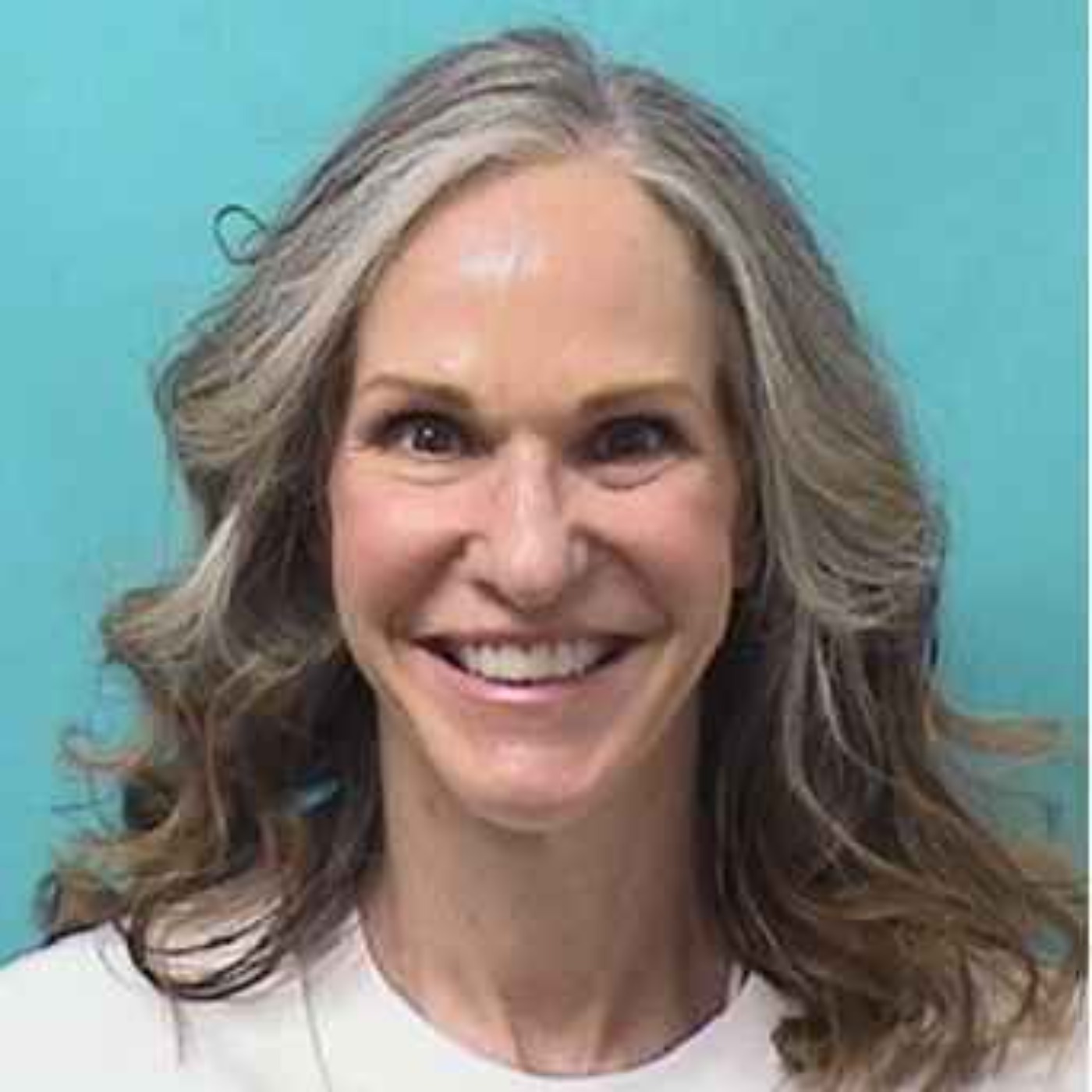
Every Parent's Camera Roll - Kelly Nichols
Jul 800:29:04Tap to summarizeKelly and Doug Nichols and their two daughters are, seemingly, your normal all-American family. Kelly grew up on a farm in rural Illinois; she has a strong faith and even stronger family values. She and Doug met when the pair were in their early twenties, dated for four years, and then got married. Doug worked in IT, while Kelly enjoyed a long and happy career as a dental hygienist, respected and loved by her patients and by the community.As the family grew, they did all the things young, busy families do. They went on adventures and holidays, the girls played sports, and they attended church every Sunday. And, like almost all families, they documented the years through pictures and videos, especially of their two young daughters. Treasured family memories. Memories that would one day land them both in prison, arrested, tried and convicted of possessing and producing child pornography.It all started when allegations were made against Kelly's husband, Doug. Allegations he denies. Allegations we cannot go into, as they are still making their way through the court system. These allegations had nothing to do with Kelly, but they would be the catalyst for what came next.As part of the complaint, the person making the allegations told police that if they took Doug's phone and computer, they would find evidence to back up her claims. So they did. But they found nothing. What they did find, however, while searching through the computer and phone, was those very family memories: thousands of pictures and videos of the two kids. As police went through the files, they said they found what they deemed to be images and videos of a sexual nature.They took what they had found to a grand jury, and very quickly this supposedly normal all-American family were having their lives dissected and pulled apart online, their faces plastered across the internet under headlines like "Decatur Couple Arrested on Child Porn and Sex Charges."This is a case where we can truly say: it could happen to you.EARLY AND AD FREE ACCESS: for as little as $1.69 a week!Apple + HEREPatreon and find us on Facebook here. Hosted on Acast. See acast.com/privacy for more information.
Transcribe →
Crimes of Omission - Rob Rosen
Jul 600:43:00Tap to summarizeRob Rosen is a veteran investigative journalist with more than thirty years of experience. He was the Executive Producer, creator, and showrunner of the investigative, true-crime series Reasonable Doubt a show thats had featured a few of the men and women that we have spoke to on One Minute Reamining. Rob has just released his new book Crimes of OmissionExposing why the media refused to tell the whole truth about the anti-police movement.Truth is supposed to be a journalist’s north star. But during the 2010s, the fourth estate lost its way, abandoning reporting for straight-up activism.In Crimes of Omission, Rob will reveal the full story of the high-profile cases of law enforcement violence that rocked the world.Through dozens of exclusive interviews, this book transports readers inside the nation’s most influential newsrooms at those crucial moments when the people we trust to inform us chose instead to mislead and inflame.Crimes of omission aren’t about what is reported—they’re about what’s left out. Discover the disastrous decisions that ripped a nation apart and shattered the credibility of a once noble profession—and prepare to question everything you thought was true.He joins me today for a chat about some of the cases we have both covered, those that left a lasting impression and of course his new book which you can get hereEARLY AND AD FREE ACCESS: for as little as $1.69 a week!Apple + HEREPatreon and find us on Facebook here. Hosted on Acast. See acast.com/privacy for more information.
Transcribe →