Podcast
One Minute Remaining - Stories from the inmates
Hosted by Jack Laurence · EN
In 'One Minute Remaining' I speak with inmates serving lengthy prison sentences for a range of different crimes. From arson to robbery, attempted murder and even murder itself and everything in between.
I'm not here to try and prove them innocent or guilty, what I am here to do is allow them the chance to tell their stories. We'll look at the case's against them and allow them to tell us their accounts of the events that lead up to their incarceration.
Join the OMR Family and help support the show in a way that suits you, plus get bonus content, all the links are here
HOTLINE:03 5294 0569
Got a Question about a case? comment or just thoughts you'd like to share. Call the OMR hotline and leave a message and you could be featured in an upcoming episode
Hosted on Acast. See acast.com/privacy for more information.
66episodes
Episodes
Newest firstAll episodes
Unshakable Science - P11
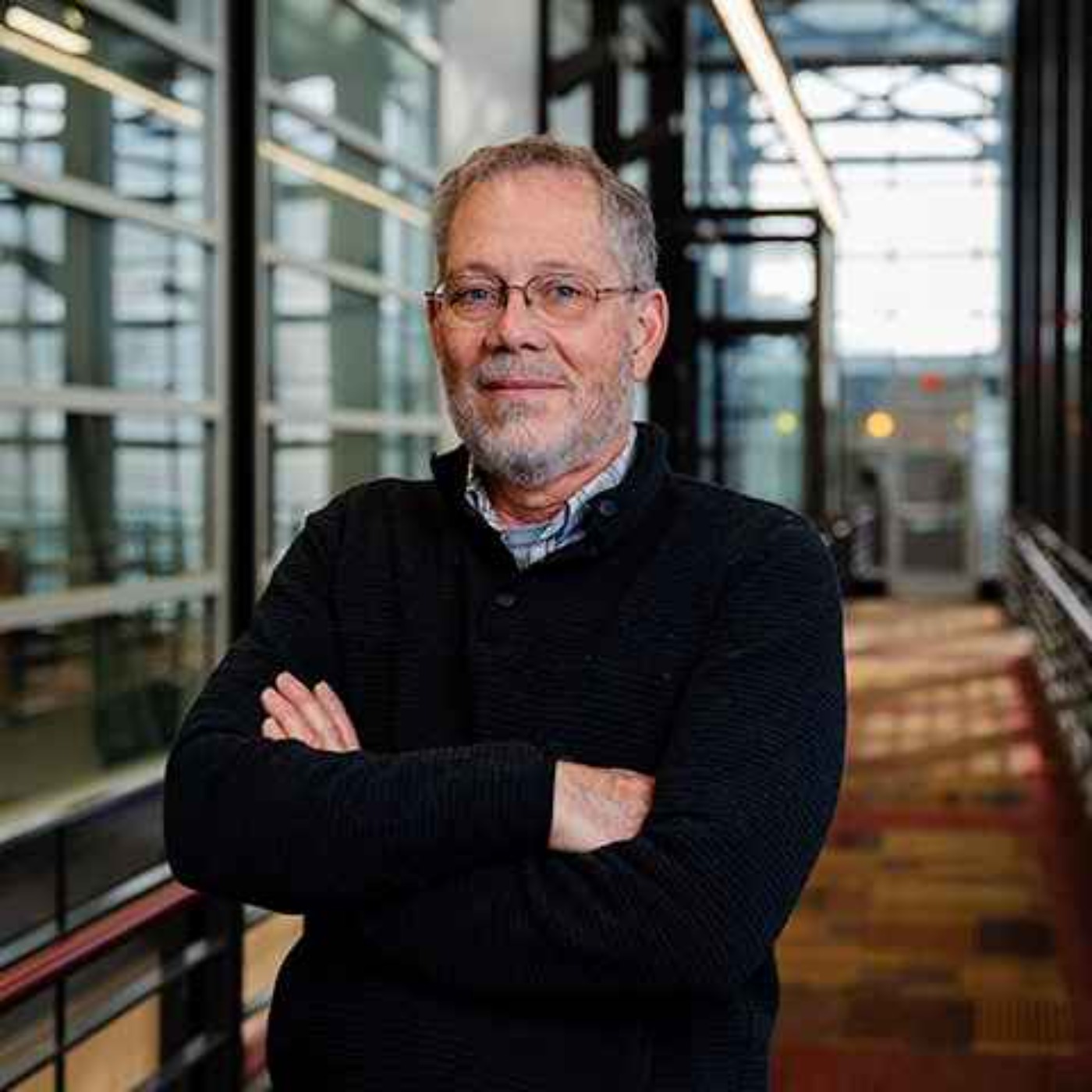
Jun 300:28:37Tap to summarizeIn the 1990s and early 2000s, Shaken Baby Syndrome was considered medical fact. When doctors found subdural bleeding, retinal hemorrhages, and brain swelling - the so-called "triad" - the diagnosis was automatic: violent abuse.This medical certainty sent hundreds of people to prison, including Tasha Shelby and Marsha Mills - two women whose cases we've been following throughout this series. Both convicted based solely on expert testimony that claimed their guilt was scientifically undeniable.But was it?Professor Keith Findley joins us to examine the evolution of SBS science. As co-founder of the Wisconsin Innocence Project and co-author of the definitive Cambridge University Press book "Shaken Baby Syndrome: Investigating the Abusive Head Trauma Controversy," Professor Findley has spent decades studying how medical assumptions became legal fact - and how that "fact" has been systematically challenged by modern research.We explore how birth trauma, medical conditions, and even short falls can mimic the signs once thought exclusive to violent shaking. We examine why 34 people have been exonerated from SBS convictions as courts slowly recognize the diagnosis is unreliable. And we discuss why cases like Tasha's and Marsha's represent a much broader crisis in forensic medicine.From the biomechanics of infant injury to the legal standards that allowed flawed science into courtrooms, Professor Findley explains how medical overconfidence created a generation of wrongful convictions - and what it will take to prevent future injustices when science masquerades as certainty.The triad that once seemed unshakeable has been shaken to its core. But for those already convicted, scientific progress may have come too late.EARLY AND AD FREE ACCESS: for as little as $1.69 a week!Apple + HEREPatreon and find us on Facebook here. Hosted on Acast. See acast.com/privacy for more information.
Transcribe →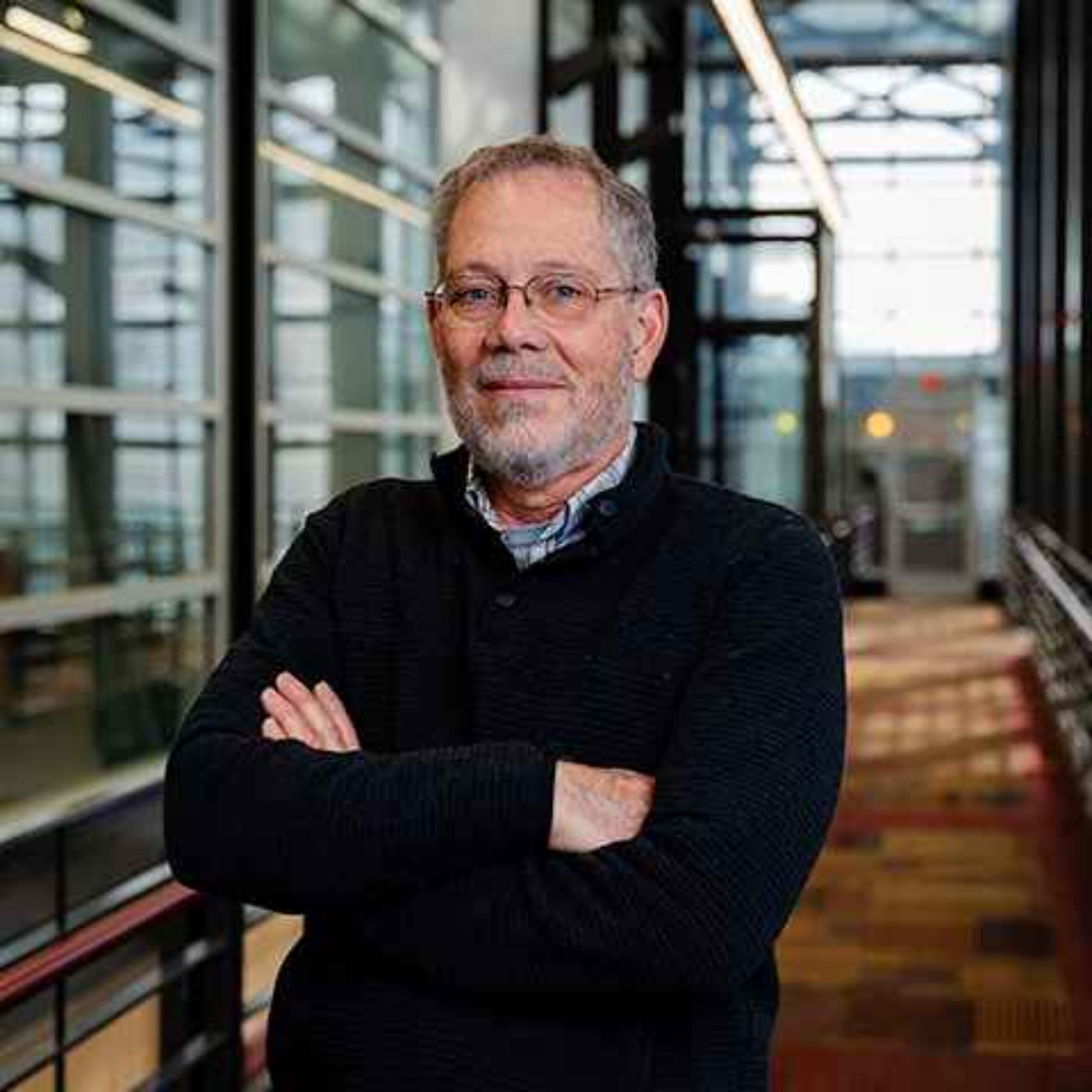
Unshakable Science - P10
Jun 100:34:16Tap to summarizeIn the 1990s and early 2000s, Shaken Baby Syndrome was considered medical fact. When doctors found subdural bleeding, retinal hemorrhages, and brain swelling - the so-called "triad" - the diagnosis was automatic: violent abuse.This medical certainty sent hundreds of people to prison, including Tasha Shelby and Marsha Mills - two women whose cases we've been following throughout this series. Both convicted based solely on expert testimony that claimed their guilt was scientifically undeniable.But was it?Professor Keith Findley joins us to examine the evolution of SBS science. As co-founder of the Wisconsin Innocence Project and co-author of the definitive Cambridge University Press book "Shaken Baby Syndrome: Investigating the Abusive Head Trauma Controversy," Professor Findley has spent decades studying how medical assumptions became legal fact - and how that "fact" has been systematically challenged by modern research.We explore how birth trauma, medical conditions, and even short falls can mimic the signs once thought exclusive to violent shaking. We examine why 34 people have been exonerated from SBS convictions as courts slowly recognize the diagnosis is unreliable. And we discuss why cases like Tasha's and Marsha's represent a much broader crisis in forensic medicine.From the biomechanics of infant injury to the legal standards that allowed flawed science into courtrooms, Professor Findley explains how medical overconfidence created a generation of wrongful convictions - and what it will take to prevent future injustices when science masquerades as certainty.The triad that once seemed unshakeable has been shaken to its core. But for those already convicted, scientific progress may have come too late.EARLY AND AD FREE ACCESS: for as little as $1.69 a week!Apple + HEREPatreon and find us on Facebook here. Hosted on Acast. See acast.com/privacy for more information.
Transcribe →
A trip 4 years in the making
May 2700:31:56Tap to summarizeWhen I found out One Minute Remaining had been nominated for Outstanding Episodic Series at the 2026 CrimeCon Clue Awards in Las Vegas — the only international nominee across the entire awards — I had about five minutes to feel good about it before the chaos began.Getting to Vegas from Australia isn’t just a matter of booking a flight. There’s a media visa to apply for, a trip to the US Embassy in Sydney, prison visit requests to file with corrections departments in two states, unanswered emails, rejections.This is the episode where I take you behind the scenes of what it actually takes to do this job. The bureaucracy, the knock backs, the paperwork, the moments where you wonder why you ever left radio and the moments that remind you exactly why you did.Photo by Tim Mossholder EARLY AND AD FREE ACCESS: for as little as $1.69 a week!Apple + HEREPatreon and find us on Facebook here. Hosted on Acast. See acast.com/privacy for more information.
Transcribe →
Unshakable Science - P9
May 2500:27:24Tap to summarizeAfter losing her husband Mike, fifty-five-year-old Marsha Mills found purpose in caring for her two beloved granddaughters and occasionally watching Evan and Noah Shoup, toddlers from her daughter's best friend's family.On May 10th, 2006, that love would destroy her life. After feeding lunch to the four children, Marsha took them outside to play. With her infant granddaughter in her arms, she turned to close the back door when two-year-old Noah fell from the porch to the concrete patio below.The child was unconscious. Marsha moved him inside, called his father, and waited for emergency workers while caring for three other frightened children. When Noah died the next day, Marsha was charged with murder.The case against her was built on medical opinion, not evidence.Detective Larry Hootman, who first investigated the scene, testified it was a "freak accident." He was removed from the case. Detective Michael Goodwin used ultraviolet imaging throughout Marsha's house but found no substances or evidence of violence.No physical evidence. No weapon. No motive.But Dr. Daryl Steiner of Akron Children's Hospital had an opinion.Based on Noah's injuries, Steiner testified the child had been abused. The prosecution's medical examiner agreed, using a doll to demonstrate how Marsha allegedly slammed the toddler repeatedly against surfaces.The defense fought back with science.Biomechanical engineer Dr. Chris VanEe built a replica of Marsha's back porch and used crash test dummies to prove a fall down the steps could cause fatal injuries. Forensic pathologist Dr. John Plunkett testified that Noah's death was "probably accidental" and consistent with Marsha's account.Two experts saying accident. Two saying murder.The jury chose to believe the prosecutors.After five hours of deliberation, they found Marsha Mills guilty of murder. She was sentenced to life in prison with parole eligibility after fifteen years.She remains behind bars today, a grandmother whose only crime was caring for children who weren't her own.EARLY AND AD FREE ACCESS: for as little as $1.69 a week!Apple + HEREPatreon and find us on Facebook here. Hosted on Acast. See acast.com/privacy for more information.
Transcribe →
Anthony Duke and the Fight for Clemency
May 2500:13:57Tap to summarizeOn New Year's Eve 2011, a landscaper named Ronald Hauser was found shot dead in the basement of his home in Livingston County, Michigan. A month later, police came knocking on the door of one of Ron's friends, a man named Anthony Duke. Tony was arrested, charged, and in 2015 convicted of murder. He has maintained his innocence ever since.Tony Duke is now serving life without the possibility of parole. Under Michigan law, that sentence means exactly what it says -- there is no parole date, no automatic review, no mechanism for release. The only path out runs through the Governor's office, and it is a path that very few people ever reach the end of.In this episode we catch up with Tony, who recently appeared before the Michigan Parole Board for what is known as a commutation initial -- a formal hearing that is, for people in Tony's situation, one of the rarest and most significant steps in a process that offers very little. We talk through what that meeting means, what came back from the Board, and what the road ahead looks like from inside a Michigan prison cell.We also examine the broader landscape of clemency in Michigan -- who gets it, who doesn't, and why the final stretch of a governor's time in office has historically been the window that matters most for people who have run out of any other options.Tony Duke's case has never stopped raising questions.How to contact Governor Whitmer about Tony Duke's caseThere are three ways to reach the Governor's office directly.Online contact form (easiest option) The Governor's office has a contact form at michigan.gov/whitmer/contact -- you can use this to write directly to the office and share their thoughts on Tony's case.By phone Constituent Services: (517) 335-7858 Main office: (517) 373-3400By post Governor Gretchen Whitmer P.O. Box 30013 Lansing, Michigan 48909Tips for anyone writing in:A letter or message to the Governor's office in support of a clemency case is most effective when it is brief, respectful, and specific. You don't need legal expertise, you just need to be genuine. A few things worth including:Tony's full name: Anthony DukeThat he is currently incarcerated in Michigan serving a life without parole sentenceThat he has appeared before the Michigan Parole Board for a commutation initialWhy you believe his case deserves the Governor's attention -- whether that is concern about the original conviction, evidence of Tony's character, or simply a belief that the case warrants a closer lookKeep it to one page if writing by post. If using the online form, a few clear, considered paragraphs is plenty. The Governor's office does read correspondence on clemency cases -- volume of letters on a specific case does register.EARLY AND AD FREE ACCESS: for as little as $1.69 a week!Apple + HEREPatreon and find us on Facebook here. Hosted on Acast. See acast.com/privacy for more information.
Transcribe →
Unshakable Science - P8
May 2000:26:45Tap to summarizeAfter losing her husband Mike, fifty-five-year-old Marsha Mills found purpose in caring for her two beloved granddaughters and occasionally watching Evan and Noah Shoup, toddlers from her daughter's best friend's family.On May 10th, 2006, that love would destroy her life. After feeding lunch to the four children, Marsha took them outside to play. With her infant granddaughter in her arms, she turned to close the back door when two-year-old Noah fell from the porch to the concrete patio below.The child was unconscious. Marsha moved him inside, called his father, and waited for emergency workers while caring for three other frightened children. When Noah died the next day, Marsha was charged with murder.The case against her was built on medical opinion, not evidence.Detective Larry Hootman, who first investigated the scene, testified it was a "freak accident." He was removed from the case. Detective Michael Goodwin used ultraviolet imaging throughout Marsha's house but found no substances or evidence of violence.No physical evidence. No weapon. No motive.But Dr. Daryl Steiner of Akron Children's Hospital had an opinion.Based on Noah's injuries, Steiner testified the child had been abused. The prosecution's medical examiner agreed, using a doll to demonstrate how Marsha allegedly slammed the toddler repeatedly against surfaces.The defense fought back with science.Biomechanical engineer Dr. Chris VanEe built a replica of Marsha's back porch and used crash test dummies to prove a fall down the steps could cause fatal injuries. Forensic pathologist Dr. John Plunkett testified that Noah's death was "probably accidental" and consistent with Marsha's account.Two experts saying accident. Two saying murder.The jury chose to believe the prosecutors.After five hours of deliberation, they found Marsha Mills guilty of murder. She was sentenced to life in prison with parole eligibility after fifteen years.She remains behind bars today, a grandmother whose only crime was caring for children who weren't her own.EARLY AND AD FREE ACCESS: for as little as $1.69 a week!Apple + HEREPatreon and find us on Facebook here. Hosted on Acast. See acast.com/privacy for more information.
Transcribe →
Unshakable Science - P7
May 1800:31:42Tap to summarizeAfter losing her husband Mike, fifty-five-year-old Marsha Mills found purpose in caring for her two beloved granddaughters and occasionally watching Evan and Noah Shoup, toddlers from her daughter's best friend's family.On May 10th, 2006, that love would destroy her life. After feeding lunch to the four children, Marsha took them outside to play. With her infant granddaughter in her arms, she turned to close the back door when two-year-old Noah fell from the porch to the concrete patio below.The child was unconscious. Marsha moved him inside, called his father, and waited for emergency workers while caring for three other frightened children. When Noah died the next day, Marsha was charged with murder.The case against her was built on medical opinion, not evidence.Detective Larry Hootman, who first investigated the scene, testified it was a "freak accident." He was removed from the case. Detective Michael Goodwin used ultraviolet imaging throughout Marsha's house but found no substances or evidence of violence.No physical evidence. No weapon. No motive.But Dr. Daryl Steiner of Akron Children's Hospital had an opinion.Based on Noah's injuries, Steiner testified the child had been abused. The prosecution's medical examiner agreed, using a doll to demonstrate how Marsha allegedly slammed the toddler repeatedly against surfaces.The defense fought back with science.Biomechanical engineer Dr. Chris VanEe built a replica of Marsha's back porch and used crash test dummies to prove a fall down the steps could cause fatal injuries. Forensic pathologist Dr. John Plunkett testified that Noah's death was "probably accidental" and consistent with Marsha's account.Two experts saying accident. Two saying murder.The jury chose to believe the prosecutors.After five hours of deliberation, they found Marsha Mills guilty of murder. She was sentenced to life in prison with parole eligibility after fifteen years.She remains behind bars today, a grandmother whose only crime was caring for children who weren't her own.EARLY AND AD FREE ACCESS: for as little as $1.69 a week!Apple + HEREPatreon and find us on Facebook here. Hosted on Acast. See acast.com/privacy for more information.
Transcribe →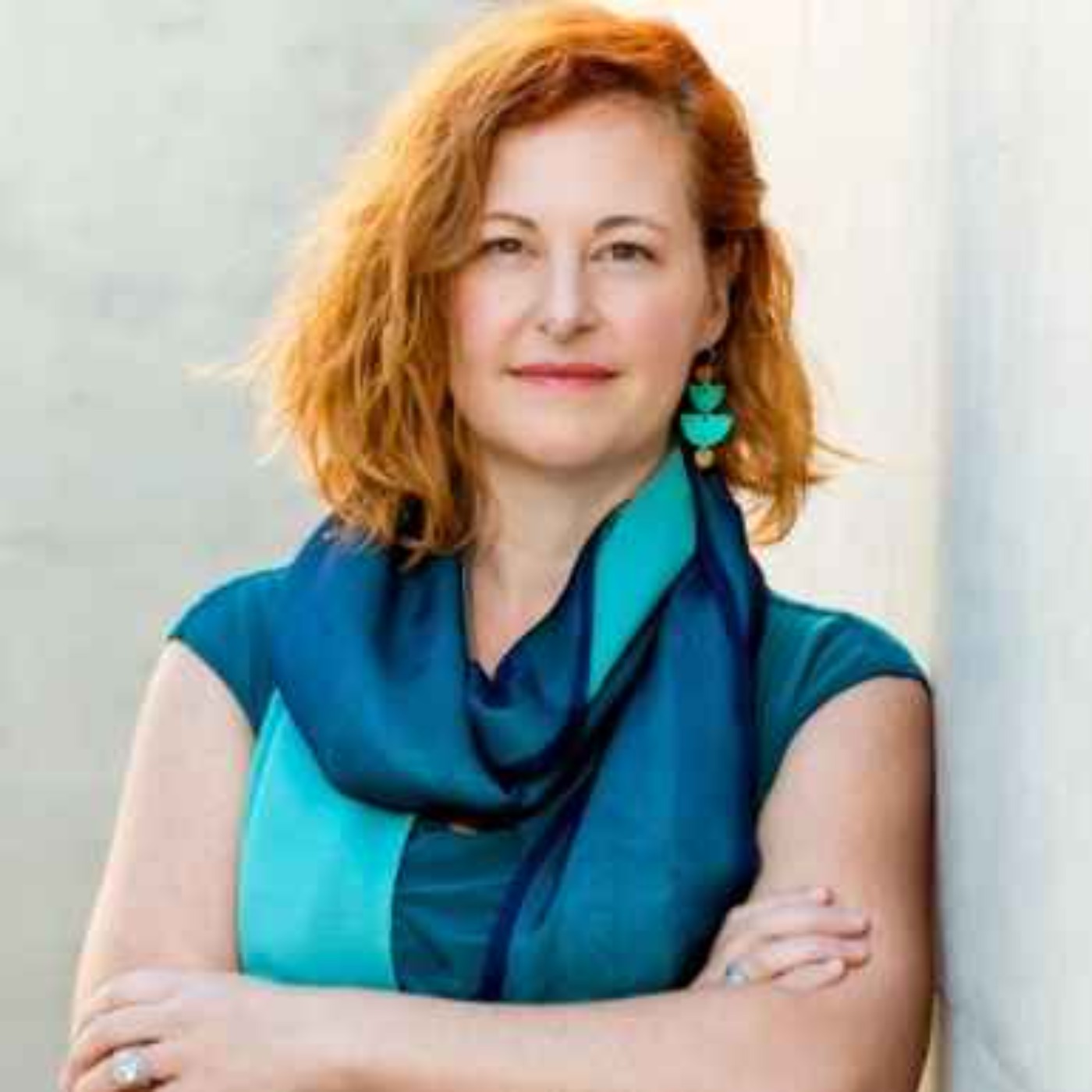
Unshakable Science - P6
May 1300:32:20Tap to summarizeValena Elizabeth Beety is the Robert H. McKinney Professor of Law at Indiana University Maurer School of Law. She began her legal career as a federal prosecutor and later transitioned to innocence work at the Mississippi Innocence Project. She went on to found and direct the West Virginia Innocence Project. Valena is the author of Manifesting Justice: Wrongly Convicted Women Reclaim Their Rights and co-editor of The Wrongful Convictions Reader, a coursebook used in classrooms nationwide, as well as her latest book 'Pink Crime'Valena has been Tasha's attorney fighting her corner for almost 16 years. We sat down to discuss how she got started in wrongful conviction cases, how she first came to hear about Tasha's case and just what can be done to try and get Tasha home. EARLY AND AD FREE ACCESS: for as little as $1.69 a week!Apple + HEREPatreon and find us on Facebook here. Hosted on Acast. See acast.com/privacy for more information.
Transcribe →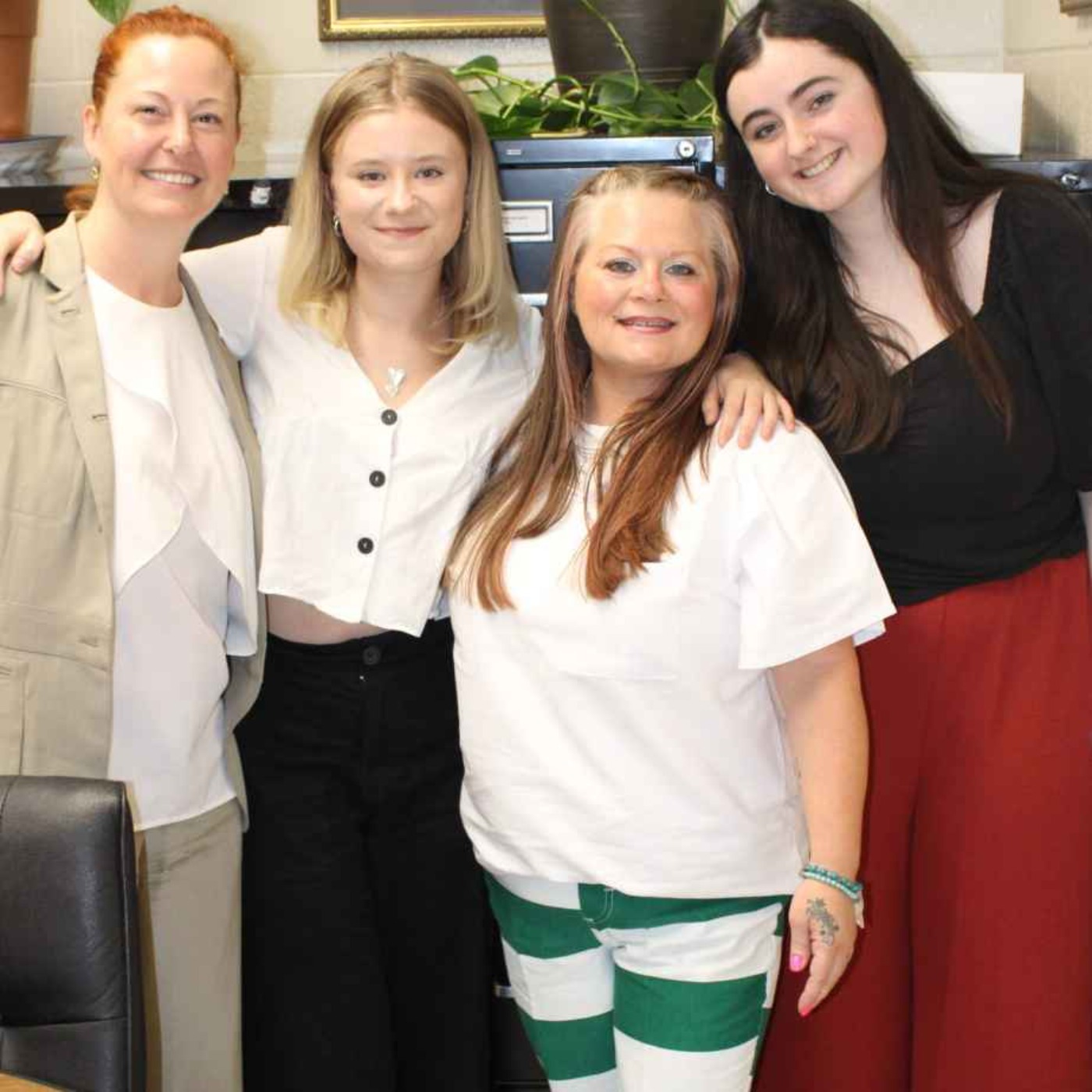
Unshakable Science - P5
May 1100:34:26Tap to summarizeIn 1997, a two-year-old boy collapsed on the floor of his bedroom in Biloxi, Mississippi. His stepmother, Tasha Shelby, called for help. By the time the sun came up, she was the prime suspect. By the time the trial ended, she had a life sentence.Tasha was twenty-two. Twelve days postpartum. Engaged to be married. The only adult in the house the night Bryan collapsed. The case against her rested on a single diagnosis, Shaken Baby Syndrome, delivered by the medical examiner who performed the autopsy.Decades on, that same medical examiner has taken the stand again, under oath, to say he got it wrong. The certainty that once surrounded the diagnosis has been picked apart in courtrooms across the world. Hundreds of people convicted on the same theory have walked free.Tasha has not.Recorded from inside Central Mississippi Correctional Facility, this is her story in her own words. The thump in the night, the newborn daughter taken from her arms,the trial and the expert recantation.What happens when the expert says they got it wrong?EARLY AND AD FREE ACCESS: for as little as $1.69 a week!Apple + HEREPatreon and find us on Facebook here. Hosted on Acast. See acast.com/privacy for more information.
Transcribe →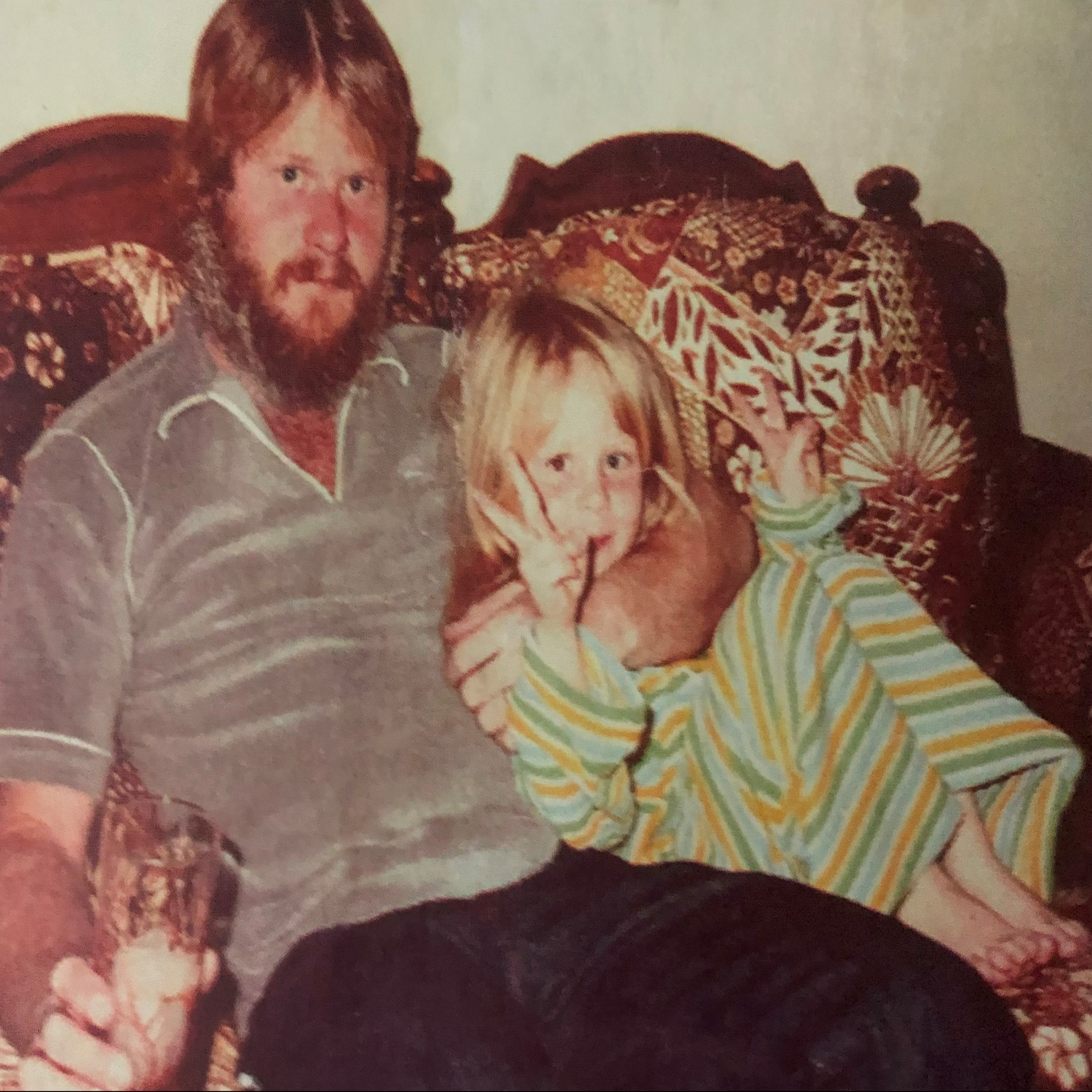
Unshakable Science - P1
May 1100:34:11Tap to summarizeIn 1997, a two-year-old boy collapsed on the floor of his bedroom in Biloxi, Mississippi. His stepmother, Tasha Shelby, called for help. By the time the sun came up, she was the prime suspect. By the time the trial ended, she had a life sentence.Tasha was twenty-two. Twelve days postpartum. Engaged to be married. The only adult in the house the night Bryan collapsed. The case against her rested on a single diagnosis, Shaken Baby Syndrome, delivered by the medical examiner who performed the autopsy.Decades on, that same medical examiner has taken the stand again, under oath, to say he got it wrong. The certainty that once surrounded the diagnosis has been picked apart in courtrooms across the world. Hundreds of people convicted on the same theory have walked free.Tasha has not.Recorded from inside Central Mississippi Correctional Facility, this is her story in her own words. The thump in the night, the newborn daughter taken from her arms,the trial and the expert recantation.What happens when the expert says they got it wrong?VOTE FOR OMR AUSTRALIAN AUDIO AWARDSEARLY AND AD FREE ACCESS: for as little as $1.69 a week!Apple + HEREPatreon and find us on Facebook here. Hosted on Acast. See acast.com/privacy for more information.
Transcribe →