← Optimal Finance Daily - Financial Independence and Money Advice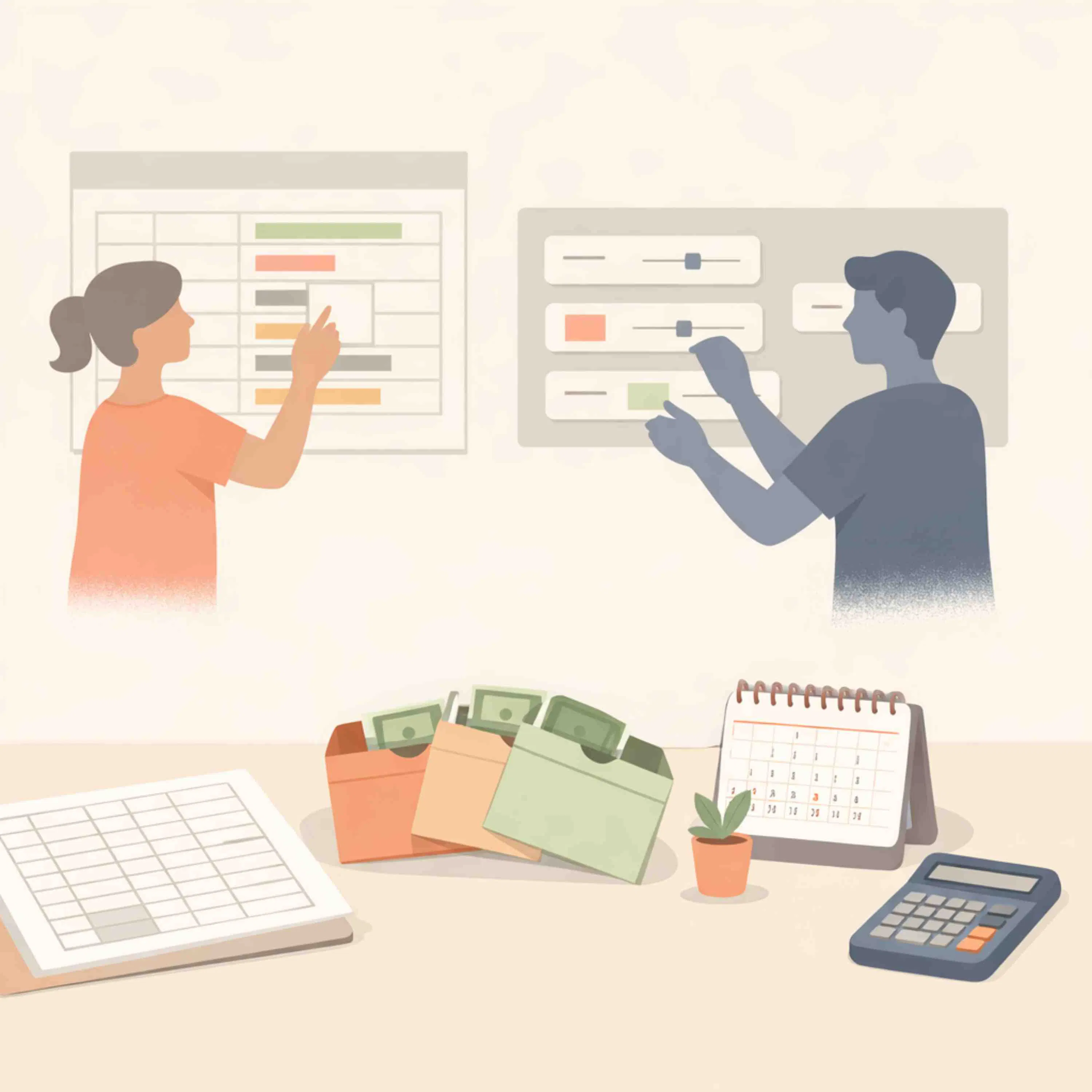
Optimal Finance Daily - Financial Independence and Money Advice
3417: 3 Practical Tips For Living On A Budget by Courtney Luke of Arrest Your Debt on Easy Budgeting Tips
00:08:22
Courtney Luke shares three actionable strategies to help you consistently live within your means
Loading summary
Transcript11 lines
- [00:00]
A
When you're ready to start your business, Northwest Registered Agent gives you access to thousands of free guides, tools and legal forms. Everything you need to launch and protect your business in one place. Northwest Registered Agent has been helping small business owners and entrepreneurs launch and grow businesses for nearly 30 years. They're the largest registered agent and LLC service in the US with over 1500 corporate guides. Real people who know your local laws and can help you in your business every step of the way. Plus, with Northwest, privacy is automatic. They never sell your data and handle all services in house because privacy by default is their pledge to customers. Don't wait, protect your privacy, build your brand and get your complete business identity in just 10 clicks and 10 minutes. Visit northwestregisteredagent.com ofdfree and start building something amazing. Get more with Northwest registered agent@northwestregisteredagent.com ofdfree.
- [01:03]
B
This is Optimal Finance Daily 3 practical tips for Living on a Budget By Courtney Luke of arrestyourdebt.com Many people have a hard time sticking to a budget. They often find themselves spending more than they intended when they were setting their goals for the month. Some people find it difficult to stick with their budgets because they've been living beyond their means for too long. It may be time to cut back on how much you spend. Budgeting is not a new concept, with the 503020 rule being one of the popular budget calculations. Two years ago, the average American family committed $61,334 to household budgets. Budgeting goes beyond planning, and the important thing is sticking to your plan. No matter why you're budgeting, the following tips should help you see things through and be consistent. Number one Commit to using budgeting tools and methods. It's one thing to plan or set a budget and another to find the right tools to help track or monitor your monthly expenses. These personal finance tools help individuals projects record and track their expenditures as the months go by. The most traditional and conservative method many households use is planning and projecting their household budget on paper, whether handwritten or printed. Having a physical representation of your budget planning helps you see firsthand the numbers you're dealing with. Moreover, with proper filing, you'll always have ready access to your records. If this method doesn't seem favorable, you can try the cash envelope method. Another budgeting tool you may find convenient is the electronic type. Microsoft Excel and other digital sheets effectively manage your household budget. The chances of losing household expenditure records are greatly minimized because digital files can be stored on a cloud account. There are household budgeting apps like Mint Home, Honeydew, and Everydollar that you can use for this purpose. It helps greatly when you stick to a monthly record keeping by using any of these methods and tools. The first step towards living within your budget is to understand how much money you have available for monthly expenses. This should include all spending except rent and utilities. Once this is done, you must make sure that you're not overspending in any category. 2. Make adjustments to your monthly budget when necessary. Perhaps you lived by a specific budget before getting married, or you had a budget as a married couple and then children came into the picture. The logical thing to do is to make vital adjustments to your previous budget to accommodate the changes. Life factors like marriage, children, caring for older parents, etc. Require extra financing, and you can only do that by tweaking your budget. Failing to do these adjustments may result in inconveniences that affect your monthly expenditure. You may start to spend more than you would want. However, by increasing your budget limit, the extra financial accommodations you make will fall within your plans. That way, you wouldn't feel like you're exceeding your budget. If you find that you're spending too much money on dining out and entertainment, then cut back on these activities. You may need to cut back on other categories such as groceries, transportation, and clothing. Once you've made cuts in certain areas, you may want to save money by cutting back on other items such as cable tv, cell phone bills, and Internet access. In order to live within your budget, you must also plan ahead. If you know that you're going to spend $100 per week at the grocery store, then you should try to buy food that lasts longer than just a few days. You can also shop around for better deals and discounts when buying items such as gas, electricity, and groceries. Many people have trouble saving money because they think that they'll lose everything if they don't spend enough. However, if you take an honest look at what you spend now, you may be surprised at how little you actually need to survive. And number three, avoid using the buffer money in the budget. For best household budgeting practices, it's important to make provision for what is described as a buffer. This amount is set aside to take care of any unforeseen circumstances requiring emergency cash. Indeed, the temptation to use the buffer is high when you exceed your monthly budget. This is why it's important to plan an adequate monthly limit that doesn't require you to fall back on the buffer too often. While planning a budget is important, it's imperative to walk the talk. The practical steps you employ to stick to your household's plan will contribute to your domestic financial planning. Wrapping it up. You don't have to go broke paying off credit cards. You don't need to spend all of your time shopping for bargains, but you do need to know what kinds of expenses you can afford. You just listened to the post titled 3 Practical Tips for Living on a Budget by Courtney Luke of arrestyourdebt.com Courtney.
- [06:23]
A
One of my biggest goals for 2026 is finally building a dedicated travel fund without the guilt. I'm tired of stressing about money when I book a trip, so this year I'm getting organized. Managing your money doesn't have to be a struggle this year.
- [06:37]
B
Monarch is the all in one personal.
- [06:39]
A
Finance tool designed to make your life easier. It brings your entire financial life, budgeting accounts and investments, net worth and future planning together in one dashboard on your laptop or phone. I've been using Monarch for years and love using it for my New Year's financial reset. It helps me review spending and set fresh budgets. Plus, their AI assistant gives me personalized answers instantly. This new year, achieve your financial goals for good.
- [07:08]
B
Monarch is the all in one tool.
- [07:10]
A
That makes proactive money management simple all year long. Use code optimal@monarch.com for half off your first year. That's 50% off your first year@monarch.com with code optimal.
- [07:25]
C
Reggie, I just sold my car online. Let's go, Grandpa. Wait, you did? Yep. On Carvana. Just put in the license plate, answered a few questions, got an offer in minutes. Easier than setting up that new digital picture frame. You don't say. Yeah, they're even picking it up tomorrow. Talk about fast.
- [07:41]
A
Wow.
- [07:42]
C
Way to go. So about that picture frame. Ah, forget about it. Until Carvana makes one, I'm not interested.
- [07:49]
B
Car selling made easy on Carvana. Pickup fees may apply. Why do people find it so hard to stick to a budget? Well, the struggle is real, and there are several reasons why it's often easier said than done. First of all, life's unpredictable. You can create the most meticulous budget on the planet. But the minute your car engine starts making weird noises or your beloved pet decides to swallow a sock, all your financial plans go out the window. Those unexpected expenses can hit hard and send your budget into a tailspin. A budget is simply a plan. It's telling your money where to go versus wondering where it went. But when life throws you a curveball and forces you to spend in ways you didn't intend to, it can be discouraging. So I think it's important to remember that we need to be flexible and not throw out the baby with the bathwater. Even with setbacks, the simple act of paying attention and engaging with the budget is proven to help you spend less and manage your money better than if you made no effort. Keeping track of every penny can be exhausting. Trust me, I felt it. It's like trying to follow a strict diet. It's easy to burn out and give in to the temptation to splurge. However, with some patience, self control, and perhaps a little extra padding for those surprise expenses, you can still make budgeting work for you. That'll do it for today. Thank you for listening. Have a great rest of your day and I'll see you on tomorrow's show, where your optimal life awaits.