Podcast
Our Family Invests Podcast
Hosted by Our Family Invests · EN
The Our Family Invests Podcast is a conversation with inspiring couples and individuals who have built meaningful lives and are thoughtful about how they invest their time, energy, relationships, and capital.
Hosted by Mike and Caroline Neubauer, each episode features honest, casual conversations about how people think, make decisions, stay aligned, build wealth and legacy, and what it actually takes to build an intentional life together.
New episodes every Tuesday.
37episodes
Episodes
Newest firstAll episodes
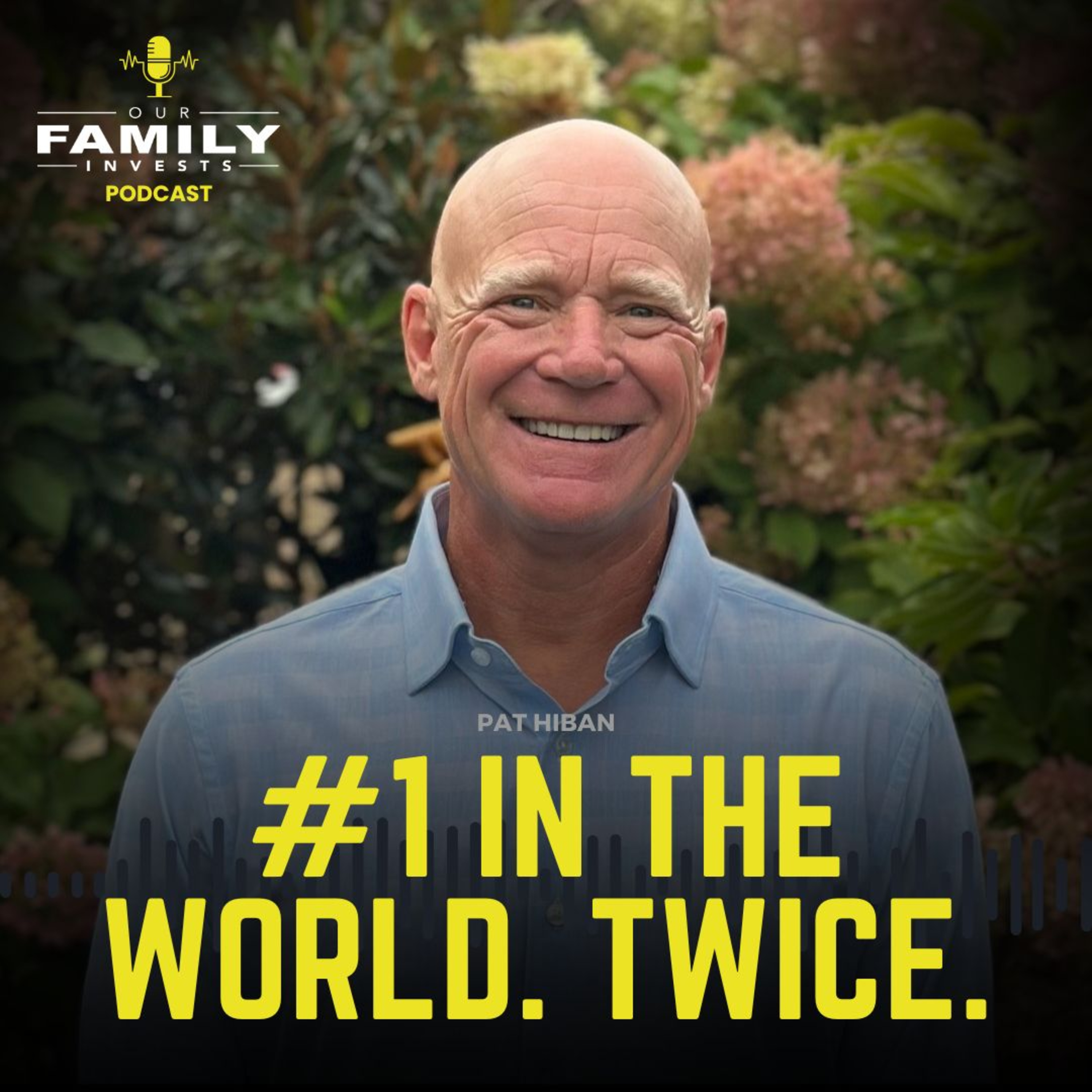
He Sold $1 Billion in Real Estate, Then Co-Founded GoBundance - Pat Hiban | Our Family Invests
2w ago01:03:37Tap to summarizePat Hiban was the #1 real estate agent in the world in 2004, then did it again in 2006 at a different brokerage. He sold over $1 billion in homes before walking away from active selling at 46, with no buyer for the team he built and no big payout waiting on the other side.In this episode, Pat tells Mike and Caroline what it actually looked like to dismantle the machine he spent 25 years building: laying off 22 people in a single year, shrinking an 8,000 square foot office down to almost nothing, and eventually just closing the business because he couldn't find anyone to sell it to. He also opens up about losing $1.2 million in nine months during the 1999 stock crash, the same year he first thought he'd made it as a millionaire, and why he says today's market feels eerily familiar.Why Pat walked away from real estate at 46 with no buyer and no big payoutThe "barrel of monkeys" framework for knowing if a mastermind is worth staying inHow he lost $1.2 million in nine months during the 1999 stock crashWhat happened when he got fired from the leadership role he left his own brokerage forThe investing edge that made his Section 8 and college rental properties workHow GoBundance grew from a free hiking trip into a 1,500-member mastermindPat also talks about 33 years of marriage, why his wife's trust made his riskiest bets possible, and the line from his mentor that's stuck with him for decades: fear of loss is a greater motivator than the opportunity to gain. It's a rare, unpolished look at what walking away from the top actually costs, and what it builds in its place.Subscribe to The Weekly Compass, our free weekly newsletter with short practical tips for building wealth, aligning your family, and living intentionally: https://OurFamilyInvests.com
Transcribe →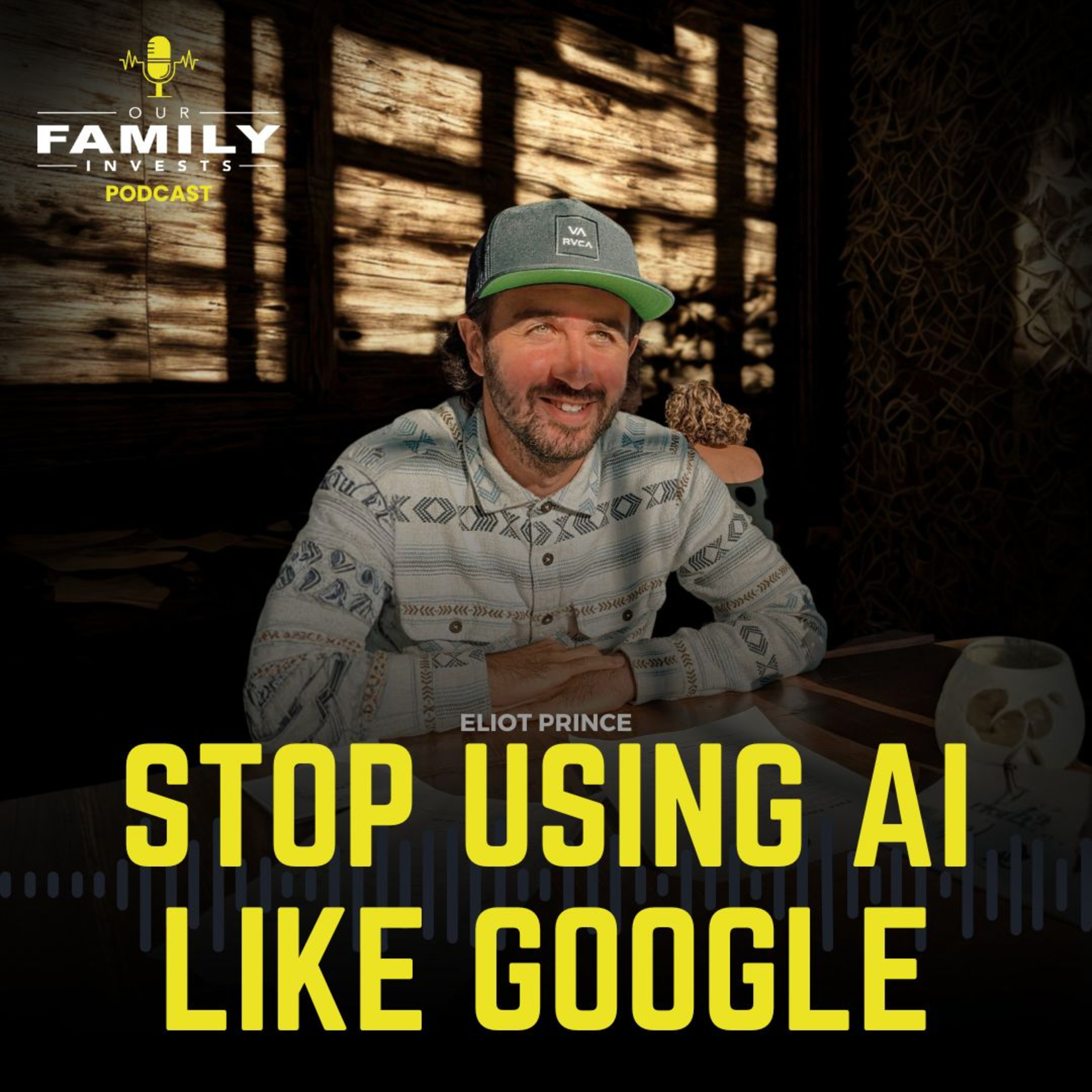
How to Use AI as a Skill, Not a Search Engine, with Eliot Prince | Our Family Invests
3w ago01:00:18Tap to summarizeMost people open an AI tool, type a question, and move on. That's using AI like a search engine. Eliot Prince, UK-based AI educator and former SEO consultant, teaches thousands of business owners how to actually build with AI: creating systems, automating drudgery, and reclaiming real hours every week.Eliot joins Mike to break down the full AI skill-building framework: why there's a genuine learning curve, how to structure Claude projects so your AI actually knows your business, what skills are and why they outperform prompt libraries, and the three-tool stack he runs his entire operation on. If you've ever felt like AI works for everyone except you, this episode is the unlock.Why AI is a skill that takes 20 hours to learn and 40 to 60 hours to make habitualHow Claude projects, memory, and custom instructions work together as a real systemWhat Claude Skills are and why they cut token usage and beat prompt librariesThe difference between Claude Chat, Cowork, and Code and which fits where you areWhy context rot is quietly killing productivity for people stuck in one "perfect chat"Eliot's three-tool stack: Whisper Flow, Granola, and ClaudeSubscribe to The Weekly Compass, our free weekly newsletter with short practical tips for building wealth, aligning your family, and living intentionally: https://OurFamilyInvests.com/newsletter
Transcribe →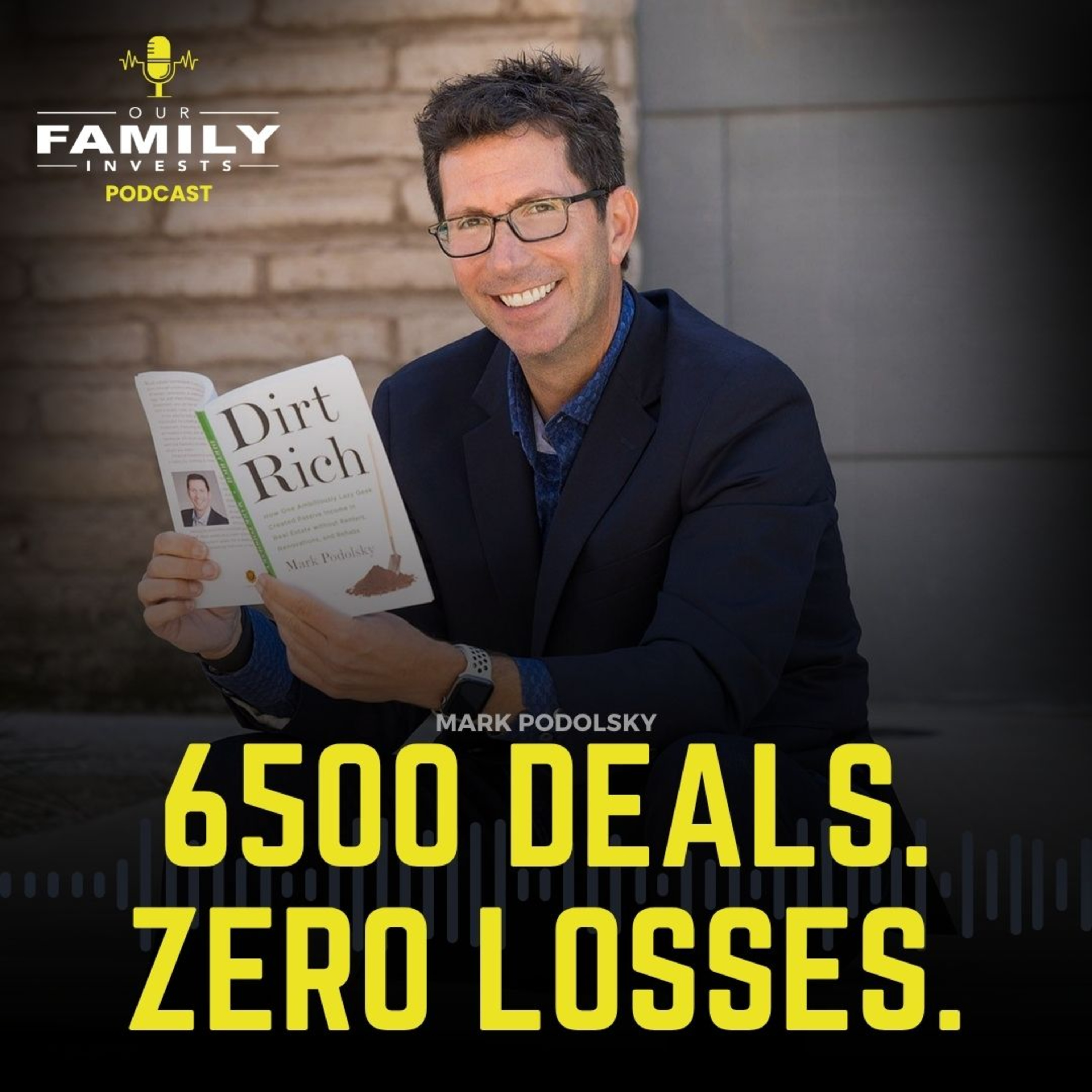
Raw Land Investing: 6,500 Deals, Zero Losses, Total Freedom - Mark Podolsky: "The Land Geek"| Our Family Invests
4w ago00:46:17Tap to summarizeRaw land investing has produced 300 to 1,200 percent returns for Mark Podolsky across 6,500+ deals since 2001. He has never lost money on one. His business runs on about two hours a week. Mark, known as The Land Geek, joins Mike and Caroline to break down exactly how the system works and why most people talk themselves out of an investment vehicle that quietly keeps printing.Mark walks through the full model: buying rural parcels at 25 to 35 cents on the dollar from delinquent tax owners, seller-financing them back out via land sale contracts, and automating collections through his own software, GeekPay. He also gets into the risks, the due diligence process, why the margins have barely moved in 24 years, and what he calls the second mountain shift that turned a personal win into a broader mission.How to find and buy raw land at 25 to 35 cents on the dollar using delinquent tax recordsWhy seller financing via land sale contracts eliminates foreclosure costs entirelyHow GeekPay automates note management across thousands of active dealsThe remote due diligence process Mark runs without ever visiting the propertyWhy raw land margins have held at 300 to 1,200 percent for over two decadesThe three entry points Mark offers: self-directed, done-with-you, and done-for-youSubscribe to The Weekly Compass, our free weekly newsletter with short practical tips for building wealth, aligning your family, and living intentionally: https://OurFamilyInvests.com/newsletter
Transcribe →
How One Couple Paid Off $300K in Debt and Retired Before 40
Jul 1400:51:52Tap to summarizeBernadette Joy and AJ Maulion paid off $300,000 in debt in three years, became millionaires before 40, and retired together at 41 and 44. This episode covers how they did it and what nobody prepared them for once they got there.The mechanics are specific: the debt snowball applied across 12 separate student loans, a side hustle stack that included AJ doing background acting on Homeland, Bernadette's $1 per use rule that rewired her spending habits entirely, and printing out a seven-page amortization schedule and shrinking it one page at a time as their milestone system.But the more interesting conversation is what came after. They sold all their properties, rented for three years, let the market work, and bought their forever home in cash. Then came the part no one talks about: figuring out what freedom actually means when you arrive earlier than you planned.What You'll Learn:How the debt snowball worked across 12 student loans and two mortgagesThe $1 per use rule and why it never felt like sacrificeWhy they paused 401k contributions entirely to accelerate payoffHow they used an amortization schedule as a gamified milestone trackerWhy they exited real estate, went liquid, and bought their next home in cashWhat managing freedom actually looks like when you get thereSubscribe to The Weekly Compass, our free weekly newsletter with short practical tips for building wealth, aligning your family, and living intentionally: https://OurFamilyInvests.com/newsletter
Transcribe →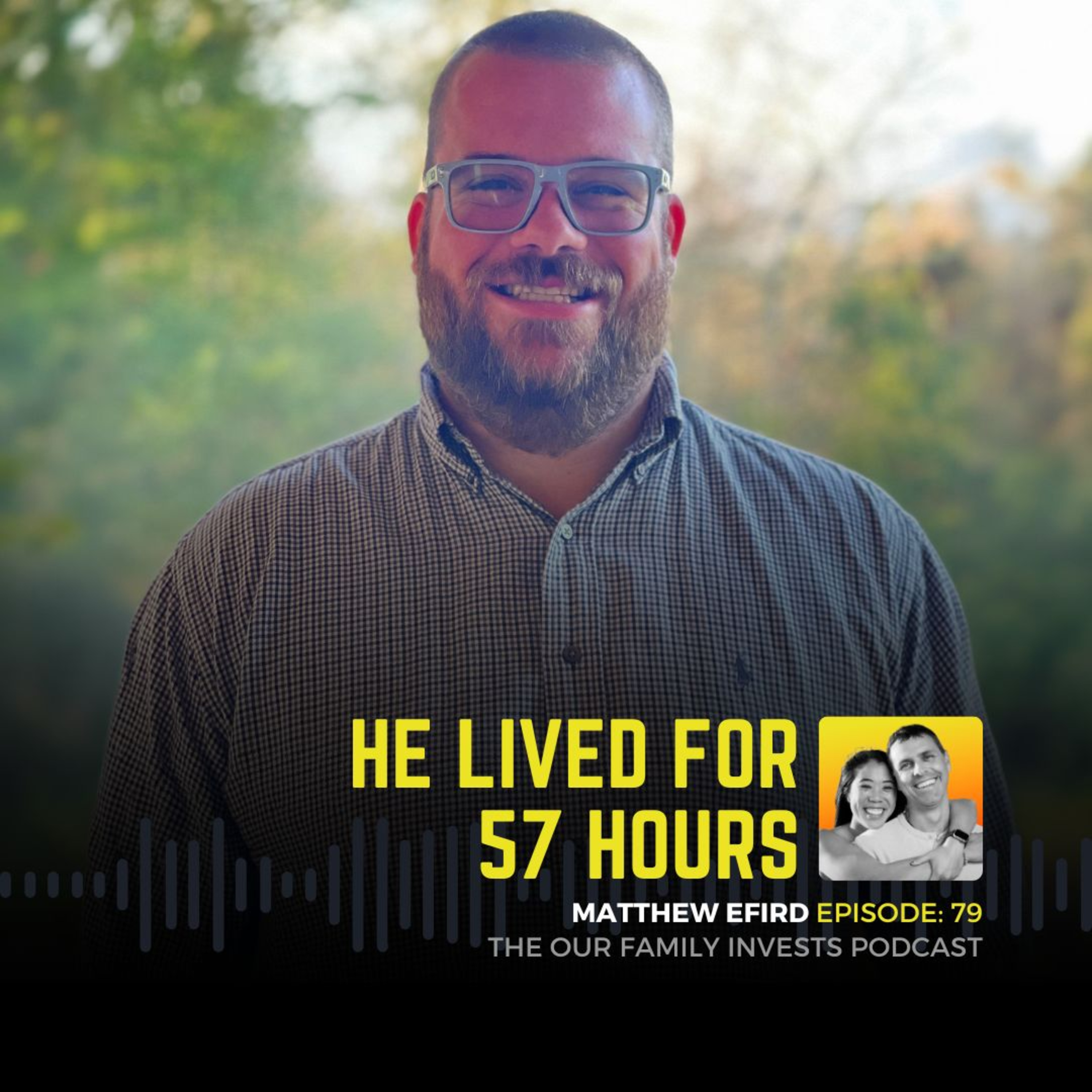
What Losing a Child Does to Your Marriage, Family, and Business - Matthew Efird | Our Family Invests Podcast (ep.79)
Jul 701:17:20Tap to summarizeIn 2019, Matthew Efird and his wife Hannah learned their unborn son Noah had Trisomy 13, a condition incompatible with life. They chose to carry him to term. Noah lived 57 hours. What followed reshaped how Matthew leads his businesses, loves his wife, and spends his time.Matthew is the founder and CEO of three businesses, bestselling author of Even Though We Will, a speaker, and host of the Pillars of Purpose Podcast. He and his family now travel the country full time in an RV with their three sons while he runs his companies from the road.This conversation covers grief, marriage, empathetic leadership, and what it actually takes to build a business that survives without you.What You'll Learn:How Matthew and Hannah built a two-question check-in that protected their marriage through six months of anticipatory griefWhat Noah's death revealed about the gaps in his leadership and how he rebuilt his team around themWhy empathetic leadership means accepting that your employees bring their whole lives to workHow a 45-day sabbatical proved whether he'd built a real business or just a high-paying jobWhat selling their house and buying an RV had to do with a conviction about timeSubscribe to The Weekly Compass, our free weekly newsletter with short practical tips for building wealth, aligning your family, and living intentionally: https://OurFamilyInvests.com/newsletter
Transcribe →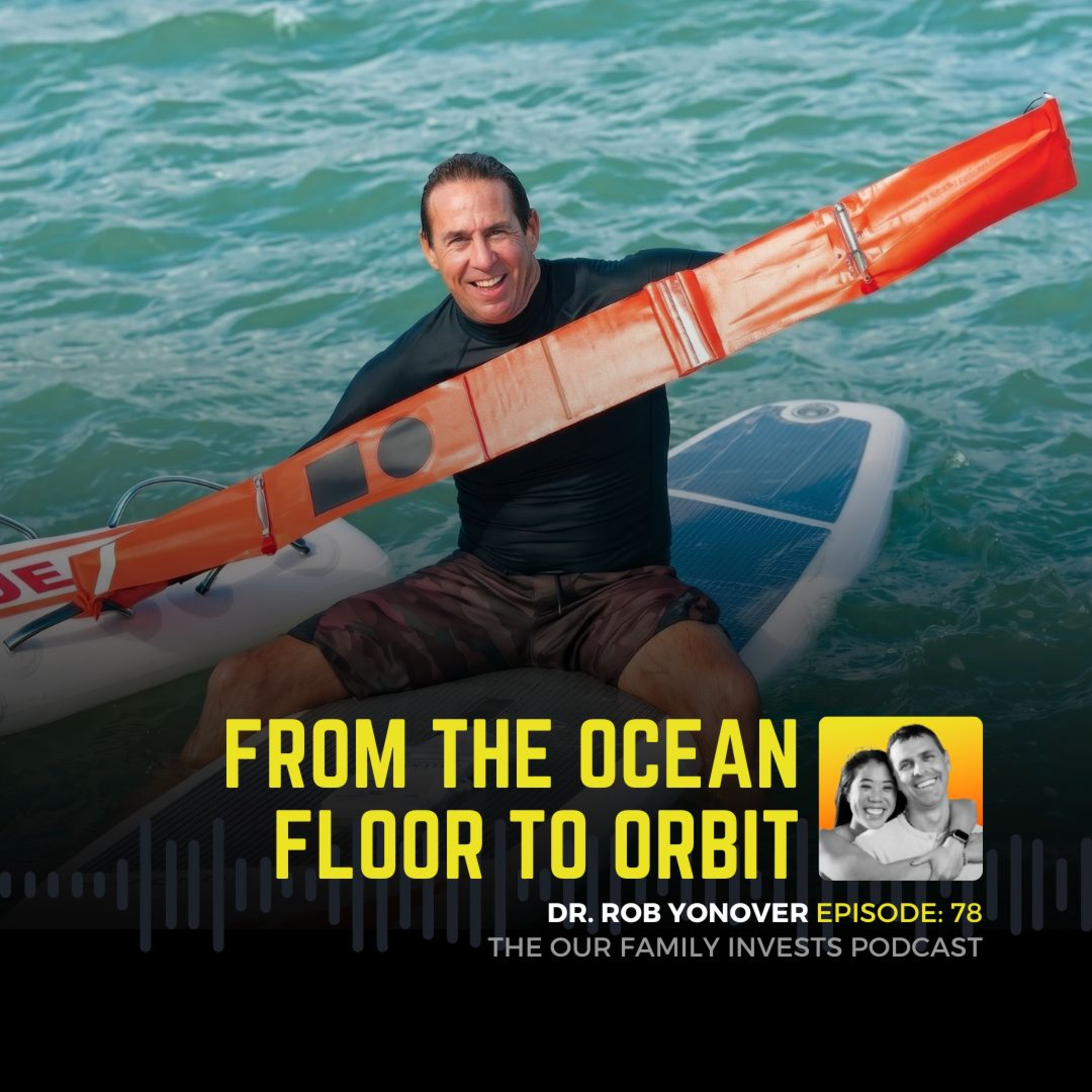
Shark Tank Rejected His Invention. NASA and SpaceX Didn't. - Dr. Rob Yonover | Our Family Invests Podcast
Jun 3001:11:01Tap to summarizeDr. Rob Yonover is a PhD geochemist, inventor of the military-approved SeeRescue Streamer, Shark Tank veteran, and full-time caregiver for 19 years while building a company, raising two kids, and carrying $600,000 in debt. His invention was rejected by all five Shark Tank sharks. It later flew to the International Space Station on a SpaceX rocket.Rob has taken the ALVIN submersible two miles below the ocean surface, navigated DARPA funding and military contracts, and written four books, including the Caregiver's Survival Guide, a love letter to his late wife Cindy, who was paralyzed by MS. He runs his business lean, without investors or employees, and has no plans to change that.What you'll learn in this episode:What Rob and Cindy's partnership looked like before and after her MS diagnosisHow an accidental gluing mistake made the SeeRescue Streamer actually workWhy all five Shark Tank sharks passed, and what happened nextWhat outside capital really costs beyond the equityHow to protect an idea before you have money to spend on attorneysWhat it looks like to take your business back and run it entirely on your own termsSubscribe to The Weekly Compass, our free weekly newsletter with short practical tips for building wealth, aligning your family, and living intentionally: https://OurFamilyInvests.com/newsletter
Transcribe →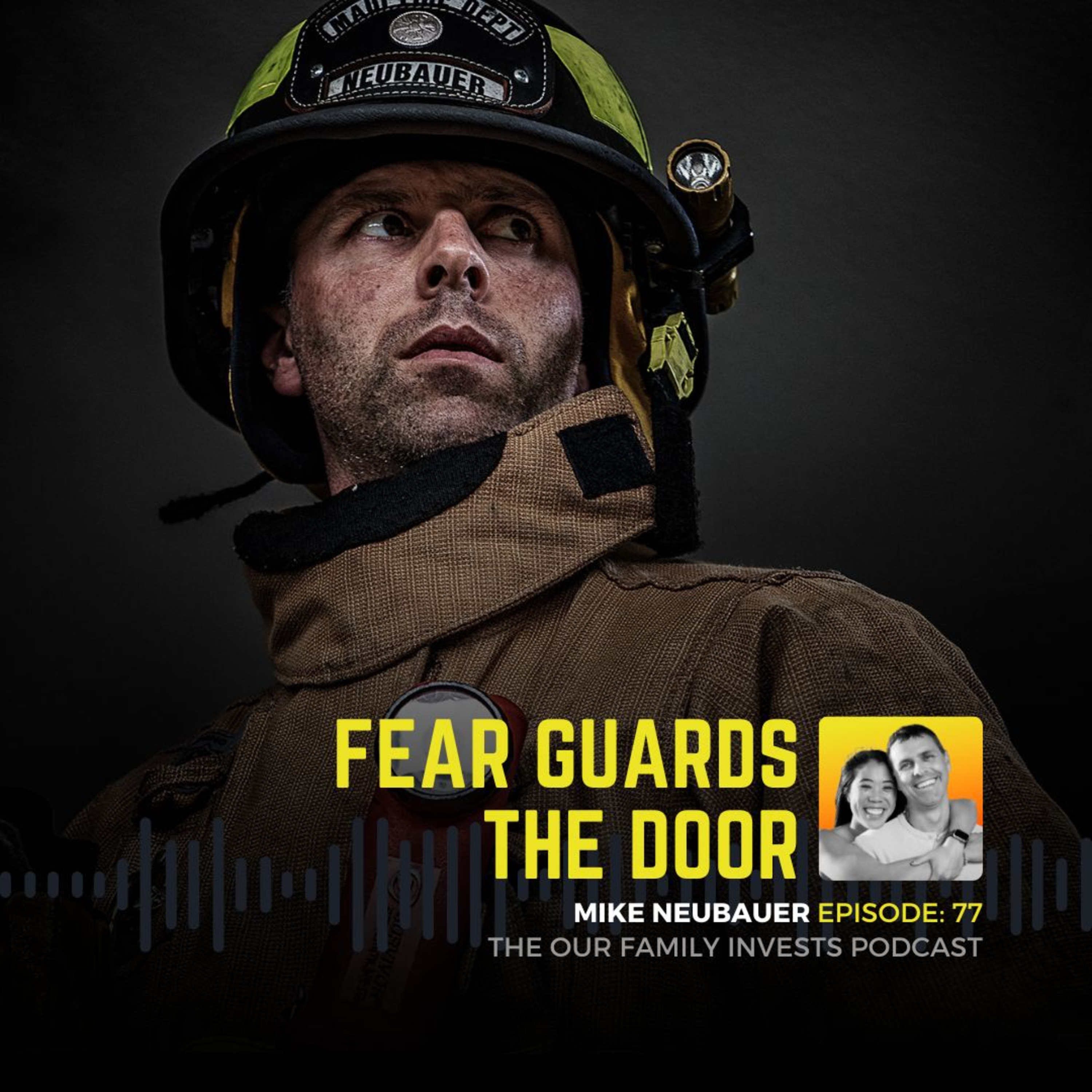
077: Fear Guards The Door - Mike Neubauer | Our Family Invests
Jun 2300:14:29Tap to summarizeSelf-doubt doesn't go away when you get more successful. It just gets louder at each new door. Mike Neubauer opens up about the confidence gap that has followed him through every chapter of his life: the kid who worked out alone so no one could laugh at him, the guy who almost didn't apply to the real estate mastermind, the firefighter who paused at the door while everyone else ran in.This solo episode is about what actually builds confidence, and why waiting for it to show up before you act is the wrong move entirely. Mike shares the Four C's framework, his morning meditation practice, what Dan Martell still struggles with, and the one reframe that changed how he thinks about doubt.What You'll Learn:Why doubt signals growth, not failureThe Four C's framework for building confidence before you feel readyHow fear and excitement are the same thing, differently framedWhy the people around you already see the version of you that you're still working towardA simple meditation practice that takes 10 minutes and actually worksWhy where you are right now is the perfect place to teach the person you used to beSubscribe to The Weekly Compass, our free weekly newsletter with short practical tips for building wealth, aligning your family, and living intentionally: https://OurFamilyInvests.com/newsletter
Transcribe →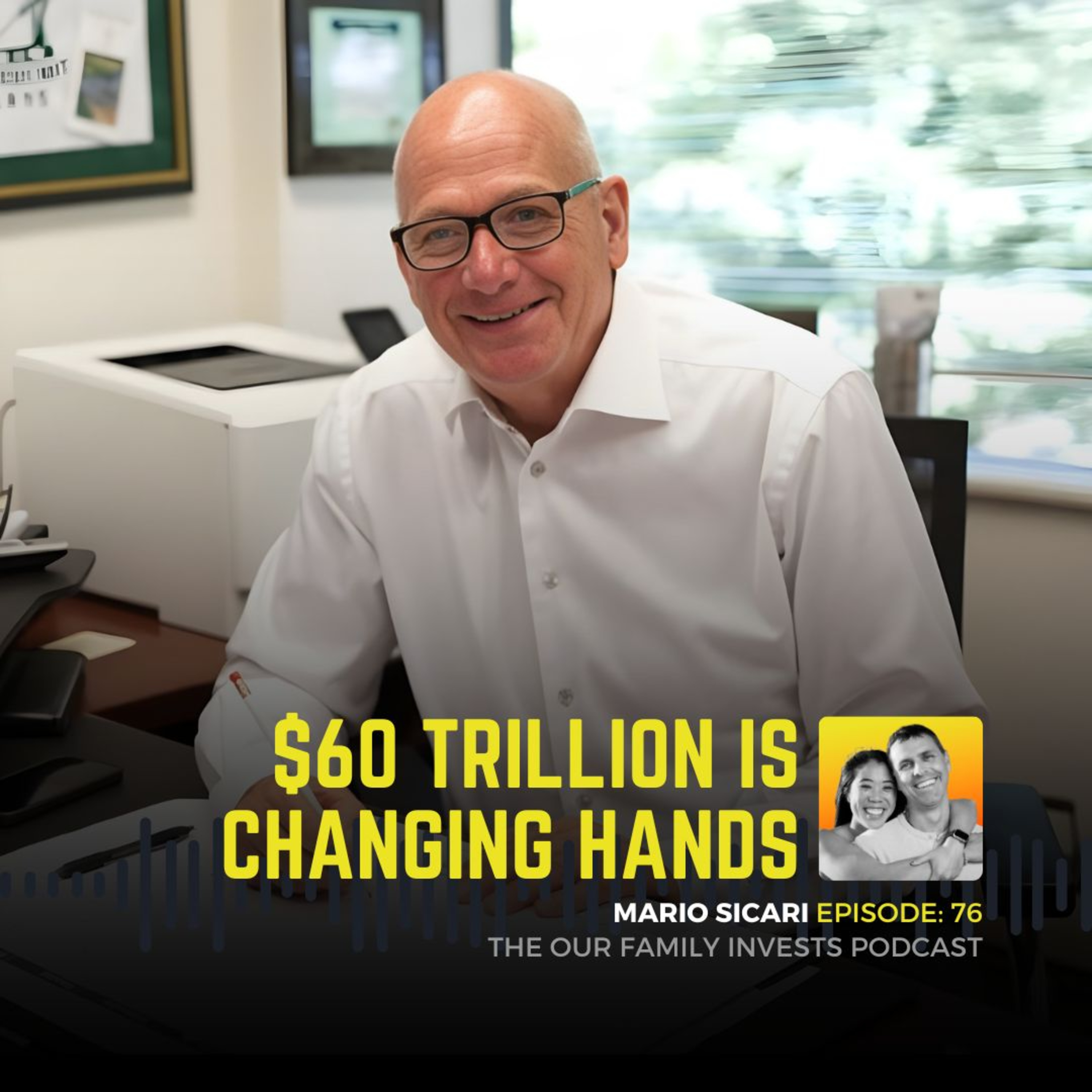
076: $60 Trillion Is Changing Hands - Mario Sicari | Our Family Invests
Jun 1601:19:23Tap to summarizeA massive wealth transfer is already in motion. Over the next 10 to 15 years, an estimated $60 trillion will move from the silent generation to baby boomers and Gen X. The question isn't whether you'll see some of it. The question is whether you'll know what to do when you do.Mario Sicari has been a wealth manager since 1994. He oversees more than $300 million in private client assets, holds an Accredited Investment Fiduciary designation, and just finished his second book on building and preserving wealth. He's been through every major market cycle since dot-com and still shows up because he genuinely loves talking to people who want to learn.This conversation covers what a fiduciary advisor actually does, the three-bucket strategy for managing money across your lifetime, what Mario does with his own portfolio during market volatility, and why the Roth conversion decisions you make at 65 directly affect your Medicare costs at 73.What You'll Learn:Why a fiduciary designation changes what your advisor is legally required to do for youThe three-bucket strategy for short, intermediate, and long-term wealth managementWhat a 30-year wealth manager does with his own money when markets get loudThe $60 trillion wealth transfer already underway and how to receive it wiselyWhy Roth conversions between 65 and 73 can save you tens of thousands in Medicare premiumsHow couples who invest together, on the same page, consistently build more wealth than those who don'tConnect with Mario: www.bgscapitalmanage.com | LinkedInSubscribe to The Weekly Compass, our free weekly newsletter with short practical tips for building wealth, aligning your family, and living intentionally: https://OurFamilyInvests.com/newsletterWatch on YouTube: https://youtu.be/TPTkNkfb4y0
Transcribe →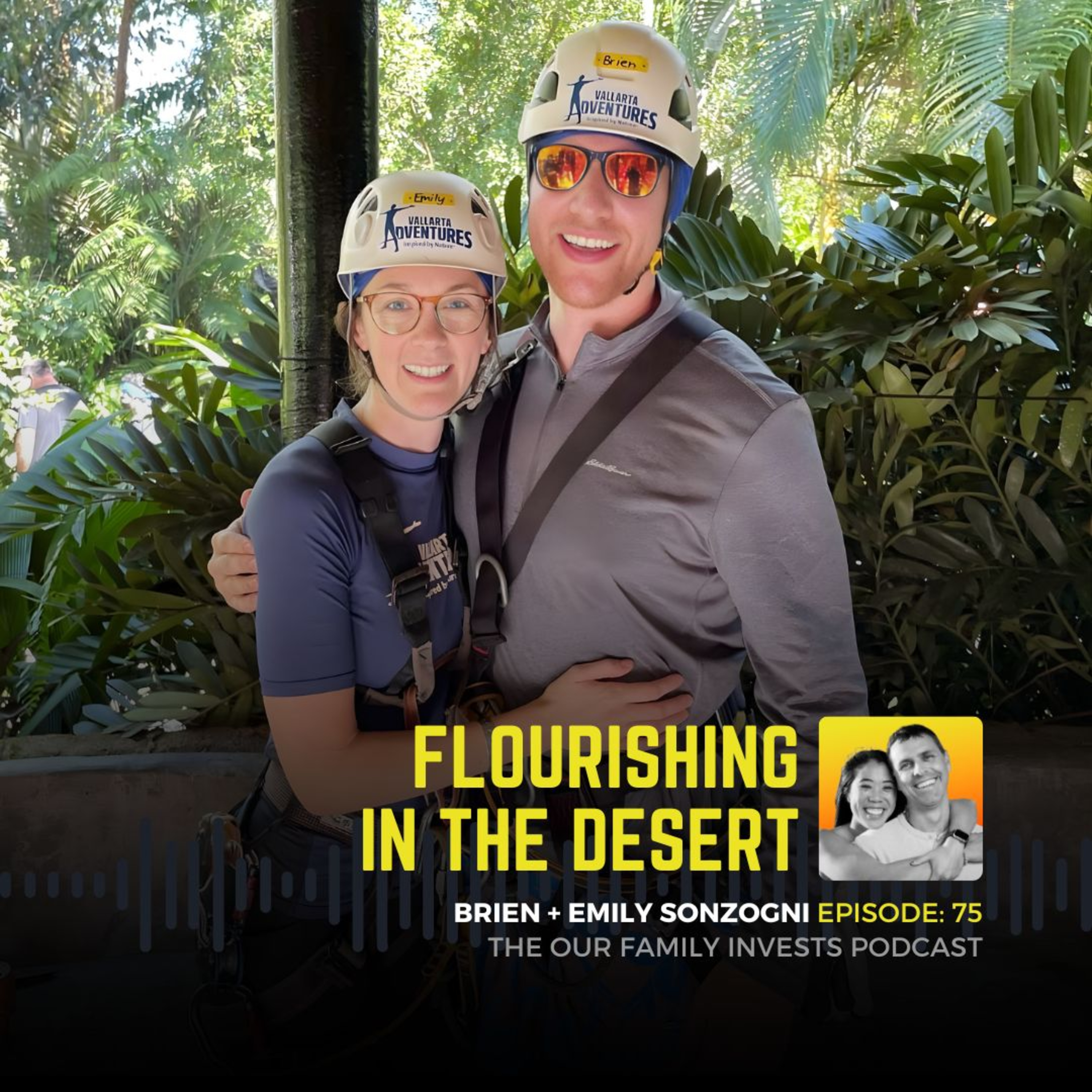
075: Flourishing in the Desert - Brien & Emily Sonzogni | Our Family Invests
Jun 901:09:27Tap to summarizeBrien Sonzogni is a nationally recognized marketing strategist who helped put Black Desert Golf Course on the PGA Tour map. Emily Sonzogni is the founder of Prickly Pear Pediatric Therapy and the first speech language pathologist in southern Utah certified in Childhood Apraxia of Speech. They are also two college athletes who sold their house on a Thursday, bought one on Monday, and moved to a city they had never visited.This episode covers the marketing strategy behind one of the fastest-rising golf brands in the country, what it looks like when a child who has never spoken finds their voice in a clinic for the first time, and what it actually takes to build two thriving businesses while raising two kids and staying aligned as a couple.What you will learn:How Brien turned down a VP role in Dallas to move to St. George on a gut feeling, and what followedWhy Emily went an inch wide and a mile deep in a small market with a rare specialtyThe story behind Black Desert Golf Course and its first PGA Tour event in Utah in over 60 yearsHow Brien used AI to preserve the voice of golf architect Tom Weisskopf after his passingWhat relationship-driven entrepreneurship actually looks like in practiceHow this couple balances two businesses, two kids, and intentional family time without burning outSubscribe to The Weekly Compass, our free weekly newsletter with short practical tips for building wealth, aligning your family, and living intentionally: https://OurFamilyInvests.com/newsletter
Transcribe →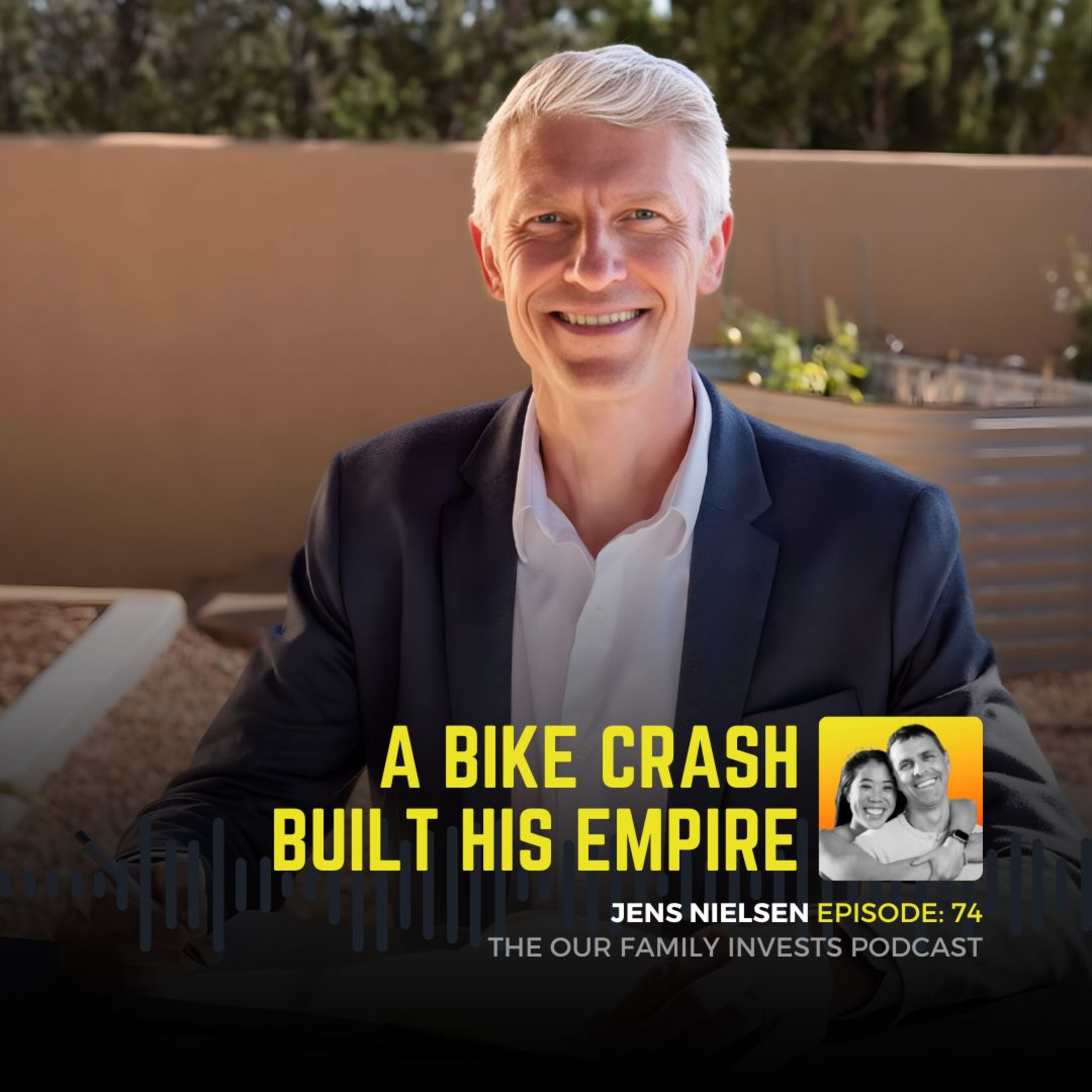
074: An Introvert With $250m in AUM - Jens Nielsen | Our Family Invests Podcast
Jun 200:51:07Tap to summarize74: A Bike Crash Built His Empire - Jens Nielsen | Our Family InvestsJens Nielsen left Denmark at 23 with a backpack and no particular plan. After 27 years building a career in IT and telecom, a mountain biking accident in Colorado put him in the ICU and forced a question he'd been avoiding: what do you actually want? By 2020, he walked away from corporate for good. Today he's a general partner on over 2,000 apartment units valued at more than $250 million, a Certified High Performance Coach, and one of the more candid voices on what syndication really looks like when the tide goes out.Mike and Jens talk through the real story behind leaving a 27-year career mid-pandemic, why Jens stopped doing multifamily deals for over two years while most syndicators kept pushing, and what he's building instead in industrial and flex-space real estate.What You'll Learn:How a near-fatal crash compressed a 10-year exit plan into two yearsWhat changes inside you when you're investing other people's moneyWhy Jens walked away from multifamily and what he found in flex-space and industrialThe $80K broker commission surprise and how to hedge tenant risk during due diligenceWhat to look for in a syndicator before you commit as an LPHow high performance coaching helped him stop talking himself out of his own next moveSubscribe to The Weekly Compass, our free weekly newsletter with short practical tips for building wealth, aligning your family, and living intentionally: https://OurFamilyInvests.com/newsletter
Transcribe →