← Outside Sales Talk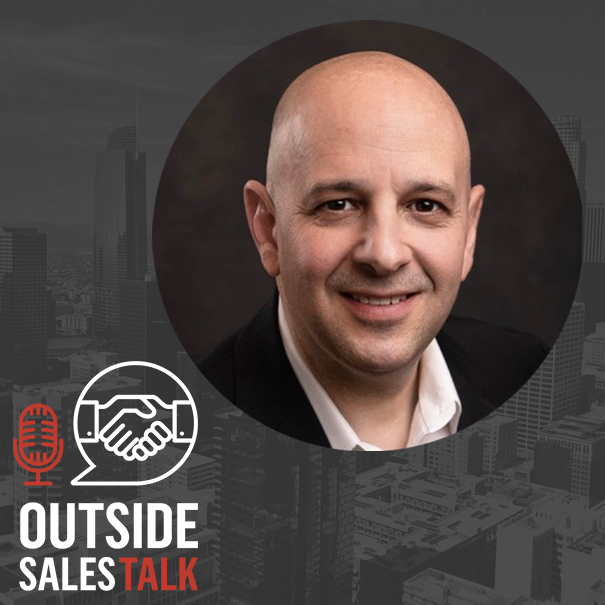
Outside Sales Talk
How to be in the Top 1% of Sellers - Outside Sales Talk with Doug C. Brown
01:05:43
Loading summary
Transcript80 lines
- [00:00]
A
If you can get to a place where they, they trust you more than they trust their own self at times, they're going to then open up their whole, you know, we used to call it a Rolodex in the early days, right. They're going to open up their whole contact database. And Steve, I know about you. You play win, win, win, right? You win, they win and someone else wins. And that, if I could convey that to the audience, that's how they want to play their life in general. But certainly in selling, that is what builds trust more than ever. And if you just go the extra, you don't have to go the extra mile. You go the extra, you know, three inches sometimes, you know, and that just differentiates and makes one different than, than most people that are competitors that are calling on the same accounts.
- [00:47]
B
This is Outside Sales Talk, the best podcast for outside salespeople.
- [00:51]
A
I'm your host, Steve Benson, and we're.
- [00:53]
B
Here to chat with the world's top sales experts so that you can get their best sales tactics to level up your game. Welcome back to Outside Sales Talk. Today I've got Doug C. Brown with us and he's going to talk about how to be in the top 1% of sellers. Doug, welcome to the show.
- [01:16]
A
Hey, thanks so much for having me here. I really appreciate being here, Steve.
- [01:21]
B
Absolutely. It's great to have you back. So, just by way of reintroduction, Doug C. Brown is the CEO of CEO Sales Strategies, and he's a sales revenue and profit growth expert. Doug's also the creator of the top 1% Academy, where he teaches people how to, well, people and companies how to think, act, achieve sales success like top 1% earners. So excited to get your wisdom dropped on us here today, Doug.
- [01:53]
A
Well, thank you very much. I'll be happy to drop as much as I can.
- [01:59]
B
Well, first, let's back up. What is an elite producer? How do you, how do you even define that? Is it just straight on revenue compared across industries? Is it, is it dependent focusing on within an individual organization? How do you, what do you think when you, when you define elite producer? How do you, how do you define it?
- [02:20]
A
So a lot of people call these the 1% earners, right? So these are the, the people that are at the 1% earning level of their X.
- [02:29]
B
Right?
- [02:30]
A
So when I started it out, I looked at demographics of where they lived. So I was like, all right, well, you know, if you live in the United States, for example, in West Virginia, it's $369,000 a year. If you Live in the United States and Connecticut. It's $967,000 a year. Right. So it just depended, you know, when I looked over in England, for example, it was around 15,000 British pounds, which per month put you into the top 1%. So I looked all over the world and you know, it's a different, different thing. But that, that is the 1% earner. And the elite producer came about because I coined that term because not everybody wants to be in the 1%. They, they talk about it, but they think about it. But a lot of people are happy, you know, in the 1 to 3%, 5%. Some people like that. Steve. So an elite producers themselves really is made up of two different things. So they're made up of what is called the top producer, which a lot of people talk about. And then they're made up of what is called an overachiever. And so the top producer, in researching, you know, for my book and all of that, I, I found that it went back to 1510. That was the first reference of a top producer. And it was one who produces an exchange of a, of an article at the top. And they meant back then that, hey, you were dealing with the King, the Queen, Royal Society. And then an overachiever is one that just overachieves on, on the top over and over and over again. So an elite producer, you take those two characteristics and you, you mash them together and that's what comes up with an elite producer. Makes sense.
- [04:18]
B
And what were you, what are some characteristics of these elite producers? How do, how do people like this behave and act differently from typical people or typical sales professionals?
- [04:35]
A
So the, the interesting part about this is there, it's not vastly different, but there's a lot of differences. And I'll explain myself at this point. So a, an elite producer thinks about things long term and in a business style. In other words, they'll, they'll produce a, a marketing budget. They'll produce a budget across the board just like a P and L like, you know, a business owner would do, right? So they look at the business and you say, hey, these are going to be my expenses and the cost of the sale. But they're budgeting from that on every single sale that they're doing. So what they're looking at is how do I get a sale not one time, but how do I get multiple sales from one effort? So they're constantly looking for leverage points within the whole sales process. So they're not looking for like, okay, I closed the sale, now I want to Get a referral. They're looking on how do I get multiple referrals on the first conversation, how do I structure everything in that I do to create leverage, how do I create internal or external expansion of this initial relationship, whether it be through people or whether it be through technology, you know, or information or whatever it might be for them. They're looking constantly at this leverage component of the, of the, of the business. The other thing they're doing because they're using leverage is they're trying to automate and do as much as they can so that they can have more facing time in the rain making operation. So that's kind of in a nutshell what they do. The other thing that they do though, Steve, is they, they're constantly working on their own brain. They're constantly expanding their mind so that they can expand their belief system. And so they, as they expand their belief system and they're constantly challenging themselves and they're constantly leveraging and they have plans set up like I'm going to achieve X per year, every single year. That's what the real difference is between say a person who's producing on the average side and, and somebody who's producing in the 1% side.
- [06:49]
B
So they look for automation and they look for, to leverage the people they're interacting with, the technology, the information and they invest in themselves and they're great planners, which makes sense. And, and there. Would you say they plan differently than the rest of us? I mean, I feel like a lot of, I feel like every salesperson has to plan. I guess what's different about the way these guys are in one and plan?
- [07:17]
A
Yeah. So when they plan they'll, they'll, they're going to look for leverage in a plan. So for example, we all know that, you know, we have a lead, we can close the lead. Right. So there's leads, marketing qualified leads, there's sales qualified leads, sales ready leads and then purchase order ready leads. So what they're going to do is they're going to make a plan so that they're spending the majority of the time, for example, with sales ready leads and they're going to do everything else that they can automatically or you know, whether it's through people or technology, whatever, to nurture that, that process all the way up the line. But they're not waiting for marketing to do that. Marketing is part of, you know, the, the thing. If they were in a company, for example, you know, like when I was working in the telecommunications sector, my company would produce marketing pieces and occasionally produce a lead. But what I did is I said, I'm not going to rely on that. I'm going to use that as kind of the extra. So I'm going to create a plan in which I can create leverage. So in my case, what I did is I looked at what we were doing successfully in the company and we had two divisions, basically the direct force and the indirect force. The indirect force we had as agent teams that were out there. So they were agents bringing business to us. And my brain went, how do I create leverage? And I said, well, there are agents out there who don't want to do all the work and maybe they'll pay some of their commission for me as a direct rep because I was a major account executive to go out because they were getting 25%, maybe they'll give up 20, 20% or 20 or whatever percent and, and they'll refer the business to me and I'll do the work on the back end, but I'll have my team do the work. So what I did is I created an internal agent program and it worked so well. I was the number one rep in the company. At the height of it, Steve, I was generating 62 incoming calls a day for Lee, for sales to the point where I was passing it off to junior reps to go, to go do it or my, my constituents. And I had to start hiring one or two assistants at that point to handle all the call volume. So, but I planned in all of this expense into the profit, you know, margins of what I was going to take home at the end of the, at the end of the month, at the end of the year, etc. Etc. So I ran it just like a business, so the, the top 1% will plan more. So as it is a business versus, hey, I'm just going to close the business. And they'll look for leverage points like they're going to call high, they're going to call as high up in the organization as they possibly can because they know that, you know, if they call, you know, on the influencer level that it's going to be commoditized in a lot of capacities. So they want to get to the top levels or whatever to create the most massive value value that they can create because in turn that now gives an exponential growth of the amount of whatever they're going to be selling at that point. So again, they're looking for leverage points. And this is in their plan. They, they're creating leverage points throughout the process.
- [10:25]
B
So with leverage you can, you can Get a lot more mileage out of, out of the work that you do that you, that you do, right. So you can work less and make more money, which is what everyone's trying to do, right, is to not, not kill ourselves that are. Kill ourselves behind the wheel and at our desk, but to, but to work smart and not, not, not so hard. It kills us. Right?
- [10:48]
A
So yeah, yeah. I mean, when I do a plan with, with myself or other folks, when we, you know, especially when I. Corporate sales, which I've done a lot of, I would, I would sit there and ask this question, how do I get this done if I don't have to do it? Like, how do I get the end result if I don't personally have to do it? So do I have to budget for someone else to do it? Can I have some type of technology? You know, and back then we didn't have the technology we have today. But, you know, I would use things like direct mail houses, which use things like postcard mailings. You know, I would have assistance that would be communicating with people, and I would plan this out and ask myself that question on every single thing. And if I couldn't get it done without me getting it done, it had to be on a higher level. I wanted to be talking to the CEO of a company or, or, you know, if I was planning my day out, for example, you know, you've got an awesome software product to do this. You know, I wanted to know how efficient I could be in my travel plan for the day. I wanted to know that maybe I could meet two clients for lunch versus one, right. And put him together and put like a little mastermind group together and do a group type of sale in the process, especially if it was initial discovery, you know, calls. Right. So all of these like little leverage points. So how do I get more done in less time with less effort than. But having a higher yield? I would ask myself that question every single day of my life on everything I was doing. And if I, and if I could do that, I would make sure it got automated. And anybody I've ever taught this to is, you know, really excelled in that process. I mean, I had guys go from 140,000 a year in commissions to 2.1 million in commissions just by just looking at the leverage points and what they already have, you know, from, from that.
- [12:50]
B
What are some, what are some common leverage points like that you've seen really work out for people?
- [12:56]
A
You know, well, referrals. Referrals are one of those things that people know they're supposed to do, but they don't do a great job because they have a passive program of doing it. So instead of an activated referral process, they have a passive program. So, you know, they kind of ask whenever they get a referral, whenever they do a good job. But if we started that and we had multiple touch points of referrals all the way through the whole sales process, from the initial contact where we're framing right from the beginning that we, you know, are looking for referrals, and this is how I like to do business and, and this is what my expectation could be, would just be in alignment with that now not being, you know, overly like, you must give me a referral. What I'm saying is you want to plant the seeds through the process, and at every opportune time, we're going to be asking for referrals and we ask it in the right way. So that's one way of doing it. You know, another way that a lot of people drop the ball on is follow up. Right. So for example, if my client base went dormant for three to six months, I would re engage them. But so many people sell people one time and then you ever have this happen, Steve? Well, I'm sure some of you folks listening, you know, they sell somebody, they have a great relationship, they haven't talked with them in a while, but then they move on to a new company. Maybe one or both of them move on to a new company. Now if the sales rep moves on to a new company, they'll tend to call that person if they're in the same company. But if the other person moves on to the new company and they haven't stayed in touch, they're not re engaging with that person. And now if they had a state in touch through follow up through meaningful personalized communication, then when that person moved from point A to point B, there's a new company for them to do business with.
- [14:47]
B
Yeah, so, and that's, that's always been huge for me. I mean, we, I think it's, maybe it's because field salespeople change jobs relatively frequently compared to some other careers, but we've had people bring badger from across three or four companies. They just, they, they hop every two years and every time they're like, well, I'm not going to start doing this by hand, so we got to get you guys in here. So.
- [15:13]
A
Right, right, right. And that's the beautiful thing about keeping relationships. And so, you know, leap performance will keep relationships. And they look long term, they'll get to know the person on a personal level, you know, they'll know things like, oh my gosh, your son just turned 11 and he's in, you know, playing, you know, baseball in the Little League at this point, and he's playing shortstop. And they'll know, you know, his name is Tim. They'll. And so when they call up, they'll be, you know, it'd be like, hey, Steve, how you doing? Geez, how's Tim doing with the, with the, you know, the baseball game? You know, how's the team doing? Right. It's, it's those things that people won't take enough time to actually figure out. And so that what they're doing is they're transactionally selling. And what they're missing is, and what elite producers don't miss is the human component. There's two ROIs on every sale. There's the professional ROI, I. E, I saved you money, I made more profit, whatever it might be. Then there's the personal roi. And that personal ROI is what people don't sell to on a consistent basis. You know, helping somebody get higher repute, helping somebody, you know, look good, for example, with, you know, in their own organization. You know, I've done things like when I've dealt with certain people in a company, I actually called the CEO of the company to tell them about their employee. And I have opened up relationships by doing that, saying, hey, I really appreciate how Marla handled herself. And I want to tell you, you know, here's my background. I'm just not calling out of no reason whatsoever. You know, I've worked on very high levels with companies like yourself, and I got to tell you, I would never let her go, you know, that type of thing. And it opens up relationships. But a lot of people aren't thinking calling high enough or how to build a relationship together. And I think the other thing too, Steve, is a lot of people aren't keeping their own reputation up. It is so important that when we're building out relationships that we do what we say and we say what we do. You know, that the old adage, do what you say because you know, you. And so that means if you, if we say we're going to send this to somebody by 3 o' clock tomorrow afternoon, it better go out regardless. Because if we break rapport, we know that that's going to diminish the relationship and the best referral business, which is what ultimately everybody should be going for. Incoming leads where you don't have to go out very often. The best type of incoming lead business is one of trust.
- [17:54]
B
Yeah. It's so important. And that's, that's something I've seen over and over in my career. I mean, and you know, part of it was the last place I was at. You know, obviously it's 12 years ago now, but was Google which just had a, a fantastic reputation and a lot of, and a lot of things. And so what we did was interesting and so people, people wanted to know we were up to in, in the cloud.
- [18:18]
A
Yeah.
- [18:19]
B
But I mean, Badger, I mean one of our, one of the reasons it's not that expensive is because our cost of acquiring customers pretty low. Because what one. I think it's because we're selling to salespeople who are good at, naturally at telling other people about something if you, you help them out and that you're useful to them. But I mean when our marketing team tries to analyze where our leads are from, they're just like, well, I mean, you know, they, they searched badger, they searched badger maps on the Internet and found us like, and so obviously they knew about us from somewhere. And I'm like, yeah, it's makes it real hard, makes it really hard to track our marketing success. But. So they don't love, it's annoying to the marketing team. But, but, but, and it's just because people are, you know, they, they, they tell their friends basically and then their friends look it up and, and you know, we've done a bunch of surveying and stuff and it's just that's, that's all it really is, is friends and colleagues. And it's a great thing about if you can do business with salespeople, they're the greatest group of people in the world to do business with because they, they can, they communicate well and you know, they, they help those who help them and they're great networkers. So it's really, it's. But that, that what you're saying totally resonates with me.
- [19:28]
A
Yeah, go ahead.
- [19:30]
B
Sorry, go ahead.
- [19:32]
A
No, I was going to say one thing that I know I've known about you. I mean like you, we were talking about follow up. Right. You and I have probably stayed more touched in this 20, 23 than most people do. Right. I mean, just in. It's just, you know, part of what we do as people. But I think it's what you said was key because you're getting all these referrals coming through to your business. And from a sales perspective, you know, somebody was out on the, on the street, you know, constantly out there that's the key. If you can get to a place where they. They trust you more than they trust their own self at times, they're going to then open up their whole, you know, we used to call it a Rolodex in the early days. Right. They're going to open up their whole contact database. And Steve, I know about you. You play win, win, win, right? You win, they win, and someone else wins. And that, if I could convey that to the audience, that's how they want to play their life in general. But certainly in selling, that is what builds trust more than ever. And if you just go the extra. You don't have to go the extra mile. You go the extra, you know, three inches sometimes, you know, and that just differentiates and makes one different than, Than most people that are competitors that are calling on the same accounts.
- [20:52]
B
Yeah, and, and there's, I think there's things you can do to, to, to put yourself in a position where you, where you can help people.
- [20:59]
A
You know, you can have.
- [21:00]
B
You can, like networking, right? Like having a great network that you can introduce people to and any ways you can set yourself up to be a helper of other people. That's what puts you on the path to being an elite producer. Because just by the way the world works, you know, I don't know what the percentages are, but I, I feel like I tell people all the time, like, create as much value as you can because you'll probably keep about 10% of it. So make the world a better place by a billion dollars. You'll probably end up with $100 million in your pocket. So, you know, just look for, look for ways. And I guess really it's just your concept of leverage really, is all I'm talking about.
- [21:39]
A
Yeah, Yeah. I mean, I think you're absolutely on target on that. And it's, you know, it's like, all right, so we, we go. We took. Take investment money, right? We turn into a billion dollars and they have 20%, right. And they get paid, you know, $200 million, let's say. Right. Well, that's really good leverage for, for both of us, really, when it comes down to it. Right. So. Yeah, too many, too. One of the biggest challenges I see in stagnation for people who are in selling is they think they've got to keep all of what they make instead of reinvesting it back into the process of making more as well as into the process of making themselves better. So anyone who wants to be an elite producer, we've got to have Consistent mentoring going on. That is a key component. And we want mentors who are going to challenge us and quite frankly make us think to the point of almost wanting to cry at times. You know, it's like, how do you think of that? I couldn't think of that. How do you, you know, and you learn what they do for a process in the thought and you learn from people who have been there and done that. And it will so much, it will expedite the process so fast for people because you know, if you got somebody who's got 45 years of being a, a number one producer, you know, like I, I have a friend who was number one guy at Apple and you were at Google. Right. So you know, I talked to him. I learned things. Even today I learned things. I'm like, my gosh, I wouldn't have thought of that particular thing, you know, with that, with that CEO and where you played that. So you learn sometimes just these nuances that we can learn in our business and that's why we want mentors around us consistently.
- [23:29]
B
Yeah, I mean, well, the other thing for all the managers out there is thinking about how to, how to hire the top 1% hire the types of people that create leverage through, you know, the technology, the automation, the great, the best thing about if you're, if you're a leader and you're hiring someone onto a team of say a hundred people but you, you hire some, one of these people who truly create a lot of value, they often under, they, they, they take the extra steps to, to understand the technology, they drag it along for everyone else. Right? Yeah. Like the, the smartest guy in the room who's selling, selling the most, there's a spillover effect to the rest of the rep. So I guess as a rep you want to try to get these guys on the team because you're all going to make more money and, and do better. And as a manager, it's, I think it's, it's a huge part of your job. Hire the people that figure out how to do things, how to, how to automate things. Figure out who the, the types of people that figure out hey, this is the type of self investment I need to be successful in this role. Turns out that tends to spill over onto everyone around them. Right. Learning how to call high. What, what works in your specific company for, in your specific industry. When, when one person cracks the code, a lot of times they'll share it. So if you can find those people, it's, they create so much value for the Rest of your team?
- [24:51]
A
Yeah, and they're, and they're really not that hard to find if we know what we're looking for. And, and one of the things that hiring managers make mistakes on with these people is they're looking at a resume. Most of the time they're not actually looking at the, the personality profile of the person or the ability. You know, like give you an example. Like I, we used to, when we were hiring these people, we used to look for discipline traits. Like I wanted somebody that had a five, you know, fifth degree black belt or something like that. Right. Even if they didn't have the sales experience per se. I knew that those skill sets are trainable with people who have discipline, who are open and being coachable. Now it helps if they have the sales experience because the learning curves, you know, quicker. But we want to look for the balance between, you know, ego, you know, ego strength. Now when I say ego strength, I don't mean arrogance, folks, I mean self confidence and somebody like you said, Steve, who's going to go out and learn this thing regardless because they know it's going to create, create a leverage point for them. So we can test for those things. We want it between ego and empathy. You know, we want the empathetic person who's going to be able to relate to a human being, but we don't want them to be so empathetic that they can't close the sale because they just want to be liked and loved by everyone. So a lot of these traits can be measured and not just with like, not a personality test, but there's sales specific assessments that will tell people, does this person have the will to sell? Do they, do they sell consultatively? Right. So if we, if we look for those people, we'll, we'll narrow down our search pretty quickly. And then we're only interviewing candidates, you know, consistently because too many people think that, oh well, you got to have industry experience to be successful in selling. And that's sometimes true, but for the most part I've learned it's not true as long as the company can train the person on what they need to know in the first 60 days.
- [26:49]
B
You know, it's funny, I, I knew a manager who, they were very, had a very successful career. I swear, their only playbook, like they, the thing they did was hire college athletes who were likable from good schools because they were, they were like, they're smart enough, they have the, the resilience, the grit, the, you know, the to be, to can do hard things. If they've been a college athlete and if they're likable, they're gonna, you know, good enough at sales and they went to a decent school so they're, they're going to be smart enough and that's. That, that was the, he just held that ruler up to everybody. Likable and college athlete. And you know, it wasn't, it's not, it wasn't a complex, a complex equation, but it worked for him. I mean he was, he was a very successful sales leader throughout his career. He's retired now, but I mean that and I, I think he, he just tripped upon what you. Through the hard knocks of life. What, what you're describing right now, right? Well, because one, one hack to get to what you're describing, I guess I would say, yeah, well, there's lots of ways to discover the types of personality traits you're. You're looking for. But that was, that was his hack to do it.
- [28:07]
A
Well, I mean if somebody is a, is a well seasoned athlete, right, and they've been there doing this, there's some level of, there has to be some level of mental toughness there, number one, right. I mean it no matter. And it doesn't really matter the sport. And that's the thing, right, that you could, they could be a top tennis professional or they could be, you know, a Golden Gloves boxing champion or they can be, you know, something like golf or it really doesn't matter. But it could require so much discipline and focus in attention to detail to be one of the best in that type of sport that those skills are maybe soft skills, but they directly translate over into being able to sell. I mean we used to hire professional ballerinas. You know, we would hire, you know, professional musicians. We would.
- [29:06]
B
You people have grit of professional ballerinas. That is.
- [29:09]
A
There you go.
- [29:11]
B
Very hard. Yeah, just on every level. It's actually a lot like wrestling, which is what I did, where they, they don't let you eat. It's like, oh, we'd like you to perform at a top level, but by the way, you're one wrinkle. You can't eat anything.
- [29:27]
A
Yeah. And wrestling's a rough game too, right? So I mean you get hurt pretty quickly in that game, but it's. There are easier things to do. There's no doubt about it.
- [29:37]
B
I could have chosen better. I was really good at baseball. That, that would have been a lot more fun, a lot easier. I don't know why, I don't know how I ended up going that path.
- [29:45]
A
But we all make those decisions and sometimes look back on and go, those probably, you know, like, when I was 19, I thought, hey, if I learned how to box, I could actually pick up girls, right? That, that was my thought. And, and so I did. And, you know, my nose got broken like three or four times and I never got a date ever. Probably because I had a broken nose.
- [30:06]
B
Yeah, it doesn't help. Yeah, I broke mine a good four times. My, my, my wife recently saw a picture of me when I was like, you know, 16 or something. She's like, used to have such a cute nose. I'm like, well, yeah, I'd never. It. By that time, I'd never broken it once. Now it's been broken four times. So I guess I'll never be pretty. But you know what? It is what it is.
- [30:33]
A
So.
- [30:36]
B
How would you say, what would, what would you recommend? And how would you say these top elite producers personalize. You mentioned personalized communication, which is why I touch on this. And this is something I think about a lot because there's, you know, there's a, you've mentioned automation and also personalized communication. And those, those can be to some degree at odds with one another. How do you think top 1% earners that you've worked with and seen, how are they approaching that conundrum of personalization of communication with your prospects and your customers versus versus automation and, you know, doing things at scale with leverage?
- [31:18]
A
So sometimes on the personalization, the only way to do that is with other people, right? So, for example, you know, I'm an author of a couple of books, right? So I will personally write something in a book to somebody. Now somebody will line these up. If I have, you know, eight or nine people that I've said, hey, I'm going to send a book to, they'll grab the books, they'll bring them into my office. The books will be on the, on the desk. There'll be the name of the person on each book. There'll be a, you know, a black Sharpie marker. And I, you know, I sign each book. When I'm done, I put the sticker back on the book. Somebody comes by, picks the books up, and they mail them out for me. All right? So that is a personalized, you know, process. So sometimes, like that can't be done with, with automation. You could have a book house do it. But that's not real personalization, in my opinion. Right. It's. It's personalized, but not so much so, you know, but on emails or, you know, social media, post or, or, you know, whatever messages we're looking at. If somebody's not keeping a template of things that they've already sent, they're doing themselves a huge disservice. So I have a template of things that are just even people wouldn't even think of, like jokes and quotes and, you know, factoids about, you know, things. Right. I just sent something out because I was talking to a few people about they were getting up in age and they were saying things like, hey, I hope by the time I'm 72 or 75, I can be in perfect health, for example. Right. Well, I have this great article on a gentleman who's 105 years old, who's still a runner today, who used to ride his Harley Davidson motorcycle in Wyoming up until he was 91 years old. And he's got a, a cute, you know, wife who's 20 years younger than he is. I mean, she's 83, he's 103. They have a great relationship. Right. And he, and he details some of his life, life's lessons into that. So I would send something like that off just let's say, Steve, I heard you say I'd send that off to you. And I'd say, you know, now this is templated. Hey, Steve, I found this article when I was going through it. I was thinking about you and I thought maybe you might be interested in. And I just type in, you know, longevity, as we discussed. Right. And so that is on a template, you can set those up in your, your email, you know, and just click, click, there you go. And you can have that, you know, template, even have the, the article in it. So it's a matter now. It just like it takes me five or seven seconds to actually do this and off that email goes. Now the other thing about automation is when we're talking about personalized and meaningful, remember, you don't have to send 200 pieces of information a day in most cases. If we send 10, 15 pieces of personalized information on a day you are staying, one is staying in touch with people on a, on a basis they've never stayed in touch with before. Right. So let's say we have 30, I mean, 350 people. I'm just making a number up right. On our, on our, you know, keep in contact list. That's what we want to do. Well, if you're going through, you know, 10 of these a day every 35 days, unless you're taking weekends off, which I used to send on Saturdays and Sundays anyways, but every 35 days you've gone through that list. So now you're essentially touching people about 10 times a year, just doing one piece of automation. Now I would challenge anybody on this line if I said, how many times do you keep in contact with your current buyer or a dormant buyer or somebody you're prospecting? And I said zero to 10, you know, in the next 10 months, how many times would you stay in touch with that? I already know the numbers. It's between 0 and 2. So if I'm a guy who's competing against you and we're competing for the same business and I'm touching base nine or ten times with personalized communication on a regular basis, who do you think they're going to remember more?
- [35:59]
B
Right?
- [35:59]
A
So I know it's not a, you know, it's like a duh question, but the reality is it doesn't take that long. Now you can also set things up automated, like really automated. Like I have a whole library of things that like, are specialized on holidays which, you know, say the 4th of July just came up. I would, I would have the history of the Fourth of July. And I not only have one of these, I have three or four different, three or four different things written out. So this year you'll get the Fourth of July one that would go out next year you'll get the second one, the third one, the fourth one and so on. Right? So every year you're getting something from me on the 4th, around the 4th of July. And it's different, but it seems personalized that's going out automated.
- [36:43]
B
Steve, such a powerful strategy. And, and, and something I think we can all learn from really is, and you know, right. Is that I certainly don't do a good job of what you're describing at all. And I, and I used to be a lot better at it, you know, eight, eight years ago or so I was doing a decent job of what you're talking about. And these days it's become a mess. But the, I really was like that and as I think back, like it, it really was valuable and I wasn't, I don't think I was doing it at your scale either.
- [37:23]
A
Well, I, you know, here's the thing. We can start from today, right? So anybody who's listening to this that, you know, and don't get me wrong, I've got myself into funks at times, you know, where I like, you know, there's so much going on, I missed my follow up for three days, you know, that type of thing. And so you just kind of backtrack back and you reset the calendar and you go from there. The point being is, if we make it a conscious effort and we set systems up so, for example, it's not hard to order 350 postcards, right? Or, by the way, folks order a little more because you'll make a mistake on probably, you know, 5% of them. So order yourself like, you know, 400 postcards, right? And then you can send one postcard out per person, per year, right? That, that there's a piece of follow up and it doesn't have to be long. Here's the, the crazy part. People think everything's got to be so highly personalized. It doesn't sometimes. Like, I. I sent out an email and it was just, you know, hi, Mike, I was thinking about you. I was just wondering how your life's going to. That was the email. He. He sent back something and said, I'm doing pretty good, you know, how are you doing? I said, well, great. I'm thinking of coming out to your area in a month or two. Email comes back, he goes, well, great. Let's get together for lunch. Wonderful. Right? Now, this was a client I had done business with who I hadn't done business for two years. And the reason I'm telling the story is it ends up a very happy story. And so I go out and I'm sitting down with him and his president of the company. They've invited me out to a nice place to have lunch. And we sat down and we had lunch and we were just talking like we were all buddies, right? And then he said something to me about, well, I'm looking to do X with this business of mine, et cetera, et cetera. And I said, well, why don't you build an outside indirect, you know, agent program for your company? And he said, wow, tell me more about that. So I did, right? I'm not pitching him on anything. I'm just helping the guy, right? So I tell him about it. He goes, wow, that's really interesting. I said, well, cool. All right. So we broke for lunch and we went our separate ways. He sends me an email the next day, and he goes, I want to talk to you again about the agent program. So I called him and I said, what do you need? You know, got a couple questions. He goes, I want you to do this for me. And I said, well, I can, but, you know, he goes, look, I know you're not free. Here's the long story. He paid me $180,000 to set up his agent program. Right. His agent program added a minimum at the time I know of, of $5 million to his bottom line in the next 18 months of his business. His business sold off after that at 10x value, 10x revenue in the company. And you know, this guy made tens of millions of dollars. I made $180,000 and the new owner got a great running company. So win, win, win. All from a piece of follow up.
- [40:35]
B
I love it. So great. Well, and you know, it's. You created a lot of value. You kept a slice. Right.
- [40:44]
A
That's. Yeah. Well, if I knew now, Steve, what would have happened at the end, I probably would have negotiated a piece of the back end. Yeah.
- [40:52]
B
Which is never a bad, never a bad play. You know, getting the business people that way. It's all in the structure, right?
- [41:01]
A
Yeah.
- [41:02]
B
But you would say an attitude, a mindset that you would say makes someone. It is the key, like getting. Is there a way you can get yourself in the mindset of being a top earner? Like what, what would you say if you were talking to John who, you know, you know, how do you, how do you, how do you teach John to get in the right headspace to, to accomplish this?
- [41:26]
A
Well, firstly, it's all about belief system. So there's a couple of good resources out there now. Like there's a book called 10x2x that's really cool because he gets thinking about it. There's another gentleman, his name.
- [41:46]
B
His name is.
- [41:48]
A
Give me a second, I'll come up with it for you. Alex Hermosi. There's a couple of guys out there talking about leverage and talking about it's easier to do something on a 10x level than it is on a 2x level. And so the thing that I would tell this person is I promise, no matter where they came from, no matter who they are, no matter where they've been, no matter what they've done, no matter what their education level is, no matter what, if they're able to think, speak intelligently and I just mean be able to converse. If they want to be a 1% earner, it's possible. But the number one thing they're going to have to do is believe in themselves to have the confidence level, to be able to act and think like a 1% earner. Because it's one thing to think like a 1% earner, but it's another thing to take an action on a 1% earner. So that means sometimes we've got to consistently challenge our own fears, our own Habitual behaviors. Because if we think about it, most of us, we didn't grow up with people who have nine figures a month, 10 figures a month, companies, right? Or even bigger. And so what people don't realize because you know, Steve, you know, some of these people, I, I have hung out with people that, you know, have multi billion dollar companies, the CEOs of companies or people who are making, you know, a couple hundred million dollars a year. I will tell everybody on this line, they have the same fears as most of us. They fear, you know, having challenges with their family. They fear having, you know, getting losing their position in, in, in their company. They fear having, you know, bad reputation. They fear death. Right? I mean this, it's, it's universal across the board. Whether you know, you're the President of the United States or whether you're somebody who know will never be known in history. All human beings are the same. The only difference is, is if we're going to train our brain to allow ourselves to actually go after bigger and things that kind of scare us and we're going to act anyways upon those. So that's the first thing that I would look at for somebody to, to train and on. And if somebody wants a, a quick way of kind of figuring out. Most people align to themselves, Steve. That's what I found over life. So when they want to grow into a 1% earner, what I would say is take a business card and on the back just have it empty. And anytime somebody walks around with that business card and they find themselves telling somebody a non truth. Now this could be a tiny little thing like you know, you agreed to go to a movie you didn't want to go to. You weren't telling yourself the truth at that point. You didn't, you didn't have the courage to say, hey, I don't want to go see the new Indiana Jones movie, right? For whatever reason that is a non truth, strike the back of the card. Or if it's a huge, you know, lie if you will, right out, right? Hey, I'm late to the meeting because traffic was bad. And the reality is, you know, you've slept in with your significant other and it just didn't get up on time, right? But you just don't tell people what the truth is. Strike the back of the card. If you're talking to yourself and you find yourself, you know, lying to yourself, strike the back of the card. Here's the reason I tell you this. 1% earners are consistent ones, are very truthful. They're very truthful to themselves and truthful to other people. So if we don't first understand whether or not we're lying to ourselves or whoever, especially ourselves, we won't actually have the courage enough to attack our own belief systems because we believe our own lies and we've habituated them through the years. So the first step is getting aware of where we really are and then challenging those belief systems to get to the next level.
- [46:01]
B
And why do you think that is? Why do you think top earners have a truth telling mindset? Is it because confidence is an important part of being a top earner and confident people have, have the, well, the confidence to tell the truth? Or, or what do you think? Is, is it that lying takes too much brain power to keep it all straight? What straight shooters, I think are also more trustworthy People that sense they're telling, they're, they're, they're not full of crap. And you know.
- [46:32]
A
Yeah, yeah. And I think it's all of the above, everything you said. And the thing is, is when we're truthful, we are not afraid, right? We're not as fearful as when we're lying. Because when we're lying, we know we're lying. And human beings, when we lie, it just doesn't feel, feel good, right? And yet, you know, we've all known somebody who's been lying about something forever that they actually believe it's true. Like if you lie enough over and over, not you, Steve, but anybody lies enough over and over, we will actually start believing it is true. And so what ends up happening is we start fabricating things. And as you said, you know, if you're telling the truth, I mean, look, on a level that people want to sell, on a high level CEO per se, in a company, she or he or they are going to sniff out that lie pretty quickly. The moment they recognize that you're lying, your sale is over. Because rapport is broken. And if they can't trust you with something like this, then, you know, why would they trust you? And Steve, I learned this early on. I was 15 and a half, you know, I just got my license and I got hired by a company, Napa. It was an auto parts store, right? And I was riding around delivering parts and my boss said to me, bernie, he said, doug, I don't care what you're doing, I don't care if you're going to be late, you call me. If you say, bernie, I'm calling you because I'm with a girl and she's more important right now than you are, and I'll be 15 minutes late. He said, I'll say, okay, have fun, but make sure you're here in 15 minutes later. And what I learned from that was it's okay to be truthful to people, especially when you have so many more opportunities. One of the reasons that people don't have opportunities is because they're not out prospecting enough. Right? They don't have enough inbound. Like, I had 62 incoming calls a day. I was not worried about if I lost a sale because I know that the next one's coming up. Right? I mean, I had more sales than I could handle, so. But being truthful, it frees us to be ourselves. And most people are not themselves. So when they recognize you are genuinely who you are, maybe they don't like you and that's okay. But for most people, they're going to look at that as an attribute of something that is very desirable because, you know, it's a bonding mechanism. The other thing about being truthful is you never, ever, ever have to worry about what you say, because it's one of those things that it frees that energy out of your body so much, and it also provides a level of confidence because you know you're okay. And so if you lose the deal, you lose the deal, but you're going to be okay because you know you can get another one.
- [49:41]
B
Yeah, lies. Lies have a big cognitive load. Right? Got to keep it straight. For how long do you have to remember? Do you have to remember that story forever?
- [49:53]
A
Some. For some people, yeah, I. I have.
- [49:56]
B
I have limited brain capacity myself. I can't these days. I can't. There's no more room for anything like that.
- [50:03]
A
No, no. And. And I can't say I've always not, you know, that I've always told the truth. I, you know, I've been caught at times myself, and. But what I did learn from Bernie is just be truthful, because some people are going to accept the truth and some people aren't, and it's okay. But, you know, the second thing I learned from my dad was always have more than you need for incoming business, because if you have more for incoming business, then, you know, if somebody doesn't like you because you're telling them the truth. Like, you know, when I'm advising a company or CEO, I've had many CEOs look at me and go, no one ever would have said that to me. And I'd say, well, you okay with that? They go, I don't like it. But I don't want to lose the $55 million that I think I could lose off this decision because no one had the, the ability to say and make me think and go, I didn't know that. Or I, I think I better think about that. Right. So it's a bonding mechanism of truth a lot of times, too. But as long as you have enough incoming leads coming in, as a seller, you can, you can be truthful and you don't worry about it because, you know, you know, the next one is, you know, if you have 10 calls today that you're calling upon and you've got, you know, 10 booked in your appointment tomorrow and 10 booked, you know, for the next week and a half or two weeks out, you're okay, just tell the truth and, and watch that alone will rise up and that will, that will increase your close rate. Because people love to deal with people that they can trust. And frankly, when we're salespeople, you know, I always love this kind of. It wasn't a good joke. But, you know, I, I remember going in one time, I was the manager and there were a couple salespeople that were getting into this account, and I got called in as their manager, and the CEO said to me, well, his business owner said to me, ah, good, two liars and maybe one honest person, because that was the perception. So, you know, if they catch us in a lie, they're looking for it a lot of times. So when we're selling as a seller, just be yourself, be truthful, and always keep challenging your current paradigm. Steve, may I get one more piece of information on this?
- [52:27]
B
Yeah, absolutely.
- [52:29]
A
I would challenge anybody out there for the next five years, grow your personal revenue. Excuse me, your personal net by 10% a year.
- [52:40]
B
Like personal net earnings.
- [52:41]
A
Like, yeah, personal net earnings. Right. So if you're earning $150,000 now, you got to earn 165,000 the year after. If you're in, you know, if you're in, you know, 165,000, you're going to add 16,500 the following year. Right. And, and so on and so on and so on. Now it sounds like it would be a static growth, like, okay, I'll go from 150 to maybe 210 or 220 or whatever it might be. But the truth is, to learn how to grow at 10% and make sure it's a net, what's going to happen is you're going to have a hockey stick year. So you're going to go from 185 to 320. So now the following year you got to learn how to go from 320 and add $32,000 to the bottom line. So you're up over that. You know that 3, 350 mark, right. And so what happens is that hockey stick because I, I did this, Stephen. I started out my first year, I was 91, 000. Second year was 161,000. The third year I went to 292. If I remember correctly, the fourth year I went to 4 50, 450 something. In the fifth year I went over, I went to 494. So if you think about in a five year period, I went from 90, $91,000 to almost 500 grand on a personal net. And I'm not being braggadocious or arrogant, I'm just saying it was that 10 focus every single year. Because it's just like the question you asked. What do 1% earners have to think about? They have to keep challenging their own current paradigm to keep going bigger and bigger. And that at 500 I had to get to 550, you know, and you know, then it gets tougher as you get, you know, a little, little up there, you know, and then it's like, well man, I got to add another, you know, 90,000 to my income this year. So but the thought process on how to do that creates more leverage because we can't do it but doing what we've been doing today. So we, we have to force the, the leverage process into our life that way. And that's why we get the hockey stick growth.
- [54:47]
B
And you talked about the need to make plans, the need to have goals and that's a big part of what, you know, top one presenters do, right? Elite producers have a plan and I think it helps to zoom out and have a five year plan like, like you just said. And if, if raising income is the, is the thing I think you want to, having a plan to re. Is, if that's the goal, then you got to have a plan to actually do it. Right?
- [55:12]
A
Right.
- [55:13]
B
Hope is not a plan. As a wise manager I, I used to have would always tell me, well.
- [55:21]
A
Another, another form of leverage is time compression. Is, is time, right? So time compression. So as we go along, let's say we're doing something for five years. Like it took me get 91 to you know, almost half a million dollars. Well, in the next two years I was, it was darn close to a million dollars. Right? So it's time compression because, you know, I think it goes back to, I think Bruce Lee said this, like, I'm not, I don't fear the man who knows a hundred different punches and kicks. I fear the man who, you know, knows the one that's practiced it, you know, like whatever, a thousand times or something, right? So it's, it's one of those things that when we stay in our zone in selling and we keep getting better and better and better and we keep challenging ourselves and we say, okay, geez, I just sold this thing for, you know, a quarter million dollars. Let's see if I can sell something for 350 now. And then when I get to 350, let me, oh, you know what, let's make it easy. Let's go 600. Let's see if I can sell something for $600,000. And you keep playing that game with yourself. You develop skill sets, and sometimes it's no different, but you just kind of up leveled the market. And so, and sometimes you got to learn a few things, and you learn a few things. And so, you know, this is why people have wisdom when they've been in a certain field for a long time and they can just pick it out of the air. It's because it's on unconscious competence at that point because they, they just train their brain. It's like driving, you know. You know, I, I hadn't ridden a motorcycle and almost 30 years. Oh, I'm sorry. Yeah, 30 years. It was almost 30 years. And so I was like, I want to get a motorcycle. I'm like, oh my gosh, I'm gonna probably dump this bike because I haven't been on a bike in 30 years, right? So I'm like, well, don't go too big. But then, then I found an 1100 cc bike and it was, you know, reasonably priced. I'm like, I'll take it, right? And then I bought it. I'm like, you dummy, start back on a 350 or something. Because you, you know, you don't want to ride that. But believe it or not, a lot of that reflexive memory because I rode for years was still there and so never dumped the bike. And so the reality is, when we're selling like this, for all of us who are out, you know, learning every day, going to mentors. And by the way, mentors can be people you're even selling to. Sometimes they'll even help, help you, you know. You know, one of the things I used to do is I used to ask people if I lost the sale Would you please debrief me and tell me why I lost this? I get, I lost this and I respect that. But would you give me the feedback on what I could have done differently or better? And believe it or not, they'll tell you if you, if one asks. But I bet most people never ask that question, right? So it's kind of like, you know, you know, Denise, why didn't you go out with me? Well, Doug, because you said this, right? And then it's like, okay, you know, Mary, why didn't you go with me? Because you said this, Doug. Ah, twice. Maybe this is not the right line to use. Right?
- [58:20]
B
We learn, but we learn slowly, but we learn, hopefully. Exactly.
- [58:25]
A
So, so time it. You can compress time by consistently working on the same thing over and over and expanding yourself to get better at it and getting feedback and mentorship on it. And if you do that, too many people don't give themselves enough time. Stephen, that's. I, I heard you say something similar to that. And they just don't get, you know, like your company. You know, I know you guys are brilliant and off the charts, but it isn't where it is today. It probably didn't happen in the first four months that way, right? I mean, most companies don't. It took time to build and, and you've got that time compression going on and now look, you've got all these incoming leads. Your marketing team can't even figure out, you know, what's going on. But your company keeps growing, right? So hey, great quality problem to have when it really comes down to it. And that's what will happen for people who are doing field sales and you know, out there, you know, working day in, day out as an outside salesperson, if they keep compressing that time and keep working on it, work on their own brain, work on their own skill sets, you know, work on their own process, work on the systems asking the question, how do I get this done if I don't have to do it? How do I create leverage? How do I create leverage? You give yourself five to 10 years, man, your whole life can be in a different place. Know, certainly even in three years, your life can be in a very different place financially, status wise. And, and, and other fantastic advice.
- [59:51]
B
Well, I'm going to try to summarize all the wisdom that you've been, been dropping on us here. So first off, an, an elite producer is a mix of being a top producer and an overachiever. Elite producers think about things from a business perspective. Elite, elite producers don't just think about how to get a sale one time, but how to get multiple sales. Elite producers invest in themselves and work to expand their belief system. Top earners look for leverage points in order to get more done in less time and accelerate deals. The, the leverage is so important. You want to look for ways to automate simple tasks and that way you can maximize your time leverage. Right. So two key ways to get leverage is, is first is well first ask for referrals and second follow up for referrals. You know, you want to ask for them and have a process to get them. Throughout the whole sales process you're going to be setting them up and, and making sure you're, you're bringing it up the whole, you know, subtly the whole time. On following up, I mean really follow ups relatively easy. Just don't forget to follow up. I think I, I did a whole video on on following up once and, and really just have a system to follow up with people. Follow up with customers regularly. It's super important to increasing your success. For easy follow ups, create templates and for you want to, you want to have like common things that you can talk about with prospects that you can quickly customize for them like hey like an email about about an article or just follow just things that you can say to follow up and you just have them at your fingertips so you can just kind of work through the people you should be following up with over time. Keep in touch often and that way you can stay top of mind with the people that you need to be top top of mind with. Never be a transactional seller. Instead you want to work to build relationships and trust and that's, it's that trust that's so important to become a top seller. When you're hiring in sales, look for these certain personality characteristics that indicate someone will be, you know, a, an elite producer, a top performer. Things like discipline, focus attention to detail. Mindset is very important to becoming a top earner. You want to challenge your fears, challenge your habits and that's a really important element to growing your confidence. Create goals and, and plan things out and that way you can meet your, your milestones in life and in selling and in income over the next few years. And and it's, it's so important to, to write those things down. And and Doug gave us a great, a great tip about truth telling which is basically always, always just tell the truth and write it down in a. Every time you don't tell the truth and catch yourself not telling the truth, make yourself just mark Mark a slash on the back of a card and keep it in your wallet and that you know that it can remind, that process can remind you to, to be a truth teller because it's just so much easier to tell the truth about things. Well, Doug, this has been so much great advice. Where can our listeners read more about your work? What are some great ways to, to reach out to you should they need to?
- [63:44]
A
Yeah, well, I have an ebook if I can give that away to you folks.
- [63:49]
B
Absolutely.
- [63:50]
A
So I wrote a book called the non stop 1% earner which goes into the psychology and philosophy of the, of the 1% earner, the that elite producer. You can get that at www.CEO sales strategies.com forward/the number one PE so that CEO sales strategies.com the number one and PE so it stands for 1% earner at the end there. So that would be a great way to, you know, learn more about how you can become one. If you want to reach out to me or my company, send an email to you matter Y O U M A T T e r@ceosales strategies.com and if you have a question or, or you want to connect for whatever reason, just let me know. You know, my, my, my. Usually people read my email and they'll, they'll get it to me or you can check me out on LinkedIn if you like. A Doug Brown. One, two, three. And those would probably be the three best avenues. Steve.
- [65:01]
B
Well, fantastic, Duggan and I really appreciate you taking the time to jump on our show and teach people this stuff. This is fantastic.
- [65:10]
A
Well, thanks for having me here again.
- [65:12]
B
Absolutely. And if you work in field sales, you'll love Badger maps. The number one route planner. Helps you sell 20% more, drive 20% less. You can get a free trial@badgermapping.com if you can think of any other sales reps that would benefit from learning what Doug taught us today here. Definitely forward this episode onto them. Doug, thanks a lot again and take care. Until next time, everybody.