Loading summary
Transcript183 lines
- [00:01]
Marta García Ayer
¿Quieres hacer crecer tu dinero mientras impulsas un futuro sostenible? Invierte de forma fácil, segura y con alta rentabilidad con enerfip desde solo 10 euros. Apoya la transición ecológica en Europa y obtén un retorno de hasta el 9,5% anual. Ganas tú, gana el planeta. Regístrate gratis en minutos y empieza a invertir hoy mismo. Enerfip, rentabilidad con impacto. Invertir conlleva riesgos, incluida la pérdida total o parcial del capital invertido. Rentabilidades pasadas no garantizan rentabilidades futuras.
- [00:36]
Bea
Hay mucha gente que se queda dormida viendo true crimes y que sufre insomnio. ¿Cómo se explica eso?
- [00:40]
Marta
Es que no hemos hablado de esa otra hipótesis. Que no veas el true crime para prepararte por si te pasa eso, sino para quedarte tan a gusto en el sofá. Mira, no he tenido tan mal día. Pues mi semana no ha acabado tan mal.
- [00:55]
Bea
Algo así. Algo así.
- [01:00]
Marta
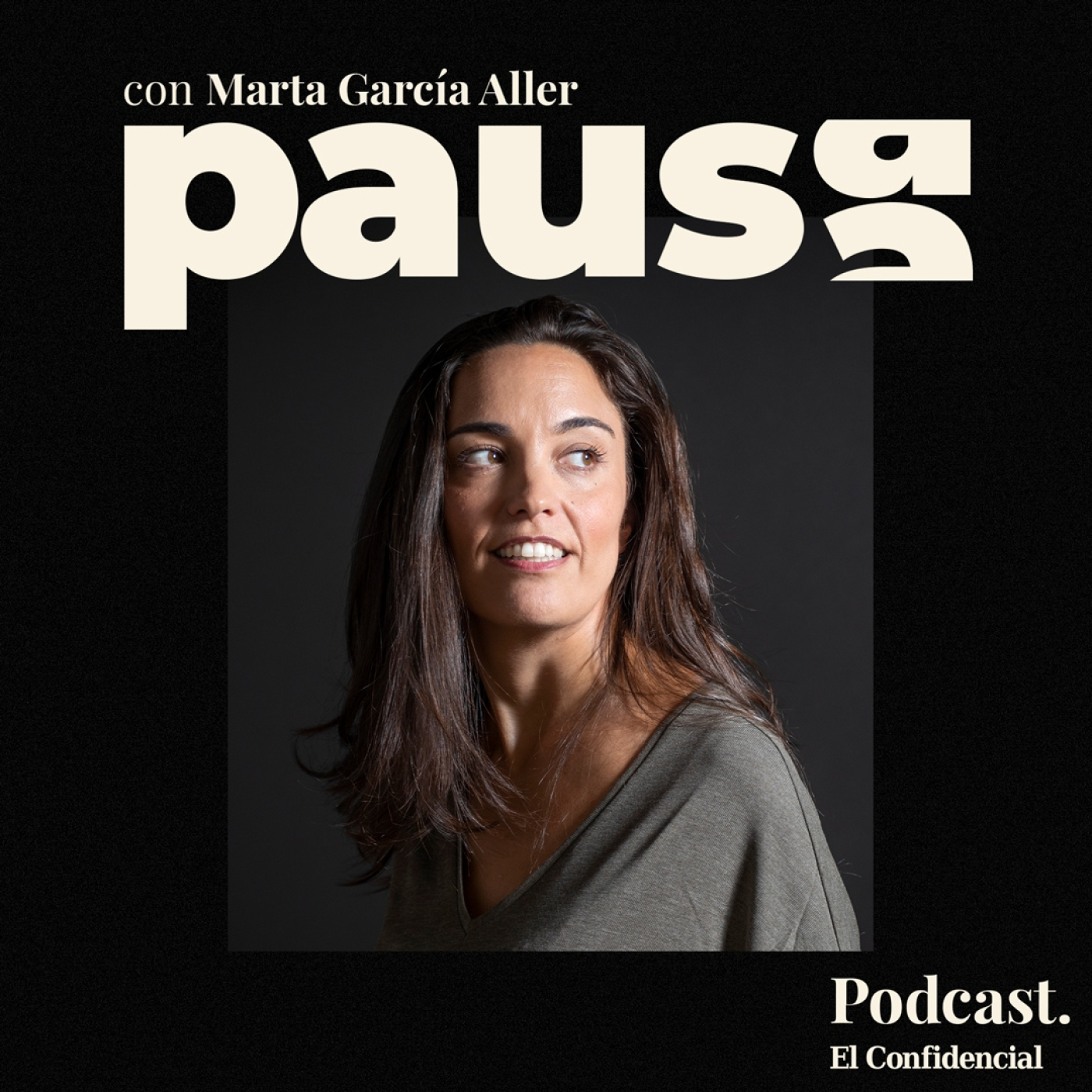
Hola, soy Marta García Ayer y vamos a hacer una pausa. Una pausa de muerte, de muertes horribles y muertes fascinantes. Porque hay muertes de lo más entretenidas. Normalmente son historias de chicas muertas, chicas asesinadas, blancas, de familia bien y a ser posible, guapas. Es importante que sean guapas porque hay mucha gente que desaparece o muere asesinada. Pero cuanto más pobre y menos guapa sea esa gente, menos nos suele importar. Debe de ser que los feos, ya sean cadáveres o asesinos, entretienen menos porque no atendemos igual a todas las muertes. Unas nos fascinan más que otras. Un buen true crime, un buen crimen, necesita una víctima y un asesino perfectos, con la mezcla ideal de morbo, belleza y misterio, y a ser posible, de culpa e inocencia. ¿Qué hay detrás del auge del true crime y por qué cada vez hay más series, más libros, más documentales, más podcast y más pelis sobre asesinatos reales? Queremos saber lo que le ha pasado para tener cuidado y que no nos pase a nosotros, o lo que más nos fascinan son los asesinos. Y porque se sigue retratando a los desconocidos y los descampados como el mayor peligro para una mujer cuando la mayor parte de feminicidios los cometen parejas o exparejas. De esas muertes apenas se hacen true crimes. Ahora lo hablamos. Hablaremos de la fascinación por los crímenes y el riesgo de convertir el dolor en espectáculo. Pero antes. Te voy a contar una historia. Tal vez ya la hayas oído porque es un caso que obsesionó a Hollywood. Y hay muchas maneras de contar esta historia.
- [02:42]
Narrador (novela negra estilo)
Los Ángeles, 1947. El cielo gris. Olía a lluvia y a problemas. Caminé hasta la escena del crimen con un cigarro en la boca y el presentimiento de que esta historia no tendría un final feliz. Ahí estaba ella, tirada en medio de la nada, como una muñeca rota. Elizabeth Short, la Dalia Negra. La habían partido en dos como si fuera un maldito truco de magia. No había sangre ni huellas. Sólo partes de un cuerpo colocado con el cuidado de un sastre. La policía andaba más perdida que un borracho y la prensa sacaba titulares más rápido de lo que yo podía encender otro cigarro. El caso se cerró, pero la ciudad nunca olvidó la sonrisa de la Dalia Negra. Y yo tampoco.
- [03:37]
Oyente o testigo
Dios, no sé por qué puse la radio, pero no podía dejar de escuchar. Y ahora no puedo dejar de pensar en ella. Era tan joven, 22 años. Quería ser actriz. Pero acabó tirada en medio de un solar, partida en dos como un maniquí roto. Con las manos sobre la cabeza, las piernas abiertas. Dalia Negra, la llaman. Dicen que quería ser actriz, que se juntó con quien no debía, que quería ser famosa. Pero no así. No así. Y ahora está en todos los periódicos. Su cuerpo cortado por la cintura. Y nada de sangre, nada. Como si la hubieran drenado antes de dejarla ahí. Dicen que fue un médico porque el corte era limpio o alguien de Hollywood. Un hombre con dinero y poder y que puede volver a atacar. Tengo miedo. Y no puedo dejar de pensar en ella. En su cara. Le cortaron la boca de oreja a oreja. Una sonrisa macabra y cortes en los muslos, en los pechos. Cortes por todas partes. Dios, ¿Qué clase de monstruo haría algo así? Cuando cierro los ojos, la veo ahí tirada, mirándome. Como si tratara de decirme algo. No quiero quedarme sola esta noche. No quiero apagar la luz.
- [05:20]
Marta
Tú cuentas esta historia de una manera muy distinta.
- [05:23]
Bea
Totalmente. Estaba escuchando el Dicen. Dicen. No, claro. Es que dijeron no.
- [05:28]
Marta
Dijeron de todo.
- [05:30]
Bea
De todo.
- [05:30]
Marta
De Elizabeth Short. Porque una de las cosas que haces en tu novela, en la chica muerta favorita de todos, es dejar claro que es una mujer que se llama Elizabeth Short y que antes de convertirse en un icono del true crime. Era una persona que se convirtió en una excusa para elucubrar.
- [05:47]
Bea
Totalmente. De hecho, no hay pruebas de que fuera una aspirante a actriz. Así de callo. Tiene el mito que es imposible liberarse de él. Al final era una chica corriente de 22 años que casi no estuvo en Hollywood, y como en ese Hollywood de posguerra casi nadie se conocía, pues era la víctima perfecta, porque ¿A quién iba a llamar? ¿Quién iba a echarla de menos? Así que es una historia bastante más prosaica de lo que Hollywood, las novelas, los true crimes. De hecho, las pelis casi no han sido tan importantes como sí lo han sido la novela de James Ellroy, que despertó todo este furor true crime, por el caso y lo que pasó en 1947 con ella, que fue terrible. Terrorífico.
- [06:32]
Marta
A David Lynch también le obsesionó. Lo que pasa es que viendo sus películas tampoco te enteras de mucho. Demasiado. Totalmente.
- [06:42]
Bea
Pero sí que lo obsesionó. De hecho, a mí me obsesiona David Lynch. Así que es una doble obsesión. Yo llegué a La Dalia por David Lynch cuando averigüé que llegó a citarse con el último detective a cargo del caso en aquella época, en 1990, y llegó a enseñarle, según Lynch, pero lo que dice Lynch siempre es como cosas que dice y luego parece que existen solo porque las dice él, que es que le enseñó unas fotografías nocturnas del cadáver y si ese cadáver apareció por la mañana, ¿Quién diablos hizo esa foto?
- [07:11]
Marta
Porque las fotos tenían flash.
- [07:12]
Bea
Claro, tenían flash.
- [07:14]
Marta
El asesino.
- [07:15]
Bea
El asesino de La Dalia. Y luego toda su filmografía, especialmente Carretera perdida, es como ciforar esa gran metáfora de los ángeles de posguerra que vio bien Lynch, que era una gran metáfora de esa necesidad que había de asustar a las mujeres, porque claro, tenían que volver a casa. Esos hombres que habían vuelto de la guerra tenían que trabajar y ellas estaban ocupando sus puestos, así que había que darles un poco de miedito. Y efectivamente, murieron. Había muchas mujeres muertas en ese momento. Pero como tú bien has dicho antes, la mayoría de los feminicidios ocurren dentro de relaciones. Subió el número de divorcios y por tanto subió el número de feminicidios dentro de las relaciones. Y esos casos sueltos, como los que luego hablaremos y como el propio caso de La Dalia, no eran la norma.
- [08:05]
Marta
Y qué es lo que nos fascina del true crime, porque tú, además de esta novela, eres guionista, eres experta en literatura, has sido periodista, conoces bien cómo contar historias para que cautiven, para que llamen la atención. ¿Por qué unas historias ciertas nos interesan más que otras que caen en el olvido cuando se trata de sucesos reales, de crímenes, de asesinatos?
- [08:27]
Bea
Lo primero es que si algo real nos interesa mucho más si ese crimen es real ya de por sí, porque es algo que nos puede pasar a nosotros. Pero hay como muchas teorías al respecto.
- [08:37]
Marta
Sí, pero nos puede pasar a nosotros que nos casemos con un maltratador. Y de eso no se hacen true crimes.
- [08:42]
Bea
Totalmente, totalmente. Además, los true crimes que se hacen sobre todo en España, que son true crimes, siempre es la misma historia, es la misma mujer joven que sale por la noche y le pasa algo muy fortuito con un asesino que no tiene ninguna relación con ella. Es como que te puede pasar a ti.
- [08:58]
Marta
¿El efecto callejón o el efecto descampado?
- [09:00]
Bea
El efecto callejón. Y en Estados Unidos se conoce como el síndrome de la mujer blanca. ¿Por qué es? Porque todas son como mujeres jóvenes blancas que les ocurre eso, el efecto callejón. Desaparecen o son asesinadas porque tuvieron mala.
- [09:14]
Marta
Suerte y se juntaron con la gente equivocada.
- [09:16]
Bea
Totalmente.
- [09:17]
Marta
Se metieron en un lío o estaban donde no debían a la hora en la que se pasaban, o a veces ni siquiera eso.
- [09:22]
Bea
Es un símbolo de pureza. Hace poco ha salido el documental este de Gaby Petito, creo que se llama, que es una chica que se fue con su novio. En este caso sí que es un crimen dentro de la relación, pero esta chica se fue con su novio a convertirse en youtuber, que es como la gran profesión ahora de moda, de viajes. Desapareció ella y el novio volvió sin ella. Entonces se convirtió en la hija de Estados Unidos. Así es como la llamaban toda la gente que se preocupaba por ella, la ciudadanía norteamericana muy preocupada. Pero no era ni el único caso de mujer joven desaparecida. Habían mujeres desaparecidas de otras razas, de otras edades, pero ella sí valía como la gran preocupación de América.
- [10:07]
Marta
Y luego hay una fascinación enorme dentro del auge del true crime con los asesinos, que a menudo las víctimas son la excusa para, como pasaba en los casos de detectives y en las series de CSI y demás del género, que al final la muerta es el momento en el que empieza lo interesante pero ella y su vida da absolutamente igual.
- [10:31]
Bea
Es un trigger. Es un trigger para la acción, es una cosa. Y también es un aliviadero de horrores. A ella se la salva o a ella se la condena. En el caso de la Dalia Negra de Elizabeth Short, apodada durante su vida la Dalia Negra, no era algo que se inventaron los periodistas a posteriori, fue un aliviadero de Estados Unidos.
- [10:53]
Marta
¿A qué te refieres con aliviadero?
- [10:55]
Bea
Pues me refiero a que daba la sensación, por cómo se habló de ella y cómo se sigue hablando hoy de ella, que se lo merecía. Cuando tú dices que alguien va con malas compañías o cuando dices que alguien se dedica a la prostitución, esto pasa mucho con las historias de prostitución, parece que preocupa muchísimo menos si una prostituta muere, porque parece que hay como un destino, como es un destino más palpable para ella. Y en el caso de ella sí había como una especie de monserga de determinadas mujeres que son malas, que frecuentan ciertas compañías, o de todo lo contrario de salvarla. Porque en estas guer culturales tú puedes decir bien que es muy mala y por eso va con malas compañías, tomó un camino equivocado en la vida y era de prever que acabase muerta esa letanía, o puedes decir todo lo contrario, como se ha dicho también de la Dalia en esas guerras culturales, pero si no bebía, si no fumaba, si era virgen, ¿Cómo pudo acabar así? Que es lo mismo, pero dicho de otro modo. Entonces sí que yo los llamo aliviaderos, porque al final nos dan lecciones y nosotros también nos cebamos con ellas, incluso cuando. Cuando queremos ser buenos ciudadanos y salvarlas, como en el caso de estos muchachos de los que yo hablo en este libro, nos estamos cebando con ellas, queriendo ser los detectives de sofá y solucionando el caso, la convertimos en lo que nosotros necesitamos que sea, que es lo que le ha pasado a ella y casi su memoria no se conoce.
- [12:19]
Marta
¿Y por qué dices que la Dalia Negra es nuestras chicas de Alcácer?
- [12:24]
Bea
Bueno, hay muchos paralelismos. Me la han preguntado algunas veces porque de alguna manera los asesinatos de Jack el Destripador tienen paralelismos con el caso de la Dalia Negra, mediáticos y otros muchos. Pero Alcácer también tiene algunos paralelismos, sobre todo en cuanto al circo mediático que todos conocemos que se provocó con Alcácer, que fue el inicio de esa telebasura.
- [12:51]
Marta
¿Tú has pensado que podías estar con ellas ahora mismo si no hubieras estado enferma?
- [12:55]
Bea
Lo mal que se jugó y lo poco que se respetó a las víctimas y a los familiares. Familiares de las víctimas. Fue una mercantilización del sufrimiento. Esa gente las estaban moviendo de un lado para otro sin saber muy bien qué estaban haciendo. Si habéis visto el documental de Alcácer, cuando esas personas se ven retratadas años después, ven lo que ocurrió en 1992, 1993, hasta el 97. Cuando esas personas salían a los platós hablar, no se reconocen. La hermana de Toñe decía en ese yo es que no sé me quedo. Yo creí que estaba ayudando, pero ahora me veo a mí misma y no sé qué estaba haciendo allí.
- [13:39]
Marta
Ese no era mi sitio.
- [13:40]
Bea
Ese no era mi sitio. Sí, la gran frase es que efectivamente no era tu sitio y no era.
- [13:46]
Marta
El sitio de nadie. ¿Están los padres de las niñas desaparecidas? Bueno, creo que acaban de encontrar los cuerpos en un especial de Nieves Herrero. ¿Cómo se llama ese programa?
- [13:58]
Bea
De tú a tú.
- [13:59]
Cruz Morcillo
De tú a tú.
- [14:00]
Marta
La misma noche y Nieves Herrero haciendo estas preguntas.
- [14:03]
Cruz Morcillo
¿Me podría decir si tras los resultados de la autopsia se ha visto que los cuerpos estaban maltratados y violados?
- [14:11]
Marta
El propio policía es el que dice que no le veo apropiado responder.
- [14:15]
Bea
Es el alcalde.
- [14:16]
Marta
El alcalde.
- [14:17]
Bea
Además, el alcalde se piró luego.
- [14:19]
Marta
Es el único que se va.
- [14:20]
Bea
Es el único que se va. Yo creo que porque las familias estaban shock. Pero es que tiene muchos paralelismos con el caso de La Dalia. Lo que quiere saber Nieves Herrero. A lo mejor no Nieves Herrero exactamente, porque también es pobre. Es un aliviadero también ella, porque había un equipo detrás de Nieves Herrero.
- [14:37]
Marta
Ella se convirtió en el símbolo de cómo mercantilizar el horror y el dolor. Pero estaba haciendo esa pregunta al alcalde de Alcácer delante de los padres, los hermanos, las amigas de las víctimas.
- [14:51]
Bea
Es un circo.
- [14:52]
Cruz Morcillo
Una pregunta. No me ha contestado. ¿Fueron maltratadas las niñas?
- [14:56]
Bea
A mí me parece insultante.
- [14:58]
Marta
Ahora mismo vemos en ese documental situaciones de las que hace 30 años de esto y llaman mucho la atención. Entendemos que ya no pasaría algo así. No entrarían las cámaras. Hasta el velatorio, hasta lo más íntimo de la familia se retransmite el entierro, se meten las cámaras hasta dentro. Lo más profundo del dolor de las familias. Podíamos pensar que se ha producido una reflexión, o que se produjo en aquel momento una reflexión, porque Nieves Herrero, es verdad que ella fue muy criticada por todo aquello. También Paco Lobatón, porque quién sabe dónde competía en audiencia en ese momento, algo a lo que no estaba acostumbrada Televisión Española y empezaba a tener que estarlo.
- [15:35]
Narrador (novela negra estilo)
Todos los padres comparten ustedes todos esa idea. Descartan esa posibilidad, aunque sea la menos mala de las imaginables.
- [15:43]
Marta
Pero es que luego llegó el Misisipi.
- [15:49]
Bea
Pero Pepe Navarro jamás se arrepintió lo que ocurrió allí. Y tuvieron consecuencias legales. Hace poquito yo googleaba a ver cuáles eran las impresiones, y él decía que ellos estaban haciendo la televisión del momento y estaban empujando un tipo de nueva televisión. Pero fue muy escalofriante. Además se dieron nombres de gente, se dio pábulo a teorías conspiranoicas que tuvieron consecuencias.
- [16:21]
Marta
Y ahí es cuando volvemos otra vez a La Dalia Negra, que es una historia ya en los años 40. Esto no es nuevo. A lo mejor era nuevo hacerlo como reality en la tele, pero ya había mucho espectáculo en el True Crime, antes de que se llamara True Crime.
- [16:37]
Bea
Claro, esto que decían del medio es el mensaje. No sé si era Marshall McLuhan. Es un poco así. En 1947 lo que pasaba es que la prensa sensacionalista, sobre todo el Examinel y el Herald, están compitiendo entre ellos porque estaban muy estresados. Iba a llegar la televisión comercial a California en muy poquito tiempo y necesitaban dar un pelotazo. Entonces, cuando apareció, había habido muchos asesinatos muy llamativos, pero cuando apareció un asesinato tan llamativo, y sobre todo cuando descubrieron que tenían un nombre, que eso siempre funciona como un tiro, descubrieron que la chica se llamaba Elizabeth Short, que era bastante atractiva, porque eso también les funcionó muchísimo, y que además tenía un apodo que era La Dalia Negra. Lo tenían todo. Y además necesitaban exclusivas. Y llevaron la voz cantante por encima de la policía, que eso es algo que vemos en otros true crimes, cómo entorpece la prensa de cierta época, prensa sensacionalista de época, entorpece el trabajo de la policía. Llevaron la voz cantante hasta el punto de que negociaron con la policía, ayudaron a obtener las señas de la chica a través de una máquina que enviaba imágenes por corresponsalía. Y cuando tuvieron el nombre hicieron tan mal trabajo como es llamar a la madre de Elizabeth Short en el momento en el que ella no sabía que su hija había muerto, decirle que su hija había ganado un concurso de belleza, hacerle un montón de preguntas sobre qué nota sacaba su hija, si era muy guapa, si había tenido muchos novios. En fin, un montón de detalles. Y en un momento determinado, cuando ya la habían ordeñado lo suficiente a la.
- [18:07]
Marta
Madre de la víctima.
- [18:08]
Bea
A la madre de la víctima le Sra. Short, esto no es lo que veníamos a contarle. Veníamos a contarle que su hija ha muerto. Y entonces ella siguió cantando más porque estaba en shock. La mujer se creía que era una broma. Entonces ya le dio detalles, les dijo que era impos porque su hija estaba en San Diego, que su hija buscaba trabajo en el cine y que se volvía a Los Ángeles con un amigo, Red. Y ellos llevaron la voz cantante también en la investigación.
- [18:35]
Marta
Bueno, eso sí que es el paradigma de la mala praxis. Y es inimaginable que ahora se vivieran cosas así. Pero lo cierto es que las lecciones que se presuponen aprendidas siguen siendo diana de muchas críticas. Estoy pensando en el último gran caso de true crime que hemos tenido en España, que es el de Daniel Sánchez. También se han hecho cosas que podíamos decir que eran lecciones ya aprendidas de los años 90.
- [19:01]
Bea
Totalmente. Pero si no nos vamos tan lejos, tan reciente, el caso Asunta también fue un ejercicio de voracidad periodística.
- [19:12]
Marta García Ayer
Todo empezó el 21 de septiembre de 2013, cuando Rosario Porto y Alfonso Basterra denuncian la desaparición de su hija de 12 años. A las pocas horas, el cadáver de Asunta aparece en una pista forestal de Teo, al lado de Santiago.
- [19:27]
Bea
Ros.
- [19:27]
Marta García Ayer
Rosario Porto, hija de un conocido abogado de Santiago, es detenida en el tanatorio donde se incineran los restos de Asunta. A las pocas horas también es enviado a prisión su ex marido, el periodista Alfonso Basterra.
- [19:39]
Bea
Fue el caso más mediático después del caso de Alcácer, pero el de Daniel Sancho. Estamos viendo cosas que no hemos visto nunca, que son cosas puramente de época nuestras. Por ejemplo, esto que decía Carlas Porta, que me parece muy interesante. ¿Cómo se puede hacer un true crime en tiempo real? No tiene sentido hacer un true crime en tiempo real. Nosotros lo sabemos, somos periodistas el periodismo de investigación es algo que tú tienes que ir construyendo. Necesitas tiempo para buscar algo, mirar hacia el pasado, no puedes hacerlo en tiempo real, como si esto fuera TikTok.
- [20:09]
Marta
Pero se hizo en tiempo real.
- [20:11]
Bea
Se hizo en tiempo real y pasó factura a la víctima y ayudó a maquillar al agresor, al presunto. No sé si llamarlo presunto, si hay.
- [20:22]
Marta
Sentencia firme o no, pero es verdad que es un caso paradigmático en el que hablábamos antes de que importa la belleza de la víctima, también importa la clase social y la raza. Es algo que es mucho más patente en la cultura estadounidense. Pero en el caso de Daniel Sancho, la víctima, el cirujano colombiano, parecía a veces el malo, según qué retratos periodísticos del suceso.
- [20:47]
Bea
Totalmente. Se fue a buscar, se fue a escarbar cualquier agujero oscuro que hubiera por ahí. ¿Su presunta mala praxis como cirujano plástico, qué más se dijo de él? Sacaron a la luz a socios chilenos que decían unas barbaridades sobre él, además que no se sabía gran cosa de.
- [21:04]
Marta
Su vida, o sea que no solo son las mujeres víctimas las juzgadas por haber acabado como han acabado. También le pasa a los hombres. En este caso era clarísimo.
- [21:13]
Bea
Totalmente. Le pasa a quien no es poderoso. Como vivimos en una sociedad un poco de bullies, pues al final la gente que es más vulnerable es a la que le pasa factura a todo esto, porque podemos cebarnos con ellas. Ha resultado que no, porque luego es muy interesante el caso de Daniel Sancho, porque que entre True Crime se ha hecho justicia de alguna manera. Como que cuando salió el caso Sancho parecía una lavada de cara en toda regla de los poderosos.
- [21:41]
Marta
Ese primer capítulo, el hijo del actor.
- [21:44]
Bea
Famoso, intentando demostrar un poco la inocencia y demás.
- [21:49]
Marta
Ves a uno si, tengo una pelea. Yo seguro que no hago eso. Bueno, esto lo estás diciendo sentado en tu casa tranquilamente. No sabes exactamente cómo te sentirías. Lo estás diciendo con 50 años y no con 29. Entra en pánico en Tailandia, en un país en el que no eres tuyo, a pena de muerte. Daniel ahora, y yo me incluyo, ahora sabemos de leyes. En ese momento él no sabía nada. Solo sabes que hay un tipo muerto y hay pena de muerte.
- [22:27]
Bea
Pero este otro True Crime es bastante interesante, el último que ha salido, Receta para un asesinato, creo que se llama.
- [22:34]
Marta
Y si, hemos estado aquí escuchando a las personas que no teníamos que haber escuchado. Terminó convirtiéndose de carrera por ver quién.
- [22:43]
Cruz Morcillo
Exculpaba antes al sospechoso. Parece que por el mero hecho de ser famoso y un niño guapo.
- [22:49]
Marta
Bien, hay que perdonarle.
- [22:51]
Bea
De alguna manera incorpora los fallos ocurridos en el otro True crime. Nos muestra que los poderosos pueden intentar hacer cosas para construir la narración, como ocurre, por ejemplo, en el caso de La Dalia, quién nos está narrando qué. Y en el caso de Daniel Sancho, este segundo documental te muestra quién intentaba narrarnos qué.
- [23:12]
Marta
Y otro caso de mala praxis, pero muy popular, sin duda, sería el caso Vaninkoff. Ahí hubo mala praxis, no solo periodística, desde luego. Nadie hizo bien su trabajo.
- [23:23]
Bea
Nadie hizo bien. Pero además es un caso paradigmático de lesbofobia absoluta.
- [23:29]
Marta
Vamos a recordarlo para los que sean muy jóvenes o no sean muy de True Crime. ¿Qué pasó en el caso Vaninkov?
- [23:36]
Bea
Lo que pasó es que Rocío Vaninkov y luego más tarde Sonia Caravantes, que eran dos chicas jóvenes, fueron asesinadas. En el caso de Rocío Vaninkov encontraron su cuerpo calcinado al tiempo, me parece que no sé cuánto tiempo pasó desde que ella desapareció, lo encontraron calcinado en el mismo pueblo de Mijas. Y en lugar de rebuscar a ver quién había sido, empezaron a ver. Alguien les dijo, un testimonio les dijo a los policías que la amiga o la ex pareja de la madre de Alicia Hornos, esta señora, Dolores Vázquez, era muy sospechosa y que la habían visto incluso cortar o apuñalar una fotografía de Rocío y que podría ser que apestaba. Culpable. Y a partir de allí, en lugar de buscar al verdadero culpable, se hizo una caza contra Dolores Vázquez, una mujer que no parecía muy simpática, que parecía ruda, que era lesbiana en una isla en la que la sociedad no lo veía bien. Y acabó en los tribunales y acabó en la cárcel. El jurado estaba. Bueno, hay momentazos. La gente iba a ver el juicio un poco, a linchar a Dolores Vázquez. El jurado estaba bastante sugestionado por el mal trabajo que hicieron los medios en ese momento. Acabaron condenándola hasta que con el tiempo se encontró el verdadero culpable, que era Tony King, que flipa. Esto es una cosa increíble. Tony King era. En Reino Unido lo llamaban el Holloway Strangle. Era un estrangulador en serie de mujeres que había huido de Reino Unido a Mijas. Estaba en búsqueda por la Interpol y estaba ahí, Mijas, o sea, más o menos lo tenían ubicado.
- [25:19]
Marta
Les pareció más sospechoso la lesbiana.
- [25:22]
Bea
Dijeron de ellas que practicaba karate, que si tenía mucha fuerza, que si no sonreía nunca. Esto parece 1934. En 1934 también a una señora, Nellie Madison, ella cometió homicidio involuntario, se cargó al marido en defensa propia, pero la prensa de la época la llamaba la mujer esfinge, porque es que no lloraba.
- [25:48]
Marta
Eso sí que es sospechoso.
- [25:49]
Bea
Claro, es que no lloraba, no se venía abajo. Qué mala era. Entonces yo creo que a Dolores Vázquez le pasó un poco esto.
- [25:56]
Marta
Y era Alicia Hornos la que dice también documental Caso Baninkov, una frase que resume muy bien cuál es el problema. A veces el lado más oscuro del true crime. Creo que está ella saliendo del juzgado, maravillosa.
- [26:10]
Bea
Durante un año y once meses lleva una familia sufriendo la pérdida de esta persona. Y ustedes el sábado lo califican como. Como culebrón. El domingo lo califican como una película.
- [26:29]
Marta
De Almodóvar, que esto no es ni.
- [26:31]
Bea
Un culebrón, es el juicio de una niña de 19 años.
- [26:35]
Marta
Qué espanto.
- [26:36]
Bea
Qué espantoso. Y a la vez qué bien. Refleja un momento de nuestra historia, de nuestra práctica. Cuando ella dice ustedes han venido aquí, lo han llamado película de Almodóvar. En realidad es una tragedia, pero en realidad tiene algo. Al final montamos las historias con arquetipos. Y esa historia estaba construida como la habían construido los medios. Era así como una historia. Fíjate, siempre son triángulos amorosos o traiciones amorosas. Siempre hay un personaje que es muy bueno, el otro muy malo. ¿Cómo se construyen las historias aquí? Y muy castizo todo.
- [27:19]
Marta
Uno muy listo y otro muy tonto. Porque en el caso de las niñas.
- [27:24]
Bea
De Alcácer también pasaban El sirviente y El genio del mal. Siempre son patrones, son fórmulas. En este caso lo vemos en el de Vaninkoff, fue una gran tragedia, pero en verdad se organizó un circo mediático que recuerda mucho a esas películas. Me acuerdo, hay una película de Almodóvar en Volver, que se ve un plató de televisión. Entonces hay uno de los personajes, y no sé si es la presentadora. Sí, creo que es la presentadora, que dice Agustina tiene cáncer o algo así. ¿Como presenta el personaje?
- [27:58]
Cruz Morcillo
A mí me gustaría explicar que Agustina.
- [28:00]
Bea
Ha venido aquí también para comunicarnos que.
- [28:03]
Cruz Morcillo
Le han diagnosticado una enfermedad mortal. ¿No es así, Agustina? Tiene cáncer. Tienes cáncer, Agustina, pero no debes estar nerviosa que estás entre amigos. Venga un fuerte aplauso para Agustina.
- [28:21]
Bea
En verdad actuamos así. Ese es el tipo de televisión que hemos hecho. Yo recordaba, no es muy true crime, pero sí nos habla mucho de la España en la que vivimos. No hace tanto, mi abuela estaba enferma en el hospital y fui a verla y tenía la televisión encendida y era un programa de tarde, era verano. Y entonces el especial del programa de tarde era niños sorbidos por piscinas. Y pasaban un caso tras otro de niños sorbidos por sumideros de piscinas públicas. Yo soy una señora mayor, una abuela, que mi nieto está en una piscina pública. Estoy viendo ese programa de tarde y me está entrando un miedo. Y yo creo que parte de ese amarilleo y de cierto true crime es provocarnos una sensación de alarma de que podrías ser tú. Podrías ser tú.
- [29:13]
Marta
Por eso las historias de los homeless a los que asesinan no tienen ese éxito mediático, porque no nos identificamos con.
- [29:21]
Bea
Esas personas o porque no hemos intentado. Porque por ejemplo, Carlas Porta sí que lo ha hecho en Crimson contó la historia del asesino en serie de Barcelona.
- [29:31]
Narrador (novela negra estilo)
De Lexampla del Surtida, la mordeda.
- [29:35]
Marta
Es el primer cash domicili que al Mossos han de comensar. Investiga AM, la ciutat confinada y a una mort que no está resuelta, que se ha de continuar.
- [29:43]
Bea
Yo no sabía, yo vivía en Barcelona. Para mí la noticia queda como en esa bruma del tiempo de pandemia. Pero él creó todo un programa en base a explicar ese asesino en serie de mendigos.
- [29:55]
Marta
Si te dicen que hay un asesino en serie en Barcelona, automáticamente crees que va a abrir los telediarios. Y sin embargo fue una noticia que pasó inadvertida.
- [30:02]
Bea
Yo no estuve atenta a esa noticia. De repente escuché el programa de CRMs, muy bien hecho. Para mí es un ejemplo de buen true crime, si tengo que describir un buen true crime. Para mí Scrims es un programa que te enseña cómo funciona el sistema judicial, que yo creo que mucha gente que también escucha o consume true crimes para entender cómo funciona el sistema judicial, si se explica bien y era interesantísimo. Y piensas que son gente muy vulnerable y como Elisabeth Shore, si no están nadie va a preguntar por ellos.
- [30:37]
Marta
Fíjate, yo he querido hablar con alguien que lleva cubriendo sucesos más de 30 años, que es una periodista de sucesos que todos conocemos en España. Es Cruz Morcillo, ha escrito seis o siete libros de los casos, lleva toda la vida hablando con policía, con fiscales, yendo a las escenas del crimen. Y coincidimos el otro día en televisión y en el pasillo la pillé por banda para que nos contara qué opina ella del boom del true crime. Y de todos los casos que ha cubierto ella en estos años, ¿Cuál es el que más le ha impactado? Y ha mencionado uno de los que.
- [31:12]
Cruz Morcillo
Estábamos hablando en su momento, el crimen de Asunta, porque era una niña, porque eran unos padres adoptivos, porque se supone que cuando uno adopta a un hijo es lo que más quiere en el mundo y no que la utilicen como un juguete, como un capricho, como yo decía, y que la maten, como dejó claro la condena. Y luego porque tenía una conexión, tuve una conexión súper especial con esa niña, me parecía una niña completamente diferente, me impactó muchísimo. Además yo acababa de entrar en la tele, llevaba ya unos años en la tele, pero empezaba en ese momento a estar con mucha presencia en televisión, en Telecinco, y para mí fue una enorme responsabilidad. Entonces lo cubrí para la tele, para la radio y para el periódico. Tres formatos diferentes, un mismo caso, y aquello fue una locura absoluta, pero también imagínate qué nivel de implicación. Pese a todo eso, necesita escribir un libro.
- [32:06]
Marta
Otro libro que escribió Cruz es Departamento de homicidios, que también está en libros del CAO, como el tuyo, y ahí hay los recuerdos de dos policías, está el crimen del rol, el caso Bretón, el asesino de la baraja, la desaparición del niño de. Son tantos casos los que tiene que cubrir una periodista de sucesos que claro, la duda, y Cruz la tiene muy presente, es por qué unos reciben más atención mediática que otros, y qué hace que un caso pase del suceso a la historia de la que todo el mundo habla, del suceso al true crime de moda.
- [32:42]
Cruz Morcillo
Esto es casi más sociológico, Marta, pero quiero decir, la explicación es más sociológica, pero sí que hay algunos parámetros, por ejemplo, si es una chica joven, si es una chica guapa, si es del país en el que se produce el hecho, si es de una familia, lo que se entiende, una clase media, media alta, todo eso te va a garantizar la atención casi inmediata. Por ejemplo, hay una cuestión paradigmática aquí que a mí me obsesiona y es que la violencia de género, por ejemplo, los casos de violencia de género con estos mimbres que te acabo de contar, funciona mal en televisión. Curiosísimo, curiosísimo. Es decir, ese mismo perfil, si es un desconocido quien mata o quien viola, concita toda la atención, pero si es alguien del entorno, que sea pareja o expareja, esa atención se diluye. Fíjate qué curioso, porque la víctima es la misma. Bueno, pues eso es así, está estudiadísimo y solo te invito a que veas caso y verás que no me lo invento, que es así.
- [33:46]
Marta
Asentías con la cabeza, Bea, cuando hablaba.
- [33:49]
Bea
Cruz, Porque tiene toda la razón. Estaba pensando unos años antes del crimen de Alcácer fue el caso Macastre. El crimen de Macastre fue en el 89 y Alcácer fue en el 92. Fueron tres niños igual, tres adolescentes de la misma edad, 15 años, pero eran de bajo estrato, familias desestructuradas, tenían problemas de drogadicción y el caso los encontraron muertos en diferentes sitios también con cosas parecidas a las No tan. Sí, con algunas cosas parecidas en sus cuerpos a lo que le hicieron a las chicas Alcácer. Pero el caso pasó sin pena ni gloria, sólo se recuperó y sigue sin solucionarse. Solo se recuperó muy tangencialmente cuando saltó el caso Alcácer, que son niñas de clase media, de familias estructuradas, porque todas tenían su familia bien establecida y ahí se nota la diferencia de clase, está ahí muy presente.
- [34:42]
Marta
Y luego estuvo también uno de los casos donde sí era una relación de maltrato, pero se supo más tarde, era el de Marta del Castillo.
- [34:52]
Bea
Sí, hay una cosa interesante en el true crime de Marta del Castillo, para mí está muy bien construido como true crime, pero falta un detalle importante, que es hablar más de esa relación. Parece ser que la familia tampoco quería entrar en eso mucho, como para no estigmatizar a la hija, porque entonces la violencia en la pareja se veía como que era culpa de la víctima. Pero claro, es súper interesante también hablar más y se dedicó muy poco a hablar de esa relación tóxica y esa violencia dentro de la pareja o la ex pareja.
- [35:25]
Marta
La normalización de la violencia dentro de las parejas.
- [35:27]
Bea
Adolescentes, adolescentes además. Y el documental pasa de refilón, de hecho no dedica nada de tiempo a.
- [35:33]
Marta
Los Hablando de audiencias, los datos son claros. True crime es el segundo género favorito de los espectadores, por detrás de la comedia y sobre todo entre las espectadoras, porque en España son mujeres de más de 30 años las principales consumidoras del género. A las mujeres es a las que más les atrae esas historias de mujeres asesinadas. Es una manera de aprender cómo protegernos de los peligros que puedan llegar.
- [36:09]
Bea
Eso es lo que dicen. Eso es lo que dicen, que vamos pillando tips y preparándonos, porque tenemos tendencia a ser también las principales víctimas de esas agresiones. Pero luego hay otra patita como más comercial y un poco más oscura. Leí a una profesora especialista en true crime y ella decía, bueno, ¿Sabes qué pasa? Que a veces no sabes que es antes, el huevo o la gallina. Porque si nosotros somos las principales consumidoras de true crime y lo que nosotras queremos ver es ese tipo de true crime, por eso hay más true crimes de este tipo, al final nos echan un poco la culpa a nosotras de que haya true crimes en donde solo aparezcan víctimas blancas, mujeres blancas que salen de fiesta y reciben una agresión, y.
- [36:54]
Marta
Nos creamos la imagen de que ese es el peligro mayor que corremos.
- [36:58]
Bea
Entonces, la idea que propone esta profesora, que me parece interesante pero también muy oscura, es que nos estamos alimentando nosotras mismas, revictimizando, disfrutándonos. Nosotros vemos cómo nos matan, preparándonos para que nos maten, como en un círculo que nunca acaba.
- [37:13]
Marta
Y nuevo desde luego no es. Podemos ir atrás, podemos ir a Truman Capote, podemos ir a Jack el Destripador, o podemos ir incluso a Lope de Vega y los crímenes del Comendador.
- [37:25]
Bea
Totalmente. De hecho, si tú coges todo lo que pasó con Fernando García y Alcácer y la justicia del pueblo, Fernando García.
- [37:34]
Marta
Era el padre de una.
- [37:35]
Bea
El padre, sí, perdón, era el padre de Miriam. Todo lo que pasó buscando justicia, no creyéndose en los juicios de Alcácer, que Ricard había participado en los crímenes, sino que había una mano negra y pidiendo responsabilidades al gobierno y quién está detrás, el poderoso está detrás, es Lope de Vega. Totalmente. En esa cosa de no confiar en el poder e ir a pedir explicaciones.
- [38:02]
Marta
Al poder y la necesidad a lo mejor también de buscar una razón más allá que no pueda haber sido simplemente la mala suerte de estar haciendo autostop cuando pasan justo dos asesinos por esa carretera. Pensar tiene que haber algo más, no puede haber sido solo fruto del azar.
- [38:18]
Bea
Claro, estás buscando, rellenando esas lagunas cuando hay lagunas, siempre da oportunidad a llenarlas, a buscar una respuesta que tenga un poco más de sentido para ti. Porque si piensas que dos pelagatos que luego se están, el caso sigue. Yo no lo sé muy bien, pero yo creo que el caso siguen buscándose a más sospechosos. No se ha conformado nunca con que sólo eran dos personas, sino que debieron participar más. Pero esa idea de algo tan prosaico, que la muerte y la maldad puedan ser cosas tan prosaicas, es insoportable.
- [38:53]
Marta
Y ahora sí que estamos en un boom del true crime en España y en Estados Unidos. No sé desde cuándo lo podemos datar. Si, desde 2010 precisamente con aquel podcast, cuando empezaban los podcasts a ser un producto de consumo cultural. En 2010, Serial, de Sara Koenig. Yo, la verdad, he de confesar que no soporto los true crime. No me gustan los true crime. He tenido que verme los documentales para charlar hoy contigo y lo paso mal, porque es un género que a mí no me interesan los sucesos, no conecto con ello. Pero Sirial, recuerdo aquel podcast como una gran obra maestra de cómo conectar con las audiencias.
- [39:34]
Bea
El caso de Serial es paradigmático porque la periodista, ni siquiera una periodista especializada en sucesos, quien investigó el caso de Cyril puede resumirse así, como muy breve. Es una parejita o ex pareja de adolescentes de Baltimore, uno de los lugares donde hay más violencia, Maryland, en todo Estados Unidos es muy violento. Baltimore. Ella aparece muerta en un parque y un testigo, un testigo tiene como la ligera, tiene una prueba ligera de que. Ahora no me acuerdo lo que dijo, pero de que el exnovio, este chico, era el asesino. Y este chico acaba siendo condenado a 20 años de prisión. Y en un momento dado, esta periodista empieza a hacer el trabajo que debió hacerse bien, de interpelar a gente, investigar fuentes, ver sobre todo qué pasó ese día y dónde estaba ese chico ese día. Y consiguió liberarlo, consiguió que se hiciera un buen juicio y consiguió desmontar el hecho de que fuera culpable. Y lo han hecho. En otros casos ha servido para el contrario. Por ejemplo, hay un truco que hay muy buenos, que es Yo, Jinx, o De Jinx. Es la historia de un millonario que su mujer desapareció en 1982 y luego, de repente, también a su alrededor había varios asesinatos, un vecino, un amigo. Él parecía como la gran víctima de todo, se crea este documental a su alrededor como para demostrar su inocencia. Y en un momento el micro está encendido. Es que es buenísimo. El micro estaba encendido, pero no lo sabía. En un momento en el que le están entrevistando, se le escapa. Obviamente los mate yo. Y eso sirvió como prueba de confesión, o sea que ayudó a desencallar el caso en el sentido contrario, para que él acabase entre rejas.
- [41:21]
Marta
Le pudo el orgullo al asesino. Hay veces que se era soy más listo y no me han pillado.
- [41:27]
Bea
Bueno, bastante tonto, por cierto, Noel.
- [41:29]
Marta
Luego hay situaciones horribles dentro de esta espectacularización, casos extremos, cuando se convierte en cultura pop, olvidando por completo el dolor de las víctimas. Y hay un documental, creo que está en Netflix, de Jeffrey Dahmer, que es otro asesino, el carnicero de Milwaukee, que violó a 17 hombres en los años 80. Y dentro de esa fascinación pop está toda la memorabilia que se vendía. No sé si su Biblia se valoró en 6.000 dólares. Había una fascinación como la de Charles Manson en España. Yo creo que a esto no hemos.
- [42:05]
Bea
Llegado, pero fíjate, cuando estuve en Los Ángeles buscando los no lugares y lugares del crimen de la Dalia, fui a visitar el Museo de la Muerte en Los Ángeles, que es como el gran templo a la muerte. Y había de todo. Es decir, desde fotografías de personas anónimas, hallazgos de cadáveres de personas totalmente anónimas forrando las paredes del museo, a lo que tú dices, las cartas que recibía Dahmer de sus admiradoras. Querido Jeffrey, te adoro. Y él contestando a sus admiradoras, pinturas de Gacy, del payaso asesino, fotografías de chicas de admiradoras de Richard Ramírez, el Night Stalker, que le enviaban fotos semidesnudas y en corpiño, admiradoras de Ted Bundy. Una de las cosas más sorprendentes, por ejemplo, en el caso de Teat Bundy, es que sabiendo que había matado a la cantidad de mujeres que había matado, que fueron unas 30, que cada vez que se escapó de prisión, que fueron dos veces que se escapó de prisión y siguió matando, como era tan guapo, como tenía esa imagen de joven republicano saludable, las tías la esperaban en las puertas del juzgado con pancartas para pedir su liberación y dándole su apoyo. ¿Cómo se explica eso?
- [43:17]
Marta
Pues no sé cómo se explica, pero le pedí ayuda a Cruz para entenderlo, porque claro, en la ficción, la ficción sólo tiene que responderse ante sí misma, pero los medios a veces embellecemos o romantizamos los crímenes, a veces las víctimas se quejan precisamente de eso, que se le presta más atención a los asesinos.
- [43:35]
Cruz Morcillo
Que a la las víctimas. Mira, para mí esto, lo más odioso de cuando se tratan mal los sucesos, cuando yo digo que se convierten en espectáculos, que son amarillos, que son bochornosos, que me avergüenzo de mi profesión, es justo cuando los periodistas hacemos eso, afortunadamente en el periodismo puro, y qué llamo periodismo puro, contar los hechos, lo que ha sucedido, con la máxima fidelidad posible, ya sabemos que no existe la objetividad, bla, bla, bla. Nuestra fuente son muy difíciles, en fin, hay muchos condicionantes, hay secretos de sumario, hay policías que se juegan la carrera si te cuentan, pero cuando tú cuentas de manera lo más fiel posible un suceso, ahí no se suele embellecer a los malos, a los asesinos sí. Cuando va pasando el tiempo y se hacen otros formatos, cuando los sucesos adoptan otros ropajes y se hacen otros formatos, por ejemplo las famosas series docuseries que todas las plataformas emiten y que todos nos volvemos locos viéndola, ahí se cambian los parámetros, porque lo primero que hacen vamos a darle una vuelta. ¿Cómo que darle una vuelta? A mí esto ya me chirría mucho. ¿Qué vuelta le das a un crimen? Lo que ha ocurrido, ha ocurrido. Lo que gusta es lo diferente. A ver si hay una conspiración, a ver si se han equivocado, a ver, a ver si la sentencia está mal, a ver si los policías no supieron investigar, seguro que el asesino era otro. Esto, la gente que hacemos sucesos, los suceseros, como nos llamamos nosotros, esta tribu peculiar, siempre tenemos una broma y es que de lo nuestro sabe todo el mundo, o sea, tú estás escribiendo en el periódico un crimen y todo el mundo sabe quién es el asesino, tú no tienes ni idea porque no tienes ni la menor idea, porque tus fuentes no saben todavía por dónde, pero como está en la tele, en la radio, en el periódico, todos los compañeros saben quién es el asesino, quién es el malo, quién es el bueno, pues esto no. Pues tú estás seguro de qué no, y nosotros que estamos ahí no tenemos ni idea. Entonces de sucesos sabe todo el mundo. Mi amigo Manu Marlaska dice que esto es como el fútbol, que de fútbol sabe todo el mundo. Pues de sucesos también.
- [45:45]
Bea
Totalmente. Detectives de sofá, ¿No? Que es el deporte nacional. Es cierto, es.
- [45:51]
Marta
Y en la audiencia somos, creo que dice Cruz, mirones del dolor ajeno. ¿Y qué crees que es lo que fascina de los sucesos? ¿Por qué dan tanta audiencia? Porque tú y yo nos conocemos precisamente de la tele. Sabemos que esto es uno de los temas que más atención consiguen.
- [46:09]
Cruz Morcillo
Sí, además, pese a las modas que hay en todos los medios de comunicación y en la tele en concreto, los sucesos prácticamente siempre funcionan. ¿Qué es lo que hace? Pues yo creo que la identificación de la gente. Es decir, una persona normal nunca va a ser una estrella del Real Madrid, nunca va a ser un banquero de éxito, nunca va a ser un gran empresario, pero a cualquiera le pueden estafar, le pueden robar, le pueden matar a su hijo, a alguien que él conoce. Se siente esa cercanía. Por otra parte, yo lo digo, la fascinación del dolor. En el otro que pasa del circo romano, la gente iba al circo romano a ver cómo mataban y pasaba exactamente lo mismo en la Bastilla, en París. Es decir, los ajusticiamientos siempre han tenido infinidad de público. Pues esto es un poco lo mismo, porque al final somos mirones del dolor ajeno. Si no me pasa a mí y le pasa al otro, pero me puede pasar. Y por último, Marta, yo creo que también hay muchos malos que fascinan. Yo les llamo malos en genérico, a los asesinos, a los corruptos, a todos. Que fascinan a la gente, provocan fascinación. Insisto, el poder del mal a mí no me fascina en absoluto. No me fascinan los malos. A mí me fascinan las víctimas. Más que me fascinan, me conmueven y por eso me dedico a esto.
- [47:33]
Bea
Tiene toda la razón Cruz. A la gente le gustan los rompecabezas y le gusta sentir, sentirse parte de algo que va a poder solucionar el caso. Y a veces entorpecen el caso en lugar de solucionarlo. En mucha medida, estos señores que escriben True Crime sobre el caso de la Dalia son algo así como detectives de sofá.
- [47:52]
Marta
Detectives frustrados, en realidad.
- [47:54]
Bea
Detectives frustrados.
- [47:56]
Marta
Les hubiera gustado ser el tipo duro de la peli de Humphrey.
- [47:59]
Bea
Y a veces se vinculan tan emocionalmente al caso como que varios de ellos dicen que su padre es el asesino de la Dalia, que es una cosa espantosa y muy edípica. Pero varios, varios de estos detectives aficionados.
- [48:13]
Marta
Es una vuelta de tuerca de matar al padre para sentarse en el diván. Cruz sabe que a mí los sucesos no son mi género y sabe también, porque ella lo ha sufrido, que en cierto periodismo que a mejor pecamos de snob, miramos a los sucesos como por encima del hombro. Esto no es la geopolítica mundial, esto no es lo importante, esto es para entretener a las amas de casa en el sofá, con todo el clasismo que esa frase conlleva. A mí me da mucho pudor, tengo la sensación de no poderme meter.
- [48:56]
Cruz Morcillo
Del.
- [48:56]
Marta
Momento más difícil de la vida, el más desgraciado de la vida de la gente. Y me debato, a veces me toca aquí contigo, tú lo sabes. Nunca sé cómo gestionar eso. Yo estoy aprendiendo a entender, a respetar un género que desde luego no conocía porque nunca me había acercado a él, pero entiendo que efectivamente fascina y hay maneras de ejercerlo. Entiendo como con cualquier género periodístico, maneras de hacerlo bien y maneras de hacerlo mal. ¿Cuáles son las líneas rojas que tú nunca cruzarías?
- [49:28]
Cruz Morcillo
Victimizar más. Tú me has visto alguna vez cuando yo tengo información y digo pero eso no lo vamos a contar. A mí me parece innecesario contar cuestiones identitarias, cuestiones sexuales, cuestiones que no aportan nada. Para mí hay como tres líneas rojas muy clara. Una, no sumar más dolor a las víctimas. Esa es la primera. Si tú deliberadamente sumas dolor y sabes que puede causar más daño o revelar un dato que sabes que la víctima todavía no sabe en ese momento, que a lo mejor se va a enterar pronto, pero tienes que ser muy suave y muy delicado para contárselo. No puedes entrar como un elefante en una cacharrería. Tú has dado la clave, estás en el peor momento de la vida de la gente. Las víctimas a veces sienten que nosotros somos sus aliados cuando tú haces bien su trabajo y que tenemos llaves que no tenemos en realidad. Pero ellos se confortan con eso. Y si tú puedes confortar a alguien, Marta, ¿De verdad crees que renunciaría a hacerlo?
- [50:29]
Marta
¿Y cuáles son las otras líneas rojas?
- [50:31]
Cruz Morcillo
La otra es no jorobar y no perjudicar una investigación. Yo lo tengo clarísimo. No hay exclusiva que merezca cargarse una investigación, o que se escape un mal o que se pierda un prueba. Es fundamental. Básicamente son esas dos. Yo no me creo nunca. Y otra cosa, yo no hago de investigadora. Me cabrea mucho eso. Yo no soy investigadora, yo soy la que cuenta lo que me cuentan. A veces es muy duro porque esa mochila, imagina a qué niveles se llena con el paso de los años. Pero yo no soy investigadora, ni soy policía, ni soy abogado, ni soy criminóloga. Yo solo soy perfecto y mi papel es contar el mal. Porque alguien tiene que contarlo, porque existe y alguien tiene que contarlo.
- [51:12]
Bea
Qué brutal. Y qué bonito además, con qué ética. Lo importante al final es la ética. Ella lo dejaba muy claro. Tengo muy claro que en ninguna exclusiva vale que se entorpezca una investigación y que primero están los investigadores y yo cuento el mal. Me ha parecido brutal eso de encargarse al final del trabajo es contar el mal que hay en el mundo.
- [51:34]
Marta
Cruz, y después del lío que se montó con el libro de Luis G. Martín sobre el caso de Bretón, con el libro El odio, que al final no se ha publicado por decisión de la propia editorial Anagrama, después de todo el lío judicial, ¿Qué reflexión podemos hacer al respecto? ¿Tú cómo lo ves desde la crónica de sucesos?
- [51:52]
Cruz Morcillo
Pues respecto al libro, yo creo que crea un malísimo precedente. Yo creo que el libro se tenía que haber publicado y luego que un tribunal, que un juez, quien correspondiera, dictaminara si vulneraba algún derecho, porque el derecho al honor y el derecho a la intimidad y el derecho a la propia imagen y todos los derechos que puede haber en colisión ahí, junto con el derecho a la información y el derecho a la libertad de expresión, eso tiene que decidirlo un juez. Yo no creo que haya que hacerlo a priori, ni muchísimo menos. Muchísima gente ha opinado, no solo ha opinado, ha insultado, ha vilipendiado del libro, sin leerlo, por supuesto, y otra mucha sin conocer el caso, incluso haciendo un totum revolutum de los dos. Yo he leído el libro y conozco el caso. El dolor de ruz. ¿Cómo no voy a entenderlo? ¿Cómo no voy A entenderlo?
- [52:45]
Marta
¿Crees que esto es un antes y un después? Es un toque de atención.
- [52:48]
Cruz Morcillo
Es muy difícil encontrar la línea buena. Es muy difícil. Estamos hablando de la vida y de la muerte, del honor, del buen nombre de niño, de violaciones estamos hablando de lo más doloroso y de lo peor que le puede pasar al ser humano. Entonces, encontrar la línea donde no hier es sumamente difícil, Sumamente difícil. Lo más difícil. Pero yo espero que esto no sea un antes y un después, porque sigo y te insisto, ¿Qué diferencia hay entre este libro que no ha escrito Bretón, que no se le da la razón a Bretón de ninguna de las maneras.
- [53:23]
Marta
Porque tú has leído el libro, a diferencia de los demás que no hemos llegado?
- [53:26]
Cruz Morcillo
Por supuesto. Yo te lo dije, que lo leí por circunstancias muy pronto, ni siquiera estaba todavía en la calle. Bueno, no estaba nunca en la calle, pero ni siquiera estaba la versión final. Lo leí y cubrí el tema. Y a mí es verdad que me removían cosas. Yo te lo dije aquí, me removían cosas, Marta, porque yo cubrí el tema desde el día uno. Es que yo tengo una nota todavía manuscrita por ahí guardada, del día en el que Ruth denuncia la desaparición de su hijo en la lista de la compra del supermercado, que esto no lo he contado jamás, que yo volví al supermercado, Yo llamo al comisario Serafín Castro, que era una fuerza mía y que finalmente fue quien llevó toda la investigación, y le digo ¿Esto de qué va? Y él me ha sido él, es un maltratador y un mal bicho. Y yo tengo anotada en esa lista de la compra que creo que conservo, es un maltratador y ha sido él. ¿Cómo no me va a afectar? Hay que encontrar la línea. Yo espero que podamos seguir contando lo que sucede, porque es la vida, a diferencia de lo que dicen que pasa, esto es lo que la vida y.
- [54:40]
Marta
La muerte, alguien tiene que contarlo, como decía Cruz, con esas líneas rojas que poco tienen que ver con la que nos contabas de la investigación del caso de la Dalia Negra, cuya fascinación a ti te llevó a escribir esta. No sé si llamarla novela.
- [54:55]
Bea
No, es un ensayo. Es un ensayo. Lo que pasa es que tiene una estructura extraña, tiene una estructura un poco delirante, como esos personajes de los que hablo y sus teorías. Es como diferente, ¿No? Es una estructura lineal.
- [55:08]
Marta
Yo me he sentido leyéndola, viajando contigo por Los Ángeles y redescubriendo lo extraordinario del caso y también lo mundano y lo lamentable, voy a utilizar esa palabra, que es que haya hasta rutas turísticas para ir recorriendo donde qué hizo la chica que murió, dónde se la iba investigando.
- [55:32]
Bea
Pero esto tiene. Intentando ser la mitad de luminosa que ha sido Cruz, hablando del periodismo de sucesos. Yo aprendí algo sobre el crimen escuchando quien montaba una de las rutas, Kim Cooper, que monta una ruta muy particular de la Dalia. Porque ella son historiadoras y ellas atienden a los hechos, no a los rumores, no al mito. Entonces ella tiene la teoría de que el crimen puede tratarse de una forma holística. ¿Cómo? Pues contando la época, contando a la chica, contando el barrio. Y que de alguna forma tú entiendas otras cosas, que es lo que he tratado de hacer también con este libro. Entender el crimen de Elizabeth Shore en el contexto de su época y de una ciudad que es un estado mental. Entonces, de repente descubres otras cosas. Descubres los problemas con las anfetaminas que tenían entonces, que hoy es el fentanilo. Descubres que una ciudad puede tener karma también. Y descubres que tienes más conocimiento. Puedes conectar mucho con alguien que murió en 1947, sorprendentemente. Y que algunos de los problemas y de las sensaciones que tenía ella, las tenemos también nosotras.
- [56:40]
Marta
Yo os invito a los que os interese viajar a ese Los Ángeles de los años 40, que leáis la chica muerta favorita de todos. Nada que ver con ese narrador de novela negra clásica, del tipo duro que se quita el sombrero al llegar a su.
- [56:56]
Bea
Bueno, intento ser un poco dura. Yo también le pongo un poco.
- [56:59]
Marta
Eres muy luminosa. Eres muy luminosa y nos ayudas a mirar de una manera crítica maneras de ver el mundo que tenemos tan interiorizadas. Porque llevamos toda la vida viéndolas así en el cine y en la tele. Y es el momento de revisarlas.
- [57:13]
Bea
Gracias a ti por invitarme.
- [57:23]
Marta García Ayer
Pausa. El podcast del Confidencial, dirigido y presentado por Marta García ayer, con la realización y el diseño sonoro de Ana Schultz, la coordinación de Antonio Martín y la asistencia técnica y documentación de Íñigo. Y gracias a Diego Fortea y Aida de la Cruz por narrarnos la historia de la Dalia Negra.
- [58:01]
Marta
Mira, quedan tres minutos para que volvamos de publi y voy a acercarme con todo el morro. Acompáñame. Vamos a hablar con el público, a preguntarle si le gustan los sucesos.
- [58:08]
Cruz Morcillo
Venga, vamos. Según te van a decir, yo creo.
- [58:11]
Marta
A usted le gustan los sucesos.
- [58:14]
Cruz Morcillo
Bueno, ¿Y por qué? ¿Qué es lo que tienen que a.
- [58:17]
Marta
Todos nos enganchan porque es una cosa.
- [58:19]
Cruz Morcillo
De actualidad, porque nos va el morbo?
- [58:22]
Marta
Estás pendiente del morbo siempre.
- [58:24]
Cruz Morcillo
Las curiosidades.
- [58:25]
Marta
Usted se ríe también.
- [58:26]
Bea
¿Qué le parecen las noticias tristes? De los triste no me gusta saber.
- [58:31]
Cruz Morcillo
De los demás sí, pero bueno. Pero a veces a mí no me gusta la nada.
- [58:37]
Marta
¿Nos quedamos viéndolo?
- [58:39]
Cruz Morcillo
No me quedo viéndolo porque no me queda más remedio. Porque me lo están poniendo, no porque a mí me guste o lo pido. ¿Entonces no le gusto yo? No tiene nada que ver una cosa con la otra. Yo cuento suceso, tú cuentas. Un beso. Porque es tu trabajo. Si yo fuera periodista y tuviera que contaros, no me quedaría más remedio que contaros. Pero a mí personalmente prefiero otras noticias más alegres porque para apenas ya pongo telería. Eso lo dice mi madre, pero yo he elegido contarlo. Yo he tenido oportunidad de hacer otras cosas y no he querido hacer otras cosas. Porque tu cruz. Ella transmite mucho. Es que depende quién lo contéis y cómo lo contéis. Te metes en el.
- [59:15]
Marta
No, cualquier manera de contar.
- [59:17]
Cruz Morcillo
No, no, no. Depende quién lo cuente también.
- [59:27]
Marta García Ayer
No olvides suscribirte a la newsletter de pausa con recomendaciones y contenidos exclus de todo lo que comentamos en el episodio. Encuentras el link en la descripción de tu plataforma de podcast.