← Penitencia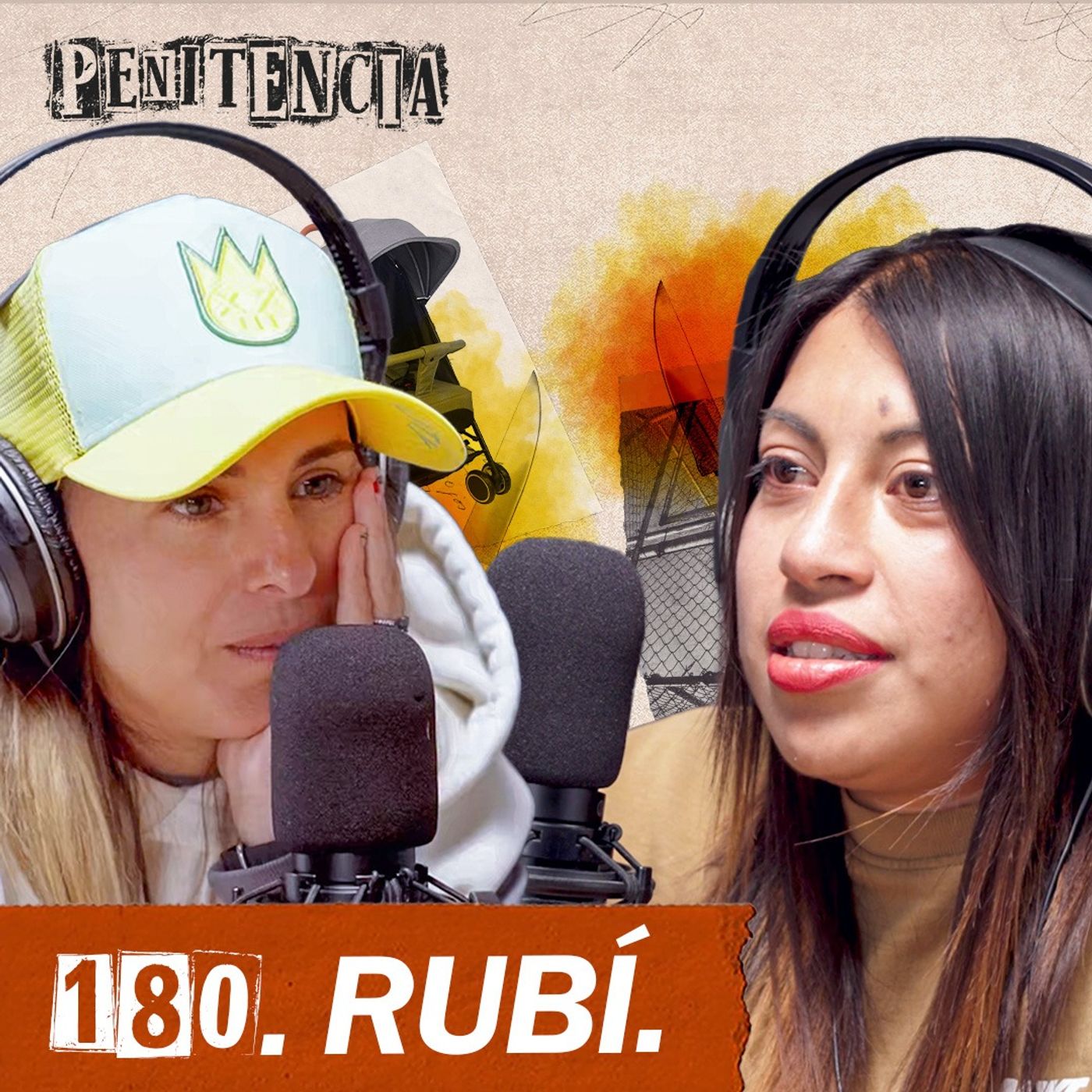
Loading summary
Transcript566 lines
- [00:00]
Pandora Jewelry Announcer
Celebrate your unique story with Pandora Jewelry. Crafted with meaning and exquisite artistry. From sparkling lab grown diamonds to personalized engravings and heartfelt charms. Pandora offers endless ways to express what's in your heart. Pandora's rings, bracelets and necklaces are so fun to mix match stack and style. Every day is a chance to be love. Let Pandora Jewelry remind you that love starts with you. Shop in store or online at Pandora Dot Net.
- [00:30]
Ryan Reynolds
Ryan Reynolds here from Mint Mobile with a message for everyone paying big wireless way. Too much, please. For the love of everything good in this world, stop With Mint you can get premium wireless for just fifteen dollars a month. Of course, if you enjoy overpaying no judgments, but that's weird. Okay, one judgment anyway. Give it a try at MintMobile dot com.
- [00:50]
Interviewer
Switch upfront.
- [00:51]
Pandora Jewelry Announcer
Payment of dollar forty five per three
- [00:53]
Mint Mobile Announcer
month plan equivalent to dollar fifteen per
- [00:54]
Pandora Jewelry Announcer
month required intro rate first, three months
- [00:56]
Mint Mobile Announcer
only, then full price plan options.
- [00:57]
Pandora Jewelry Announcer
Available taxes and fees extra seeful terms
- [00:58]
Mint Mobile Announcer
at MintMobile dot com. Just got engaged wedding on the way. Big life moments are the perfect time to think about what comes next. Including your long term fertility journey. Natural Cycles is the only FDA cleared. Birth Control and Fertility app that works with your body using your daily temperature to pinpoint your fertile window. You can use natural cycles to prevent pregnancy now and when you're ready switch to natural Cycles plan pregnancy. The app experience that helps you get pregnant faster.
- [01:30]
Penitencia Disclaimer Narrator
Advertencia Las opiniones y testimonios expresados en este contenido son responsabilidad de quienes los emiten y no representan la postura institucional de Penitencia, su equipo o colaboradores. Penitencia, a través de Fundación Reinserta, apoya a niños y niñas en contacto con la violencia.
- [02:38]
Penitencia Narrator
¿En qué momento la violencia deja de ser una línea que no se cruza y se convierte en una opción que parece quizá hasta lógica? ¿En qué punto matar a alguien empieza a sentirse como una forma válida de resolver un conflicto? La historia Rubí no comienza con un acto, sino con años de violencia normalizada, silencios impuestos, golpes cotidianos y lealtades rotas dentro de la propia familia. Crecer donde el dolor es rutina, cambia la forma en la que se entiende el bien, el mal y la justicia. ¿Este capítulo pone en la mesa la importancia de la salud mental y nos obliga a preguntarnos qué pasa cuando el cuerpo aprende a reaccionar antes que la razón, cuando la ira se vuelve automática y la violencia aparece? La única defensa posible. ¿Cuántas señales hacen falta para que alguien explote? ¿Y quién decide cuando ya es demasiado tarde? Ruby habla desde un lugar incómodo, honesto y profundamente humano, no para justificar ni para justificarse, sino para entender cómo se construyen esos límites que un día se rompieron. Si estas historias te interpelan, te incomodan o te hacen pensar distinto, ayúdanos a que lleguen más lejos. Pícale, suscríbete, comparte este episodio y sé parte de Penitencia.
- [04:00]
Interviewer
Estábamos con Rubí y estábamos diciendo que eres una persona ermitaña. Es una persona a la cual le platica a pocas personas sus cosas. ¿Por qué consideras que eres tan reservada?
- [04:19]
Rubí
Por lo que me ha pasado en la vida. Las personas con las que me he cruzado no han sido buenas y pues entonces prefiero reservar lo mío.
- [04:30]
Interviewer
¿Por qué crees que las personas con las que te has cruzado en la vida no son buenas o qué tipo de personas han sido que las categorizas como no buenas personas?
- [04:42]
Rubí
¿Cómo te explico? Sí no son buenas por no se discriminan a la gente o luego hay pequeños detalles de las personas que hacen menos a la gente sin conocerla. Habla de las personas y ni siquiera saber de ella. Y a mí ese tipo de gente no me gustan sus comentarios. ¿Entonces digo bueno, entonces si hablan de las demás gente que que me espero de mí? Entonces sí hay muy pocas personas a las que yo considero que están en mi círculo.
- [05:23]
Interviewer
Yo siempre he dicho, hay dos tipos de personas. Las personas que desconfían hasta que se les compruebe lo contrario y hay las personas que confían hasta que se les compruebe lo contrario. Y así eres de personalidad y ya. Oye, a ver, bienvenida Penitencia, este espacio donde traemos micrófonos a la cárcel y donde platicamos porque son pláticas de quiénes son eventualmente, por qué terminaron en la cárcel, pero lo más importante, cuál es su historia de vida. Entonces me gustaría empezar contigo, Rubí, desde el principio. Ahora sí que vámonos. Hace unos años. Cuéntame de lo que te gustaba hacer cuando eras chiquita. Vamos a empezar por ahí. Aquí tienes papel. Aquí tienes papel. Es difícil no recordar.
- [06:18]
Rubí (emotional interjections)
Sí, por eso estaba como que nerviosa, estaba parado. Me dicen siéntate, tómalo.
- [06:26]
Interviewer
No es la gente,
- [06:30]
Rubí (emotional interjections)
la persona en que me convertí hasta el día de hoy.
- [06:34]
Interviewer
¿Quién eras antes? ¿Cómo describirías a la Rubí de antes? Pues
- [06:43]
Rubí (emotional interjections)
yo era muy tranquila, nunca estuve con mis papás.
- [06:50]
Interviewer
¿Con quién creciste?
- [06:53]
Rubí
Con mi hermano. Mi hermano pues prácticamente se hacía un poco cargo de mí porque él trabajaba. ¿Y quién se hizo cargo de mí? Pues yo misma.
- [07:05]
Interviewer
Desde chiquita.
- [07:06]
Rubí
Sí, mi papá es alcohólico
- [07:11]
Interviewer
y pues
- [07:12]
Rubí (emotional interjections)
mi mamá siempre trabajó y mi hermano. Mi hermano vendía visión,
- [07:23]
Interviewer
entonces pues yo
- [07:25]
Rubí
prácticamente siempre en la casa estaba sola con gente que yo no conocía, viendo drogas, alcohol y desmadre, siempre desmadre. Y pues no me gustaba estar con ellos, por eso me salí de mi casa muy pequeña.
- [07:45]
Interviewer
¿Qué edad tenías Cuando te saliste?
- [07:46]
Rubí
14 años cuando me junté con.
- [07:50]
Interviewer
¿A los 14 te saliste?
- [07:51]
Sí.
- [07:51]
¿Dirías que enamorada?
- [07:53]
Sí, mucho.
- [07:54]
Rubí
Duré con esa persona 10 años.
- [07:56]
Interviewer
No, pues un buen y más. Esa edad es muchísimo tiempo. Y desde que tienes, estabas platicando un poco de tus papás y tu hermano y demás. Desde que tienes uso de razón tienes estos recuerdos de drogas en tu casa, de tu papá.
- [08:11]
Rubí
Siempre mi casa la tomaron como punto
- [08:15]
Interviewer
de venta
- [08:18]
Rubí
y pues gente entraba, salía, tocaba y preguntaba por mi hermano. Entonces pues este punto pues empezó a ser más frustrante para mí, ver la droga, ver todo, conocer de ella. ¿Muy pequeña que te frustraba? Me empezó a gustar mucho la marihuana y hasta la fecha la sigo consumiendo.
- [08:44]
Interviewer
¿Pero qué te frustraba? Dices que te frustraba mucho ver drogándose,
- [08:50]
Rubí
ver las drogas, ver lo que estaba haciendo. Pues era como que. Sé que sabía que estaba mal, pero también era como que la curiosidad de saber qué era lo que estaban haciendo. Mi hermano pues me decía que me compraba todo lo que yo quisiera, dulces y eso, y pues que le avisara de la policía.
- [09:19]
Interviewer
Te pusieron incluso a ayudarles prácticamente. Qué edad tenías cuando empezaste a.
- [09:26]
Rubí
Como nueve años en el Halconeo. Y pues pasaba así la patrulla. ¿Yo salí a jugar normalmente, pero pues no era tan normal, ves? Porque yo no podía estar jugando bien con mis amigos por estar viendo. Yo le avisaba a mi hermano, a los que trabajaban ahí con él en el edificio, cuando llegaba a la patrulla. Prácticamente mi infancia no fue como debería de haber sido.
- [10:03]
Interviewer
¿Qué crees que te faltó en tu infancia qué como chiquita anhelabas tener cuando estabas en ese ambiente?
- [10:13]
Rubí
Pues no sé, que mis papás. Pues estuvieran más en la casa, no pusieran más atención a lo que estaba pasando, porque pues siempre nos dejaron hacer lo que nosotros quisiéramos. Mi mamá sabía que era el punto
- [10:31]
Interviewer
de la casa, sabía muchas cosas
- [10:36]
y
- [10:37]
Rubí
pues cuando ella llegaba era de que tu hermano, porque ese hombre no tiene que hacer nada y tú eres la mujer y tú tienes que levantar todo.
- [10:45]
Interviewer
Y yo decía, pero pues no, me
- [10:50]
Rubí
fui rebelando con ella y me salí de mi casa.
- [10:53]
Interviewer
¿Te hartaste? ¿Cómo era la relación con tu mamá, Ruby? Cuéntame de eso.
- [10:57]
Rubí
Desde chiquita no es muy buena mi mamá siempre me apartó de ellos, siempre. Bueno, quise yo comer con ellos en la mesa, con mi hermana, con mi hermano y mi mamá, pero pues los apartó de mí, dijo que siempre eran
- [11:20]
Interviewer
pláticas que yo no podía escuchar.
- [11:22]
Rubí
Pero cuando llegaba mi papá todo cambiaba. Ella me trataba bien. Pues mi papá como llegaba alcoholizado, pues yo los acusaba que me pegaban y
- [11:36]
Interviewer
pues mi papá pues se enojaba mucho,
- [11:39]
Rubí
agredía a mi mamá, le pegaba
- [11:43]
Interviewer
a
- [11:44]
Rubí
mi hermano, a mi mamá
- [11:47]
Interviewer
y un
- [11:47]
Rubí
día intento matarla porque me pegó a tu mamá y mi papá le dijo que.
- [11:52]
Interviewer
Pues que no volviera a tocar a su hija
- [11:56]
Rubí
y no sé, yo creo que ese era más el odio de mamá. Si, a mí. No sé el por qué fue agarrando ese odio conmigo.
- [12:07]
Interviewer
¿Tienes algún recuerdo bonito con tu mamá?
- [12:11]
No.
- [12:12]
¿Desde que naciste, sientes que fue así? ¿Por qué crees que tenía ese sentimiento hacia ti, Ruby?
- [12:19]
Rubí
No sé, yo a veces sentía que hasta ni era su hija porque me apartaba mucho de sus hijos, no sé, cosas familiares. Nunca me ponían a mí, siempre era estar yo encerrada en un cuarto y estar sola.
- [12:46]
Interviewer
¿Alguna vez le preguntaste?
- [12:49]
Rubí
No, ella solamente decía que eran pláticas de adultos, que por eso yo no podía estar cuando ella estaba con sus hijos platicando.
- [13:02]
Interviewer
¿Crees que te estaba cuidando?
- [13:06]
Rubí
No, no.
- [13:15]
Interviewer
¿Qué pensaste?
- [13:19]
Rubí (emotional interjections)
Pues no sé, yo sentía que. Que no me quería porque. Porque siempre estaba yo con mi papá, a pesar de que mi papá fuera alcohólico. Yo desde muy chica siempre defendí demasiado
- [13:38]
Rubí
a mi papá y pues recuerdo de ella pues no fueron bonitos. Siempre fue que ella pues le hablaba a la patrulla, le pagaba, se llevaban
- [13:54]
Rubí (emotional interjections)
a mi papá y le pegaban. Cuando mi papá me platicaba que le pegaban los policías porque mi mamá había pagado, me dio mucho coraje. Muchas veces intenté pues quemar la casa con mi mamá y mi hermana y mi hermano adentro por el coraje que tenía, no me gustaba que mi papá tampoco le dijera que era un alcohólico o que lo insultaran o que le pegaran.
- [14:29]
Interviewer
¿Cuándo empezó a cambiar esa relación rubí? ¿Cuando empezaste a sentir esta necesidad como de aliarte más con tu papá a partir sin importar el alcoholismo que tenía? ¿En qué momento se empezó a generar esa dinámica? ¿Cuál es como que tu primer recuerdo que tienes de tú tener que tomar parte por tu papá?
- [14:57]
Rubí (emotional interjections)
Cuando un día me llega muy golpeado, me abierto de la cabeza tu papá y me dijo que mi hermana había mandado a que le pegara. ¿Tu hermana?
- [15:10]
Rubí
Y recuerdo que si ella me peleé
- [15:12]
Rubí (emotional interjections)
muy feo con mi hermana,
- [15:15]
Interviewer
muy feo,
- [15:17]
a golpes me imagino.
- [15:20]
Rubí
Y a mí me invade mucho una
- [15:23]
Rubí (emotional interjections)
nube María, esto es, yo no veo
- [15:29]
Rubí
a la persona, a nadie más que
- [15:32]
Interviewer
a la que estoy agrediendo.
- [15:34]
¿A ver, cuéntame qué pasa en tu cabeza, tú le llamas la nube amarilla, pero cómo es el proceso? A ver cuéntame cómo es el proceso de que estás en una situación, ¿Qué pasa en tu persona emocionalmente que empiezas a ver una nube amarilla? ¿Y qué es lo que sientes?
- [15:53]
Siento mucho coraje, mucha ira,
- [15:57]
Rubí
siento como todo mi cuerpo se calienta, dejo de escuchar a toda persona que me trate de decir que me calme, parece que me dijera alócate más. Y cuando yo me pasa esto yo. Golpeo sin compasión, no me gusta, lastimo a la gente.
- [16:28]
Interviewer
¿Tienes recuerdo de la primera vez que te pasó esto? ¿Qué edad tenías? Tenía como unos 20 años, o sea ya más grande. ¿De chiquita no te pasaba tanto?
- [16:42]
Rubí
No, de chica no me pasaba tanto porque pues siempre me encerraban en el cuarto y nunca iba más allá de hacerles algo. Esto yo lo empezó a descubrir mi novia María cuando en el 2018 ataqué a al cuñado de cuñado de mi hermana y a mi cuñado. Mi hermana y mi cuñado me golpearon
- [17:10]
Interviewer
cuando yo estaba embarazada.
- [17:12]
Rubí
Mi mamá jamás evitó eso y ella estaba ahí viendo como.
- [17:20]
Interviewer
¿Qué pasó ese día? Cuéntame ese día.
- [17:23]
Rubí
Pues yo estaba embarazada de gemelos y mi embarazo era de alto riesgo. Mi hermana y mi cuñada me dijeron
- [17:38]
Rubí (emotional interjections)
que
- [17:41]
Rubí
ellos traían un problema conmigo. Mi hermana me levantó del sillón, empezó
- [17:46]
Interviewer
a dar unas cachetadas, yo estaba embarazada
- [17:48]
Rubí
de gemelos, tenía como unos cinco meses
- [17:53]
Rubí (emotional interjections)
entre los dos. Me golpearon y jamás mi mamá hizo nada por eso. No tengo recuerdos buenos de ella,
- [18:01]
Interviewer
solo traición. ¿Por qué te golpearon ese día?
- [18:07]
Rubí
No lo sé, no lo sé. Solamente entró y me dijo que él tenía un problema conmigo.
- [18:16]
Interviewer
¿Te imaginas cual?
- [18:17]
Rubí
No, yo nunca tuve algún problema con el señor, ninguno. Solamente que no le gustaba porque empecé pues en el vicio y en la calle. Ya sabes que las personas que. Pues que se visten flojas las malmiran. Pues él me discriminaba por eso, por mi forma de vestir, por la gente con la que me juntaba.
- [18:48]
Interviewer
¿Qué te decía como machorra o qué te decía?
- [18:50]
Rubí
Pues sí, me decía que era una mugrosa, que cómo me vestía así, que parecía drogadicta. No me importa.
- [18:59]
Interviewer
No.
- [19:01]
Rubí
Pero pues no sé, él era como que muy insultante hacia mí. Siempre, siempre. Y esa vez recuerdo que estaba yo acostada y entra y me yo tengo un problema contigo. Y le dije que me levantó mi hermano y me dio unas cachetadas. Fue cuando él se metió y me pegó en el estómago. Intenté defenderme, pero pues la verdad yo no pude. Y pues lo dejé pasar porque llegó mi papá y me llevó a la ambulancia. Perdí a mis.
- [19:36]
Interviewer
¿Los perdiste a los dos?
- [19:38]
Sí.
- [19:38]
Rubí
Ya no puedo tener hijos.
- [19:44]
Rubí (emotional interjections)
Y eso es más frustrante para mí, ¿Sabes?
- [19:47]
Interviewer
Me imagino qué te dijeron los médicos
- [19:54]
Rubí (emotional interjections)
que por los legrados que yo había tenido se me había malformado mi útero. Tengo una malformación y pues ya no puedo tener hijos.
- [20:10]
Rubí
Tuve tres embarazos,
- [20:14]
Interviewer
los tres los perdí.
- [20:18]
Rubí (emotional interjections)
Y es cuando llega esa nube amarilla muy grande. Después de. De lo que me pasó, traté de recuperarme.
- [20:30]
Rubí
Me fui más en las drogas y ataqué a mi cuñado.
- [20:37]
Interviewer
¿Al que te había golpeado?
- [20:38]
Rubí (emotional interjections)
Sí, en el 2018 me metieron por intento de homicidio.
- [20:45]
Interviewer
Lo piqué cinco veces en el pecho.
- [20:47]
¿Lo planeaste, ibas a eso?
- [20:49]
No, no.
- [20:53]
Rubí
Yo venía caminando y él me venía pitando en la camioneta, pero yo nunca pensé que fuera a mí y que fuera él, porque ya tenía mucho tiempo
- [21:04]
Rubí (emotional interjections)
que no lo había visto.
- [21:07]
Rubí
Cuando quiero cruzar hacia la otra calle, él me avienta la camioneta y volteo. Me doy cuenta que era él otra vez. Y yo trabajaba en un rastro de
- [21:19]
Rubí (emotional interjections)
pollo y yo siempre andaba cargando mis
- [21:21]
Rubí
cuentas y eso porque me iba desde las 9 de la noche y salía hasta las 12 del día, o sea, prácticamente toda la noche me la pasaba trabajando en el raso de pollo. Entonces pues yo luego los andaba cargando porque pues dije bueno, porque me los
- [21:37]
Rubí (emotional interjections)
roban en mi trabajo y me los llevo.
- [21:40]
Rubí
Yo no me había dado cuenta que yo traía eso en mi bolsa. ¿Cuando él me trata de aventar la camioneta, yo veo que se baja y pone sus manos hacia atrás
- [21:54]
Rubí (emotional interjections)
y lo
- [21:55]
Rubí
único que pasó por mi cabeza fue el o eres tú? Y metí la mano a mi bolsa
- [22:02]
Interviewer
y sentí el cuchillo.
- [22:05]
Rubí (emotional interjections)
Me acordé de cuando me pegué que yo estaba embarazada y que no tuvo compasión. ¿Pues dije cómo la voy a tener yo?
- [22:16]
Rubí
Y me fui atacando sin pensar. Me recuerdo que ese día fue como en un bulevar, las doce del día, a un lado de un mercado, mucha
- [22:30]
Rubí (emotional interjections)
gente me vio,
- [22:35]
Rubí
recuerdo que nada más todos me gritaban Rubik, déjalo vi, yo
- [22:40]
Interviewer
solo escuchaba voces a lo lejos, no
- [22:42]
escuchabas casi que lo que estaban diciendo.
- [22:46]
Rubí
Hasta que mi esposo me jaló de
- [22:48]
Interviewer
la sudadera y me dijo que lo dejes en paz, que lo vas a matar.
- [22:53]
Rubí
Y lo vi que estaba tirado miedo
- [22:55]
Rubí (emotional interjections)
en el suelo y me dio gusto, sentí ese alivio en el pecho de decir pues si mis hijos están, ¿Por qué no? Y no me importó que toda la gente me viera, nada más me paré y volteé a ver y vi que había mucha gente y les dije que
- [23:18]
Rubí
miraban que se les había perdido, pero
- [23:22]
Interviewer
pues sin saber que
- [23:25]
Rubí
todo lo que yo había hecho, no me di cuenta, no me di las consecuencias, no, no
- [23:31]
Interviewer
fue algo que yo dijera, pues me duele.
- [23:35]
Es como un tema de gratificación inmediata. Es como decir lo voy a hacer ahorita porque me da coraje, pero no voy a pensar en absoluto. ¿Pensabas que lo querías matar? ¿Pensabas en mat?
- [23:48]
Rubí
Sí, dije pues si, él acabó con
- [23:50]
Rubí (emotional interjections)
mi vida porque pues literal es yo
- [23:51]
Interviewer
no poder tener hijos me duele, ¿Sabes?
- [23:56]
Rubí (emotional interjections)
No es lo mismo, como me dice
- [23:58]
Rubí
unas amigas aquí adopta, no es lo mismo.
- [24:04]
Rubí (emotional interjections)
A lo mejor sí el cariño y
- [24:06]
Rubí
eso, verlo, pero no es lo mismo.
- [24:10]
Rubí (emotional interjections)
Entonces pues yo iba con que si
- [24:13]
Rubí
se muere, mejor para mí.
- [24:19]
Interviewer
Hola Ruby, me estabas contando de esa nube amarilla que te llega, entonces, digamos en esa situación con tu cuñada, te avienta el coche. ¿En qué momento es que sientes eso? ¿Y es como si tu cuerpo actuara por sí mismo o estás muy consciente de lo que estás haciendo y nada más se bloquea el exterior?
- [24:37]
No, no solamente me bloqueo yo.
- [24:42]
Rubí (emotional interjections)
Yo soy la que
- [24:46]
Rubí
dejo que todo esto que siento adentro se exprese.
- [24:52]
Interviewer
Es como si tú no tuvieras control de eso.
- [24:58]
Rubí
Cuando realmente empiezo a tenerlo a mi alrededor, te lo repito, no veo a nadie. A nadie. Ese día me acuerdo que gritaban que venía el táctico y que venían los marinos, y lo único que fue fue reírme y echarme a correr. Agarré a mi esposo de la mano y lleva toda ensangrada y lo mancha él. Pues él se fue conmigo. Él también dijo que lo había hecho y se fue conmigo. No me dejó.
- [25:44]
Interviewer
Lo hizo por lealtad a ti, por
- [25:47]
Rubí (emotional interjections)
nuestros hijos, porque eran de los dos y los dos íbamos ris y risa en la patrulla porque sentí vengados a mis hijos. Y mi hermana llega y se pega a la patrulla y me empieza a
- [26:07]
Interviewer
decir que me va a matar, que
- [26:11]
Rubí
porque había matado a su esposo.
- [26:13]
Rubí (emotional interjections)
Y le digo, cuando ustedes mataron a
- [26:15]
Interviewer
mi hijo,
- [26:17]
Rubí (emotional interjections)
cuando todos ustedes mataron a mi hijo y nadie hizo nada.
- [26:24]
Rubí
Y los ministeriales me dijeron, ¿Cómo dice, o sea que lo hiciste?
- [26:28]
Interviewer
Porque le digo, sí, sí, no me importa sí lo hice,
- [26:34]
Rubí (emotional interjections)
¿Que más me van a hacer? Le digo, ¿Por qué no hicieron esto cuando ellos mataron a mis hijos, cuando yo fui sangrando al hospital, cuando el corazón de mi hijo dejó de latir porque no hicieron nada?
- [26:52]
Rubí
Y pues los ministeriales se aportaron la banda conmigo y con mi esposo.
- [26:56]
Rubí (emotional interjections)
Me dijeron que
- [26:59]
Rubí
pues que nos iban a ayudar, que no importa que nos. Que nos hayan agarrado pues en el fragante, porque hasta llevaba el arma y todo. Pero no sé, ese día yo iba diciéndole a Dios y a mi santa
- [27:20]
Rubí (emotional interjections)
Muerte que sabían por qué yo lo
- [27:23]
Rubí
había hecho, porque metí demandas y eso
- [27:27]
Interviewer
y nunca hicieron nada. ¿Así los demandaste oficialmente?
- [27:31]
Rubí (emotional interjections)
Sí, a mi hermana y ado los demandé.
- [27:35]
Rubí
Tenía hasta las hojas de las demandas de cuando entré al hospital, de cómo iba golpeada, todo, me tomaron fotos, todo,
- [27:47]
Interviewer
pero así no hizo nada.
- [27:54]
Llegaste al Ministerio Público y te dijeron te vamos a ayudar. ¿Y cómo fue? Porque tengo entendido que saliste libre por defensa propia. Cuéntame un poco de cómo fue defenderte así.
- [28:05]
Rubí
Pues yo le conté a los ministeriales que ellos me habían pegado, que me dijo que sí había tomado la demanda, les dije que sí. Y me dijo ¿Tienes todos esos documentos?
- [28:19]
Interviewer
Le dije claro, yo guardo todo, hasta
- [28:22]
Rubí
mi último ultrasonido lo guardé y se
- [28:26]
Rubí (emotional interjections)
me queda bien DUI.
- [28:28]
Rubí
Y me pues así como me lo estás diciendo, ¿Se lo vas a decir al Ministerio Público? Sí, adelante, si me van a ayudar.
- [28:37]
Interviewer
Pero me dicen flaca, pues es que
- [28:40]
Rubí
te pasaste de lanza con tu cuñado.
- [28:44]
Interviewer
Y yo no me importa, no me importa el de mis hijos llego al
- [28:50]
Rubí
Ministerio Público y me empezaron a preguntar que el porqué, cómo fue.
- [28:56]
Interviewer
Pues les empecé a platicar que él
- [28:59]
Rubí
fue el que me agredió, él fue el que hizo. Que traía. Hizo simulación, que traía una pistola cuando
- [29:04]
Interviewer
no tenía nada, pero él hizo como que este movimiento.
- [29:08]
Sí.
- [29:08]
Rubí
Entonces yo cuando veo eso, pues lo único que pensé fue, ese lo soy yo. Y. Y me ¿Qué más pasó? Solamente eso. El Señor me agredió, yo me sentí agredida y lo único que hice fue defenderme. Todos pasaron y les dije todos.
- [29:33]
Interviewer
Lo mismo
- [29:36]
Rubí
pasó a Me quedé en recuerdo que no se, me quedé como 20 días, sí, estoy exagerando, casi 20 días. Y me dice la juez que entre y que le. Que le platique lo que había pasado, Porque yo alce la mano y le dije ya estoy harta de que estén metiendo cosas que no, porque estaban diciendo que yo quería robar la camioneta, que por eso el señor había actuado de esa manera, o sea, me la querían voltear, querían decir que yo le iba a robar la camioneta.
- [30:19]
Interviewer
Y él se defendió.
- [30:21]
Rubí
Entonces yo le dije yo no sé, yo no sé manejar ni mutuo, no sé manejar ni mi vida, señor juez, si usted cree que yo voy a manejarlo.
- [30:29]
Interviewer
Y se empezó a reír, me dice, me dice.
- [30:33]
Rubí
Entonces dice ¿Qué es lo que quieres decir?
- [30:35]
Interviewer
Te digo bueno, que sí lo hice,
- [30:38]
Rubí
si fui yo, porque el señor mató a mis hijos cuando yo estaba embarazada. Me dijo la señora Juez que si
- [30:50]
Interviewer
tenía como comprobarlo, le dije que sí
- [30:53]
Rubí
y mi papá entra ahí otra vez,
- [30:56]
Rubí (emotional interjections)
mi papá siempre ayudándome
- [31:01]
Rubí
y llevó los
- [31:02]
Rubí (emotional interjections)
papeles,
- [31:05]
Rubí
me dieron fecha de audiencia otra
- [31:08]
Interviewer
vez
- [31:10]
Rubí
y me dice la señora Juez que ya había leído todo el papeleo, la demanda que hice y me dio mi absolutoria.
- [31:22]
Interviewer
¿Cuánto tiempo estuviste en la cárcel?
- [31:23]
Cómo 20 días.
- [31:24]
20 días. ¿Saliste libre? Absuelta por defensa propia.
- [31:31]
Rubí
Mi hermana pues se queda con mucho
- [31:33]
Interviewer
coraje, me imagino, me dice que me
- [31:37]
Rubí
va a matar que esto no se iba a quedar así. Y se aleja de nosotros, de mi papá, de mi mamá, de mi hermano. Se alejó seis años. Seis años sin decir que ya no tenía familia, que su familia era con la que vivía, que ella no tenía papá, no tenía hermanos, no tenía nada. Y le dejó de hablar a mi hermana. Mi mamá se pone en contra mía por lo que hice. Me empieza a decir que eso no estaba bien y que cómo era posible que yo saliera libre a pesar de
- [32:23]
Interviewer
lo que había hecho.
- [32:27]
Rubí
Lo único que le contesté es que era así, como su hija era libre
- [32:30]
Rubí (emotional interjections)
de haber matado a unos inocentes, también yo.
- [32:34]
Rubí
Y empezó otra vez ese choque con
- [32:37]
Interviewer
mi mamá por su hija, sin saber que yo también soy su hija
- [32:45]
Rubí
y que yo también iba a tener ese día pues bebés. ¿Nunca se puso a pensar?
- [32:52]
Interviewer
Si, en tu pérdida. Pero es un tema también hasta machista, ¿No, Ruby? Es como que los hombres tienen derecho de golpear, pero en el momento que tú te defiendes es mal, todo es mal, o sea, te odian porque lo apuñal. Pero cuando te estaban golpeando, ellas estaban ahí, no hicieron nada al respecto.
- [33:14]
Sí, es por eso que digo, es
- [33:18]
que ese sí es un cáncer social muy cabrón. Las mujeres, muchas mujeres más bien están tan acostumbradas a la violencia de género que cuando ven que se replica en otras personas, no hacen nada al respecto, porque a ellas las golpearon, a sus hermanas las golpearon, sus esposos las golpean. Porque tu esposa, tu papá golpeaba a tu mamá también, que es chistoso, porque cuando la golpeaba tú tampoco hacías nada, ¿No? Interesante, ¿No?
- [33:51]
Sí.
- [33:57]
¿Qué pasó después? ¿Por qué hoy estás aquí acusada por
- [34:01]
homicidio, Homicidio calificado y lesiones calificadas por
- [34:06]
Rubí
mi hermano y mi cuñada?
- [34:19]
Rubí (emotional interjections)
Eso es lo más difícil, ¿Sabes?
- [34:26]
Interviewer
Bueno, ¿Por Qué es difícil? ¿Qué parte es difícil?
- [34:30]
Rubí (emotional interjections)
Porque yo amaba mucho a mi hermano.
- [34:32]
Interviewer
OK.
- [34:34]
Rubí (emotional interjections)
Me llevaba muy bien, a ambos nos gustaba la marihuana no nos gusta. Digo, nos gusta porque sigo sintiendo que está conmigo.
- [34:53]
Interviewer
¿Sientes que te acompaña?
- [34:55]
Rubí (emotional interjections)
Sí.
- [34:56]
Interviewer
¿Con rencor?
- [35:00]
Rubí (emotional interjections)
Y al principio sí, porque no me dejaba dormir, ¿Sabes?
- [35:05]
Rubí
Lo soñaba mucho y le decía yo que si me iba a invitar de
- [35:11]
Rubí (emotional interjections)
su toque, mis sueños. Me decía que no.
- [35:14]
Interviewer
Estaba enojado porque lo mat.
- [35:18]
Rubí
Me decía que no. Yo siempre defendí a mi papá, siempre.
- [35:33]
Interviewer
¿Por qué lo querías tanto a tu papá?
- [35:36]
Rubí (emotional interjections)
Mi papá. Porque tiene un problema de alcoholismo, igual que yo. Y lo entiendo, no es fácil dejarlo. Yo estoy en las drogas y en el alcohol y no me fue fácil dejarlos.
- [35:58]
Interviewer
Es muy difícil una adicción demasiado. Entonces eres compasiva con tu papá, entiendes su enfermedad.
- [36:07]
Sí,
- [36:11]
Rubí
y aparte como mi papá ya
- [36:13]
Interviewer
está grande, tiene como 78 años, es
- [36:17]
Rubí (emotional interjections)
maestro albañil, lo amo porque es bien guerrero, le echa muchas ganas a su trabajo y me encanta, me gusta su trabajo. Yo me iba a trabajar con el
- [36:28]
Rubí
de albañilería, sé cosas de albañilería, sé
- [36:31]
Rubí (emotional interjections)
construir una casa desde abajo.
- [36:36]
Rubí
Solamente que a veces la gente subestima a las mujeres.
- [36:43]
Interviewer
Sin duda. Pero algo te gustaba hacer.
- [36:48]
Sí.
- [36:53]
¿Por la profesión o porque era algo que hacías con tu papá?
- [36:56]
Rubí
Por la profesión, porque cómo construir una casa, cómo empezarla, tienes que saber hasta las pulgadas de las varillas para poder hacer los dos pisos, si quieres trayes más. Es algo padre. A mí me gusta mucho y mi papá siempre me decía ponte chingona porque cuando tú quieras tu casa para que no te hagan pendeja, para que no te quiten dinero, tú ya sabes el presupuesto de todo lo que se va a llevar. Y si usted nada más callada a
- [37:31]
Rubí (emotional interjections)
ver cómo hacen su trabajo.
- [37:36]
Rubí
Porque yo elige a mi pa que cuando yo
- [37:41]
Rubí (emotional interjections)
tuviera mi familia, pues iba
- [37:43]
Rubí
a tener un terreno, iba a ser
- [37:44]
Rubí (emotional interjections)
mi casa y lo iba a llevar conmigo,
- [37:49]
Rubí
pero nada más a él ni
- [37:53]
Rubí (emotional interjections)
a mi hermano, porque mi hermano pues lo trataba mal porque era alcohólico.
- [38:03]
Rubí
Mi papá se hacía muy responsable de
- [38:05]
Rubí (emotional interjections)
la casa, mi mamá no era ni para invitarle un taco. Ese era mi coraje, mi molestia con ellos.
- [38:14]
Interviewer
¿Cómo era esa dinámica? Platícame un poco más. Pues tu papá llegaba tomado.
- [38:20]
Mint Mobile Announcer
Sí.
- [38:20]
Interviewer
¿Y qué pasaba?
- [38:22]
Rubí
Mi papá es cuando era borracho, así
- [38:26]
Rubí (emotional interjections)
tomaba mucho, era muy gracioso, quería andar
- [38:32]
Rubí
a hacer bromas y así, pero mi mamá se molestaba porque llegaba tomado, luego solo mi papá llegaba y dormía y no le decía nada y mi mamá
- [38:44]
Interviewer
lo despertaba y le empezaba a decir de cosas, que pinche borracho, que ya hueles bien feo y que no sé qué.
- [38:51]
Rubí
Pues mi papá se paraba molesto y yo veía eso y mi papá le pegaba. Pues yo no hacía nada porque yo hasta luego le decía pues para que lo despiertas, Mi papá no llega. ¿Y nunca te molesta? Mi papá siempre llega a dormir. Y luego veía como mi mamá le sacaba el dinero del pantalón, las carteras, quitaba todas las llaves de la moto,
- [39:14]
Interviewer
se las aper de visa
- [39:18]
Penitencia Narrator
y mi
- [39:18]
Rubí
papá dejaba de trabajar. Entonces, pues todas esas cosas que le hacían a mi papá me fueron llenando de coraje, se los fui como que. Yo solamente paso tres.
- [39:34]
Interviewer
Y siempre se lo he dicho a mi familia, conmigo tienes tres oportunidades nada más, nada más.
- [39:41]
Rubí
Una, el dinero, dos, le pegaban a tu pa. Y luego en su propia casa no lo dejaban ni prender la tele, cuando mi papá era el que ponía todo en la casa. Entonces yo empecé a ver como ni en su casa podía estar en paz.
- [40:07]
Interviewer
Me decía, es que hija, es que. Es que te pone loco, es que me pegó. Le dije ¿Cómo que te pegó?
- [40:20]
Rubí (emotional interjections)
Sí.
- [40:23]
Rubí
Y pues mi contestación fue muy mal y le dije pues me vale, me voy a ir a tragar a tu hijo.
- [40:37]
Interviewer
¿Qué dijiste?
- [40:37]
Rubí
Lo voy a.
- [40:42]
Interviewer
Sí, sí, por mi cabeza paso eso.
- [40:46]
¿Tu hermano consumía?
- [40:47]
Rubí
¿Sí, más que marihuana, Cristal Piedra, o
- [40:51]
Interviewer
sea, tu hermano también tenía una adicción?
- [40:52]
Sí, demasiadas. Demasiadas.
- [40:56]
¿Y por qué con él no fuiste compasiva, Rubén? ¿Como del alcoholismo de tu papá?
- [41:01]
Rubí
Porque él tampoco lo fue conmigo. Yo también estuve anexada en un anexo de 24 horas, 4 meses, por mi buena voluntad, a pesar de que me querían violar allá adentro, regresé a ese anexo, sabes porque me. Sí, recuerdo que ese día mi mamá fue por mí y me dijo que me iba a sacar, que porque mi papá estaba mal y le dieron autorización de sacarme porque según mi papá se estaba muriendo. Y me saca y me dice mi mamá que no, que ella me dejaba ir, que me fuera donde yo quisiera.
- [41:39]
Interviewer
Y le se supone que me estás ayudando. Ella y mi hermano se supone que
- [41:45]
Rubí
me fueron a encerrar para mi ayuda. ¿Y sabes que? Les dije que no. Y me regresé al anexo porque solamente me faltaba un mes y yo dije
- [41:59]
Interviewer
pues sí, sí quiero seguir, ya no
- [42:01]
Rubí
me quiero drogar, me siento bien. Y. Esa compasión con mi hermano, a pesar de que él era drogadicto, porque mi mamá siempre fue mi hijo, a pesar de que su hijo se drogara, él se veía bien, su hijo podía hacer
- [42:26]
Interviewer
lo que quisiera
- [42:30]
Rubí
y eso me molestaba mucho. Mi hermano no trabajaba desde muy chico, nunca trabajó, trabajaba unas dos, tres semanas
- [42:40]
Interviewer
y se quedaba en la casa y
- [42:42]
Rubí
le decía mamá, yo no soy para trabajar, me voy a poner a vender.
- [42:46]
Interviewer
Y mi mamá lo dejaba
- [42:49]
Rubí
y a mí sí me exigía.
- [42:52]
Interviewer
Yo le decía ¿Por qué quieres que
- [42:54]
Rubí
yo me haga cargo de ustedes si yo ni hijos tengo? Al igual que le debería decir que se ponga a hacer todo eso es a tu hijo, no a mí. Me dices que tu hermano tiene hijos
- [43:08]
Interviewer
y tú Le dije, es porque tiene hijos.
- [43:15]
Rubí (emotional interjections)
No hay pedo, aguanto.
- [43:23]
Rubí
Por eso no entendí a mi hermano.
- [43:26]
Rubí (emotional interjections)
No traté de entenderlo nunca.
- [43:30]
Interviewer
Es el mismo coraje que tenía.
- [43:34]
Rubí
Pero cuando mi mamá se iba, mi
- [43:37]
Rubí (emotional interjections)
hermano era muy querido conmigo.
- [43:42]
Interviewer
¿Solo cuando estaba tu mamá era cuando era mala onda contigo?
- [43:47]
Rubí (emotional interjections)
Sí.
- [43:49]
Interviewer
¿Y alguna vez hablaste con él de por qué?
- [43:52]
Rubí (emotional interjections)
No, solamente. Cuando pasa esto de mi hermano que muere, Mi papá me marca ese día y me dice que mi hermano le había pegado.
- [44:14]
Rubí
Yo no vivía con mis papás. Me fui para la casa de mis papás hacia tu por la centra. Ya tenía mucho tiempo sin ver a mis papás.
- [44:30]
Interviewer
¿Que es mucho tiempo?
- [44:31]
Rubí
Dos años. Solamente les marcaba y les decía que estaba bien. Y pues en esas llamadas, cuando yo le marcaba, pues mi papá me dice que mi hermano le había pegado.
- [44:45]
Interviewer
Fue cuando le digo que lo iba a tragar y que iba para allá.
- [44:52]
Rubí
Mi papá yo creo que nunca me creyó, porque siempre se decía que yo iba, iba y no iba. Y pues ese día, no sé, empecé a sentir caliente mi cuerpo. Chingó su madre
- [45:06]
Interviewer
ese güey. Ya chingó a su madre.
- [45:12]
Rubí
Y me voy con mi pareja para la casa de mis papás. Llegué y
- [45:24]
Rubí (emotional interjections)
lo primero que vi fue mi hermano.
- [45:29]
Rubí
Y me yo te tengo algo a
- [45:32]
Interviewer
ti
- [45:37]
Rubí (emotional interjections)
para que veas que yo también te quiero, a pesar de que tú pienses que yo no. Y me metí a su cuarto y me dibujó cuando yo estaba pequeña,
- [45:50]
Rubí
cuando
- [45:50]
Rubí (emotional interjections)
iba al kinder, me dibujó en su pared. Yo solo me le quedé viendo y le gracias.
- [46:11]
Rubí
Me salí, Me salí y traté de.
- [46:21]
Rubí (emotional interjections)
De concentrarme en todo lo que iba a hacer.
- [46:27]
Interviewer
Y me fui. Toda la noche estuve pensando cómo le iba a hacer
- [46:34]
Rubí
para que no se dieran cuenta que había sido yo.
- [46:38]
Interviewer
¿A pesar de ese detalle que tuvo tu hermano, digamos, tú seguiste con el plan?
- [46:44]
Ryan Reynolds
Sí.
- [46:51]
Rubí (emotional interjections)
Nadie toca a mi papá, ¿Sabes?
- [46:54]
Interviewer
Nadie.
- [47:01]
¿Qué tramas? Te rubí,
- [47:06]
Rubí (emotional interjections)
¿Cómo lo iba a hacer?
- [47:10]
Interviewer
¿Cómo lo iba a hacer?
- [47:16]
¿Te acuerdas qué sentías cuando tramabas eso? Estoy tratando como de entender qué te daba matar, porque pareciera, o igual es una interpretación que estoy haciendo, dime si estoy equivocada, pero pareciera que matar te daba cierta paz interna que no tenías.
- [47:52]
Rubí
Sentí que mi papá iba vivir tranquilo, tranquilo, que ya no iba a ver quien le estuviera insultando, quién le dijera si prendía su tele, si comía, si se paraba, si se acostaba, si él hiciera lo que quisiera en su casa.
- [48:07]
Interviewer
Era como si estuvieras haciendo lo que tú interpretas como justicia de todo lo que te había pasado. Tu cuñado te golpeó y fue mala onda. Que se muera tu hermano, que se muera. Pero era que te daba esa emoción, ese sentimiento como de paz interna. Ahora sí voy a poder estar tranquila, ahora sí mi papá va por estar tranquila, ahora sí ya nadie me va a molestar.
- [48:37]
Pero no fue así.
- [48:38]
No, pero es tanto el deseo, ¿No? Es tanto el deseo que ni siquiera mides las consecuencias.
- [48:47]
Rubí
¿No?
- [48:47]
Rubí (emotional interjections)
Pensé en sus hijos y sus hijos son mi todo. Como yo no tengo hijos. Yo siempre le decía me da envidia
- [48:55]
Interviewer
hermano, que tú tengas a tus hijos.
- [49:01]
Rubí
¿Y me decía envidia por qué?
- [49:03]
Rubí (emotional interjections)
Porque yo no puedo tener
- [49:07]
Rubí
el día del Padre. ¿Recuerdo que mis sobrinos le estaban marque,
- [49:11]
Interviewer
marque, marque, marque a mi hermano y
- [49:15]
Rubí
yo veía cómo estaba registrado el número
- [49:17]
Interviewer
y le decía son tus hijos?
- [49:19]
Rubí
Ay no, no han de querer que vaya al festival.
- [49:24]
Interviewer
Y yo me le quedaba bien de decir
- [49:28]
Rubí
ni ¿Por qué son tus hijos? Ay, tengo que atender aquí ahorita. Bueno, pues yo sí voy a ir a ver a tus hijos.
- [49:40]
Interviewer
No son mis hijos, pero es como si lo fueran.
- [49:45]
Rubí
Les voy a llevar un regalo.
- [49:47]
Interviewer
Y los fui a ver,
- [49:51]
Rubí
los fui a ver, les compré cosas
- [49:55]
Interviewer
y les
- [49:55]
Rubí
dije que todo eso se lo había
- [49:57]
Interviewer
mandado su papá, cuando no era cierto. Su papá no les mandó nada.
- [50:05]
Rubí
Y mis sobrinos me tía, es que en la escuela me dicen que.
- [50:10]
Rubí (emotional interjections)
Que no tengo papá, dice, me molesta, ¿Qué les hago? Y me dio mucho coraje y le
- [50:22]
Rubí
cuando vayas a la escuela me dices, yo te voy a ir a dejar.
- [50:30]
Interviewer
Ese día me quedé y fui a
- [50:33]
Rubí (emotional interjections)
la escuela de los niños
- [50:36]
Rubí
y le pegué a las mamás de los niños
- [50:37]
Interviewer
que mal estaban a mi sobrino no
- [50:40]
Rubí
les dije ¿Por qué no les dije nada? Llegué y directamente les pegué. Y le dije a mi sobrino desde
- [50:53]
Rubí (emotional interjections)
ahora en adelante quien se meta contigo
- [50:56]
Interviewer
se los va a ver conmigo.
- [50:57]
Es conmigo.
- [51:02]
Rubí
Y mi sobrina nada más me movía
- [51:04]
Interviewer
la cabeza y me decía que sí.
- [51:07]
Rubí (emotional interjections)
Jamás pensé en ellos cuando lo hice,
- [51:09]
Rubí
¿Sabes en qué los iba a lastimar? ¿En qué?
- [51:17]
Rubí (emotional interjections)
En qué los iba a dejar sin su papá.
- [51:23]
Interviewer
¿No pensaste en ellos porque no se te ocurrió o porque crees que fue un acto de oído?
- [51:29]
Rubí (emotional interjections)
Porque nunca pasaron por mi cabeza, porque yo decía pues si ni siquiera se
- [51:34]
Rubí
hace cargo de sus hijos. Claro. No.
- [51:39]
Rubí (emotional interjections)
Y creo que
- [51:42]
Rubí
esto que siento tampoco está bien.
- [51:44]
Interviewer
Sí estoy consciente de todo lo que hago, porque sí. Estoy consciente porque pues estoy aquí por su culpa.
- [52:01]
Rubí
¿Por mi culpa o no sé, por culpa de quién? Ya no sé si es mía, si es
- [52:08]
Rubí (emotional interjections)
culpa de mi hermano, de no sé.
- [52:11]
Rubí
Luego a veces hablo con él y
- [52:14]
Rubí (emotional interjections)
le digo ¿Por qué?
- [52:15]
Interviewer
¿Por qué hiciste eso?
- [52:18]
Rubí (emotional interjections)
¿Por qué a mi papá? Pudiendo haber tanto cabrón allá afuera pudiéndole pegar, ¿Por qué a mi papá?
- [52:29]
Interviewer
¿Qué crees que te respondería?
- [52:33]
Rubí
Su risa.
- [52:36]
Interviewer
Su risa que siempre hace.
- [52:39]
Rubí
Que no sabía nada, Que no sabía de lo que le estaba hablando. Lo único que me sentí que detonó y que explotó fue que se comenzara a reír y me dijera es que
- [52:57]
Interviewer
no sé de lo que me estás hablando.
- [53:00]
Rubí
Dije ¿Cómo no vas a saber quién le pegó a mi papá? Y se reía y me decía no, no.
- [53:10]
Interviewer
Pum.
- [53:12]
Rubí
Mi novia amarilla explotó.
- [53:20]
Interviewer
Ya No supe más.
- [53:22]
¿Cómo fue tu detención? ¿Cómo es que te cacharon por ese delito? Porque tramaste para que no te cacharan que habías sido tú.
- [53:30]
Rubí
Pero eso salió mal. Mi cuñada estaba.
- [53:39]
Interviewer
¿Y tú no sabías que estaba?
- [53:41]
Rubí
No, solamente cuando me fui
- [53:45]
Interviewer
escuché ruidos
- [53:48]
Rubí
dentro de la casa y dije pues sí, mi hermano, ya que ruido. Me regresé y estaba ella debajo de la sotehuela, temblando, llorando, no sé, no podía creo que ni gritar, solo me veía con mucho miedo y lo único que fue me pasó. ¿Te vio?
- [54:18]
Interviewer
La tienes que matar.
- [54:22]
La golpe.
- [54:24]
¿La querías muy?
- [54:27]
Rubí
Sí, porque me había visto.
- [54:30]
Interviewer
¿Y la ibas a matar a golpes o cuál era?
- [54:34]
Eso
- [54:38]
Rubí
pretendí, pero pues se me pasó la mano y traté de hacer otras cosas más y no sé si fue por los golpes que quedó inconsciente o por las cosas que le hice, no sé. Y solamente vi cómo se convulsionó y se quedó toda tiesa. Y yo dije ya. Porque para mí el tiempo corría por quien me viera yo todo ese edificio y todo. Pues yo viví mucho tiempo ahí, todo lo tengo, sé quién sale, cómo salen, a qué hora entran, todo. Entonces dije el tiempo, el tiempo, el tiempo.
- [55:25]
Interviewer
Cerré mi casa y me fui
- [55:29]
Rubí
como a los 45.
- [55:31]
Interviewer
Sí, ni fue mucho tiempo creo, no sé.
- [55:36]
Rubí
Empecé a escuchar un buen de patrullas
- [55:41]
Interviewer
y llegó un chavo y me dice Rubí, no mames, vete.
- [55:44]
Rubí
¿Y yo por qué dices que vienen por ti? Te están buscando, te pasaste de.
- [55:51]
Interviewer
Y yo no hice nada.
- [55:54]
Rubí
Yo tratando de actuar tranquila me escóndete, te vamos a sacar de aquí. Me detienen en la central por unas bodegas hasta atrás.
- [56:08]
Interviewer
¿Estabas escondido ahí?
- [56:09]
Rubí
Sí, y yo solamente estaba esperando el lidi para irnos con mi par.
- [56:16]
Interviewer
¿A dónde te ibas a ir?
- [56:18]
Rubí
No sé, lejos.
- [56:19]
Interviewer
¿Lejos?
- [56:20]
Rubí
No sé. Tenía pensado irme hasta donde me llevara el día. Dije pues es dando un rol, pero lejos de aquí. Estaba yo en una. Como accesoria y no se, dicen que a veces los muertos se te montan. Muchas cosas que me han dicho a mí aquí. Ese día yo me sentía muy, muy pesada y. Recuerdo que solo le ya lo hice, ya,
- [57:04]
Interviewer
ya pasó.
- [57:07]
Rubí
Y escuché que tocaron las cortinas y yo dije pues son mis amigos. No era policía de investigación, era PD. No, pues empezaron a tirar todas las
- [57:21]
Interviewer
cortinas y me sacaron.
- [57:26]
Rubí
Y sí, traté de decirles que yo no había sido.
- [57:31]
Interviewer
Me puse a llorar.
- [57:35]
¿Te daba miedo llegar aquí? ¿Te daba miedo llegar aquí? ¿No, o porque llorabas?
- [57:43]
Rubí
Lloraba porque quería que me creyeran que
- [57:45]
Interviewer
no había sido yo.
- [57:54]
Rubí
Y llega el, el policía y me dice que estoy mi detención es por el homicidio de mi hermano. Pues le empecé a decir que yo no había sido, que no sabía de lo que me estaba hablando, que yo estaba en mi casa. ¿Y me dice bueno, dice entonces por qué lloras? Le digo pues por la noticia que me dio, quiero ir a ver a mi hermano y me pegaron. Me ay hija, no sé qué todavía. ¿De que lo enfriaste? ¿Quieres ir a verificar el cuerpo?
- [58:32]
Interviewer
Qué pensabas cuando estabas armando ese. Esa escena qué pasaba por tu cabeza
- [58:38]
Rubí
pues porque arrepentimiento no, no era
- [58:50]
Interviewer
que
- [58:50]
Rubí
mi cuñada se quedara con el pedo,
- [58:53]
Interviewer
aclaro que ella fue,
- [58:59]
Rubí
Pero no fue
- [59:00]
Interviewer
así porque ella estaba muy golpeada, demasiado.
- [59:06]
Rubí
Cuando a mí me detienen y la llevan al MP a hacer la declaración, salgo y como si hubiera visto un monstruo, traumada, se paró de la silla, se echó a correr y se agarraba
- [59:21]
Interviewer
la cabeza muy feo y decía que yo.
- [59:26]
Pues en su cabeza vio un monstruo, ¿No?
- [59:28]
Rubí
¿O no?
- [59:29]
Interviewer
Pues, o sea, si nos ponemos tantito en los zapatos de ella, vio cómo mataste a su novio y luego como la quisiste matar a ella, o sea los ojos de ella. ¿Eso lo puedes entender o no?
- [59:52]
Pues sí, sí me pongo en su lugar,
- [59:59]
Rubí
Pero. A veces tengo eso, como que me da como que el diablito y el ángel que me dice si, arrepiéntete porque pues arrepentirse de corazón es bueno, pero hay otro que me dice por qué te vas a arrepentir si te hizo esto, esto y esto y esto y
- [60:21]
Interviewer
esto y esto y esto
- [60:24]
Rubí
y es cuando sale mi risa y digo ay ya pasó.
- [60:33]
Interviewer
¿Cuando ella declara en tu contra, tú confiesas o te aferraste a que tú no habías sido?
- [60:38]
Rubí
No, yo no había sido porque no se supone que no hay arma, no tienen pruebas, no tienen vídeos, no tienen cómo comprobar que nosotros estábamos en ese momento.
- [60:54]
Interviewer
Tu pareja también está en la cárcel.
- [61:00]
Rubí
Y pues no hay nada que compruebe, solamente la última persona que vieron con mi hermano fue a ella.
- [61:10]
Interviewer
Aun así estás aquí, ¿Cuánto llevas aquí?
- [61:15]
Rubí
Un año siete meses.
- [61:16]
Interviewer
¿Y ya te sentenciaron, ya cuánto te dieron? 56 años por homicidio y por lesiones. Cuéntame del día de tu sentencia.
- [61:30]
Rubí
Pues el día de mi sentencia estaba ahí esta chica, mi cuñada, que al parecer creo quedó como traumada, no me quería ni ver, no quería, se puso muy mal. Realmente yo no sé si era que estaba fingiendo
- [61:51]
Interviewer
o realmente había quedado así.
- [61:53]
¿Qué piensas? Contéstate tú solita esa pregunta. ¿Tú qué crees?
- [62:00]
Pues yo creo que le estaba haciendo algo por
- [62:05]
Rubí
bueno. Pues te comento que de lo de mi papá no fue bueno porque
- [62:12]
Rubí (emotional interjections)
mi
- [62:12]
Interviewer
papá está viviendo en la calle
- [62:16]
ahorita. ¿Está en situación de calle?
- [62:18]
¿Sí?
- [62:26]
Rubí (emotional interjections)
¿Lo dejaron en la calle por ayudarme y mi papá escogió la calle, ves? ¿Ves por qué yo no haría todo por mi papá?
- [62:40]
Interviewer
¿Ahorita me platicas de tu papá, regrésate a la reflexión de por qué crees que tu cuñada lo hizo de puro show?
- [62:47]
Rubí
Porque le quitaron el departamento a mi papá. Mi papá me dijo que ella había entrado a robar el día que estaba en lo de mi hermano, el velatorio
- [62:58]
Interviewer
y todo eso,
- [63:01]
Rubí
que le vació la casa. Y el día de mi sentencia ella iba vestida con ropa mía. Por eso digo que fue
- [63:17]
Interviewer
fingido
- [63:21]
Rubí
también, porque apareció mi hermana después de seis años ya tiene familia otra vez. El día de mi sentencia estuvo mi hermana, mi cuñada y mi mamá en tu contra.
- [63:34]
Interviewer
Sí.
- [63:35]
Tu mamá y tu hermana declararon.
- [63:37]
Sí.
- [63:37]
¿Y qué declararon?
- [63:38]
Rubí
Ellas dijeron que estuvieron en los hechos
- [63:40]
Interviewer
cuándo no es cierto.
- [63:42]
Metieron muchas cosas que no.
- [63:45]
Rubí
Y luego pues mi hermana tocó el tema de porque yo había estado también
- [63:51]
Interviewer
en por lo de su esposo
- [63:55]
Rubí
y es cuando veo ahí como que dije no, ya.
- [64:02]
Interviewer
Sí ya. Te tacharon de una persona agresiva.
- [64:05]
Sí, de hecho sabes, yo había salido por este delito. Yo ya había salido.
- [64:13]
Por el homicidio de tu hermana.
- [64:14]
Sí.
- [64:17]
Rubí
Allá en la puerta me regresaron otra vez, estaba mi hermana, ministeriales y todo.
- [64:23]
Interviewer
¿A ver cómo fue? ¿Se enteraron, te dijeron te vas libre?
- [64:26]
Rubí
Mira, te comento, yo estuve aquí por lo de mi hermano, solo estuve tres días. De esos tres días me dieron una
- [64:38]
Interviewer
audiencia aquí por videollamada, por web y
- [64:45]
Rubí
ahí fue donde a mí el juez me otorgó mi libertad porque no hay nada, no encontraron nada, nada, ni vecinos que dijeran que me vieron a mí salir, nada, no había nada. Me dan mi absolutoria y salgo, me dieron mi hoja de libertad que los ministeriales allá afuera rompieron y me encañonó mi hermana, me dijo que me iba mal y me subieron otra vez a la camioneta y me llevaron hasta Ecatepec y me dejaron encerrada y como si
- [65:22]
Interviewer
fuera el proceso de cero otra vez.
- [65:26]
Rubí
Y les dije que porque es ahora, que porque era mi detención y me dicen que era por lo mismo. Les dije es que yo ya no puedo estar por el mismo delito si a mí ya me dieron mi absolutoria. Bueno, pues me llevaron a unos juzgados enormes, me sentí en Harry Potter en serio, porque estaban grandísimos.
- [65:47]
Interviewer
Dije,
- [65:51]
Rubí
me saqué de onda porque yo ya había tenido mi libertad y pues todos pasaban y decían ella es la del. La del homicidio. Y pasaban muchos y me tomaban fotos, demasiados fotos, datos, todo y todos decían es ella, es ella. Y yo así de. Pues me empecé a espantar, dije no, pues me van a meter otra cosa. Me imaginé lo peor, pues me hicieron otra vez como que el piano, pero en todas las manos. Me dejaron ahí unos días en las galeras y me volvieron a regresar aquí por el mismo delito.
- [66:37]
Interviewer
¿Qué dicen los abogados de eso?
- [66:40]
Rubí
Pues mira, mi familia está comprando todo porque yo me quedé aquí, realmente a mí no hay nadie allá afuera que me ayude a mover abogados. Nada, nada. ¿Mi papá sí se acerca a mí?
- [66:51]
Interviewer
¿No viene a verte?
- [66:53]
Rubí
No, me negaron mi visita.
- [66:54]
Interviewer
¿Por qué? Sí, porque es papá de tu víctima, de tu hermano. Entonces él es víctima automáticamente y por eso no puede venir.
- [67:03]
Rubí
Mi papá ha querido meter el pase y eso, pero le dicen que como es papá, es el papá del oxiso. Del oxiso no puede entrar.
- [67:12]
Interviewer
¿Oye, y de qué es de tu papá? Ahorita me dijiste que está en estación de calle, pero no lo sé. No puedes hablar con él, me imagino.
- [67:20]
Rubí
No, no, solamente una chava que es de donde yo vivo, pues te. Su mamá le dice otra vez me
- [67:31]
Interviewer
llegaron 100 pesos y dije a mi
- [67:34]
Rubí (emotional interjections)
papá, a pesar de que como está, hace cualquier cosa por mandarme algo y
- [67:44]
Interviewer
se lo agradece mucho, mucho.
- [67:48]
Es como Rubí, es como si la
- [67:50]
Rubí
fórmula
- [67:53]
Interviewer
en tu historia, algo que estoy pensando mucho desde que estamos platicando tú y yo, es en qué momento se vuelve OK matar a alguien para solucionar un conflicto habiendo tantos medios antes, pero al final, tú qué crees que sea que se normalizó tanto esos niveles de violencia en tu familia donde no me gustó, te mato, o sea, como que. ¿Qué crees que pasó en tu vida? ¿Qué crees que PASÓ en tu vida para qué la respuesta no fuera me alejo, me? Me lleva mi papá a vivir a otro lado. Y es una pregunta sin juicio alguno. Quiero entender qué piensas tú de esto. Busco a las autoridades, que ya me contestaste un poco que las autoridades no hicieron nada, por ejemplo, con lo de tus gemelos, ¿En qué momento se volvió una solución tomar cartas en el asunto? Porque estás de acuerdo conmigo que fue tu papá, pero la que sigue iba a ser tu mamá.
- [69:14]
Rubí
Pues,
- [69:17]
Interviewer
y le fue tu hermano.
- [69:22]
Rubí
Mira, pues yo creo que fue
- [69:29]
Interviewer
el
- [69:29]
Rubí
círculo donde crecí, porque pues al estar en un punto era de que si alguien la ca.
- [69:40]
Interviewer
Así se iba, así de simple.
- [69:44]
Entonces viste la muerte como una solución desde que eras chiquita.
- [69:48]
Algo normal.
- [69:52]
Rubí
Claro, algo normal. Tienes errores, Los errores a lo mejor
- [69:57]
Interviewer
yo siempre he dicho no, porque se
- [69:59]
Rubí
me han acercado muchas personas aquel leer
- [70:03]
Rubí (emotional interjections)
la Biblia
- [70:07]
Rubí
y decirme que qué es lo que siempre quiero leer. ¿Y qué crees que es lo que siempre pido leer? Caín y hablé. No sé, siento. Que a pesar de todo no sí lo perdonaron.
- [70:35]
Rubí (emotional interjections)
Y quiero llegar a ver si ese
- [70:39]
Rubí
perdón puede estar con mi mamá.
- [70:41]
Interviewer
¿Te gustaría que tu mamá te perdone o tú perdonar a tu mamá?
- [70:45]
Sí claro.
- [70:47]
¿Quién tendría que perdonar primero? ¿Tú a ella o ella a ti?
- [70:55]
Rubí
Pues no sé, yo también le hice mucho daño.
- [71:04]
Interviewer
¿Si tuvieras a tu mamá enfrente, qué le dirías?
- [71:06]
Ryan Reynolds
Ro.
- [71:10]
Rubí
Pues que me perdonen por haberme.
- [71:15]
Interviewer
Que fue un error
- [71:18]
Rubí
y que me arrepiento.
- [71:19]
Interviewer
¿Si te arrepientes?
- [71:22]
Rubí
Sí.
- [71:24]
Interviewer
Pero te arrepientes del corazón o te arrepientes porque estás aquí o. ¿Esa es la pregunta que hay que analizar?
- [71:31]
No, no realmente analizar, solamente
- [71:36]
Rubí
quiero perdonar, ¿Sabes? No soy una persona como que digas
- [71:41]
Rubí (emotional interjections)
te perdono y soy como que si
- [71:46]
Interviewer
tu perds no viene de gratis
- [71:49]
Rubí
Y. Pues sí, sí me arrepiento porque pues estoy aquí porque ya no está mi hermano por la situación en que dejé a mi papá.
- [72:06]
Interviewer
Eso es por lo que me repito.
- [72:16]
¿Qué es de tu vida aquí adentro? ¿Qué haces aquí adentro?
- [72:19]
Rubí
Yo aquí pues lavo trastes, pues lavo de todo, talachas, la hago de todo con tal de conseguir una moneda Y pues tampoco se me hace así como de que tengo que trabajar porque pues toda mi vida he trabajado.
- [72:37]
Interviewer
Para mí es algo normal. Solamente que pues aquí no está Muy bien pagado.
- [72:45]
¿En la cárcel no tiene los mejores? ¿Tu novio ya nada?
- [72:54]
Rubí
Si, no, yo ya no tengo contacto con él.
- [72:56]
Interviewer
Está aquí también, ya terminó la relación. ¿Él merece estar en la cárcel?
- [73:08]
Rubí
No.
- [73:14]
Interviewer
¿Tú mereces estar aquí?
- [73:18]
Rubí
Pues no lo sé, a veces siento que.
- [73:27]
Interviewer
Pues. No sé qué pensar.
- [73:36]
Rubí
No sé si ese está bien, si está mal el que yo esté aquí.
- [73:42]
Interviewer
A lo mejor pues sí porque estoy
- [73:44]
Rubí
pagando lo que hice.
- [73:49]
Interviewer
Pero
- [73:52]
Rubí
nada de esto me preocupa, todo es playa.
- [73:57]
Interviewer
Lo único que me preocupa aquí es mi papá.
- [74:00]
¿Es lo que te duele?
- [74:02]
Sí, demasiado.
- [74:04]
Rubí
Y pues no ver que mi papá pues trata de insistir para entrar y
- [74:11]
Interviewer
que le digan que no, pues sí me duele.
- [74:18]
Rubí, gracias. Gracias por la valentía de aún con los nervios y aún con todo haber contado tu historia. Me queda claro que con tu historia que las cosas no son blancas y negras, hay un chingo de grises. Gracias, me dejas pensando y ojalá en un futuro podamos volver a platicar para que platiquemos de todas estas reflexiones. Creo que falta tiempo para que las hagas, pero cuando las tengas, búscame quizá en unos años y vemos cómo se van sentando estas reflexiones. Gracias, Rubí.