← Penitencia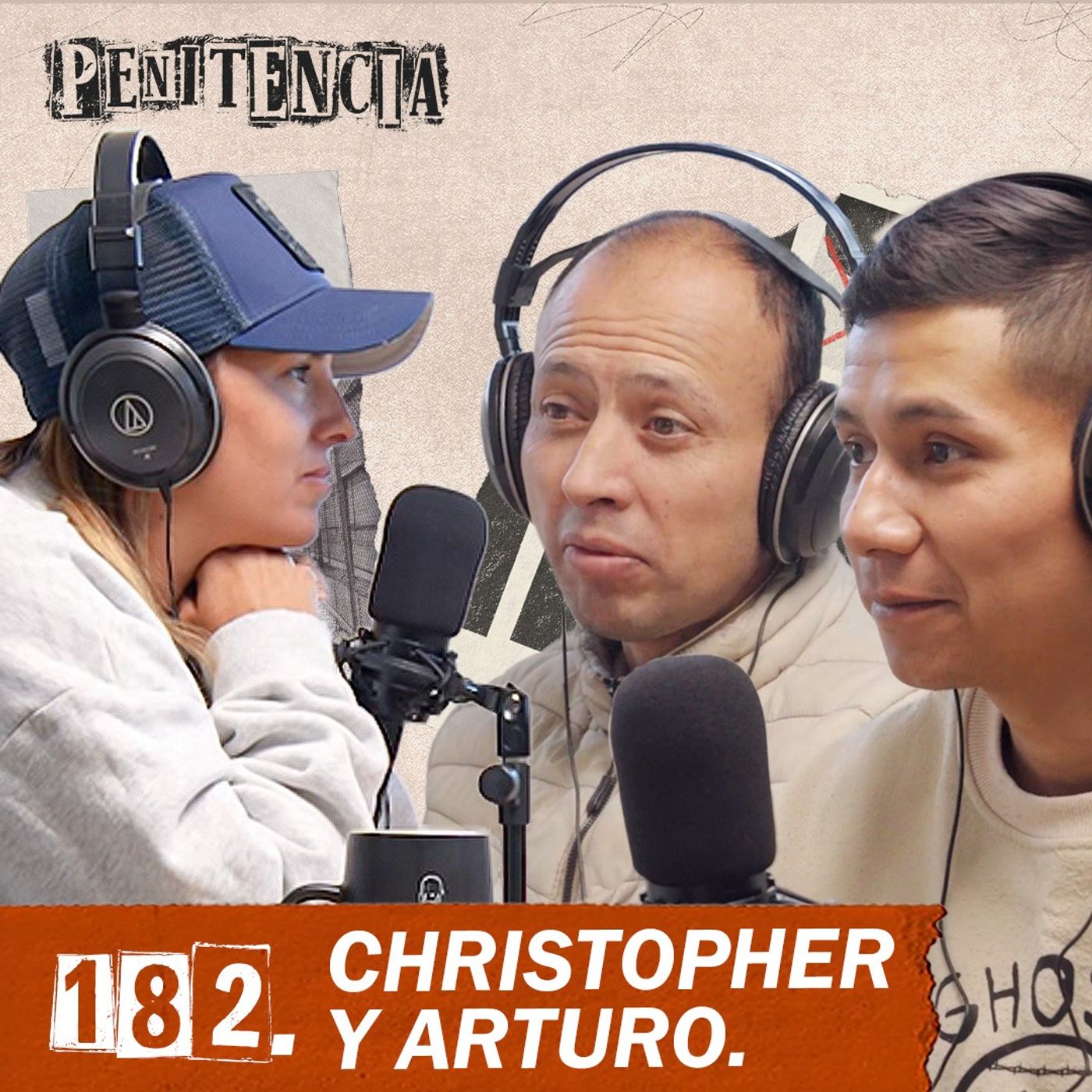
Loading summary
Transcript222 lines
- [00:01]
McDonald's Advertiser
Dicen que lo perfecto no existe. Pero cuando juntas dos jugosos pares cebolla crujiente y en tiras, tres rebanadas de queso y pan con semillas de amapola y ajonjolí, ocurre algo perfecto. Tu mamá no te pregunta si comiste bien, lo da por hecho. La Big Arch, la hamburguesa más hamburguesosa de McDonald's. Por tiempo limitado, Ryan Reynolds here from
- [00:31]
Arturo
Mint Mobile with a message for everyone paying big wireless way. Too much, please. For the love of everything good in this world, stop with Mint. You can get premium wireless for just fifteen dollars a month. Of course, if you enjoy overpaying. No judgments, but that's weird. OK, one judgment anyway. Give it a try at MintMobile dot com.
- [00:51]
Interviewer
Switch upfront.
- [00:52]
Arturo
Payment of dollar forty five for three
- [00:54]
Interviewer
month plan equivalent to dollar fifteen per
- [00:55]
Christopher
month required Intro rate first, three months only, then full price plan options available taxes and fees extra Seeful terms at MintMobile dot com.
- [01:01]
Arturo
Las opiniones y testimonios expresados en este
- [01:04]
Christopher
contenido son responsabilidad de quienes los emiten
- [01:07]
Arturo
y no representan la postura institucional de
- [01:09]
Christopher
Penitencia, su equipo o colaboradores.
- [01:13]
Arturo
Penitencia, a través de Fundación Reinserta, apoya a niños y niñas en contacto con la violencia.
- [02:09]
Interviewer
A veces la historia no se repite porque alguien quiere repetirla. Se repite porque es lo único que se conoce. Este capítulo habla de crecer viendo siempre lo mismo, las mismas carencias, las mismas salidas, las mismas decisiones que parecen inevitables cuando no hay otras opciones visibles. Habla de hermanos que se acompañan, se protegen y se arrastran entre sí, incluso cuando saben que el camino no lleva a ningún lugar bueno. Aquí no se trata de señalar a una familia, sino de preguntarnos qué pasa cuando el delito se vuelve parte del entorno cotidiano. Christopher y Arturo nos hablan de cómo se vive la infancia con adultos ausentes, con adicciones normalizadas y con responsabilidades que llegan demasiado pronto. ¿Cómo eliges distinto si nadie te enseñó que era posible? Este episodio no ofrece respuestas fáciles. Muestra cómo el amor familiar puede coexistir con el daño y cómo la lealtad, si notas erra, a veces termina empujando al mismo lugar. Gracias. Gracias por ser parte de Penitencia, por ser parte de esta comunidad y por atreverte a ver más allá del delito. Cris, Arturo, bienvenidos a Penitencia. Gracias por platicar con nosotros. Ustedes no son causas, no vienen por el mismo delito. Pero son hermanos de sangre, son tres hermanos de los cuales los tres se dedican al robo. Bueno, los tres han estado en prisión por decirlo de alguna manera. Su hermano está libre ahorita y ustedes están aquí. Quiero empezar desde el principio, vámonos a la infancia porque no es común que tres de tres estén metidos en temas delictivos, entonces vamos a analizar esa parte si les parece bien. ¿Quién quiere empezar a contarme cómo vivieron su infancia, cómo fue la relación con sus padres y demás?
- [04:00]
Christopher
Pues yo soy el más grande, digamos lo que nosotros vivíamos en una vecindad en el barrio de entonces pues sinceramente pues no había tantos recursos económicos entonces mi mamá, yo soy hijo único de mi madre con mi padre, de ahí mi mamá tuvo otra pareja de cual se derivaron mis dos hermanos, entonces yo por ser el más grande pues a mí me tocaba, digamoslo, cuidarlos mientras mi mamá se iba a trabajar.
- [04:35]
Interviewer
¿En qué trabajaba tu mamá?
- [04:37]
Christopher
Pues tenía varios trabajos, llegó a trabajar en una zapatería, llegó a trabajar como demostradora, centros comerciales ofreciendo productos de diferentes
- [04:49]
Arturo
tipos, la muestra de Telsil, trabajaba también
- [04:52]
Christopher
en Telcel y así, entonces por lo mismo pues yo me tenía que quedar a cargo de ellos, era el que los bañaba, les daba de comer y así. Entonces pues así.
- [05:04]
Interviewer
Llevas diez años contigo y cuánto Con
- [05:07]
Christopher
el otro hermano como es más grande
- [05:12]
Arturo
yo me llevo cuatro con él, igual
- [05:15]
Christopher
yo, tú serían seis, como unos seis por ahí así.
- [05:19]
Interviewer
¿Qué pasó con tu papá?
- [05:22]
Christopher
Porque él sufría de una adicción, era drogadicto, el cual tuvo un problema con mi mamá y se pelearon y él agarró su camino, él jamás se volvió a parar en casa.
- [05:36]
Interviewer
¿No lo volviste a ver?
- [05:37]
Christopher
No. Recuerdos de él incluso no los tengo muy pequeño cuando se fue, yo iba en el kinder cuando se fue, entonces así un recuerdo con él vivir su adicción, Vivir no.
- [05:53]
Interviewer
¿Lo que sabes es por qué te
- [05:54]
Christopher
lo ha contado tu mamá y familia?
- [05:56]
Interviewer
Sí, y es cuando conocí a tu papá.
- [06:00]
Arturo
A mi papá.
- [06:01]
Interviewer
Y tú creciste con los dos. ¿Con tu mamá y tu papá también?
- [06:04]
Arturo
No, tampoco. Igual su segunda pareja también Pues duró poco con él, yo cuando estaba chico igual él se fue y nos dejó a nosotros tres, bueno amé a mi hermana y pues él ya estaba, nos dejó ahí solo.
- [06:18]
Interviewer
¿Tú tienes recuerdos de tu papá?
- [06:21]
Arturo
Muy pocos, casi no, casi no tengo de niño nada más que si nos llegó a llevar a salir, no sé, al chinia comer así pero casi no, casi no salía. Yo soy el más chico de los tres hermanos. Yo soy el más chico y bueno, pues yo empecé porque empecé, no sé, a delinquir porque pues ciertamente, bueno, yo tuve carencias, yo era el más chico de todos, de los tres. A mí siempre me tocaba como que ellos no. ¿Las obras? Sí, algo así. Entonces pues bueno, ya crecí y todo y ya tengo hijos también, tengo tres hijos.
- [07:00]
Interviewer
¿Cuántos años tienes?
- [07:02]
Arturo
Yo tengo 29. 29 años. Tengo tres hijos y pues yo más que nada yo empecé a intentar darles lo que yo nunca pude, lo que yo no tuve. Entonces yo empezaba a delinquir por conocí solventarlos a ellos, no estar bien con ellos.
- [07:19]
Interviewer
¿Antes no te dedicabas al robo?
- [07:21]
Arturo
No, yo sí estudiaba, trabajaba, era niño bien, no consumía yo nada, sustancia, nada. Después poco a poco, bueno, yo empecé porque pues yo en sí yo iba bien y mi mamá casi no estaba con nosotros, tenía que trabajar y yo veía que por ejemplo ellos son los más grandes y ellos no se metían en problemas y mi mamá estaba ahí con ellos, atrás de ellos o que la estaban buscando y siempre estaba al pendiente de ellos. Yo quería como que ese aprecio con ella, así que. Que también me tuviera a mí, o sea, ese vínculo. Sí, sí, igual sentir el vínculo y entonces pues yo empecé igual a salir malas calles, empecé. Cuando empecé yo a robar fue en las secundarias. En la secundaria yo me salía con mis amigos, empezaba yo a quererme sentir mal, drogándome con ellos y robando y así. Entonces poco conocí, poco a poco se fue acercando mi mamá igual conmigo y tenía yo la tensión así con ello y yo sentía que ya tenía lo que quería.
- [08:22]
Interviewer
¿Lograste tu objetivo?
- [08:24]
Arturo
Sí, pero pues no fue nada bueno porque ella me decía incluso pues es que yo, bueno, luego me dice a ti no te seguía tanto ni nada, porque pues tú ibas bien, tú no tenías problemas, ellos me preocupaban que ese
- [08:36]
Interviewer
es el primer error que cometemos las mamás a veces
- [08:40]
Arturo
y entonces pues yo empezaba, no empezaba a salir con ellos, empezaba primero, bueno, yo empecé primero robando autopartes en las noches, en la secundaria.
- [08:50]
Interviewer
¿Cuando ibas en secundaria?
- [08:53]
Arturo
Como catorce, quince años.
- [08:57]
Interviewer
Y sabía. ¿Ustedes ya se dedicaban al robo?
- [09:00]
Christopher
Pues es que lo que pasa que yo no me dedicaba realmente a robar, yo vendía vicio. Entonces yo crecí en un ámbito así como que los chavos de mi generación eran como que quien era más atrevido a hacer cosas más grandes era más respetado o algo así, entonces empezaron a hacerse banditas ahí dentro de donde yo vivía y quien no pertenecía a una banda pues era al que lo agarraban de barco. Entonces yo pues siempre por lo mismo que vivimos solos, digámoslo así, que nadie nos guiara, que era bueno, que era malo, pues también incursionamos ahí. Entonces dentro de ese tipo de amistades y todo, conocí gente que se dedicaba a eso, entonces me dediqué con ellos a eso. Entonces la mayoría de mis delitos han sido por que yo me empecé a drogar, empecé a consumir lo que vendía y este. Entonces más que nada fue para solventar mis.
- [10:14]
Interviewer
Tus propios.
- [10:16]
Christopher
Sí, pues de ahí empezó como que la vida, como asociarse todo.
- [10:23]
Interviewer
¿Cómo empezó a afectar tu consumo en el cuidado de tus hermanos, por ejemplo?
- [10:28]
Christopher
Pues yo me salí a la calle, estar a cargo ellos de mí. Bueno yo de ellos, yo me salía y los dejaba solos con mi abuelo. Ahí en esa vecindad vivían también tíos, primos y demás. Entonces en lugar de dedicarse mis tíos o mis primos o mi familia a buscarme, pues se dedicaban a verlos a ellos porque yo los había dejado solos.
- [10:51]
Interviewer
¿Tú te acuerdas de eso?
- [10:53]
Christopher
Entonces yo ya llegaba en la noche y para compensar eso yo vaya, les invito a esto, les traje cualquier cosa que comprara, unas papas, refrescos, cualquier cosa porque eran nuestras carencias. Entonces debido a eso pues te empiezas a involucrar con más gente, más pesada, más peligrosa y a dedicarte a otras cosas.
- [11:16]
Interviewer
¿Su mamá no se daba cuenta que se dedicaban ustedes a eso?
- [11:20]
Christopher
Pues no, porque no lo hacía yo en la colonia, en el barrio, me iba a otros lados, me escondía en hoteles y demás. Entonces cuando mi familia se enteró pues hicieron todo lo posible para que yo me alejara de eso. Anexos me mandaron hasta con una de mis tías y no, en mi caso fue así como que una especie de rebeldía decir no, pues yo nunca me dieron de chico lo que yo quería y pues ahora lo tengo que obtener como yo puedo. Entonces esa fue la cuestión, yo me revelaba eso y no me daba yo cuenta que perjudicaba a ellos porque ellos querían ser como el hermano mayor,
- [12:09]
Arturo
era como el ejemplo, era como nuestro ejemplo. Yo decía, si mi hermano, no sé, si él se va unos dos, tres días y regresa ya con cosas, con dinero, yo también puedo, no sólo él puede, yo también puedo. Y era así como que luego una ducha, yo con mi otro hermano mediano, luego yo empezaba a robar, empezaba a robar con él, pero era como que competíamos a ver quién se traía más. Yo me traje una caja registradora, yo me traje dos y estábamos compitiendo siempre. Pero era muy distinto con él que con él era diferente, me llevaba diferente. Con él yo era, no sé, yo con los recuerdos que tenía, pues yo era, pues como decirlo, como era el más tranquilo de los tres. Yo con él siempre he sido noble y con él mostré una cara y realmente era otra. Con el otro, pues como estuve yo más apegado con mi otro hermano, con él salíamos así desmadre juntos, siempre estábamos juntos y le pasaba algo a él, ya iban los hermanos a defender y así siempre estamos juntos. Pero bueno, eso fue lo que nos ha juntado más, nos ha unido. Pero en sí, bueno, él se dedicaba a vender, pero yo pues cuando empezó a saber mi mamá que él sabía lo que se dedicaba, pues estaba más atrás de él. Entonces yo aprovechaba y mi mamá salía atrás de ellos, buscarlos. Y yo recuerdo cuando yo estaba en mi casa, yo me despertaba en las noches, no podía dormir, estaba intranquilo y veía que no había nadie y ya me asomaba y mis primos ahí mamá se salió a buscar a tu hermano. Y yo aprovechaba y me iba, no se va a aumentar como dos horas buscándolo, en lo que va y viene ya me llevo una batería de un carro, me llevo algo y así yo empecé con el otro, empezábamos así a robar.
- [13:58]
Interviewer
Su mamá no tuvo tregua en ningún lado.
- [14:01]
Christopher
Y es que hubo algo bien peculiar en esto, porque por ejemplo yo nunca sabía, yo pensaba que era el único latoso en mi casa.
- [14:11]
Interviewer
Tú no sabías que ellos también andaban
- [14:13]
Christopher
de cabo hasta que de repente llegaba cierto, vale. Y me decía te traigo esto a vender o acá no trae dinero, yo quiero dinero, no te voy a dar material, por Dios, yo por dinero, bueno, te dejo esto empeñado, dame tanta suerte, te lo vengo a pagar y te doy tanto, va, órale, ya de repente me decía pues ya como no hacía, como dicen, paro. De repente me mando tu carnal donde yo tráemelo. Y ahí fue cuando me di cuenta que no puede salir está. Ya cuando me di cuenta que estaba
- [14:47]
Interviewer
mal y dije tú lo mandabas a cambiar, Vi. ¿Tú también consumías?
- [14:52]
Arturo
Sí, yo empecé a consumir después de que. Primero empecé yo en la secundaria, con cigarro, alcohol, mar. Ya después ya empecé yo con la copa, empecé a inhalar y después me hizo adicción. Después empecé a robar yo para generar, para más, para tener más. Empezaba yo a vender mis cosas o así, lo que yo llevaba, lo que yo me. Y mandaba con otros, Mira, ve, porque es que yo entraba y donde él estaba vendiendo y nunca me. Nunca me da nadie. Aunque no estuviera, él llegaba y no, es que tu hermano nos dijo que no, camínale, vete. Y yo de cha. ¿Qué hago? Ya me acercaba a cualquiera. Yo que veía ahí de la bandita y que estaba drogándose bien, te fui a invitar algo, pero ve y vende esto que te den tanto. Y ahí va. Y los dejaba con.
- [15:41]
Christopher
No, así como que darle la directamente.
- [15:44]
Arturo
No, yo lo hacía escondidas con él y con mi otro hermano. Éramos juntos siempre.
- [15:50]
Interviewer
¿Él también se drogaba?
- [15:51]
Arturo
Sí. Después de. Bueno, yo nada más al principio era bueno, por después empecé a consumir p. Y ya con mi otro hermano, pues era así siempre juntos, compartíamos hasta la misma. No, no es algo que me dé gusto, pero pues siempre éramos más apegados, porque él. Yo que recuerde siempre, la mayoría de veces que tengo recuerdos con mi hermano es en reclusorio. Yo estando chico y viniéndolo a ver aquí.
- [16:23]
Interviewer
Cuéntame de alguna vez que lo hayas venido a ver, Arturo.
- [16:27]
Arturo
Una vez sí me acuerdo que estaba. No me acuerdo de quién era. Cumpleaños. Y mi hermano o mío, Me acuerdo una vez de ch. Nos llevaron de
- [16:35]
Interviewer
su cumpleaños, los llevaron al reclusorio Veraz.
- [16:39]
Arturo
Y fuimos y estábamos jugando todos, conviviendo. Y él tenía una hija, su hija ahora ya es una señorita, pero entonces tenía tres, cuatro años. Estábamos jugando con ella, convivíamos juntos. Solo recuerdo así, pocos recuerdos. Yo dejé de venir porque pues igual yo empecé a hacer mi vida. Después ya igual, bueno, yo me junté también empecé yo con mis hijos, mi familia. Y dejé de verlo. ¿Yo dejé de verlo como unos 10
- [17:07]
Interviewer
años más se dejaron de ver?
- [17:10]
Arturo
10 años lo dejé ver, ya no venía nada de repente no sé, yo creo una o dos llamadas al año era mucho y hablaba así con él y ya de repente pues ya con lo que caí aquí pues es.
- [17:26]
Interviewer
¿Cuando se volvieron a ver?
- [17:27]
Arturo
¿Cuando nos volvimos a ver después de
- [17:28]
Interviewer
mucho tiempo, o sea no se habían vuelto?
- [17:30]
Arturo
No, de hecho cuando volví a ver dije no manches, te ves bien diferente porque cuando yo lo vi, pues ahorita ya pasamos más tiempo, digo toba, te vi con pelo, te dejé con pelo en la calle, te dejé viento y pues sí, pues ya pasó, no fue tan poco tiempo el que nos dejamos de ver.
- [17:49]
Interviewer
¿Por qué perdieron contacto?
- [17:51]
Christopher
Lo que pasa que yo cómo le podría decir cómo es, Yo no quería que ellos pisaran una cárcel. Yo incluso en la calle, cuando yo estaba en la calle había veces que yo sabía que estaban mal o que andaban de cábolas, pues yo trataba de, yo sabía que un amigo de él estaba vendiendo sus cosas, pues yo se las compraba para que no siguiera. Entonces cuando llegaban a tener problemas con quien fuera, pues ahí se agarraba, vámonos, vámonos y vamos a hacer un par. Y a veces que yo ya había ganado por allá y yo llegaba y hacía mi desmadre porque sabía que se habían metido con él, entonces traté de evitarles la cárcel, obviamente cada quien toma sus decisiones, entonces cuando yo llego aquí yo le digo a mi mamá sabes que, no los traigas, no les llegues a. Bueno, no quería ni siquiera que supieran que estaba yo aquí, entonces ni mi esposa ni mi hija tampoco les decía que yo estaba aquí, yo les dije que estaban en el estado y yo les mandaba dinero. Entonces ya hasta que me platicaba mi mamá cómo andaba, qué problema tenían y que tenían problemas con chavos de la misma colonia, entonces yo desde aquí me empezaba a comunicar, haz un padre, es mi hermano, algunos si tenemos que meter terror, no te preocupes, vas a llegar para acá y aquí nos vamos a ver, no vas a estar también recibido
- [19:30]
Arturo
porque quieres venir a quedarte conmigo acá. Y yo todavía no, pues estaba mal, aparte estaba no siendo muchas veces drogado y decía sí, sí me quiero dar un rol, ya quiero conocer el norte, ya que yo diciéndole así y ahora ya estamos aquí y ahora ya me quiero ir.
- [19:46]
Interviewer
¿Cuánto llevan aquí presos? ¿Yo once y tú?
- [19:50]
Arturo
Yo llevo dos años apenas. No tengo mucho. ¿Tú? No tengo sentencia ni nada.
- [19:55]
Interviewer
¿Cuántas veces has pisado la cárcel?
- [19:58]
Christopher
Cuatro veces.
- [19:58]
Interviewer
Cuatro veces es un chingo. ¿Y tú?
- [20:02]
Arturo
Una. Es la primera. Es la primera y espera, la última.
- [20:06]
McDonald's Advertiser
Dicen que lo perfecto no existe, pero cuando juntas dos jugosos pares cebolla crujiente y en tiras, tres rebanadas de queso y pan con semillas de amapola y ajonjolí, ocurre algo perfecto. Tu mamá no te pregunta si comiste bien. Lo da por hecho. La Big Arch, la hamburguesa más hamburguesosa de McDonald's. Badaba por tiempo limitado.
- [20:37]
Interviewer
¿Por qué creen que tres de tres lo han analizado?
- [20:45]
Christopher
No, la verdad es que no. Y sinceramente yo podría decir que yo decía, bueno, mientras yo estoy en la cárcel, pues ellos están haciendo un paro en la calle a mi mamá. Eso fue lo que yo llegué quizá a concluir, porque yo decir cambiarles su vida o hacerlos que sean diferentes, pues nunca iba a poder. Lo quisieron intentar conmigo y nunca pudieron.
- [21:14]
Interviewer
¿Qué falló para que los tres se dedicaran a la vida delictiva?
- [21:18]
Christopher
Mire, pues en ellos no sé, pero en mí llegó un momento, dicen que cuando te metes a la mafia ya no sales. Y yo decía, y la neta, yo empecé a conocer muchas personas como muchos, empecé a tener incluso rencillas por envidias, como dicen, yo estoy con este grupo y aquí ellos son las contras y cosillas así. Entonces llegó un momento que incluso en muchos barrios, en muchas colonias se da la rivalidad entre grupos de venta de drogas. Y yo me empecé a meter mucho en eso. Entonces yo ya tenía muchas, incluso rencillas con muchas, muchas personas que se dedicaban a lo mismo que yo. Entonces ya no era tan fácil el salir a la calle, que fueras caminando de la mano de tu esposa, de tu familia, pues ya traías mucha cola y que te hola, ¿Cómo estás? No, ya era de que cuando te veían o ya les avisaban la gente que los cuidaba ahí te viene tal y lo primero que hacían era brillar la sano o algo así. Entonces pues incluso parecía como rutas por aquí y por acá no puedes pasar, entonces vamos a darle la vuelta por acá.
- [22:40]
Interviewer
Te metiste duro en temas de vicio.
- [22:43]
Christopher
Entonces ya no era así como que tan fácil quitarse esa marca. Entonces ya mucha gente pues ya era conocido por el apodo, por en cuanto pasaba algo y vean qué calles en candela Y si, incluso la policía y todo ya estaba ubicado por todos lados. Entonces no me quedaba otra más que seguir. Decía de lo dejo pues me van a agarrar como dicen en la pendeja. Y pagar cosas que ni no te
- [23:15]
Interviewer
daba toda la pereza del mundo regresar a la cárcel cada una de las veces.
- [23:21]
Christopher
Sí, pero yo fui de los pendejos que decía ya la cagué de esta manera, ahora voy a intentar lo mismo pero de esta otra manera. Quiere uno hacer las mismas cosas esperando resultados diferentes.
- [23:35]
Interviewer
Dicen que esa es la definición de pendejo.
- [23:37]
Christopher
Sí, sinceramente y le voy a ser honesto, había veces que salía uno a la calle y se quería uno dedicar a algo de diferente, trabajar, un trabajo normal como todas las personas, pero pues no se podía, no se podía por el lugar donde vivíamos. Al final de cuentas salgo, me voy a trabajar bien, junto una moneda y me voy de aquí. Pero trabajos donde te pagaban muy poco, te humillaban, te trataban mal y ya cuando como vivías en la cárcel y decías nunca permito eso, no voy a permitir que nadie me ponga la mano encima como lo hizo mucha gente.
- [24:20]
Interviewer
¿Te gustó el dinero fácil y encontraste las maneras de justificar que sí, que irías en ese mundo?
- [24:31]
Christopher
¿Yo incluso una vez me dijo mi mamá ya me dijo que estaba pagando con nosotros y me dijo cómo le puedo hacer para que ustedes puedan ser personas bien? Mira mamita, quizá nosotros cuando yo estaba chico pues yo decía pues esto me tocó vivir, pues ahora no te voy a decir la misma, pero pues lo único que te queda por hacer porque yo tomo mi decisión y yo sí quiero seguir así, lo voy a seguir haciendo pase lo que pase. Me imagino que ellos también. Pues disculpame mamita, pero lo único que puedes hacer ahorita es armarnos, querernos y respetar nuestras decisiones.
- [25:17]
Interviewer
¿Está cabrón, no?
- [25:18]
Christopher
Entonces pues. Pues sí, al final del día hay cositas que incluso omitimos a la familia. Sabes que yo he llegado a hacer esto o el otro.
- [25:29]
Interviewer
Me imagino que todas estas situaciones ya muy violentas.
- [25:31]
Christopher
Sí, muy cabronas.
- [25:34]
Interviewer
¿Qué delito estás pagando?
- [25:36]
Christopher
Estoy pagando incluso dos delitos que no cometí. Pero cómo le podría decir, me siento a gusto porque digo bueno ya por las que sí sé ahora le va. Entonces y también soy honesto, pues si realmente pagará que lo que debo, pues yo creo que no me alcanza, no me alcanza para pagar. Esa es la cuestión.
- [26:01]
Interviewer
¿Alguna vez sintieron que su mamá fue partícipe de esto de alguna u otra manera?
- [26:07]
Christopher
Pues tuvo que. ¿Yo creo que el amor de una madre muchas veces y no lo justifica, no lo justifica, pero dices yo no quisiera ver a mi hijo tras las rejas o por lo menos en situación, entonces sabes que mamita? Estoy atorado en tal lugar y necesito salir de aquí, tráeme esto porque solamente no. ¿Y si le llamamos a la policía y mamá, imagínate, mejor ayúdame con eso y sí tener que decirle a mi mamá que me acercara a un lugar donde estaba por poder salir o bien de no poder salir a la calle y decir sabes que mamá?
- [26:43]
Interviewer
Pues ten y tráeme, ve a pagar esto.
- [26:47]
Christopher
¿Sí, Entonces en mi caso sí fue incluyendo el vicio, nunca la mandé que me trajera vicio, no, mejor prefería mil veces incluso arriesgarme sabiendo que yo no podía salir de mi casa, arriesgarme y sabes qué? Moverme y no drogarme en mi casa, jamás lo hice.
- [27:04]
Interviewer
Sí se traía precio tu cabeza.
- [27:06]
Christopher
Lo llegué a pensar así, lo llegué a pensar así, incluso una carta
- [27:13]
Arturo
como
- [27:14]
Christopher
ahora lo digo, hay nuevas generaciones, salgo a la calle y hay chavos que pues ahorita están hechos en la calle y que ya tomaron su territorio y que sale uno y salen con la noción de que no va a salir a pasarse de lanza, hay que frenar. Entonces llegó un momento que yo estaba vendiendo y así llegaron, no me quedó otra más que defenderme y. Y pues salieron mal, salieron mal y como eran chamacos y no tienen la experiencia que tiene uno o la hazaña o la practicidad de hacer las cosas como quiera, uno dice pues ya se me quitó el miedo de p. A alguien darle un b. Atentar contra su vida.
- [28:00]
Interviewer
Ya cuando matas a una persona ya algo dentro de ti yo creo que se mueve.
- [28:06]
Christopher
La primera vez dice uno, híjoles, no puedes, sientes que no vas a poder vivir con eso, cargas todo el tiempo
- [28:14]
Interviewer
y de repente si puedes y ya
- [28:16]
Christopher
cuando la situación de la vida te vuelve a recurrir a lo mismo y dices y ya no lo sientes tan pesado, ya no te pesa el decir lo volví a hacer ya o que te estés escondiendo porque llega un momento que la presión se vuelve psicosis y sientes que incluso la persona que está a tu lado te está conspirando te está cuadrando para. Y más drogado.
- [28:43]
Interviewer
La droga genera esa paranoia misma.
- [28:46]
Christopher
Entonces yo tenía algo bien en mente. La gente que está a mi lado está comprada. Al final del día se van con el mejor postor.
- [28:59]
Interviewer
Es la propia tradición.
- [29:01]
Christopher
Sí, sinceramente es que en todos los barrios yo no he escuchado historias perfectas de eso. Sinceramente una persona que es tu mano derecha y que siempre va a estar contigo en todas. Lo conocí y está muy. Entonces sinceramente pues. Pues en esos pedos toma la decisión de meterte y ya muy difícil te sal.
- [29:29]
Arturo
Y yo pues no me quise involucrar en lo mismo. Yo también tenía la oportunidad de ponerme a chambear en donde él estaba trabajando también con el que trabajaba, pues también me jaló. Sí estuve un rato trabajando ahí, pero a mí no me gustó ese ambiente, A mí no me latía.
- [29:45]
Interviewer
¿Por qué qué no te gustó ese ambiente?
- [29:46]
Arturo
Porque pues es que yo soy más tranquilo, más relajado y yo veía hacia la banda, los veían ya mal, así fumados, luego, luego, a ver, ven, llegas, presta. No me latía que fueran abusivos con ellos. Entonces no me latía ese ambiente. Pero yo sí era abusivo con otras personas. Pero pues a mí no me gustó nada de eso. Yo quería así como que apartarme, según yo no. Y aparte que no me gustaba porque luego me quedaba mucho tiempo ahí todo el día. Luego oye que no vino el del otro turno, Quédate otra vez tú. Y quedarme toda la noche, dos, tres días, ya cansado y ya no me gustaba. Y aparte que luego no sé, con ellos era diferente. Pero al principio a mí no me daba nada, ni yo tenía. Yo no tenía, dicen acción. No tenía acción para nada ahí no me acercaba y era como X persona, no podía comprar nada, ni trabajar. Y hasta después yo cuando ya crecí, ya él estaba aquí en el reclusorio y empecé a trabajar con ellos. Empecé a trabajar con ellos, pero no me gustaba mucho ese ambiente. Y aparte de que luego yo me quedaba, no sé, 48, 24, 48 horas y no se, me pagaban bien poquito. Yo le decía, chale, esto en un carro que yo abra, me lo llevo, llevo media hora, una hora, veinte minutos. Entonces yo iba y prefería yo mejor me abrí y empezaba a robar. Y yo fui poco a poco. Primero yo iba solo, principio empezaba solo porque yo veía que mis hermanos traían sus cosas y yo quería ser como ellos, yo quería ser igual, quería imitarlos y yo era así escondida y me daba un buen de miedo. Yo salía a la calle, agarraba un carro y sonaba tanto la alarma y yo bien espantado me echaba a correr. Entonces me echaba a correr o así. Después se me empezó a quitar el miedo y empecé ya a abrir más, empecé, ya estaba, buscaba yo tutoriales, no sé cómo quitar la batería, no sé a tal carro donde tiene la computadora o cosas así. Y poco a poco me fui maleando, empecé a conocer yo a gente en el vicio y luego me decían, yo nada más robaba solo de noche porque tengo hijos. Entonces yo quería que ellos me vieran bien o no me vieran así mal. Y en la noche yo cuando ellos dormían yo me salía a robar. Ya despertaba.
- [32:13]
Interviewer
Doble vida.
- [32:13]
Arturo
Sí, doble vida.
- [32:14]
Interviewer
¿Tu esposo sabía?
- [32:16]
Arturo
Sí, y de hecho ella también se prestaba. También se le decía, oye por mi la puerta, pero ya corriendo ya estoy en la esquina o así, hablaba y llegaba y ya estaba ahí esperándome y ya yo me metía y te venían persiguiendo y me escondía o yo le daba las cosas y me iba y así va como si nada con las cosas y yo me iban correteando y ganaba, escapaba y ya traía las cosas yo cuando me agarró no traigo nada y las había yo aventado, le marcaba, yo las dije no, jardinera debajo de un carro y por todo. Y entonces yo empecé así, no me gustó mucho la mente de Dios. Yo empezaba así porque yo no me quería quedar abajo. Yo decía pues nada más ellos corona entienden lo suyo y cuándo. Pero yo no quería, pues más bien yo no quería alejarme de mis hijos. Yo tengo un aprecio mucho, tengo una niña, Caitla, que la amo bien, es cumpleaños también. Y entonces ella siempre me sigue y siempre pasa para ella, siempre me tiene un concepto súper de super papá. Entonces yo por ella yo hacía todo, todo. ¿De hecho, bueno, ya le comentábamos que vivíamos en una vecindad, no? Pues es una vecindad de barrio, de esas antiguas mal. Y por ella yo empecé también ahí a hacer la red, que oye que es que en el baño del patio no hay luz, papá. Yo iba y ponía y empezaba y así. Pero poco a poco con la gente que yo fui conociendo en la calle, pues me empecé a malear. De repente yo me decían, no sé, mis hijos en la escuela o así, con mis tías o así. ¿Y me decían qué onda, y que vamos a generar? ¿No, es que yo lo que tengo son para morritos, pero que vamos a convivir unas chelas, algo? No, ya no tengo, no, ahorita vamos y vamos, yo paro bronca, tú nada más llega. Y yo decía como no, tú nomás ponte enfrente, se echa a correr, me los avientas. Y yo empezaba así con un amigo, dije bueno, a ver, vamos. Y empecé, empecé. Después principio nada más veía cómo llegaba él y los abrazaba la gente a los chavos de la prepa y los empezaba a robar. Y empecé yo a malearme, empecé a ver yo eso y poco a poco fuimos, bueno, fue como que creciendo. Y el tipo de delito, de delitos. Al principio me robaba, yo robaba así carros y ya después empecé ya con la gente, con ellos nos subíamos a los micros y cosas así. ¿Sí, primero nada más era hablando, no? Empezamos, nada más era pura labia y yo choreaba, me decía tú nada más tú pasas, no él, sino sí, sí, sí, tú y no se, me decía tú pasa con la mochila y yo paro y yo me pasaba en los camiones con la mochila a verte. ¿Vaya, saben de qué se trata? Si no quieren que les mat. Ni creamos nada. Nada más era pura labia. Después ya una vez me acuerdo que en un transporte sí se pararon y nas. ¿Nos hicieron de a pedo, Bueno, que nos vamos a dejar? Yo gané por pies. Bajaron un buen. Empezamos a pelearnos primero ya cuando empezaron a sacar conductor, sacó como un machete, no sé qué, yo me espanté y me eché a correr. Después él corrió y me dijo sí, sé dónde vive y sé quién es y acá vamos a dar la vuelta y también llevó, entonces también llevó un machete. Somos de locos. Después ya no era eso, ya era proseguir colleras, cuchillos. Poco a poco. Un día me acuerdo que yo me llevé una. La primera vez yo encontré un. Porque yo me fui a vivir con mi mamá y yo vivía con mi esposa, pero tuve problemas donde vivía por lo mismo.
- [35:58]
Interviewer
Y te rezaste a tu casa.
- [36:00]
Arturo
Y me llevé a mi familia y me dice mi mamá, mira, aquí es donde vivía tu hermano, aquí te vas a quedar, ahí arregla, acomoda tú, ve como y va. Ahora entre arreglando y todo, me encontré yo unas plumas, yo pensaba que eran normales, pero eran de 22, unas plumas con esas. Yo dije con esas voy a empezar y empezaba y eran las que había dejado él ahí en su casa de él donde estaba yo. Llegué y yo empecé a robar con esas. ¿Después igual un día estábamos, ya habíamos coronado, una vez me metí y mamá me ha llevado a 130 y tantos teléfonos, no sé, no me acuerdo cuánto eran, muchísimos, no sacamos, saqué todos y yo fui, todos me iban correteando la policía y los aventé en un bote en un costado, les aventé un bote de basura y como a las 2 horas mandé a mi esposa por él y dije mira, en tal bote de basura hay un bote, ahí hay un costal, ahí tiene cartones y demás, tráetelo, cómo crees, cómo me voy? Tú tráelo y ya. Y entonces ya empezamos ahí ya con eso. Una vez, bueno, pusimos la mitad, yo que era mi causa y compramos una, habíamos comprado la primera y otra nos salió ahí, porque una vez habíamos coronado esa vez y estábamos en una pulquería y vimos como un chavo robó y salió corriendo y venía la patrulla directo hacia nosotros y nosotros no sabíamos, pero luego luego yo vi cuando salió una mariconera puesta y la aventó en unos arbustos y se echó a correr y cuando viene la patrulla, ella le dijo a la patrulla ahí va jefe, se fue de aquel lado, se va la patrulla y te fuiste. Yo dije ya corone, ahí tiene el dinero, lo que él robó y ahí está. Y voy, agarro todo y me voy, me meto a mi casa y cuando llego era otra arma, no tenía dinero, nada. Y después empezamos y así ya empezó a crecer ya más.
- [37:52]
Interviewer
¿Te robaste esa arma, La que ve?
- [37:54]
Arturo
Si, la tuve. De ahí empezamos a pero eso es
- [37:56]
Interviewer
peligroso porque te agarran con esa arma y tú no sabes si esa trae.
- [38:01]
Arturo
¿Pues sí, pero en el momento nosotros no lo pensaban? No lo pensé.
- [38:04]
Interviewer
Dónde está ese sentimiento de culpa. ¿Dónde está ese sentimiento de ver a la viejita o ver a la señora en la combi o en el transporte público y quitarle sus cosas?
- [38:15]
Arturo
Una ocasión al principio no me importaba, yo solamente quería darle todo a mis hijos, todo lo que mi hija quería, si yo iba a la tienda con ella y si le niña quería llevarle a su primo, a su tío, quien fuera, yo le llevaba todo.
- [38:29]
Christopher
Yo creo que ese sentimiento se pierde cuando ves las necesidades que luego tenemos. Porque por ejemplo, en cierta ocasión a mí me tocó que yo no podía vender porque la policía estaba muy cabrona. Entonces yo me salía con un poco de material a la calle y iba a tirar el bote de basura y así en el camino me encontraba a los clientes así de paso. Entonces no generaba yo dinero ni siquiera para comer. Y esa ocasión se enferma mija. Entonces dije bueno, ya mañana tengo que ir hacer una entrega y ahí me voy a ganar una feria, pero no me voy a contar mi hija de aquí a mañana a curarse ni a comer. Entonces me salí en la noche, salí en la noche a ver qué vendía y curiosamente me encontré a un señor grande que iba caminando en la calle de traje y mi intención no fue robarlo, pero cuando yo me acerco a él y le pido la hora para más o menos calcular el tiempo que me va a tardar y así, el señor me insulta. Y cuando ¿Qué te dijo? Así le digo, si me puedes hora por favor, un pinche reloj, pinche mugroso. Entonces dije chale pinche hijo, qué pedo. Entonces lo que hice fue agarrar y este le digo no me lo voy
- [40:04]
Arturo
a comprar, me late el tuyo.
- [40:07]
Christopher
Entonces el señor y todavía yo de panchero saqué el poco dinero que tenía, lo compro y el señor repeliendo la agresión luego luego saca un arma de No sé cómo le hizo, pero yo cuando fui ya estaba yo encañonado. Ahora le me voy haciendo para atrás y cuando baja la Yo siempre traía la cortada, le doy un tiro precisamente en la mano. Huele a su todo me llevé. Entonces me di cuenta que el señor traía demasiado dinero. Traía demasiado dinero. Eran 35.000 pesos. Cualquier persona en la noche, a esas horas de la noche y en ese barrio, pues no te va a traer esa cantidad. Entonces dije sí, pues que quién es, quién sabe. Y yo al principio era un señor grande y se me imaginó mi abuelito. Entonces dije no lo voy a robar. Pero ya cuando vi que el señor pues sacó.
- [41:06]
Interviewer
Ella estaba en igualdad de circunstancias.
- [41:09]
Christopher
Sí. Entonces lo robé. ¿Y ese sentimiento de culpa cuando tú llegas a la casa y llegas y sabes que agárrate a la niña, pero primero, bueno, sabes qué es lo que yo arreglo acá? Y ve por mi primo y dile que te acompaña a la esquina para un taxi y vámonos al hospital para tener amiga, Pero pues si no traes ni tú hazlo.
- [41:34]
Interviewer
¿Qué tenía tu hija?
- [41:36]
Christopher
Tenía calentura. Tenía infección en la garganta. Tenía calentura.
- [41:40]
Interviewer
¿Y tú no tenías para llevar?
- [41:42]
Arturo
No.
- [41:43]
Christopher
Entonces yo dije pues ahorita pido o vendo mucho a ver qué hago. Pero entonces eso fue. Fue lo que. Y se te quita ahora sí que en el momento no sientes ese sentimiento de culpa. Incluso ya ha llegado el momento que lo catafixias y ya lo haces como un logro. Un gran logro.
- [42:00]
Interviewer
Me salió como si fuera algo de que estar orgulloso.
- [42:04]
Christopher
Sí, las vanaglorias incluso cuando te metes incluso a un negocio a robarlo, no te fijas en la gente, no los miras a los ojos, no les ves la cara. No tanto porque digas, ahí sientas el sentimiento de medio remordimiento. No los voy a robar. No, si, no, si ahí a lo que vas, si tú vas a lo que vas te cegas y dices muchas veces pues yo no lo hacía, yo no robaba porque yo hacía muchos años donde yo vendía, me llegaban business, de todo. No tenía muchas veces la desea de robar, pero si la tuve y ni moda. Y sinceramente pues ahí no te pones a pensar quién está enfrente de ti, si tiene o no tiene. Tú tratas de hacerlo y de llevarte lo que tenga.
- [42:56]
Interviewer
¿Qué carpetas traes?
- [42:57]
Christopher
Ahorita traigo un robocente de unas personas que eran homosexuales y me acusaban de robo, pero no los robé. Yo entrenaba fútbol americano y cuando me dirijo hacia allá, pues hay una parte de la deportiva, puerta 2, donde sube el metro de. Y de ese lado de las canchas donde está todo oscuro, siempre estaban parados homosexuales allá haciendo sus cosas y nosotros entrenábamos en la noche. Entonces yo llegué tarde y me castigaron y me mandaron a todo el circuito de la deportiva a correr equipado. Y cuando pasé por ahí, empezaron, como dicen a morbosearme y demás en una sala me canso, me siento y se acercan a quererme tocar así sin comunidad y perros. Me considero bueno. Llegué a conseguir una persona sádica que no permitía ni siquiera eso. Entonces llegué y los. Los golpeé, los golpeé, intenté p uno, pues salieron corriendo como días que no sabía ni dónde estaba, yo nomás estaba enfocado en los dos. Y me diré que me seguía al campo. Así como llegué, me quité la utilería, le dije ¿A dónde va? Me voy. Ya te no, ya me voy. Sabía lo que había hecho. Entonces había otro compañero del equipo que le di mi utilería y le dije llévatelo para yo por otro lado, porque sabía lo que yo había hecho, le había hecho daño a esas personas. Y cuando voy saliendo de la deportiva del lado de. Vienen los patrulleros y como si nada, incluso me cambié el uniforme, vegeté el casco, todo iban a recomendar. Llegaron directo hacia mí, Llegaron directo hacia mí, me acusaron por. Me querían acusar por homofobia, que supuestamente los lesioné y los robé, porque nada más por ser homosexuales, cosa que no había sido cierto. Entonces pues me trajeron ahora sí que a chingar por 50 pesos que ni siquiera no, luego se los pago, ya no más porque es homofobia. Cómo pues si traigo más de lo que dice. Entonces ahí me tuve que meter un proceso aquí y ya salí entonces yo dedicándome a la venta de droga en la calle nuevamente se me para enfrente un chavo que él trabajaba conmigo en un salón de fiestas cerca de mi calle, él es más grande que yo, nos conoce desde niños y él se llega a drogar ahí. Entonces era mi vale, de repente llévame al banco. Íbamos al banco, sacaba dinero, compraba más droga, me convivía a mí, convivía a la banda que estaba conmigo, a la chava con la que vengo de causa. ¿Y en todas esas pues me dice, sabes que? Ya acabo de trabajar, ya acabó tu turno, vámonos de fiesta, yo patrocino y nos fuimos a un hotel. Nos metimos a un hotel los tres. Después llegó otra persona, mujer, estuvo con nosotros igual y en una de esas se le acaba el dinero y me dice que pedo, dile a tu padrón que me agarre el carro empeñado, se lo sacó tal día que me presten tanto, sabes que, Este. No creo que quiera. Y yo fingí írselo a dejar. Yo fui y lo metí a una pensión y yo le Di ese dinero.
- [46:40]
Interviewer
¿Por qué hiciste eso?
- [46:42]
Christopher
Una porque era mi amigo y otra porque quería seguir la fiesta, pero no me quería gastar lo que sabía que iba a ser para mi casa. Entonces dije, pues aquí ya lo tengo asegurado. Ese chavo viene, saca el carro, me paga y llega el a la casa. Pasaron unos días, llegó el chavo, me pagó el dinero, le di su carro, nuevamente volvió a hacer lo mismo. Nada más que esta ocasión pues nos excedimos de tiempo y yo ya me tenía que ir a trabajar, ya tenía que volver a entrar mi turno. Entonces pues me voy y todo, estoy en el punto, vendiendo y todo. Y como siempre llega la gente que trabaja conmigo, Ponte listo, asi, asado. Generalmente se dedicaban unas 10 personas al cuidado mío, mientras yo estaba vendiendo, como dicen, 18. Entonces ellos los mando a patrullar, a ver dónde hay, como me decía la banda que oye unas camionetas así feas, a ver vayas a dar un rol. Y no, nunca sospeché nada. Entonces en esas vuelve a llegar él solo invitarnos igual la misma toda la noche y demás. Y en la mañana nos vamos al hotel y todo. ¿Pero que me dice él? Como que ya la metemos mucho al pulmón y que la vamos a meter a la panza. ¿Pues que quieres tacos? ¿Que traigo? Vete por unos huaraches. Entonces yo me voy hasta allá delante del mercado de Jamaica y un montón de gente, y yo no quiero estar tanto tiempo rodeado de gente. Y me voy a otro lugar a comprar los huaraches en su carro. Entonces cuando. Porque todavía no los acaba todas. Seguía empeñado ya cuando de repente ya llevo los huaraches y todo lo que íbamos a comer y me subo al carro, de repente llegan y abordan y yo traía su fide toda la maleta.
- [48:49]
Interviewer
Como la segunda carpeta que trae.
- [48:51]
Christopher
Sí. Entonces aguanta ver los papeles de car. No es mío. Vale.
- [48:55]
McDonald's Advertiser
Acá dicen que lo perfecto no existe, pero cuando juntas dos jugosos pares, cebolla cruda crujiente y en tiras, tres rebanadas de queso y pan con semillas de amapola y ajonjolí, ocurre algo perfecto. Tu mamá no te pregunta si comiste bien, lo da por hecho. La Big Arch, la hamburguesa más hamburguesosa de McDonald's Badaba por tiempo limitado.
- [49:27]
Christopher
Si no está reportado como robo. ¿Cómo va a estar reportado como robo si es de mi amigo? Yo sé que les trabaja bien y todo. Vamos, te llevo para que veas que no dice ¿Quién es tu amigo ese? Y me lesioné. Ay, me salió una patrulla y no
- [49:43]
Interviewer
manches, yo se lo habían chingado él también.
- [49:45]
Christopher
Y sí no, él me acusaba. Ah no, él me acusaba.
- [49:49]
Interviewer
Ah, pensé que lo habían detenido a él también.
- [49:52]
Christopher
Él me acusaba del robo de su vehículo.
- [49:54]
Interviewer
Dio la oportunidad.
- [49:56]
Christopher
Entonces ¿Qué pasa? Pues él supuestamente él dice que iba transitando en una calle rumbo hacia su casa y que al detenerse para permitir el paso peatonal porque ahí no hay semáforos ni. Simplemente yo hago como que voy a cruzar la calle, le saco un arma, lo apunto, lo bajo del carro y me voy a su carro y a unos metros adelante abro la puerta del copiloto para subir a una mujer y me fui en él. Y no fue así.
- [50:29]
Interviewer
¿Por qué crees que hizo eso?
- [50:31]
Christopher
Me imagino una. Bueno, es que me imagino un montón de cosas, pero una me imagino que por la presión de su familia de que supuestamente le jugaba que era un chavo bien y todo, trabajador y demás y que de repente llega a su casa, ni modo de decirle a su familia, ¿Sabes que me bombé el carro? Entonces me imagino que la presión de su familia, el carro que como está no me lo robaron y como llegó al armado o así le creyeron. Entonces pues vamos a levantar un acta o no sé. Me imagino que eso fue lo que le pudo haber pasado. Fue lo que me imagino. Pero por otro lado, pues digo, así como que se ha de haber quedado transado el decir pues yo invité, yo también sacaba de mi dinero para invitar, pero yo creo que cómo voy a estar patrocinando la fiesta y toda pagar y ni un descuente ni nada. Entonces me imagino que hacer algo o no sé, sinceramente en otras formas también pensé el que fue como cuadrado como para que me quitara del movimiento un rato para que otras personas pudieran estar ahí. ¿Cuántos años te dieron por este año? Por este año, por este delito ocho años.
- [51:43]
Interviewer
¿Y por el otro?
- [51:44]
Christopher
Cuatro años. Nueve meses.
- [51:46]
Interviewer
¿Ya estás a punto de salir?
- [51:47]
Christopher
Sí.
- [51:49]
Interviewer
¿Y tú cómo te detuvieron?
- [51:52]
Arturo
A mí pues yo después. Yo estaba comentando eso, me costaba robar. Después de eso empecé yo a meterme a casas, ya empezaba yo casi habitación y ya no me importa se había o no la gente, yo me metía y aprendí a charlar las puertas y las abría y yo me metía, si no había nadie decía chido, libre está, libre todo. Pero si había gente, pues si los amaba, hacíamos cosas. Yo al principio empecé solo, después empecé juntarme con más gente, pero resulta que el día que me detienen, pues yo me había peleado con la mamá en mis hijos, se había ido de mi casa, se fue con sus papás y todo, y pues yo estaba deprimido, estaba triste, yo más que nada, pues mis hijos no los voy a ver y me han puesto una demanda, una restricción para no acercarme a ellos y pues yo sentía que estaba deprimido, que se me acababa todo el mundo. Entonces resulta que yo voy a un, tengo un compañero con el que también robaba, de hecho viene como mi causa y lo veo y él vive en un lugar que es una casa abandonada, derrumbada, o sea mal. ¿Y yo llego y como estaba encadenada la puerta, pues no había otra forma más que saltarse la barda, yo me salto y ahí vivía él y le grito qué anda, que hacer? No, pues nada, vamos a ver que acá nos va. Y en lo que estábamos platicando, pues estábamos fumando marihuana. Y en eso de repente, pues yo llevaba como dos, tres días sin dormir por lo mismo que estaba y me empezó a ganar el sueño en un sillón así abandonado, en una casa abandonada, me empezó a ganar el sueño. ¿De repente despierto y empiezo a escuchar mucho ruido, veo las luces de las patrullas y mi valedor me escondete, córrele, pero qué hiciste? No, yo valió madre, ya vámonos. Y veo que él se mete en un cuarto y yo me voy, ya no lo veo, dijo ya me ganó, ¿Para dónde se fue o qué? Entonces yo lo que hice, vi un ropero y me metí ahí en el ropero, lo tiré en el piso y todo, me escondí, después entraron los policías y nos empezaron a pegar, de hecho hasta me abrieron la cabeza y todo, me dieron un cachazo, todo sangrado, horrible, que porque nos habíamos metido una casa, esa yo sí me dedicaba a robo casa habitación, pero esa no la había hecho yo, no me había metido yo. Pero dice nada, se va mal. Entonces yo cuando me sacan, pues me llevan, nos sacan a los dos, nos meten en una patrulla y nos dan la vuelta en la manzana y nos llevan a la casa que supuestamente habíamos robado. Y dice la señora que primero salió un señor y dijo sí, ellos fueron y nos suben y nos llevan. Y en la delegación ya yo llego y le hablo a mi mamá, le digo ¿Y qué crees? Ya madre, no me agarraron, estoy en la delegación, a lo mejor me voy a ir a chingar. Le dije, me voy a ir al reclusorio. Entonces ya empezamos a hablar y todo y ya en la primera audiencia ya la parte acusadora ya no nos reconocía y todo estaba cuadrado porque ni siquiera llevaba yo la vestimenta que decían, decían que iba todo de negro y esa traía una bermuda, una sudadera blanca y ni siquiera cuadraba nada. El punto es de que ya nos dejaron ahí a los dos. Y no sé, tal vez yo cometí un. No sé si fue un error o no sé, porque a mí me estaban dando en lo abreviado, me estaban dando 4 años, 4 meses por robo agravado.
- [55:23]
Interviewer
¿Y no te quisiste por abreviado?
- [55:26]
Arturo
Es que lo que pasa es que querían una reparación de daño de 200 mil pesos. Y entonces yo dije no, pues de dónde, tenía varias cositas ahí que ya me robó, pero dije no los voy a juntar. Yo le dije solamente que lleguemos a un acuerdo, que yo te dé algo y ya por fuera yo te pago, yo te firmo, no sé, algo y te pago. Y no quise llegar a un acuerdo entonces. Entonces siguió por oficio y me mandaron a juicio. Y ahorita hay alguien. Llevo dos años. Dos años, dos meses, algo así. Dos, tres meses.
- [56:00]
Interviewer
¿Y cuándo crees que te sentencia?
- [56:03]
Arturo
No tengo ni idea. Yo he querido, he venido a que me he movido, pero mi abogado nunca se presenta. Siempre, siempre pasa algo o se salió a comer o que está ocupado o están los juzgados. Nunca lo veo, nunca doy con él. Ni su teléfono.
- [56:20]
Interviewer
Es el de oficio.
- [56:21]
Arturo
El de oficio. Entonces no he movido nada. Ahorita ya llevo como año y medio de mi última audiencia. Ahorita como año y medio y no me han hablado, no me han notificado nada, no tengo nada. Incluso apenas me regresaron, ahorita estoy en el dormitorio porque yo estaba allá en el Población, pero como no tengo sentencia, me regresaron otra vez.
- [56:46]
Interviewer
Oye, ¿Cómo fue volverse a ver entre ustedes? ¿Tú sabías que él estaba aquí?
- [56:51]
Arturo
Pero yo no tenía ni idea. Yo cuando llegué yo iba en una patrulla de las de PDI, no de las negras, iba yo mi causa y nos tenían así en medio, iba un chavo que iba mal, no se, tiene una vial, hizo una operación, tenía su bolsa. Entonces yo me acuerdo que llegamos y todavía nos revisan, yo traía dos, una chamarra y un chaleco y se los me dicen, dale uno al chavo que no tenía nada, dale de tu ropa, ahorita van a pasar y les van a dar ropa de aquí de beige. OK, está bien, ya no es la ropa y todo. Y ya cuando nos meten formados, nos meten agachados con las manos así, uno tras el otro en el hombro. Y de repente escucho Christopher y levanto la cara. ¿Mi abuelo me decía pompón de niño y me grita cómo sabe, cómo sabe mi nombre, como me dicen? Levanto la cara y pasando la aduana y esta baila ahí.
- [57:49]
Interviewer
¿Y tú cómo sabes que había llegado?
- [57:51]
Christopher
Porque pues en una de esas que marco a la casa, que no era constante, pues sinceramente ya había hablado unos días anteriores y me habían dicho que andaba mal. Entonces yo como le digo pues no lo hagas, como le digo, frenate o esto no lo hagas, esto sí no, muchas veces digo no tengo. Entonces, pero luego les digo pues cuídense, ahora sí que tú sabes tus consecuencias. Entonces le marco a mi mamá y me dice que mi hermano, primero no me dice ella, pero si la noto preocupada, así como sacada de onda y demás. Le marco a mi otro hermano y mi otro hermano no sabe nada porque él no vivía ahí y todo en esas, pero si nada porque mi mamá anda mal acá y todo. Órale. Nuevamente, dos, tres días después le marco a mi mamá y mi mamá me tiene que decir que estaba detenido y que ya vine para acá. Yo creo si hubiera salido de la delegación, no me dice, pero habiendo la cuestión de que viene para acá, sabía que se iban a topar aquí, se llevaba para allá. ¿En el momento pues sí me preocupé, si sentí algo, dije qué hago? Para empezar tiene un rato que no lo veo físicamente, pues me acuerdo cuando estaba más niño, pero así como la o qué cara le doy cuando llegue
- [59:36]
Arturo
yo estaba así como preocupado, yo dije chale voy a llegar y pues nunca yo había estado en la cárcel y por lo que yo había escuchado dije no pues va a estar, va a estar culero, no me voy a traer. ¿Yo estaba pensando lo peor y cuando escucho que me hablan y así levanto la cara y lo veo, pero ya lo vi diferente, hace ya era muchos años que no lo veía y lo veo y le digo Arturo eres tú? Qué pedo, ¿Por qué estás aquí? ¿Que te dije? Tenía una semana, 15 días que había hablado con él y fue que me dijo ya bájale, relájate, no te quiero ver aquí. ¿Y yo todavía muy acá le dije qué me vas a decir? Y todas diciendo me quiero dar un rol allá, quiero conocer la cárcel y acá todo pendejo. Y bueno entonces ya cuando llego ya sentí como que una liviana ya ver alguien conocido dije bueno ya al menos sé que pues no estoy solo.
- [60:33]
Interviewer
Eso ayudó seguramente.
- [60:34]
Arturo
¿Pues sí, de hecho sí, para cuando yo llegué de hecho él me acomodó bien, entonces todos lados, desde que yo llegué por él me acomodo en varios lados, trabajamos de mantenimiento y él como pasa juzgados a gobierno, él pudo entrar hasta donde yo entré, donde yo estaba, me meten al antropométrico donde toman las huellas y de repente me dice no, ya había pasado y me hablan que vos antropométrico otra vez? ¿Yo dije para qué? No pues mi hermano me estaba haciendo valer, me llevó cosas, me llevó cobija, ropa, lo que podía, comida y pues ya fue como que ya me sentí yo más tranquilo.
- [61:16]
Christopher
No más es que muchas veces uno ya conoce el procedimiento, lo van a sacar al antropométrico y luego lo van a sacar otra vez a las fotos y ya eso sacaron a las van a sacar a las fotos y ahí lo voy a poder ver porque en el área de ingreso pues no, no hay acceso a la gente que va llegando de la calle, no hay acceso por obvias razones, los van encaminando conforme van caminando. Entonces pues ahí en el pasillo fue donde yo lo vi y le pude apoyar con comida, cosas que yo sé que iba a ocupar.
- [61:51]
Interviewer
¿Qué sintieron cuando se vieron?
- [61:53]
Arturo
Pues la verdad a mí sí, bueno, no es como yo hubiera querido, me dio gusto verlo, no era la situación ni la forma en la que hubiese querido, pero pues sí, me dio gusto verlo después de tanto tiempo otra vez volverlo a ver. Yo me sentía pues sí, tranquilo, decía no pues está más chido por más no estoy solo, no estoy solo. Claro.
- [62:15]
Interviewer
¿Tienen visita?
- [62:17]
Christopher
Sí, solamente mi mamá.
- [62:19]
Interviewer
Tus hijos, sus hijos, las parejas.
- [62:23]
Arturo
Pues yo venía mi pareja, pero yo tengo un problema, yo lo que pasa es que como nunca me casé por estar siempre malas cosas y por lo mismo tampoco mis hijos no los registré.
- [62:34]
Interviewer
¿No están a tu nombre, no tienen tus apellidos?
- [62:36]
Arturo
No, y por eso es que no pueden entrar.
- [62:39]
Interviewer
¿Por qué?
- [62:40]
Arturo
Porque es que aquí solamente hay dos opciones.
- [62:42]
Interviewer
¿Eso lo entiendo, pero por qué no los registraste?
- [62:45]
Arturo
Porque andaba ya en el desmadre, andaba yo roba, nunca tenía, en las noches me salía yo a robar para tener, para que ellos estuvieran, para comer y demás y en el día la mayoría estaba dormido, no estaba yo con ellos o vendiendo lo que ya había yo robado, cosas así. Nunca me di yo el tiempo para hacer y de repente a veces viene enamorado de mis hijos, pero ya no sé, así como que pues ahí ya no es lo mismo, ya no somos pareja, ya no estamos juntos. Pero sí hablo con ella.
- [63:18]
Interviewer
¿Te dejó por la cárcel?
- [63:20]
Arturo
Yo le dije que si perdía el juicio me quedaba 13 años y pues para ella es mucho tiempo, para todos. Si, es que es mucho tiempo y pues entiendo, también tiene que ser su vida, los niños van a crecer, tiene que estar con ellos y pues lo que yo planeaba hacer desde que yo estaba chico pues no me salió. Yo quería darle todo a mis hijos, principalmente era un papá, lo que tú
- [63:45]
Interviewer
no tuviste realmente, lo que ustedes no
- [63:46]
Arturo
tuvieron y pues ahora no sé, las circunstancias, todo, pues ahora todo volvió a ser lo mismo, se volvió como una cadenita otra vez, otra vez la misma
- [63:59]
Interviewer
historia, los trenes se repiten otra vez
- [64:01]
Arturo
tres hijos sin papá y pues no quisieran, no quiera que sean como.
- [64:12]
Christopher
Ahora sí que yo. Pues igual cuando yo llegué, una pues yo no quería que la familia se enterara que yo estaba aquí, otra pues yo tenía obligaciones ya mi esposa y a mi hija y sinceramente pues qué cara le ponía de decir estoy nuevamente preso y. Y vengo ahí, vengo con una mujer de causa, no tenía cara para hacer.
- [64:38]
Interviewer
¿Era tu amante ella? Algo así.
- [64:41]
Christopher
Pues sí, no, o sea, sí tuvimos algo que ver, les tú, pero más que nada era como que relaciones de trabajo, de todo lo que nos dedicamos.
- [64:54]
Interviewer
Su mamá INC. Condicional.
- [65:00]
Christopher
Bueno, yo en ocasiones ya viéndola cansada y de tiempo que viene y todo, le pues ya descánsate. No se enoja. Tú no me vas a decir que tengo caso.
- [65:12]
Arturo
Bueno, bueno. Yo le he dicho luego si dice, es que me siento cansada. No, pues es que me imagino no todo el camino hasta acá es algo largo y. Y es que vengo cansada en el transporte y todo. Tú siéntate, negas la otra vista. Mejor descánsate. No, yo voy a venir, yo. Son ustedes mis hijos y los voy a venir, estén en donde estén, yo voy ahí.
- [65:33]
Interviewer
El amor de la madre es incondicional. Es incondicional, lo he comprobado. Gracias a los dos por hoy contar sus testimonios con nosotros. Muchas, muchas gracias. Y que ya ni sé qué decirles, o sea, ya cuatro veces. Ojalá tú no.
- [65:55]
Arturo
Espero sea la primera y última.
- [65:57]
Interviewer
Ojalá. Pero para eso tienes que cambiar la fórmula. Ya vimos que hacer la misma fórmula
- [66:01]
Christopher
varias veces no funciona.
- [66:05]
Interviewer
Y sí hay que romper sus patrones y no seas tu papá.
- [66:11]
Arturo
Claro.
- [66:11]
Interviewer
Pues deseo su pronta libertad, el propio, pero una reinserción real. Sí, muchas gracias.
- [66:17]
Christopher
Pues sí, la hemos estado buscando. ¿Qué le hemos estado buscando?
- [66:22]
Interviewer
La reinserción real.
- [66:24]
Christopher
Sí, el salir y decir realmente me
- [66:27]
Interviewer
voy a dedicar a otra cosa.
- [66:28]
Arturo
Pues bueno, yo aquí en la cárcel yo he aprendido ya también varias cosas. Yo en la calle sabía, no sé, tengo oficios, pero aquí ya lo sé, hay que forzar que aprende a andar bien. Herrería, plomería, todo ahí está.
- [66:41]
Interviewer
Ya tienes oportunidades. Digo, no es el mismo dinero, pero vas a estar cerca de tus hijas. Vida digna. No hay más.
- [66:50]
Christopher
No hay más.
- [66:51]
Interviewer
No hay más. Gracias a los dos.
- [66:53]
Arturo
Muchas gracias.
- [67:25]
McDonald's Advertiser
Dicen que lo perfecto no existe, pero cuando juntas dos jugosos pares, cebolla crujiente y en tiras, tres rebanadas de queso y pan con semillas de amapola y ajonjolí, ocurre algo perfecto. Tu mamá no te pregunta si comiste bien, lo da por hecho. La Big Arch, la hamburguesa más hamburguesosa de McDonald's. Badabababa por tiempo limitado.