Podcast
Planetary Radio: Space Exploration, Astronomy and Science
Hosted by The Planetary Society · EN
Planetary Radio brings you the human adventure across our Solar System and beyond. We visit each week with the scientists, engineers, leaders, advocates, and astronauts who are taking us across the final frontier. Regular features raise your space IQ while they put a smile on your face. Join host Sarah Al-Ahmed and Planetary Society colleagues including Bill Nye the Science Guy and Bruce Betts as they dive deep into space science and exploration. The monthly Space Policy Edition takes you inside the DC beltway where the future of the US space program hangs in the balance. Visit planetary.org/radio for an episode guide and much more.
43episodes
Episodes
Newest firstAll episodes
TERP RAPTOR: A student-built mission to asteroid Apophis
2w ago01:01:46Tap to summarizeOn Friday, April 13, 2029, asteroid Apophis will pass closer to Earth than our geostationary satellites. While NASA, ESA, and JAXA are all sending missions, a team of students at the University of Maryland is building their own spacecraft to join the fleet. TERP RAPTOR is a CubeSat-based mission roughly the size of a microwave that aims to fly past the asteroid and snap images of its surface as it approaches Earth. Four members of the team join Planetary Radio: Adrienne Rudolph, the Student Principal Investigator; Elena Wu, the Lead Project Manager; Tyler Autrey, the Mechanical, Structure, and Materials Lead; and Alexander Williams, the Propulsion Lead. Together, they talk about how a graduate class project turned into a real mission, what they hope to learn about this potentially hazardous asteroid, and why they're not letting anyone tell them it can't be done. Then, Bruce Betts joins us for What's Up, where we mark the deployment anniversary of The Planetary Society's own CubeSat-based solar sail mission, LightSail 2. Discover more at: https://www.planetary.org/planetary-radio/2026-terp-raptorSee omnystudio.com/listener for privacy information.
Transcribe →
Hot Jupiters: The ‘Roasted Planet’ and the wrong-way hotspot
3w ago01:02:54Tap to summarizeTwo hot Jupiters presented at the 248th American Astronomical Society meeting push our understanding of exoplanet atmospheres to the extreme. Research Scientist Tiffany Kataria from NASA's Jet Propulsion Laboratory shares new JWST observations of HD80606 b, the "Roasted Planet,”a gas giant on one of the most eccentric orbits ever discovered. Assistant Professor Lisa Dang of the University of Waterloo joins to discuss CoRoT-2 b, a young, inflated hot Jupiter whose hottest point shows up in an unexpected location on the exoplanet, possibly because the planet hasn't fully tidally locked with its star yet. Then Chief Scientist Bruce Betts joins for What's Up to explore atmospheric super-rotation, winds that outrun the worlds they ride on. Discover more at: https://www.planetary.org/planetary-radio/2026-hot-jupitersSee omnystudio.com/listener for privacy information.
Transcribe →
Book Club Edition: “The Edge of Space-Time” by Chanda Prescod-Weinstein
4w ago00:59:31Tap to summarizeIt may be the best book subtitle we’ve encountered in the Planetary Society book club: “Particles, Poetry and the Cosmic Dream Boogie.” Theoretical physicist and black feminist science theorist Chanda Prescod-Weinstein has followed her acclaimed first book, “The Disordered Cosmos,” with this new, equally celebrated, deeply personal romp across the Universe, “The Edge of Space-Time”. Swinging from quantum mechanics to hip-hop, and from galaxies to Alice in Wonderland, she guides us through the looking glass to what we know and would love to know about the Universe. It all but guaranteed a mind-bending conversation with host Mat Kaplan that begins with Chanda’s concern for the state of scientific research in the United States, and ends among the stars. Discover more at: https://www.planetary.org/planetary-radio/book-club-chandra-prescod-weinsteinSee omnystudio.com/listener for privacy information.
Transcribe →
Sian Proctor and John Read on teaching babies to love the Cosmos
4w ago00:57:56Tap to summarize“Baby's Guide to the Night Sky” introduces the youngest kids — down to newborns — to constellations and the wonders of the Cosmos. It comes from two people who've spent their lives chasing that same wonder in very different ways. This week, we are joined by authors Sian Proctor and John Read. Sian Proctor is a geoscientist, artist, poet, and commercial space astronaut who served as pilot of Inspiration4 in 2021, becoming the first Black woman to serve as a mission pilot in space. John Read is an astronomer and science communicator who left a career in corporate finance after a single look through a telescope changed his life. He now hosts the YouTube channel LearnToStargaze and has authored several astronomy books, including “A Kid's Guide to the Night Sky.” We'll talk about how the two of them met, how they turned a lifetime of expertise into something a baby can enjoy, and why it's never too early to start looking up. Stick around after the interview for What’s Up with Bruce Betts, our chief scientist, to review the book and walk through some of the night sky objects it features. Discover more at: https://www.planetary.org/planetary-radio/2026-babys-guide-to-the-night-skySee omnystudio.com/listener for privacy information.
Transcribe →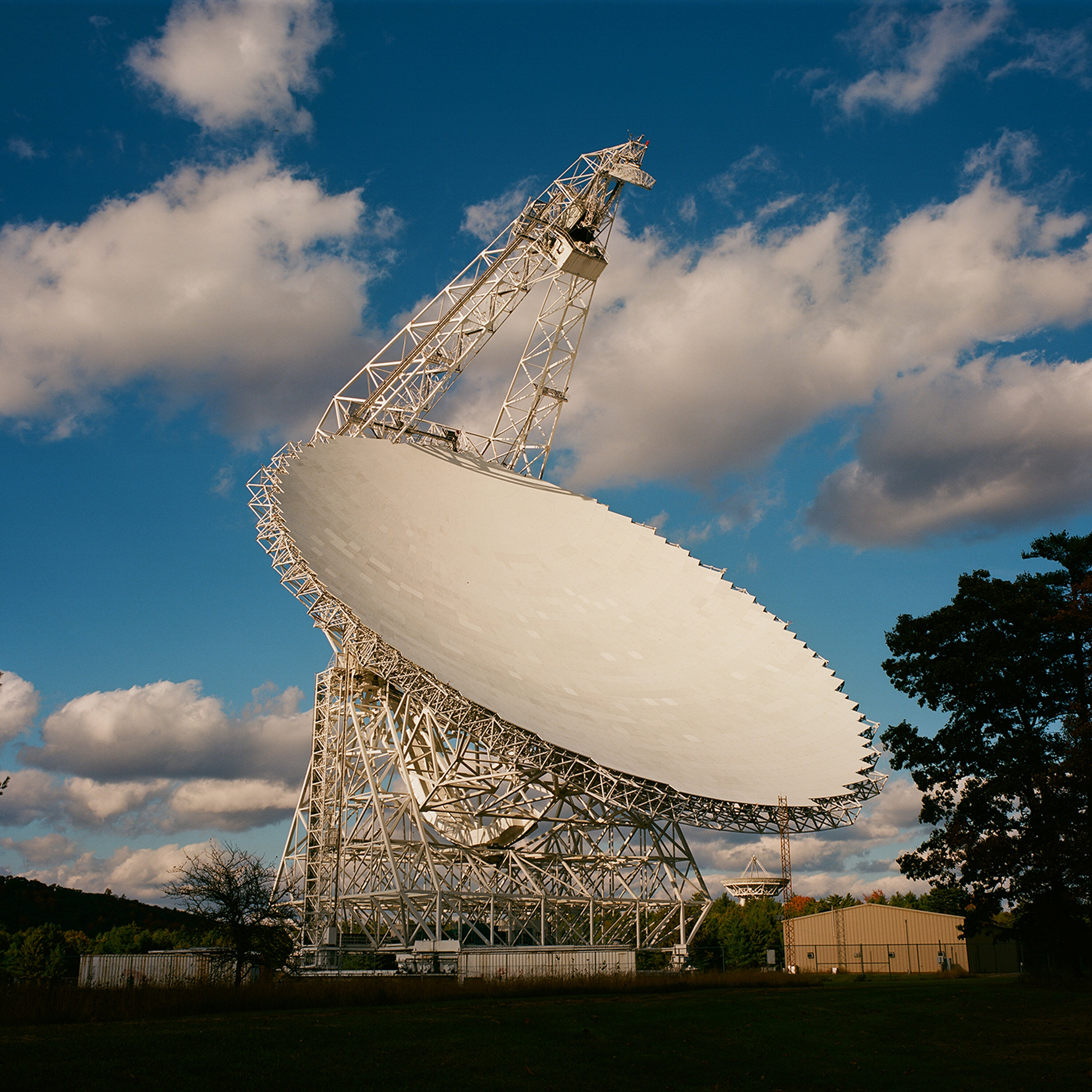
Small Town Universe: Inside Green Bank's Radio Quiet Zone
Jul 800:55:27Tap to summarizeGreen Bank, West Virginia is home to the world's largest fully steerable radio telescope. It's also the only town in the U.S. where cell phones and Wi-Fi are banned, so the telescope can listen for faint signals from across the Universe undisturbed. This week, we bring you a special conversation recorded after The Planetary Society's virtual screening of Small Town Universe, the documentary that follows the people whose lives are shaped by that place. Mat Kaplan, Planetary Society senior communications advisor, talks with filmmaker Katie Dellamaggiore and physicist Ellie White about making the film, the beauty and stakes of life at Green Bank, and the ongoing fight to keep the observatory funded. Before that, Kate Howells, public communications specialist, previews the total solar eclipse crossing parts of the Northern Hemisphere on August 12th, the first visible from Western Europe since 1999. And Bruce Betts, chief scientist, joins for What's Up, breaking down Hayabusa2's July 5th flyby of asteroid Torifune. Discover more at: https://www.planetary.org/planetary-radio/2026-small-town-universeSee omnystudio.com/listener for privacy information.
Transcribe →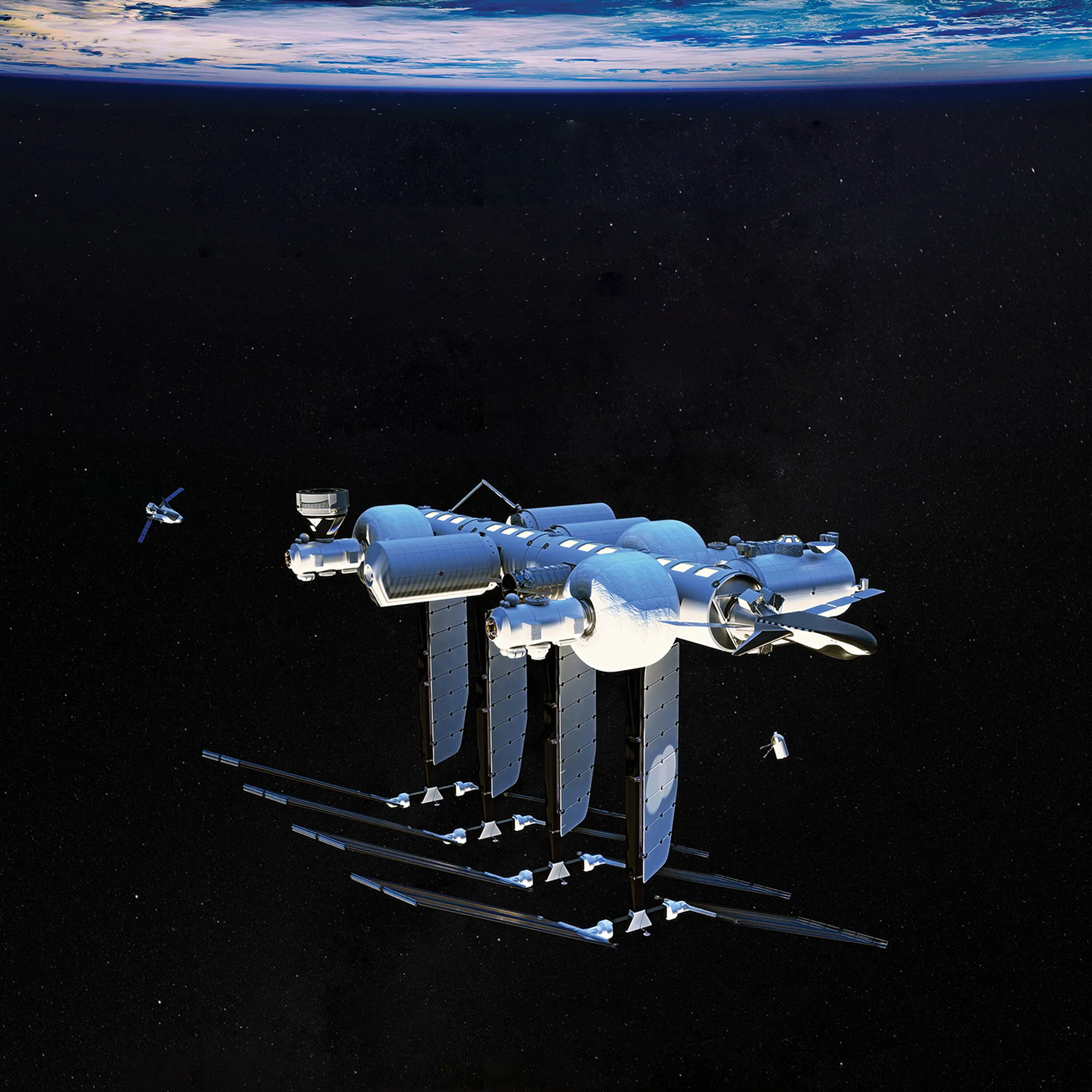
Space Policy Edition: What's going on with commercial space stations?
Jul 300:57:51Tap to summarizeNASA's plan for what comes after the International Space Station (ISS) has been anything but stable. Since 2019, the agency's commercial space station strategy has shifted from free-flying vendor-operated stations to a government-owned module attached to the ISS, and back again, all while the clock ticks toward the ISS's expected retirement around 2030. Clayton Swope, deputy director of the Aerospace Security Project and senior fellow at the Center for Strategic and International Studies, joins Planetary Society Chief of Space Policy Casey Dreier to unpack this saga and weigh whether NASA can realistically select and fund a commercial successor to the ISS in time. Discover more at: https://www.planetary.org/planetary-radio/commercial-space-stationsSee omnystudio.com/listener for privacy information.
Transcribe →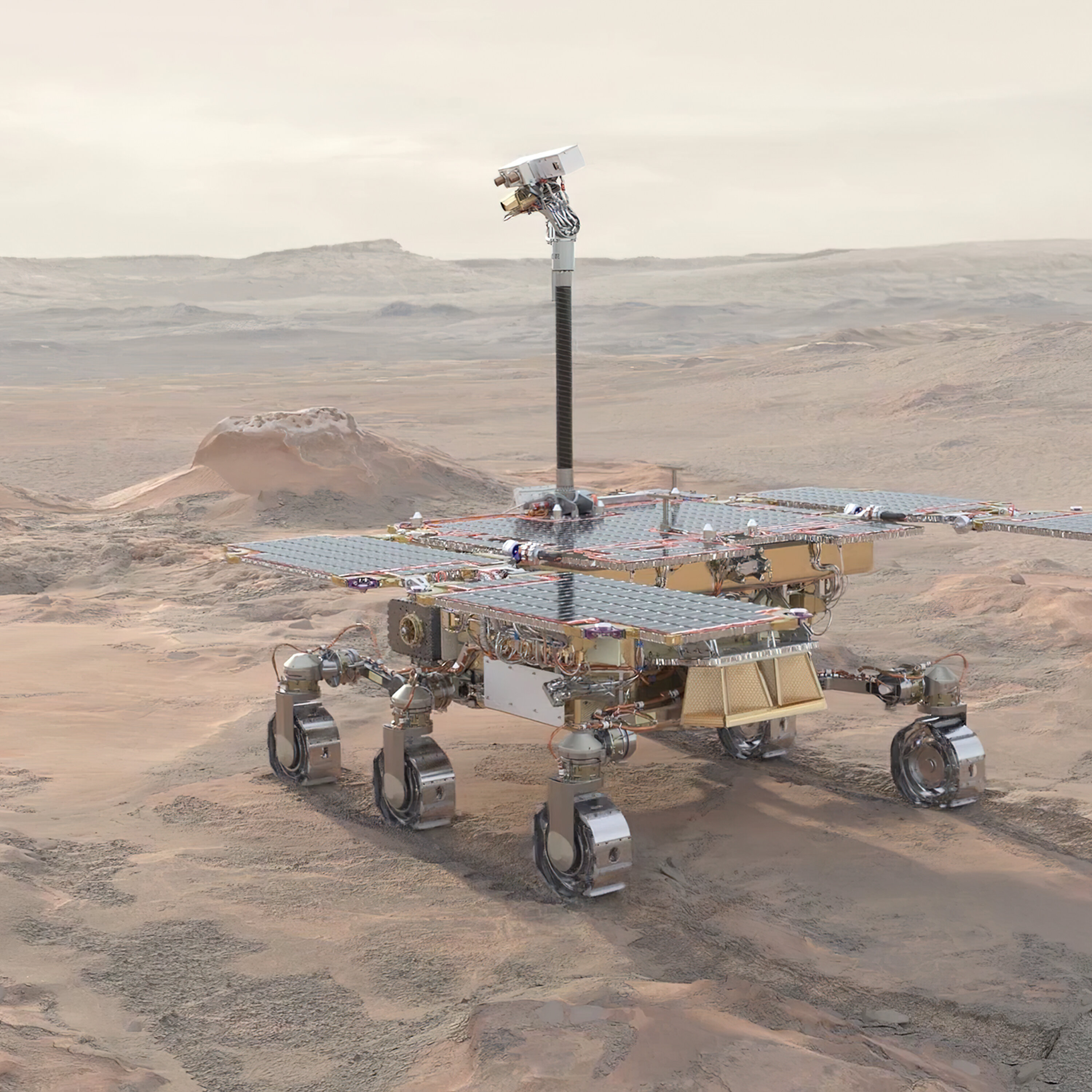
Rosalind Franklin and the search for life on Mars
Jul 100:57:56Tap to summarizeAfter more than two decades, the European Space Agency's Rosalind Franklin rover finally has a path to the launchpad. This week, ExoMars Project Scientist Jorge Vago joins Planetary Radio to talk about what makes this mission like nothing we've sent to Mars before: a drill capable of reaching 2 meters beneath the surface, where organic molecules may have been shielded from radiation for billions of years. We dig into how the rover will scout its drilling sites, how its onboard laboratory will analyze samples for signs of life, and why the chirality of any organic molecules it finds could be one of the most telling clues of all. Then stick around for What's Up with Bruce Betts, our chief scientist, where we talk about the ExoMars Trace Gas Orbiter, the spacecraft already at Mars that will serve as Rosalind Franklin's lifeline back to Earth. Discover more at: https://www.planetary.org/planetary-radio/2026-rosalind-franklinSee omnystudio.com/listener for privacy information.
Transcribe →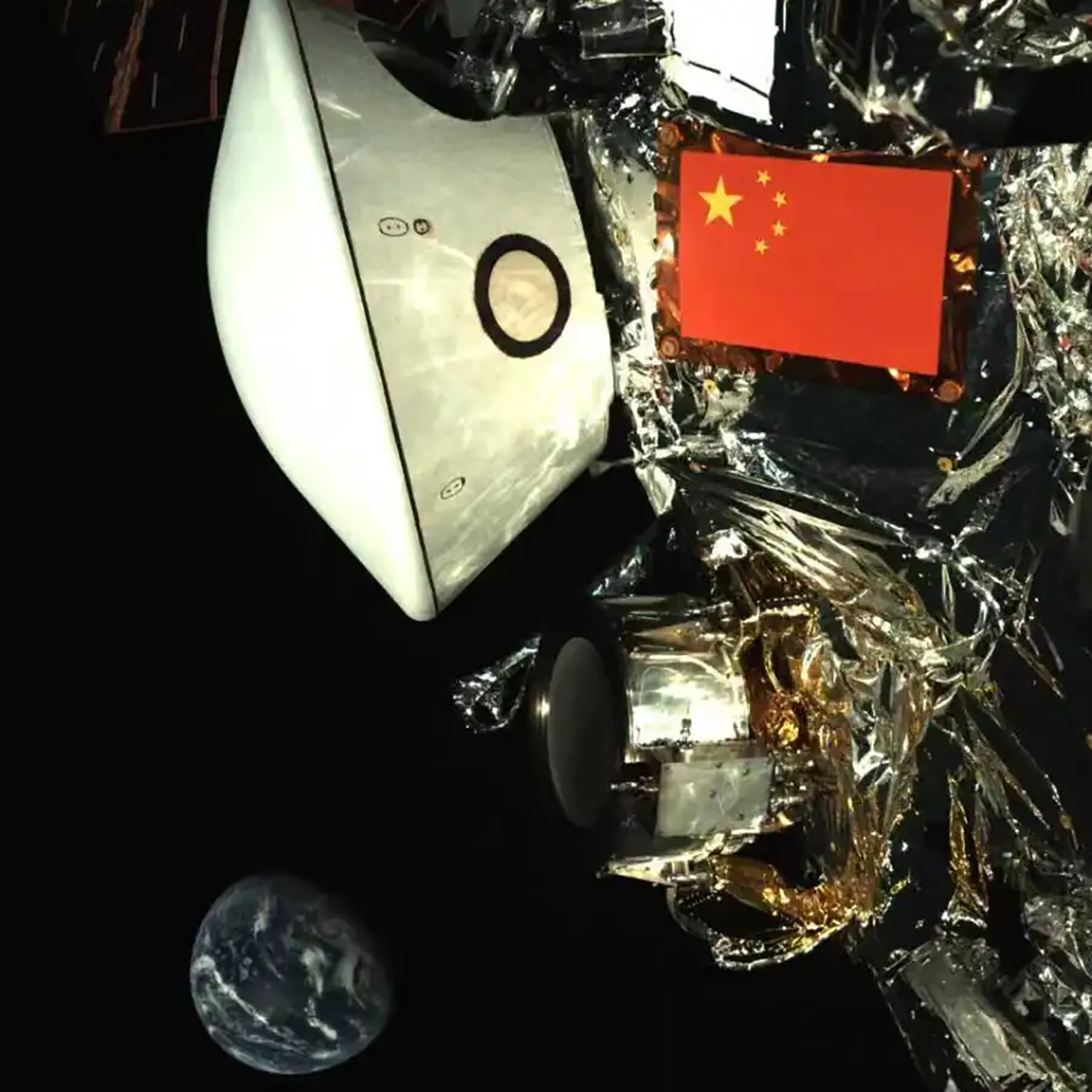
Tianwen-2: China closes in on Kamoʻoalewa
Jun 2400:59:58Tap to summarizeChina’s Tianwen-2 spacecraft has successfully arrived at Kamoʻoalewa—a tiny, enigmatic "quasi-satellite" that dances along with Earth on its trek around the Sun. A fascinating scientific debate is heating up over this object's true identity: is it a standard, heavily space-weathered asteroid, or is it a long-lost chunk of our own Moon, violently blasted into space by an ancient impact? Tianwen-2 is on a mission to solve this cosmic identity crisis, and it is happening right now. This week, we sit down with Andrew Jones, a contributing editor for The Planetary Society and a freelance space journalist covering China's rapidly accelerating lunar and planetary exploration programs. He takes us inside the mission to reveal how Tianwen-2 will attempt to hover and snatch samples from this mysterious world, what those pieces could teach us about our Solar System's history, and where China’s planetary ambitions are targeting next. Then, Chief Scientist Bruce Betts joins us for What’s Up to look ahead at asteroid missions and moments on the horizon through the end of this decade, from a Hayabusa2 flyby of asteroid Torifune next month to the 2029 close approach of asteroid Apophis. Discover more at: https://www.planetary.org/planetary-radio/2026-tianwen-2See omnystudio.com/listener for privacy information.
Transcribe →
Book Club Edition: “To Be Taught, If Fortunate” with Becky Chambers
Jun 1901:06:10Tap to summarizeThis outstanding novella, “To Be Taught, If Fortunate” by award-winning science fiction author Becky Chambers, is a passionate argument for the human exploration of space and the wonders we will find there. Kirkus Reviews calls it, “An extraordinary picture of humanity among the stars.” Join host Mat Kaplan for a conversation with Becky in which her personal enthusiasm for space science matches that of her four wandering explorers. The very alien lifeforms they discover amplify their own, very human failings and triumphs. Questions submitted by The Planetary Society’s members were a valuable contribution to this live event presented in our member community. Discover more at: https://www.planetary.org/planetary-radio/book-club-becky-chambersSee omnystudio.com/listener for privacy information.
Transcribe →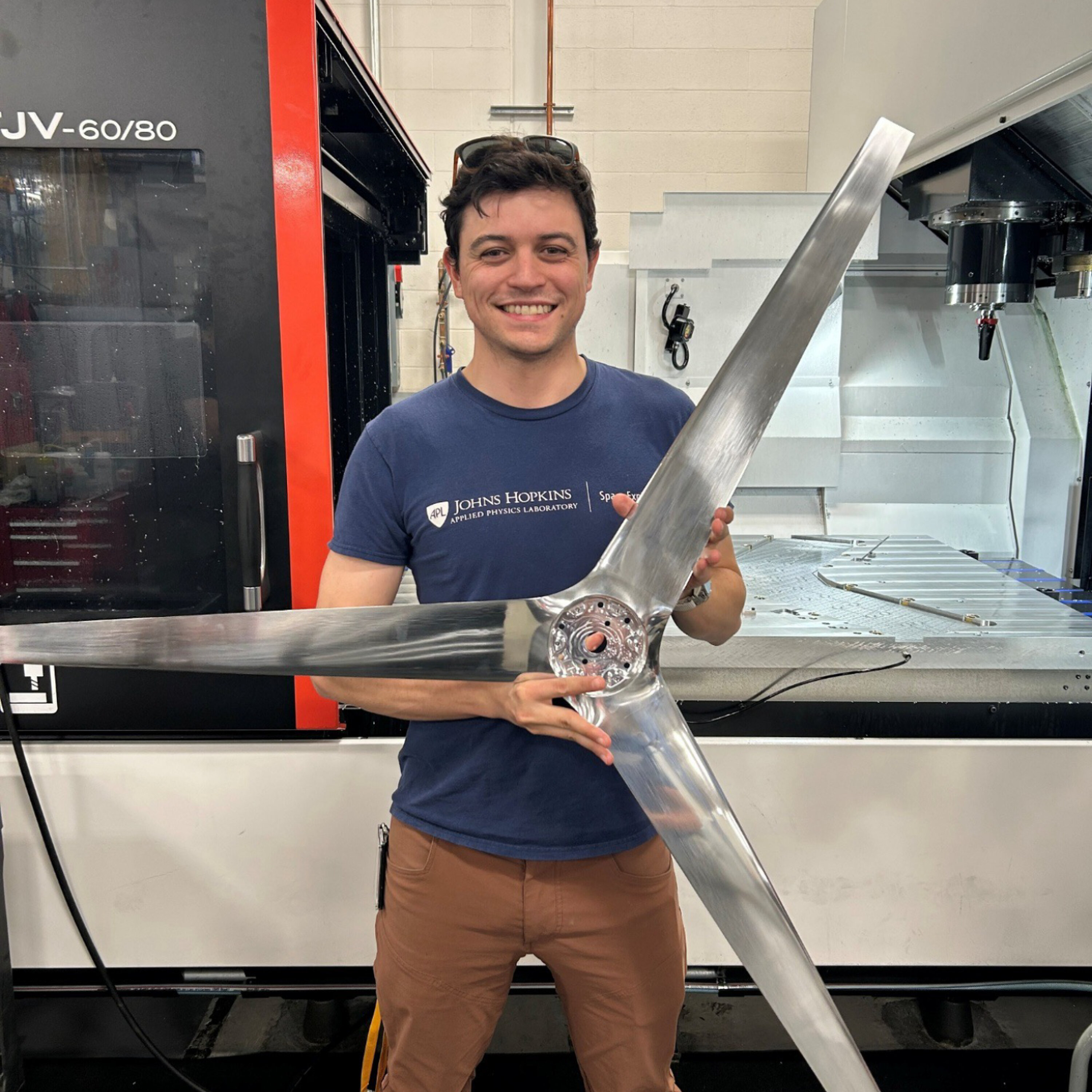
Flying on Titan: The engineering of Dragonfly
Jun 1700:59:45Tap to summarizeSaturn's moon Titan is one of the most Earth-like worlds in our Solar System, with a dense nitrogen atmosphere, weather cycles, methane rivers, and vast organic dune fields. It also happens to be the perfect place to fly a drone. NASA's Dragonfly mission is doing exactly that, sending a car-sized, nuclear-powered rotorcraft to explore Titan's surface starting in 2034. With just two years until launch, the team is deep in the work of making it happen. This week, we're joined by two members of the Dragonfly team from the Johns Hopkins Applied Physics Laboratory. Felipe Ruiz is the mission's lead rotor engineer and mechanical implementation lead, responsible for designing the eight-rotor system that will carry Dragonfly across Titan's skies. Zibi Turtle is the mission's principal investigator, a planetary scientist whose career has spanned missions from Galileo to Cassini to Europa Clipper. Together, they walk us through the engineering challenges of flying a thousand-kilogram rotorcraft in an alien atmosphere, how the team is testing and validating the design here on Earth, and what the spacecraft's instruments will look for on Titan's surface. Then Bruce Betts, our chief scientist, joins us for What's Up, where we pay tribute to the Ingenuity Mars helicopter and the legacy of the first powered, controlled flight on another world. Discover more at: https://www.planetary.org/planetary-radio/2026-engineering-of-dragonflySee omnystudio.com/listener for privacy information.
Transcribe →