Podcast
Planetary Radio: Space Exploration, Astronomy and Science
Hosted by The Planetary Society · EN
Planetary Radio brings you the human adventure across our Solar System and beyond. We visit each week with the scientists, engineers, leaders, advocates, and astronauts who are taking us across the final frontier. Regular features raise your space IQ while they put a smile on your face. Join host Sarah Al-Ahmed and Planetary Society colleagues including Bill Nye the Science Guy and Bruce Betts as they dive deep into space science and exploration. The monthly Space Policy Edition takes you inside the DC beltway where the future of the US space program hangs in the balance. Visit planetary.org/radio for an episode guide and much more.
46episodes
Episodes
Newest firstAll episodes
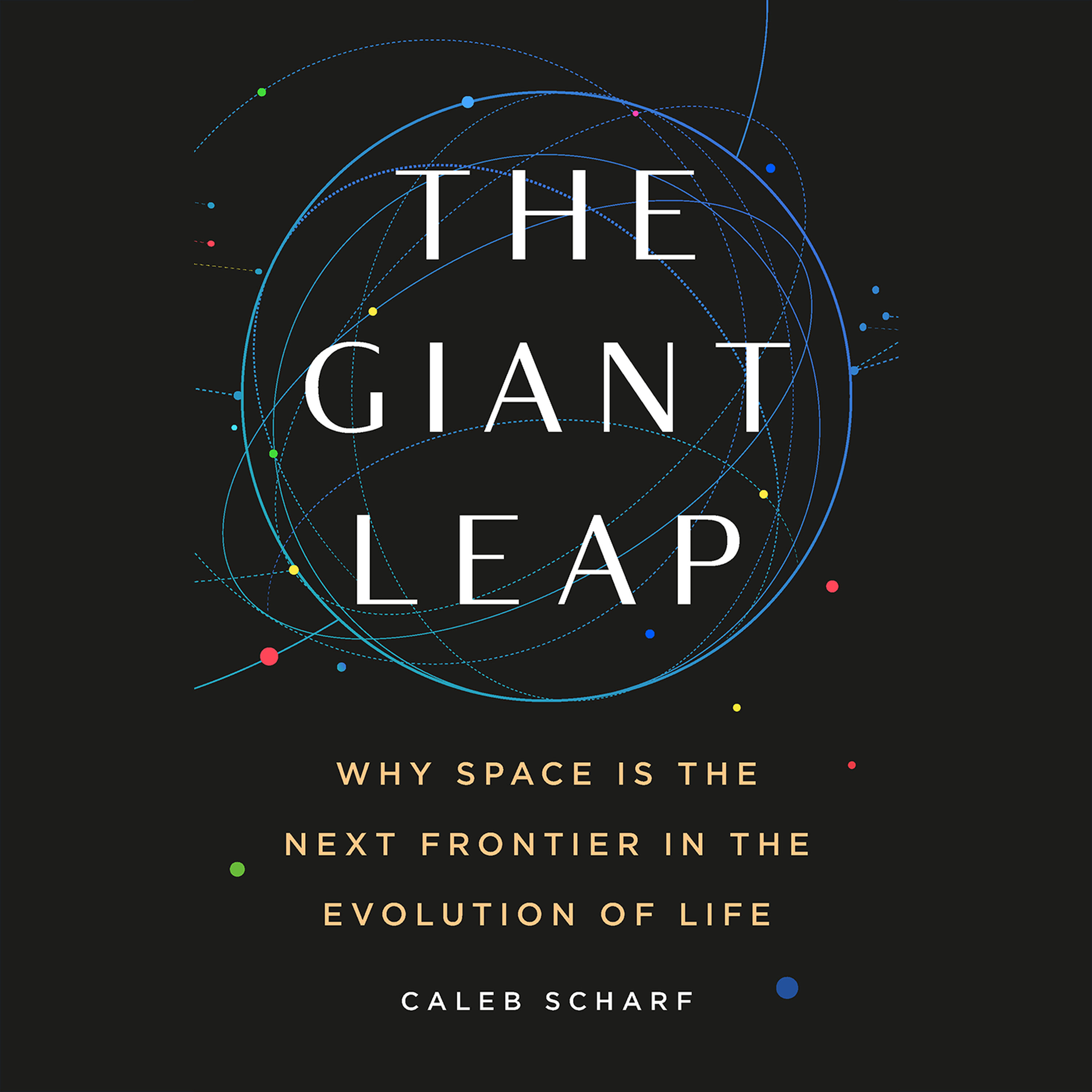
Book Club Edition: The Giant Leap: Why Space is the Next Frontier in the Evolution of Life
Mar 2001:17:34Tap to summarizeJoin us for an awe-inspiring conversation with astrobiologist and astronomer Caleb Scharf as he eloquently makes the case for "dispersal," the nearly inevitable advance of life and humanity across our solar neighborhood. From the book: "The idea of Dispersal is one where the sheer scale and scope of life’s future extension into the solar system profoundly changes things: not because of some new (and unlikely) cultural enlightenment from within but because of what the enormous expanse of space will do to dilute and change our species and all others.” Adam Frank says of the book, “If we can make it through the many crises of the next century, then the Solar System and the stars beyond await us. In The Giant Leap, Caleb Scharf demonstrates how becoming a true space-faring species is more than just humanity’s future.” Discover more at: https://www.planetary.org/planetary-radio/book-club-caleb-scharfSee omnystudio.com/listener for privacy information.
Transcribe →
The 18th European Space Conference: Dreaming of European boots on the Moon
Mar 1800:56:45Tap to summarizeHumanity is going back to the Moon, and Europe is already playing a critical role in making it happen. This week, Planetary Radio brings you voices straight from the 18th European Space Conference in Brussels, Belgium, where more than 2,000 of the world’s top space leaders gathered to shape the future of European space exploration. We begin with conference co-organizer Tomas Dimitrov of Logos and Business Bridge Europe, who sets the stage for the conversations ahead. From there, we hear from European Commissioner for Defence and Space Andrius Kubilius, ESA Director General Josef Aschbacher, French Minister Delegate for European Affairs Benjamin Haddad, and Germany’s Federal Space Minister Dorothee Bär. We also take you inside the Moonlight Initiative panel, bringing you the full conversation as scientists and engineers from ESA, NASA, and industry lay out their vision for building GPS and communications infrastructure around the Moon, and wrestle with what it will really take to support a permanent human presence there. Then, Planetary Society Chief Scientist Bruce Betts joins us for What’s Up to tackle one of the most fascinating and unexpected challenges of lunar exploration: what time is it on the Moon? Discover more at: https://www.planetary.org/planetary-radio/2026-european-space-conference See omnystudio.com/listener for privacy information.
Transcribe →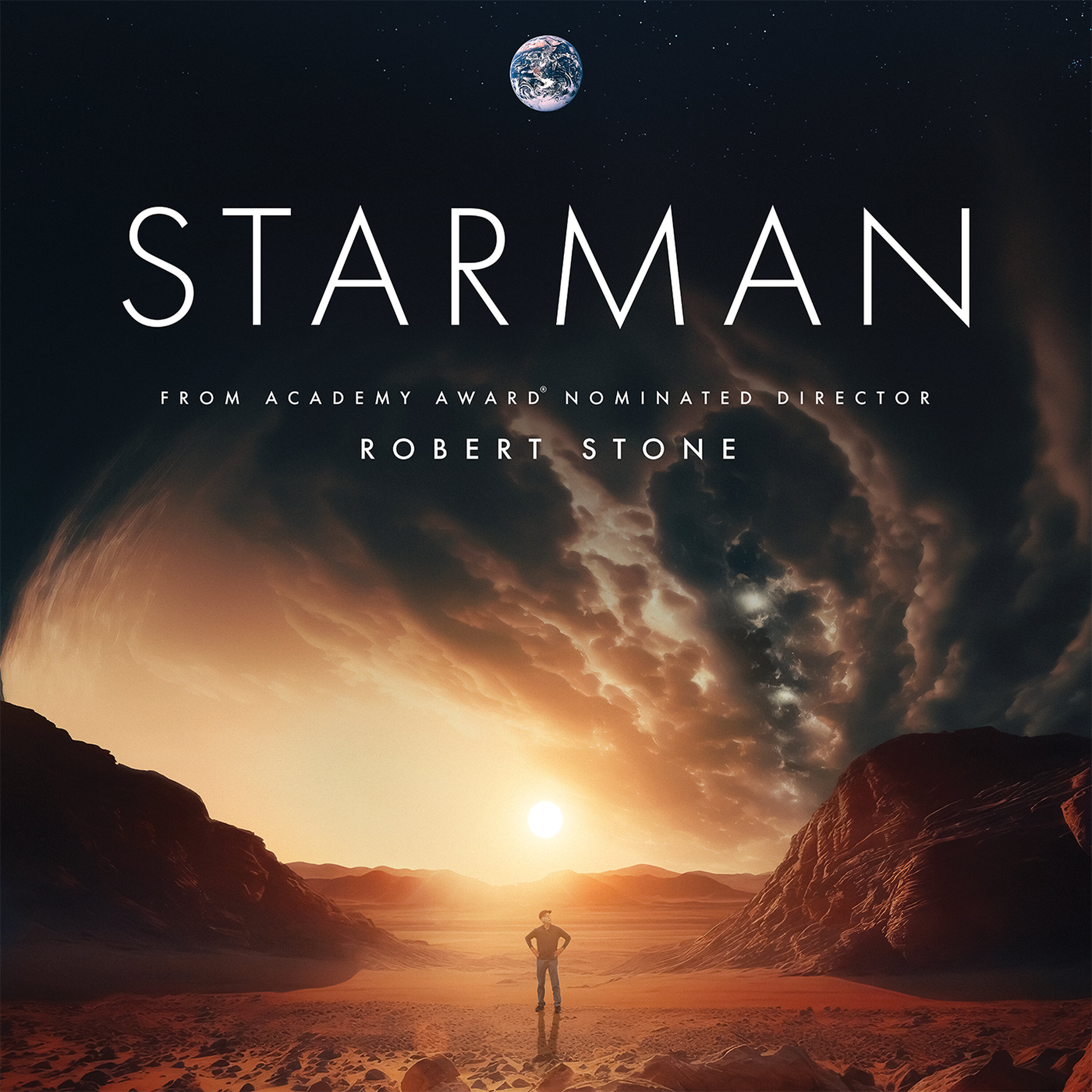
Starman: Looking back on a life exploring the Solar System
Mar 1101:01:41Tap to summarizeGentry Lee spent nearly five decades at NASA's Jet Propulsion Laboratory, and in that time he helped shape some of the most ambitious missions in the history of space exploration. A new documentary, “Starman,” chronicles his career and the big question that runs through it: is there life beyond Earth? Lee worked on every NASA mission to land on Mars, helped Carl Sagan bring the Universe to living rooms around the world with “Cosmos,” and oversaw dozens of active missions as Chief Engineer for the Solar System Exploration Directorate at JPL. Few people have had a front-row seat to the Space Age quite like him. In this episode, host Sarah Al-Ahmed sits down with Gentry at Planetary Society headquarters just one day after his retirement from JPL. He reflects on the colleagues who shaped him, the missions that changed our understanding of the Solar System, and why the search for life beyond Earth remains the most profound endeavor humanity has ever undertaken. Discover more at: https://www.planetary.org/planetary-radio/2026-starmanSee omnystudio.com/listener for privacy information.
Transcribe →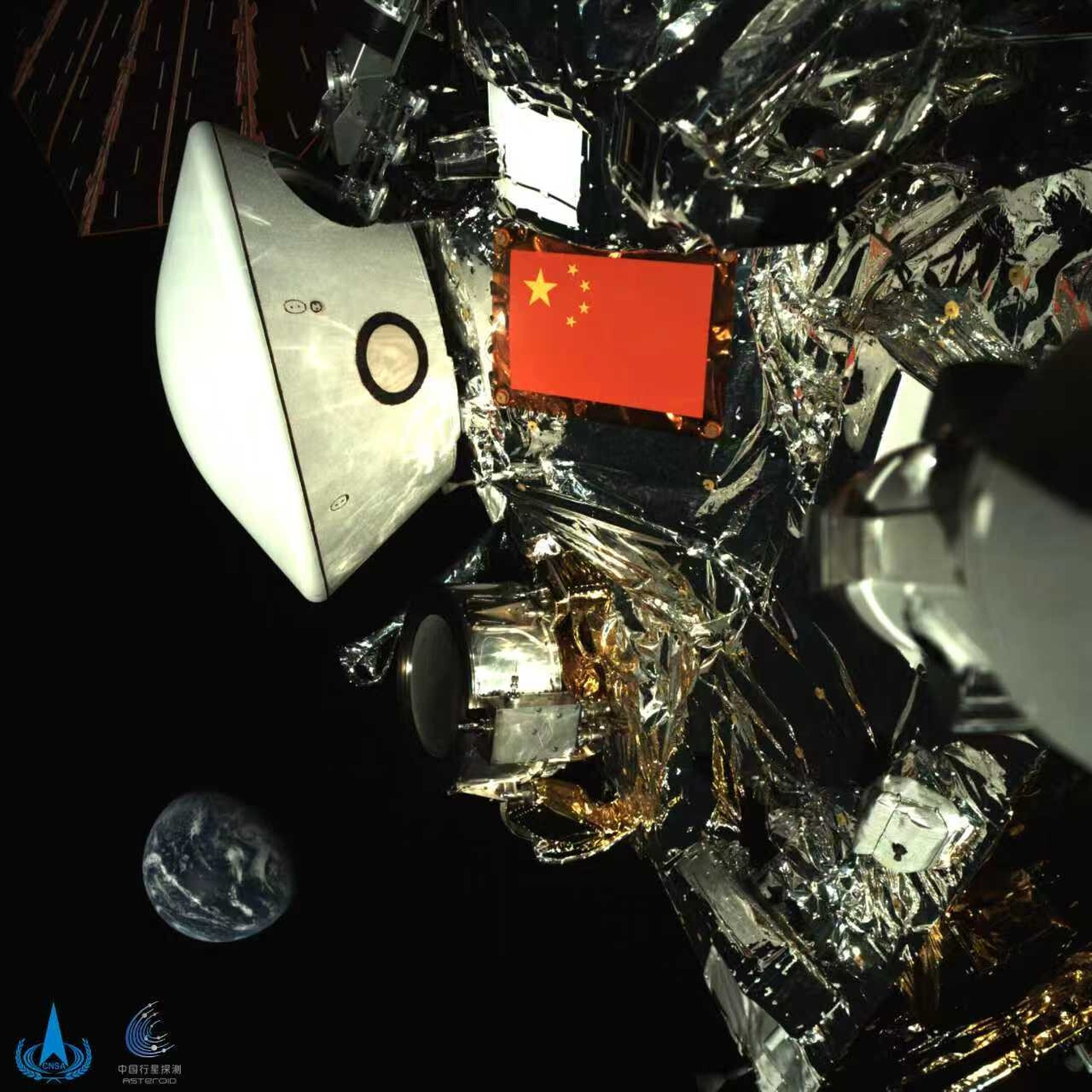
Space Policy Edition: Is there really a space race between the US and China?
Mar 601:08:43Tap to summarizeIs the United States really in a new space race with China? Or is that framing missing the bigger picture? In this Space Policy Edition of Planetary Radio, Casey Dreier, chief of space policy at The Planetary Society, sits down with Patrick Besha, former NASA strategic advisor on China, to explore the realities behind China’s rapidly advancing space program. They discuss how China’s political system shapes its long-term space strategy, why the rhetoric about a “space race” may be misleading, and how competition between the United States and China in space is likely to unfold over the coming decades. Discover more at: https://www.planetary.org/planetary-radio/spe-us-china-space-raceSee omnystudio.com/listener for privacy information.
Transcribe →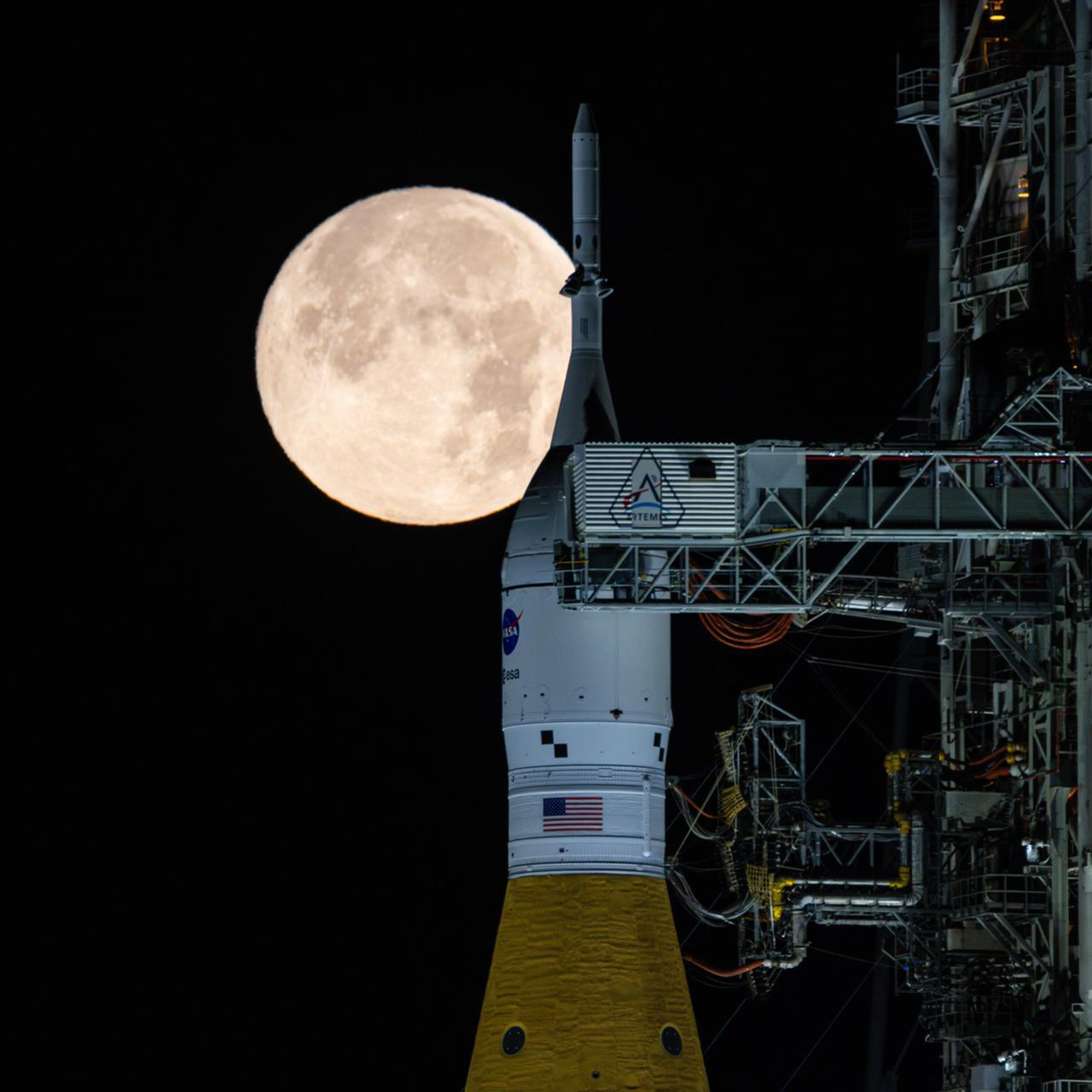
Artemis update: NASA reshapes the road back to the Moon
Mar 400:58:15Tap to summarizeNASA has announced a major restructuring of the Artemis program, reshaping the roadmap for returning humans to the Moon. At a February 27 press conference, agency leadership addressed the rollback of Artemis II following post–wet–dress–rehearsal testing and unveiled significant changes to upcoming missions, including shifting Artemis III from a planned lunar landing to a low-Earth-orbit rendezvous and integrated systems test. In this episode, you’ll hear remarks from NASA Administrator Jared Isaacman and Lori Glaze, Moon to Mars program manager and acting associate administrator for NASA’s Exploration Systems Development Mission Directorate. They explain what happened with Artemis II and why NASA is changing course. Then, host Sarah Al-Ahmed is joined by Jack Kiraly, director of government relations at The Planetary Society, and Ari Koeppel, AAAS science and technology policy fellow, to unpack the political and strategic forces behind this shift and what it means for the future of lunar exploration. In What’s Up, Bruce Betts, our chief scientist, looks back at Apollo 9, the Earth-orbiting mission that proved the Lunar Module could operate independently before NASA attempted a lunar landing. Discover more at: https://www.planetary.org/planetary-radio/2026-artemis-updateSee omnystudio.com/listener for privacy information.
Transcribe →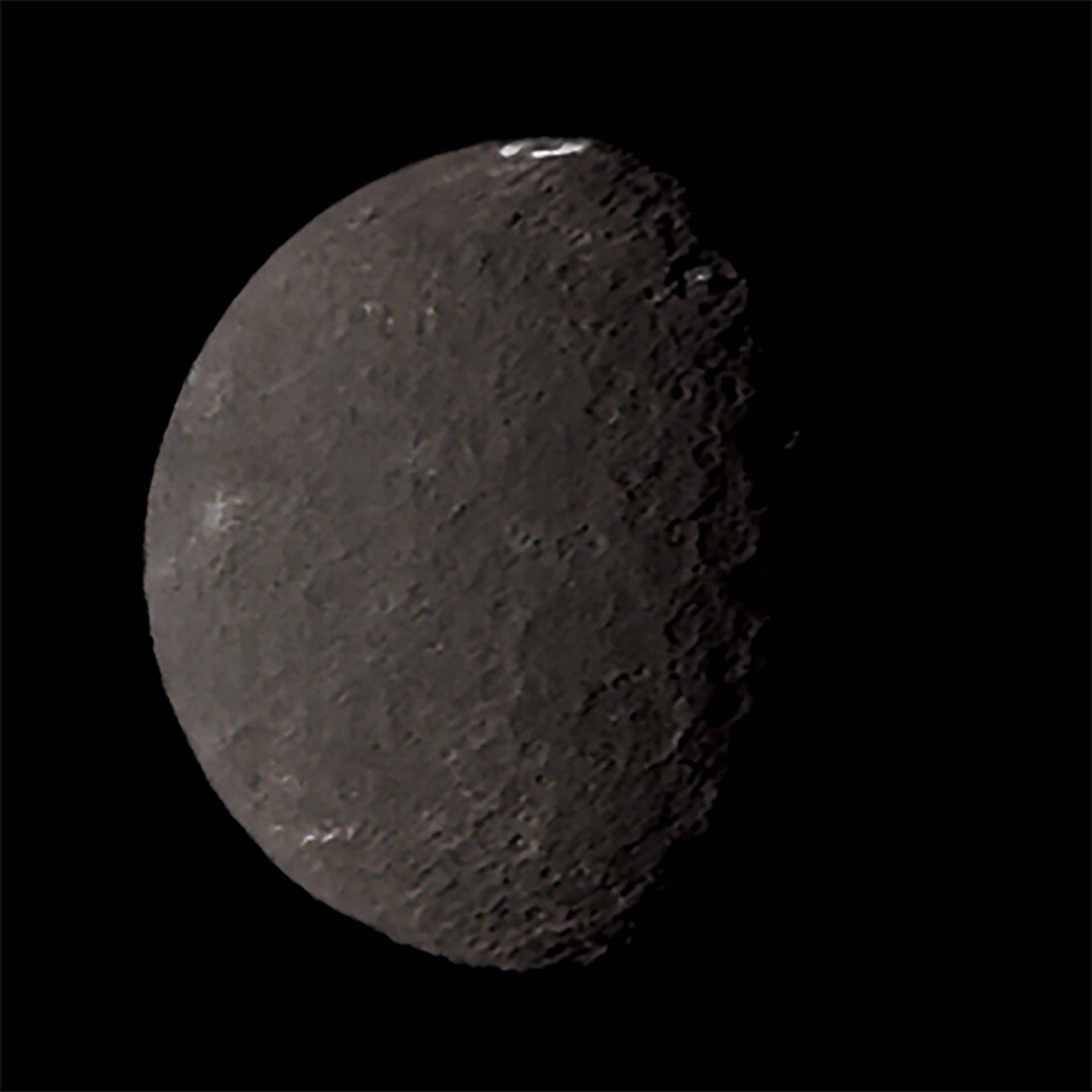
Did an impact trigger cryovolcanism on Umbriel?
Feb 2500:59:57Tap to summarizeCould a single ancient impact have briefly transformed one of the Solar System’s darkest moons into a cryovolcanic world? When Voyager 2 flew past Uranus in 1986, it captured the only close-up images we have of Umbriel, a heavily cratered, charcoal-dark satellite long considered geologically inactive. But one feature stands out: a bright ring inside the 131-kilometer-wide Wunda crater. In this episode, Sarah Al-Ahmed speaks with Adeene Denton, NASA postdoctoral program fellow at the Southwest Research Institute, about her team’s new study published in the Journal of Geophysical Research: Planets. Using shock physics simulations, Denton and her colleagues reconstruct the impact that formed Wunda crater to determine what Umbriel’s interior must have been like at the time. Their modeling explores whether impact-induced cryovolcanism can explain the bright deposits observed on the crater floor. Then, in What’s Up, Bruce Betts, chief scientist of The Planetary Society, joins Sarah to break down one of the key mechanisms that keeps icy moons from freezing solid, tidal heating driven by orbital resonance. Discover more at: https://www.planetary.org/planetary-radio/2026-cryovolcanism-on-umbrielSee omnystudio.com/listener for privacy information.
Transcribe →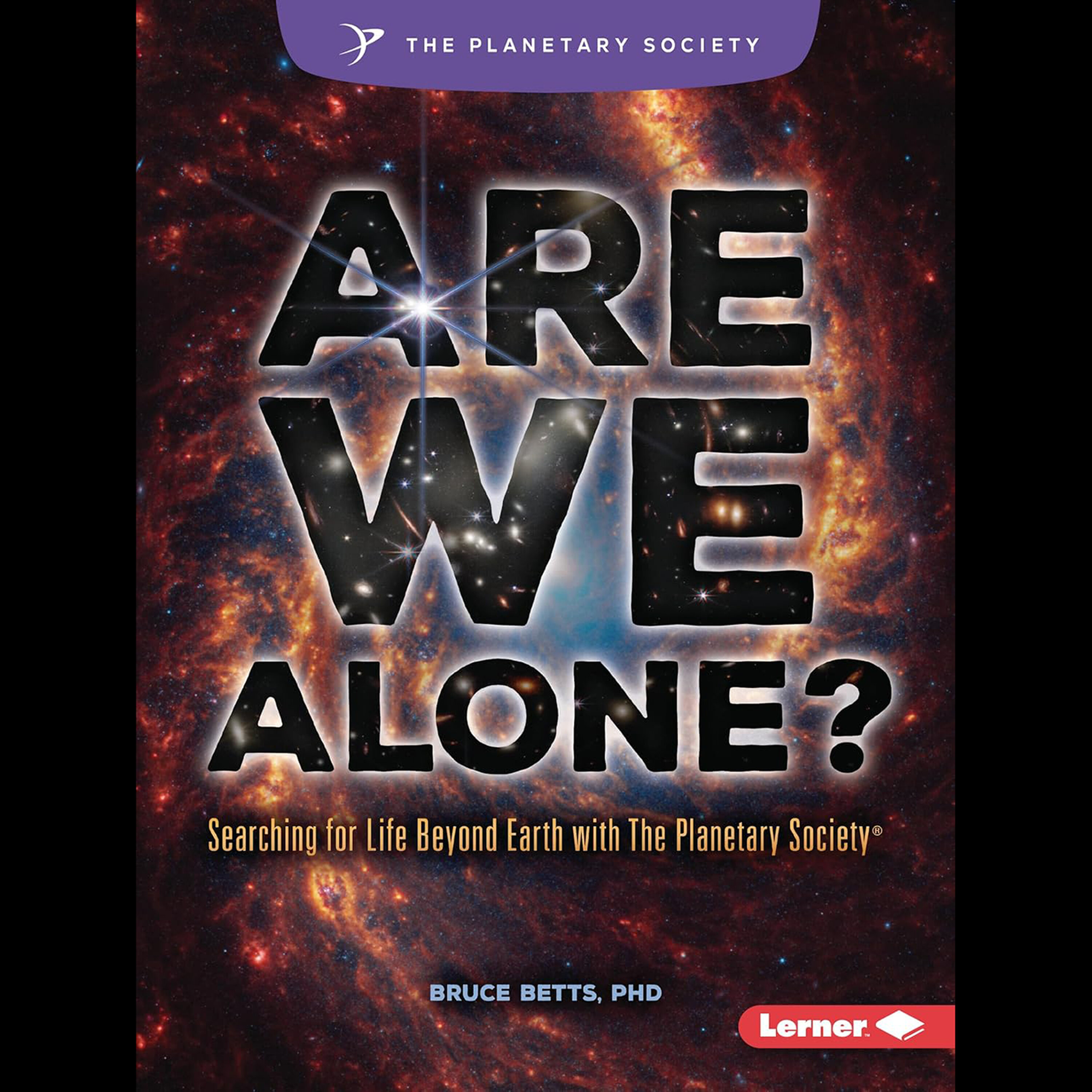
Book Club Edition: Planetary Society Chief Scientist Bruce Betts’ latest for kids
Feb 2000:56:54Tap to summarizeThey informed and entertained together throughout the first 20 years of Planetary Radio. Listen in as the Society’s chief scientist and book club edition host Mat Kaplan share the mic once again for a delightful conversation about Dr. Betts’ two new space books for young people. “Are We Alone?” introduces the search for life across the Universe, while “The Size of Space” collects many of Bruce’s brilliant and hilarious ways to cut our Solar System down to human size. Discover more at: https://www.planetary.org/planetary-radio/book-club-bruce-bettsSee omnystudio.com/listener for privacy information.
Transcribe →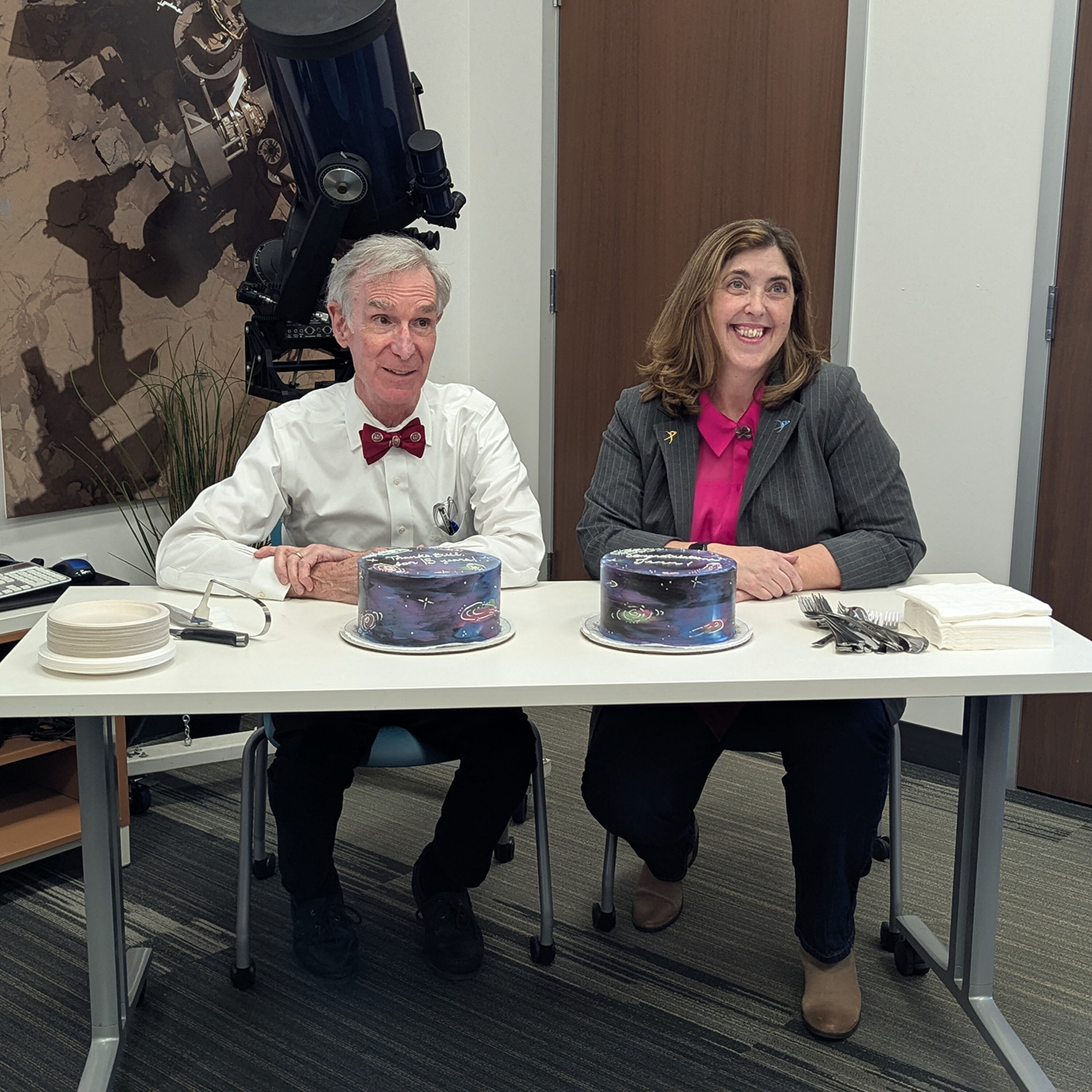
A new chapter at The Planetary Society: Jennifer Vaughn becomes CEO
Feb 1800:59:59Tap to summarizeThis week on Planetary Radio, we mark a major leadership transition at The Planetary Society. Host Sarah Al-Ahmed sits down with Bill Nye, outgoing chief executive officer and newly appointed chief ambassador of The Planetary Society, and Jennifer Vaughn, incoming chief executive officer and former chief operating officer, for a candid conversation about this long-planned transition. Together, Bill and Jenn reflect on how the organization, under their shared leadership, grew into the world’s largest and most effective nonprofit dedicated to advancing the scientific exploration of space. Then, Bruce Betts, chief scientist of The Planetary Society, joins Sarah for What’s Up. They discuss an upcoming planetary alignment on and around February 28, 2026. Discover more at: https://www.planetary.org/planetary-radio/2026-jennifer-vaughn-ceoSee omnystudio.com/listener for privacy information.
Transcribe →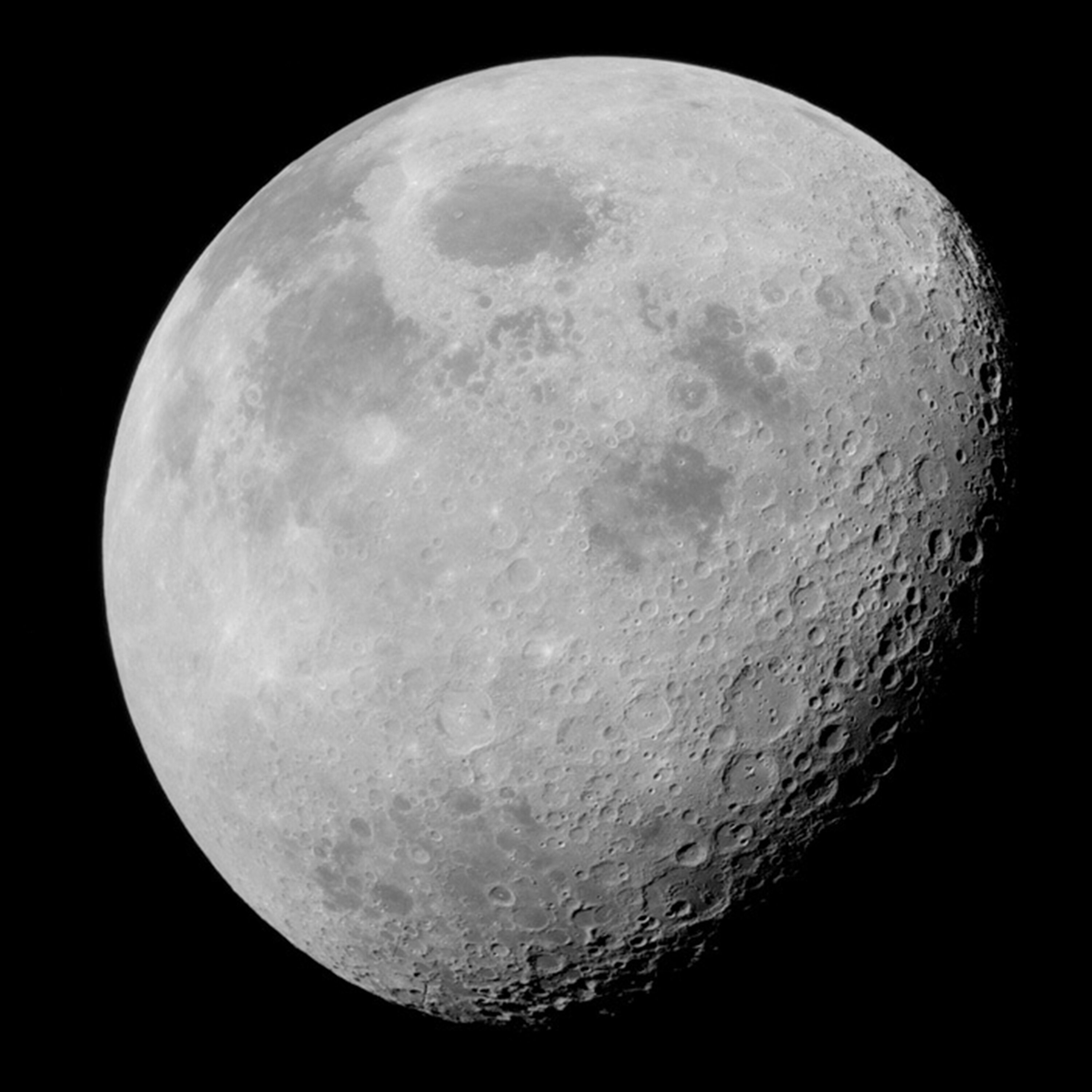
Where did Earth’s water come from? Clues hidden in Apollo Moon dust
Feb 1101:02:01Tap to summarizeWhere did Earth’s water come from? In this episode of Planetary Radio, we explore how scientists are answering that question by studying a remarkably well-preserved record of the early Solar System: lunar samples brought back by the Apollo missions. Host Sarah Al-Ahmed is joined by Tony Gargano, postdoctoral fellow at the Lunar and Planetary Institute with the University Space Research Association and a research affiliate at NASA’s Johnson Space Center. Gargano studies lunar rocks and regolith to understand how planets form, evolve, and acquire key ingredients like water over time. By analyzing subtle chemical fingerprints preserved in Apollo-era lunar regolith, his work helps constrain how much water meteorites could have brought to Earth and what that means for our planet’s path to habitability. The episode also features a short bonus segment with actor George Takei, recorded at the Academy Museum of Motion Pictures during a screening of “Star Trek IV: The Voyage Home.” Takei reflects on the enduring legacy of “Star Trek,” its influence on generations of scientists and explorers, and why he is excited about humanity’s return to the Moon in the Artemis era. He connects science fiction’s hopeful vision of the future with the real science helping us understand our origins today. Discover more at: https://www.planetary.org/planetary-radio/2026-earth-water-apollo-moon-dustSee omnystudio.com/listener for privacy information.
Transcribe →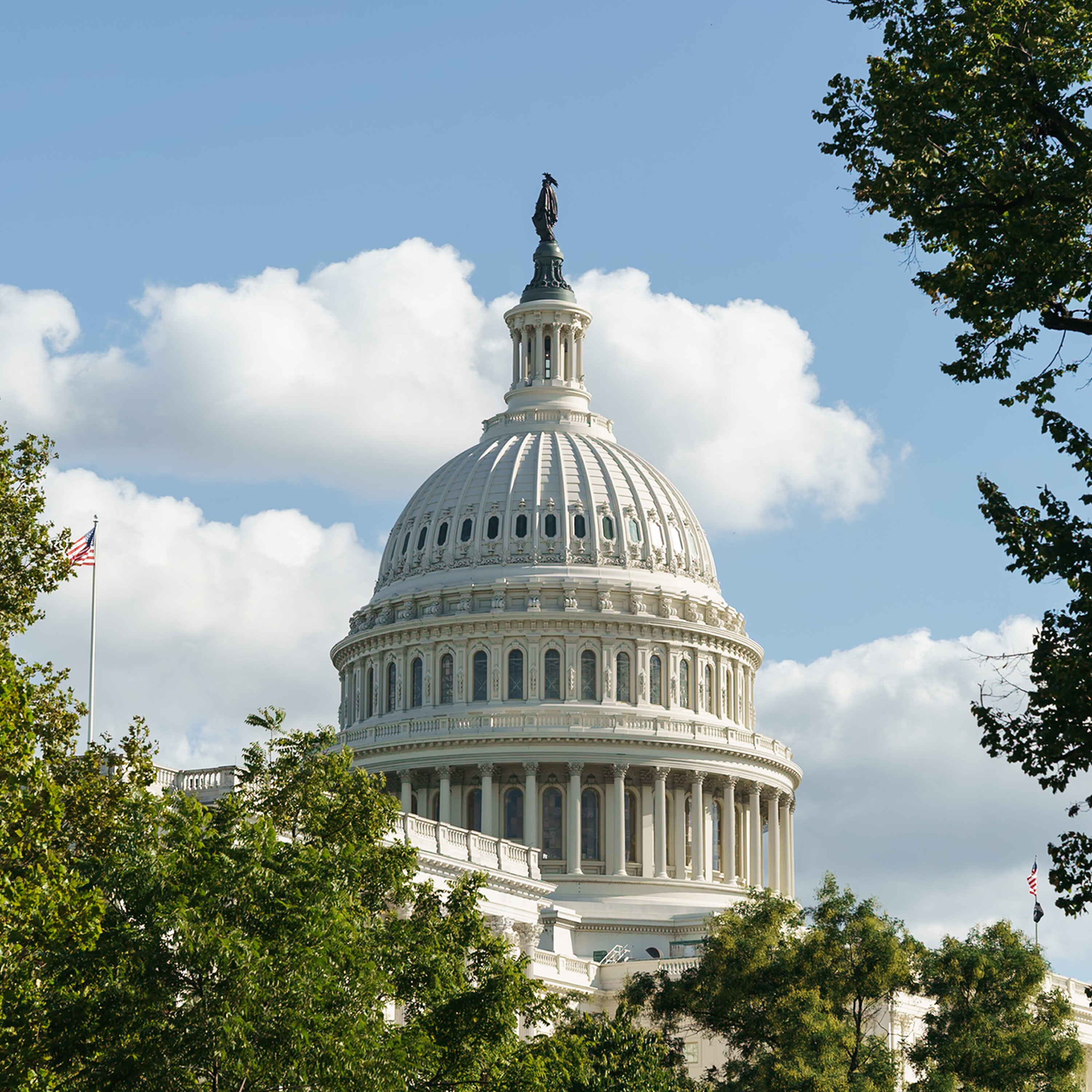
Space Policy Edition: What a NASA Authorization bill actually does
Feb 601:00:35Tap to summarizeWhat does a NASA authorization bill actually do, and why does it matter? In this episode of Space Policy Edition, we dig into one of the most misunderstood but powerful tools Congress uses to shape the future of U.S. space exploration. Host Casey Dreier, chief of space policy at The Planetary Society, is joined by Jack Kiraly, the Society’s director of government relations, for a deep dive into how NASA authorization bills work, how they differ from appropriations, and why they can have decades-long consequences for science missions, human spaceflight, and planetary defense. The discussion also reflects on a major recent win for space advocates: Congress’s bipartisan decision to protect NASA science funding. Discover more at: https://www.planetary.org/planetary-radio/spe-what-is-a-nasa-authorization-billSee omnystudio.com/listener for privacy information.
Transcribe →