
Podcast
Podknows Business Network
Hosted by Podknows Podcasting · EN
Podcasts providing useful tips and insights to business owners!
49episodes
Episodes
Newest firstAll episodes
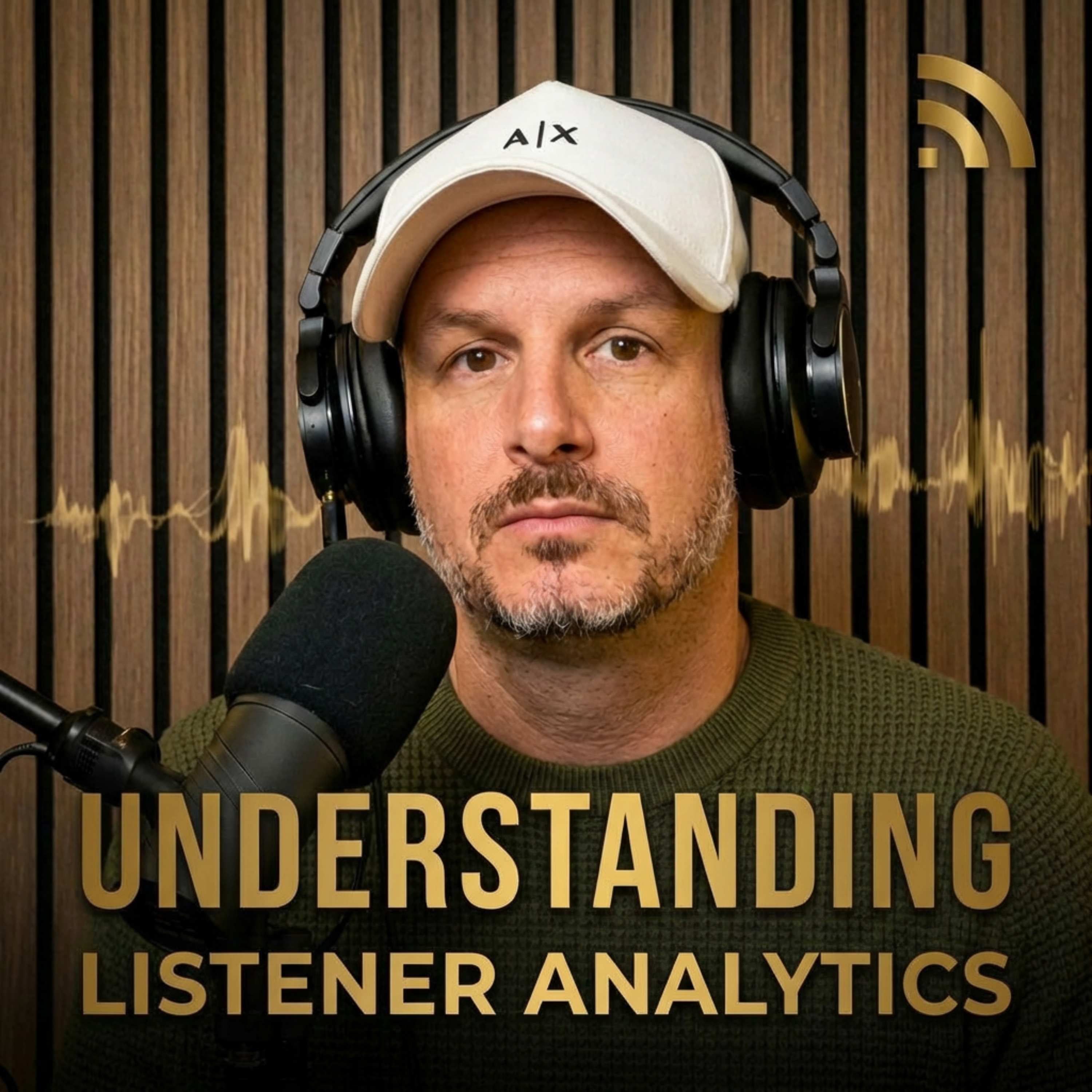
Founder Podcast Playbook: Understanding Listener Analytics
Apr 1000:15:02Tap to summarizeYou opened your podcast dashboard this week, saw a number, felt vaguely okay or pretty terrible — and then closed the tab. That's not a podcast strategy. That's reading your horoscopes.In this episode of B2B Podcasting Insights, Neal Veglio gives you the playbook for putting your listener analytics to actual strategic use — starting with what each number in your dashboard is really telling you, and more importantly, what decision it should be prompting you to make.We cover the four metrics that matter for founders running B2B podcasts: why downloads measure reach rather than popularity and what to do with that insight, how completion rate is the single most important number your show can produce, what drop-off points are really telling you about your content and your audience, and why repeat listeners are your most valuable buying-window signal.There's also a Monday morning protocol — a simple, repeatable process for turning your analytics into content decisions and audience-fit tests before your next episode even goes live.Plus: a listener Q&A response to a founder who recorded six episodes and hasn't published a single one, and a quick tip on why your show notes are probably written for the wrong person entirely.Useful linksPodknows Websitehttps://podknows.co.ukFounder Podcast Playbook (Free Download)https://podknows.co.uk/founder-podcast-playbookB2B Podcast Growth Diagnostichttps://podknows.co.uk/diagnosticPodcast Auditshttps://podknows.co.uk/auditsTimestamped Summary00:00 — The dashboard problem every B2B founder has01:05 — What this episode is (and isn't) about downloads02:30 — Metric 1: Downloads — reach vs popularity, and what to compare04:15 — Your Monday morning downloads protocol05:00 — Metric 2: Completion rate — the one number to rule them all06:45 — What a sub-40% completion rate is really telling you07:30 — Metric 3: Drop-off points — your script doctor09:15 — Metric 4: Repeat listeners and the buying window10:45 — Monday morning protocol recap11:30 — Founder Q&A: Rachel's six unpublished episodes14:15 — Quick tip: Your show notes are a search landing page15:45 — CTA: The Founder Podcast Playbook and DiagnosticMentioned in this episode:Learn More About Podknows PodcastingWe're at https://podknows.co.uk/
Transcribe →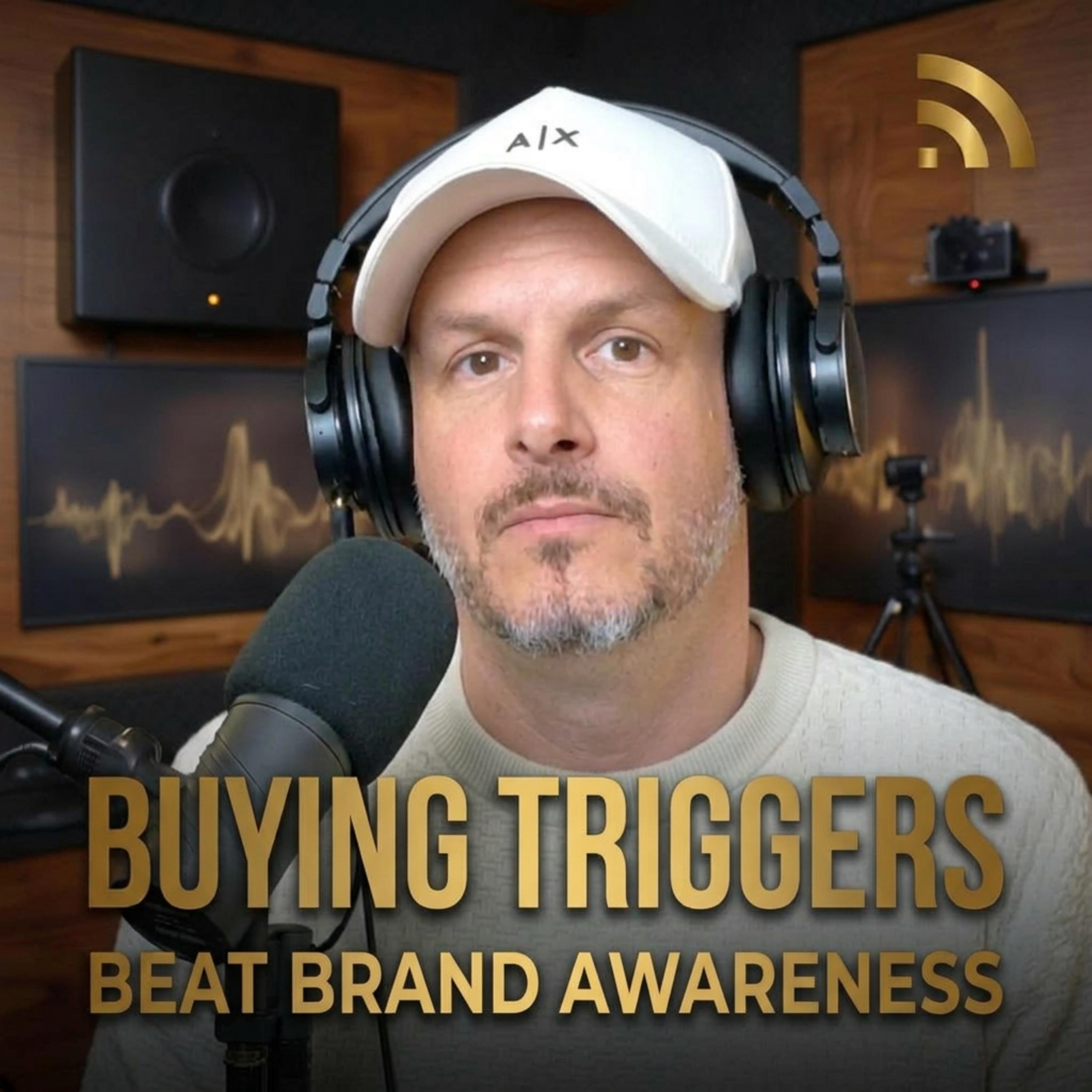
Marketing With Podcasting — How Buying Triggers Beat Brand Awareness
Apr 300:14:50Tap to summarizeIf you've put a solid business case together for a branded podcast to help with your B2B podcast marketing, and still got shot down before the biscuits were finished — it probably wasn't the idea that failed. It was the argument you used to make it.Download numbers and audience engagement strategies mean nothing to a CFO. "Big brands are doing it" lands even worse. What actually works is connecting your podcast directly to a commercial problem the business already admits it has — and reframing it not as content, but as a sales asset.I'm Neal Veglio, founder of Podknows Podcasting, and in this episode of B2B Podcasting Insights, I'm walking through exactly how to shift the internal conversation around your B2B podcast — from risk anxiety to revenue logic.We cover why stakeholder pushback on business podcasts is almost always a risk problem rather than a content problem, what not to say in a stakeholder meeting, and how to build a six-episode pilot plan that feels contained enough to get a yes. There's also a section on finding your internal champion before you even walk through the door — and why that coalition matters more than any PowerPoint deck.We also tackle publishing cadence (weekly is not a moral obligation) and episode length (it ends when the point is made — not when you've hit 30 minutes).If you're trying to get a branded B2B podcast off the ground, or you're struggling to demonstrate its value internally, this one's for you.Useful linksPodknows Websitehttps://podknows.co.ukB2B Podcast Growth Diagnostichttps://podknows.co.uk/diagnosticPodcast Auditshttps://podknows.co.uk/auditsMentioned in this episode:Learn More About Podknows PodcastingWe're at https://podknows.co.uk/
Transcribe →
Is Beehiiv The Ideal New Platform For Indie Podcasters?
Apr 200:04:26Tap to summarizeBeehiiv are targeting podcasters with offers to join their new creator platform. But is this the solution podcasters have been waiting for?Link to check out their teased offer: https://www.beehiiv.com/beehiiv-for/podcasters
Transcribe →
Don't Compare Your Podcast to "Diary of a CEO". Here's why
Mar 3000:20:29Tap to summarizeDiary of a CEO is doing something genuinely damaging to indie podcasters. Not maliciously. The damage is the business model.Hi, I'm Neal Veglio, The Podmaster.In this episode, I'm breaking down exactly why comparing your show to mega-podcasts like Diary of a CEO, High Performance Podcast, and Young and Profiting isn't just unhelpful — it's statistically irrational.Using Phil Rosenzweig's Halo Effect, Nassim Taleb's Silent Graveyard, the Columbia Music Lab experiment, and Daniel Kahneman's narrative fallacy, I'll explain the intellectual architecture behind why these shows exist, who they're actually designed to serve, and why their 'success strategies' are largely retrospective fiction.You'll hear why the gap between what these shows promise and what they can actually deliver is not a flaw — it's the product.Also in this episode:Listener email: Do you actually need a trailer episode before you launch?Experiment: Listen back to your three most downloaded episodes and steal from yourself.If you've been measuring your show against something that was never real — head to podmastery.co and click 'Get your podcasting challenge solved'.Useful links:Phil Rosenzweig's The Halo Effect summarised: https://www.youtube.com/watch?v=klngdRa8nOINassim Taleb's Fooled by Randomness: https://www.amazon.co.uk/Fooled-Randomness-Hidden-Chance-Markets/dp/0141031484The music lab study: https://www.princeton.edu/~mjs3/salganik_dodds_watts06_full.pdf
Transcribe →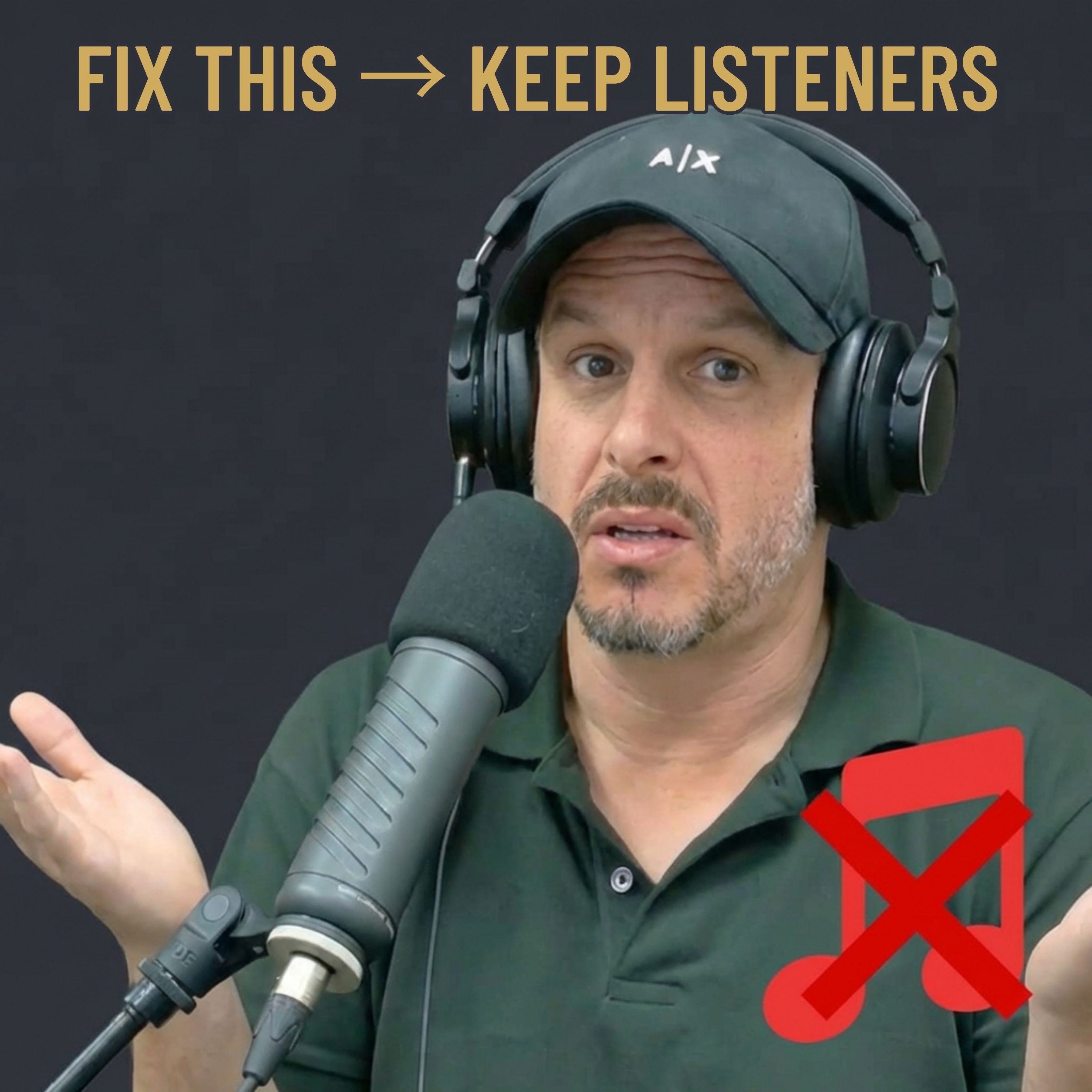
This B2B Podcasting Intro Problem's Costing You Expert Positioning
Mar 2600:17:21Tap to summarizeYour B2B podcast might be producing great content. But if listeners are bailing before you've said anything useful, the problem isn't your topic, your audio quality, or your production value.It's what happens in the first 10 seconds.I'm Neal Veglio, and in this episode of B2B Podcasting Insights, I'm making the case that intro music and generic cold opens are quietly driving away the very people you're trying to reach — your ideal prospects — before they've heard a single word of value from you.We look at why sonic branding made sense in radio (and why that logic completely falls apart in podcasting), what a B2B buyer is actually thinking in those first few seconds before they decide to stay or skip, and what the ingredients of a cold open that signals authority actually look like.There's also a Founder FAQ answering whether episode length is hurting completion rates (spoiler: it isn't — but something else is), and a practical quick tip for using specific podcast episodes to shorten the trust-building phase of your discovery calls.If your show still opens with 30 seconds of music and a "welcome back," this episode will tell you exactly what that's costing you — and how to fix it.Useful linksPodknows Websitehttps://podknows.co.ukFree Intro Guidehttps://podknows.co.uk/intro-guideB2B Podcast Growth Diagnostichttps://podknows.co.uk/diagnosticPodcast Auditshttps://podknows.co.uk/auditsTimestamped summary00:00 The sound of listeners leaving00:53 The 15-second test you should run right now01:54 What your intro music is actually signalling to new listeners03:17 The B2B buyer's mental state when they press play04:11 Why sonic branding is a radio hangover05:40 Active vs passive: why podcasting is not radio06:28 What the wrong version sounds like (live demo)07:10 What the right version sounds like (live demo)08:25 The three ingredients of a proper cold open10:38 The psychology of the first press of play11:34 Founder FAQ: Is my 40-minute episode too long?14:38 Quick tip: pre-sell prospects before your discovery call15:33 Final thoughts and where to go next
Transcribe →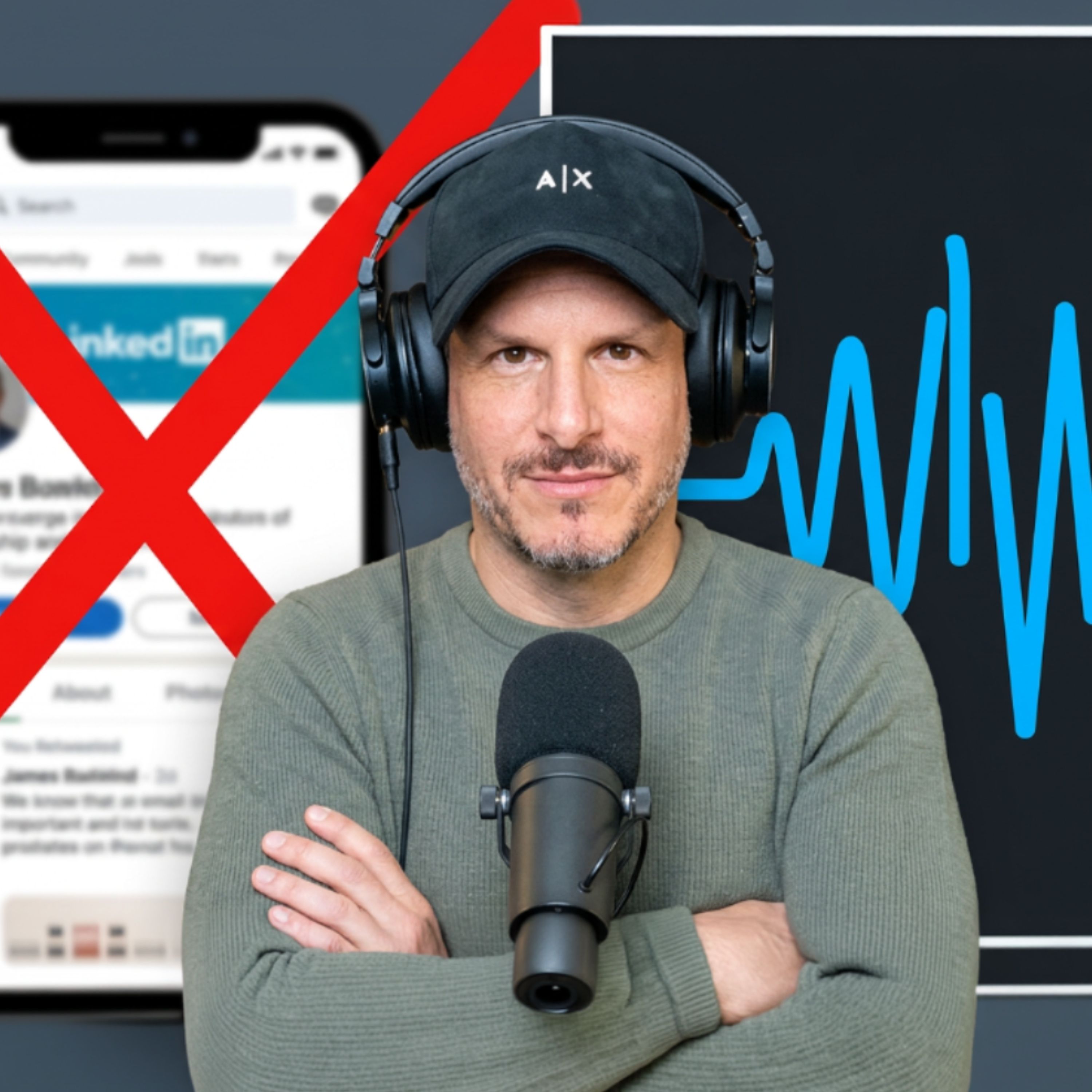
10,000 Followers? 100 Downloads! Why B2B Sales Podcasts Struggle!
Mar 1900:13:04Tap to summarizeIf you've built a decent following on LinkedIn and you're still wondering why your podcast isn't getting the downloads you expected, more posting almost certainly isn't the answer.Ten thousand followers sounds like a head start. In podcasting, it barely counts as a warm-up.I'm Neal Veglio, and in this episode of B2B Podcasting Insights, I'm breaking down why your social media audience and your podcast audience are almost entirely different groups of people — and why treating them as the same thing is one of the most expensive and time-consuming mistakes in B2B podcasting right now.We get into why the barrier to becoming part of someone's social following is so low it's practically meaningless, why platform algorithms are specifically designed to bury your podcast link before anyone clicks it, and why social media call-to-actions account for less than 1% of episode traffic. Yes, less than 1% — and yes, I have data to back that up.I also walk through where podcast audiences actually do come from, why YouTube isn't the magic cross-pollination fix some people are claiming, and a quick episode title test you can run right now to see whether your show is even findable inside the podcast apps.Plus, Rachel from a professional services firm sends in this week's Founder FAQ with a question about a host who's starting to run out of things to say eight months in — and the answer might reframe how you think about your whole show brief.Useful linksPodknows Website https://podknows.co.ukFree Guide — Five Areas Most Branded Podcasts Ignore:https://podknows.co.uk/free-guideB2B Podcast Growth Diagnostic https://podknows.co.uk/diagnosticPodcast Audits https://podknows.co.uk/audits
Transcribe →
Video Podcasting & B2B Sales Podcasts: Why Apple’s New Feature Matters
Feb 1700:09:14Tap to summarizeVideo podcasting is coming to Apple Podcasts. And not in an indirect way. They're adding it to the native ecosystem for the first time. Libsyn's been allowing passthru of video for years, but this new step means creators can upload full video versions of their show in Apple Podcasts and rely on it being a decent experience.I've been staunchly anti-video using YouTube, but this has changed my mind.Listen to this episode of B2B Podcasting Insights to find out why.Find out more about http://podknows.co.uk/
Transcribe →
When Tools Make Bad Audio Sound 'Good', Who Loses?
Feb 300:09:40Tap to summarizeA lot of people are excited about AI tools that promise instant, studio-quality podcast audio.Record on your phone. Click a button. Sound professional.But that story deserves a closer look.Hi, I'm Neal Veglio, founder of Podknows Podcasting and the Podmastery community.In this episode of Podcasting Insights, I unpack what happens when technology starts erasing the difference between effort and outcome — and ask what podcasting quietly loses when “good sound” becomes a default instead of a craft.This isn’t an anti-AI rant.And it’s not about gatekeeping beginners.It’s about incentives.Standards.And what we’re rewarding at scale.You’ll learn:• Why AI audio tools raise standards and lower effort at the same time• How one-click fixes create a podcasting “house sound”• The difference between accessibility and erasing craft• Why effort still matters, even when listeners can’t hear it• The question creators should be asking before relying on AI cleanupLinks:Waves Voice Regen:https://www.waves.com/voice-regenI’d love YOUR feedback:https://www.podmastery.co/surveyI’ve been doing this for 20+ years and run a successful podcast marketing agency.Want me to audit your podcast?https://podmastery.co/liteMentioned in this episode:A Podknows ProductionPodknows helps brands and creators to build their podcasts into virtual sales and marketing teams which get them results even when they're sleeping. Find out more at https://podknows.co.uk/
Transcribe →
Why Focus On Being 'Consistent' Is Killing Your B2B Podcast
Feb 200:11:55Tap to summarizeIf you’re putting real effort into your B2B podcast and still wondering why it isn’t really moving anything, consistency probably isn’t the problem you think it is.Publishing weekly feels responsible.It looks good internally.It gives teams something concrete to point at.But it rarely builds trust on its own.I’m Neal Veglio, and in this episode of B2B Podcasting Insights, I’m breaking down why “you must be consistent” has become one of the most over-valued ideas shared by self-styled podcasting experts in B2B podcasting, and what actually does the heavy lifting when it comes to credibility, trust, and commercial impact.We look at why two podcasts can publish on the same schedule and get completely different outcomes, why sounding “fine” is often a bigger problem than sounding wrong, and how podcasts quietly remove doubt long before a sales conversation ever happens.There’s also a simple test you can run on your own show to see whether it’s genuinely doing strategic work, or just adding to a growing back catalogue.Useful linksPodknows Websitehttps://podknows.co.ukB2B Podcast Growth Diagnostichttps://podknows.co.uk/diagnosticPodcast Auditshttps://podknows.co.uk/auditsTimestamped summary00:00 The consistency question CMOs keep asking01:08 Why listeners respond to patterns, not schedules03:11 Cadence vs the listener experience04:20 The three-episode trust test05:24 Why publishing more won’t fix vague thinking06:44 Listener message on reporting podcast value internally09:16 Founder FAQ: supportive vs safe podcasts11:11 Final thoughts and next steps
Transcribe →
Is Edison Research Correct? Is Video Podcasting Creating New Podcast LISTENERS?
Jan 3100:06:47Tap to summarizeA lot of people are saying video is the future of podcasting.That video is the gateway drug — the thing that creates new podcast listeners.But that story deserves a closer look.In this episode of Podcasting Insights, I question the growing narrative around video podcasting, discovery, and conversion — and ask whether we’re confusing reach with commitment, and visibility with attention.This isn’t about dismissing the data.It’s about questioning the story we’re telling around it.You’ll learn:• Why “discovery” is an incomplete metric• The difference between conversion and gravity• Why video often benefits from defaults, not desire• What podcasting’s real strength has always been• The question creators should be asking instead of “Should I do video?”Links:Podnews story on charting clips based podcast:https://podnews.net/update/complete-rankersEdison Research – The Evolving Ear:https://www.edisonresearch.com/how-new-consumers-are-shaping-podcastings-next-chapter-the-evolving-ear-webinar/I’d love YOUR feedback:https://www.podmastery.co/surveyI've been doing this 20+ years and run a successful podcast marketing agency. Want me to audit your podcast?https://podmastery.co/liteMentioned in this episode:A Podknows ProductionPodknows helps brands and creators to build their podcasts into virtual sales and marketing teams which get them results even when they're sleeping. Find out more at https://podknows.co.uk/
Transcribe →