Podcast
Politics Theory Other
Hosted by Politics Theory Other · EN
A podcast on radical politics, critical theory, and history. Hosted by Alex Doherty.
Patreon: https://www.patreon.com/poltheoryother
Contact: politicstheoryother@gmail.com
40episodes
Episodes
Newest firstAll episodes
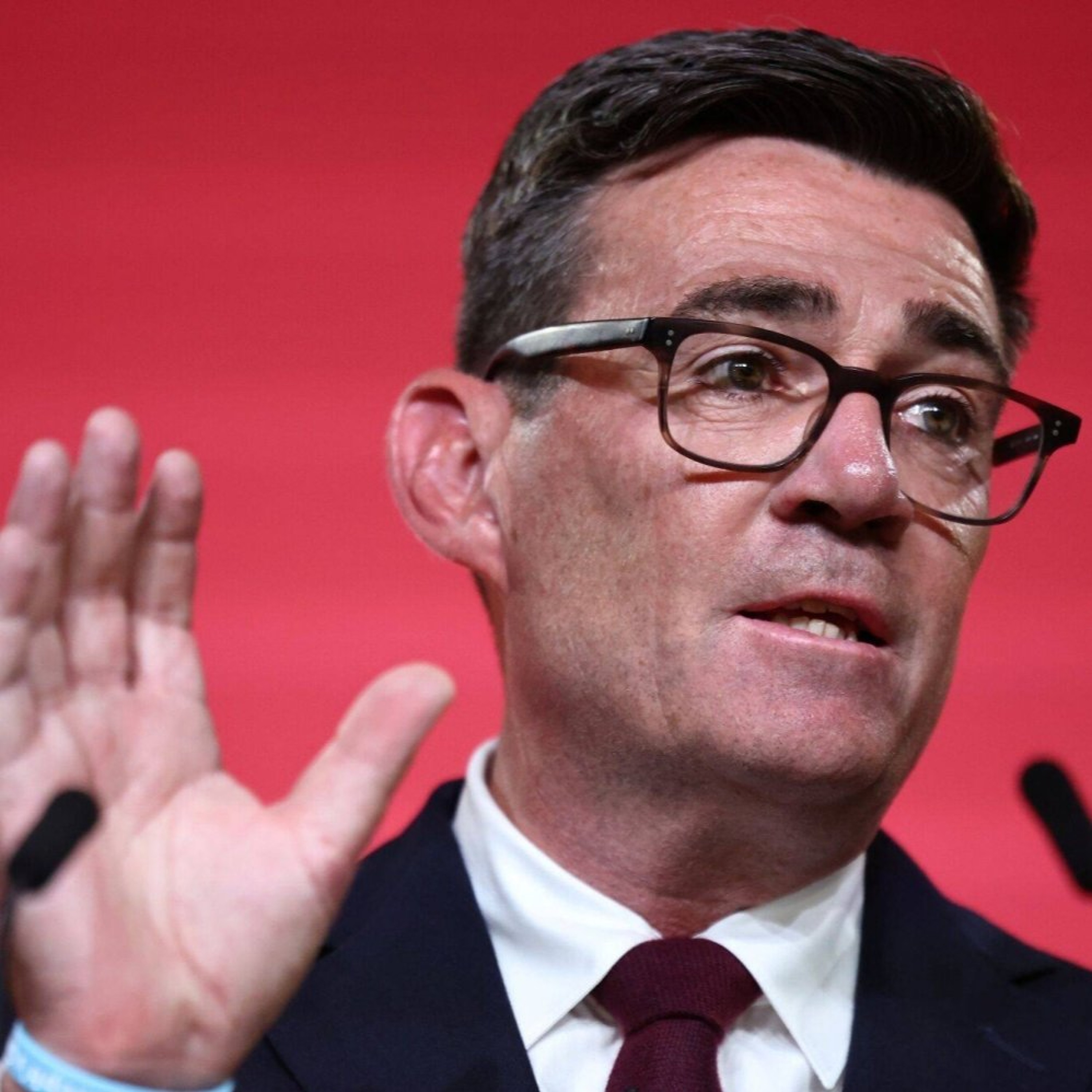
Excerpt - Has Burnham's project failed before it's started? w/ Richard Seymour
2w ago00:00:51Tap to summarizeRichard Seymour responds to listener questions on the politics of new UK Prime Minister Andy Burnham. If you'd like to hear the rest of this episode of PTO Extra! please consider becoming a £5 supporter on patreon: https://www.patreon.com/poltheoryother
Transcribe →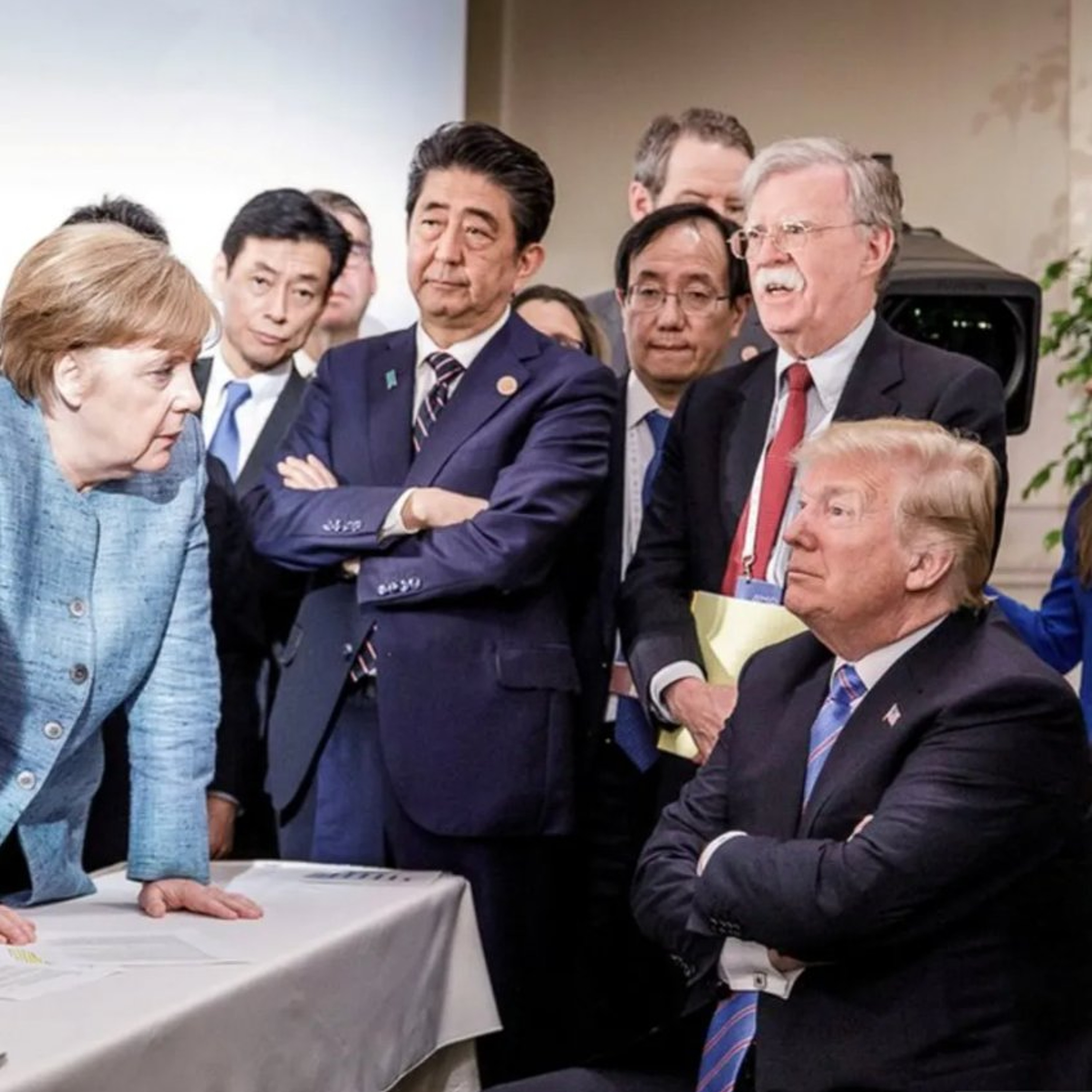
After Order? w/ Juliano Fiori
2w ago01:16:57Tap to summarizeFrom rising geopolitical tensions, to the worsening climate situation, and from the Gaza genocide to hot wars that threaten to spill into great power conflict, the world of the 2020s is one of concatenating crises. But is our moment an interregnum that will be followed by a new moment of relatively ordered hegemony? Juliano Fiori, director of the Alameda Institute, argues otherwise and makes the case that we have entered a post-order situation in which crisis is the new normal. In our conversation today, we talked about why Juliano believes the creation of a relatively stable new international order is unlikely and why China will probably not be able to assume a position of international leadership on the scale needed to create such an order. We also talked about Gramsci's concept of the Interregnum, and how disordering at the international level is mirrored and mutually constituted by the disordering of national polities and the world of work. And we also talked about the extent to which the pre-Donald Trump era really was a rules-based system given the extreme violence that the United States and its allies have been the authors of since WWII.
Transcribe →Excerpt - Daniel Trilling responds to listener questions
Jul 200:03:23Tap to summarizeIf you'd like to listen to the rest of this episode of PTO Extra! Please become a £5 patron of the show at patreon.com/poltheoryother
Transcribe →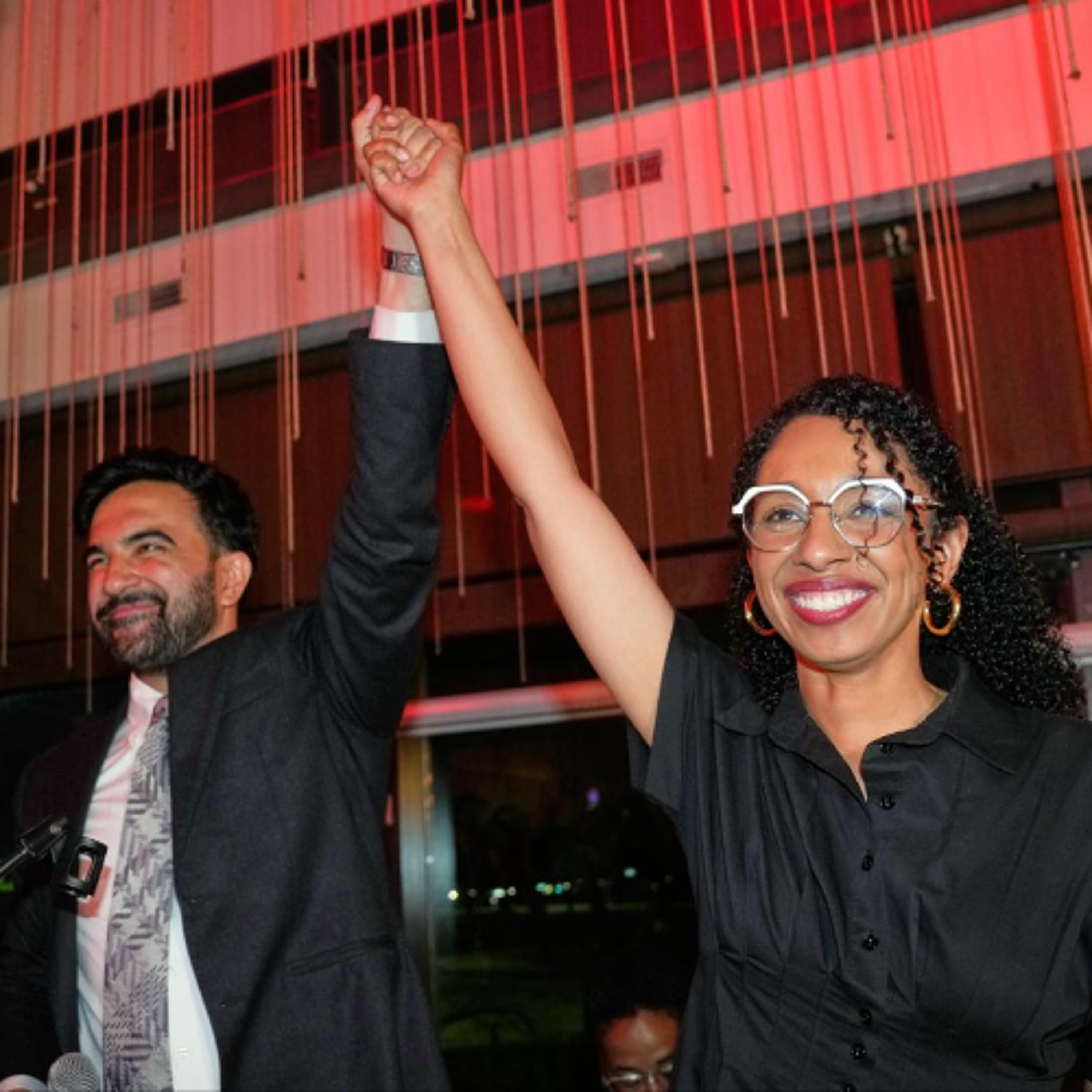
New York's rising socialist tide w/ Liza Featherstone
Jun 2700:38:08Tap to summarizeLiza Featherstone joins PTO to talk about the impressive primary victories for DSA-backed candidates in the New York primaries. We chatted about what the ramifications of the results are - both statewide but also nationally - and what the implications are for who will be the Democrats' candidate in the next presidential election. We also talked about the differences between the organising models of the DSA and the more moderate Working Families Party. And finally, we discussed the salience of Palestine and the Gaza genocide in how the various primary campaigns played out. Show notes: Liza's Jacobin piece on the elections: https://jacobin.com/2026/06/dsa-valdez-chevalier-mamdani-nyc The recent interview with Adrienne Buller on the politics of Heatwaves: https://www.patreon.com/poltheoryother/posts/heatwave-w-160906528
Transcribe →
Interregnum - Peace in the Gulf?
Jun 1600:44:42Tap to summarizeOn the peace deal between Iran and the United States, which is expected to see the strait of Hormuz opened in exchange for a lifting of the US naval blockade of Iran. We talked about how seriously to take the deal (given how vague it is and how much has been put off to future talks). We also talked about the historic significance of Iran linking the peace deal to a cessation of Israeli violence in Lebanon. And finally we discussed where the conflict leaves the broader region and what the consequences of the war will be for nuclear proliferation.
Transcribe →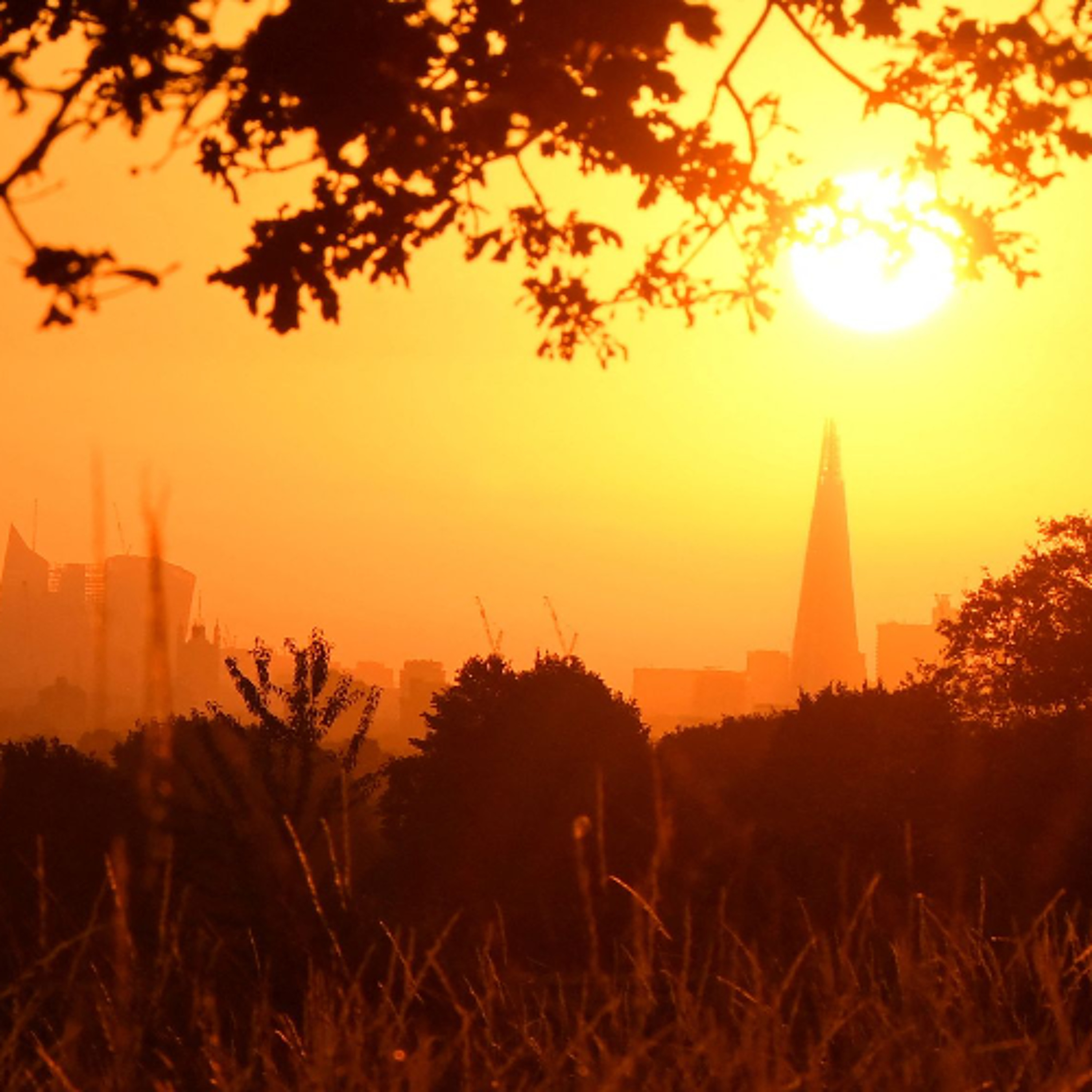
Heatwave politics w/ Adrienne Buller
Jun 1300:56:18Tap to summarizeLast month the UK was hit by a record-breaking heatwave, part of a wider climate event that affected much of Europe, whilst a subsequent and more severe heatwave hit South Asia. To talk through the politics of heatwaves, I was joined by Adrienne Buller, editor of The Breakdown. We talked the differential impacts of heatwaves, and why it is that focus on climate in the media has declined at the same time as the global climate situation has never been more severe. We also talked about climate adaptation - in both more and less benign guises - and finally we talked about the prospect of geoengineering and how close we might be to corporate and state actors deploying technologies such as Stratospheric Aerosol Injection that aim to reduce inbound solar radiation. Notes: Adrienne's article in The Breakdown: https://www.break-down.org/reflections-on-a-heatwave-2/ Sofia Menemenlis' PTO interview: https://www.patreon.com/poltheoryother/posts/sunlight-w-sofia-142819236
Transcribe →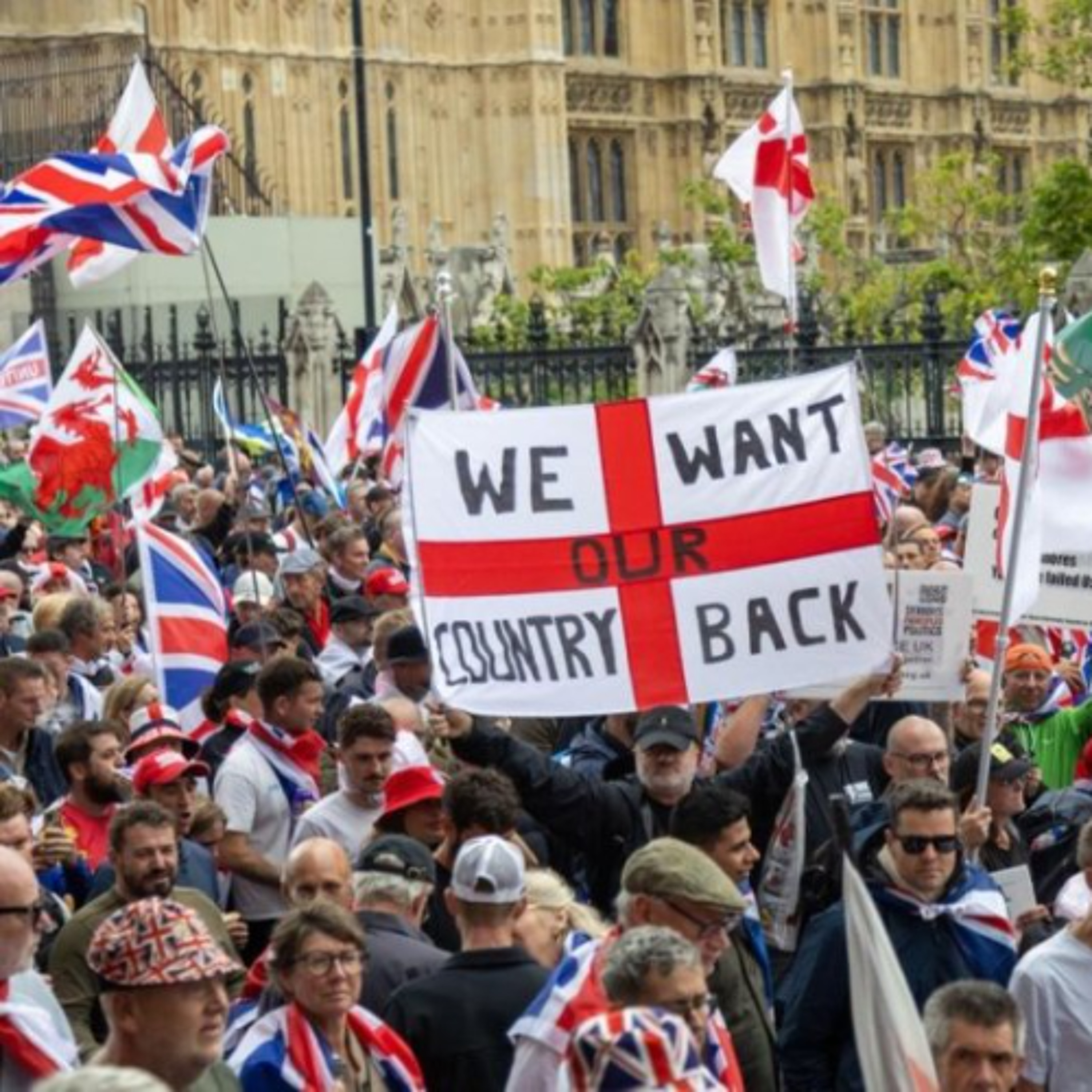
The rise of the UK far-right w/ Daniel Trilling
Jun 401:14:17Tap to summarizeFor decades in much of Europe far-right opinion has had electoral expression in political parties that can command millions of votes, but until relatively recently in Britain anti-migrant and racist views - though prevalent - did not result in electoral vehicles with truly mass support. This all changed with the rise first of UKIP - and then its successors the Brexit Party and Reform - who can now command a degree of popular support that earlier far-right political formations could not. Britain has also seen a major increase in far-right protest and violence with 2025 seeing the biggest far-right rally in Britain's history after a summer of flag waving protests that was preceded by violent attacks on mosques and hotels housing asylum seekers. To talk about how we got here - to a situation where the most plausible outcome at the next general election is a Reform-led government PTO is joined by Daniel Trilling, who has spent more than fifteen years researching and writing about the far-right in Britain.
Transcribe →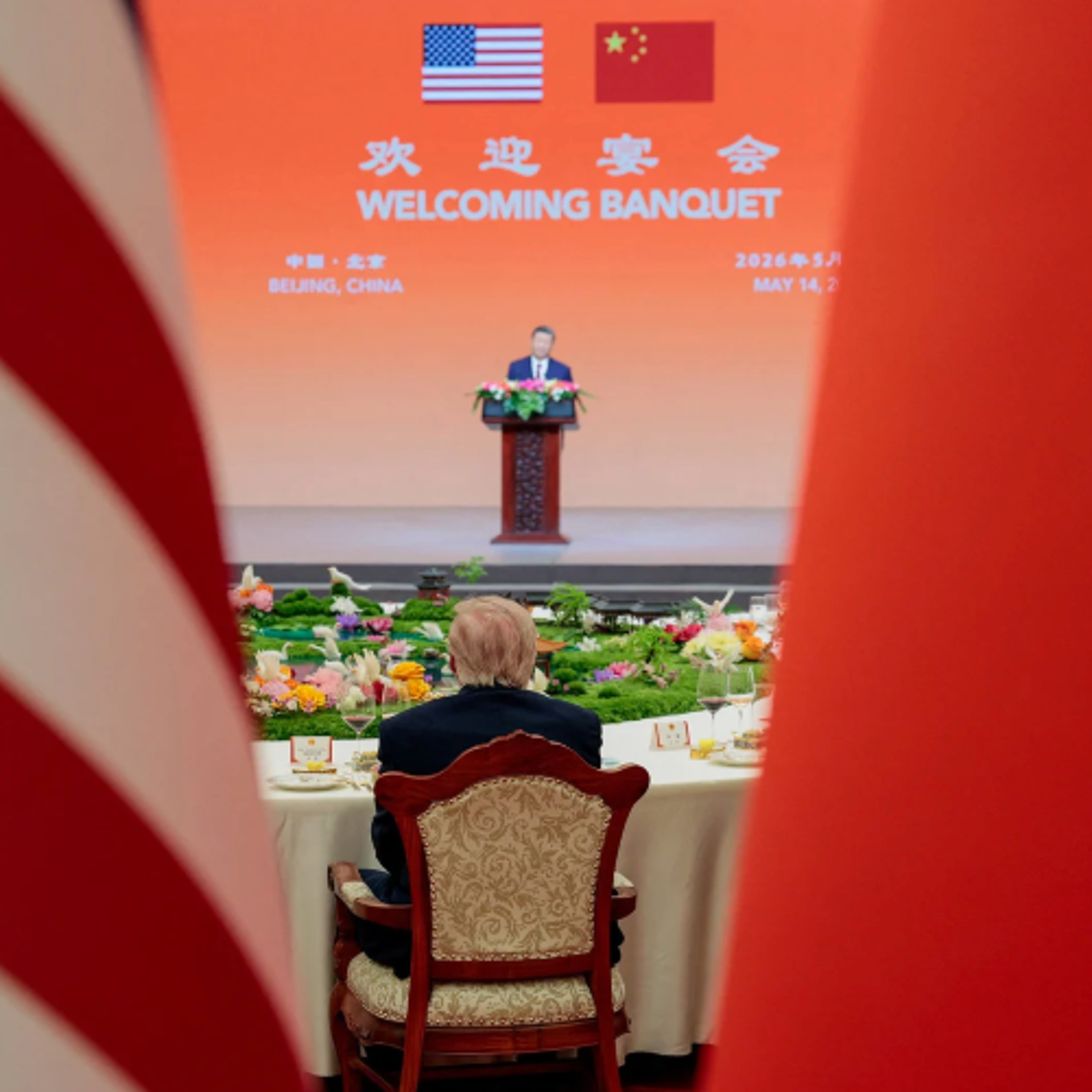
China and the US - a durable thaw? w/ Tobita Chow and Jake Werner
May 1800:54:42Tap to summarizeChina experts Tobita Chow and Jake Werner join PTO to talk about the recently concluded summit in Beijing between the United States and the People's Republic of China. We chatted about whether or not the relative thaw in relations (and the continuation of the tariff truce) is durable. We went on to talk about China's approach to Taiwan, and how realistic or otherwise the idea of a Chinese blockade or military assault on the island really are. And Jake and Toby explained what they see as potential crises on the horizon that might worsen relations between the two most powerful states in the global system.
Transcribe →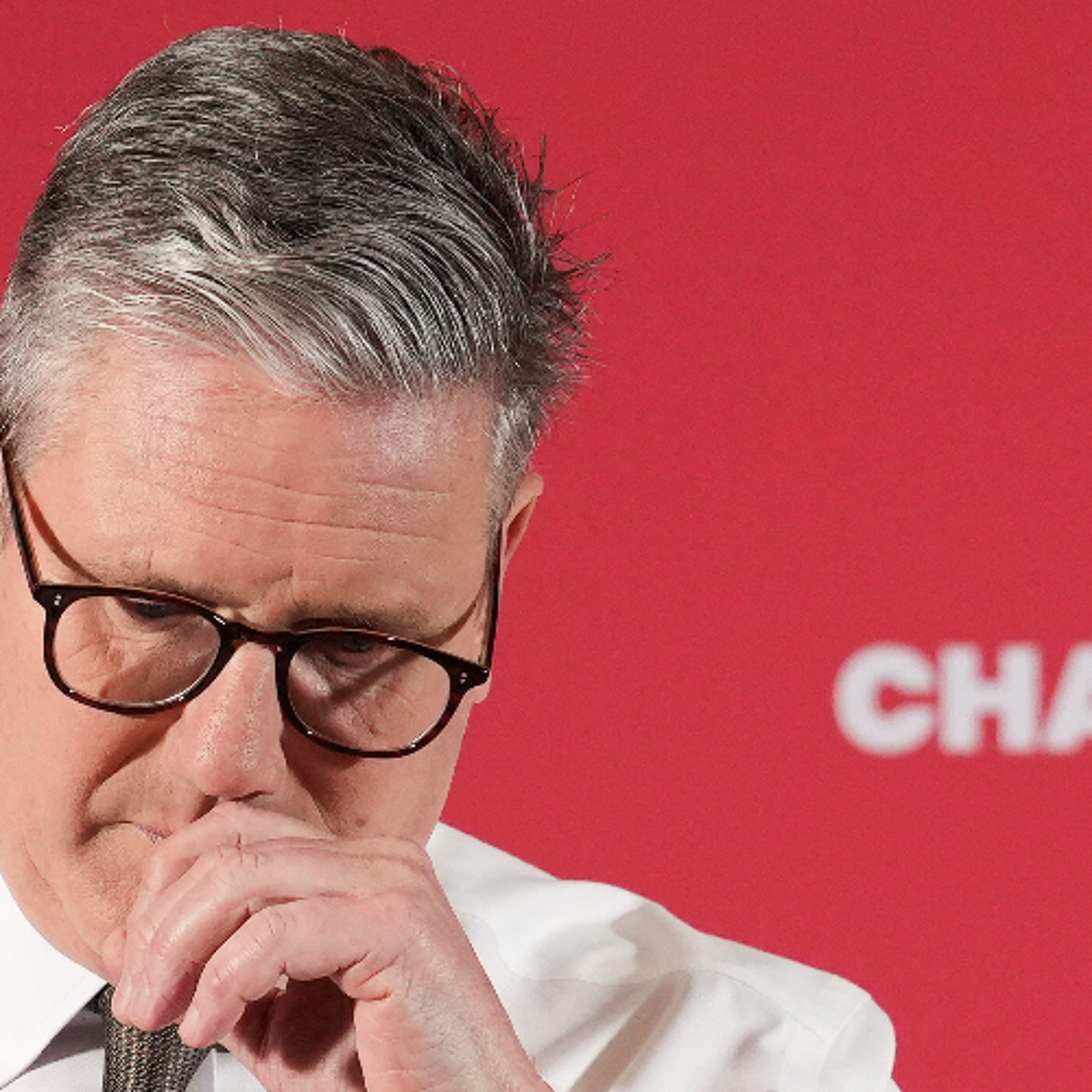
Labour's election disaster w/ Phil Burton-Cartledge
May 1000:42:51Tap to summarizePhil Burton-Cartledge joins PTO to talk about the recent local elections in England and the parliamentary elections in Wales and Scotland in which the Labour Party suffered an historic defeat. We talked about what the results mean for Starmer's leadership and for the long-term trajectory of the party. We also chatted about the Greens and what can be done to respond to media smears against Zack Polanski and the Green Party more broadly. Finally, we talked about the remarkable results in Wales and Scotland where both the Welsh Senedd and the Scottish parliament will now be led by nationalist parties.
Transcribe →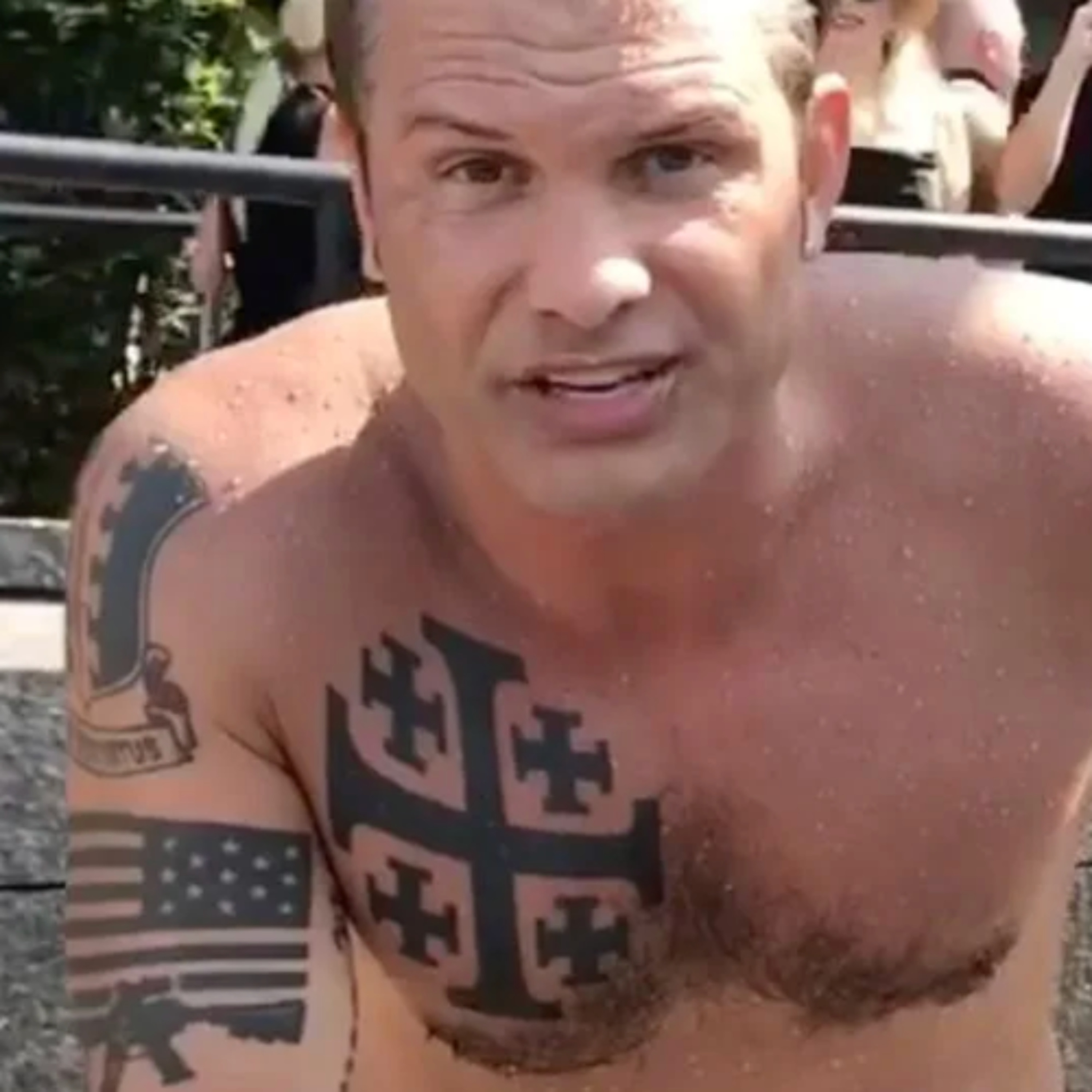
American Crusade w/ Eleanor Janega
Apr 2801:06:52Tap to summarizeEleanor Janega joins PTO to talk about the Christian right and the role of Christian Zionist ideology in the minds of key figures in the Trump administration and the decision to launch the US-Israeli war on Iran. We chatted about why the religious beliefs of US policy makers are often under-discussed, whether it's conceivable that Donald Trump is undergoing some sort of religious turn under the influence of the various religious fanatics around him, and we talked about the different religious strains of Christian right-thinking that exist within the administration - from Calvinists to Catholic Integralists. And we also talked about Christian Zionism and how attitudes towards Israel, and the role designated to Jewish in the apocalyptic scenarios of the Christian right, has changed over time. And finally we touched the extraordinary spat between the administration and the Vatican and Pope Leo. Notes: Issue three of The Breakdown: https://www.break-down.org/tag/issue-03/ Launch event and party: https://luma.com/3r5t0jyf?tk=jXzIbb
Transcribe →