Podcast
Politics Weekly America
Hosted by The Guardian · EN
Every Friday, Guardian columnist and former Washington correspondent, Jonathan Freedland, invites experts to help analyse the latest in American politics. From politicians to journalists covering the White House and beyond, Jonathan and his guests give listeners behind the scenes access to how the American political machine works. With a global network of over 900 journalists and five dedicated editions covering news in the US, UK, Australia, Europe, and beyond, the Guardian offers comprehensive reporting across every continent.
44episodes
Episodes
Newest firstAll episodes
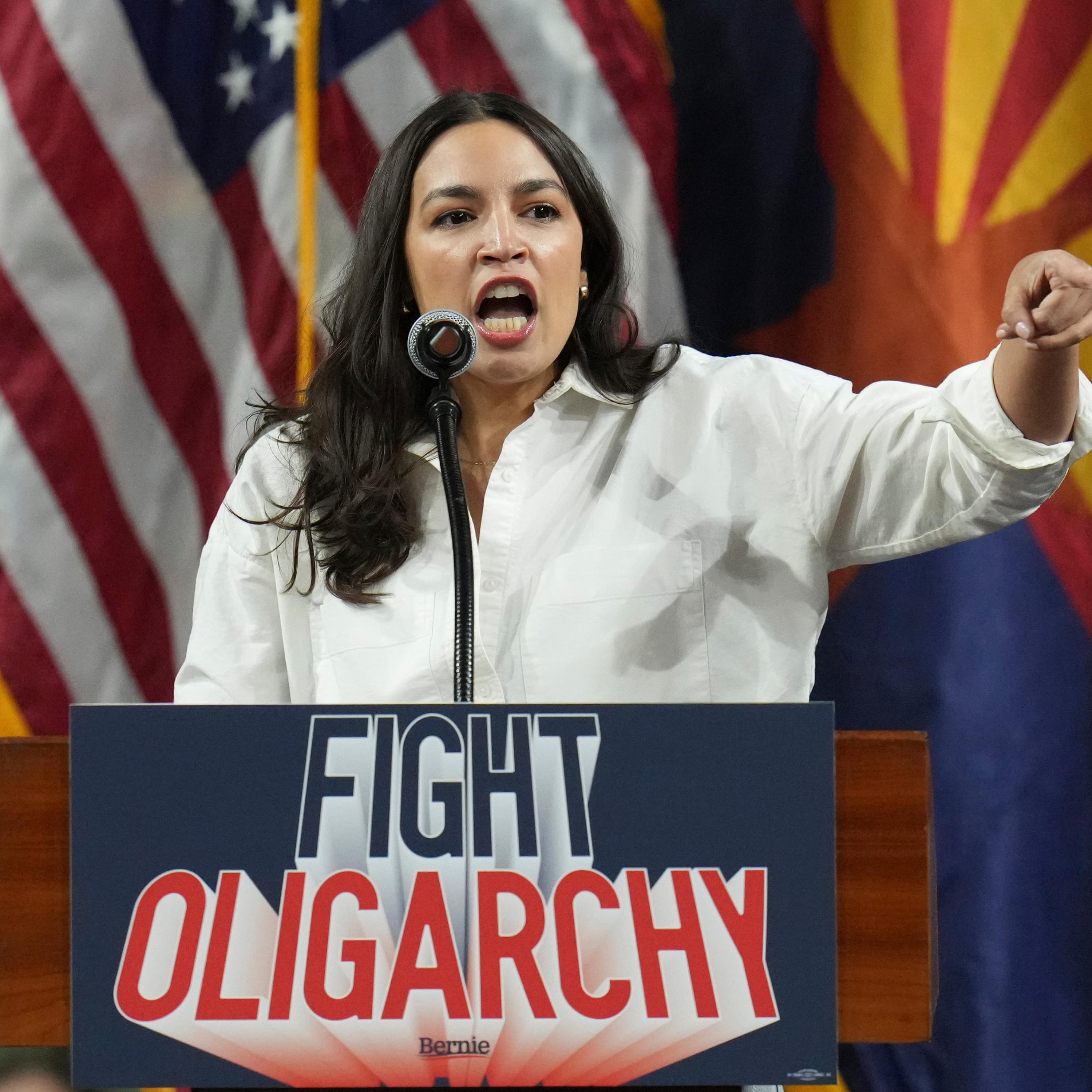
AOC 2028: could she be the first female US president?
2w ago00:27:47Tap to summarizeLeftwing Democrats are having their moment in the sun, with Zohran Mamdani in New York, Abdul El-Sayed in Michigan and endless calls for Alexandria Ocasio-Cortez to run for president in 2028. Has Democratic socialism shifted from the political fringe to the mainstream? And can this group lure back the all-important swing voters? Jonathan Freedland speaks to Bhaskar Sunkara, president of the Nation magazine, founding editor of Jacobin and author of The Socialist Manifesto: The Case for Radical Politics in an Era of Extreme Inequalities
Transcribe →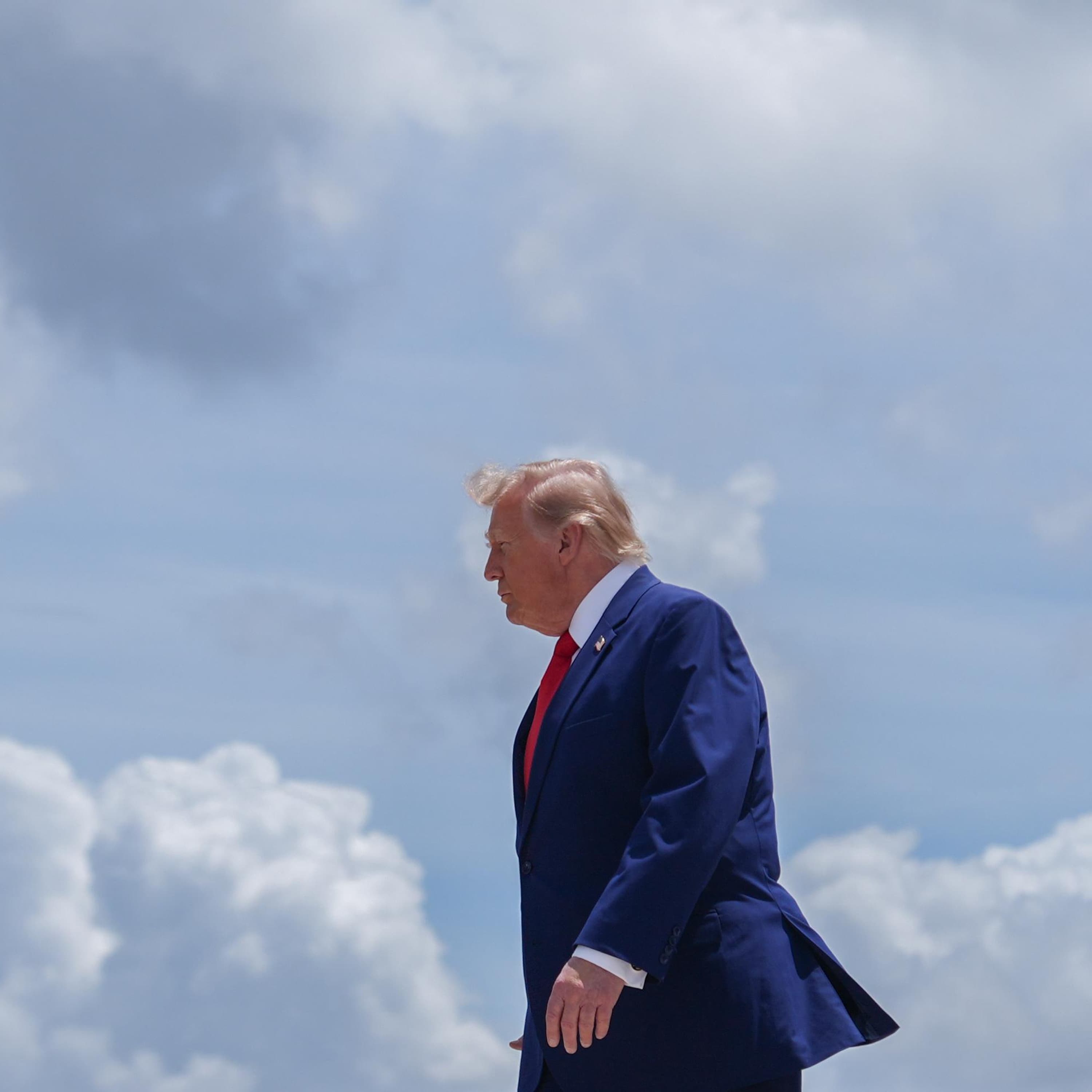
Why did Trump just gift Saudi Arabia a nuclear win?
3w ago00:24:58Tap to summarizeDonald Trump has announced a landmark nuclear deal with Saudi Arabia while pressing ahead with efforts to stop Tehran from developing a nuclear weapon. What’s driving Trump’s new agreement with Riyadh? And how is it likely to be received at home and across the Gulf? Jonathan Freedland speaks to Robert Jimison, who covers Congress for the New York Times with a focus on defence and foreign policy, about what the agreement contains, why it matters and the political challenges it could face.
Transcribe →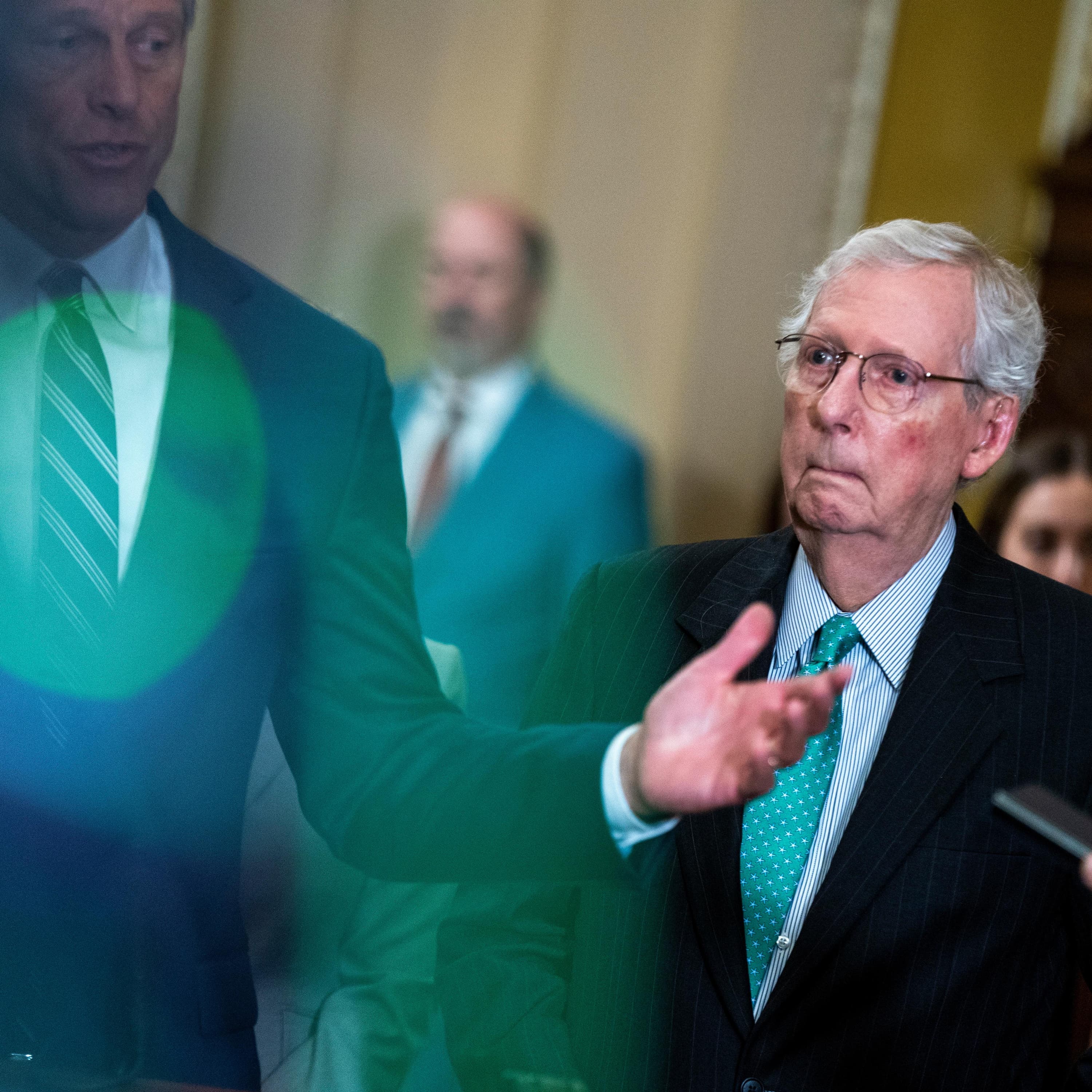
Are American politicians getting too old?
4w ago00:25:15Tap to summarizeThe debate about how old is too old to serve in public office has resurfaced this week after the shock death of the Republican Lindsey Graham and the surprise return of Mitch McConnell, the 84-year-old senator who published a photo of himself in hospital after a long absence from the spotlight. With rumours continuing to swirl around Donald Trump’s health, why is it that US politicians seem to cling on to power for so long? Jonathan Freedland speaks to Alexis Coe, a presidential historian and columnist for the New York Times Book Review, about whether the US is becoming a gerontocracy
Transcribe →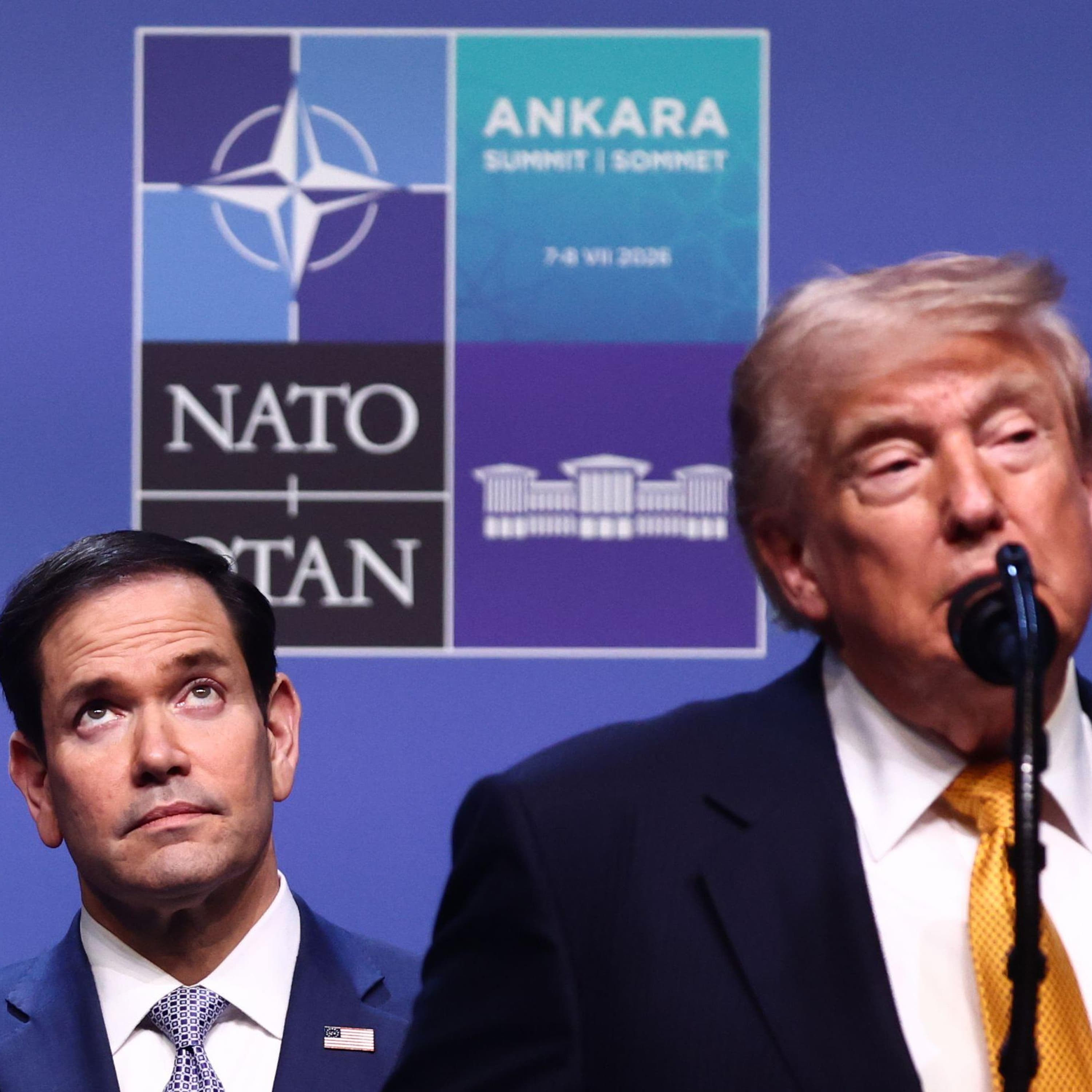
Trump restarts war with Iran and plays nice(ish) with Nato
Jul 1000:26:10Tap to summarizeAfter the US launched strikes on Iran this week, Donald Trump said the fragile ceasefire he had co-signed just last month was over. He also reignited his threats to take Greenland, before leaving the Nato summit in Ankara, saying there was a lot of ‘love’ and ‘unity’ in the room. So how does anyone make progress with a leader choosing to relive a diplomatic Groundhog Day? Jonathan Freedland speaks to Susan Glasser of the New Yorker
Transcribe →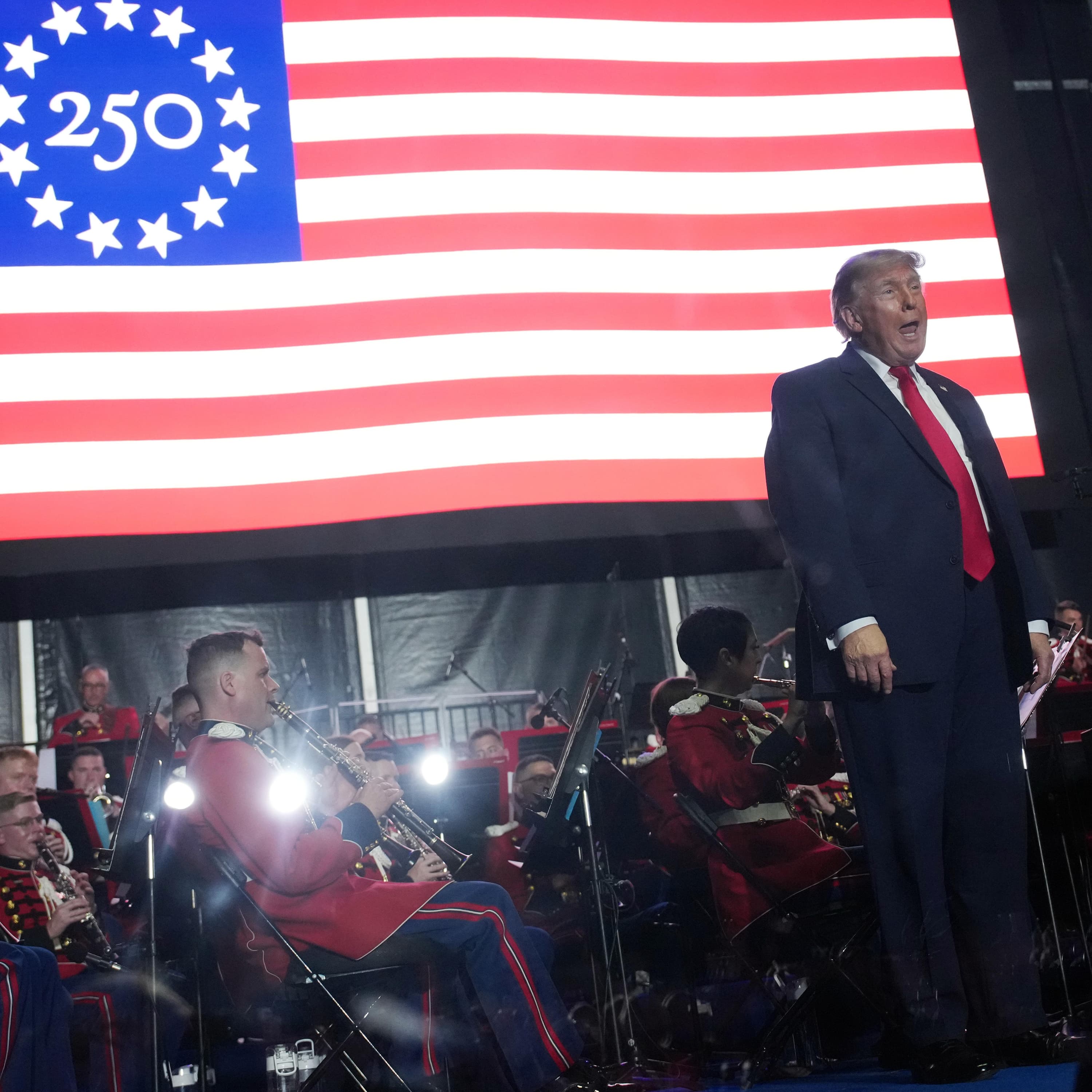
Trump hijacks America at 250 celebrations
Jul 300:32:10Tap to summarizeThis weekend marks 250 years since the signing of the declaration of independence, but Donald Trump is making the celebration all about himself. As the anniversary approaches, Jonathan Freedland talks to the Atlantic’s Yoni Appelbaum about why so many Americans are feeling less patriotic these days
Transcribe →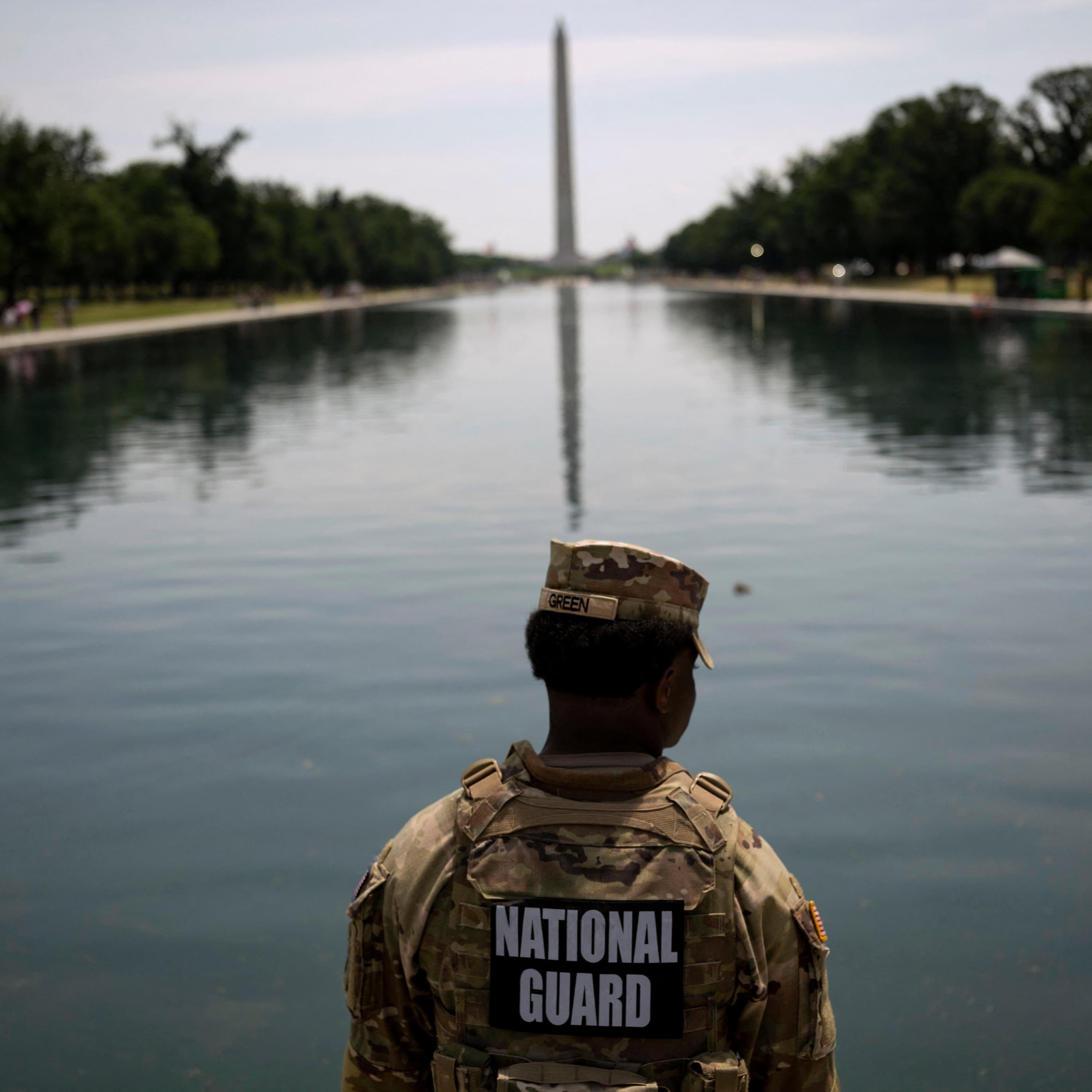
Trump forced to drain the reflecting pool swamp
Jun 2600:24:39Tap to summarizeThe Lincoln Memorial reflecting pool in Washington DC will have to be drained again. Donald Trump has blamed vandalism for the failure to keep the water “American flag blue”. But what if this small body of water is proof that the president can’t outrun the truth? Jonathan Freedland speaks to Arwa Mahdawi about why this project, which has cost the taxpayer millions, is proving to be such an embarrassing failure for a man obsessed with image
Transcribe →
Tired of Iran, Trump refocuses on Ukraine
Jun 1900:22:22Tap to summarizeDonald Trump has signed a 14-point agreement with Iran, trying to bring an end to a war he helped start. Satisfied his work is done in the Middle East, Trump now wants to move onto peace in Ukraine. But is it that easy? Jenna Amatulli speaks to the Guardian’s Andrew Roth about the chances this peace deal will succeed, and why Trump is turning his attention back to Ukraine
Transcribe →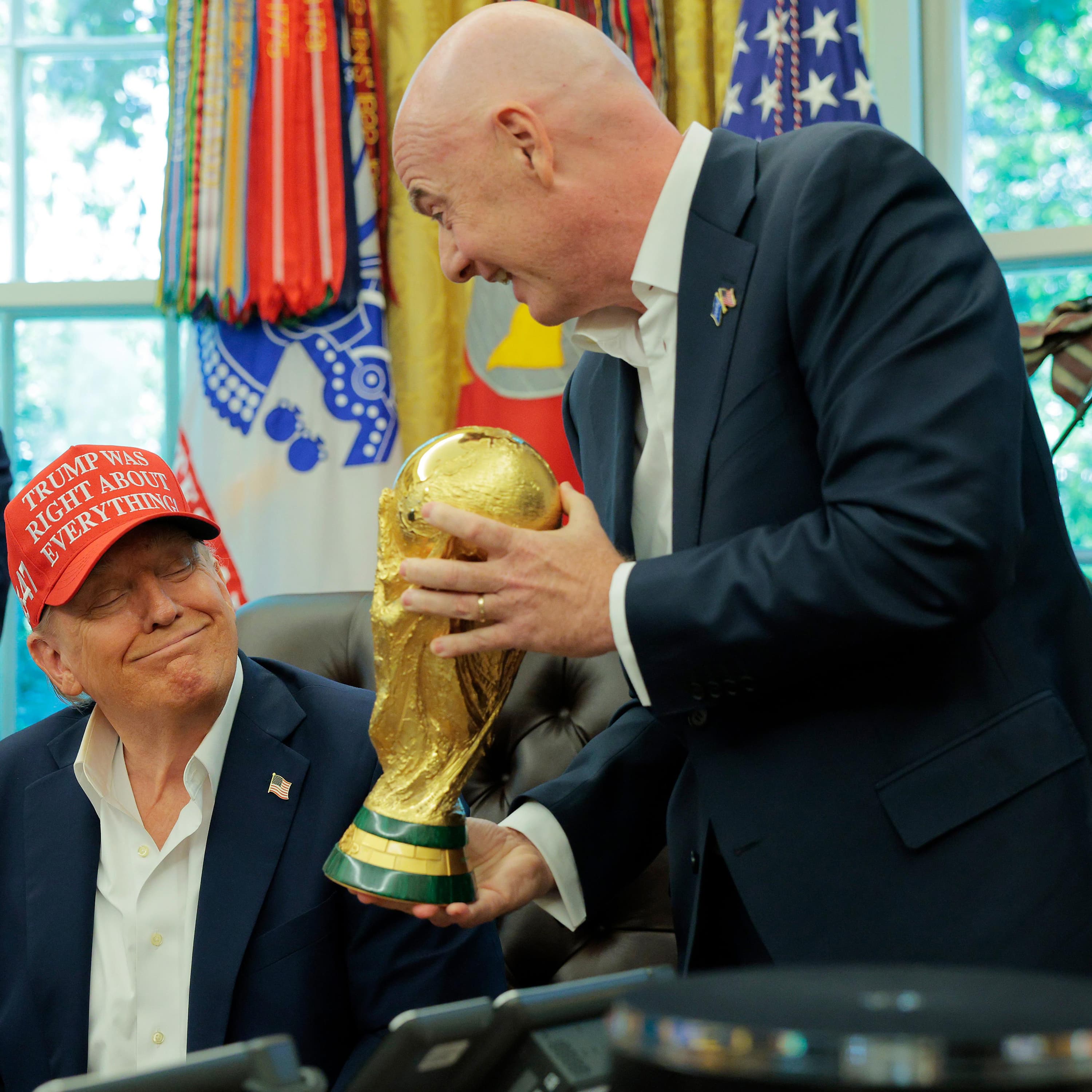
Is Trump about to ruin the World Cup?
Jun 1100:22:09Tap to summarizeDonald Trump is using some of the world’s most popular sporting events as his own personal stage. This week, Jenna Amatulli speaks to investigative reporter Karim Zidan about whether the US president’s influence on football, UFC and basketball is a help or a hindrance • This podcast was edited on 11 June 2026 because an earlier version incorrectly suggested that the search tactics of the Senegalese and Uzbekistan football teams at US airports were discriminatory
Transcribe →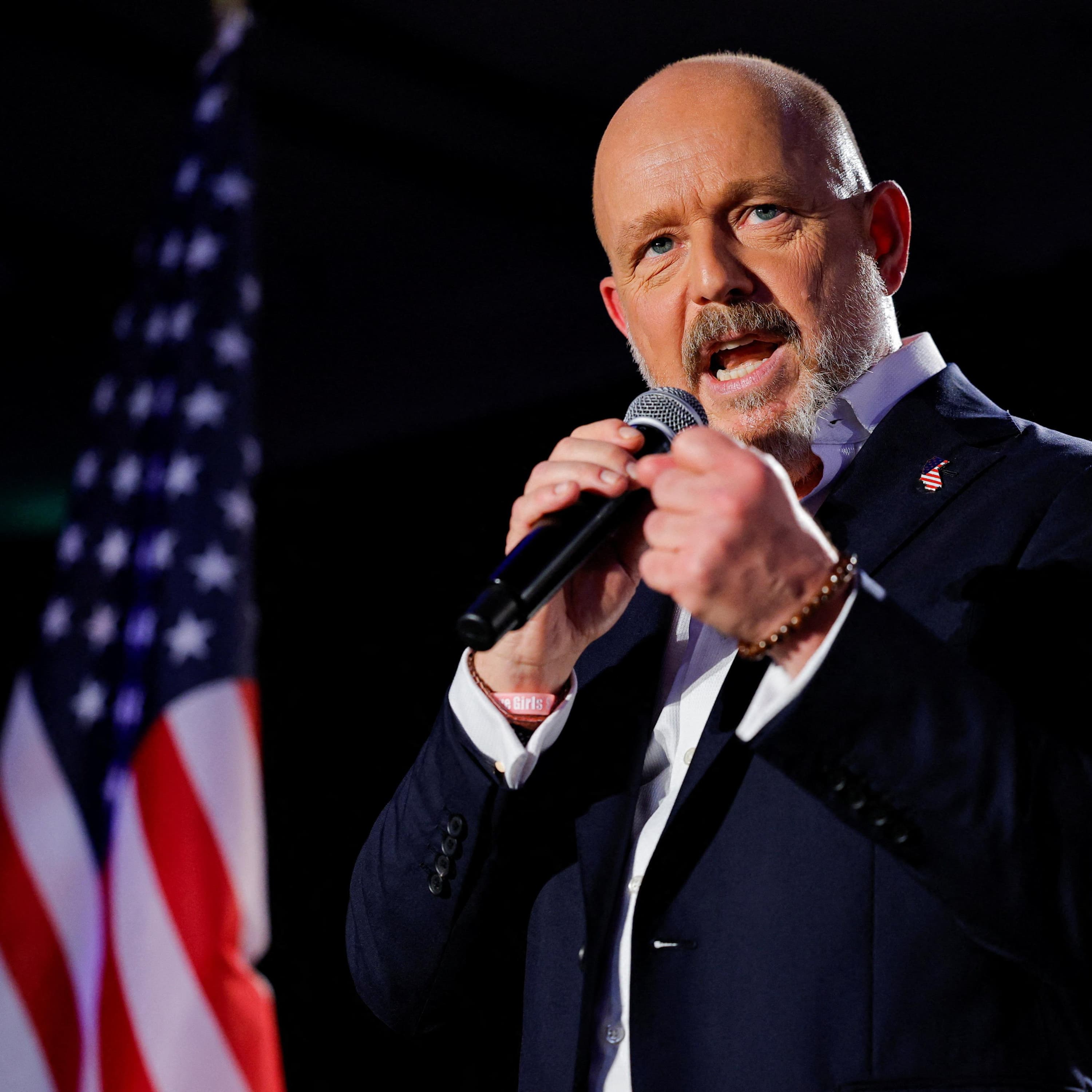
A Brit, a billionaire, and Spencer Pratt: California’s primary upsets
Jun 500:25:49Tap to summarizeIn what has become one of the most chaotic primaries in recent history, elections in California are delivering some upsets. Elsewhere, establishment Democrats performed well and a Trump pick failed to make the cut. This week, Jonathan Freedland speaks to the Guardian’s Sam Levin about the big takeaways from the single busiest primary day of the year so far
Transcribe →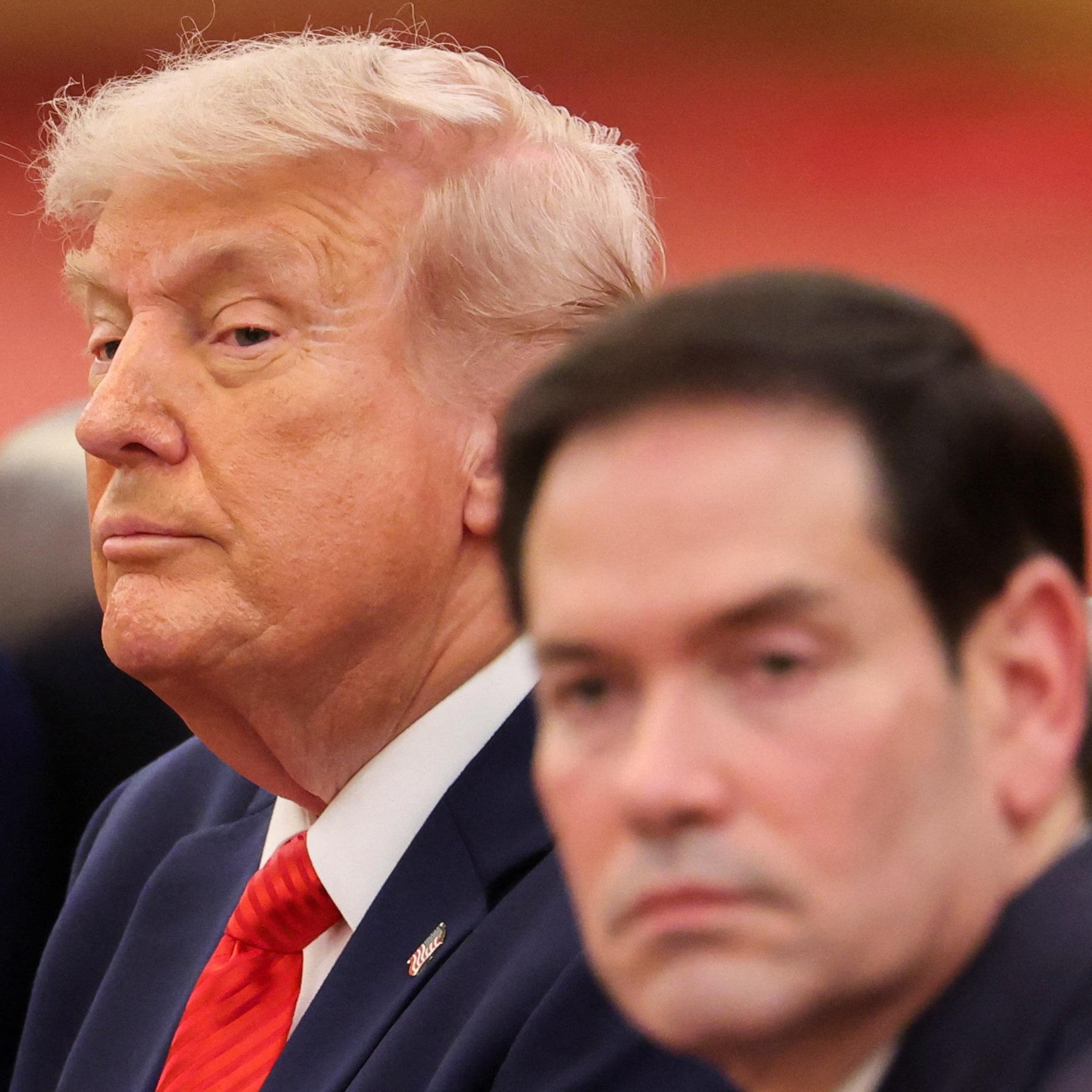
Trump: the boy who cried ‘peace’ in the Middle East
May 2900:21:36Tap to summarizeOn Saturday, Donald Trump said talks with Tehran were going well and an agreement to end the war was ‘largely negotiated’. On Sunday, the US launched strikes on Southern Iran. By Thursday, Donald Trump had circulated a draft peace agreement for the war with Iran among allies. This week, as the US-Iran deal remains in a precarious state, Jonathan Freedland speaks to Ali Vaez of the International Crisis Group about why Trump keeps changing his mind on what to do to end the war
Transcribe →