Podcast
Pondering AI
Hosted by Kimberly Nevala, Strategic Advisor - SAS · EN
How is the use of artificial intelligence (AI) shaping our human experience?
Kimberly Nevala ponders the reality of AI with a diverse group of innovators, advocates and data scientists. Ethics and uncertainty. Automation and art. Work, politics and culture. In real life and online. Contemplate AI’s impact, for better and worse.
All presentations represent the opinions of the presenter and do not represent the position or the opinion of SAS.
21episodes
Episodes
Newest firstAll episodes
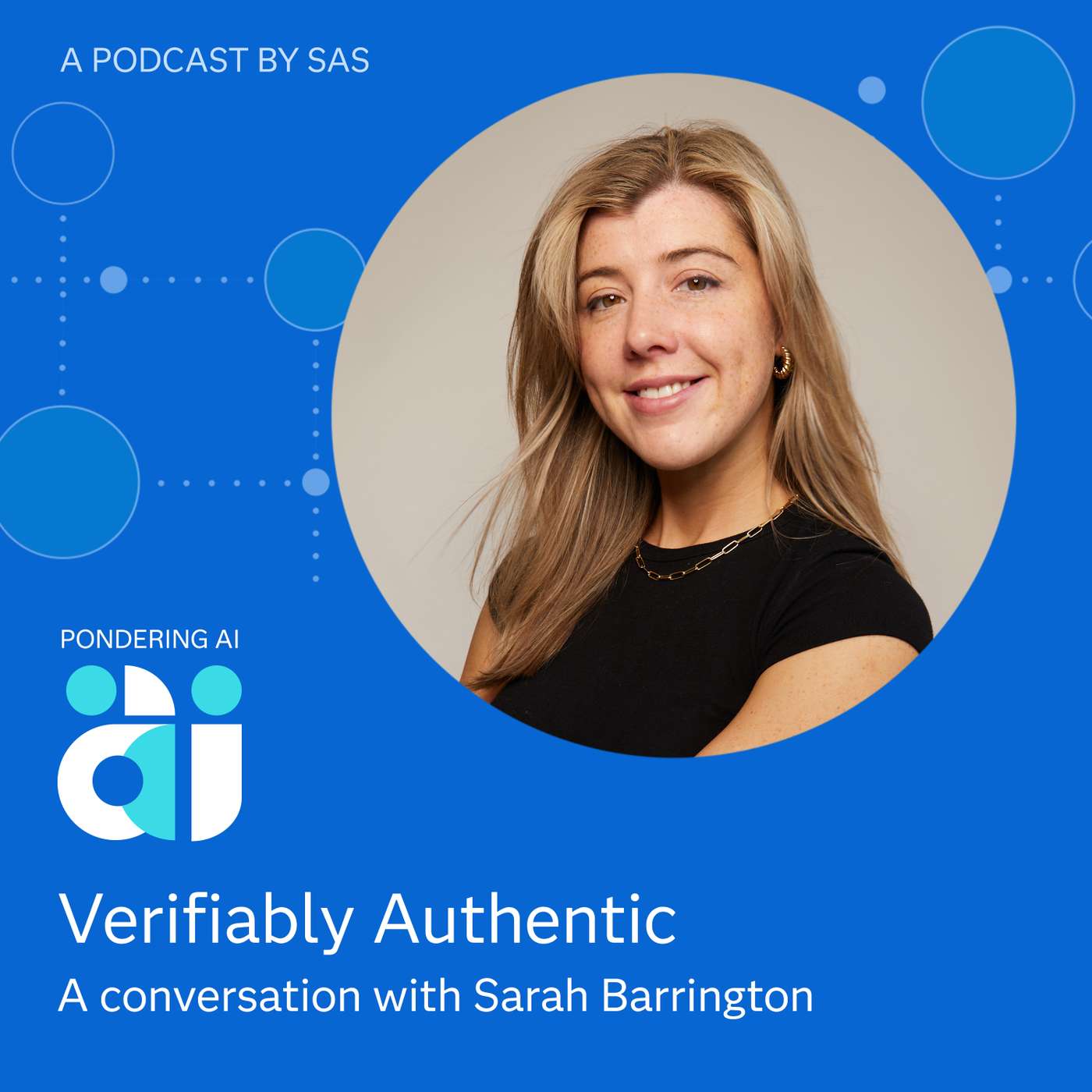
Verifiably Authentic with Sarah Barrington
1w ago00:48:53Tap to summarizeSarah Barrington shifts from simply asking “real or fake?” to deeply considering the ways AI and synthetic media influence our notions of culture, identity and trust. Kimberly and Sarah discuss her road from the fast track of F1 to the frontlines of AI; the genesis of photography; supercharging existing harms with GenAI; the unsavory roots of synthetic media; microtargeting and information warfare; the liar’s dividend; content detection and digital identity; the agentic AI challenge; culture, identity and relevance; Mythos, AI access and proliferation; anti-regulatory narratives; the nuclear analogy; equipping policy makers and the public; questioning everything; and true AI enablement. Sarah Barrington is an AI researcher and PhD Candidate at UC Berkeley where she is part of Professor Hany Farid’s digital forensics lab. She also holds multiple cybersecurity positions. A specialist in generative AI & deepfake analysis, Sarah’s work has been cited at the Nobel Prize Summit, on NPR, by the UN and in numerous publications. Related Resources: David Attenborough and the Voice That Revealed a Planet (article) Sarah’s Research and Publications (website) The DeepSpeak Dataset Get Real Security Labs A transcript of this episode is here.
Transcribe →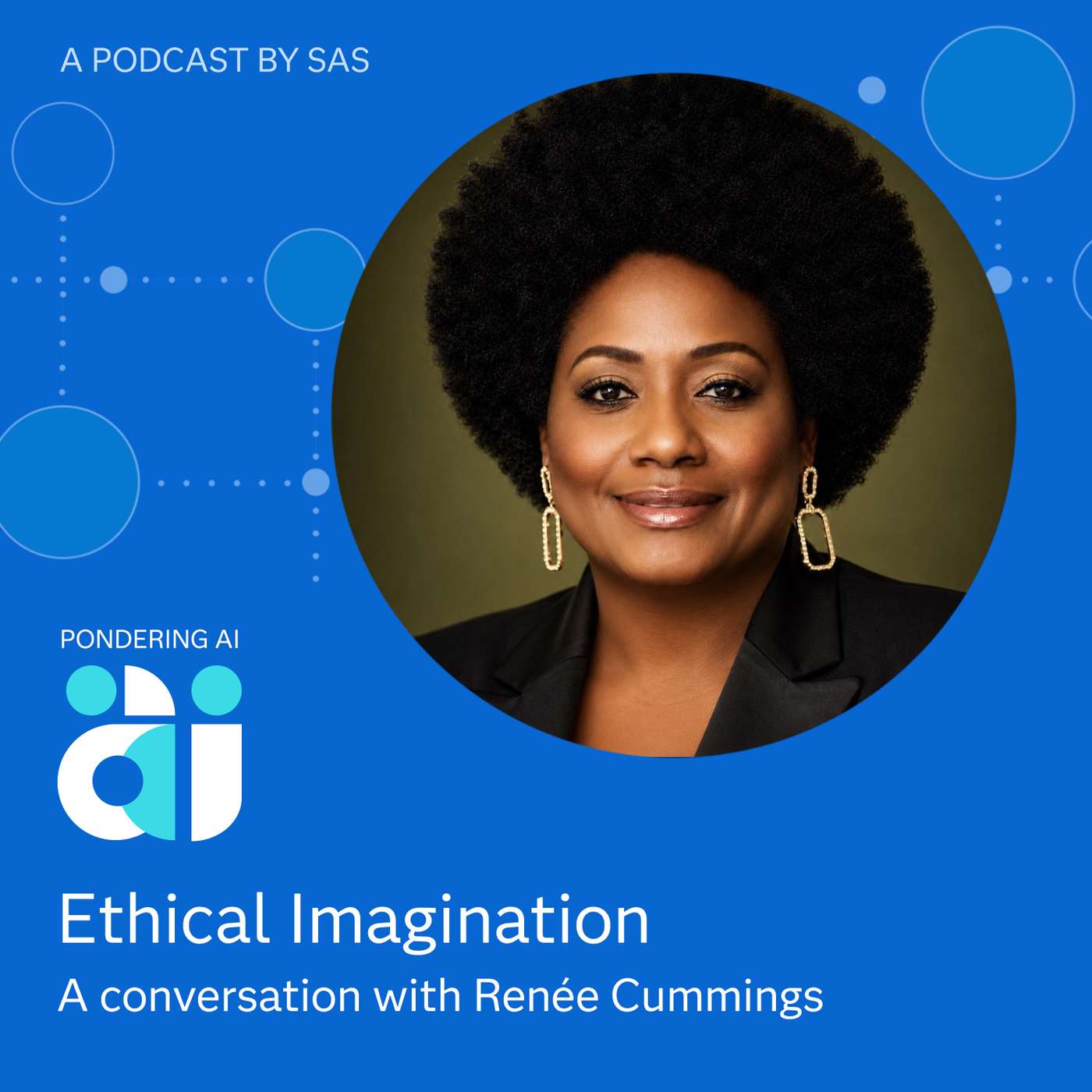
Ethical Imagination with Renée Cummings
3w ago00:51:39Tap to summarizeRenée Cummings channels the spirit of due process while envisioning a radically imaginative world in which the benefits of ethical AI innovation are available to all. Kimberly and Renée discuss her radical optimism; finding joy in justice; AI’s criminal misadventures; bringing an ethical imagination to AI; creative innovation; our responsibility to the future; AI as a public health challenge; the social contract and duty of care; how governance, data, and trust intertwine; due process as core to intelligence; child protection and the AWARE (algorithmic awareness and responsible engagement) campaign; giving love a break; and why responsibility requires honesty. Renée Cummings is a Professor of Practice at the University of Virginia School of Data Science as well as a Nonresident Senior Fellow and Co-Director of the AI Equity Lab at the Brookings Institution. Renee also serves as the Co-Chair of the Global Academic Network at the Centre for AI and Digital Policy (CAIDP). Related Resources: Michigan Technology Journal: An Invitation to Partner (article) The A.W.A.R.E Initiative (Press Kit) Who is Raising Your Child? (A.W.A.R.E Initiative publication) A transcript of this episode is here.
Transcribe →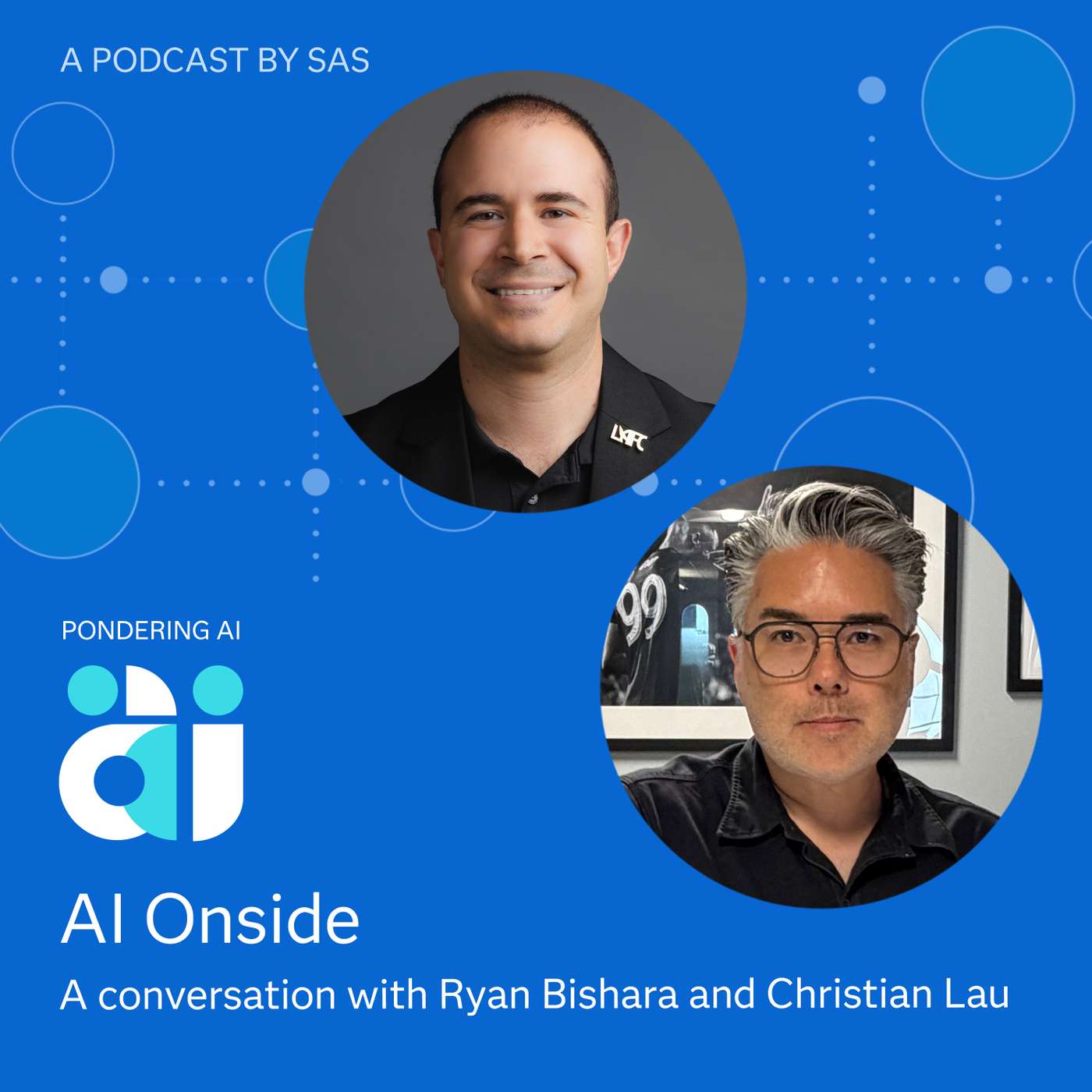
AI Onside with Ryan Bishara and Christian Lau
Jul 800:48:16Tap to summarizeRyan Bishara and Christian Lau team up on an AI and data playbook that delivers an engaging, penalty free experience for LAFC employees and fans on and off the pitch. Ryan, Christian and Kimberly discuss LAFC’s innovative ethos; building an analytics and data program from the pitch up; LAFC’s AI plays; making mistakes and continuous learning; keeping AI onside with responsive governance; prioritizing joy and the human experience; if convenience and privacy can co-exist; staying accessible and engaging fans; and how analytics/AI continue to play out in a rapidly evolving ecosystem. Ryan Bishara and Christian Lau serve as the EVP of Revenue & Strategy and Chief Technology Officer, respectively, at the LA Football Club (LAFC). A transcript of this episode is here.
Transcribe →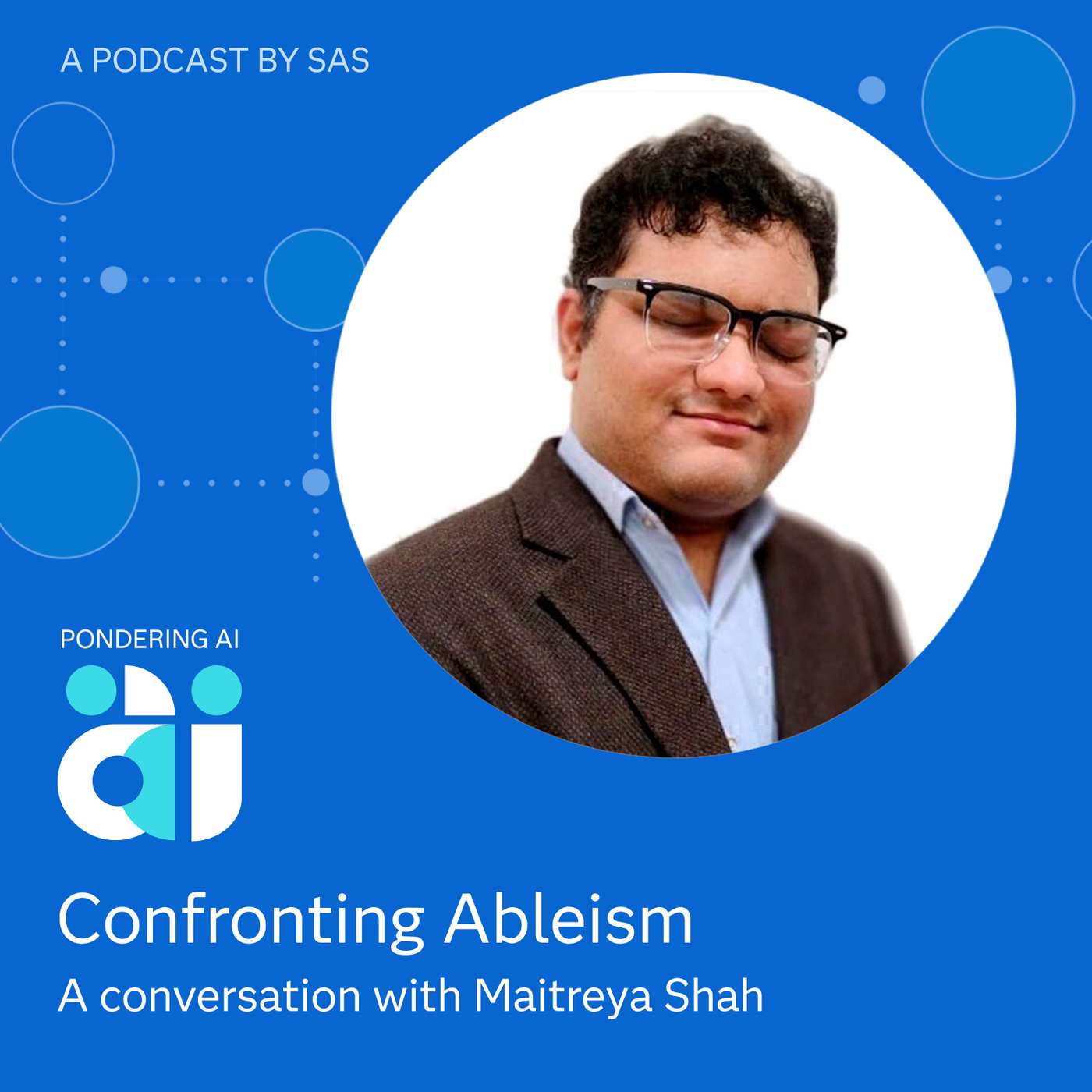
Confronting Ableism with Maitreya Shah
Jun 2400:49:38Tap to summarizeMaitreya Shah disables harmful notions and aspires to a world in which AI systems honor the humanity and agency of disabled persons rather than using them as a shield. Maitreya and Kimberly discuss digital tech done well; how society views disabled persons; engaging people with disabilities as leaders and developers; ableist narratives; why ‘fixing’ disabilities misses the mark; confusing accessibility with AI for Good; whitewashing bad behavior with assistive tech; the false dichotomy between access and privacy; disability as a diverse identity; the high stakes for AI reliability and trust; the deepening digital divide; the dearth of disability data and resources; entrenched societal biases; and asking rather than deciding for people with disabilities. Maitreya Shah is a lawyer and researcher working at the intersection of tech policy and disability rights. Maitreya current serves as the Technology Policy Director at the American Association of People with Disabilities (AAPD). Related Resources: To Regulate Artificial Intelligence Effectively We Need to Confront Ableism (Article) Maitreya Shah (Profile) A transcript of this episode is here.
Transcribe →
The Political Economy of Information with Courtney Radsch
Jun 1000:54:08Tap to summarizeCourtney Radsch reports on the political and economic impact of synthetic media and the stultifying consequences of our increasingly low-quality, high-fat media diet. Courtney and Kimberly discuss the range of journalistic endeavors; synthetic media’s entrée on the scene; disinformation vs. propaganda; competing with AI in the marketplace of ideas; content verification, labeling and trust; how synthetic media depends on and undermines journalism; information as a social, political and economic concern; embedded AI ideologies; equating regulation with censorship; information warfare; cognitive liberty in an age of corporate dominance; infrastructure and intent; the need for bright line protections, pluralism and independent oversight.Dr. Courtney Radsch, PhD is the Director of the Center for Media and Digital Governance (formerly CJL) and a non-resident Fellow at the Brookings Institution. An award-winning journalist, scholar, diplomat, and human rights advocate, Courtney was recently named one of the 100 Brilliant Women in AI Ethics.Related Resources:Same Gatekeepers, New Tollbooths: Mapping the AI Content Licensing Market (CMDG Research Report)The Algorithm Loses Its Immunity (Article)The Pentagon Wants Its Panopticon (Article)The Battle for Cognitive Liberty in the Age of Corporate AI (Tech Policy Press)A transcript of this episode is here.
Transcribe →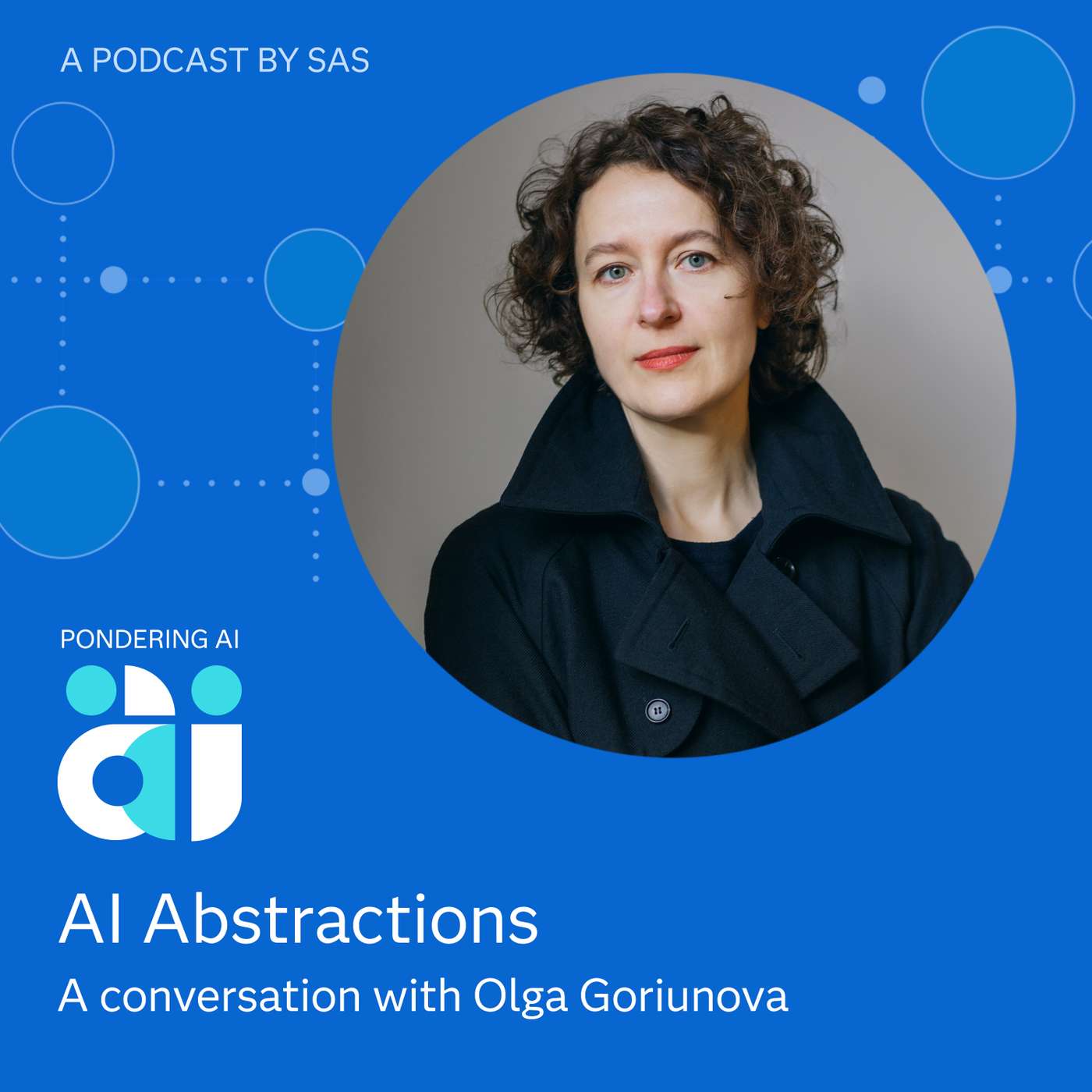
AI Abstractions with Olga Goriunova
May 2700:50:35Tap to summarizeOlga Goriunova rejects digital abstractions as mirror images of ourselves and reflects on why we concern ourselves with representations that aren’t concerned about us. Olga and Kimberly discuss how cultural imagination is shaped by technology; digital subjects as unnatural constructs; the distance between individuals and their digital profiles; banal categorization and subjective truth; how statistics and ML changed the concept of the ideal; the limits of digital subjects; extreme individuation and aspiring to become our digital reflections; how current predictions create future realities; why the ideal digital subject isn’t concerned with you; and thinking critically about what we desire and why. Olga Goriunova is a cultural theorist working at the intersection of technology, philosophy, and aesthetics. A Professor of Media Arts at Royal Holloway, University of London, Olga is the author of the critically acclaimed book Ideal Subjects: The Abstract People of AI. Additional Resources: Aksioma: Institute for Contemporary Art Book Lecture Olga Goriunova Academic Profile A transcript of this episode is here.
Transcribe →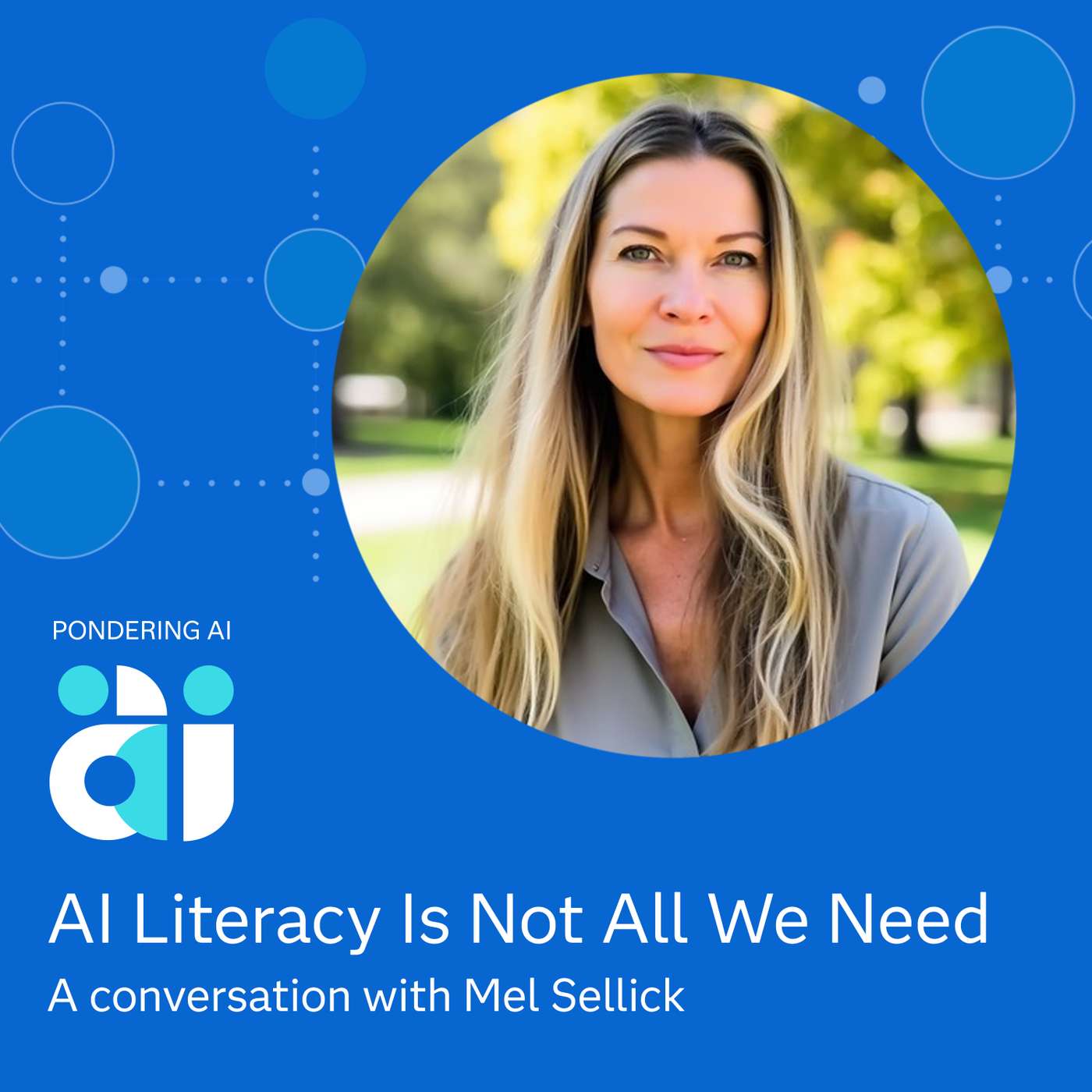
AI Literacy Is Not All We Need with Mel Sellick
May 1300:48:33Tap to summarizeMel Sellick readies for AI by going beyond literacy to address the psychological, cognitive, and relational capacities required to ensure AI works for humans. Mel and Kimberly discuss AI literacy vs. human readiness; the contours of human vulnerability; AI as a social actor; collective understanding and emotional regulation; instrumental AI dependency; the non-reciprocal nature of AI; the spectrum of relationality; human flourishing; attention, agency and alternate futures; positive friction in human systems; supportive social structures; cognitive offloading and debt; self-reflection and calibrating human needs.Mel Sellick is an applied psychologist specializing in Human-AI interaction. The Founder of the Future Human Lab, her Human Readiness Framework has shaped conversations in IEEE, UNESCO, Oxford, MIT, Harvard and beyond.Additional Resources:Future Human Lab: https://www.futurehumanlab.com/ IEEE Organizational Readiness for Human-AI Interaction (Chair, SA-P7023) https://standards.ieee.org/ieee/7023/12394/Oxford AI in Education Hub (AIEOU): https://aieou.web.ox.ac.uk/ Harvard AI for Human Flourishing Council: https://hfh.fas.harvard.edu/ai-human-flourishing A transcript of this episode is here.
Transcribe →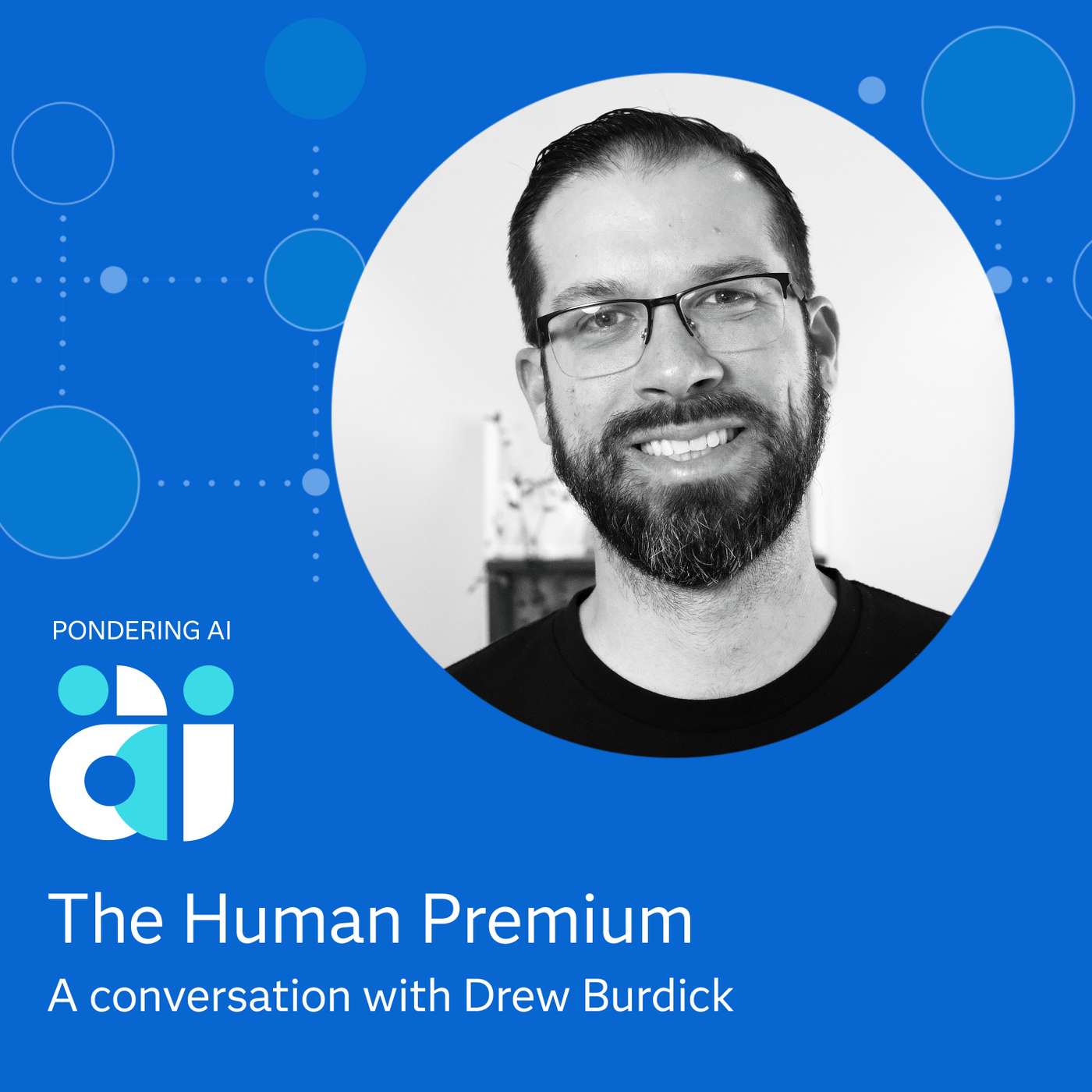
The Human Premium with Drew Burdick
Apr 1500:47:52Tap to summarizeDrew Burdick designs AI systems to multiply human capacity, prioritizes great experiences, and values the serendipitous magic of human connection and collaboration. Kimberly and Drew discuss building with badass teams; curiosity and innovation; building momentum with AI; human relationships and rapport; proprietary knowledge and expertise; long-term thinking; AI agents as teammates; pricing in human experiences; designing for humans vs. bots; regulation and accountability; societal guardrails; the mid-market squeeze; actions companies should take now; investing in people; and keeping community front and center.Drew Burdick is the founder of StealthX and the CLT Startup House. Drew parlays his deep background in design and solution development to help companies deliver exceptional experiences with AI.Additional Resources:Building Great Experiences (podcast): https://stealthx.co/resources/podcast CLT Startup House: https://cltstartuphouse.com/ A transcript of this episode is here.
Transcribe →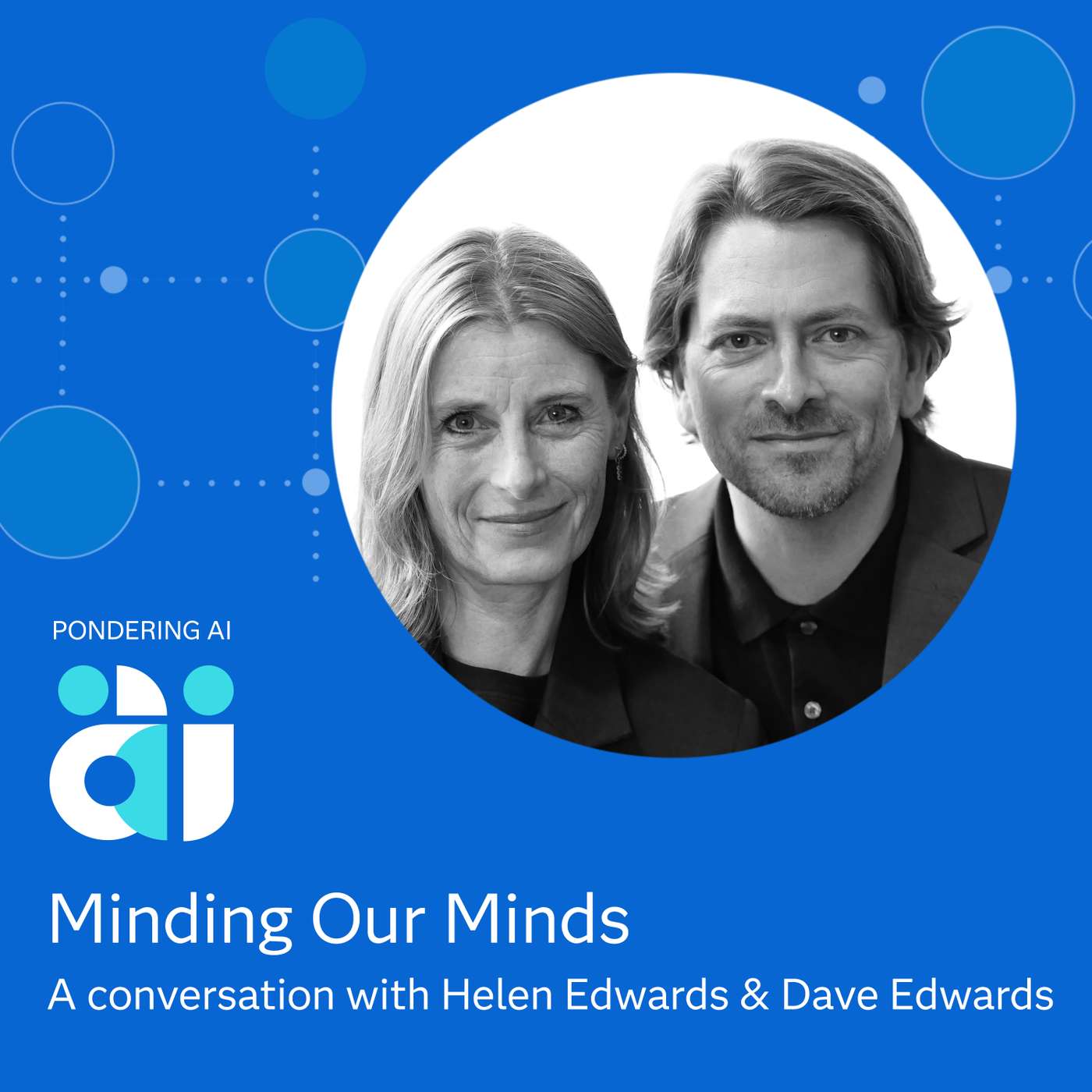
Minding Our Minds with Helen and Dave Edwards
Apr 100:58:52Tap to summarizeHelen Edwards and Dave Edwards are in awe of AI and passionate about course correcting to preserve human authorship and ensure AI systems are for, not from, people. Kimberly, Dave and Helen discuss human authorship; AI as a cultural technology; generative AI as a cognitive tool; biological imperatives and cultural as a countervailing force; cognitive pairing; metacognition and why perception matters most; diverse intelligences; precautionary design principles; AI as a co-evolutionary factor; human finitude; changing AI’s course; creating minds for our minds; designing for the unknown; kindness and hopeful rebellion. Helen Edwards and Dave Edwards are the co-founders of the Artificiality Institute, a nonprofit organization shaping the future human experience of AI. Their longitudinal research program The Chronicle tracks how people actually experience AI in their work and lives. Additional Resources: Staying Human: Authoring Your Mind in the Age of AI (digital book): https://journal.artificialityinstitute.org/tag/book-two/ The SaaS Apocalypse Is A Category Error (article): https://journal.artificialityinstitute.org/the-saas-apocalypse-is-a-category-error/ A transcript of this episode is here.
Transcribe →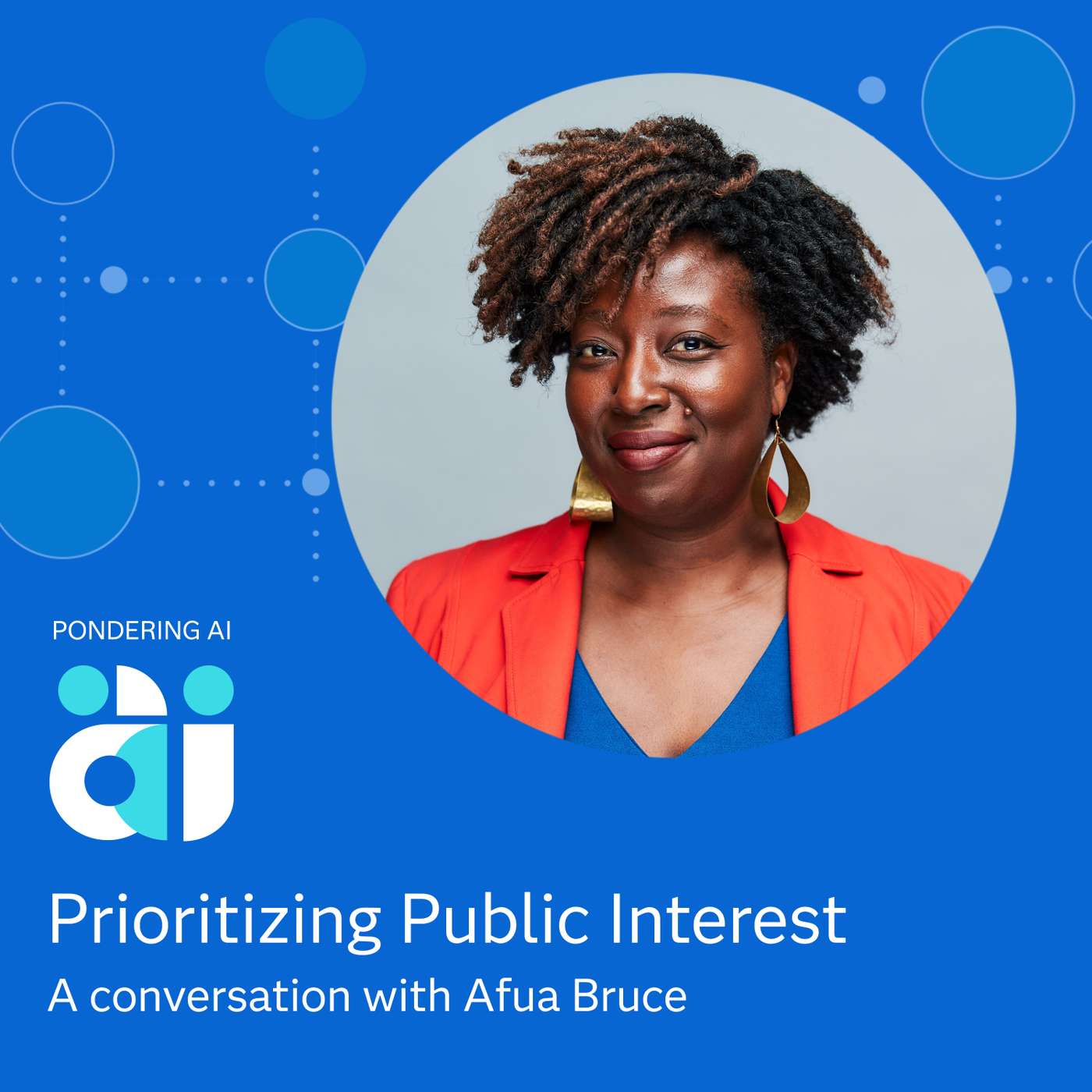
Prioritizing Public Interest with Afua Bruce
Mar 1800:47:03Tap to summarizeAfua Bruce explains that public interest tech is about solving complicated problems with real impact for real people, not just fuzzy feelings and philanthropy. Afua and Kimberly discuss misconceptions about Public Interest Tech (PIT); PIT beyond philanthropy; why tech for good isn’t always; purposeful productivity; “solving” non-profits; tech funding traps; PIT design principles; cross-sector career paths; participatory (vacation) design; the messy middle; focusing on impact; responsible investment; and knowing we still have time. Afua Bruce is the founder and CEO of ANB Advisory Group. An author and leading public interest technologist, Afua works with philanthropic institutions, tech companies, and nonprofits to develop and use responsible technology. Additional Resources:The Tech That Comes Next (book): https://thetechthatcomesnext.com/ Dr. Catherine Nakalembe Ted Talk: https://www.ted.com/talks/catherine_nakalembe_why_can_t_we_better_prepare_for_extreme_weather Humane Intelligence (non-profit): https://humane-intelligence.org/ A transcript of this episode is here.
Transcribe →