
Podcast
Power Players
Hosted by Shane Stocks · EN
Dive deep into the minds of history's most iconic figures – the brilliant, the controversial, and the downright infamous. From groundbreaking entrepreneurs like Elon Musk to notorious figures like Jeffrey Dahmer, we dissect their leadership styles, their impact, and the dark sides they often hide.
16episodes
Episodes
Newest firstAll episodes
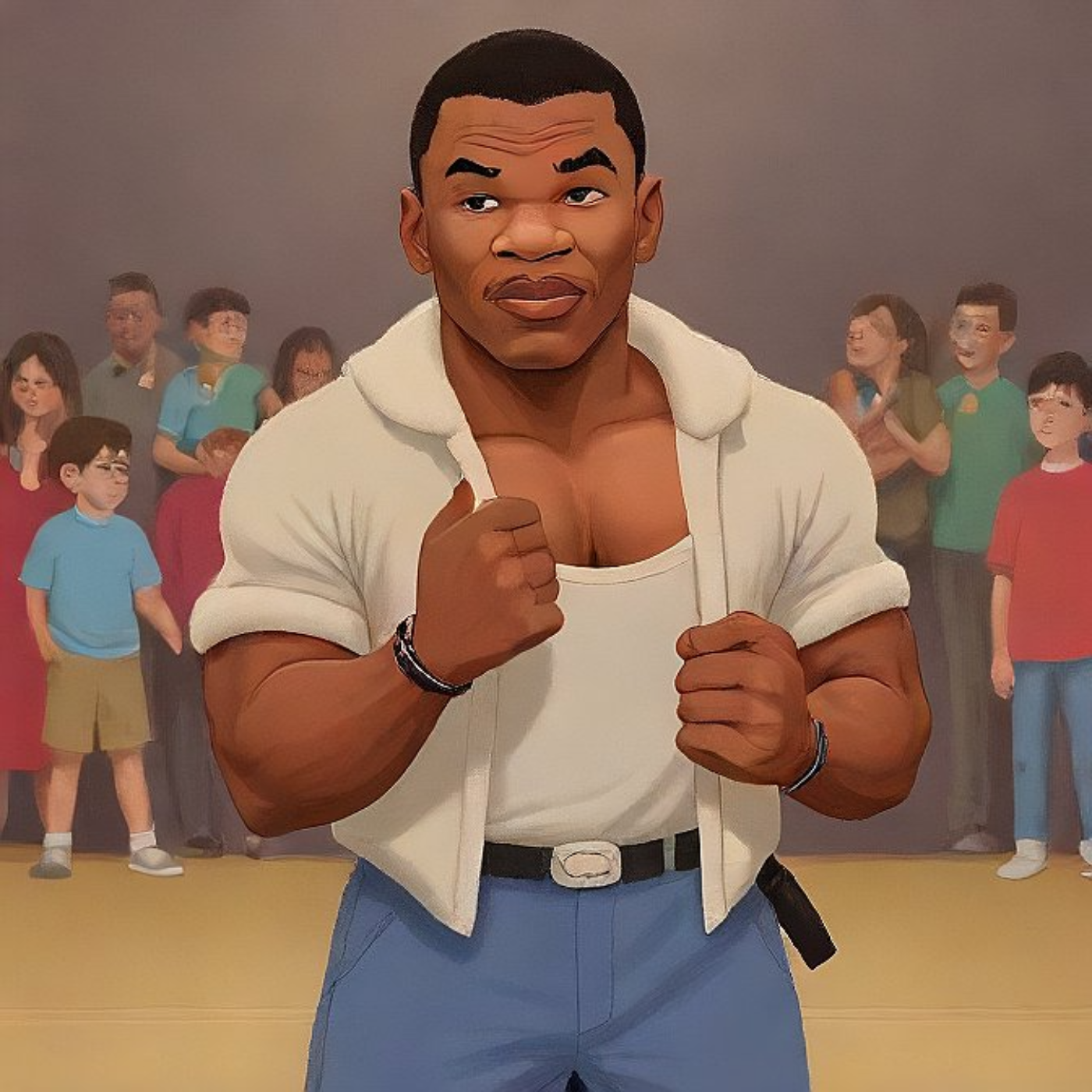
Mike Tyson: The Greatest Boxer
Nov 16, 202400:16:10Tap to summarizeWelcome back, listeners! We've had a fascinating discussion today about the life and career of one of boxing's most iconic figures. He's a name everyone knows, even those who aren't boxing fans. This man had a tough childhood, growing up in a rough neighbourhood and getting into trouble with the law from a young age. He discovered boxing in his youth and quickly rose through the ranks as an amateur, winning multiple junior Olympic titles. His professional career started with a bang, racking up an impressive string of knockouts and quickly capturing the world heavyweight title, becoming the youngest boxer to ever do so. He unified the title, holding all three major belts simultaneously, cementing his place as the undisputed champion of the world. He was known for his ferocious fighting style, utilising the "peek-a-boo" defence taught to him by his mentor and delivering devastating knockout punches. However, his life outside the ring was as tumultuous as his fights. He went through a highly publicised divorce, fired his long-time trainer, and struggled with personal issues. He suffered a shocking upset, losing his undefeated record and the heavyweight title. After facing legal trouble and serving time in prison, he attempted to make a comeback. He reclaimed a couple of belts but was ultimately unable to regain his former glory. His later career was marked by controversy, including an infamous ear-biting incident and further legal issues. He eventually retired, facing financial struggles and reflecting on the ups and downs of his extraordinary life. Despite the controversies and personal struggles, his impact on the sport is undeniable. He was a global phenomenon, his fights generated massive pay-per-view revenue, and his name became synonymous with boxing. He was inducted into the Boxing Hall of Fame, cementing his legacy as one of the all-time greats. His life story is a captivating tale of triumph, tragedy, and resilience. He remains a fascinating figure, leaving an indelible mark on the boxing culture.
Transcribe →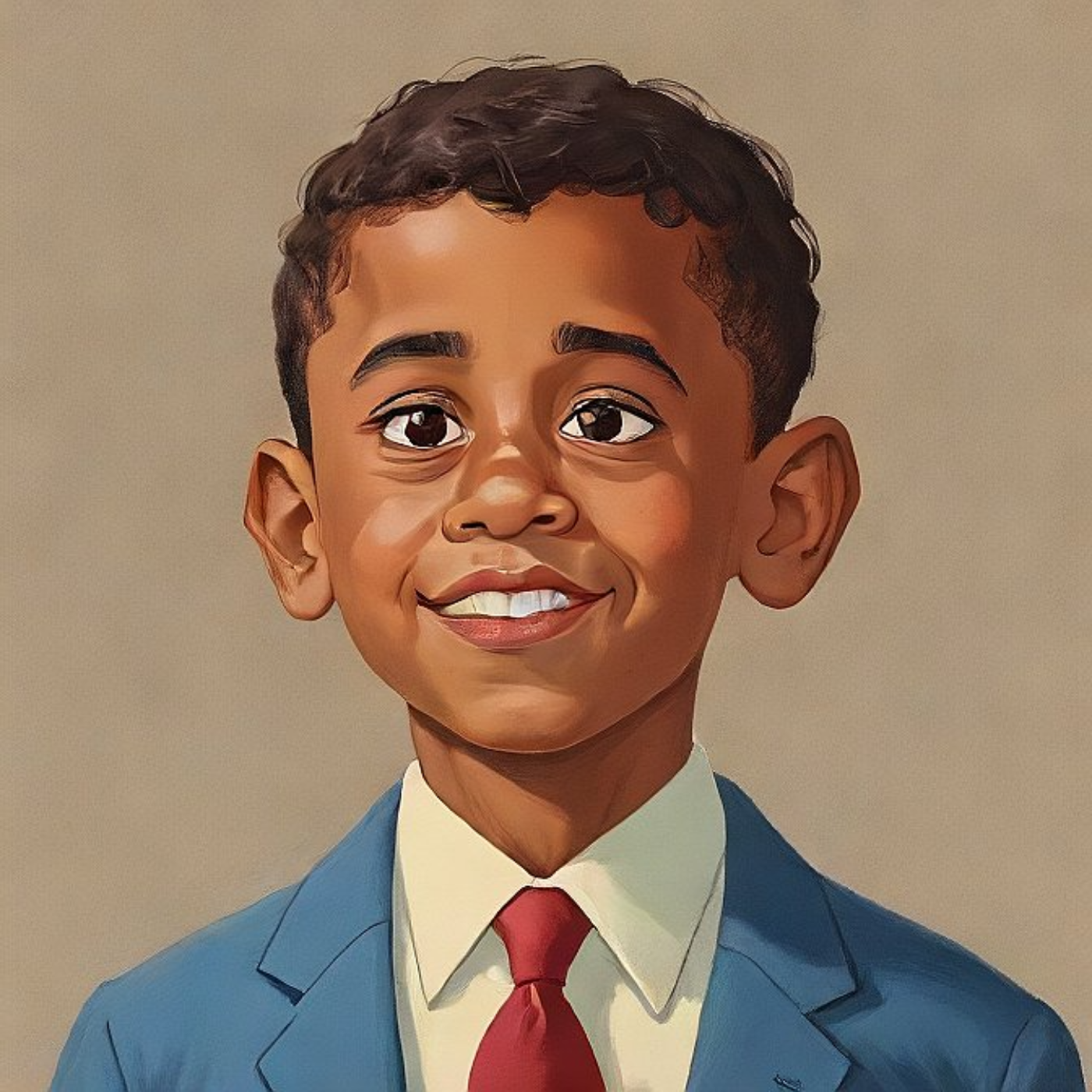
Barack Obama: The American Historian
Nov 16, 202400:18:19Tap to summarizeOne of the most striking things about Obama's approach to history is his focus on the 'common creed', as he calls it. He constantly refers back to the Declaration of Independence, highlighting its principles of equality, liberty, and the pursuit of happiness. He sees these ideals as the foundation of American identity and believes they have guided the nation's progress throughout history.Obama's Whiggish perspective is evident in his emphasis on historical continuity and progress. He sees the American story as a journey towards greater freedom and equality, even acknowledging the struggles and sacrifices along the way. He believes in an "evolutionary intent" embedded in American history, striving towards a more perfect union.However, he doesn't shy away from the darker aspects of the American past. He acknowledges the horrors of slavery and its lasting impact on American society. He speaks of the Civil Rights Movement as a continuation of the fight for equality promised in the Declaration of Independence. Interestingly, he often places these narratives of struggle within a larger framework of progress, aiming for reconciliation through shared remembrance.The sources reveal Obama's deep appreciation for figures like Abraham Lincoln and Frederick Douglass, who embody the fight for equality and justice. He sees himself as part of this historical lineage, drawing inspiration from their struggles and achievements.He masterfully interweaves personal anecdotes, historical events, and philosophical reflections, demonstrating a genuine talent for historical synthesis. He connects his own story, the story of African Americans, and the American story, emphasizing the interconnectedness of individual experiences and broader historical narratives.We see Obama's rhetorical skill in his use of symbols, metaphors, and omissions. While these techniques might raise eyebrows among academic historians, they are arguably necessary tools for a politician seeking to inspire and persuade.By exploring Barack Obama's perspective on American history, we gain valuable insights into his political vision and the historical forces that have shaped his leadership.
Transcribe →
Donald Trump: The Making of a President
Nov 16, 202400:19:12Tap to summarizeDonald Trump. One of the things we talked about was his relationship with the truth. Now, let's be honest, the world of business can be a bit of a, shall we say, grey area. But this individual takes it to a whole other level. We explored a number of instances where he has outright lied or obfuscated the truth in order to protect his image and advance his interests. He's been known to threaten legal action against those who dare to question his narrative, a tactic that can be very effective in silencing critics.And speaking of critics, this man has had his fair share! We discussed how he has a real knack for making enemies. He's been involved in countless lawsuits, many of which stem from accusations of unethical or even illegal business practices.He's someone who craves attention and admiration. We talked about how he's gone to great lengths to cultivate a certain image, one that is all about success, wealth, and power. He's very good at manipulating the media to his advantage, using carefully crafted soundbites and photo opportunities to shape public perception.But beneath that carefully constructed facade, there's a more complicated story. We explored his connections to some rather unsavoury characters, including individuals with ties to organised crime.And let's not forget about his charitable endeavours. We discussed how he has a history of making grand promises of donations, but often fails to follow through. He's been accused of using charity as a way to boost his own image rather than genuinely helping those in need.Ultimately, we explored the gap between the public persona and the reality. It's clear that this man is a master of illusion, someone who has spent decades carefully constructing a narrative that serves his own interests. The question is, will people continue to buy into that narrative? Or will they finally see him for what he truly is?
Transcribe →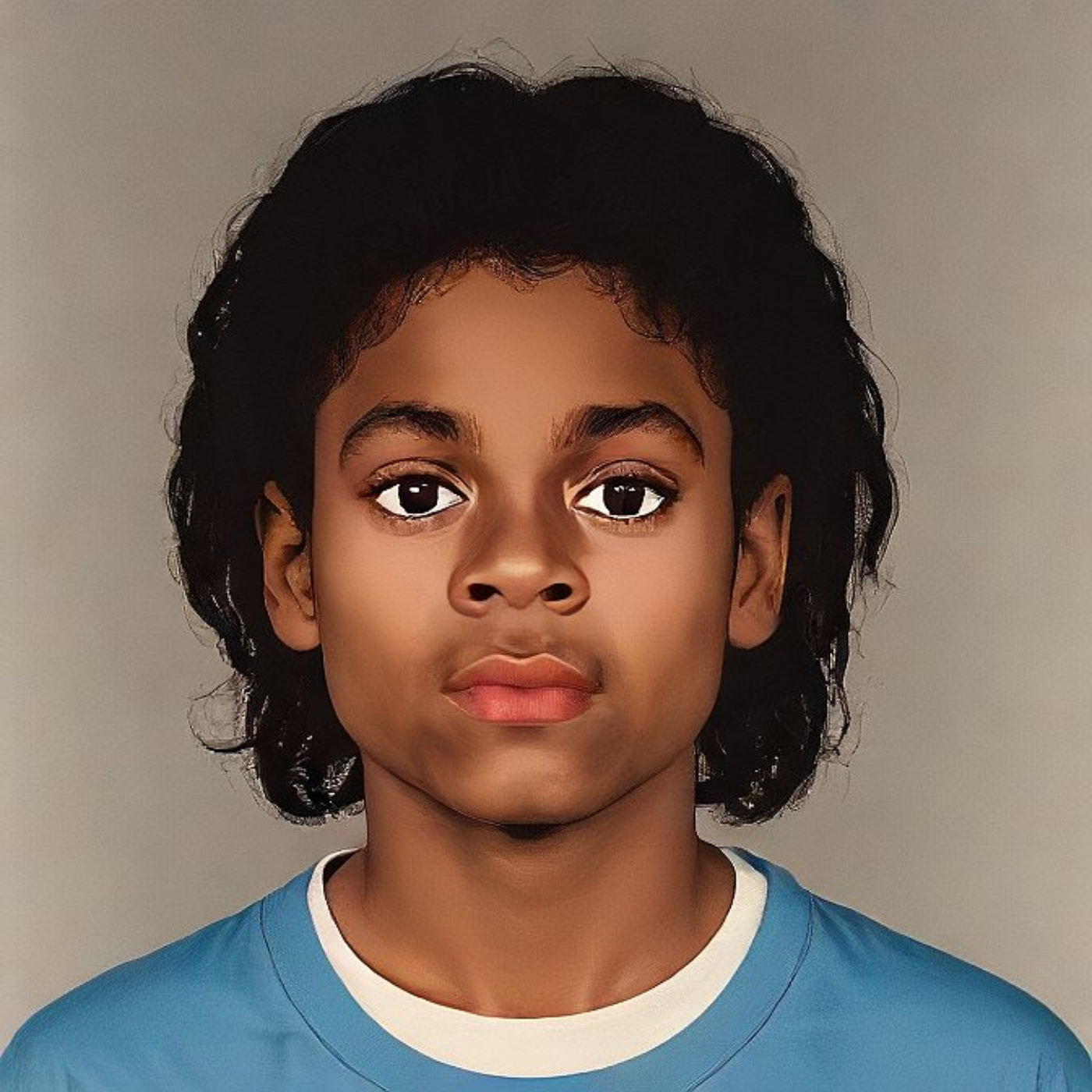
Michael Jackson: More than Meets the Eye
Nov 16, 202400:14:43Tap to summarizeWelcome back to the podcast, listeners! Today, we've been examining a fascinating book, "The Resistible Demise of Michael Jackson," a collection of essays by music writers reflecting on Jackson's life, legacy, and the complex relationship between his music and the cultural landscape he inhabited.One of the most prominent themes running through our discussion was Jackson's relationship with "pop" as a concept. We talked about how his unprecedented success with "Thriller" in 1983 seemed to create the idea of pop as a kind of kingdom that could be unified under one ruler. This was a departure from the more fragmented nature of pop music before Jackson's reign, and it raised questions about the nature of pop's appeal, its relationship to cultural and class divisions, and whether this idea of a unified pop kingdom was ultimately a positive or negative development.We explored the darker undercurrents in Jackson's music, even within his biggest hits, and how these elements might have foreshadowed his later struggles and controversies. We also talked about the way Jackson's persona, particularly in the later stages of his career, became increasingly intertwined with themes of paranoia, delusion, and a desperate desire to escape reality.The conversation wasn't just about Jackson as an individual, though. We also considered how he reflected broader social and cultural anxieties of the late 20th and early 21st centuries. His fascination with technology, plastic surgery, and manipulating his own image resonated with the rise of consumerism, celebrity culture, and the increasingly blurred lines between reality and fantasy in the age of mass media.Finally, we touched on the idea of "hauntology," a concept that describes the lingering presence of lost futures and unrealized possibilities. Some of the essays in the book suggested that Jackson's life and career, despite his immense success, were marked by a sense of things left undone, paths not taken, and a profound sense of melancholy that permeated even his most upbeat music.Jackson's story, as presented in these essays, is a complex and at times unsettling one. It's a tale of ambition, talent, and the seductive allure of fame, but also of the dark side of celebrity, the dangers of unchecked power, and the ultimately tragic consequences of attempting to escape the realities of human existence.Thank you for listening, and we hope you'll join us again next time for another deep dive into the world of music and culture!
Transcribe →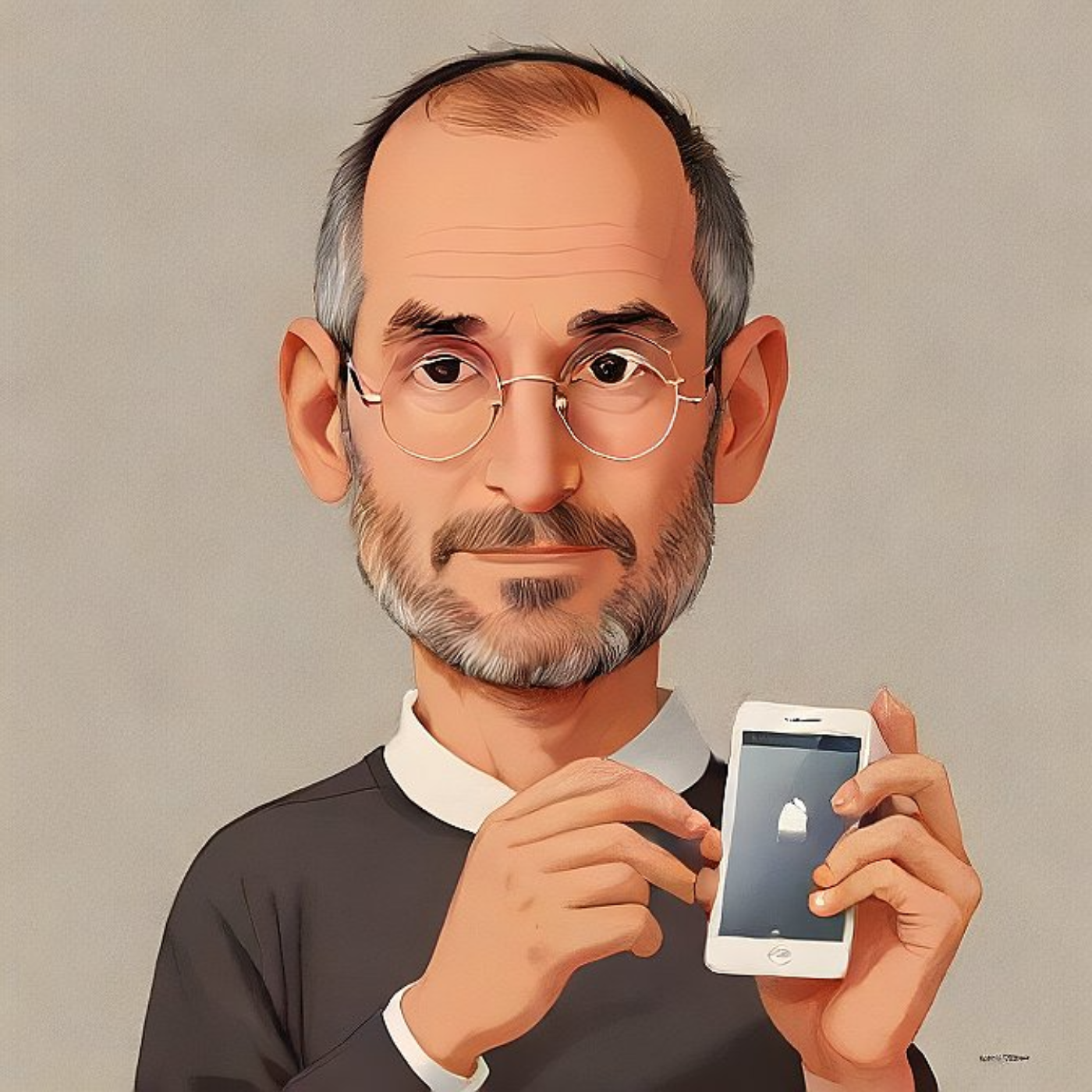
Steve Jobs by Walter Isaac
Nov 16, 202400:16:32Tap to summarizeThe source is a biography of Steve Jobs, written by Walter Isaacson. It explores the life and career of the Apple co-founder, chronicling his rise to fame and influence in the tech industry, including his early life, his founding of Apple, his departure and return, and his pivotal role in the creation of products like the iMac, iPod, iPhone, and iPad. The book details his complex personality and how it impacted both his personal and professional life, and highlights his unique approach to innovation and design. The biography also provides insights into Jobs's relationships with key figures in his life, including his family, his colleagues, and his rivals, offering a multi-faceted picture of this iconic figure.
Transcribe →
Prince Harry: The Inside Story
Nov 16, 202400:10:49Tap to summarizeIn today's episode of our podcast, we're taking a look at the life of Prince Harry, exploring his journey as a royal and a soldier.Prince Harry's relationship with the media has been complex. He has faced intense scrutiny from the press, leading to both positive and negative coverage. One notable incident involved a picture of Harry wearing a Nazi outfit to a fancy dress party, published on the front page of The Sun. This event sparked global criticism and forced Harry to issue a public apology.Despite the negative press, Harry's popularity remained high. Many people admired his rebellious nature and saw him as a relatable figure within the royal family. He used his platform to support causes close to his heart, such as his AIDS charity Sentebale, which he founded after visiting Lesotho and witnessing the devastating effects of the epidemic there.Harry's military career was also a major focus of media attention. He was determined to serve on the front line, but his deployment to Iraq was cancelled after threats from insurgents were publicized. Eventually, a media blackout was agreed upon, allowing Harry to serve in Afghanistan for ten weeks before the agreement broke down. Harry later expressed his disappointment at having to return home early and his pride in serving alongside his fellow soldiers.Throughout his time in the army, Harry's relationship with the media continued to be strained. He was often critical of the press and felt that they misrepresented him. However, there were also instances where he showed a more humorous side, even engaging in playful banter with reporters.The sources offer a fascinating glimpse into the life of Prince Harry, highlighting the challenges and triumphs he faced in his unique position. They show how he navigated his royal duties while pursuing his passion for the military, all while dealing with the constant pressure of being in the public eye.
Transcribe →