
Podcast
PR Wire
Hosted by James Thornton · EN
PR Wire is a dedicated podcast by our press release platform, bringing the latest updates, industry insights, and expert opinions from the world of media and public relations. Covering a wide range of topics including Daily News, Business, Travel, Health, and Culture, PR Wire keeps you informed with authentic and timely stories shaping today’s world. Stay connected to the headlines that matter — with PR Wire, where every release becomes a story worth hearing.
78episodes
Episodes
Newest firstAll episodes
Proxy Servers: The Backbone of Modern Internet Access
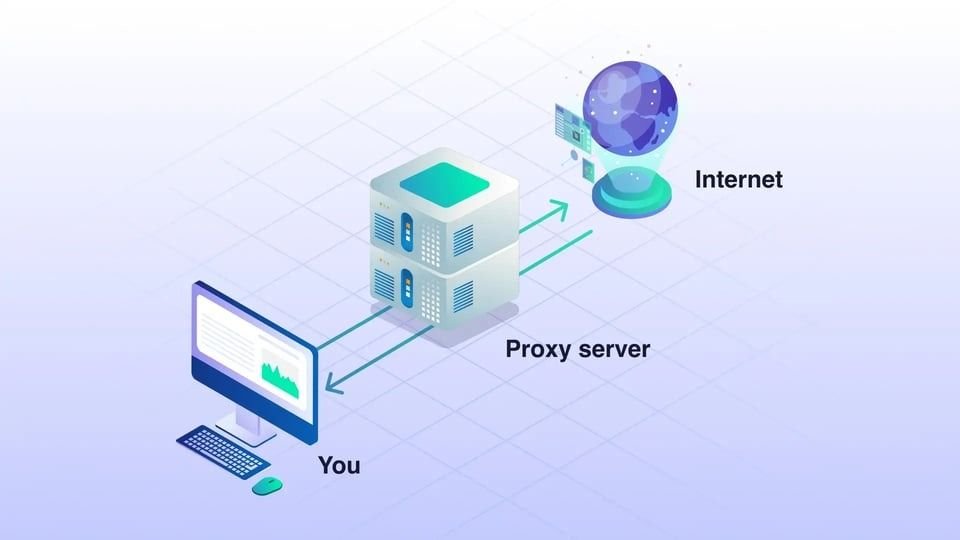
1w ago00:00:04Tap to summarizeIn 2025, over 5.3 billion people worldwide use the internet daily, with access often restricted by geography, corporate fire, or government censorship. Proxy servers have emerged as a critical tool for navigating these limitations efficiently. Platforms like buy proxy provide dedicated proxies across Europe, North America, and Ukraine, catering to both corporate and individual users seeking fast, secure, and reliable connections. Industry data shows that private proxies can boost browsing speed by up to 40% compared to traditional VPNs while also offering enhanced anonymity. At their core, proxy servers act as intermediaries between a user’s computer and the target website. Every device connected to the internet has a unique IP address, which can reveal information such as country, region, and internet service provider. By routing traffic through a proxy, this IP is masked, allowing users to bypass geographic restrictions or network limitations. Connecting is straightforward: users simply need the proxy IP, port, and, if required, a login and password. Once configured in the browser or operating system, all traffic is routed through the proxy, ensuring seamless access and greater privacy. The process occurs in two steps. First, a user’s request is sent to the proxy server, which forwards it to the intended website. The site’s response is then routed back to the proxy before being delivered to the user’s computer. This intermediary role allows proxies to conceal the user’s true location and manage multiple connections simultaneously—a key reason why businesses widely adopt them. Why Organizations and Individuals Choose Proxies While the primary purpose is IP anonymization, proxies offer multiple additional benefits: Multiple connections under a single IP, concealing individual device information from external servers. Access to restricted resources, crucial for employees, researchers, or users in restricted regions. Bandwidth optimization, since cached files on the proxy reduce redundant data transfers. Load balancing and faster data retrieval, especially important in high-demand environments. Privacy protection, shielding sensitive networks from certain cyber threats. Automation, enabling tasks like bulk posting, account management, and web scraping. Corporate adoption is widespread. Modern browsers support proxies natively, and they operate across all major operating systems with minimal permissions. Proxies also provide robust traffic control, filtering capabilities, and enhanced security—all without compromising speed. Services like buy proxy offer packages tailored to corporate and individual needs, delivering dedicated IPs, global coverage, and reliable performance. Acquiring a Proxy: Free vs. Paid Users can choose between publicly available free proxies or premium paid services. Free proxies often suffer from slow speeds, limited lifespan, and reliability issues. Paid services offer dedicated IPs, high-speed connections, and global coverage across Europe, the USA, Canada, and Ukraine. Key features include: Authentication via login/password or IP binding. Support for IPv4 and IPv6. Protocol options such as HTTP(S), HTTP/2, and SOCKS5. Bandwidth up to 100 MB/s. Elite anonymity for private use. Flexible pricing—cost per IP decreases as the package size increases. 24/7 technical support and real-time online assistance. Proxy vs. VPN: Why Proxies Outperform While VPNs can also bypass content restrictions, they rely on shared IPs and virtual tunnels, making them less suitable for multi-account operations and certain automated tasks. Their main drawbacks include: Reduced internet speed due to encryption overhead. Frequent software or connection interruptions. Higher costs compared to proxies. Risk of detection when multiple accounts share a single VPN IP. Proxies outperform VPNs in speed, stability, and versatility. They are ideal for both corporate environments and individual users seeking fast, reliable access to restricted or geo-blocked content. Conclusion In today’s digital landscape, proxies are essential infrastructure for efficient, private, and flexible internet access. While VPNs remain useful for secure communications, dedicated proxies from services like buy proxy offer unmatched speed, anonymity, and functionality. For businesses and savvy users alike, investing in a proxy is the smarter, faster, and more reliable choice.
Transcribe →
The First Time I Called a Machine Shop
1w ago00:00:28Tap to summarizeThe first time I called a machine shop with a real project, I was terrified. Not because the part was complicated. It was a simple bracket. Four holes, two bends, nothing special. I was terrified because I'd heard the stories. Parts that came back wrong. Shops that stopped answering emails. Arguments about who pays for the scrap. I'd seen it happen to friends. I knew it could thappen to me. The shop I called was recommended by a colleague. "They're fine," he said. "Not the cheapest, not the fastest. But they'll do what they say." That was the most telling description that I've received about it. They actually did what they promised! No more. No less. The quote came back in two days with a question about material choice. "We usually recommend 6061 for this type of part," the email said. "It machines better than 7075 and will handle your load fine. Let us know if you need the higher strength." I didn't need the higher strength. I'd just spec'd 7075 because I saw it on another project. I switched to 6061. Saved money. Got the same part. The Parts That Showed Up The parts arrived three weeks later. I opened the box, pulled one out, checked the holes, felt the edges. Everything was right. Not "close enough." Right. I put them in assembly. They fit. I moved on. That was it. No drama. No surprises. Just someone who actually looked at my file and thought about it before cutting metal. I have been using them ever since, although they are not special, they are reliable. In this line of work, that's a unusual occurrence. The Other Side of the Story I've had the opposite experience too, more times than I'd like to admit. I remember a shop I used for a sensor housing. The quote was cheap, the lead time was short, and I was in a hurry. I ignored the warning signs. No questions about the design. No follow-up email. Just a number and a promise. What I've Learned to Look For That's the difference I've learned to look for. The shops that ask questions. The ones that flag potential issues before they become problems. The ones that ship parts wrapped in paper, not just tossed in a box. Those that package their products in paper--not just a box. The ones who make you feel like your project is the only one that they are working on, even though it is not. The shop I use now does all of that. They don't have the cheapest prices. They don't promise the fastest turnaround. But when I send them a file, I don't worry. I know the parts will be right. I know the finish will be consistent. I know that the sides will be smooth. When I open the box I won't be disappointed. This is more of a sense of security than any of the discounts. It is worthwhile of the extra expense, the extra waiting, the extra trouble in shopping because of the right shop in the first place. Because the cost of getting it wrong isn't just the price of the parts. It's the time you lose. The momentum you lose. The belief you lose in your own project. The Bottom Line I have worked with this enough to realize that the correct manufacturing mate is the one that you don't need to consider. They're the people who do what they say, how they say it, with no drama, no excuses and without you having to follow them for updates. They are the ones who make it seem like nothing is out of their hands. That's what parts machining services should deliver. Not just parts. Confidence. The confidence that, when you put it out into the world, someone will receive it as if it's important. Because it does.
Transcribe →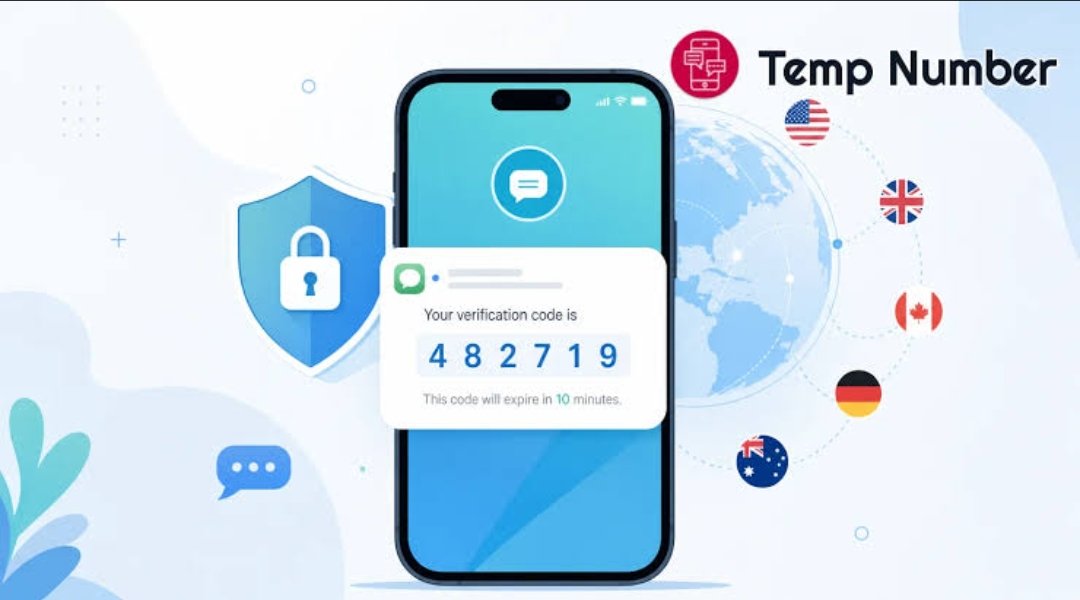
Temp Numbers: How Internet-Based SMS Services Are Changing Account Verification
1w ago00:03:48Tap to summarizeIn 2025, over 60% of businesses report using cloud-based SMS solutions, a trend largely driven by the rise of Temp number services. Platforms like SMS-ACTIVATE allow users to receive SMS messages entirely online, eliminating the need for a traditional SIM card. These services are increasingly relied upon for verification processes, anonymous sign-ups, and secure registration across multiple platforms, offering both cost savings and enhanced privacy. Analysts estimate that the global market for internet-based SMS services, which supports these numbers, is projected to reach $194 billion by 2027, growing at a compound annual growth rate of 9.1%, reflecting the rapid adoption of flexible, cloud-based verification tools. How SMS Verification Numbers Work Temporary SMS numbers operate through internet-based systems, routing incoming messages via cloud servers to the user’s device—smartphone, tablet, laptop, or desktop. Platforms like SMS-ACTIVATE simplify processes such as receiving verification codes, one-time passwords (OTPs), and temporary SMS communications without exposing the user’s primary phone number. This system ensures fast, reliable delivery of messages from multiple services while maintaining privacy. Why Users Choose SMS Verification Numbers Several factors drive the adoption of SMS verification numbers for personal and professional use: Privacy: Users can register on websites, apps, or platforms without revealing their primary phone number, reducing the risk of spam or identity theft. Flexibility: A single number can be used across multiple devices simultaneously without a physical SIM card. Internet-Based Access: Only an internet connection is needed, allowing seamless reception of SMS from international services. Cost Efficiency: Compared to traditional mobile plans, these numbers are often cheaper and avoid high roaming fees. Automation Features: Platforms like SMS-ACTIVATE offer automated SMS management and notifications, making it easy to track and organize incoming messages. Applications in Daily and Business Use SMS verification numbers are especially useful for receiving one-time codes for account registration or temporary access to online platforms. They allow users to sign up for newsletters, subscriptions, or trials anonymously, keeping personal information secure. Businesses leverage these numbers for project-specific campaigns, bulk notifications, or temporary communication needs without investing in additional telecom infrastructure. SMS-ACTIVATE ensures these processes are seamless and reliable, whether for individual users or companies. Global Reach and Versatility One of the strongest advantages of SMS verification numbers is international flexibility. Users can select numbers from multiple countries, enabling secure registration and verification across borders. This feature is essential for freelancers, multinational teams, and remote workers who need reliable access to online services worldwide. Platforms like SMS-ACIVATE allow users to receive SMS privately, supporting account verification, online transactions, and platform sign-ups without exposing personal contact information. Conclusion Temp numbers are no longer just a convenience—they are a secure, cost-efficient solution for SMS-based account verification. As online registrations and platform access continue to grow, the demand for flexible, reliable, and privacy-focused SMS tools will only increase. Platforms like SMS-ACTIVATE are well-positioned to meet this demand, enabling users to receive SMS safely and efficiently. With global adoption rising and cloud-based SMS solutions expanding rapidly, temp numbers remain a key component of modern digital verification systems.
Transcribe →
Virtual Phone Numbers: How They Work and Why They Matter
1w ago00:00:53Tap to summarizeVirtual phone numbers are becoming a new standard in digital communication. These numbers operate over the internet, allowing users to receive calls and SMS messages without a physical SIM card. Services like receive SMS make using these numbers even more convenient, providing stable access and enhanced privacy. In recent years, virtual numbers have grown in popularity, especially among users who value flexibility, cost efficiency, and personal data protection. Virtual numbers rely on VoIP (Voice over Internet Protocol), a technology that transmits voice over the internet. When someone calls a virtual number, the call is first routed through a cloud telephony server before being forwarded to the user’s device — whether a smartphone, laptop, tablet, or PC. If the device is unavailable, the call can be redirected to voicemail or another number. Tools such as receive SMS further improve reliability, particularly when receiving verification codes or messages from multiple sources. To use a virtual number, a device with internet access and specialized software is required. This makes virtual numbers highly versatile: calls and messages can be sent and received from anywhere in the world with an internet connection. Benefits of Virtual Numbers Privacy. Virtual numbers allow users to stay anonymous when signing up for websites and apps that require phone number verification. Versatility. Unlike traditional SIM cards, virtual numbers can be used across multiple devices without the need to swap cards. Internet-Based Access. Calls and SMS don’t require a mobile network — only an internet connection. Cost Efficiency. Virtual numbers are generally cheaper than traditional mobile numbers and do not incur international roaming fees, making them ideal for frequent travelers or remote workers. Flexibility. Virtual numbers can be configured with call forwarding, auto-attendants, and other features, which is useful for both personal and business purposes. Services like receive SMS can simplify handling verification messages or one-time codes securely. Use Cases Receiving one-time SMS messages and bulk notifications. Anonymous registration on online services and social media platforms. Virtual numbers offer a modern communication solution that combines convenience, cost-effectiveness, and security. As remote work and global mobility continue to rise, virtual numbers are becoming an increasingly essential tool for both individuals and businesses.
Transcribe →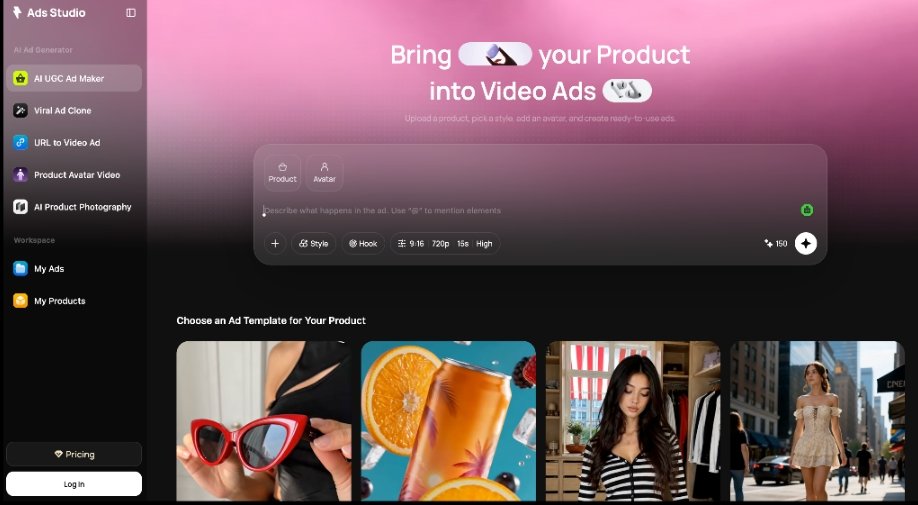
Upscrolled App – Everything You Need to Know
2w ago00:00:50Tap to summarizeIntroduction The Upscrolled App is gaining attention among mobile users looking for a modern and engaging way to discover trending content, short videos, articles, and personalized recommendations. With an easy-to-use interface and a focus on delivering fresh content, the app aims to provide an enjoyable browsing experience for people who like staying updated with the latest online trends. Whether you're interested in entertainment, technology, lifestyle, or viral stories, the Upscrolled App helps you explore content that matches your interests. Its personalized feed and smooth navigation make it simple to spend less time searching and more time enjoying relevant content. In this guide, we'll explore the features, benefits, installation process, advantages, limitations, and frequently asked questions about the Upscrolled App. What Is the Upscrolled App? The Upscrolled App is a content discovery platform designed to help users browse trending topics and personalized recommendations in one place. Instead of visiting multiple websites or apps, users can scroll through a customized feed that highlights content based on their interests and activity. The app focuses on delivering a smooth and responsive experience, making it suitable for users who enjoy exploring new information and staying connected with popular online discussions. Goojara APK Download Latest Version for Android Goojara APK is a popular entertainment app that lets Android users stream movies, TV shows, and other video content in one place. It offers a clean interface, fast navigation, and regularly updated content for an enjoyable viewing experience. Users can browse categories, search for their favorite titles, and enjoy smooth playback with a stable internet connection. The app is lightweight and works well on most Android devices without affecting performance. For the best experience, always download the latest version of Goojara APK from a trusted source and keep it updated to access the newest features and improvements. Key Features of the Upscrolled App Personalized Content Feed One of the biggest strengths of the Upscrolled App is its personalized recommendation system. It suggests content that aligns with your interests, making every browsing session more relevant. Simple and Clean Interface The application features a modern design that is easy to navigate. Categories, menus, and search options are organized for quick access, even for first-time users. Fast Performance The Upscrolled App is optimized to load content quickly, helping users browse without unnecessary delays. This improves the overall user experience on both Wi-Fi and mobile networks. Trending Updates The app highlights popular and trending topics, allowing users to discover what's currently attracting attention across different categories. Smart Search A built-in search feature enables users to quickly find topics, creators, or content based on keywords. Regular Improvements The developers continue to improve the app by introducing performance enhancements, interface refinements, and bug fixes to ensure a better user experience. Benefits of Using the Upscrolled App Using the Upscrolled App offers several advantages for people who enjoy consuming digital content. Personalized recommendations save time. Easy navigation improves usability. Fast loading provides a smooth experience. Trending content keeps users informed. Clean interface reduces distractions. Suitable for casual and regular browsing. Frequent updates improve stability and performance. These benefits make the app appealing for users who prefer a convenient and organized content discovery experience. How to Download and Install the Upscrolled App Installing the Upscrolled App is straightforward. Download the latest version from a trusted source. If required, allow installation from unknown sources in your device settings. Open the downloaded installation file. Tap Install and wait for the process to finish. Launch the app and complete the initial setup. Always download applications from reliable sources to reduce security risks and ensure you receive the latest version. Senpai Stream APK Download Latest Version for Android Senpai Stream APK is a popular streaming app that allows Android users to watch movies, TV shows, anime, and other entertainment content in high quality. It features a clean interface, fast navigation, and regularly updated libraries, making it easy to discover the latest releases and trending titles. The app supports smooth playback and is optimized for a seamless viewing experience on most Android devices. With its lightweight design and user-friendly layout, Senpai Stream APK is suitable for everyday entertainment. Always download the latest version from a trusted source to enjoy improved performance, stability, and new features. Tips for the Best Experience To get the most out of the Upscrolled App: Keep the app updated. Use a stable internet connection. Customize your interests for better recommendations. Clear the cache occasionally if performance slows. Enable notifications if you want updates about trending content. Following these simple tips can improve both speed and content relevance. Pros and Cons Pros Easy-to-use interface. Personalized recommendations. Fast loading speed. Lightweight application. Regular updates. Smooth navigation. Organized content categories. Cons Some features may require an internet connection. Content availability can vary. Certain recommendations may depend on user activity. Is the Upscrolled App Safe? The safety of any application depends on where it is downloaded from and how it is maintained. Users should always download the latest version from a trusted source, review requested permissions, and keep the application updated. Following standard mobile security practices helps protect your device and personal information. Summertime Saga APK Download Latest Version for Android Summertime Saga APK is a popular story-driven simulation game for Android that combines interactive gameplay with engaging characters, exploration, and multiple quests. Players can explore different locations, complete missions, unlock new storylines, and make choices that influence their in-game experience. The game features colorful graphics, smooth controls, and regular updates that introduce improvements and additional content. Its immersive gameplay and open-world style have made it a favorite among simulation game fans. For the best experience, always download the latest version of Summertime Saga APK from a trusted source to ensure better performance and stability. Why Is the Upscrolled App Becoming Popular? The popularity of the Upscrolled App can be attributed to several factors. First, it offers a personalized browsing experience instead of presenting the same content to every user. Second, its clean interface makes it accessible to both beginners and experienced smartphone users. Finally, the app focuses on speed and simplicity, allowing users to explore trending content without unnecessary complexity. As more people look for efficient ways to discover interesting information, apps that prioritize personalization and ease of use continue to attract attention. Frequently Asked Questions What is the Upscrolled App? The Upscrolled App is a content discovery platform that helps users explore trending and personalized content through an easy-to-use interface. Is the Upscrolled App free? Many features are available without cost, although availability may vary depending on the version and platform. Can I use the Upscrolled App on Android? The app is designed for Android users, depending on the version provided by its developers. Does the Upscrolled App require an internet connection? Yes. Most content discovery features require an active internet connection. How can I improve recommendations? Interact with the content you enjoy and customize your preferences to receive more relevant suggestions. <h3...
Transcribe →
Why More Creators Are Choosing Framia for Image to Video AI in 2026
2w ago00:03:42Tap to summarizeThe demand for video content has never been higher. From short-form social media clips to product promotions and educational presentations, videos continue to outperform static images in engagement and reach. However, producing quality videos consistently can be challenging, especially for creators who don’t have professional editing skills or large production budgets. This is where image to video AI is changing the creative landscape. Instead of spending hours editing timelines, adding camera movements, and creating animations manually, creators can now transform a single image into an engaging video within minutes. The technology has matured rapidly, making AI-powered video generation accessible to businesses, marketers, educators, and content creators of every skill level. The Shift Toward Faster Video Creation Digital content moves quickly. A marketing campaign that takes weeks to produce can easily miss an important opportunity, while social media creators often need fresh content every day. Traditional video production isn’t always designed for this pace. Recording footage, organizing files, editing scenes, adjusting transitions, and exporting the final project all require time and experience. Image to video AI simplifies this process. Instead of building every project from the ground up, creators can begin with an existing image and let AI generate smooth motion, cinematic camera effects, and visually engaging scenes automatically. Creating More Content Without Increasing Your Workload One of the biggest advantages of AI-powered video generation is efficiency. Most businesses already have valuable visual assets such as product photos, illustrations, graphics, architectural designs, travel images, or promotional artwork. Rather than creating entirely new content for every campaign, these existing images can be transformed into dynamic videos. This approach offers several advantages. It reduces production time. It lowers creative costs. It keeps branding consistent. Most importantly, it allows businesses to publish content more frequently without expanding their production team.. Why Framia Stands Out As more AI video platforms enter the market, choosing the right one becomes increasingly important. Many tools focus heavily on advanced features while overlooking the overall user experience. Others simplify the interface but sacrifice output quality or creative flexibility. Framia strikes a balance between these two approaches. Simple Habits That Improve AI-Generated Videos Even the most advanced AI performs better when given strong source material and clear creative direction. To achieve the best results, consider these practical tips: Use high-resolution images whenever possible. Keep your subject clear and easy to recognize. Write specific prompts that describe the desired motion and atmosphere. Generate multiple versions before choosing the final result. Review each video carefully before publishing. Maintain a consistent visual style across your brand. Small improvements during the creation process often lead to noticeably better final videos. Final Thoughts The growing popularity of image to video AI reflects a major shift in digital content creation. Businesses and creators are no longer looking for tools that simply automate editing—they want platforms that help them produce engaging visual content quickly, efficiently, and consistently. Framia meets these expectations by combining powerful AI technology with a user-friendly experience that supports both beginners and professionals. Its ability to transform ordinary images into compelling videos makes it a practical solution for anyone creating content for websites, social media, advertising, education, or online marketing.
Transcribe →
Best Free AI Image Editors Online No Sign Up in 2026
2w ago00:01:59Tap to summarizeOf course, editing an image is still the quickest process if you're looking to do so, but that no longer has to be in Photoshop, it can now be a sentence typed. Now you can easily remove objects, switch backgrounds, expand photos, add styles and create realistic edits online – the best free AI image editors have it all. A lot of them don't require any sort of account to begin with, which is a huge benefit when working rapidly or testing ideas. In my opinion, the following are the best AI image editors for the web, and I have one question: how can they beat Canva? What are the tools that will actually help creators, marketers, developers, and startup teams get results in minutes, not hours? When it comes to usability, editing quality, speed and free-plans, and workflow efficiency, these are the tools I'd suggest to use in 2026. 1. Magic Hour : Best Overall Free AI Image Editor If I had to pick just one tool for a creator/startup team I'd choose Magic Hour. Its beauty is the fact that it is not only an image editor, but also is capable of doing a lot more. Capture any image and edit it, upscale it, turn it into a video, add lip sync, create a talking photo and seamlessly continue the process—all within the same platform. Magic Hour also features an advanced AI image editor with prompt attribute, allowing for natural language-based editing of images with features, rather than manual editing tools being used. Pros Trials are free and don't require any sign up. Excellent object replacement Strong background editing Face swap and talking photo is provided. You can use the one-click generate → upscale → video workflow.One-click generate → upscale → video workflow can be used. Credits never expire Can be produced rapidly with several variations. Uses in both the desktop and mobile environment as well Cons If you're looking for advanced exports, you'll need to purchase a paid plan. There are free credits that can be used, but can be depleted if used heavily over a period of time. My Take The majority of AI Editors address one issue. Magic Hour is a solution to an entire content workflow! That's a move that's unbeatable for anyone creating social posts, anyone making a product demo that's for anyone producing short-form content. Pricing Free For $15/month ($10/month billed annually) you can create a website for your business. Pro: $39/month Business: Custom 2. Canva AI Photo Editor: Ideal for Social Media Teams Canva is by far the simplest application to use for non-designers. The AI editing tools seamlessly dovetail into the same workspace that's used for presentation, ads and social graphics. Pros Super-simple and intuitive of use. Huge template library Utilize tools such as Magic Eraser and Background tools.Use the Magic Eraser and Background Tools. Team collaboration Cons There are a number of features of AI that require sign up. The combination of less precision and complexity is less likely with this. My Take The easiest way to use the AI editor of the Canva platform is if you're already a user of the platform and your workflow is there. Pricing Free plan available Canva Pro costs are about $14.99/month. 3. Adobe Firefly: Best choice for professional Creators If you're already working in one of Adobe's other applications, like Photoshop or Illustrator, then Adobe Firefly is the best choice. The generative fill and expand options generate very smooth fill and expand. Pros Excellent image quality Strong text-guided editing Educator ready to be integrated with Adobe apps. Cons You are likely to need to have an Adobe account to utilize the program. Free credits are available, but are limited. My Take When consistency is important, as in commercial design applications, Firefly is one of the safest. Pricing Free credits available Available for free when you sign up for an eligible Adobe Creative Cloud subscription. 4. Pixlr — Best no sign-up internet browser editor Pixlr is one of the few AI editors which still seem quite lightweight. It is quick to load, and provides you with an immediate editing experience. Pros No account needed Fast browser performance AI background removal Simple interface Cons Ads on free plan The number of advanced AI tools that are available has decreased. My Take Pixlr works for me if I need something done quickly, background cleans up is needed, or just an enhancement. Pricing Free plan available Premium plans available 5. Fotor AI Editor: Best for portrait or product photos Beauty retouching, portrait enhancement and e-commerce pictures are the main emphasis of Fotor's image editing. Pros Strong portrait tools Product photo enhancement Batch editing options Cons As is common with many free exports, some watermarking is done on some of the images. Not as malleable as other types of ceramics. My Take Fotor's performance is quite impressive for online shopping and personal branding pictures. Pricing Free plan available Pro plans available 6. PhotoRoom — Best Background Remover The main feature of PhotoRoom is to quickly remove and replace backgrounds. Pros Excellent automatic cutouts Hands down, one of the best things on the internet, for product listings. Mobile-friendly Cons Not as many options for editing are available. As is common with many free exports, some watermarking is done on some of the images. Pricing Free plan available Pro plans available 7. Clipdrop: Best AI Cleanup Tool In addition to its powerful image-to-image capabilities, Clipdrop has some of the best AI tools for utility, such as getting rid of objects, relighting, and cleaning up images. Pros Excellent object removal It is remarkable to relight feature. High-quality results Cons It is free but can only be used in a certain amount. Requires internet connection Pricing Limited free access Pro subscription available 8. LunaPic: Best fully free option LunaPic looks old, but, it is one of the few editors which is completely free without having to sign up. Pros Completely free No account required Tray of large filters.Bulk box of filters. Cons Outdated interface The AI is still relatively underdeveloped.AI is not as sophisticated as it could be. Pricing Free <h2 ...
Transcribe →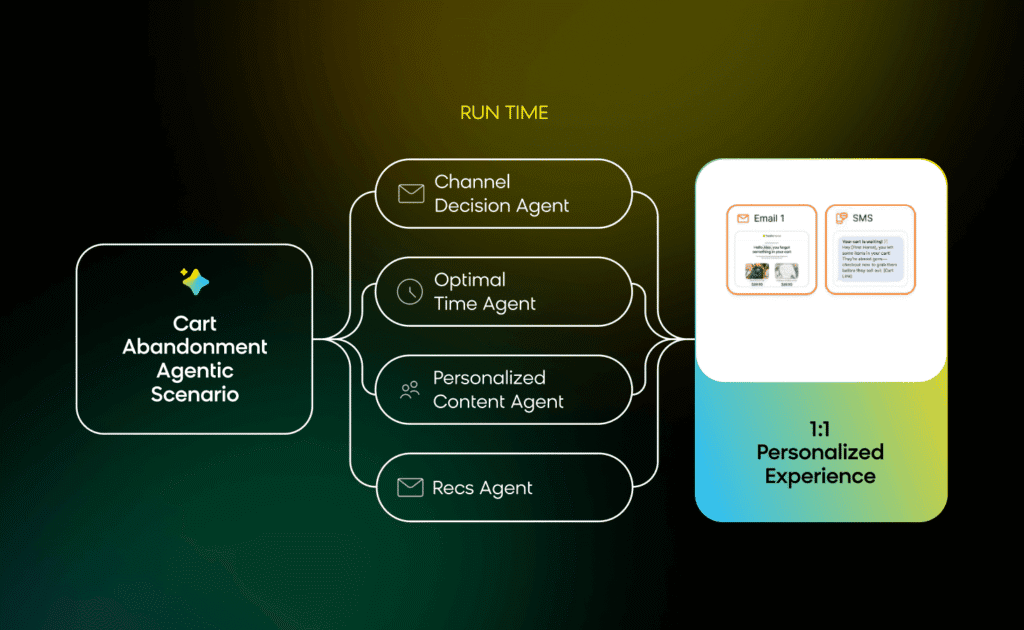
How AI Is Streamlining Modern Marketing Workflows
2w ago00:02:43Tap to summarizeMarketing teams are expected to produce more content, launch campaigns faster, and measure results across multiple channels. For agencies and small businesses, handling these tasks manually can quickly become overwhelming. Artificial intelligence (AI) is helping simplify these workflows by automating repetitive work while allowing marketers to focus on strategy and creativity. Research is one of the first areas where AI adds value. Instead of spending hours gathering competitor insights or identifying audience trends, AI tools can quickly organize data, highlight patterns, and suggest opportunities. This gives teams a stronger foundation before building a campaign. Campaign planning also becomes more efficient with AI. Marketers can generate campaign ideas, create timelines, define target audiences, and prepare messaging in less time. Rather than replacing human decision-making, AI acts as an assistant that speeds up planning and reduces administrative work. Content creation is another major benefit. AI can produce first drafts for blog posts, email campaigns, ad copy, and social media updates, helping writers overcome blank-page syndrome. Human editing is still essential for maintaining brand voice, but AI significantly reduces the time needed to create quality content. Paid advertising is becoming increasingly data-driven, and AI helps marketers manage this complexity. It can analyze campaign performance, suggest budget adjustments, identify underperforming ads, and recommend new creative variations. Instead of manually reviewing multiple dashboards, many teams now rely on an AI marketing workflow platform to organize campaign tasks, automate reporting, and improve collaboration across marketing channels. These platforms are designed to reduce repetitive work while keeping marketers in control of final decisions. Reporting is another area where AI saves valuable time. Rather than compiling spreadsheets from different advertising platforms, AI can generate clear summaries with key performance indicators and actionable insights. This allows agencies and in-house teams to spend more time discussing strategy instead of preparing reports. While AI improves efficiency, it works best as a support tool rather than a replacement for marketers. Creative thinking, audience understanding, and strategic planning still require human expertise. AI simply handles many of the repetitive tasks that slow teams down. As AI technology continues to evolve, marketing workflows will become even more connected and efficient. Businesses that combine AI automation with human creativity are likely to respond faster to market changes, improve campaign performance, and deliver better results without increasing their workload.
Transcribe →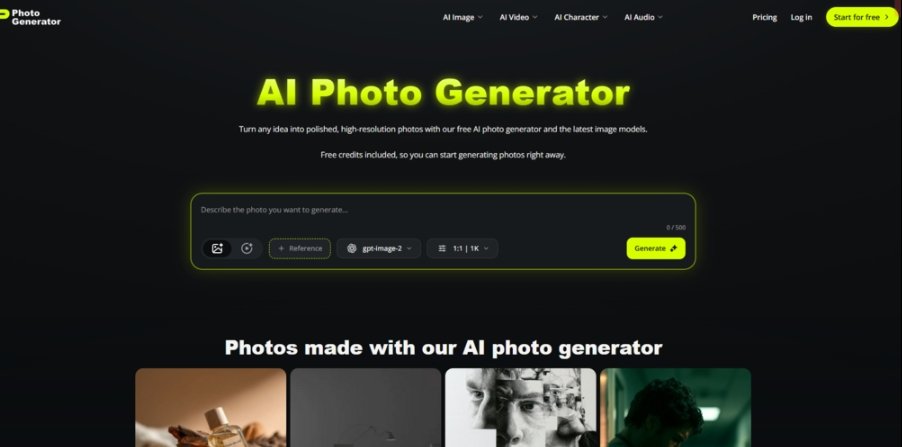
Why an AI Photo Generator Matters for Anime-Style Content Creation
2w ago00:03:24Tap to summarizeAnime-style image creation is no longer limited to hobbyists and fan artists. Today, creators, marketers, streamers, and entrepreneurs use AI-powered tools to develop characters, strengthen visual branding, and produce concept art faster than ever. As demand for stylized content continues to grow, users are looking for tools that offer both creative flexibility and dependable results. This is where an becomes especially valuable. The Growing Demand for Anime-Style Images Anime-inspired visuals have become a major part of online culture. From social media avatars and gaming profiles to YouTube branding and digital marketing campaigns, anime aesthetics are being used across many industries. However, creating high-quality anime artwork traditionally requires artistic skill, significant time investment, or expensive commissions. AI image generation has changed that landscape by making anime-style content accessible to a much wider audience. Users can now create professional-looking character artwork within minutes instead of days. Why Consistency Is More Important Than Novelty One of the biggest challenges in anime image generation is maintaining visual consistency. Unlike general AI artwork, anime characters rely heavily on recognizable features such as eye shape, hairstyle, facial structure, clothing style, and color palette. A character that looks completely different in every generated image becomes difficult to use for branding or storytelling. For creators building a personal brand, gaming identity, or recurring character series, consistency often matters more than producing a single impressive image. This is why successful anime workflows focus on repeatability. Users need images that maintain a recognizable visual identity across multiple variations. How PhotoGenerator Supports Anime Workflows PhotoGenerator offers more than basic text-to-image generation. It combines image editing, restyling, and multiple generation models within a single workflow. This allows users to start with a real photograph, a cosplay image, or a character reference and transform it into an anime-inspired design while preserving important visual traits. This flexibility is particularly useful because many anime projects begin with real-world references. A streamer may want an anime version of their profile picture, while a content creator might need a stylized mascot for branding purposes. In these situations, PhotoGenerator serves as a practical that helps users maintain character identity while exploring different artistic styles. Best Practices for Better Anime Results Creating strong anime-style images starts with a clear character concept. Before generating artwork, users should define important details such as facial features, hairstyle, clothing style, expression, and overall mood. Reference-based generation can further improve results. Uploading an existing portrait, sketch, or character design gives the AI a stronger foundation, making it easier to create multiple variations while keeping the character recognizable. It is also important to evaluate images across different formats. Anime artwork is often reused as avatars, banners, thumbnails, and social media graphics. Testing images in various sizes helps ensure they remain effective across platforms. Final Thoughts As AI becomes a standard part of creative workflows, users increasingly expect tools that provide speed, flexibility, and consistency. Anime-style image generation is no exception. PhotoGenerator stands out because it functions as a versatile creative platform rather than a narrow anime-only application. By combining realistic references, editing capabilities, and stylized generation, it helps creators build recognizable characters and visual identities that can be reused across multiple projects. For anyone seeking a reliable anime image workflow, consistency and usability remain the qualities that matter most.
Transcribe →
Why a Wider Hallway Can Change How a Whole Day Feels
3w ago00:03:12Tap to summarizeA hallway seems like one of the least significant spaces in any home, a simple connector between rooms rather than a destination in its own right. Yet the width of that passageway can meaningfully shape how comfortable, confident, and independent someone feels throughout a day. A Space Most People Never Consider Most people walk through hallways without giving width a thought, since standard dimensions work well for anyone moving through on foot without additional equipment. This invisibility is precisely what makes hallway width easy to overlook when considering what matters in thoughtful home design. For someone using a wheelchair, walker, or other mobility equipment, however, a narrow hallway transforms from an unremarkable connector into a genuine daily obstacle. Every turn requires careful maneuvering, every doorway along that hallway becomes harder to access smoothly, and simple movement between rooms demands more effort and concentration than it should for something so routine. How One Measurement Shapes an Entire Day A single hallway rarely exists in isolation within a home. It connects multiple rooms, meaning its width affects nearly every movement throughout a day, from morning routines through evening wind down. A hallway too narrow to navigate comfortably creates friction that repeats itself dozens of times daily, compounding into genuine exhaustion over time. This is why hallway width receives careful consideration within thoughtfully designed SDA housing, where builders recognize that this minor architectural decision carries outsized influence over daily comfort and independence. A properly widened hallway removes a source of repeated friction that might shape someone's entire experience of moving through their own home. The Cumulative Effect of Small Frictions Individually, a slightly too narrow hallway might seem like a minor inconvenience easily tolerated. Repeated dozens of times throughout a day, however, these small frictions accumulate into something considerably more significant, contributing to genuine fatigue and a persistent sense that one's own home requires constant, unnecessary effort simply to move through. Widening a hallway removes this accumulated friction, replacing dozens of small daily struggles with smooth, effortless movement that most people take completely for granted. This change rarely announces itself dramatically, yet its cumulative effect on daily comfort and energy levels can be significant. A Small Change With Meaningful Consequences Recognizing the outsized importance of something as simple as hallway width offers a useful lesson about home design more broadly. Small, seemingly minor measurements can carry consequences far beyond their apparent significance, shaping daily experience in ways that remain invisible until someone actually experiences the difference between a space that accommodates them and one that does not. The next time a hallway feels effortlessly easy to navigate, it may be worth recognizing that this ease likely reflects careful, intentional design consideration, one small measurement among many that collectively determines whether a home feels genuinely comfortable or subtly, persistently difficult throughout an ordinary day. A Detail Worth Remembering Hallway width rarely receives credit for the comfort it provides, precisely because it works quietly in the background. Yet this modest architectural decision often determines far more about how a home feels to live in than many more visible design choices ever could.
Transcribe →