Podcast
Preconceived
Hosted by Snack Labs · EN
Preconceived, hosted by Zale Mednick, dives deep into the intricacies of human experience, challenging the assumptions that shape our understanding of the world. In each episode, Zale engages with leading experts, thought leaders, and individuals with unique perspectives to uncover the layers beneath societal norms and expectations. From exploring cultural phenomena to dissecting scientific breakthroughs, Preconceived invites its listeners to question their preconceptions about love, life, technology, health, history, and beyond.
With a blend of curiosity and critical thinking, Zale navigates through complex topics, offering his audience a chance to gain new insights and broaden their horizons. Whether it's debunking myths, confronting biases, or simply indulging in the joy of learning something new, Preconceived is more than just a podcast; it's an invitation to view the world through a different lens.
Join Zale Mednick every week on Preconceived for enlightening conversations that promise to inspire, inform, and intrigue. Perfect for the inquisitive mind, this podcast is a must-listen for anyone eager to challenge their understanding of the world and embrace the complexity and beauty of human existence.
Hosted on Acast. See acast.com/privacy for more information.
33episodes
Episodes
Newest firstAll episodes
Is God Good? Rethinking the Bible's Most Difficult Question
2d ago00:43:28Tap to summarizeFrom a young age, many of us are brought up believing that God is the embodiment of perfection - that God is good, merciful, and reflective of the values we hold so dear in our daily lives. But on closer look, the Judaeo-Christian God that is portrayed in the Old and New Testaments can often be quite violent, vengeful, and even egotistical, demanding complete and utter loyalty from his followers. So how do we reconcile the ideals we hope God would have, with the actual portrayal of God in the Bible? Dr. Pete Enns joins the podcast. Hosted on Acast. See acast.com/privacy for more information.
Transcribe →
Preconceived is on YouTube!
4d ago00:02:34Tap to summarizePreconceived Podcast is you on YouTube @preconceivedpodcast. If you prefer watching over listening to your podcasts, you can check out all new episodes on your new and revamped YouTube channel. Be sure to subscribe at https://www.youtube.com/@preconceivedpodcast Hosted on Acast. See acast.com/privacy for more information.
Transcribe →
315. What If? The Psychology of Regret and Life's Biggest Decisions
2w ago00:57:25Tap to summarizeIn this episode, Zale discusses with Dr. Barry Schwartz, a renowned psychologist and author, how modern society's abundance of choices impacts our happiness, decision-making, and regret. They explore how too many options can lead to paralysis, the role of social comparison, and the importance of setting "good enough" standards for a more satisfying life.Main Topics:The concept of counterfactual thinking and its influence on regretHow choice overload affects decision-making and happinessThe balance between freedom and constraints in societal decision-makingThe psychological impact of social media on comparison and micro-decisionsPractical strategies for embracing "good enough" to reduce paralyzing perfectionismThe historical shift from normative life paths to individual choiceLearn from BarryThe Paradox of Choice by Barry SchwartzChoosing Wisely by Barry SchwartzBarry Schwartz - TED Talks Hosted on Acast. See acast.com/privacy for more information.
Transcribe →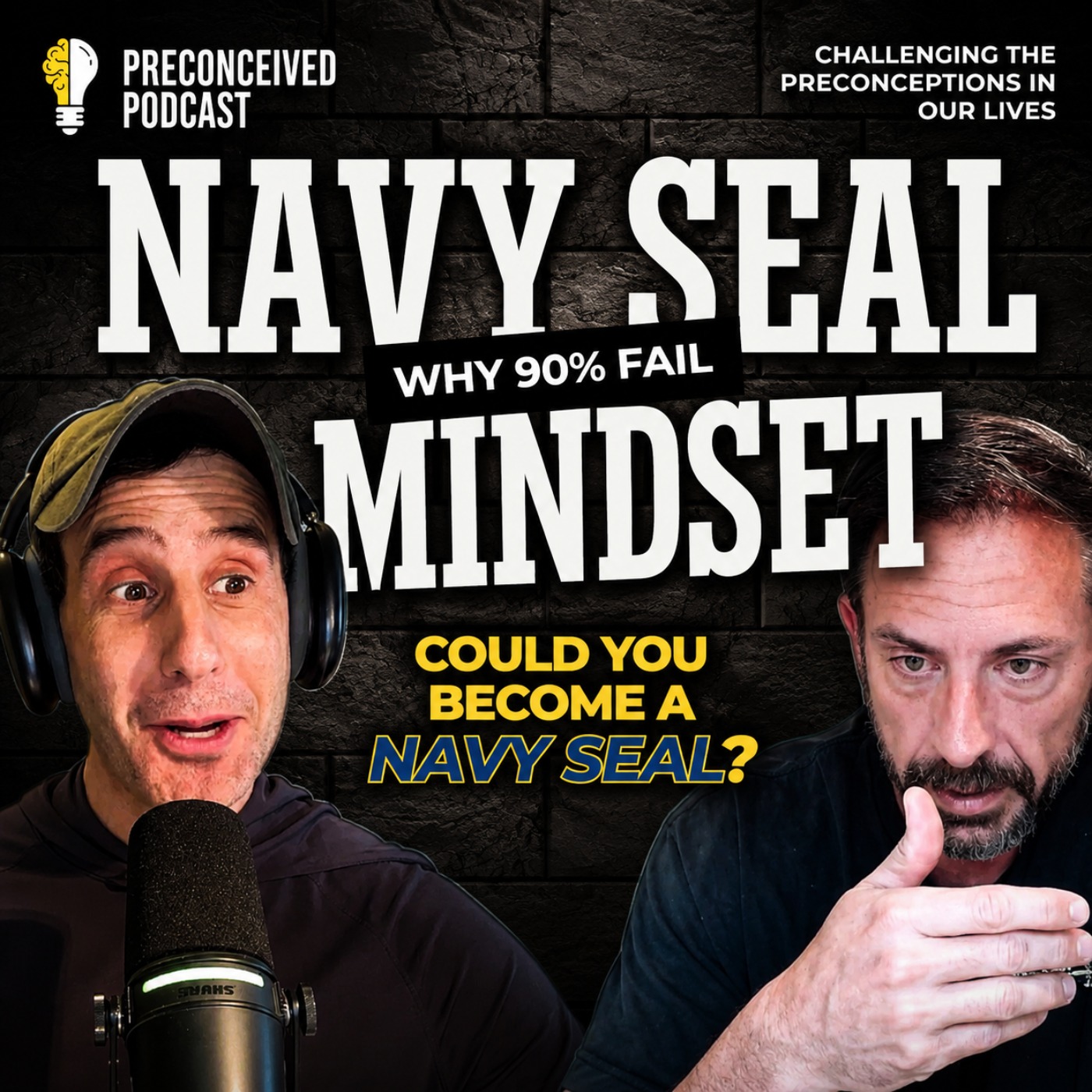
314. The Navy SEAL - Rethinking Mental Toughness
Jul 1400:54:28Tap to summarizeWhat really separates elite performers from everyone else? In this episode of Preconceived, Zale sits down with former Navy SEAL officer Rich Diviney to challenge the myth of the "superhuman" SEAL and explore what truly drives performance under pressure. Rich explains the difference between skills and attributes, why SEAL training is designed to push candidates to their limits, and how qualities like resilience, adaptability, situational awareness, and compartmentalization determine success in uncertain environments. He also discusses the emotional impact of falling short of a goal and what failure can teach us about growth and identity.Should we judge ourselves by how we perform in our toughest moments, or is that too simplistic? This conversation explores performance, self-awareness, and why the way we respond to adversity can shape who we become.Learn more about Rich Diviney and explore his books - https://theattributes.com/Want to learn about your own attributes? Take this Assessment - https://learn.theattributes.com/mastering-uncertainty Hosted on Acast. See acast.com/privacy for more information.
Transcribe →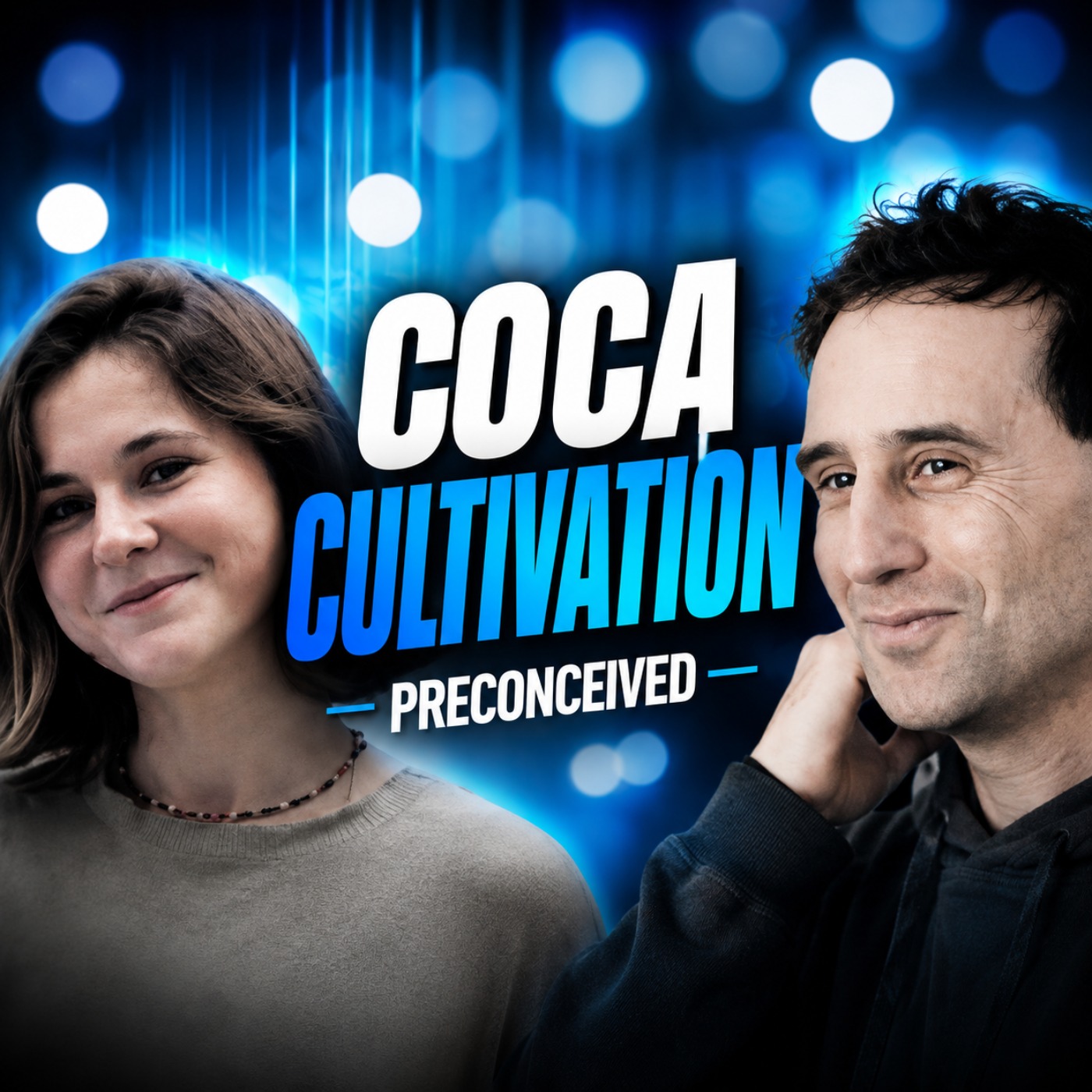
313. The Truth About Cocaine
Jun 3000:58:34Tap to summarizeMost of us think we know cocaine — a glamorous party drug with a dark side, a scourge of the 80s, a straightforward villain in the story of addiction. But what happens behind the scenes - in the months of work and miles of travel that take the coca leaf of Central and South America to the consumers all around the world? Emilia Ziosi is a researcher and science communicator whose work has focused largely on the cocaine trade. In this episode, Zale and Emilia dig into the assumptions we carry about cocaine and where they actually come from, including:- How cocaine was used medically for decades — and why that history got buried- What's actually happening in the brain during cocaine use, and why the "addiction = weak willpower" framing misses the point- The racial politics behind cocaine prohibition and how moral panic shaped drug policy- Why cocaine's cultural image has shifted so dramatically across time and class- What harm reduction gets right that abstinence-only approaches keep getting wrong- Whether we're asking the right questions when it comes to drug policy reformPreconceived is a weekly Society & Culture podcast where each episode challenges a widely-held assumption. Hosted by Zale Mednick. New episodes every week. Hosted on Acast. See acast.com/privacy for more information.
Transcribe →312. The Neuroscience of Thriving: Emotional Fitness, Social Connection & Why Your Brain Feels Off
Jun 1600:34:29Tap to summarizeWhat does it actually mean to thrive—not emotionally, but biologically? In this episode, neuroscientist Paul Zak breaks down the brain science behind emotional fitness, social connection, and the kinds of experiences that make life feel deeply engaging rather than merely comfortable. We explore whether thriving is a measurable state of the nervous system, why modern life may be quietly working against it, and how factors like immersion, awe, and human connection shape the way our brains function over time.Learn more about Dr. Paul Zak at https://pauljzak.com/Learn about his app at https://your6.com/ Hosted on Acast. See acast.com/privacy for more information.
Transcribe →
311. What is Normal Penis Size? Male Sexual Performance and Anxiety
Jun 201:01:23Tap to summarizeIn recent years, conversations around sex have become far more attentive to women’s experiences, desires, and frustrations — and for good reason. But in the process, have we stopped talking honestly about male sexuality? In this episode, Zale sits down with sex therapist and author Chris Donaghue to explore the psychology of male sexual performance, insecurity, validation, and desire. From penis size and performance anxiety, to casual sex, long-term relationships, and what actually makes someone “good in bed,” this conversation examines the fears men rarely admit out loud — and asks what healthy male sexuality could look like without shame, pressure, and distorted expectations.Learn more about Dr. Chris Donaghue and his books at https://www.drchrisdonaghue.com/ Hosted on Acast. See acast.com/privacy for more information.
Transcribe →310. Can Science Fully Explain Consciousness?
May 1900:49:00Tap to summarizeIs human consciousness simply the product of brain activity — or does reducing human experience to biology leave something essential out? In this episode, philosopher, physician, and former clinical neuroscientist Raymond Tallis joins the show to challenge reductionist views of the mind, unpack the limits of neuroscience, and explore what makes human beings distinct. Best known for his critiques of “neuromania” and scientism, Tallis discusses consciousness, free will, language, AI, and why he believes human life cannot be fully explained by neurons alone. Hosted on Acast. See acast.com/privacy for more information.
Transcribe →309. Can a Chemical Make You Moral? The Science of Oxytocin
May 500:42:21Tap to summarizeWhat if our sense of right and wrong isn’t just philosophical, but biological? In this eye-opening episode, Dr. Paul Zak reveals that a single molecule—oxytocin—could hold the key to understanding trust, empathy, and virtue itself. Imagine being able to measure compassion in a blood sample or enhance generosity with a nasal spray. Is morality purely a matter of choice, or are we wired for virtue? Join Zale as he learns how neurobiology may be reshaping our moral landscape. Learn more about Dr. Paul Zak at https://pauljzak.com/Check out Paul's app - Your Six - at https://your6.com/ Hosted on Acast. See acast.com/privacy for more information.
Transcribe →308. Is AI Coming For Your Job?
Apr 2100:52:44Tap to summarizeIn this episode, Zale is joined by Mark McNeilly to explore the transformative power of AI, its implications for the future of work, society, and creativity, and how individuals and organizations can adapt. Which jobs are most at risk with the advent of AI? Has society at large been downplaying the real concerns of of AI replacing our roles?Zale and Mark discuss the nuances of AI development, adoption barriers, ethical considerations, and practical strategies for leveraging AI responsibly. Check out Mark McNeilly's blog at https://markmcneilly.substack.com/ Hosted on Acast. See acast.com/privacy for more information.
Transcribe →