
Podcast
PublicBenefit - Me, Myself and AI
Hosted by AI Overview by Google Notebook LM · EN
rgwer5tqertqerggtwertg
5episodes
Episodes
Newest firstAll episodes

Pauly's Papers - Human-in-the-Loop at Scale: Managing AI Risks, Roles, and Realities.
May 13, 202500:08:16Tap to summarizeEpisode SummaryIn this insightful episode, we delve into the complexities of managing AI risks, roles, and realities with Paul Wolfe, editor and lead researcher behind the comprehensive report "Human-in-the-Loop at Scale." Paul shares his thoughtful analysis of why there's a vast gap between AI ambition and actual organizational maturity, outlining the importance of his three-layer governance model—Software Infrastructure, LLM Reasoning, and Human-in-the-Loop oversight. Through personal anecdotes and detailed case studies, Paul highlights the nuanced human dynamics that influence AI deployment, emphasizing the distinct challenges faced by software developers, people managers, and subject-matter experts.Download the Paper @ https://paulwolfe.ca/downloadsKey HighlightsNavigating the Ambition vs. Maturity Gap: Paul unpacks the critical factors contributing to why only 1% of companies feel "AI-mature," including legacy systems, rapid technological advancement, and organizational inertia.Three-Layer Governance Model: An exploration of the critical roles played by Software Infrastructure, the reasoning capabilities of LLMs, and Human-in-the-Loop oversight, demonstrating how each layer contributes uniquely to robust AI governance.Human Dynamics and Bias: Paul's deep dive into the biases and blind spots of different stakeholders—developers, managers, and SMEs—and which persona faces the most challenging adjustments when integrating AI.Critical Design Patterns: Insights into frequently overlooked governance mechanisms like confidence scoring, prompt-linting, and live citation tracking, along with the practical consequences of neglecting these crucial patterns.Real-World Scenarios: The inspiration behind the compelling scenarios "Cynthia’s Copilot," "Jamal’s Dashboard Dilemma," and "Dr. Chen’s Citation Crisis," based closely on Paul's extensive personal and professional experiences.Structured Roadmaps & Common Pitfalls: Discussion on the importance of following a clear implementation roadmap to avoid pitfalls, emphasizing thoughtful, phased approaches rather than rushing AI integration.Governance Transformation Advice: Paul's key advice to organizational leaders embarking on AI governance journeys, stressing the importance of starting small, iteratively building capacity, and focusing human efforts on distinctly human tasks.Quote from the Interview"Start small and modular. Understand the human dynamics and remember that effective AI governance isn't just technological—it's a fundamental transformation in how organizations function and interact."
Transcribe →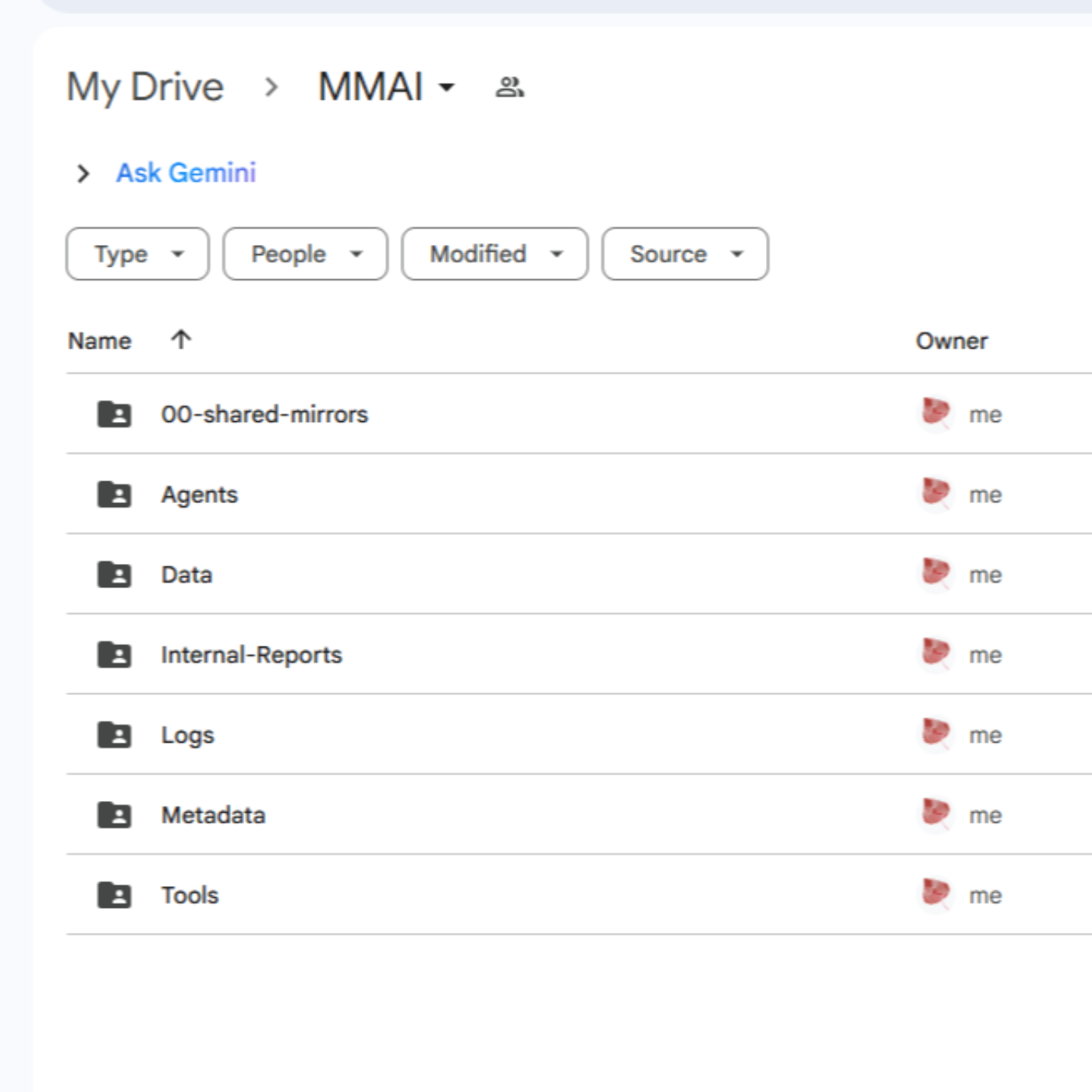
Me, Myself & AI: The Human Compass – Guiding AI with a North Star Dataset
May 6, 202500:09:50Tap to summarizeEpisode Summary This episode offers a deep dive into the Enhanced HelpDesk-RAG AI project, spotlighting the indispensable role of Paul Wolfe, the "Human in the Loop." We explore Paul's firsthand experiences in laying the project's data foundation, the intricacies of guiding AI agents as a non-technical expert, the hurdles he's navigated, and his forward-looking vision for human-AI collaboration.Key HighlightsSetting a "North Star": How the 2022 T3010 dataset from Open Government Canada provides a crucial, reliable focal point for the AI agents, ensuring quality and focus.The Art of Guiding AI: Paul's practical methods for keeping AI agents on track, including using screen captures and log validation, and the importance of understanding the broader process.Bridging the Technical Gap: Paul's candid discussion on the challenges faced as a "not a technical person," including managing mismatched expectations between his skills and the AI's requests, and the mutual learning curve involved.Iterative Growth & Role Definition: The daily sophistication of the project, focusing on developing discrete roles for AI agents (like "Ravi Kapoor," the AI data specialist) and refining their personalities and skill sets.Future Interface & Interaction: Paul's vision for future milestones, including voice command capabilities for data updates and a user-friendly interface to broaden accessibility and understanding of AI-data interaction.Advice from the Loop: Paul's recommendations for others in similar roles, emphasizing leveraging existing tech skills, patience, and finding the right balance of assertiveness with AI.Quote from the Report "He relies on the AI agents to give him tasks, but sometimes they overestimate his technical abilities, for example, asking him to replace a specific line in code he doesn't understand, leading him to ask for the entire code to be regenerated."
Transcribe →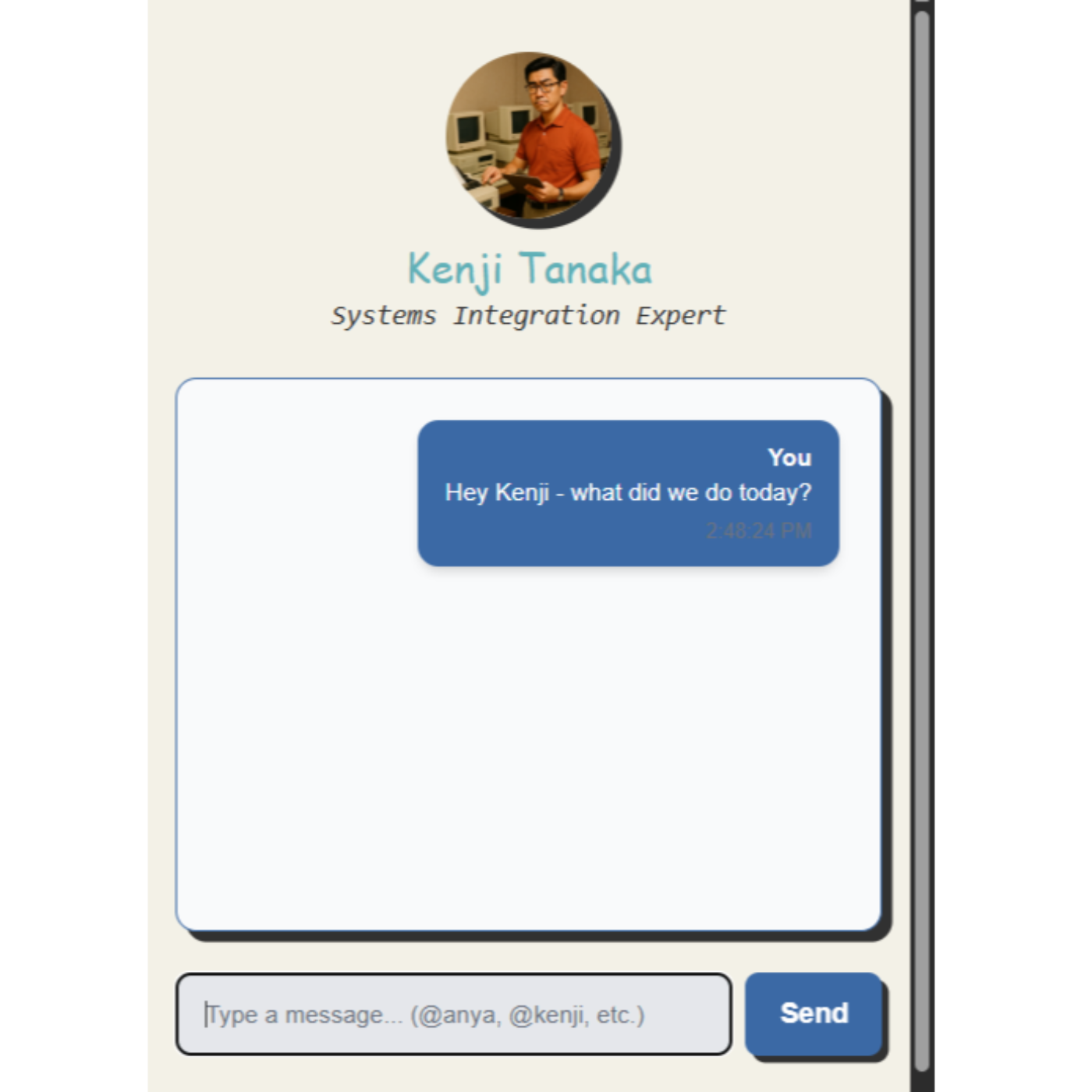
Me, Myself & AI: Integrations and Interrigations - OAuth and Sharing
May 3, 202500:16:35Tap to summarizeEpisode SummaryThis episode features an AI-generated debrief on the initial cloud connections of the Me, Myself & AI project, spotlighting work led by Kenji Tanaka (System Integration Expert-AI) and Paul Wolfe (Human-in-the-Loop). Paul & the AI (Kenji) reviewed early-stage decisions, frameworks, and design patterns from the project’s documentation.Key HighlightsIntroducting Kenji - an AI system adminConnecting a Pro Open AI account with Google Workspace, and Google Cloud (with no technical expertise)Revising the prompt strategy to accomodate long prompt strings and and avoiding rabbit trails when the AI get stuck in the weedsWhen to Burn it to the GroundMMAI is mapped to cloud and continues to work with a one click launch from desktopQuote from the Report"A CLI is great for developers, but it's not good for everyone. A hybrid approach using LangChain and a grapical frontend lets developer develop quickly, deveop a react front end, deploy it and monitor."
Transcribe →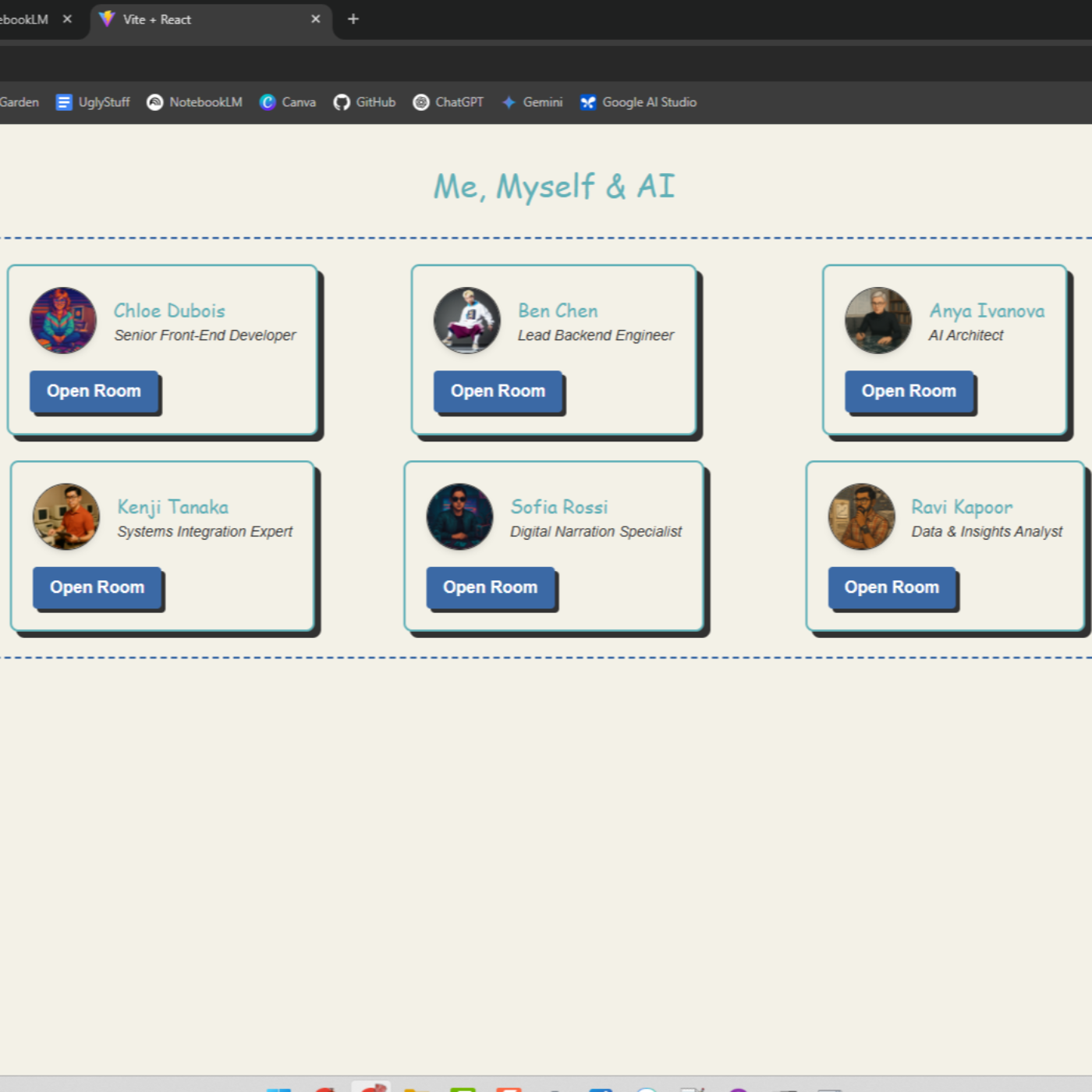
Me, Myself & AI: Backend Beginnings – Agent Report
May 1, 202500:12:37Tap to summarizeEpisode SummaryThis episode features an AI-generated debrief on the backend development phase of the Me, Myself & AI project, spotlighting work led by Ben Chen (AI Backend Architect) and Paul Wolfe (Human-in-the-Loop). The agents reviewed early-stage decisions, frameworks, and design patterns from the project’s documentation.Key HighlightsFoundation First: Clear emphasis on modular, scalable backend structure using Vite & React.API Vision: Initial discussions on routing logic, multi-agent memory, and RAG integration.Human-AI Balance: Paul Wolfe outlines how backend architecture can empower human validators and content contributors without overwhelming them.Security Signals: Early notes on future OAuth strategies and secure document handling.Next Steps Identified: Establishing endpoint conventions, bot identities, and memory threading protocols.Quote from the Report"Agent Ben emphasized redundancy control and lightweight architecture. Paul flagged long-term scalability risks and requested phased implementation. Both parties agreed: clarity now prevents chaos later."
Transcribe →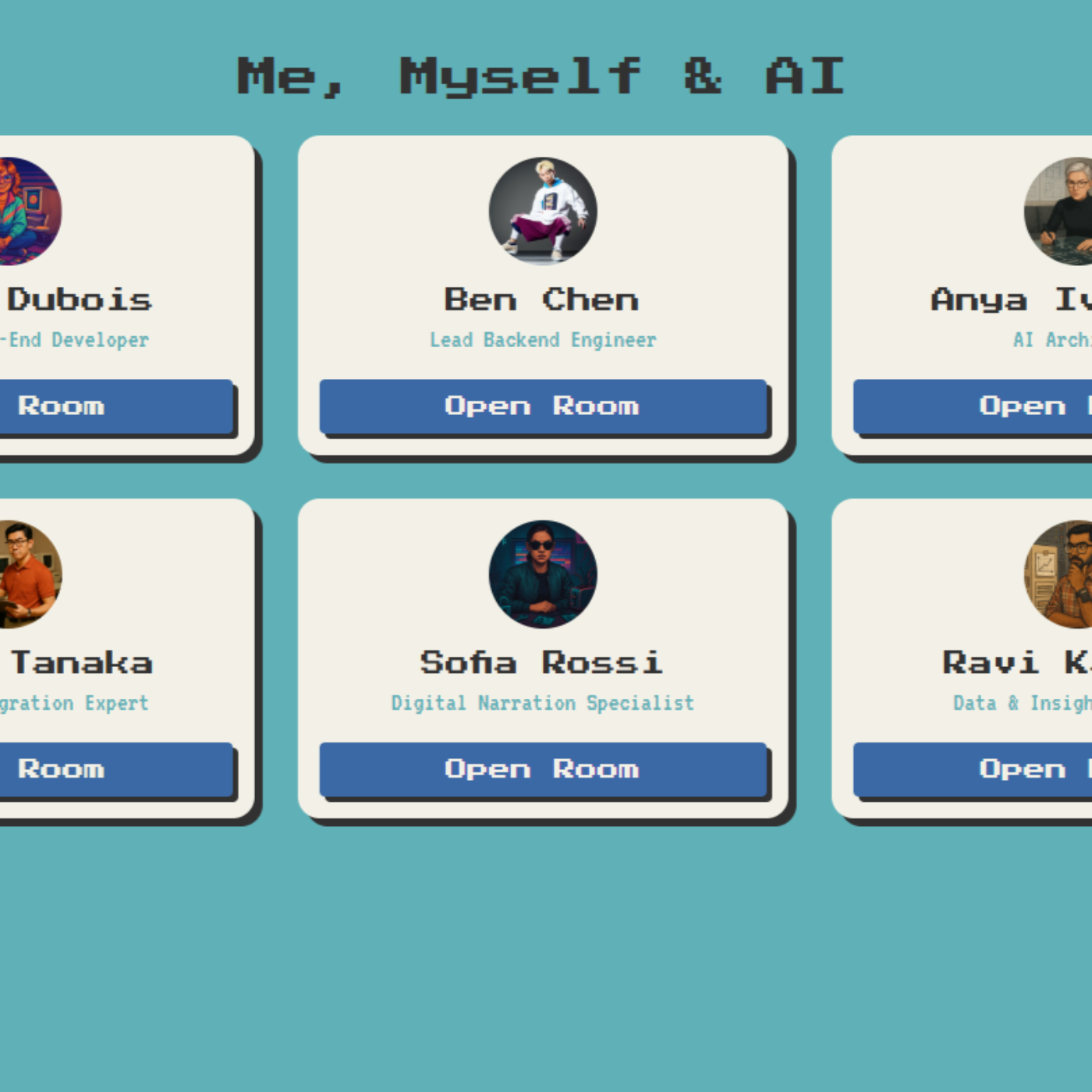
Me, Myself & AI: Building Your Personal AI Workspace
Apr 30, 202500:09:05Tap to summarizeEpisode Title: Me, Myself, and AI: Building Your Personal AI Workspace (#001)Release Date: April 30, 2025Brief Summary: Discover how the innovative "Me, Myself, and AI" workspace blends neo-retro aesthetics with specialized AI agents to effectively manage information overload and boost personal productivity.In This Episode You'll Learn:Strategies for managing complex tasks and information overload using specialized AI agents.The creative inspiration behind the project's distinctive "neo-retro" user interface.The importance of the human-in-the-loop philosophy for productive AI collaboration.Secure and personalized integration techniques with popular tools such as Google Workspace and AirTable.Featured AI Agents:Anya (Chief Architect): Provides strategic oversight and alignment.Ben Chen (Backend Engineer): Responsible for API and database integrations.Chloe (Front-end Developer): Specializes in UI/UX design with neo-retro aesthetics.Kenji, Ravi, Sophia: Additional specialized agents supporting various tasks.Memorable Quotes:"Each agent is like assembling a team of experts—single responsibility experts.""Only do what only you can do—let AI handle the rest.""Persistent prompting is the key to effectively guiding your AI team."
Transcribe →