
Podcast
AgCast by Purdue Commercial Agriculture
Hosted by Purdue Center for Commercial Agriculture · EN
AgCast brings you conversations about the business of agriculture — from the farmers making decisions every day to the leaders shaping the industry. Hosted by Chad Fiechter and Todd Kuethe from Purdue University, each episode explores the challenges, opportunities, and strategies impacting the ag economy and the business of farming.
14episodes
Episodes
Newest firstAll episodes
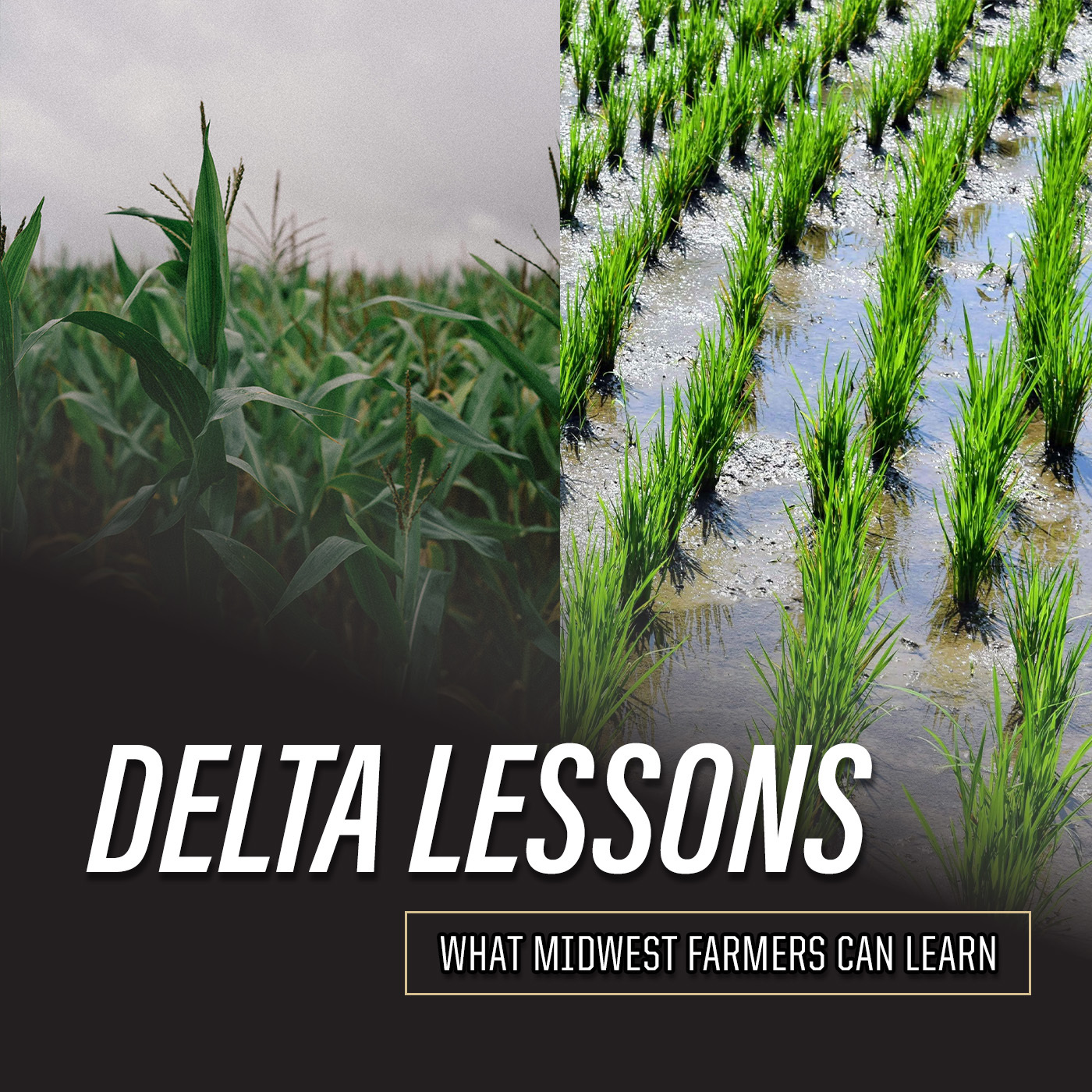
Lessons From the Delta, Part 3: How Investors Are Buying Farmland
Mar 1100:24:06Tap to summarizeLessons From the Delta continues — this time focusing on how farmland moves from farmers to investors and back again. In Episode 3 of the Purdue Commercial AgCast mini-series, Chad Fiechter and Todd Kuethe speak with Colson Tester of AcreTrader about how farmland investment platforms identify properties, evaluate land values, and structure investments for accredited investors. While farmland has long attracted institutional capital, platforms like AcreTrader are opening the door for retail investors to participate in agricultural land ownership. But farmland investing works differently than most asset classes — deals are often sourced locally, data can be limited, and success depends heavily on working with the farmers operating the land. The conversation explores: • How farmland investment platforms source and evaluate farms • Why buying land at or below market value is critical for long-term returns • How farms are structured as investment offerings for retail investors • Typical hold periods and expected return targets for farmland investments • Why many farmland acquisitions involve sale-leaseback arrangements with operators During the trip, the group also visited one of the first farms AcreTrader acquired in the Mississippi Delta and discussed how leasing structures, irrigation systems, and local production practices influence farmland values in the region. As previous episodes in the series have shown, Delta agriculture operates within a different production system — one heavily dependent on irrigation infrastructure and specialized crop rotations. Those same factors also influence how farmland is evaluated as an investment asset. While the production systems may differ from the Midwest, the strategic questions remain familiar: How should farmland be valued? What drives long-term land appreciation? And how does capital access shape farm growth and business decisions? This episode builds on the earlier conversations in the series and sets up upcoming discussions on irrigation systems, water management, and how those investments influence farm productivity and land values. We’ll also continue sharing video clips and behind-the-scenes footage from the Arkansas trip on our YouTube channel throughout the series. Subscribe to the Purdue Commercial AgCast so you don’t miss upcoming episodes in the Lessons From the Delta series. For more farm management resources, visit: 👉 https://purdue.ag/commercialag Subscribe to the podcast: 👉 https://purdue.ag/agcast Follow us: X: https://twitter.com/PUCommercialAg Facebook: https://www.facebook.com/PUCommercialAg LinkedIn: https://www.linkedin.com/company/center-for-commercial-agriculture
Transcribe →
Producer Sentiment Stabilizes, But Future Expectations Slip | February 2026 Ag Economy Barometer
Mar 400:17:52Tap to summarizeIn this episode of the Purdue Commercial AgCast, Joana Colussi and Michael Langemeier break down results from the February 2026 Purdue University–CME Group Ag Economy Barometer. The overall barometer rose modestly to 116, driven by improved current conditions. However, the Index of Future Expectations slipped, reflecting continued caution among producers. Crop producers remain under financial pressure, while livestock producers—especially cattle operations—report stronger optimism. In this episode, we discuss: Why 63% of producers expect bad financial times ahead for crops Continued strength in cattle and livestock sentiment Why nearly 70% say it’s a bad time to invest in machinery How producers plan to use Farmer Bridge Assistance Payments Rising importance of trade policy in farm decision-making Farmland value expectations and what they signal for balance sheets Farm growth, consolidation, and generational transition trends What do these shifts in sentiment mean for 2026 decision-making? Listen in for insights and implications for commercial farms. Full Ag Economy Barometer report: 👉 https://purdue.ag/agbarometer The Ag Economy Barometer sentiment index is calculated each month from 400 U.S. agricultural producers’ responses to a telephone survey. For more farm management content, visit: 👉 https://purdue.ag/commercialag Subscribe to the podcast: 👉 https://purdue.ag/agcast Follow us X: https://twitter.com/PUCommercialAg Facebook: https://www.facebook.com/PUCommercialAg LinkedIn: https://www.linkedin.com/company/center-for-commercial-agriculture #Purdue #AgBarometer #FarmManagement #FarmEconomy #AgOutlook #AgEconomy #Agriculture
Transcribe →Lessons From the Delta, Part 2: Land Values, Capital Markets, and the Business of Rice
Feb 2500:17:24Tap to summarizeLessons From the Delta continues — but this time, the focus shifts from fields to finance. In Episode 2 of the Purdue Commercial AgCast mini-series, Chad Fiechter and Todd Kuethe sit down with Aaron Shew of Acres to explore how farmland is valued, how capital moves through the Delta, and why agricultural land markets are more complex than most producers realize. Unlike residential real estate, there is no “Zestimate” for farmland. In many counties, fewer than 10 land transactions occur each year — yet prices can shift 5–10% annually. That creates real challenges for lenders, brokers, investors, and farmers trying to make long-term capital decisions. The conversation also discusses: • Why agricultural land data is fragmented and difficult to combine • How lenders and investment firms evaluate farmland purchases • The role of mortgage data and transaction history • What rice farmers are actually paid for — and why it’s different from corn and soybeans • How milling yield introduces another layer of risk As the Delta’s irrigation-dependent system shows, land values, water access, and milling economics stack together to create a very different capital structure than what most Midwest producers experience. While the crops may differ, the business questions are familiar: How do you value long-term assets in volatile markets? How does capital flow shape farm strategy? And how does payment structure influence risk? This episode builds on Part 1 and sets up upcoming conversations on irrigation automation and capital investment decisions in the Delta. We’ll also be sharing additional video clips and behind-the-scenes content from the trip on our YouTube channel throughout the series. Subscribe to the Purdue Commercial AgCast so you don’t miss upcoming episodes in the Lessons From the Delta series. For more farm management resources, visit: 👉 https://purdue.ag/commercialag Subscribe to the podcast: 👉 https://purdue.ag/agcast Follow us: X: https://twitter.com/PUCommercialAg Facebook: https://www.facebook.com/PUCommercialAg LinkedIn: https://www.linkedin.com/company/center-for-commercial-agriculture
Transcribe →Lessons From the Delta, Part 1: What Midwestern Farmers Can Learn From Southern Agriculture
Feb 1800:29:35Tap to summarizeSouthern agriculture operates in a very different environment than the Midwest — different crops, different water management systems, different land structures, and different production risks. But there are powerful lessons for commercial grain producers everywhere. In this episode of the Purdue Commercial AgCast, we launch a new mini-series: Lessons From the Delta. After traveling to Arkansas and the Mississippi Delta region, Chad Fiechter and Todd Kuethe share what stood out most about crop diversity, irrigation intensity, farm structure, and regional economics. From rice and cotton production to groundwater dependence and large-scale irrigation systems, this discussion explores how southern farmers manage risk differently than Midwest corn and soybean producers. The episode also highlights how climate, infrastructure, export access, and conservation programs shape long-term farm strategy in the Delta. While production practices may differ, the business questions are familiar: • How do you manage tight margins? • How do you think about long-term water access? • What does scale look like in a different production system? • And what can Midwest farmers learn from a region built around irrigation? This episode sets the stage for upcoming interviews with producers, researchers, Extension leaders, and conservation organizations across the Delta region. We’ll also be sharing additional video clips and behind-the-scenes content from the trip on our YouTube channel throughout the series. Subscribe to the Purdue Commercial AgCast so you don’t miss upcoming episodes in the Lessons From the Delta series. For more farm management resources, visit: 👉 https://purdue.ag/commercialag Subscribe to the podcast: 👉 https://purdue.ag/agcast Follow us: X: https://twitter.com/PUCommercialAg Facebook: https://www.facebook.com/PUCommercialAg LinkedIn: https://www.linkedin.com/company/center-for-commercial-agriculture #Purdue #FarmManagement #AgEconomy #Agriculture #Irrigation #Rice #Cotton
Transcribe →