
Podcast
Purity & Danger
Hosted by Sylvie & Dora · EN
A pair of cultural artefacts beget thematic resonances.
16episodes
Episodes
Newest firstAll episodes

I Have No Back, and I Must Rooms
6d ago02:01:56Tap to summarizePurity & Danger charge up the modem and hack the mainframe. Noclipped out of reality, newly minted console cowboys Sylvie and Dora discover the Backrooms, a labyrinthine alternate universe extrapolated from a cursed image of an abandoned furniture store posted on 4chan, and the AI-controlled post-apocalyptic hellscape of I Have No Mouth, and I Must Scream, a 1995 video game inspired by a Harlan Ellison short story. The girls are translated into binary and, wandering through a yet inexperienced cyberspace template, hear the echoes and reverberations of liminal space, cyberpunk, H.R. Giger’s biomechanical art, and hauntology.
Transcribe →
The Dunhamesque
4w ago02:07:57Tap to summarizePurity & Danger join the long-awaited Lena Dunham renaissance. Impatient and afraid, hungry and heartbroken, Sylvie and Dora reflect upon her prodigious smash-hit Girls in the light of her recent tell-all memoir Famesick. The pitfalls of early fame, confessional writing, twee-on-twee crime and the hipster are all pieces of the puzzle that is the Dunhamesque.
Transcribe →
The Scapegoat Summit w/ Fiona Duncan
Jun 2101:21:11Tap to summarizeThis week we bring you a special guest episode… our first. Fiona (Alison) Duncan, celebrated writer and founder of literary social practice Hard to Read, joins us for The Scapegoat Summit: an in-depth exploration of René Girard’s thoughts on mimetic violence, imitative desire and their conservative appeal. Compulsory heterosexuality, Lena Dunham, woke 2.0 and the secret angels of the world cut through anecdotes and reminiscences as we three try to understand how Girard morphed from a prophet of deviated transcendence to the Godfather of the like.
Transcribe →
Sylvie & Dora
May 3101:52:03Tap to summarizeWhat’s in a name? Sylvie and (Isa)dora tell you. Sylvie watches “Sylvie”, a 1973 German TV film about a doomed romance between a cab-driver-cum-sailor and a model, and Dora watches “Isadora, The Biggest Dancer in the World”, Ken Russell’s tribute to the Mother of Modern Dance. Following in the footsteps of their namesakes, Sylvie and Dora skip, twirl and leap through rival manifestos by German filmmakers, a Nietzschean theory of dance, an ashram brought down by a beautiful secretary, and the unjust treatment of aging female eccentrics.P.s. Sorry from the bottom of our hearts for the intermittent mic interference. We still don’t fully understand how to use the mics.
Transcribe →
X-Rated and Illustrated
May 401:59:56Tap to summarizeA lanky provocateur, a pencil, and an Amazonian objet d'art who might snap her creator in half like one. A winning formula unites Robert Crumb’s incendiary cartoons and Namio Harukawa’s monomaniacal smut. Lost in the badlands of X-rated illustration, Sylvie and Dora argue about who is more callipygian, historicise erotica and battle the beautiful fighting girl, denizen of the girlish abyss.
Transcribe →
Easter Islands
Apr 502:00:47Tap to summarizeTwo islands, both alike in Easter. Sylvie and Dora stand before the faces of the chiefs at Easter Island and are chased by rabbits at Ōkunoshima, Japan’s viral Rabbit Island. Hunting for eggs, they turn up Édouard Glissant’s archipelago, kawaii, an island molestation scandal and a rabbit costume incest allegory.Many thanks to Abigail Morris for the visualisation exclusive <3
Transcribe →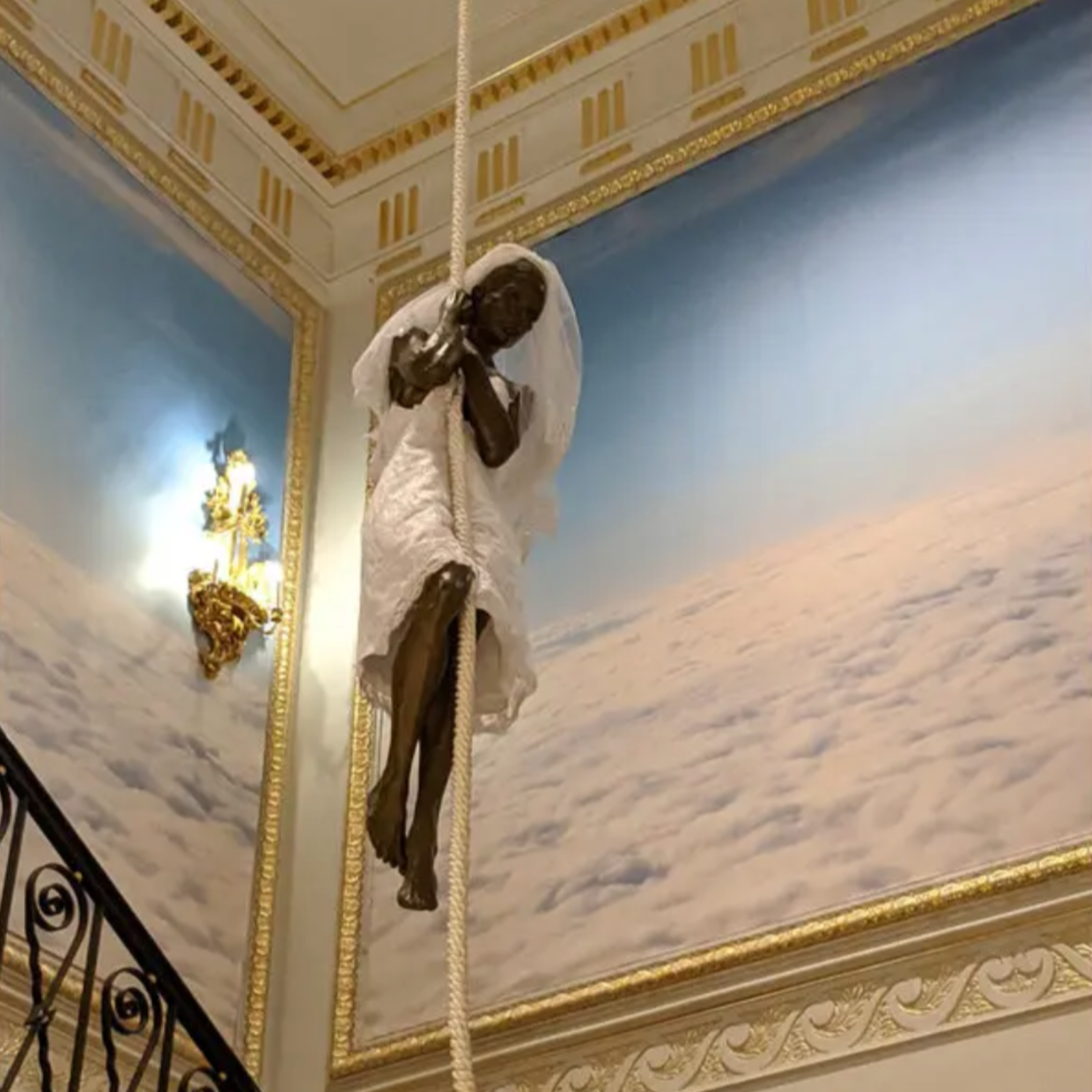
Confidential
Mar 801:58:35Tap to summarizeThis episode is strictly confidential. Jeffrey Epstein’s little black book meets Peter Thiel’s 2004 essay ‘The Straussian Moment’ at an undisclosed location. Sylvie and Dora pick over a heap of discarded documents. Among the detritus they find the scapegoat, the Antichrist and the Man from O.R.G.Y. All will be revealed in this, our 19th episode.
Transcribe →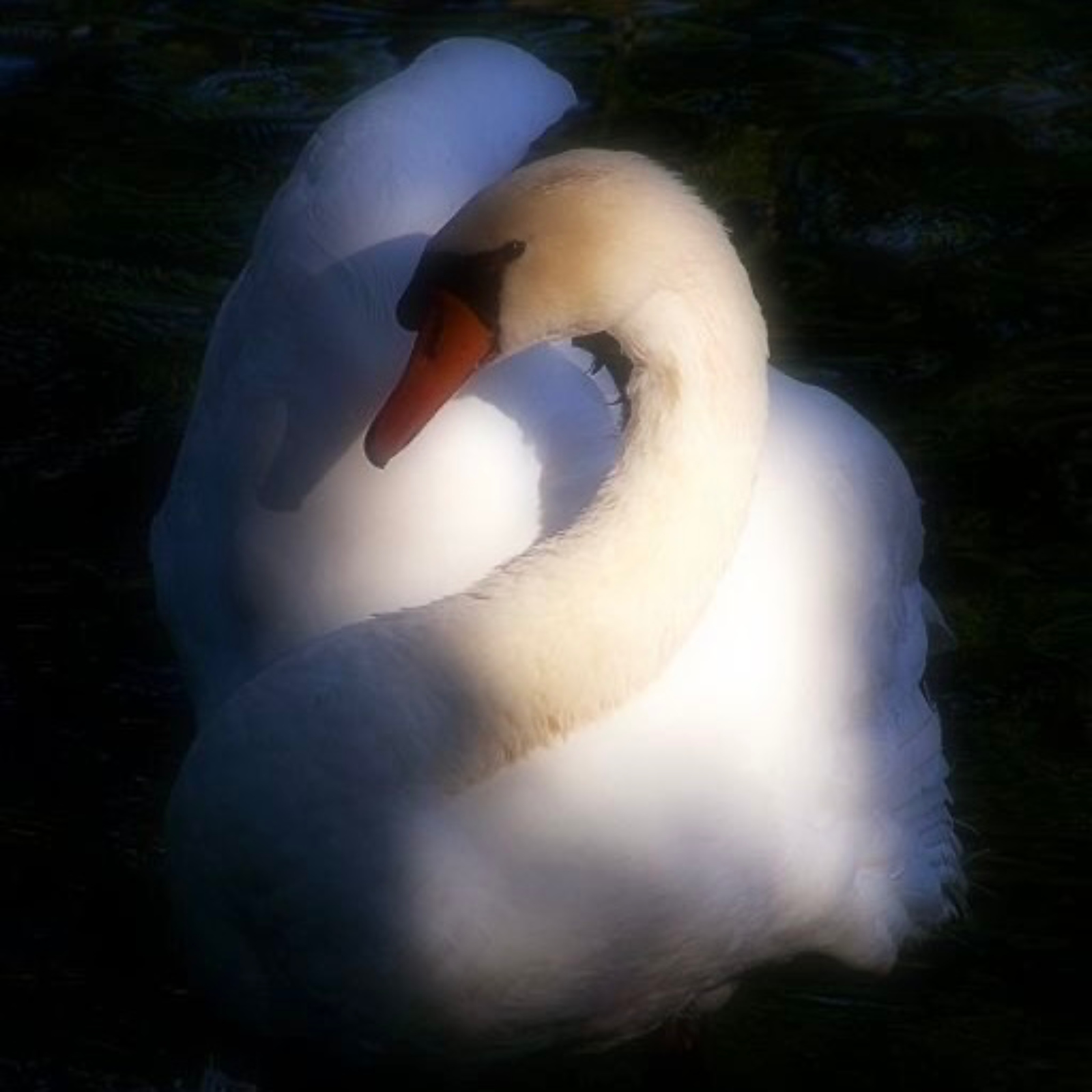
Swan Lake
Feb 802:02:56Tap to summarizeA pas de deux, a podcast. Upon the lake of tears sit Oskar Schlemmer’s Triadisches Ballet, an experimental dancework conceived in pre-war Germany, and Truman Capote’s Swans, a group of high society women he befriended and betrayed. Pageantry, sorcery, Nazi characterology and robot ballerinas float by as Sylvie and Dora discuss what it means to be a swan.This episode's visualisation was donated by the renowned Biz Sherbert, whose generosity knows no bounds.
Transcribe →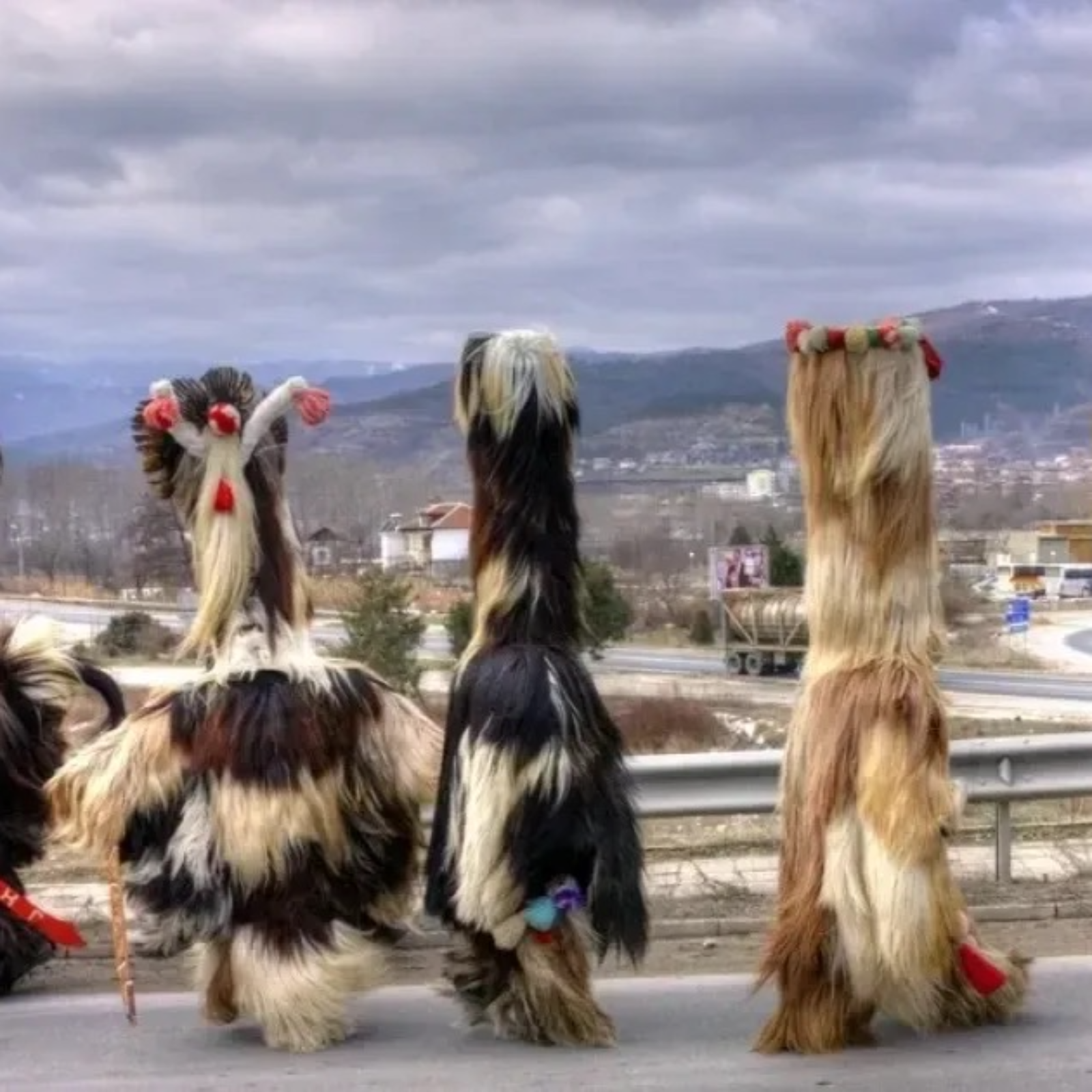
Epiphany
Jan 1102:01:17Tap to summarizeSylvie and Dora confront Epiphany’s Janus face. The festive agitator Lord of Misrule parleys with William Holman Hunt’s sanctimonious painting ‘The Awakening Conscience’. Episode 17 is awash with mock legislature, fallen women and cosmological contrariety.
Transcribe →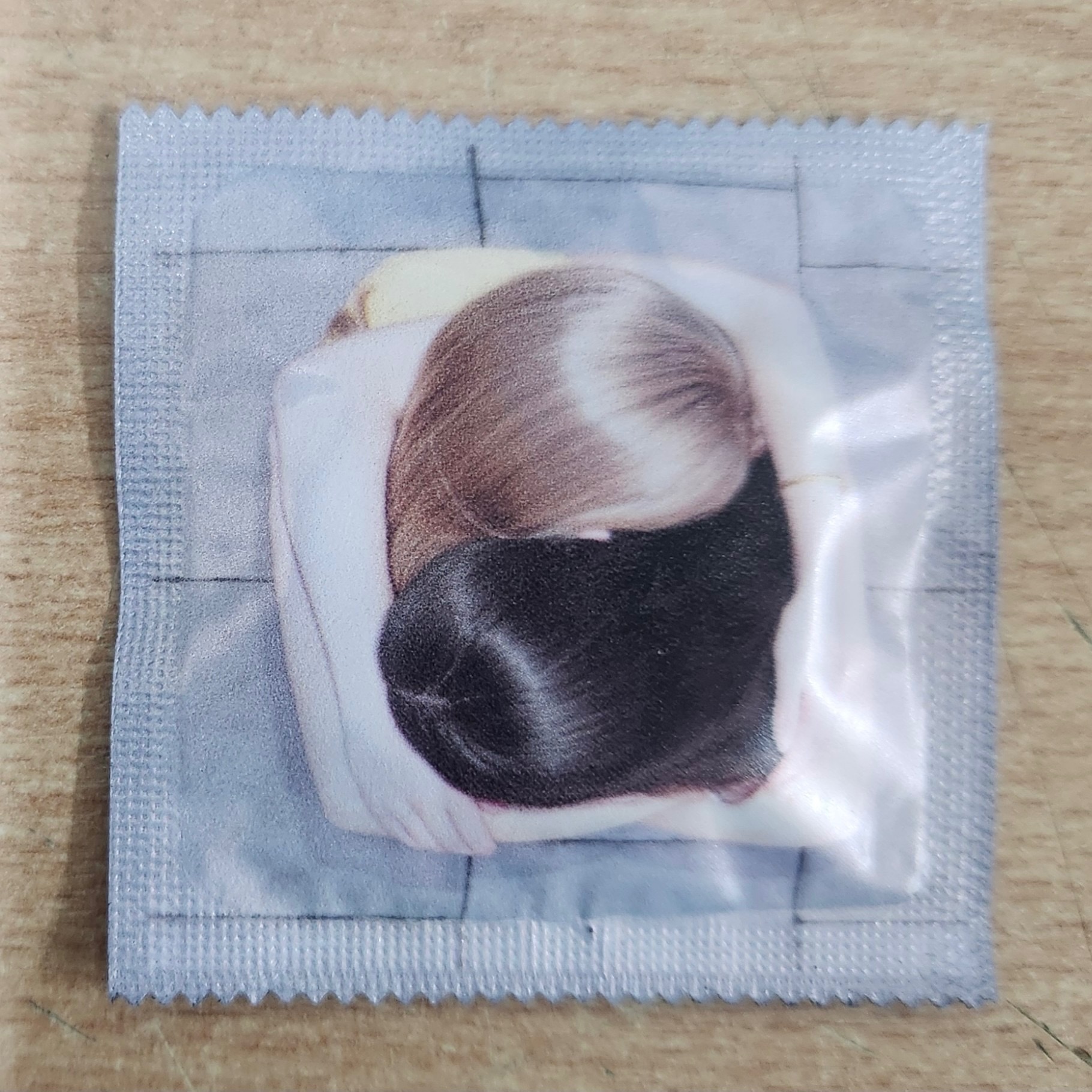
Sixteen
Dec 702:02:40Tap to summarizeA female monarch, a boy writer, a podcast, numerologically united. In Purity & Danger’s sixteenth episode, Thomas Baty, alias Irene Clyde, dares to dream of gender utopia in Beatrice the Sixteenth’s desert dynasty, and a sixteen-year-old John Kennedy Toole begins The Neon Bible, his first work of fiction. Four to the power of two equals Tavi Gevinson’s internet juvenilia, teen pregnancy, an aristocratic third gender and the picaresque year of 2016.
Transcribe →