
Podcast
RaboResearch Agri Commodities
Hosted by Rabobank RaboResearch Food & Agribusiness · EN
This channel is no longer up to date. To listen to Rabobank podcasts, look for Rabobank on Apple Podcasts, Spotify, Stitcher, Google Podcasts, or any podcast app or your choice. Visit far.rabobank.com for more information.
Rabobank's RaboResearch Food & Agribusiness team has 85 analysts working in local teams across the worldwide Rabobank network. They generate knowledge, and develop views and insights on businesses, topics and developments in the food & agribusiness sectors across the globe. All analysts have their own sector specialisations—ranging from meat and fish to dairy, vegetables, fruit and floriculture, coffee and cocoa.
10episodes
Episodes
Newest firstAll episodes
The Impact of ASF on Chinese Feed Demand
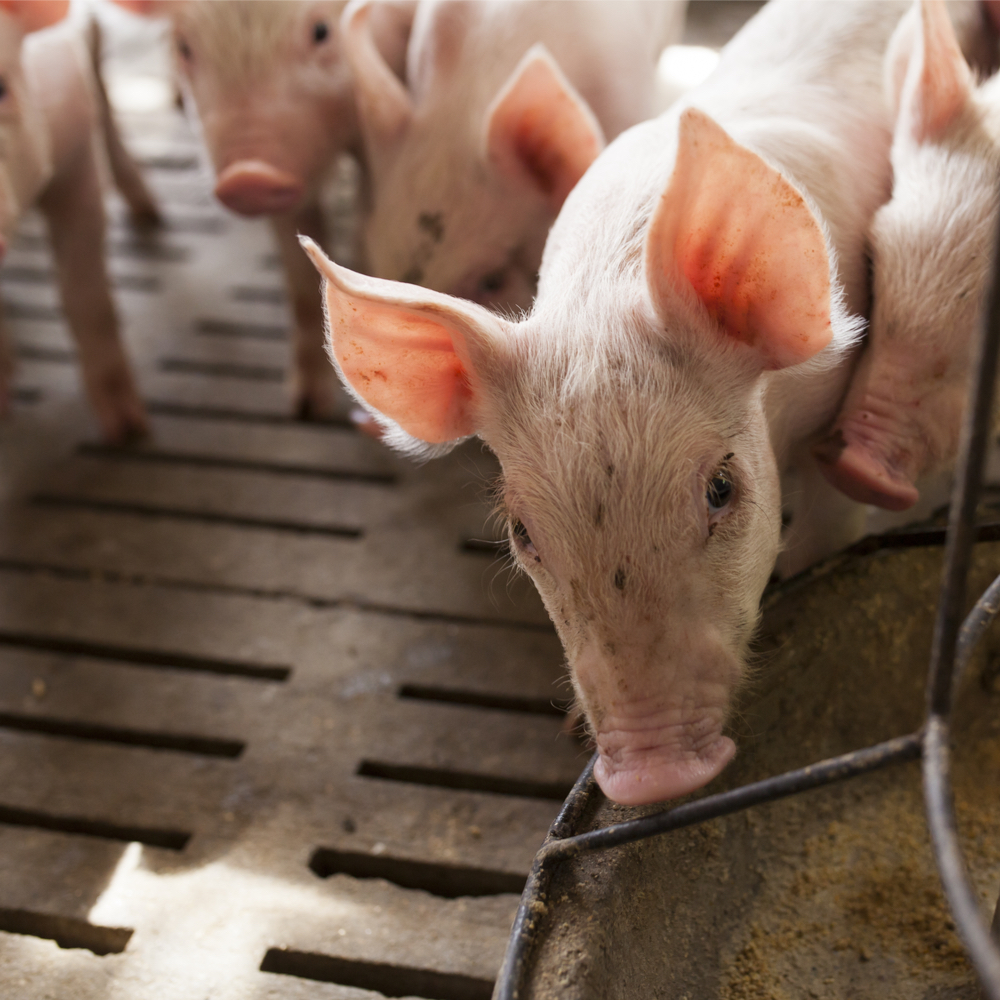
Aug 1, 201900:10:07Tap to summarizeIn this joint Rabobank ACMR & FAR Asia podcast, G&O expert Lief Chiang joins ACMR analyst Michael Magdovitz to discuss his outlook for China’s soymeal and feed usage through 2020. In 2019, African Swine Fever-related culling of up to 50% of China’s hog herd, with further downside possible, will reduce soybean imports and meal usage year-on-year. Reductions will be muted and short-lived, however, relative to hog and feed usage losses, thanks to a combination of higher feed inclusion rates of low-cost (relative to alternative meals) soymeal, increased demand from poultry and aquaculture, and others. By 2020, Lief expects soybean imports to resume a modest growth, even without a US-China trade deal, although import volumes will remain below their historic highs. The podcast concludes with a supply-side review of corn and soybeans, with Michael providing a review of Rabobank’s 2019/20 US production estimates and a view on whether the crop could see supply-side reductions sufficient to offset the demand weakness from China and in turn support CBOT prices.
Transcribe →
Agri Commodities Monthly May 2018: Tread (the Volatility) Carefully
Jun 4, 201800:12:17Tap to summarizeWeather risks, USD strength, and geopolitical instability are driving volatility in grains and oilseeds with cumulative open interest in agriculture at record levels. Charlie Clack and Carlos Mera review Rabobank's latest price outlooks on the major agri futures markets, including wheat, soybeans, coffee and cotton.
Transcribe →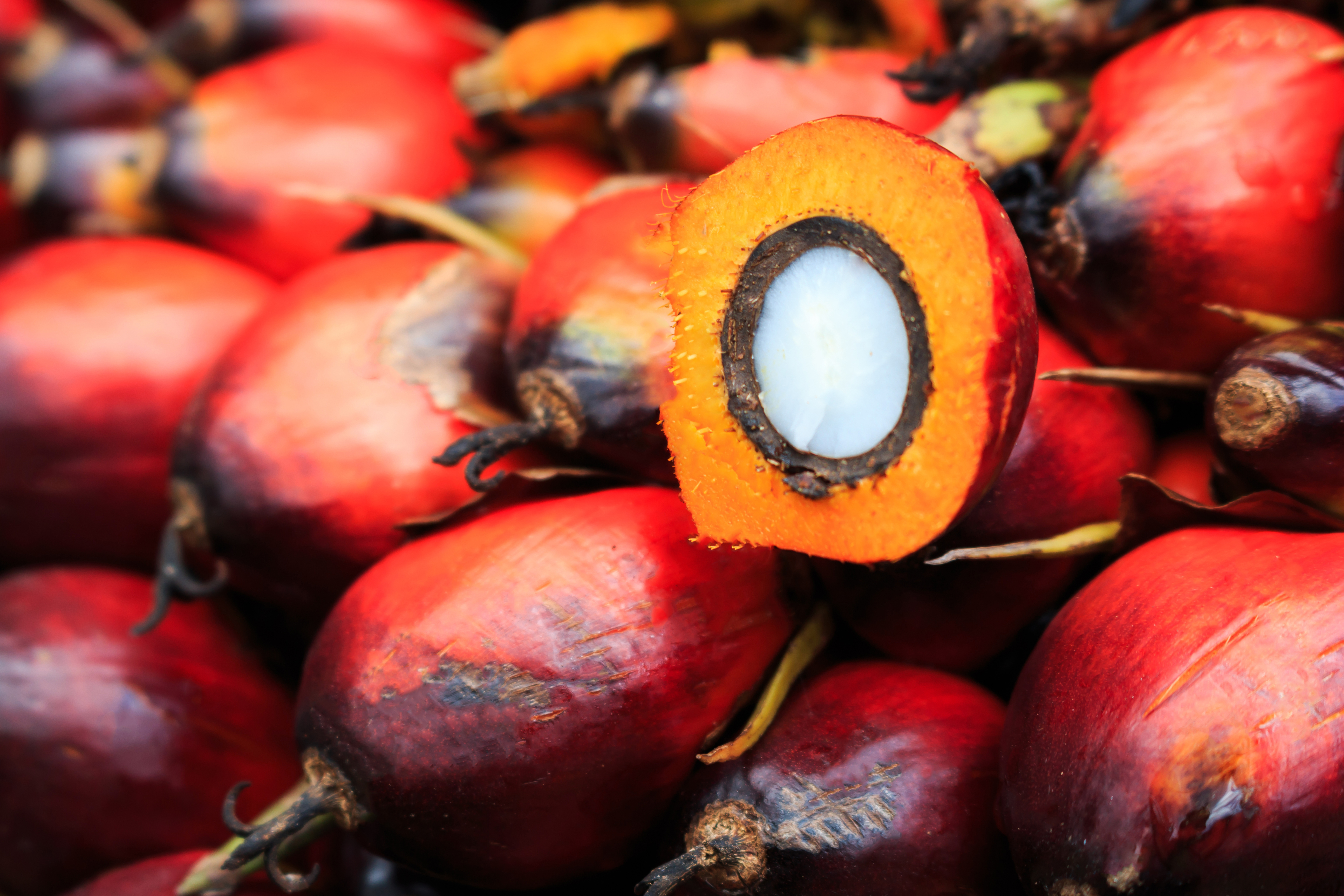
A Palm Storm is Brewing
May 29, 201800:05:58Tap to summarizeSenior analyst Oscar Tjakra discusses the palm oil price outlook for 2018 and the latest developments in the South-East Asian palm oil industry. Palm oil production is set to decrease in South-East Asia post-2021, due to land moratorium and slow replanting.
Transcribe →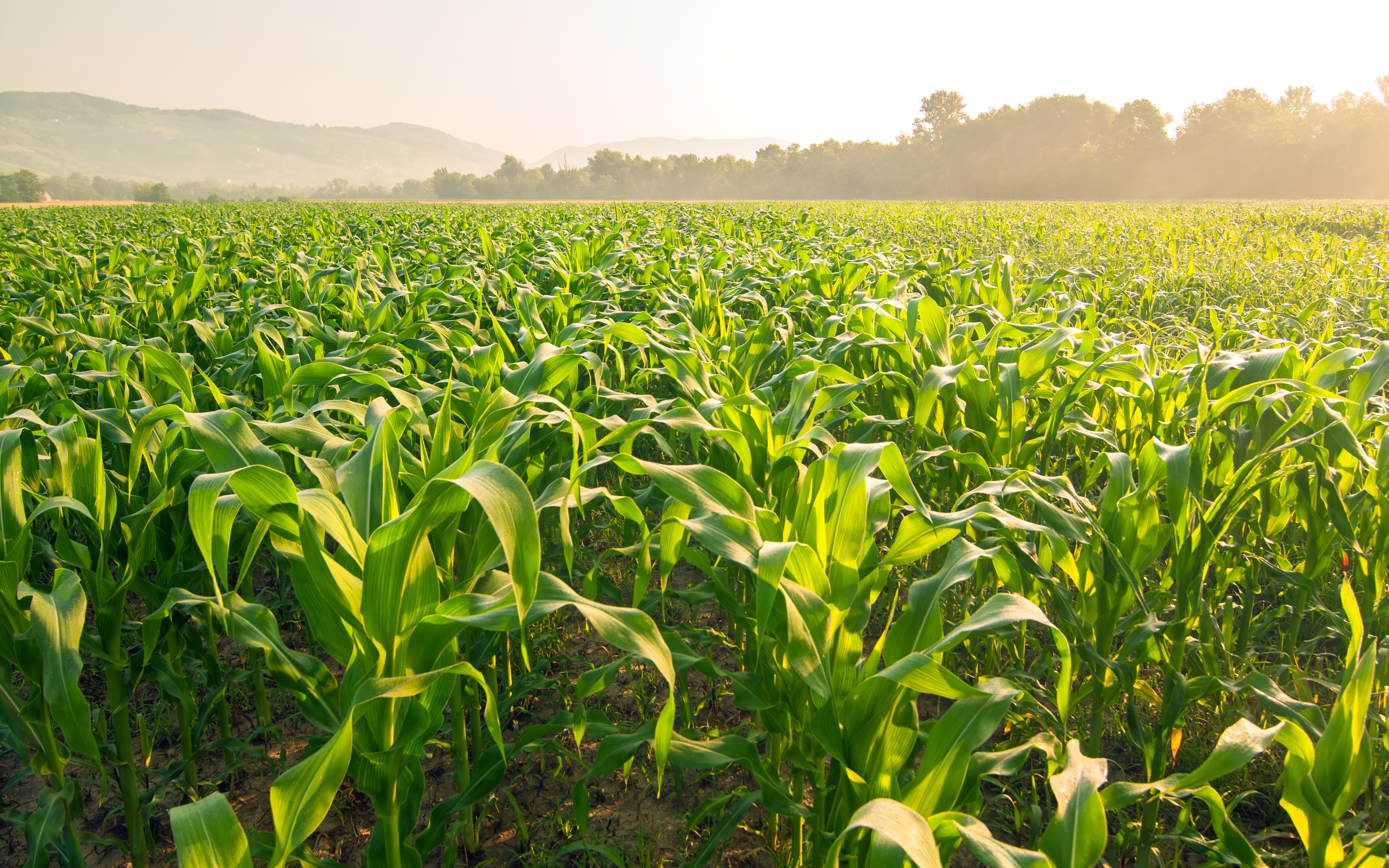
Don’t Fall Asleep Behind The Risk Management Wheel
May 29, 201800:07:33Tap to summarizeSterling Liddell and Bill Nickrent discuss the risks for the corn market related to declining stocks and remarkably low planted acres planned for 2018. This podcast episode was originally released on our North American podcast channel RaboResearch Food & Agribusiness North America. Rabo Agrifinance is Rabobank Group's agricultural finance department in North America.
Transcribe →Agri Commodities Monthly February 2018: Renewed Appetite for Ag Markets
Mar 8, 201800:08:43Tap to summarizeHeightened weather risks, US dollar weakness, and global growth optimism drive new-found interest in agri commodity markets. Charlie Clack and Carlos Mera discuss Rabobank's latest price outlooks on the major global agri commodity markets for sugar, wheat and soybeans.
Transcribe →
Soft Commodities Outlook for 2018—Good Buy, Low Prices
Nov 23, 201700:12:02Tap to summarizeCarlos Mera and Charles Clack discuss what’s in store for soft commodity markets in the year ahead, as highlighted in their latest report, Outlook 2018—Good Buy, Low Prices. Global consumption trends, production prospects, and currency shifts provide the backdrop to an optimistic price outlook.
Transcribe →
Grains & Oilseeds Outlook for 2018: Good Buy, Low Prices
Nov 22, 201700:10:53Tap to summarizeGraydon Chong and Charles Clack talk over the big price drivers for major grain & oilseed markets in 2018, as highlighted in their latest report, Outlook 2018—Good Buy, Low Prices. Tightening balance sheets, major weather risks, and shifting trade flows come into the spotlight.
Transcribe →
EU Sugar Shake-Up
Oct 10, 201700:08:53Tap to summarizeAs of 1 October, the new EU sugar regime is in place, creating opportunities and challenges for various stakeholders in Europe and beyond. RaboResearch analyst Ruud Schers discusses the key rules of the new regime, along with its main implications for farmers and sugar producers. Plus we look at the impact this will have on the market, including Rabobank's outlook for 2017/18.
Transcribe →
Agri Commodities Monthly September 2017: Watching, Waiting, Yield Debating
Oct 4, 201700:05:45Tap to summarizeThe S&P Agri Index has remained virtually unchanged so far in September, despite an increase of 10% in Brent crude prices. Softs saw some volatility, with cotton down 8% and coffee arabica up 4%. Going forward, the market will look at the US harvest for confirmation on the high expected yields, while South American plantings will shed light on the extent of the switch from corn to soybeans.
Transcribe →
Agri Commodities Monthly August 2017: Uphill Struggles Ahead
Aug 25, 201700:04:56Tap to summarizeAgri commodity analysts Graydon Chong and Charles Clack discuss market dynamics for key agri commodities such as corn, soybeans, wheat, sugar and cotton. The S&P Agri Index has continued to decline throughout August, with bearish sentiment exacerbated in grains, oilseeds, and cotton by the latest August WASDE report. Coffee, sugar, and cocoa have also all traded lower through August, leading us to take a fresh look at our agri commodity price outlooks.
Transcribe →