
Podcast
Radio Diaries
Hosted by Radio Diaries & Radiotopia · EN
First-person diaries, sound portraits, and hidden chapters of history from Peabody Award-winning producer Joe Richman and the Radio Diaries team. From teenagers to octogenarians, prisoners to prison guards, bra saleswomen to lighthouse keepers. The extraordinary stories of ordinary life. Radio Diaries is a proud member of Radiotopia, from PRX. Learn more at radiotopia.fm
31episodes
Episodes
Newest firstAll episodes
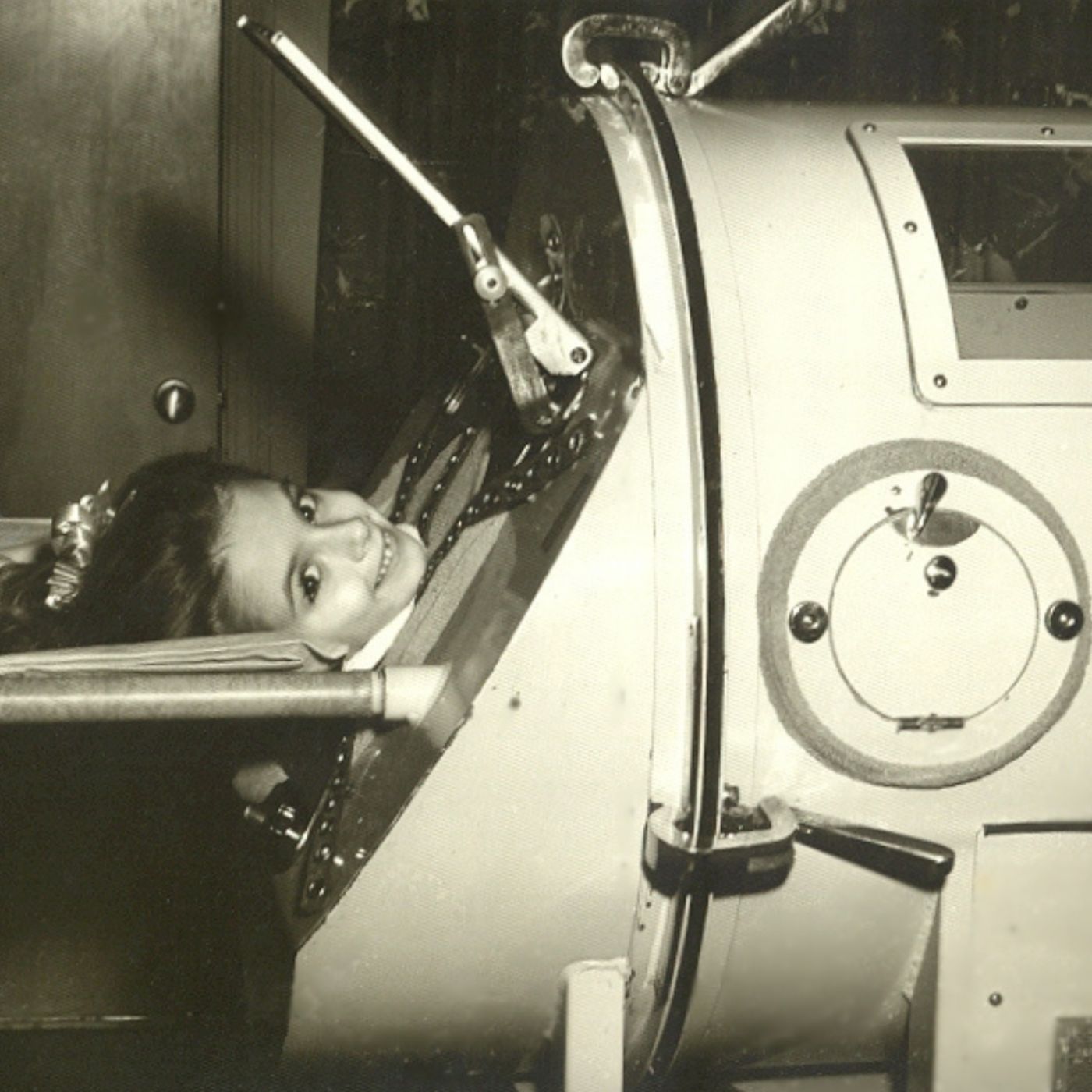
My Iron Lung: Remembering Martha Lillard
3w ago00:14:52Tap to summarizeA few years ago we did a story about Martha Lillard, a woman who had spent most of her life sleeping in a device called an iron lung. Martha had caught polio in the early 1950s, and, like many polio survivors, she had difficulty breathing on her own. Her iron lung was a big metal ventilator that fit her entire body inside and used bellows to suck air in and out, helping her to breathe. Martha was the last person in the U.S. to use one.Martha Lillard died on June 26, 2026. As a remembrance, we're revisiting our story about her. Learn about your ad choices: dovetail.prx.org/ad-choices
Transcribe →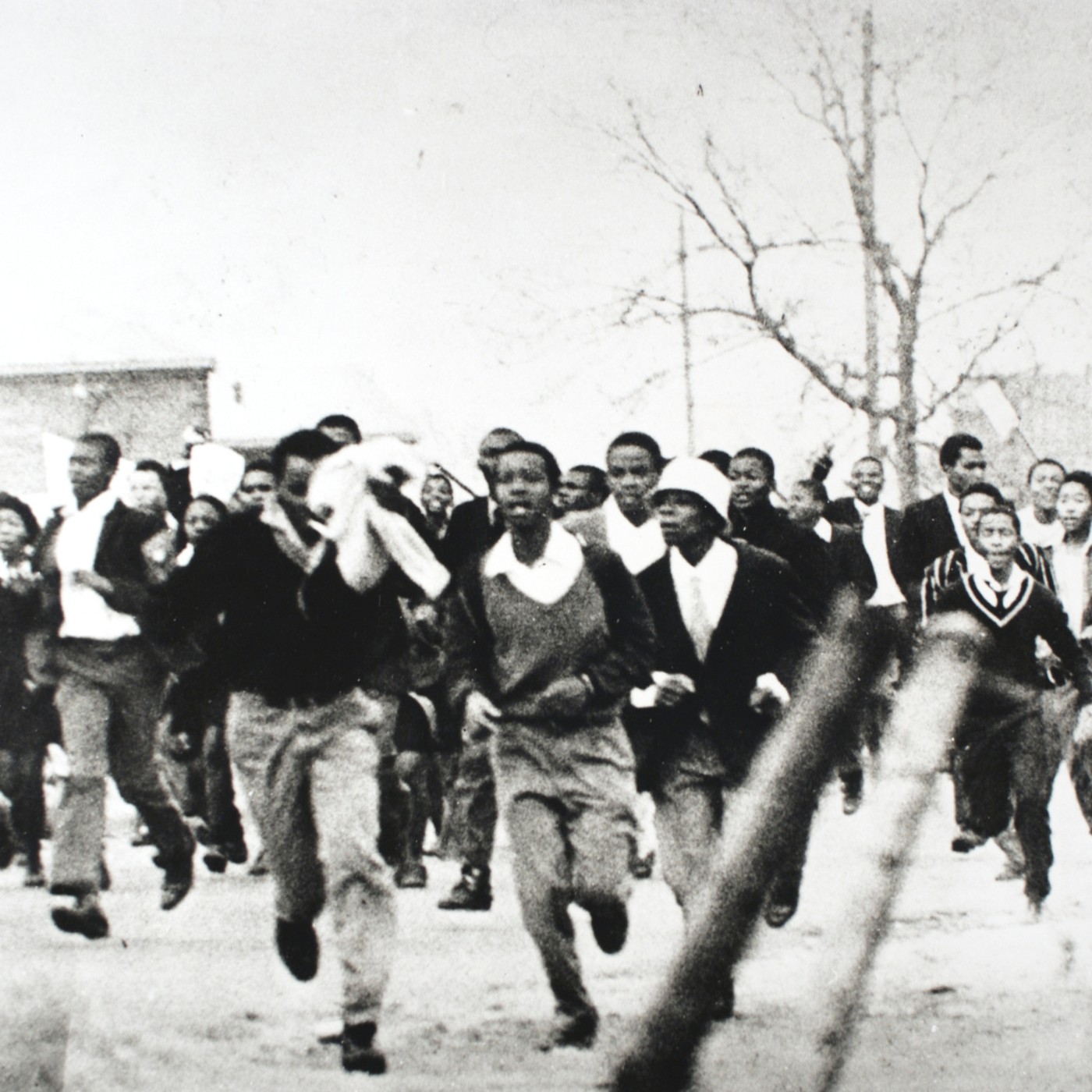
Soweto 1976
Jun 1600:15:50Tap to summarizeFifty years ago, a group of schoolchildren in South Africa changed history.For decades, the whites-only government of South Africa had brutally enforced a policy of racial segregation known as apartheid—and had crushed any opposition just as ruthlessly. By the 1970s, an entire generation of anti-apartheid fighters had been silenced. May were imprisoned or killed.But on June 16, 1976, students in Soweto township outside Johannesburg decided to hold a protest against a government policy mandating that all classes be taught in Afrikaans, the language of South Africa's rulers.This is their story. Learn about your ad choices: dovetail.prx.org/ad-choices
Transcribe →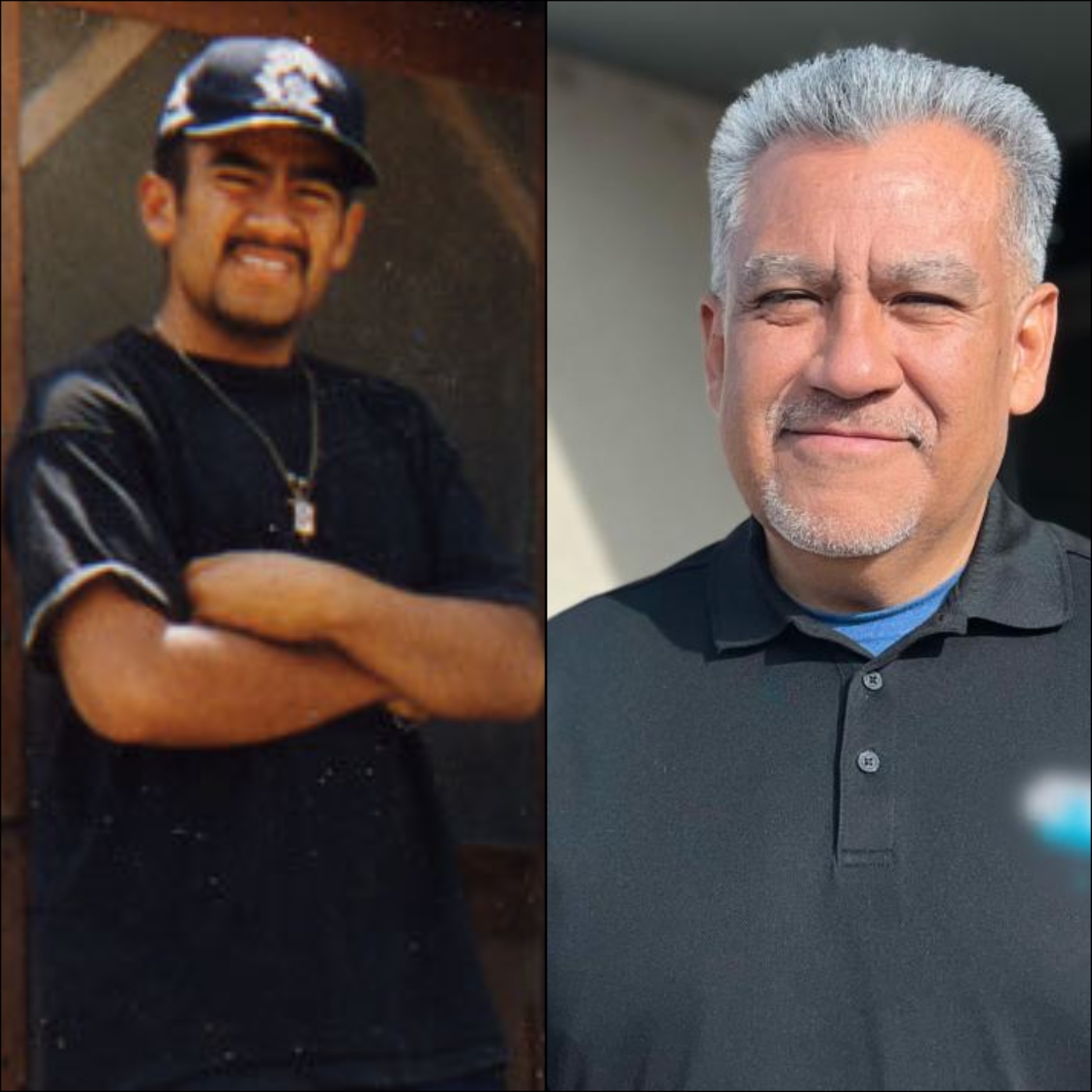
30 Years of Teenage Diaries
Jun 400:16:04Tap to summarizeThis year marks 30 years since we first worked with teenagers to record stories about their lives. Over the years, people have often asked us, whatever happened to them? What happened to Juan, Amanda, Melissa, Frankie, and Josh?We’re going to find out.In honor of three decades, we’re setting out to make a new series with our original teenage diarists. And we’re turning to you, our listeners, for help. If you donate now you’ll get an exclusive look behind the scenes as we make these stories. And for the next two weeks we have a generous match, so every dollar you contribute will be doubled: www.radiodiaries.org/donate This week on the show, we’re revisiting Juan’s teenage diary, and have a sneak peek of Joe’s recent trip to see him in Colorado. Learn about your ad choices: dovetail.prx.org/ad-choices
Transcribe →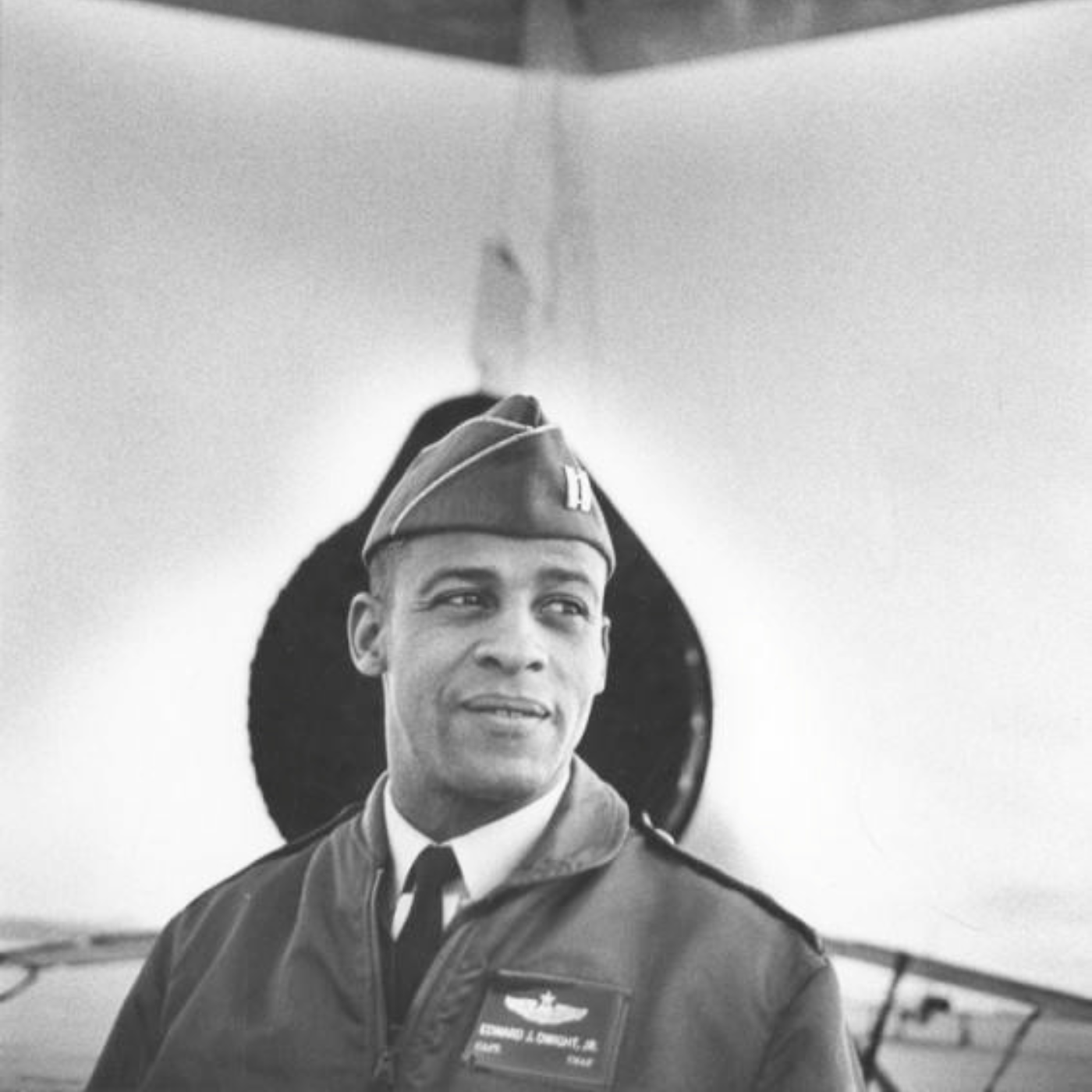
The Almost Astronaut
May 2100:21:31Tap to summarizeWhen it comes to the space race, we all know names like Neil Armstrong and Yuri Gagarin. But in most moments in history, there are a few names that fall through the cracks. One of those names is Ed Dwight.When Ed Dwight was selected to train to become an astronaut, many thought he would become the first Black man to go to space. But Ed faced some unexpected hurdles. Today on the show, we bring you his story. Learn about your ad choices: dovetail.prx.org/ad-choices
Transcribe →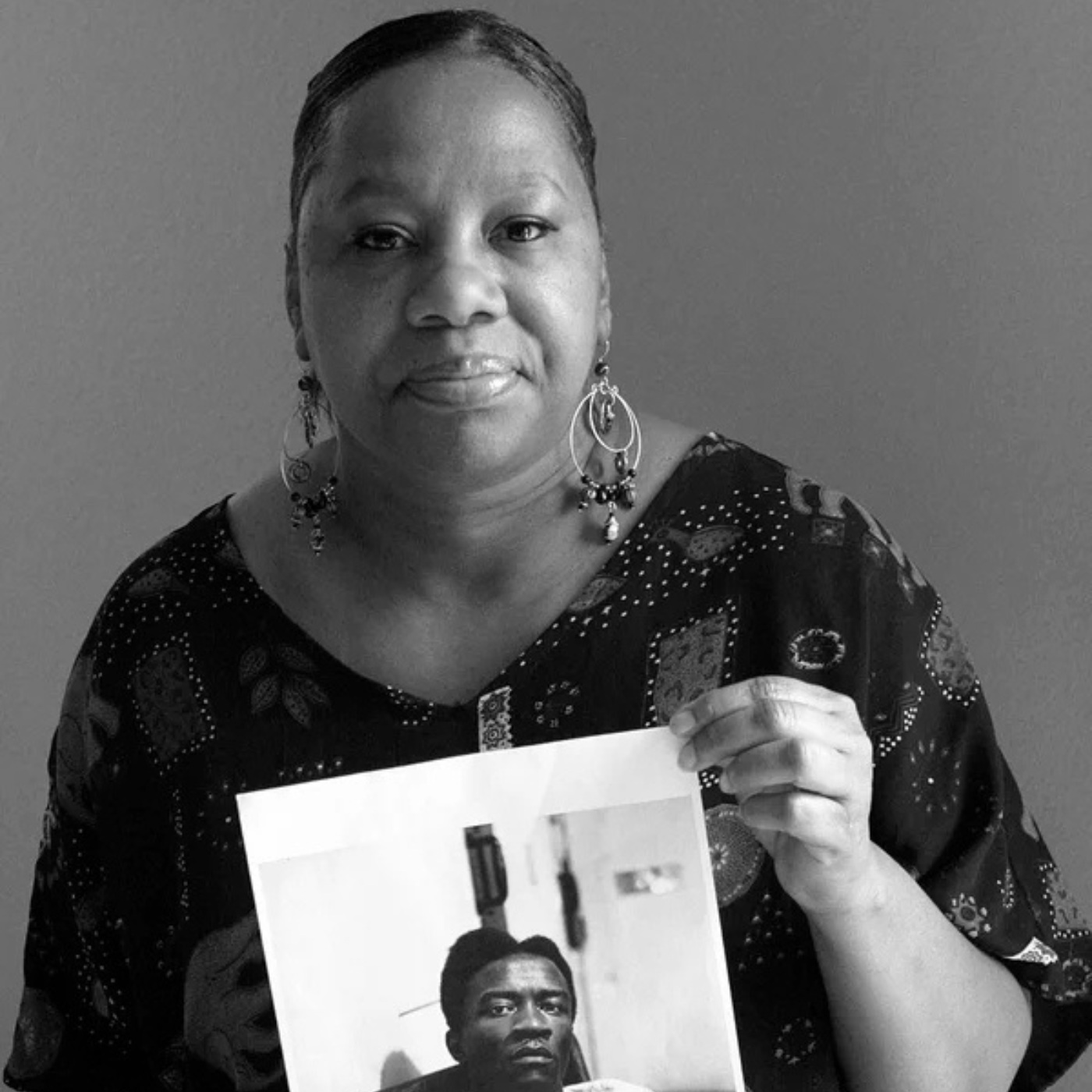
Willie McGee and the Traveling Electric Chair
May 700:27:39Tap to summarizeThis episode includes topics and archival audio that some people will find disturbing.Seventy-five years ago, on the night of May 7th, 1951, close to a thousand people gathered around the courthouse in the small town of Laurel, Mississippi. They came to witness an execution. Willie McGee was a young Black man who had been accused of raping a white woman and sentenced to death.Six decades later, Bridgette McGee-Robinson teamed up with Radio Diaries to find the truth about what happened to her grandfather. Learn about your ad choices: dovetail.prx.org/ad-choices
Transcribe →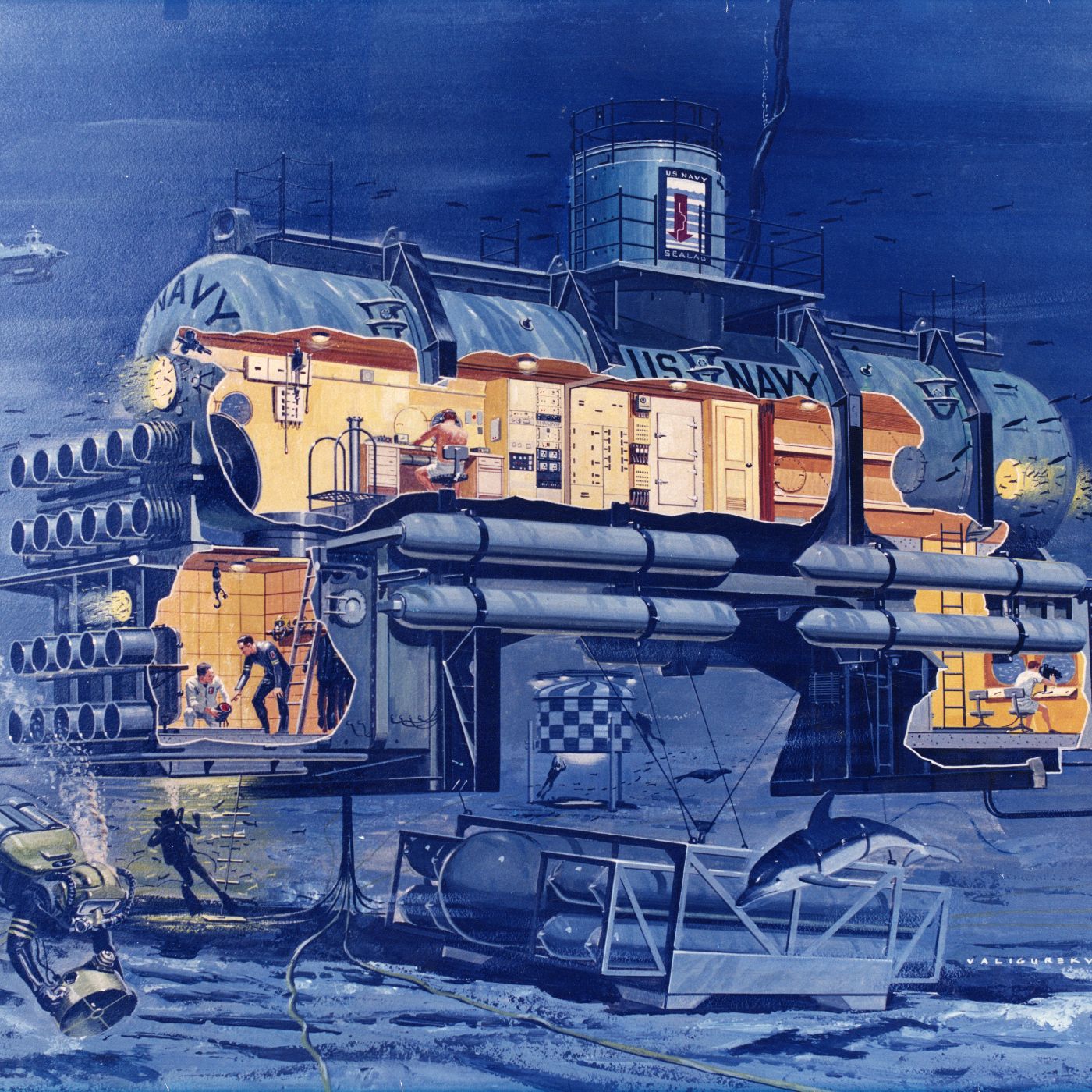
Sealab: A Home on the Ocean Floor
Apr 2300:20:21Tap to summarizeFrom ancient myths of sea monsters lurking below to Jules Verne's Twenty Thousand Leagues Under the Sea, the ocean has long been both a source of fear and fascination. For Captain George Bond, a Navy medical officer in the 1960s, the deep sea was humanity's next frontier. Undersea agriculture, deep sea mining, and human colonies on the ocean floor made up his dream for the future. Today we bring you the story of the U.S. Navy's little-known experiment building homes on the ocean floor. They called it, Sealab. Learn about your ad choices: dovetail.prx.org/ad-choices
Transcribe →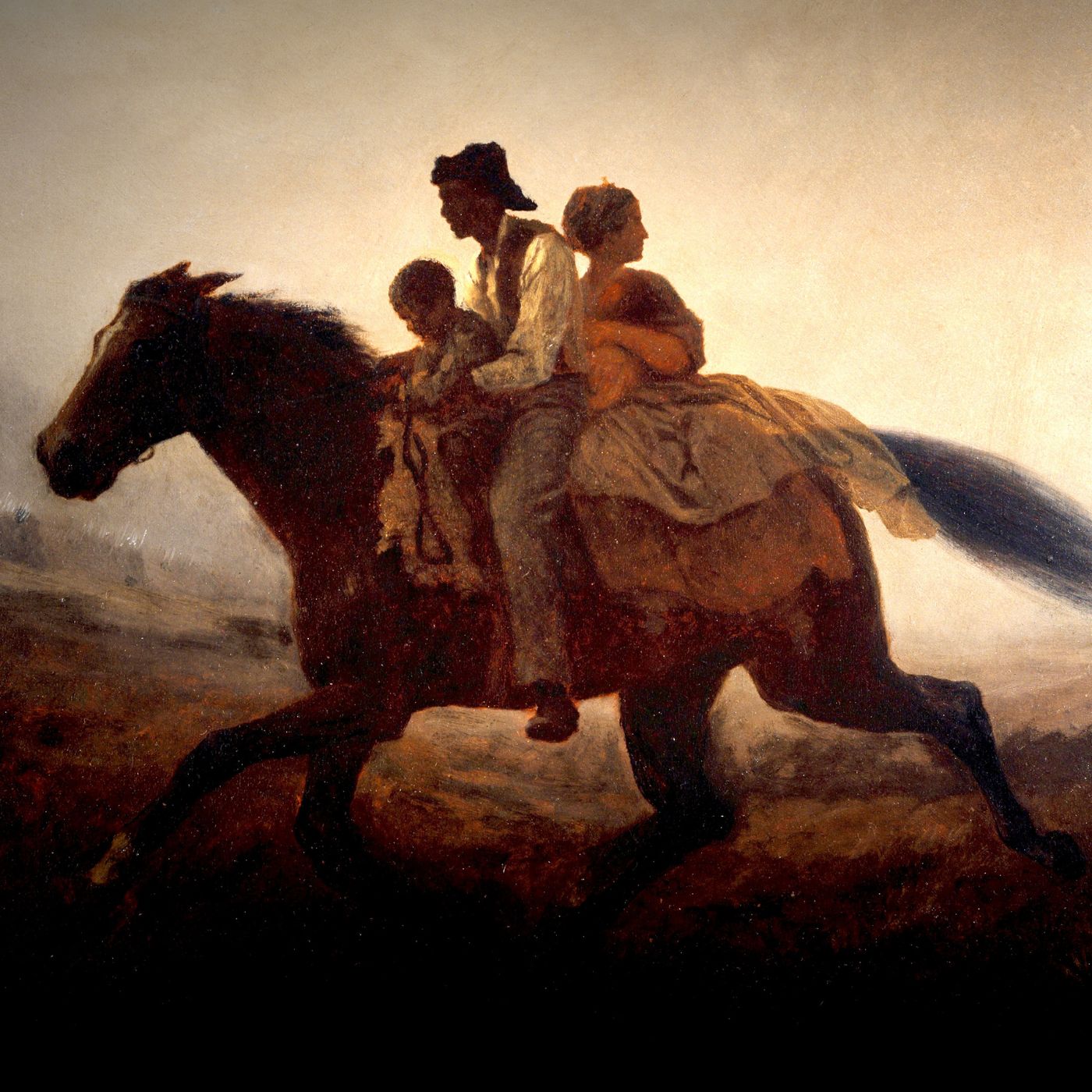
Guest Spotlight: William Parker's War on Slave Catchers
Apr 200:38:41Tap to summarizeThis week we're bringing you a story from our friends at History This Week, a podcast from the History Channel.April 3, 1951. A man who escaped slavery is grabbed off the streets of Boston and thrown into a carriage. He fights back, shouting to the crowd, but it doesn’t matter. Under a new federal law, even the North isn’t safe.The Fugitive Slave Act has turned cities like Boston into hunting grounds. Freedom seekers are being captured, and ordinary citizens are being forced to help.But across the North, resistance is growing. In Pennsylvania, a man named William Parker is building a network to fight back. When slave catchers come to his door, that resistance explodes into violence.How did one law push the country dramatically closer to war? And what happens when the people targeted by this law refuse to surrender? Learn about your ad choices: dovetail.prx.org/ad-choices
Transcribe →
Detained: A Homecoming
Mar 2700:16:14Tap to summarizeLast week, Leqaa Kordia, young Palestinian woman from Paterson, New Jersey, walked out of an ICE detention center in Texas. Kordia had been held for more than a year. Radio Diaries has been following her story and recorded Kordia while detention. Now, we bring you her first interview since her release. Learn about your ad choices: dovetail.prx.org/ad-choices
Transcribe →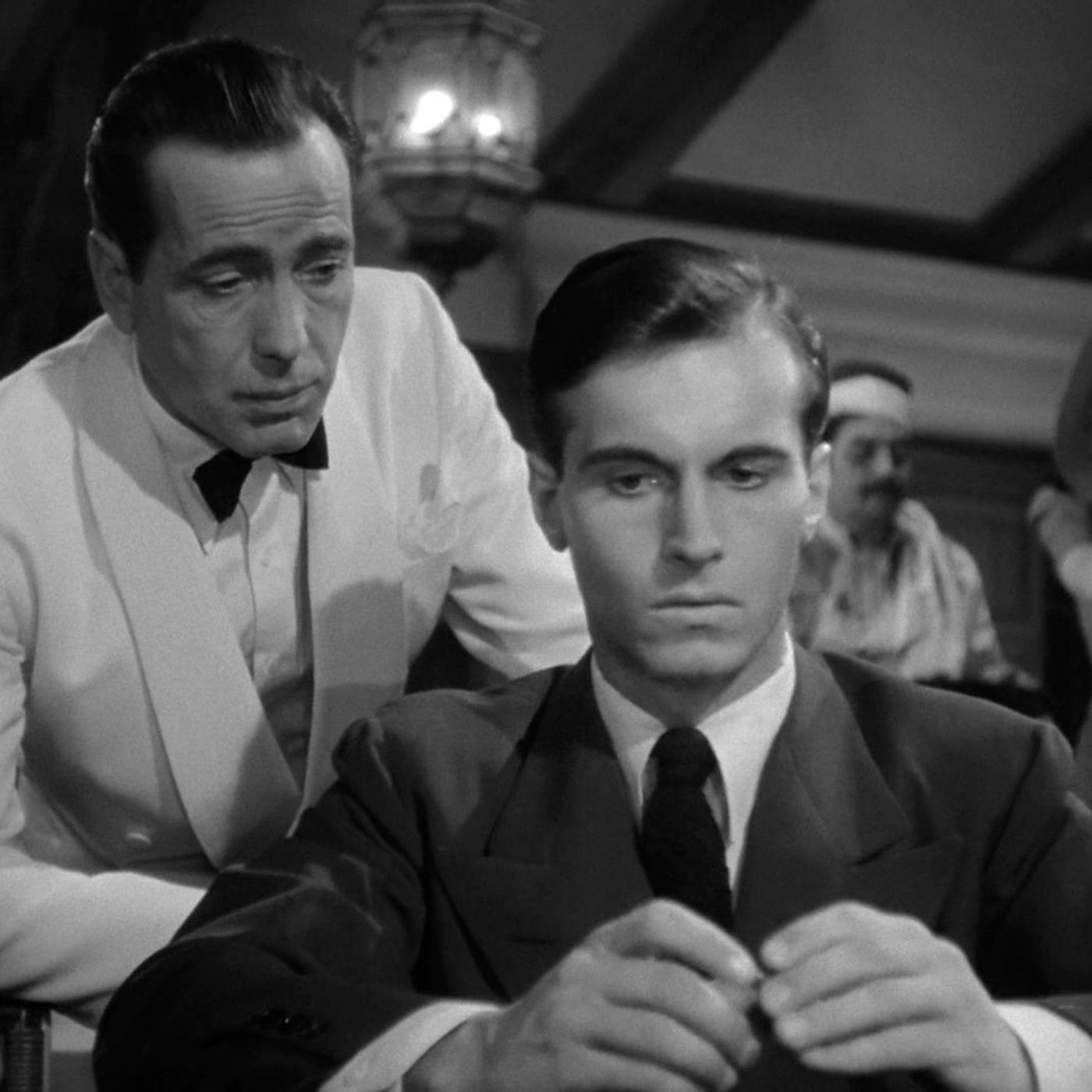
The Real Refugees of Casablanca
Mar 1900:12:30Tap to summarizeWhen the Hollywood classic, Casablanca, was released in 1943, moviegoers were thrilled by the love story. Humphrey Bogart stars as the cynical owner of Rick’s Cafe, a nightclub in Morocco. Ingrid Bergman is his old flame, Ilsa, now married to Victor Laszlo, a dashing resistance leader hunted by the Nazis.Many of the characters at Rick's Café are European refugees trying to make their way to America. What most viewers didn't know is that those characters were played by actors who themselves had recently fled the Nazis. This casting choice lent the film an authenticity that helped deliver its message: that a war far from our borders was a war worth waging. Learn about your ad choices: dovetail.prx.org/ad-choices
Transcribe →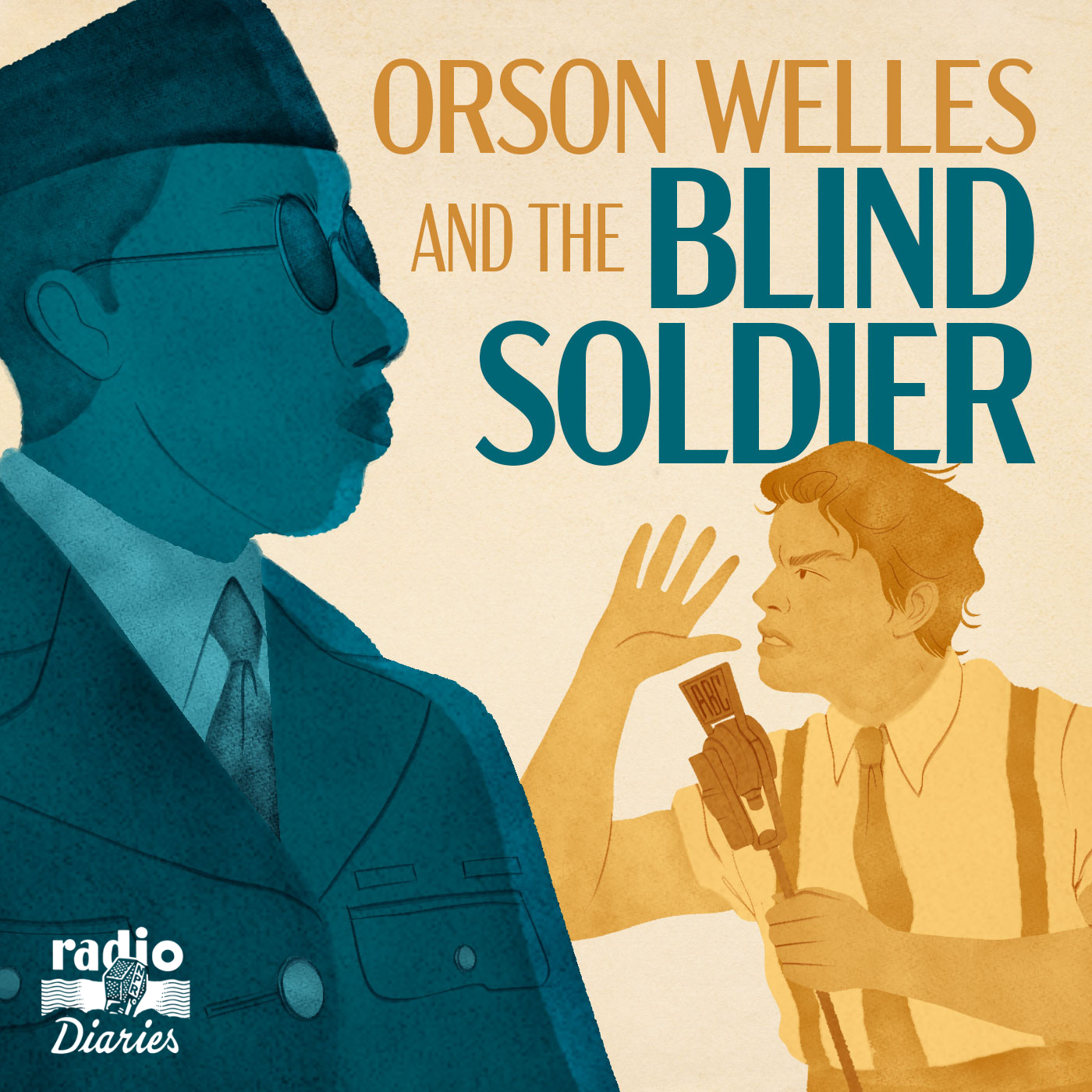
Orson Welles and the Blind Soldier 3: The Trial
Feb 2600:18:23Tap to summarizeThis is the final episode of our series about Isaac Woodard, a Black soldier who was beaten and blinded by a white police officer in 1946. In the last episode, radio host Orson Welles, who was investigating the case, learned the officer's identity.Isaac Woodard himself told a reporter, "Nothing they can do to the police officer will give me my eyes back, but if they punish him good and legal it may keep the same thing from happening to some more of our boys coming back home. I want him punished."But demanding accountability and getting it were two different things—especially in the Jim Crow South. This week, the officer goes to trial, and the President of the United States takes notice. Learn about your ad choices: dovetail.prx.org/ad-choices
Transcribe →