Loading summary
Transcript86 lines
- [00:00]
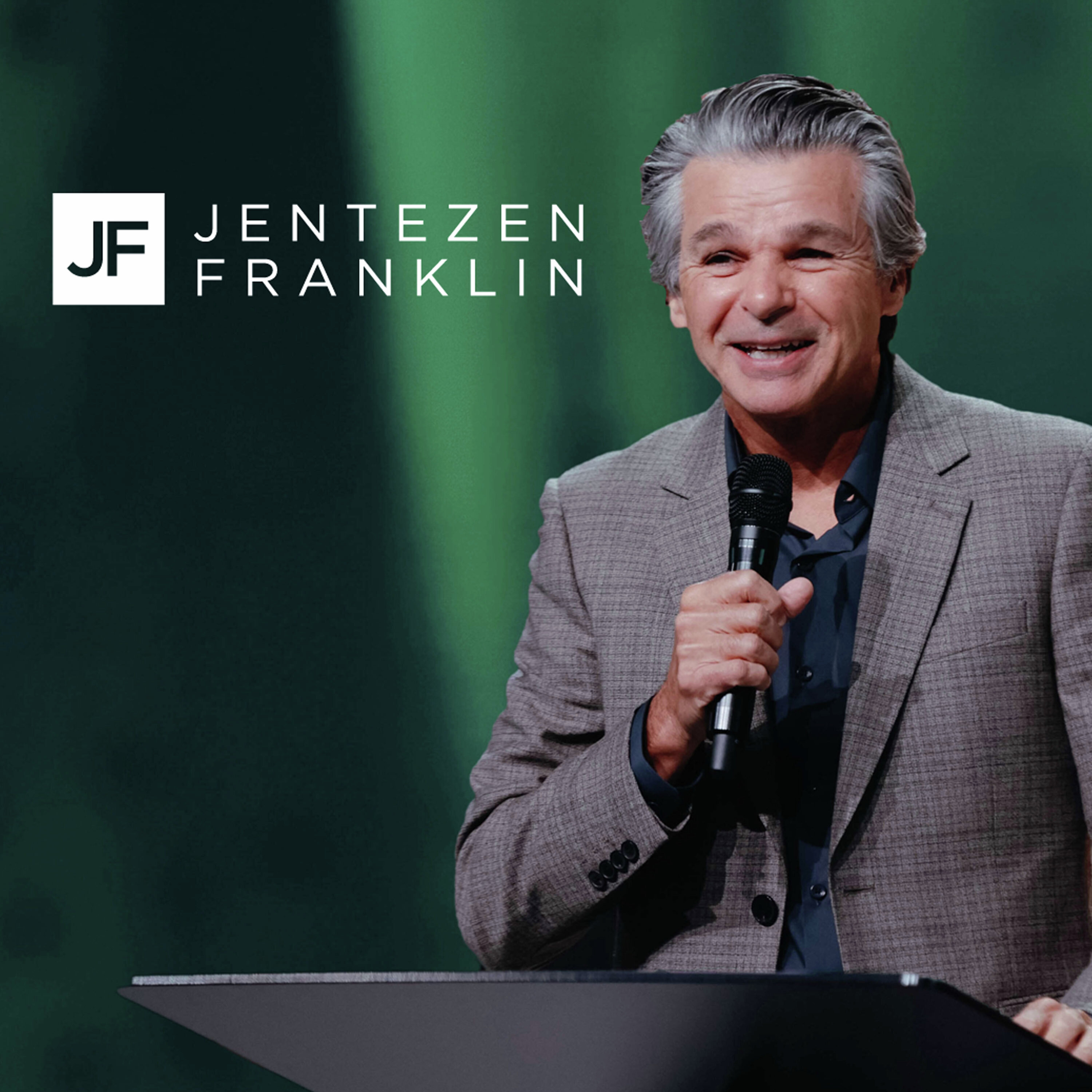
Jensen Franklin
This is an iHeart podcast.
- [00:05]
Propane Advertiser
The US electric grid is approaching a breaking point. As demand soars from data centers and home energy use. Our aging infrastructure can't keep up and the Department of Energy warns that without action, blackouts could surge 100 fold by 2030. The good news? One solution is already here. Propane. It's American made, stored on site and always ready, powering homes and businesses with cleaner, reliable energy that doesn't depend on the grid or the weather. Learn more@probane.com Take a deep dive into.
- [00:36]
Jensen Franklin
The stories making the news headlines across the world.
- [00:39]
Emily Maitlis and John Sopel
The News Agents we're not just here to tell you what's happening, but why? From me, Emily Maitlis and me, John Sopel with Global's award winning podcast the News Agents Dropping daily covering everything you need to know about politics and current.
- [00:52]
Jensen Franklin
Affairs and the newsagents USA listening to.
- [00:55]
Emily Maitlis and John Sopel
The news agents on America's number one podcast network, iHeart. Open your free iHeart app and search the news agents to to start listening.
- [01:05]
Ryan Reynolds / Public Rec Announcer
Hey, Ryan Reynolds here from Mint Mobile. Now I don't know if you've heard, but Mint's Premium Wireless is $15 a month. But I'd like to offer one other perk. We have no stores. That means no small talk crazy weather we're having.
- [01:21]
Colgate Advertiser
No, it's not.
- [01:21]
Ryan Reynolds / Public Rec Announcer
It's just weather. It is an introvert's dream. Give it a try@mintmobile.com Switch upfront payment.
- [01:29]
Washable Sofas Advertiser
Of $45 for three month plan $15 per month equivalent required. New customer offer first three months only, then full price plan options available, taxes and fees extra. Sea Mint Mobile we don't give a.
- [01:36]
Ryan Reynolds / Public Rec Announcer
Damn about fashion trends. We're public rec and our whole brand was built on a cheat code for guys who want to look good and feel even better. We make clothes for guys who don't chase styles. Lightweight, stretchy, buttery soft pants and gear made to wear all day, any day, look good and feel like you're getting away with something. Shop Comfortable Classics Cool, comfortable, low key, impressive clothes. No bs@publicwrecked.com radio forget about fashion trends. Shop Public Rack where comfort meets style vu never change. I'm here with spinquest where you can play and win from the comfort of your own home with hundreds of slot games and all of the table games you love with real cash prizes. Right now $30 coin packs are on sale for $10 for new users. It's all@spinquest.com that's S P I N Q U E S T Spin Quest is a free to Play Social Casino void where prohibited. Visit spinquest.com for more details.
- [02:38]
Jensen Franklin
Hello, I'm Jensen Franklin, and I'm so glad you're watching Real America's Voice. And I want to encourage you today to know that normally, I know you're used to seeing the News being broadcast 24 hours a day all over the world. But the founder of this network wanted to take some time on this Sunday and bring some good news to all the other news. What you do with the next few moments can affect the years ahead of your life. So lean in, listen to this message. I believe it's going to speak to you and you're going to encounter a God who loves you and cares about you this very moment. First Samuel, chapter four begins with verse one. Now, Israel went out to battle against the Philistines and encamped beside Ebenezer. Everybody say Ebenezer, please. That's a good word, Ebenezer. That's a good one. I don't ever want you to forget it. All you think that is is a Baptist church. But boy, you're going to know what it is before you leave here. I'm preaching today on the Ebenezer principle. The Ebenezer principle. The Philistines encamped beside Ebenezer and the Philistines encamped in ape Israel. And the Philistines would fight a horrific battle at a place called Ebenezer. And I don't have time to point it all out, but verse 10 tells us that 30,000 Israeli soldiers were killed and the one verse before 4,000 were killed in another place. In that one chapter 34,000 of Israel's greatest warriors were slain at a place called Ebenezer. And then it begins to open up. What happened that same day, the Philistines stole the Ark of the Covenant. For the first time in human history, pagan hands had the Ark of the Covenant, which was the symbol of God's presence under the old covenant. Pagan hands had captured it. Never had any. Not even the Israelites could touch it, only the priests. And if they touched it, they couldn't touch the Ark. They had to use a beam on their shoulder. And if they touched it, they died. But pagan hands stole the presence of God didn't steal it. God let him take him. He didn't. No man takes my life. I lay it down freely and. And they take it back to the hometown of the Philistines and take it into the temple of Dagon. And when that battle at ebenezer happened, verse 13 tells us that they took the Ark of God. And the people's hearts trembled. And there was an old priest named eli in verse 15. And he was 98 years old. And he's. And we're told that his sons were killed in the battle. And when he was told that his sons were killed in the battle, he fell backwards and broke his neck. The high priest of Israel is dead. The two sons are dead. And now his daughter in law is triggered and goes into. In.
- [06:13]
Congregation / Worship Leader
In.
- [06:13]
Jensen Franklin
In. Into having a baby. And as she's having the baby, she starts dying. It's evident to her and everyone that she is dying, giving birth to a child. And she says with her dying passing words. Name this child Ichabod. For the glory of the Lord has departed from Israel. This is a. This is a bad place. Ebenezer is a dark day. Ebenezer is where the 34,000. Then two sons, then a grandfather. An old man is dead. And now the mother and the daughter in law is dead. Think about it. This baby is born into a world. It does not have a mother, it does not have a father, it does not have a grandfather, it does not have a God. Even God. Under the old covenant. The. The. The Ark of the covenant. For the first time ever they seen Israel seen God abandoned. And she said name him Ichabod. As a memorial of this horrible, horrible day in our lives. Same book go over from four to chapter seven. And we are in the same spot where the war took place. Something miraculous has happened. Something supernatural has happened. Israel was called to prayer and repentance. And when they began to repent at the beckoning of the great prophet Samuel. When they cried out to God and said Forgive us and cleanse us. Help us. The Bible said that God thundered from heaven. Listen to this. In verse 10. The Philistines were coming to attack them one last time and wipe them out. But now as Samuel was offering up the burnt offering and the verse before talks about they cried out to the Lord of Israel. The Lord asking and begging for his help. And the Philistines drew near to battle against Israel. But the Lord thundered with a loud thunder upon the Philistines that day and so confused them that they were overcome by Israel. And Israel went out to Mizpah and pursued the Philistines and drove them back as far below Bethkar. Then Samuel watch took a stone and set it up between Mizpah and Shem and called its name Ebenezer. And here's the meaning, here's the translation. This is what this word literally in the Hebrew language translates over into when you say that word, Ebenezer, this is what you're saying hitherto, which is not a. That's an old English classic language word, hitherto, which means right up to this moment, up to here, up to now, right to this very point that we are at, the Lord has helped us. This stone is the stone of help. And we will never forget, no matter what we face from this day forward, that everything we have gone through that looked like, and it should have, and would have, and could have taken us out. We're putting a large stone here as a memorial to say, up to this point, I want to declare to our enemies, and I want to declare to a faithful God, and I want to declare to any of the people who thought that we were finished. Up to this point, the Lord has helped us. When I think about this church and I think about all the stuff for almost too long, a lot of decades, all I can say is, up to this point, the Lord has helped us. Every time. No matter what the crisis, no matter what the emergency, no matter what the need, no matter what the complexion the problem was and the. And the. And the simple, I don't know what to do moments. I can tell you I love it because while I preach this message, I'm preaching it to myself. There was. There have been hundreds of times I've walked to this pulpit with almost nothing to say, didn't know what I was going to preach. Nothing I had studied moved me. And I just walked into this pulpit. And all I can say sometimes is up to this very moment, the Lord, unless he wants to mess his perfect record up, up until this very moment, the Lord has helped me. Glory to God. Hallelujah. I don't need another thing. I don't worry about next week, next Sunday. All I can worry about is right here, right now. And I feel his help in this moment. And you do, too. And sometimes you need to build a memorial. Joshua did this all through the book of Joshua. Every time they would win a victory or some great miraculous thing would happen, God would open up the Jordan river and they would walk across and he would take stones and build a memorial. And he said this in the scripture, in the 24th chapter, he said, and this shall be a witness unto us, that this stone shall be a witness unto us, that he has heard all the words which the Lord spoke unto us. And this stone is a witness that God said it. And this is the completion of the miracle. We're putting stones right here to say he told us he would bring us in to the promised land. He told us he would defeat our enemies. He told us he would watch over us as the apple of us. He told us he would feed us in the wilderness with manna from heaven and water out of rocks. He told us he would be all that we would ever need. And I'm putting a memorial right here as a silent witness that every time for generations, they look and they see these stones piled up, that God has been faithful. And, boy, if. Let me tell you something. If these walls could talk, if this church could talk, if we could go back to the other building and the other building, if I could tell you the stories of the times that God would give prophecies and God would give words. And sometimes I would preach things. And sometimes in prayer meetings, God would give forth a message and a word or a just thought that would come a strong impression and it would be a prophetic thing. And God has promised it, and God has done it. And Ebenezer, all I have to do to feel good and to worship God is just say, ebenezer, up until this moment, and I'm not speaking in tongues.
- [13:58]
Congregation / Worship Leader
You.
- [13:59]
Jensen Franklin
But if that helps, you try it. Ebenezer, up until this very moment, the Lord has been my help. My God, he has been with me. He's parted every Jordan and every Red Sea. He's fought every enemy. If they came one way, they have fleed. 7 if no weapon formed against us has prospered and we ought to be thankful and understand that if these walls could talk, they are a silent witness and up until this moment, the Lord has helped that people. Same in your home, Same in your family. If your walls could talk. Of all the nights you walked those halls and you cried and you prayed. If those walls could talk. The bed you turned and tossed in worrying and praying and worrying and praying. The times when those teenagers were out doing crazy things and you didn't know what to do. I'm so glad I'm at the age I am. I'm so glad that me and Charisse have been married 38 years this year. And we made it. We made it, my Lord. Through many dangers, toils and snares I have already come. Twas grace that brought me safe this far. And say. And grace will lead me home. Hitherto has the Lord helped me. Everybody take a praise break. I'm gonna try to behave. I know you brought your neighbor and I know you brought your unsaved friend. But they feel God right now. You should have been killed in a bar. Some. Somebody should have been killed in a car wreck. Somebody should have got shot and killed all the shady stuff you've been in. But up unto this moment, here you are. God preserved you. God kept you. God held you. God assigned his angels around you like a ring of fire, keeping you day and night. The drugs couldn't kill you. The overdose couldn't kill you. The gunshot couldn't kill you. The car wreck couldn't kill you. Cause God said, I'm not done with him yet. Hallelujah. All right, calm down. Glory hallelujah.
- [16:40]
Washable Sofas Advertiser
Life's messy. We're talking spills, stains, pets and kids. But with anibe, you never have to stress about messes again. At washablesofas.com, discover Annabe sofas the only fully machine washable sofas inside and out starting at just $699. Made with liquid and stain resistant fabrics, that means fewer stains and more peace of mind. Designed for real life, our sofas feature chains fabric covers allowing you to refresh your style anytime. Need flexibility? Our modular design lets you rearrange your sofa effortlessly. Perfect for cozy apartments or spacious homes. Plus, they're earth friendly and built to last. That's why over 200,000 happy customers have made the switch. Upgrade your space today. Visit washablesofas.com now and bring home a sofa made for life. That's washablesofas.com offers are subject to change and certain restrictions may apply.
- [17:40]
Propane Advertiser
The U.S. electric grid is approaching a breaking point as demand soars from data centers and home energy use. Our aging infrastructure can't keep up and the Department of Energy warns that without action, blackouts could surge 100 fold by 2030. The good news? One solution is already here. Propane. It's American made, stored on site and always ready. Powering homes and businesses with cleaner, reliable energy that doesn't depend on the grid or the weather. Learn more@probane.com Take a deep dive into.
- [18:11]
Jensen Franklin
The stories making the news headlines across the world.
- [18:14]
Emily Maitlis and John Sopel
The News Agents we're not just here to tell you what's happening, but why? From me, Emily Maitlis and me, John Sopel with Global's award winning podcast the News Agents Dropping daily covering everything you need to know about politics and current.
- [18:27]
Jensen Franklin
Affairs and The News Agents USA listening.
- [18:30]
Emily Maitlis and John Sopel
To the News Agents on America's number one podcast network, iHeart. Open your free iHeart app and search the newsagents to start listening.
- [18:40]
Ryan Reynolds / Public Rec Announcer
We don't give a damn about fashion trends. We're public rec and our whole brand was built on a cheat code for guys who want to look good and feel even better. We make clothes for guys who don't chase styles. Lightweight, stretchy, buttery, soft pants and gear made to wear all day, any day. Look good and feel like you're getting away with something. Shop comfortable classics. Cool, comfortable, low key, impressive clothes. No bs@publicrec.com radio. Forget about fashion trends. Shop public rec where comfort meets style vu never change. Forget whatever plans you have this weekend because you're staying at home and playing on spinquest and there's never been a better time to sign up than right now. New users get $30 coin packs for just $10. All the table games you love with hundreds of slot games and real cash Prizes. That's at spinquest.com S P I N Q U-E-T.com Spinquest is a free to play social casino void where prohibited. Visit spinquest.com for more details.
- [19:44]
Jensen Franklin
Hello, I'm Jensen Franklin and I want to welcome you to Real America's Voice. There's something that's going to happen. I believe as you watch this program, lean in, listen and let's see what God can do in your life. I want you to think with me for just a moment that in the same place, in the same place where they had one of their most horrific defeats in Ebenezer, where in one day they lost 34,000 of their men. In one day the high priest family was wiped out, completely wiped out, except for one baby. In one day the high priest is killed. In one day the woman cries and dies giving birth and names the child in bitterness. Ichabod the glory has departed from Israel and the Philistines took the Ark of the Covenant back to their land and put it in the temple with Dagon. And now let me preach that the God of Israel can certainly defend himself. He doesn't need anybody's help. And when you mess with Israel, you mess with the apple of his eye. And I will bless those that bless Israel. That doesn't mean everything they do is right. That doesn't mean that everything that they're involved in is right. That doesn't mean they don't have all kinds of issues. The bottom line is God is God and you're not. And he chose that people. He sent his Savior. He gave you that Bible through that people. He gave you everything that you have in your faith came through the Jewish people and the nation and the land of Israel. And God said to the Philist then and he says to the Israeli people now. Up until this very moment, it was not your Air Force that kept you safe. It was not the wealth of America that kept you safe. God's used us, and thank God for it. But none of that can hold back the enemies. There's one thing that's holding back the enemy in their life. And in your life, devils would have already killed you. The enemy would have already. Already taken your kids out if they could. But I'm so glad that God knows how to defend and God knows how. And you know what happened? They brought the Ark of the Covenant, put it in the temple of Dagon, their statue God. And the next day they came in and he was fallen over and broken into pieces. And then God started afflicting them with diseases, and they got so sick that they put the Ark of the Covenant on a cart and. And it didn't have anybody to drive it because they were afraid. And none of them wanted to get near it. And so they just. They just hit the oxen on the. On the rear end with something and said, go away. And it was led by the Holy Spirit all the way back to the border of Israel and then went across the border on its own. All right, now, now, now, here, now listen. All of that darkness happened at Ebenezer. And this is where we pick up the story. First Samuel 7, when it says that Samuel offered a sacrifice and called the people to prayer to repent of their sins. And as they were repenting and the Ark is coming over the border, the Philistines said, we might as well hit them now while they're not expecting it, while they're having church, while they're down praying, we can attack them and wipe them out. And the Bible said God thundered from heaven. All he's got to do is thunder. All he's got to do is throw lightning if he wants to. He can send flies, he can send lice. He can send frogs. He can send anything. He can send a locust of grasshopper. Army of grasshoppers. And defeat the biggest army and nation in the world, including America. You don't mess with God. And when he thundered from heaven, the Bible said they were confused and they were defeated. And then he took a huge stone and he said, from this point forward, I'm going to call this stone. The very place of their greatest defeat became the very place of one of their greatest victories. And I don't know what you're going through, but I feel like telling you it ain't over yet. The story's still being written. Don't put a comma. Don't put a. Don't put a period where God puts a comma because he's still writing. He's going to turn the page. And what was meant for you, evil, and what should have wiped out you out, God will say, if you hadn't gone through this, I couldn't give you this, and that all was qualifying you to get on your face and repent and really love me for the right reason. He said, we're going to call this place up to this very moment, and this ought to be our testimony. The Bible said in Revelation 12 that we're overcomers by the blood of the Lamb and the words of our testimony. So what do you do, Pastor, when you feel the storm is brewing? What do you do when you. When you're worried about the future? What do you do when something's going on in your life and you feel like, ooh, bad clouds are coming. You know, here's what you do. You use the words of your testimony and you just get this word, Ebenezer. This is the Ebenezer principle. You just get it in your spirit and you say, well, you know, I'm not saying that I won't have trouble times. I'm not saying that I won't have circumstances that, that, that. That are going to be dark. I'm not saying I won't have tough times. I know that there are going to be things that, that come in the future. Here's what you worry about. You can't do nothing about all the stuff that might be brewing out there. Here's our response as believers. And up until this very moment, I'm standing right here. I mean, I started out a little country boy from eastern North Carolina. I didn't have no money. I didn't have nothing except the anointing and the presence of God and a hunger for God. And I shouldn't be where I am. I don't know. Y' all should have got a much better pastor than me. You deserve the best, and I'm not that good. But all I can tell you is every time I walk up here, the Lord has helped me this far, and I feel his help in this room right now. Somebody needs to hear this. Somebody watching me by television needs to hear. He is. Has been your help. He is your help, and he will be your help. Don't sweat it. Israel's God is more than capable of defending himself and defending his people. The literal word, Ebenezer means stone of help. And if I look back over our lives, Charisse 38 years, I see stones of hell every trial, every Good and bad thing we had under the foundation of our marriage and our family and have up until this very point, we don't know what the future is going. You don't know what your future holds. But what a consolation and what a testimony to have to look at the devil and say. All I know is up until this very moment, right here in this place, say it with a little attitude. Put your hand on your hip. The Lord has helped me. Do I need to tell you a bunch of stories to make you shout? I. I'm talking to you too. When I say me, I'm talking about you. I'm using me as an illustration. But you, look at you. Did none of you ride mules to church this morning? Let me show you another one of those. Hitherto right up into this moment. Scriptures in, in First Chronicles, David says this. David says in First Chronicles 17 and 16. I love this. Now see it and then we'll come back to it. But, but look at me. Let me, let me give you the build up to this verse. David was king of Israel, started out as a shepherd boy, had nothing but the anointing, and now he's the king of Israel. And he says, God, I really want to build you a house. I want to show my appreciation. I really want to build your house. And God said, I'm not going to let you build my house. I'm going to let your son do it. Because I'm a multi generational God. And some things that I put in your heart, you. You won't fulfill and see it, but the next generation will. And you will. You will see this, but you won't do it. And then God, this is what got me this week. If we really knew how much God loves us, when we love him and even when we don't love him. If we really understood how kind he is. This is the man who murdered a guy because he wanted his wife. This is the guy who committed adultery. This is the guy who did all kinds of things. He cut people up for. He. He tore. He. Oh, you should read the Bible. It's unbelievable the things he did. I don't even want to talk about them. They're gruesome. And that's what God said. He said, you can't build me a temple because you're too bloody. Real men belong in the church. We need. We need. We don't need little, little sissy fied little men in the church. We need some real men. You don't have to quit being a man. You can still be a man. In the church. Y' all looking at me partly cloudy, so I'll just. We need some men in the church. God, God, God is wild. He likes, he likes men. And I'm not talking about angry, violent men. I'm talking about when he was a man, but he was anointed and watch this. God said, you can't build me a house, but I love you so much and I love your heart so much that just because you wanted to, just because you had a desire to build my house, I'm not going to use your gifting in that. I'm going to use your son's. But just because you love my house so much and want the best for my house, I'm going to build you a house. You can't out, you can't outdo God. I'm going to build you such a house, such a palace that you're not going to believe it. And now this God who David wanted to build him a house just because he wanted to do it. Do you understand how giving he is? Pressed down, shaken together, running over. Now he's sitting in the blessing of God and he makes this statement. And David the king came and sat before the Lord. This is when, after he moved into his new, new, new place that God had blessed him with. Who am I and oh Lord God, who is my family, who is my house, who are my children and children's children that you have brought me hitherto.
- [32:49]
Washable Sofas Advertiser
Time for a sofa upgrade? Visit washablesofas.com and discover Annabe where designer style meets budget friendly prices. With sofas starting at $699, Annabe brings you the ultimate in furniture innovation with a modular design that allows you to rearrange your space effortlessly. Perfect for both with small and large spaces, Anibe is the only machine washable sofa inside and out. Say goodbye to stains and messes with liquid and stain resistant fabrics that make cleaning easy. Liquid simply slides right off. Designed for custom comfort, our high resilience foam lets you choose between a sink and feel or a supportive memory foam blend. Plus our pet friendly stain resistant fabrics ensure your sofa stays beautiful for years. Don't compromise quality for price. Visit washablesofas.com to upgrade your living space today with no risk returns and a 30 day money back guarantee. Get up to 60% off plus free shipping and free returns. Shop now@washablesofas.com Offers are subject to change and certain restrictions may apply.
- [33:49]
Propane Advertiser
The U.S. electric grid is approaching a breaking point as demand soars from data centers and home energy use our aging infrastructure can't keep up. And the Department of Energy warns that we without action, blackouts could surge 100 fold by 2030. The good news? One solution is already here. Propane. It's American made, stored on site and always ready. Powering homes and businesses with cleaner, reliable energy that doesn't depend on the grid or the weather. Learn more@probane.com Take a deep dive into.
- [34:20]
Jensen Franklin
The stories making the news headlines across the world.
- [34:23]
Emily Maitlis and John Sopel
The news agents we're not just here to tell you what's happening, but why? From me, Emily Maitlis and me, John Sopel with Global's award winning podcast the Newsagents Dropping daily covering everything you need to know about politics and current affairs.
- [34:37]
Jensen Franklin
And the newsagents USA.
- [34:39]
Emily Maitlis and John Sopel
Listening to the newsagents on America's number one podcast network, iHeart. Open your free iHeart app and search the newsagents to start listening.
- [34:49]
Ryan Reynolds / Public Rec Announcer
We don't give a damn about fashion trends. We're public rec, the cheat code for guys who want to look just good enough. Lightweight, stretchy and buttery smooth classics made to wear all day, any day. Shop Comfortable Classics, no BS@PublicWrec.com Radio BU NeverChange Hey, Ryan Reynolds here for Mint Mobile. Now I don't know if you've heard, but mint's premium wireless is 15amonth. But I'd like to offer one other perk. We have no stores. That means no small talk.
- [35:19]
Jensen Franklin
Crazy weather we're having.
- [35:21]
Colgate Advertiser
No, it's not.
- [35:21]
Ryan Reynolds / Public Rec Announcer
It's just weather. It is an introvert's dream. Give it a try@mintmobile.com Switch upfront payment.
- [35:28]
Washable Sofas Advertiser
Of $45 for three month plan. $15 per month equivalent required. New customer offer first three months only, then full price plan, options available, taxes and fees extra. Seemintmobile.com.
- [35:38]
Jensen Franklin
Hello, I'm Jensen Franklin and I want to welcome you to Real America's Voice. If you'll give me the next few moments and listen, you're going to have the opportunity, I believe, to have a moment that can change your life. I want a spirit of gratitude to come up in this church. I want us to realize that. Who are who? That's what I started saying this week in prayer. Who am I? Who am I? I said it down there while the worship was going. Who am I? Who is my family? We we forget where we came from. We forget we wouldn't have nothing without his goodness and his mercy and his love. My Lord, you ought to ask your who am I? Who am I, my Lord? I mean, are you blessed up to this Point. God has blessed me. Let me tell you who my rock is. Acts 4 and verse 11. He has set at naught, so that the stone rejected by the builders has become the chief corner stone. Neither is there salvation in any other name, for there is none other name under heaven given among men, whereby we must be saved. Jesus is my Ebenezer. As the name Ichabod memorialized the glory of God departing, Ebenezer memorializes the rock, Jesus Christ and the glory coming back to his people. And it came through that man wrapped up in flesh named Jesus. Ephesians 2, 19 and 20 said that we're built on the foundation of the apostles and prophets, and Jesus Christ himself being the chief cornerstone. My stone, my stone of help is Jesus Christ. He helps me in my family. He helps me in my marriage. He helps me in this church. He helps me do what he's called me to do. He helps me in my health. He helps me in every area, in every decision. He is my stone of health. And who am I? So powerful was this house that David, that God built. David, that in Matthew, chapter one, in verse one, this is the book of the Genesis, the generations of Jesus Christ, the son of David. You talking about building. Jesus came through that house, said, I'm going to build you a house. And then I'm going to make sure Jesus goes right through that house to the world. Who am I? Do you know how many people are lost? Do you know how many people have never sat in a service and felt the presence of God? Do you know how many people who think they have everything and they have nothing, and one day they will perish and go into eternity? But who am I and who is my family that God would bring me to this very point? We're going to be all right. God has been our help. My stone of hell. I close with this. I was in my office yesterday morning and I heard this verse come up in my spirit. And you don't want to miss this, because I know when the Lord speaks to me. And this verse came up, this scripture. I knew the scripture. I didn't know where it was, as usual. And first Samuel, 11, 9, Israel was in a mess again. And the Bible said, the prophet said, by the time tomorrow, about this time, by the time the sun gets hot, you shall have help. What does that mean, by the time the sun gets hot? Sometimes God waits on it to get hot. That's when you grow. That's when you really learn how to trust him. Not when everything's perfect all the time, but by the time the trial gets hot by the time the sun gets hot. I know how much you can bear. I won't put more on you than you're able to bear. I'm going to step in just in the nick of time and I will. You shall have help. Up until this moment, the Lord has helped me. Throw your hands up and begin to praise him. Just take a moment and praise him personally and say these words, thank you Lord. That up until this very moment it hadn't been perfect. It hadn't been everything I wanted. But the Lord has helped me. Now you know what I feel and I felt it this morning and I feel real peace right now. Just powerful release of God's anointing is coming into this room. And I felt like there would be people here and in every campus.
- [42:19]
America's Christian Credit Union Announcer
Who.
- [42:20]
Jensen Franklin
Need help, who need to invoke the Ebenezer Principle and turn your word of testimony into tomorrow. This and what's coming. And I feel this and I dread this and I'm afraid of this and oh God, what's. It's getting worse. Da da da. You need to invoke the Ebenezer Principle and make the word of your testimony. Up until this very moment right here, right now, I'm in God's house hearing a fresh word, a now word for my life. Why would I go back to fearing and worrying and doubting him now? And if that's you, if it's going on in your family, you need to raise a stone of Ebenezer right here, right now and say, I'm going to look back in the very place of one of my greatest defeats, seemingly will become one of the greatest victories I've ever seen in my life and in my family. And who am I in my family that you will bring me up to this point like you have? And if that's you, if that's you and you know this sermon is for you, I want you to get out of your seat and I want you to walk down here. If you know it's for your family, if you know it's for your marriage, if you know it's for your. Your health, if you know it's for your finances, if you know it's for your life, right now you're. You're in a place where you really need help. This sermon was sent to you.
- [44:06]
Washable Sofas Advertiser
Tired of spills and stains on your sofa. Washablesofas.com has your back. Featuring the Annabe Collection. The only designer sofa that's machine washable inside and out. Where designer quality meets budget friendly prices that's right, sofas start at just $699. Enjoy a no risk experience with pet friendly, stain resistant and changeable slipcovers made with performance fabrics. Experience cloud like comfort with high resilience foam that's hypoallergenic and never needs fluffing. The sturdy steel frame ensures longevity and the modular pieces can be rearranged anytime. Check out washablesofas.com and get up to 60% off your annabe sofa backed by a 30 day satisfaction guarantee. If you're not absolutely in love, send it back for a full refund. No return shipping or restocking fees. Every penny back. Upgrade now@washablesofas.com Offers are subject to change and certain restrictions may apply.
- [45:06]
Propane Advertiser
The U.S. electric grid is approaching a breaking point as demand soars from data centers and home energy use. Our aging infrastructure can't keep up and the Department of Energy warns that without action, blackouts could surge 100 fold by 2030. The good news? One solution is already here. Propane. It's American made, stored on site and always ready, powering homes and businesses with cleaner, reliable energy that doesn't depend on the grid or the weather. Learn more@probane.com Take a deep dive into.
- [45:37]
Jensen Franklin
The stories making the news headlines across the world.
- [45:41]
Emily Maitlis and John Sopel
The News Agents we're not just here to tell you what's happening, but why? From me, Emily Maitlis and me, John Sopel with Global's award winning podcast the News Agents Dropping daily covering everything you need to know about politics and current.
- [45:54]
Jensen Franklin
Affairs and the newsagents USA.
- [45:56]
Emily Maitlis and John Sopel
Listening to the newsagents on America's number one podcast network, iHeart. Open your free iHeart app and search the newsagents to start listening.
- [46:06]
Ryan Reynolds / Public Rec Announcer
We don't give a damn about fashion trends. We're public rec the cheat code for guys who want to look just good enough. Lightweight, stretchy and buttery smooth classics made to wear all day, any day. Shop comfortable classics, no BS@PublicWrec.com radio BU.
- [46:21]
America's Christian Credit Union Announcer
Neverchange do you feel like your values are being challenged right now? It seems like our beliefs are constantly under fire. That's why it's important to partner with organizations that share your beliefs. America's Christian Credit Union is committed to standing firm in our faith, serving the community and bringing you the best financial services. Now with their elite checking program, you can take your banking to a whole new level with up to 4% APY on checking balances under $15,000 early pay, exclusive loan discounts built in cell phone protection, ID theft monitoring, everyday shopping, discounts and more. Accu works alongside Christians nationwide to advance God's work because your money should reflect your mission. Are you ready to bank with purpose? Visit americaschristiancu.com elite to learn more and make the switch. Early pay depends on when you're employed. Sends your paycheck. We can't guarantee early direct deposit. APY equals annual percentage yield. America's Christian Credit Union is federally insured by the ncua.
- [47:24]
Jensen Franklin
Hello, I'm Jensen Franklin, and I want to welcome you to Real America's Voice. Maybe you've been going through some things and you've had moments that have discouraged you. Or. Or maybe you just feel like you've messed up and you can't recover. This message is for you. I believe it's going to speak to you this very moment. We're going to do today, all day, what they did when God brought that great victory. But if you need God's help, throw up your hands and look. Look at the people. Just throw up. If you're. Come on, come on, come on. This is your moment. Throw up your hands and just say, lord, I turn to you now. I turn to you in repentance. I turn to you and I cry out, help. Help me, Lord. Help me, help me, Jesus, I need you. I need your help. I need your hand. I need your touch. I know you're faithful and just make your testimony up until this moment the Lord has helped me and begin to stir yourself. He has never abandoned you When. When you stood at the grave someone you love, he was there in the emergency room. He was there in the courtroom. He was there up until this moment.
- [49:16]
Congregation / Worship Leader
The Lord has helped me.
- [49:19]
Jensen Franklin
I will not fear tomorrow no matter what comes. We'll be all right. We'll be all right no matter what comes. If the Lord is your stone of hell, worship him all over this room. Some of you need to just forget about people around you now. Enter into his presence. I want our pastors to lay hands on people this morning on our altar teams, just to lay your hands on people. Pray for them this morning. Let's believe God. Let's believe God. He is our stone of help, my Savior. No matter the diagnosis, no matter the.
- [50:17]
Congregation / Worship Leader
Trouble.
- [50:21]
Jensen Franklin
Take a little time and worship him this morning.
- [50:32]
Congregation / Worship Leader
The one who will never fail. He will never fail. He will never fail. I trust in. I trust in God, my savior. The one who will never fail. He will never fail. And I sought the Lord I sought the Lord and he heard and he answered. I sought the Lord he heard in the answer I sought the Lord that's why I trust him I trust why that's why I sought the Lord and he heard and he answered I saw the Lord and he heard any answer I saw the Lord and he heard that's why I trust him that's why I trust him I stop the Lord that's why I trust him that's why I trusted God, my savior the one who will never he will never fail I trust in God, my savior Sa I trust God is my Sa who will never fail he will never fail My cornerstone trust me, my savior.
- [53:25]
Jensen Franklin
My.
- [53:26]
Congregation / Worship Leader
Savior who will never, never fail he.
- [53:38]
Emily Maitlis and John Sopel
Will never fail.
- [53:41]
Congregation / Worship Leader
Oh, I trust in God he's my savior the one who will never fail.
- [54:03]
Jensen Franklin
Not for a moment not for a moment not for a.
- [54:08]
Congregation / Worship Leader
Moment.
- [54:22]
Jensen Franklin
Didn'T he hear up here. Drive on.
- [54:39]
Congregation / Worship Leader
Again, Jesus.
- [54:43]
Jensen Franklin
Do it, Lord. You shall have help. Was I ever forsaken? Right after this very Lord the Lord has kept it. You gonna make it. You're gonna make it. God's not gonna leave you down. You're coming up, says the Lord.
- [55:31]
Congregation / Worship Leader
In the name of who was not for Sa the Lord is in the Lord is in this place the Lord is in this place. Ram and I'm not enough unless you come Will you meet me here again?
- [56:46]
Jensen Franklin
Singing church is a prayer.
- [56:56]
Congregation / Worship Leader
You are Will you meet me here again? I'm not enough I'm not enough.
- [57:09]
Jensen Franklin
Unless.
- [57:10]
Congregation / Worship Leader
You come Will you meet me here again? Are it's all you are Will you meet me here again?
- [57:40]
Jensen Franklin
I need your help.
- [57:47]
Congregation / Worship Leader
Want it's all I want it's all you are the Lord is in this place the Lord Jesus this place will come Holy spirit TR.
- [58:21]
Jensen Franklin
One more time not for me.
- [58:23]
Congregation / Worship Leader
This place was I forsaken.
- [58:38]
Jensen Franklin
God protect blessings.
- [59:05]
Congregation / Worship Leader
Sam Sa it Satan.
- [62:14]
Ryan Reynolds / Public Rec Announcer
Take a.
- [62:14]
Jensen Franklin
Deep dive into the stories making the news headlines across the world.
- [62:18]
Emily Maitlis and John Sopel
The news agents we're not just here to tell you what's happening but why? From me, Emily Maitlis and me, John Sopel with global's award winning podcast the news agents dropping daily covering everything you need to know know about politics and.
- [62:31]
Jensen Franklin
Current affairs and the newsagents USA listening.
- [62:35]
Emily Maitlis and John Sopel
To the news agents on America's number one podcast network iHeart. Open your free iHeart app and search the newsagents to start listening.
- [62:44]
Colgate Advertiser
Oral health goes beyond just aesthetics. It's deeply connected to your general health and well being. That's why preventing oral health problems before they start is so important. When you use the Colgate total active prevention system, you're not just helping to prevent oral health problems like cavities and gingivitis, you're laying the groundwork for overall wellness. Colgate Total's three product routine includes a reformulated toothpaste, an innovative toothbrush and a refreshing antibacterial mouthwash that all support a healthy mouth. In fact, the three products were designed to work together to be 15 times more effective at reducing bacteria buildup in six weeks starting from week one compared to a non antibacterial fluoride toothpaste and flat trimmed toothbrush. Take control of your oral health and get the Colgate Total Active Prevention system today so you can be dentist ready. Visit shop.colgate.com total.
- [63:36]
Ryan Reynolds / Public Rec Announcer
We don't give a damn about fashion trends. We're public rec and our whole brand was built on a cheat code for guys who want to look good and feel even better. We make clothes for guys who don't chase styles. Lightweight, stretchy, buttery, soft pants and gear made to wear all day, any day. Look good and feel like you're getting away with something. Shop Comfortable Classics Cool, comfortable, low key, impressive clothes. No bs@publicrec.com radio forget about fashion trends. Shop Public Rec where comfort meets style vu never change.
- [64:07]
America's Christian Credit Union Announcer
America's Christian Credit Union stands firm in faith, serves the community and delivers top financial services with Elite Checking. Earn up to 4% APY on balances under $15,000. Get paid early, enjoy loan discounts and more because at Accu your money should reflect your mission. Visit americaschristiancu.com elite to learn more. Early pay depends on when your employer sends your paycheck. We can't guarantee early direct deposit. APY equals annual percentage yield. America's Christian Credit Union is federally insured by the ncua.
- [64:37]
Ryan Reynolds / Public Rec Announcer
I'm Rodney Williams. And I'm Travis Holloway. Welcome to the wealthbreak Podcast, a real conversation about finance. Let's be honest, building wealth doesn't look the same for everyone.
- [64:49]
Jensen Franklin
I feel like sometimes being broke is a cycle and that we might have.
- [64:53]
Ryan Reynolds / Public Rec Announcer
To revisit that and we're not stopping at success stories.
- [64:56]
Washable Sofas Advertiser
What happens when it doesn't go right? How do you cope with it?
- [65:00]
Ryan Reynolds / Public Rec Announcer
Because wealth isn't just about money. It's about creating a life where you thrive and help others do the same. Listen to the Wealth Break podcast on the iHeartradio app.
- [65:11]
Jensen Franklin
This is an iHeart podcast.