Podcast
Reasonably Optimistic
Hosted by The Washington Post · EN
Enough with the doom and gloom — we’re ready to talk about how America can thrive. Hosted by Washington Post Opinion columnist Megan McArdle, “Reasonably Optimistic” is your weekly conversation about how America can get unstuck and build a better future. Stop feeding your rage and start embracing our possibilities. Episodes drop Wednesdays.
26episodes
Episodes
Newest firstAll episodes
Why this professor lost faith in higher education
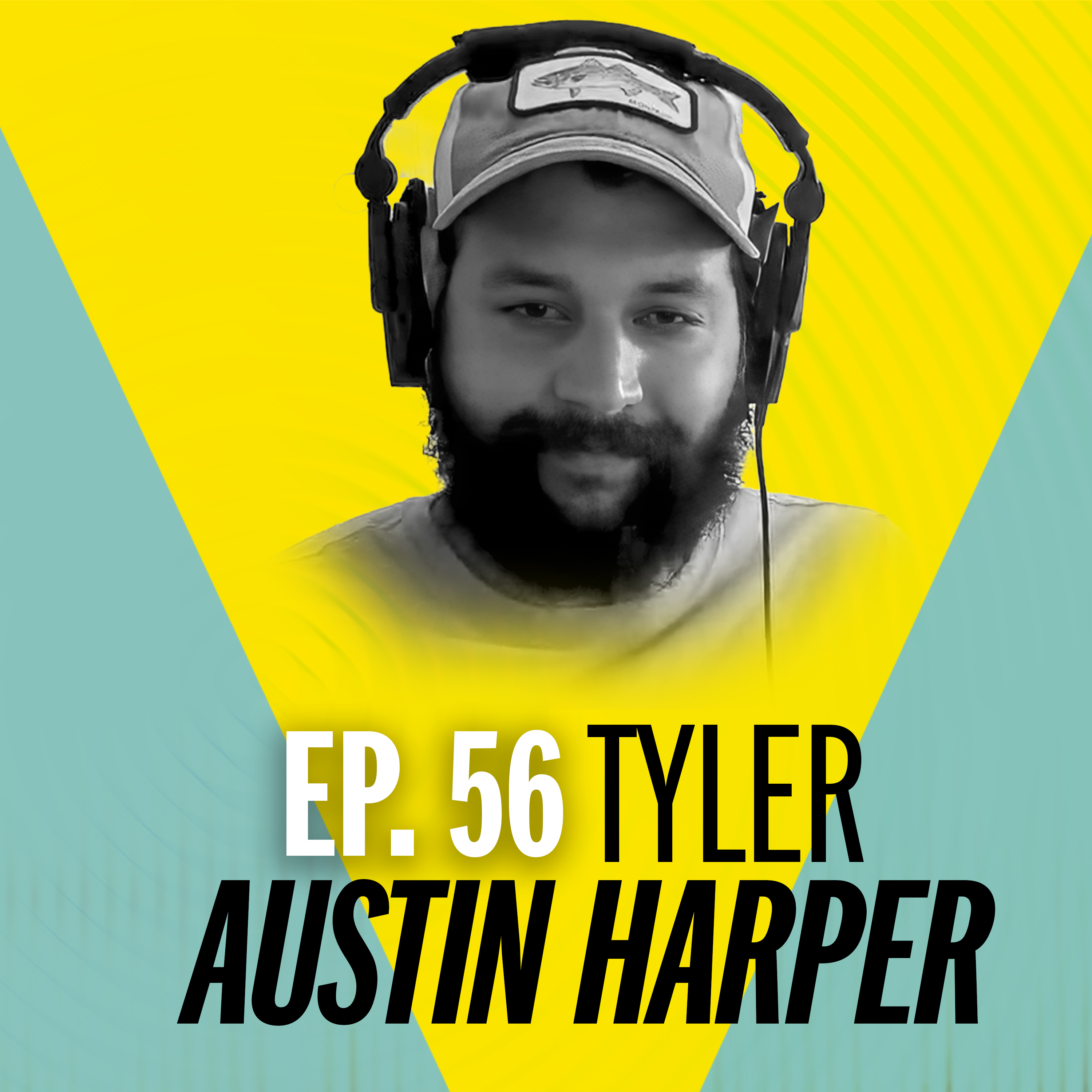
3d ago00:59:37Tap to summarizeAmerica’s colleges have spent years at the center of the culture wars. But some of the sharpest critics of higher education are people who once believed deeply in its mission — and changed their minds after seeing it from the inside.Host Megan McArdle is joined by Tyler Austin Harper, staff writer at The Atlantic and former professor at Bates College. He breaks down how academia reshaped his views on affirmative action and diversity, and why he came to see some efforts at inclusion as a form of tokenism. They get into race and class, ideological conformity, the decline of tenure, the treatment of adjunct faculty and the gap between universities’ social justice rhetoric and their economic incentives.Subscribe to The Washington Post here.
Transcribe →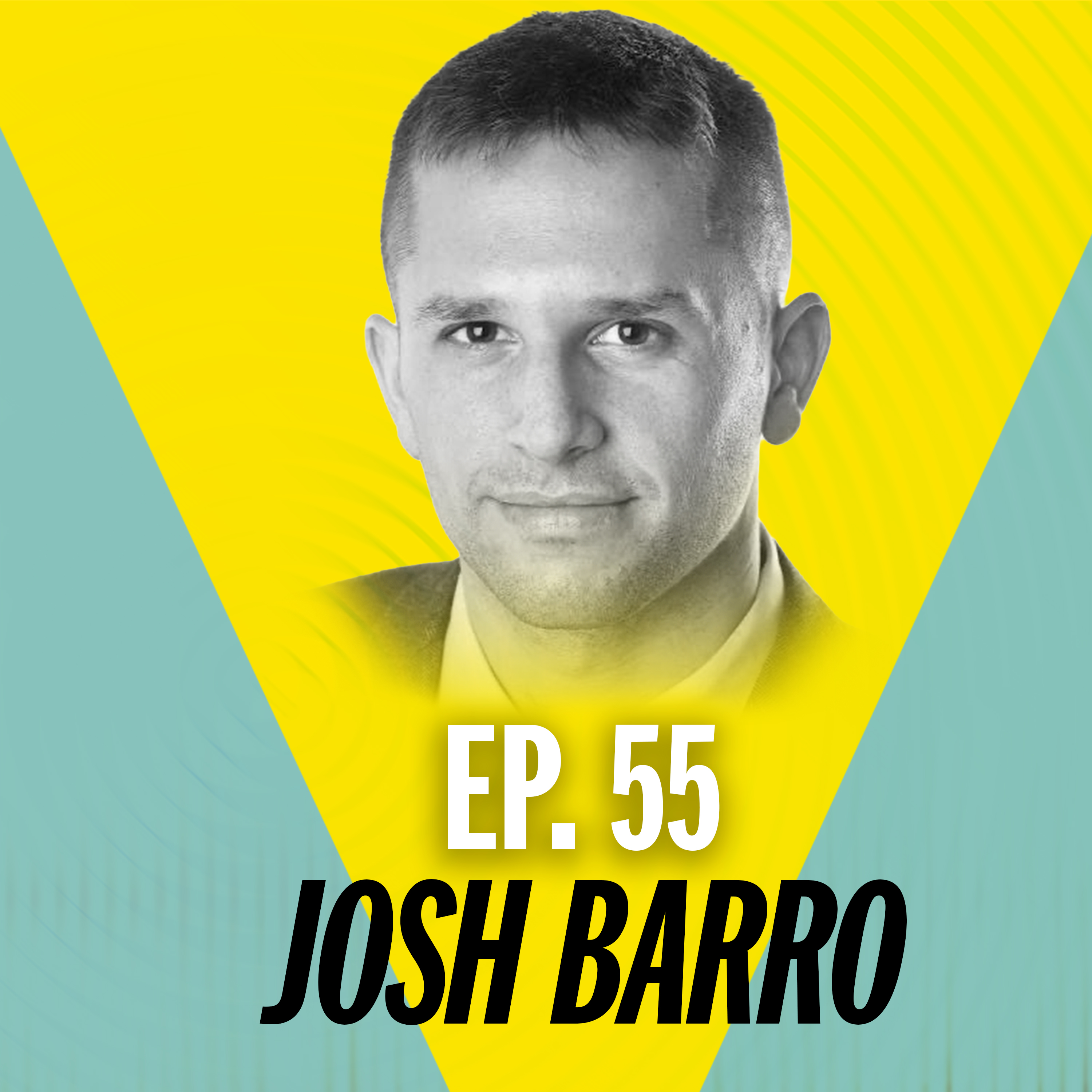
Why your cost of living keeps rising
5d ago00:35:45Tap to summarizeFrom the housing shortage to rising electricity costs, many of America’s biggest affordability problems come back to the same question: Why can’t we build more?Host Megan McArdle is joined by political commentator Josh Barro to talk about the “abundance” agenda and what it could mean for the cost of living, housing and energy prices, and economic growth. They discuss how both Democrats and Republicans stand in the way of building, whether increasing the supply of housing and energy can make everyday life more affordable, and whether Democrats can turn a wonky policy agenda into a compelling message on affordability.Subscribe to The Washington Post here.
Transcribe →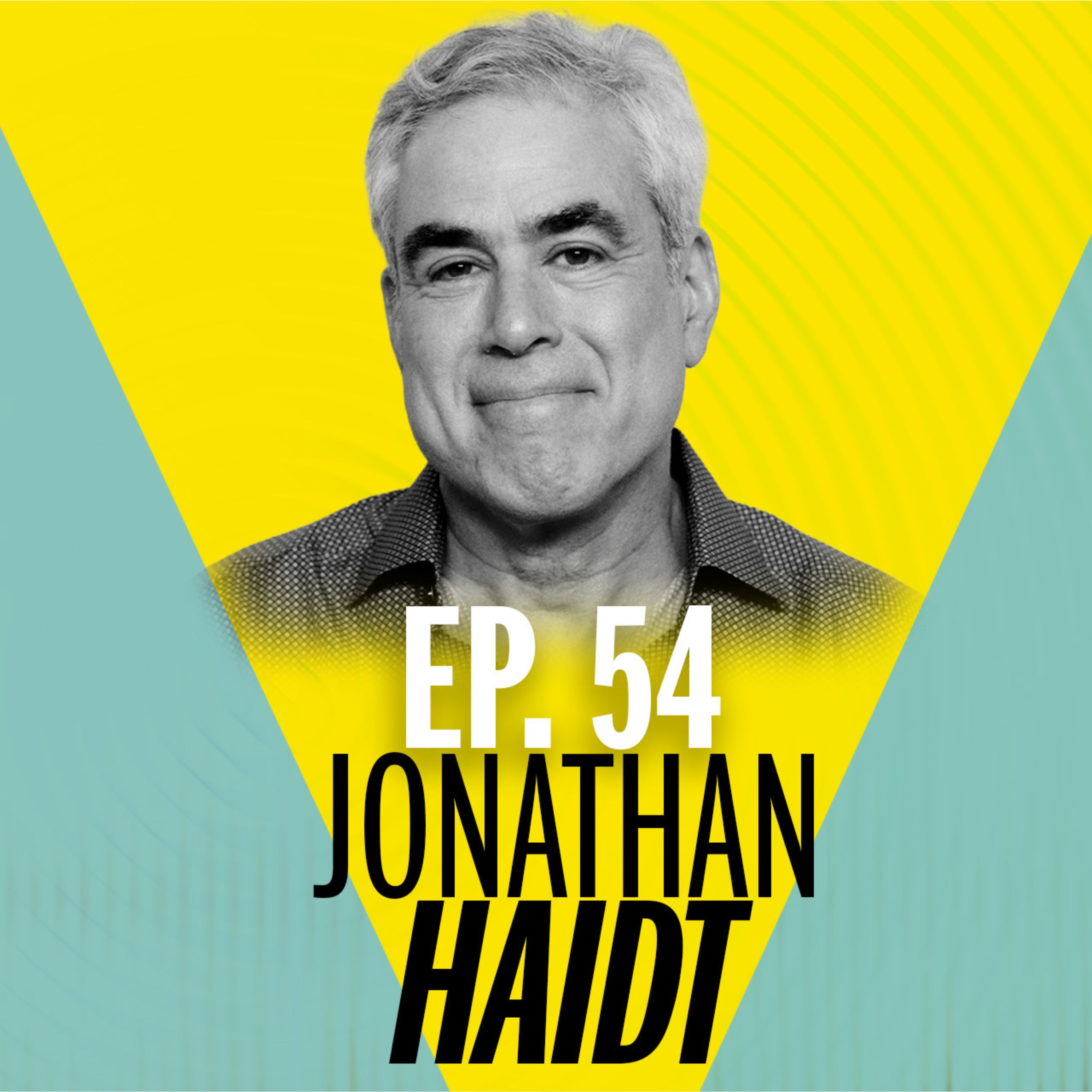
Is TikTok rewiring childhood?
1w ago00:54:25Tap to summarizeAs students head back to school, families and educators are facing a growing question: What should they do about smartphones?Host Megan McArdle is joined by social psychologist and author of “The Anxious Generation,” Jonathan Haidt, to talk about how TikTok, social media and constant digital stimulation may be changing the way children pay attention, stay motivated and cope emotionally. They discuss how childhood shifted from play-based to phone-based, how strong the evidence really is that social media is harming kids and whether phone-free schools, age limits and new family norms can help turn things around.Subscribe to The Washington Post here.
Transcribe →
Stop cooking the ‘right’ way
2w ago00:34:53Tap to summarizeDinner shouldn’t be stressful. But after a long day, even deciding what to cook can feel like one more exhausting task. Add the pressure to make meals healthy, affordable, interesting and Instagram-worthy, and home cooking can start to feel more like performance than pleasure.Host Megan McArdle talks with Caroline Chambers, author of "What to Cook When You Don’t Feel Like Cooking: Make It Fast," about how she turned a cookbook idea rejected by publishers into a cooking empire, why dinner has become such a source of stress and what we gain when we stop trying to cook the “right” way.Subscribe to The Washington Post here.
Transcribe →
How to fix higher education without destroying it
2w ago00:21:29Tap to summarizePublic confidence in higher education has been eroding for years. Rising costs, uncertain job prospects and political conflict have led many people to question whether colleges still serve the public. But trying to fix that by slashing research funding or putting campuses under tighter government control could destroy a lot of what makes them valuable.Host Megan McArdle argues that universities must confront their credibility crisis by recruiting a wider range of viewpoints, stepping back from institutional politics and recommitting to open debate. Meanwhile, conservatives must decide whether they want to reform higher education or merely punish it.Subscribe to The Washington Post here.
Transcribe →
A therapist on relationships, ghosting and realistic standards
3w ago00:46:12Tap to summarizeRelationships have always required compromise and patience. But dating apps, social media and therapy-speak can make ordinary human flaws feel like reasons to walk away. So, when is it right to leave and when are we giving up on people too quickly?Host Megan McArdle talks with psychotherapist, author and New York Times “Ask the Therapist” columnist Lori Gottlieb about ghosting, going no-contact, unrealistic dating standards and what actually makes relationships last. They also discuss how to tell the difference between settling and choosing wisely, why the perfect partner does not exist and how giving people grace can make us less lonely.Subscribe to The Washington Post here.
Transcribe →
Why homeownership feels impossible for Gen Z
3w ago00:21:48Tap to summarizeFor generations, owning a home was seen as the first real step into adulthood: a place to raise a family, build wealth and claim a piece of the American Dream. But for Gen Z, soaring prices, high mortgage rates and a shortage of starter homes have pushed even modest houses out of reach.Host Megan McArdle argues that young Americans really have received a worse housing deal than earlier generations. But the era of cheap, abundant homes to buy was shaped by forces we cannot simply recreate, and a good life does not have to begin with buying the perfect house.Subscribe to The Washington Post here.
Transcribe →
What America got wrong about drug addiction
4w ago00:25:32Tap to summarizeThe drug crisis in the United States did not begin with fentanyl. It began with a series of choices that seemed compassionate at the time — prescribing opioids for people in pain, scaling back punishment and trying to make drug use safer. But addiction spread, fentanyl changed the stakes, and the solutions no longer fit the crises unfolding in communities.Host Megan McArdle talks with Keith Humphreys, a Stanford professor and psychologist, about what America got wrong about drug addiction, why overdose deaths are finally falling, where harm reduction lost its way and what a better approach could look like.Subscribe to The Washington Post here.
Transcribe →
Lonely Gen Z needed this wake-up call
Jul 1700:32:37Tap to summarizeGen Z has been told a lot of things about loneliness: that it’s caused by phones, social media, remote work, dating apps, the pandemic, the decline of third places and a culture that makes staying home easier than ever. But what if the more uncomfortable truth is that loneliness is also something people have to actively fight?Host Megan McArdle talks with Wall Street Journal editor Emma Camp about her essay “Loneliness Is for Cowards,” why so many young people seem afraid of embarrassment and rejection, and how to start making real friends again.Subscribe to The Washington Post here.
Transcribe →
This actor drove 10,000 miles to ask men about loneliness
Jul 1500:33:46Tap to summarizeFor a lot of men, friendship doesn’t disappear all at once. It fades slowly: a missed call here, a canceled plan there, a few busy years that become a decade. Before you know it, the relationship has moved to the background of life, where it can feel easier to assume the bond will survive on memory than to do the awkward work of reaching back out. Andrew McCarthy wanted to understand why that story is so common.Host Megan McArdle is joined by the actor, director and author, whose new book, “Who Needs Friends: An Unscientific Examination of Male Friendship Across America,” follows his 10,000-mile journey to reconnect with old friends and ask men what friendship means to them. For their buy 1 get 1 50% off deal, head to 3DayBlinds.com/OPTIMISTIC. Subscribe to The Washington Post here.
Transcribe →