Podcast
Regeneration International
Hosted by Regeneration International · EN
Featuring speakers from every region of the world presenting the truly good news about regenerative systems of food production and land use, as well as the dangers of degenerative systems based on synthetic chemicals. Speakers include Vandana Shiva, Allan Savory, Ronnie Cummins, Andre Leu, Million Belay, Winona LaDuke, Dr. Michelle Perro, Dr. Stephanie Seneff, Zen Honeycut, Helena Norberg-Hodge, and many more!
Learn more about Regeneration International here:
https://regenerationinternational.org/
Learn more about Regeneration International here:
https://regenerationinternational.org/
11episodes
Episodes
Newest firstAll episodes
#26 - Dr Van Kien Nyugen - Advancing Ecological Organic Ag From the Mekong Delta to Global Markets
Dec 9, 202400:46:39Tap to summarizeDr Van Kien Nguyen is an honorary senior lecturer at ANU Fenner School of environment & Society (2020-2024). Dr Kien is also an adjunct senior research fellow at the School of Environmental & Rural Sciences, University of New England where he leads the ACIAR/IDRC funded project in Food Losses & Watse in the Catfish Pangasius Value Chain in the Mekong Region (2021-2025).
Transcribe →
#25 - Building a Movement for Local Family Farmers - Million Belay at the 2024 People's Food Summit
Dec 2, 202400:31:35Tap to summarizeMillion Belay coordinates the Alliance for Food Sovereignty for Africa, a network of major networks in Africa. He is a member of the International Panel of Experts on the Sustainability of Food Systems (IPES-Food). He is a founder of MELCA – Ethiopia, an indigenous NGO working on issues of agro-ecology, intergenerational learning, advocacy and livelihood improvement of local and indigenous peoples.
Transcribe →
#24- Sheila Darmos & Simon Kramer: Building Collaboration in the European Regenerative Movement
Nov 21, 202400:39:38Tap to summarizeSheila Darmos is a third generation farmer and a social entrepreneur in the agri-food sector and civic engagement field in Greece. Her key focuses lie within her lived physical and social environment, namely the farming and rural communities, and thus a systemic approach to enable transitions towards regeneration in a holistic way. Link to BioSimon Kraemer works to weave milieus in support of regenerating resilient, equitable and emancipating agrifood ecosystems from the ground up. Ecosystems that are invested in enhancing the socio-ecological and socio-economical aspects of regenerative food and fiber systems that foster horizontal, political and food agency. Link to Bio
Transcribe →
#23 - On The Nature of Nature: Vandana Shiva and Andre Leu at the 2024 People's Food Summit
Nov 12, 202400:29:48Tap to summarizeVandana Shiva, a world-renowned environmental thinker, activist, feminist, philosopher of science, writer and science policy advocate, is the founder of Navdanya Research Foundation for Science, Technology and Ecology (India) and President of Navdanya International.
Transcribe →
#22 - Allan Savory Speaking at the People's Food Summit 2024
Nov 5, 202401:10:01Tap to summarizeAllan Savory, a renowned ecologist and founder of the Savory Institute, has dedicated his life to understanding and solving the problem of biodiversity loss, which, among other factors, is fueling climate change by leading to desertification over most of Earth’s land area.
Transcribe →
#21 - Dr. André Leu speaking at the Australia - Vietnam Organic Agriculture Trade and Investment Forum
Oct 24, 202400:20:55Tap to summarizeDr. André Leu, D.Sc., was named international director of Regeneration International in 2017. Previously, he was president of IFOAM—Organics International, the international umbrella organization for the organic sector. During 50-plus years of visiting and working in more than 100 countries, André acquired an extensive knowledge of farming and environmental systems across Asia, Europe, the Americas, Africa, and Australasia. He and his wife, Julia, run an organic tropical fruit farm in Daintree, Australia.
Transcribe →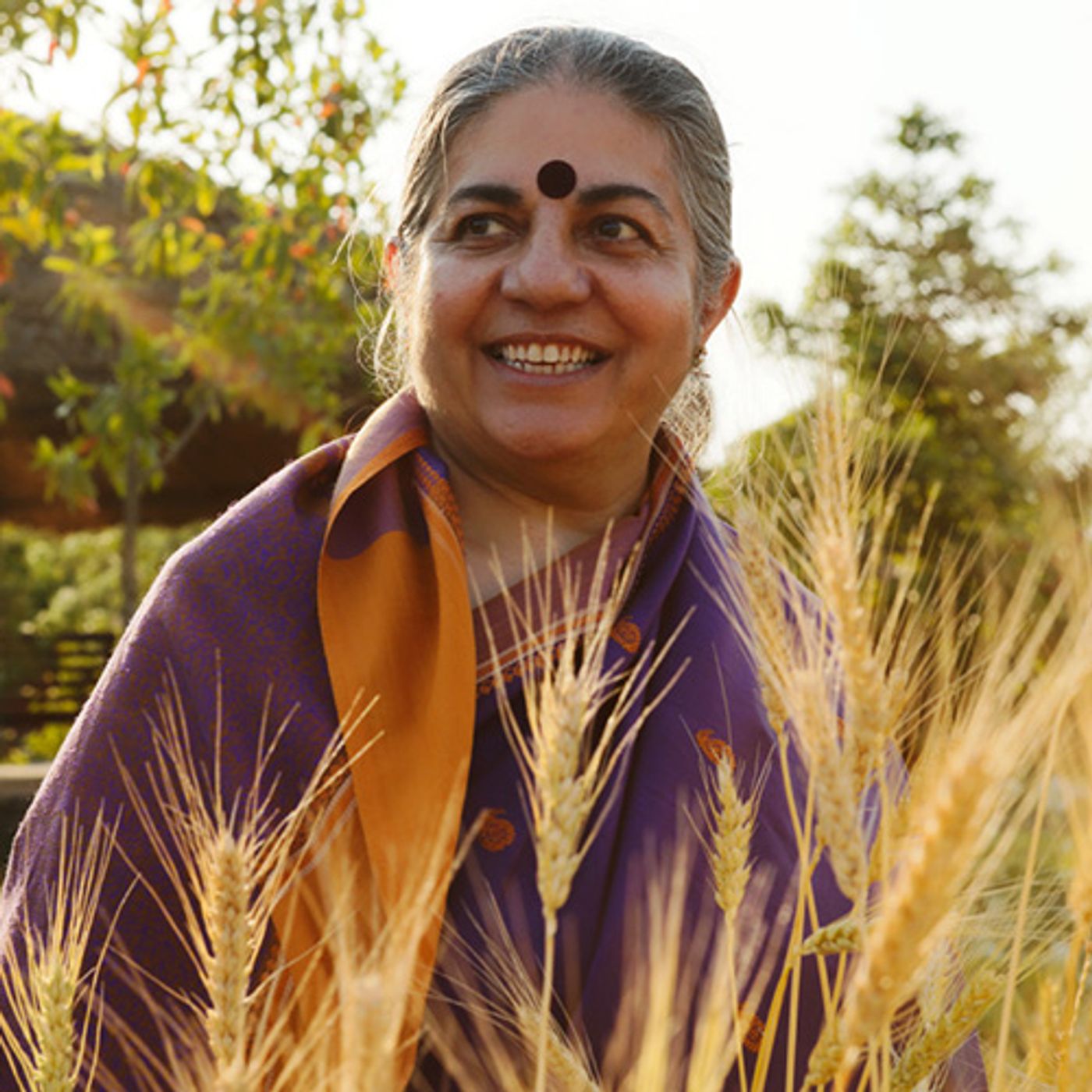
#20 - Vandana Shiva - From Degenerative Industrial Agriculture to Regenerative Organic Agriculture
Nov 9, 202300:47:56Tap to summarizeFrom Degenerative Industrial Agriculture to Regenerative Organic Agriculture - The real future of food, farming and communities, Dr Vandana Shiva. Vandana discusses Bill Gates and the Billionaires’ corruption of agriculture and food systems compared to the positive alternative, regenerative organic agriculture of smallholder family farms, which produces more health and wealth per acre.
Transcribe →
#19 - Dr. Gilles Eric Seralini's Presentation at the People's Food Summit 2023
Oct 24, 202301:06:35Tap to summarizeDr. Gilles Eric Seralini of the University of Caen, France. Today he brings us a presentation about his research surrounding the hidden ingredients found in pesticides such as Roundup and the effects of Genetically Modified Organisms on animal health.This presentation is from Regeneration International's People's Food Summit 2023. The People’s Food Summit is a major 24-hour event in celebration of World Food Day, October 16, featuring exciting speakers from every region of our planet. Find more info here: https://bit.ly/3tr5Wtr
Transcribe →#18 - Precious Phiri, Gertrude Pswarayi-Jabson and Caroline Jacqueta
Dec 6, 202200:55:27Tap to summarizePrecious Phiri, African Coordinator for Regeneration International, has a conversation with Gertrude Pswarayi-Jabson; PELUM Zimbabwe Coordinator, and Caroline Jacqueta from Bio-Innovation Zimbabwe and co-producer of the Seed and Food Festival.
Transcribe →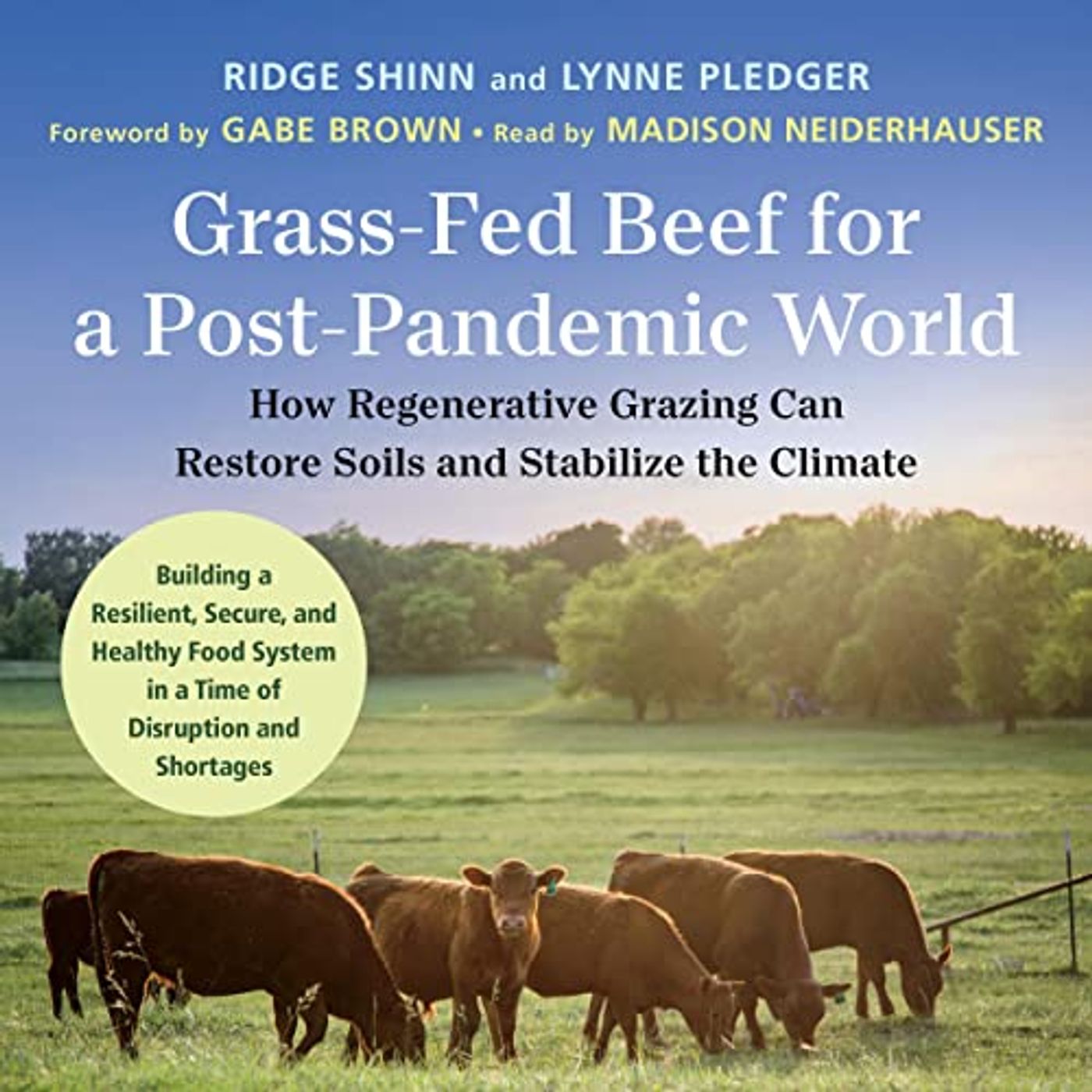
#17 - Ridge Shinn and Lynn Pledger - Grass-Fed Beef for a Post-Pandemic World
Nov 15, 202201:16:57Tap to summarizeIn the Foreward to the new book by Ridge Shinn and Lynn Pledger, renowned holistic rancher Gabe Brown writes: “It seems that every day we wake up to a new crisis, from the COVID-19 pandemic and high fuel prices to empty store shelves and war in Ukraine. Our world is in a constant state of change. While many cry doomsday, some, like Ridge Shinn and Lynne Pledger, know that the secret to resiliency in a changing world can be found through healthy soil, created with the help of grazing ruminants.Relying on a lifetime of experience with cattle and resource conservation, Ridge and Lynne take us on a journey through production agriculture in the United States. They explain how farmers and ranchers went from grazing livestock on pasture to confining cattle in grassless pens where grain and by-products are brought to them—grain and by-products that are grown with synthetics (fertilizers, pesticides, and fungicides) and the heavy use of fossil fuels. These practices, in no small part, have led to the degradation of our soils, our waters, and, at least to some degree, our health.This has led many to vilify animals, cows in particular, and falsely claim that they are largely responsible for climate change. This book helps to set the record straight: This new method of grazing cattle has a net climate benefit. As Ridge and Lynne so truthfully state, “Regenerative grazing will change the way our society thinks about beef, because the grazing itself is as significant as the meat.” Read more: https://www.chelseagreen.com/2022/why-regenerative-grazing-is-so-important/
Transcribe →