
Podcast
Researchers Under the Scope
Hosted by University of Saskatchewan, OVDR, College of Medicine · EN
Medicine is so much more than lab coats and stethoscopes. The research community at the University of Saskatchewan College of Medicine is a diverse group of humans, all working with their own unique motivations — and not all of them work in a hospital setting. Get to know what gets these researchers amped about their jobs, what they're doing, where they're doing it, and why. Presented by the Office of Vice-Dean of Research, College of Medicine at the University of Saskatchewan.
23episodes
Episodes
Newest firstAll episodes

Braaaaaaiiiiiinnnnnns, with Dr. Tyler Wenzel
May 3100:34:24Tap to summarizeMiniature human brains grown in a Saskatoon lab are upending the way researchers see neurology and immunology. Neuroscientist Dr. Tyler Wenzel is using brain organoids to challenge decades of rodent-based research, charting a new course for precision medicine. As a high school biology teacher, Wenzel's students learned how hearts pump blood and lungs move air. But apart from neurological electrical activity, neither Wenzel nor the textbooks had many clear answers about the brain. During his graduate studies, Wenzel realized the same experimental question tended to produce opposite results for mice and humans. The key difference, he found, lay in how each species' responded to toxins and injury, leaving him skeptical of neurological therapies tested on rodents. Now an assistant professor of psychiatry at the University of Saskatchewan, Wenzel focuses on youth degenerative brain disease and the limits of traditional research models. He grows human brain organoids — "mini brains" — from pluripotent stem cells derived from sources like blood or skin. Measuring two millimetres apiece, those organoids resemble tiny blobs of chewing gum. "We will turn [cells from a patient] into pluripotent stem cells, and we will make their mini brain, and because it has their genetic information, we get a brain that has their pathology," Wenzel said. "If you do that same mutation, often in a mouse, the pathology won't appear. So it allows us to actually get a pathology we can actually study," he said. When Wenzel was first hired at the University of Saskatchewan in 2024, the budget-conscious researcher built his lab on a shoestring, picking up secondhand centrifuges, balances, fridges and freezers from industrial start-ups. That move saved him time, and hundreds of thousands of dollars. "All the money that we started off with, it is literally going to just the research team and directly to the research," Wenzel said, crediting NSERC and SHRF for their support. "I am so grateful." Today, Wenzel studies childhood cerebral X-linked adrenoleukodystrophy (ALD), a rare degenerative brain disease that strikes children, and is fatal when left untreated. His organoids may provide proof of concept for new ways to target the brain and nervous system, without the need for radiation, chemotherapy, and lifelong immunosuppresant drugs currently required for hematopoietic stem cell transplants. "Chemotherapy and irradiation makes holes throughout your whole body. So we can do it in just your brain, just your spinal cord, and then we can inject the immune cells specifically into those locations," Wenzel said. "That eliminates many of the things that make chemotherapy uncomfortable, many of the things that make any sort of stem cell transplant uncomfortable." This spring, Canada's Stem Cell Network singled out Wenzel's work with a Rising Star Award, saying his work demonstrates "leadership, creativity and potential for major impact". If his method shows promise in treating ALD, Wenzel's approach could pave the way for more targeted, effective and far less invasive treatments for a range of degenerative brain diseases.
Transcribe →
Inside the Next Chapter of Biomedical Science, with Dr. Linda Chelico
Apr 3000:26:28Tap to summarizeAs Researchers Under the Scope marks its 100th episode, we hand the microphone to Dr. Linda Chelico, who recently accepted a five-year term as Vice-Dean Research, Biomedical Sciences, at the University of Saskatchewan's College of Medicine. Originally from Melfort, Saskatchewan, the virologist and biochemist outlines her two main priorities: upgrading research infrastructure and raising the public profile of her colleagues' work. Since the Covid-19 pandemic, Chelico said biomedical researchers are now expected to team up producing multiple lines of evidence supporting the same conclusion, before publications accept their findings. "Is it just specific to that cell? What about cells from other parts of the body, or other cancers?" she explained. "They might also want you to do the studies in an animal model." Alongside a second vice-dean who will oversee the College of Medicine's clinical trial unit, Chelico wants to strengthen collaboration, pushing more discoveries toward real-world treatments. She also says it's time to make biomedical research more visible to donors and the general public, through social media outreach and real-life tours of the Health Sciences complex. "A lot of times people drive by this nice, shiny building, this new building that went up, you know, 10 years ago, on College Drive and they probably wonder, what are we doing in here?" Chelico said connecting those dots should help boost health-related infrastructure investment from both the public and private sectors. A yet-unnamed vice-dean will focus on clinical health sciences and population health, overseeing the College's clinical trial service unit. Together, Chelico says their goal is to more effectively link laboratory discoveries with investigator-led clinical trials that lead to new treatments for real-life patients. She sees this as a time for renewal. "I think it's a really great time to be here as a biomedical researcher, because there's a really big chance to have an impact on what the future will be," she said. "People are really collaborative here."
Transcribe →
'Health Really Is Wealth': Dr. Holly Graham
Mar 3000:25:12Tap to summarizeDr. Holly Graham never planned on nursing. She wanted a police badge, then a law degree and a judge's bench. Instead, she followed her mother's wish and walked into nursing school as the only student from a reserve in a class of more than 200. The isolation was real. So were the health gaps she saw every shift. In this episode, Graham traces her path from being the only Cree nurse in her graduating class, to becoming a professor of psychiatry, registered doctoral psychologist, and Indigenous Research Chair in Nursing at the University of Saskatchewan. Her curiosity about widespread health disparities for Indigenous people pushed her back to university, into a master's degree and a PhD focused on Indigenous health. She continues to provide mental health counselling for patients carrying deep-seated trauma and symptoms of PTSD. She also explains why watching Grey's Anatomy during the pandemic inspired her to create a free pocket-sized 'CPR Racism' guide. "CPR underscores the urgency of life," said Graham. "People are unfortunately not having the best health outcomes, and in some situations dying as a result of racism." From that insight, Graham created a free CPR RACISM Guide that was mailed to every nurse in Saskatchewan. The goal is to name harmful behaviours, protect patients, and support colleagues without slapping labels on anyone. Along with founding a Professional Practice Group for Indigenous nurses and nursing students, she's found ways to turn loneliness and unanswered questions into mentorship networks, national training guidelines, and real-life tools that reshape the way nurses see their patients and themselves. "Health really is wealth," she said. "If we want to address health disparities, we need a representative workforce and a culture of caring that doesn't repeat past harms."
Transcribe →
Inside a Drug Trial for a Rare Childhood Disease: Drs. Sarah Tehseen & Katie Felton
Feb 2800:29:34Tap to summarizeMost childhoods don't involve sitting at the hospital for an infusion of medication, transfusions on weekends, or worrying that classmates will comment on the colour of your skin. For one Saskatoon teen with an ultra-rare blood disease, that's everyday life. She was diagnosed with a form of anemia so uncommon only a handful of cases have been identified globally. In this episode, Sarah Tehseen (MD) & Katie Felton (MD) share how they're working to change her "normal" by opening a phase 3 pharmaceutical trial and fighting for a better quality of life. We hear how Tehseen and Felton each got into medicine, why they love working with kids, and what it's like to be there for families on "one of the worst days of their life." "It's getting them through the next day, week, month and years ahead," said Felton. "So even though, yeah, I deal with blood disorders and cancer, which are really can be difficult conversations with families, we still have fun." They pull back the curtain on the effort it took to bring a this drug trial for an ultra-rare form of anemia to Jim Pattison Children's Hospital. From having to respond to 40 or 50 e-mails a day, to forfeiting vacation time as their patient goes through blood draws and clinic visits, it's a heavy lift. "Definitely, it requires some changing and plans for us at times, to be able to accommodate and facilitate that," said Tehseen. "Having two physicians doing it together, rather than being doing it alone, is has, has been super helpful." They discuss the hidden financial realities of rare drugs, and the importance of blood and stem cell donation. Both physicians say they find true joy in detective work, and in finding the right treatments for their patients. And even simple things like learning a child's favourite video game or doing bunny-hop races down the hall can help kids coping with rare diseases feel a little less alone. Tehseen says it's worth learning more. "If she's your classmate, if she's your student, know what it is, how it's affecting her. Because the more you know, the better you're able to show up in the life of that person," she said. OneMatch Bone Marrow Registry - https://www.blood.ca/en/hospital-donors-and-volunteers/become-donor/one-match Canadian Blood Services - https://www.blood.ca/en
Transcribe →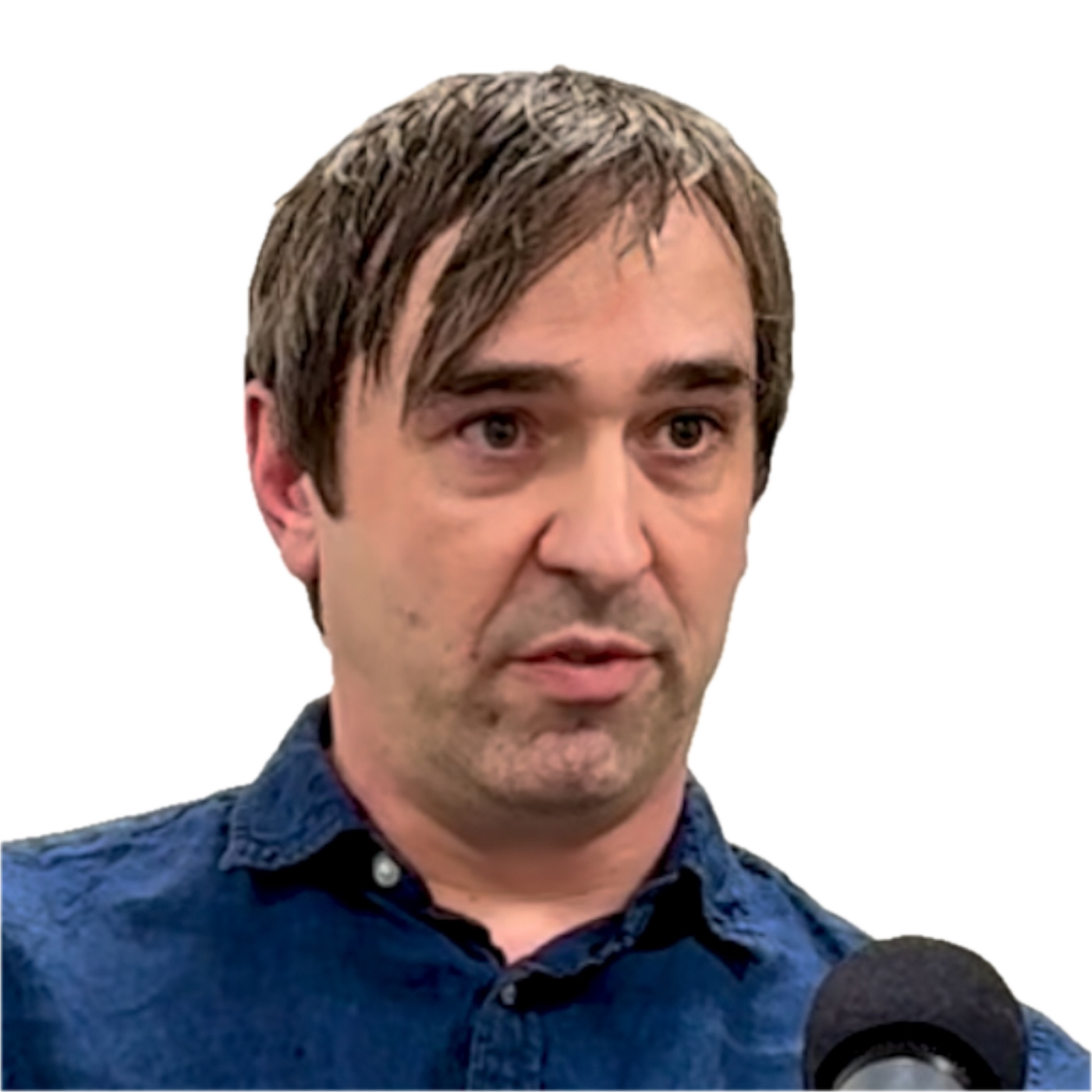
This Is Your Brain After Anesthetic: Dr. Peter Hedlin
Feb 1500:20:01Tap to summarizePeter Hedlin (PhD, MD) recalls being a 'young, naïve medical student' when he asked a mentor a question that's stuck with him for years. "I remember asking how anaesthetics work on the brain," said Hedlin. "And he said, 'we actually don't really know'. And I thought that was crazy." Today, Hedlin is an anesthesiologist and clinician scientist at the University of Saskatchewan's College of Medicine. He examines what surgery and sedation do to the human body — in particular, to aging brains. Trained first as a microbiologist who earned his PhD as a vaccine researcher at VIDO (Vaccine and Infections Disease Organization), Hedlin was always drawn to medicine. He gravitated toward helping patients one-on-one, and loved the immediate feedback of operating‑room decisions. "I love to see immediate consequences of actions and anesthesia's perfect for that," he said. "Some people hate being in hospitals, but I love it." In this episode, Hedlin unpacks post‑operative delirium: the "loopiness" many people feel a day or two after surgery. Most of the grogginess eventually wears off, but for those over age 60, it can persist. In older adults, cognitive dysfunction may appear as visible agitation, as patients hallucinate or pull out intravenous lines following surgery. Conversely, it can be easier to miss when patients enter a quieter, hypoactive state, withdrawing and not talking as much. That 'acute brain failure' can last weeks, months, even years. It's linked to longer hospital stays, higher short‑term mortality and a greater chance of ending up in long‑term care. "We don't have a great understanding why that happens," said Hedlin. "I'd love to make care for our elderly patients better, and we know cognitive dysfunction in the surgical period is common." Hedlin says that work begins before long the patient's surgery date. Along with nursing managers, psychiatric and geriatric specialists, he's piloting a screening tool to assess older patients for frailty and cognitive risk. He asks patients to bring along a friend or a family member, who knows their baseline, to assist with daily delirium checks before and after the operation. "When we can identify these patients several weeks before their surgery, then it gives potentially an opportunity to intervene and optimise that patient prior to their their surgical event," he said. Hedlin is also participating in larger, randomized studies, and is watching developments in other parts of the country with interest. But Hedlin also points to simple fixes hospital staff can make, such as returning patients' hearing aids and glasses, and ensuring older patients get a good night's sleep after surgery. "Just returning people to as normal a situation as possible is really quite helpful for reorienting them in that post-operative period," he said.
Transcribe →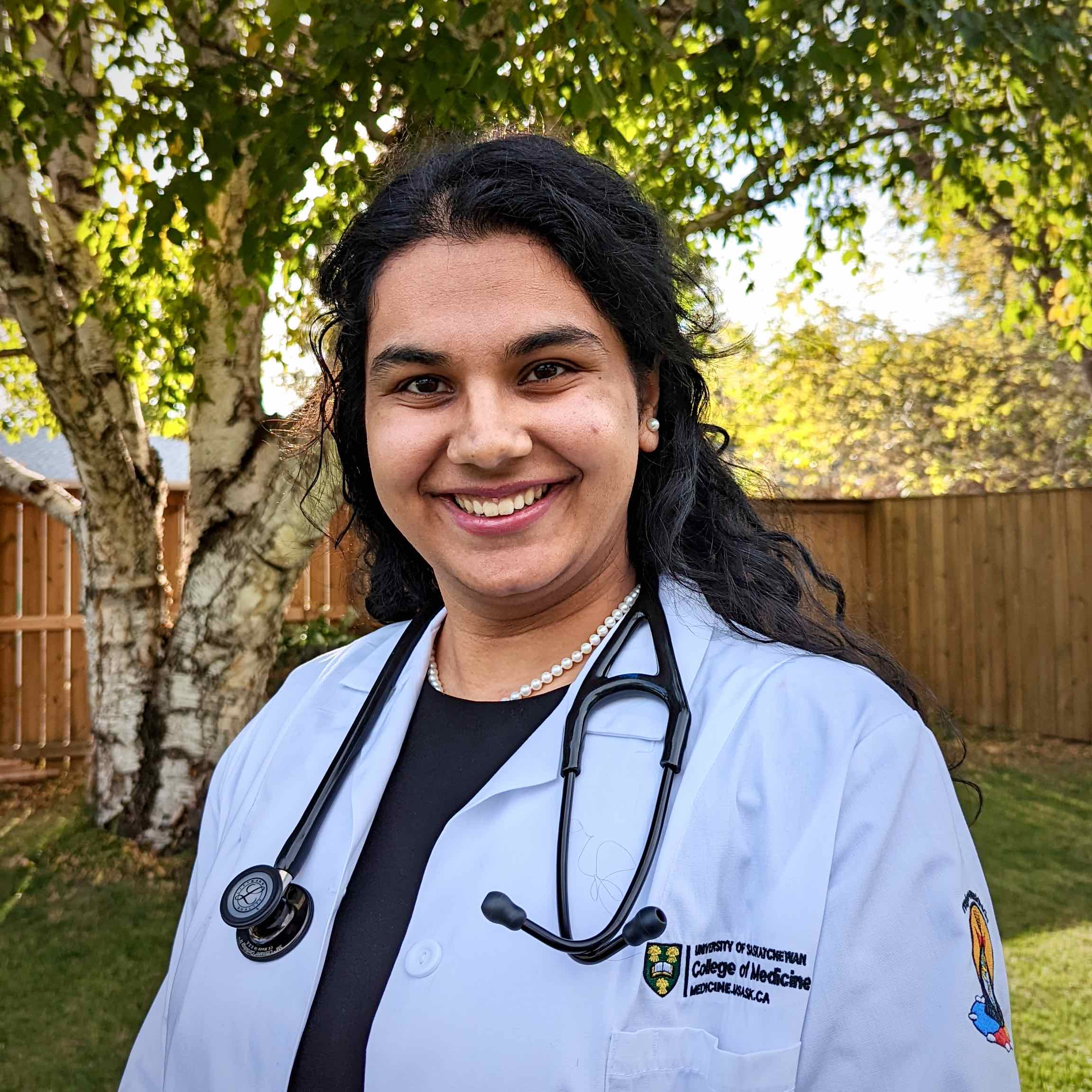
Not Just Numbers: Vaidehee Lanke Tracks Opiate Use & Perinatal Health
Dec 2100:13:51Tap to summarizeIn this episode, medical student and researcher Vaidehee Lanke shares what large provincial datasets reveal about opioid use disorder, maternal mental health, and pregnancy. Armed with data, she hopes better support —before, during, and after birth—can change outcomes for mothers and babies. Lanke spent her summer working with epidemiologist Dr. Nadeem Muhajarine and the Saskatchewan Population Health and Evaluation Research Unit on a pan-Canadian project tracking opioid use in perinatal populations across five provinces. "The question we set out to answer was: What is the association between opioid use disorder and perinatal mental health conditions?" Lanke said. Opioids in excess are linked to maternal death, stillbirth, and poor fetal growth. Using hospital discharge records, ambulatory care data, and physicians' billing data from 2016-2024, Muhajarine's team is assembling a provincial cohort of pregnant patients to study when, and how often opioid use disorder and mental health challenges collide. "It's like that critical thinking piece, like how to look at massive amounts of data and make sense of it," said Lanke, who earned her masters in epidemiology at McGill before returning home to Saskatoon to attend medical school.\ "Sometimes [with code] you're poring over it, and it's like that little comma or like, you know, semi colon, that makes all that difference." Lanke calls strong public health the 'backbone' of medicine. She sees computational biology as a way to pinpoint when and where to intervene more effectively with high-risk mothers and infants. "This was a dream project for me, because it brought together all my different worlds," she said.
Transcribe →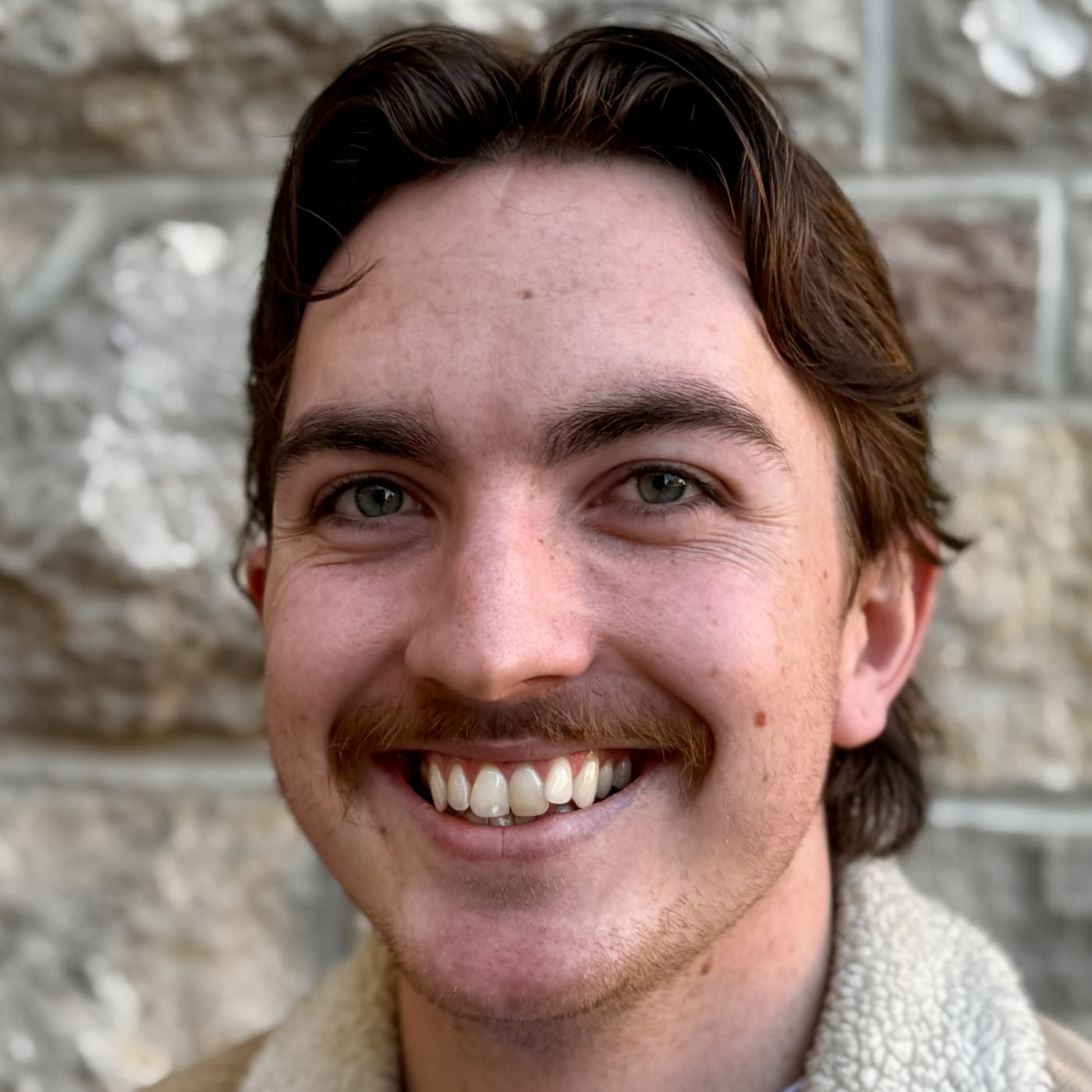
Cross-Linked Clues: Jack Walther on Depression and Alzheimer's
Dec 100:14:36Tap to summarizeAs a student, Jack Walther's friends often came to him when they needed a listening ear, or help with relationship struggles. This summer, Walther took his fascination with the brain and mood disorders to Dr. Darrell Mousseau's psychiatry laboratory, learning to untangle some of the tiny molecular threads that might explain why depression so often shows up alongside dementia. Walther and the research team dug into the physical interactions between serotonin and the beta amyloid peptides that build up in patients with Alzheimer's disease. . He admits going from the classroom to the laboratory felt like a sharp learning curve. "It was totally different," he said. "It's daunting once you get onto it, but once you get going, it makes a lot more sense and you feel way more comfortable." Using human embryonic kidney cells, Walther and lab staff used cross-linking chemicals to literally 'catch' proteins interacting. In this episode, Walther recalls the day Mousseau hustled into the lab, results in hand. "I could see the excitement in his face and it just made kind of the lab buzz a little," said Walther. "We found there is actually some kind of physical interaction between these beta amyloids and the serotonin receptor." Mousseau's laboratory is narrowing down biochemical events common to depression and Alzheimer's disease, looking for modifiable targets in the depressed brain that could slow or delay the onset of the neurodegenerative disorder. Walther said being part of that laboratory work felt 'incredible'. "I want to bring some good into this world," he said. "I would like to focus on people that struggle to help themselves. Whether that's neurodegenerative or it's people that are just stuck in place and don't know what to do." He aims to earn his honours degree in neuroscience, then keep pressing on. "Whichever way that takes me, that's when I'll be happy with what I've accomplished," Walther said.
Transcribe →
EEEV-ident Passion: Eve Simpson on Doubt, Persistence and Viral Spread
Nov 1600:18:25Tap to summarizeEve Simpson knows from experience scientific research doesn't always follow a linear path. In the first of three student research episodes, the fourth-year biochemistry, microbiology and immunology student looks back at a summer spent decoding Eastern Equine Encephalitis Virus (EEEV) in Dr. Anil Kumar's lab. Simpson said she loved doing bench research, but felt frustrated in the moments where she hit setbacks and moments of doubt. "I felt like I was letting everyone down," she said. "But everyone I spoke to said they'd been through that. It's part of being a researcher. That's what drives us to do better and keep being curious and learning." Simpson realized those failures still tell researchers what doesn't work, and provide data for the greater scientific community. She is now pursuing her honours degree, and plans to return to Kumar's laboratory as she looks at graduate studies, driven by curiosity and a commitment to public health. "I want to do better. I want my research to help people and I want to do better for the world," she said.
Transcribe →
That's So Metal: Dr. Jessica Sheldon Targets Acinetobacter Baumannii
Sep 2800:18:36Tap to summarizeJessica Sheldon (PhD) is on a mission to starve out Acinetobacter baumannii —one of the world's most virulent hospital-borne pathogens. Notorious for its speedy evolution and multi-drug resistance, the hospital-borne bacteria lingers on dry surfaces and infects critically-ill patients, leading to sepsis, pneumonia and high mortality rates. In this episode, Sheldon delves into the real-life events that drove her to investigate histamine, and its role in bacterial survival and immune response. In 2022, Sheldon joined the University of Saskatchewan's College of Medicine as an assistant professor of Biochemistry, Microbiology & Immunology -- something she now laughs about after an ill-fated high school placement in an immunology laboratory. "Cytokine cascades, pathways, the signaling just got way over my head real fast," said Sheldon. "I didn't really know what I was doing." Sheldon enrolled at Lakehead University, drawn to the tiny pathogens with outsized roles in movies like Outbreak. She estimates she read the book The Hot Zone 20 times. Her persistence paid off. "One of my second year microbiology teachers said, 'you know, I think you're kind of good at this. Maybe you should try it as a career.' Sheldon zeroed in on metals and wrote her doctoral dissertation on the role iron plays in the proliferation of bacteria such as Methicillin-resistant staphylococcus aureus (MRSA). Today, she studies both Morganella morganii and Acinetobacter baumannii — the multi-drug-resistant bacteria singled out twice in the last decade by the World Health Organization as a 'priority 1-critical pathogen'. "I'm perpetually fascinated by the idea that something so small can change the course of history," said Sheldon. "And we've seen that recently with COVID." Sheldon was already studying the metal uptake and signalling systems that grow and sustain A. baumannii when the bacteria ripped through hospitals during the pandemic, attacking Covid-infected patients on ventilators. By 2023, Sheldon landed a five-year CIHR grant of $900,000 to study A. Baumannii and the way it turns histidine into histamine. Her goal is to pinpoint the way the pathogen uses histamine to evade its host, as it sends out siderophores to steal iron and other nutrients. The compound appears to serve as a signalling mechanism for both the host and the invading pathogen, she said. "We know the bacteria are using histamine in the synthesis of these molecules to get iron, but they're also secreting it into the environment. We're not really sure why," Sheldon said. Her laboratory is working to trace and target those pathways, so researchers can identify and potentially develop new treatments — small molecules or antibody inhibitors that could disrupt multi-drug resistant pathogens. Beyond A. baumannii, histamine may hold the key to how some of the world's most notorious bacteria grow, spread, and evade immune defences, Sheldon said. "We're running out of drugs, but there's really not a full appreciation for the fact that we're losing the ability to treat bacterial infections," Sheldon said. "We need to develop supplementary therapies or alternative therapies."
Transcribe →
Fluid Endeavour: Kirk Haan's Medical Balancing Act
Aug 2900:25:38Tap to summarizeKirk Haan graduated from high school, thinking he'd study pharmacy at the University of Saskatchewan, and walk out five years later. After one summer at a pharmacy, Haan realized he was after a more 'hands-on' career in medicine. "I've kind of worked with my hands my whole life, just between rummaging around on a farm and always kind of building things," he said. "Now it's using them to help people in a direct way." Then, Haan found his passion — inside the laboratory. In 2018, Haan landed a summer position in Dr. Thomas Fisher's lab, studying osmoregulation — the mechanisms that govern our bodies' salt and fluid intake and output. He never looked back. By the time he entered medical school, Haan had completed two summer research projects, his honours degree, and his master's thesis in osmoregulation, all under Dr. Fisher's supervision. "He was a really good role model," Haan said, noting he returned to Fisher's lab for up to 30 hours a week during his first and second year of medical school. Haan is set to resume his work at medical school next summer, after he's completed his PhD. Until then, he and Fisher are unravelling mechanisms involved with Synaptotagmin-11, and later Endophilin-A1, proteins associated with keeping the body's fluid-salt balance in check. Changes in those complexes are often seen in patients with neurodegenerative conditions, such as Parkinson's, ALS (amyotrophic lateral sclerosis) and Alzheimer's disease. Dehydration and fluid imbalances also become more common as patients age. Haan calls this "low-hanging fruit" when patients arrive at Emergency Departments, worried about pharmaceutical interactions. "The more drugs you take, the more likely you are to have a drug interaction that causes a perturbation in this system," said Haan. He believes Synaptotagmin-11 and Endophilin-A1 may play "a massive role" in the long-term regulation of our body fluids. Haan also credits his wife — who just entered medical school with her own PhD — and an "incredible community" of friends in Saskatoon for their support during his decades-long journey through two academic worlds. Although they will likely have to leave Saskatchewan to pursue his residency as an ear, nose and throat surgeon, Haan said the plan is to return. "With some of the things that I've learned and my passion for blending this basic science with clinical medicine, maybe somewhere down the line we find something that's really cool that can really help people," he said.
Transcribe →