
Podcast
Retained Trust
Hosted by Karl Hughes · EN
Want to know what it takes to build, scale, and sell your agency?
Retained Trust is a weekly podcast where host Karl Hughes goes deep with digital service business owners to uncover the habits, tactics, and strategies they’ve learned to grow successful companies. Along the way, you’ll hear about Karl’s journey running and acquiring niche digital agencies as he learns from guests with a variety of backgrounds and experience levels.
23episodes
Episodes
Newest firstAll episodes
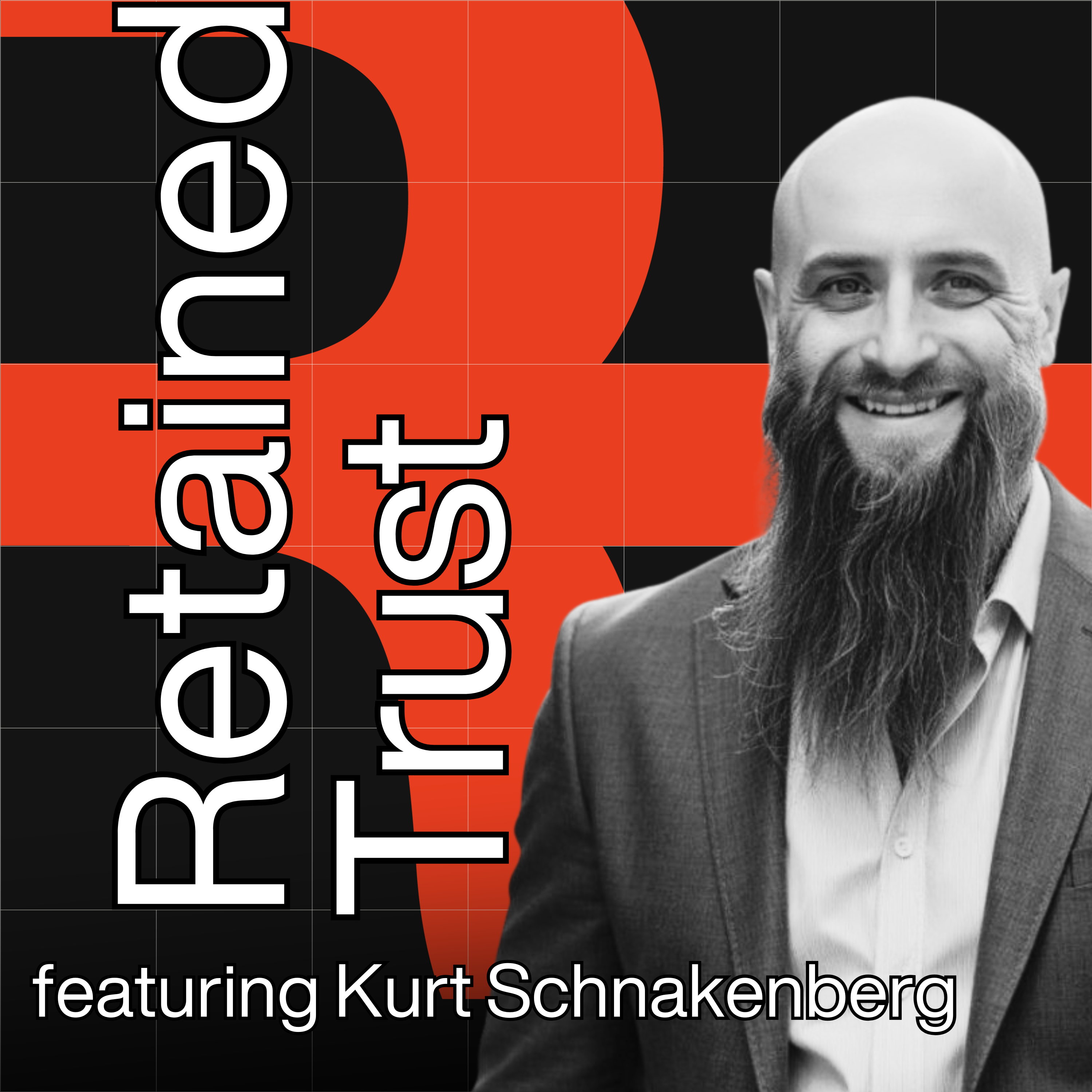
Scaling Smart: Inside adbm.agency’s First 1.4 Years
Nov 400:21:26Tap to summarizeIn this episode of Retained Trust, host Karl Hughes reconnects with Kurt Schnakenberg, founder of adbm.agency, to reflect on the agency’s growth, challenges, and pivotal lessons from its first 1.4 years. Kurt discusses the reality behind setting ambitious goals, reaching 300% growth, and shifting from founder-led sales to building a structured sales team. They explore the evolving product strategy, team dynamics, and the delicate balance of expansion and focus. Kurt also shares why reducing churn became a top priority—and how the sales flywheel reshaped his thinking. Tune in for a candid look at what it takes to grow an early-stage agency without losing momentum. Key Points From This Episode: [00:00:04] Karl welcomes Kurt Schnakenberg back to the show. [00:00:48] Kurt shares that adbm.agency is tracking toward 300% growth this year. [00:01:15] They discuss the mindset behind ambitious goal setting and growth. [00:02:13] adbm.agency's current placement numbers and where they stand against targets. [00:02:46] Why Kurt still supports audacious goal setting despite falling short. [00:04:24] Transitioning away from founder-led sales and the lessons learned. [00:05:33] Kurt explains the importance of consistency and momentum in sales. [00:08:26] How autonomy and team ownership are shaping adbm.agency’s sales structure. [00:09:15] The reality of building teams with varying strengths and ambitions. [00:09:58] Kurt discusses expanding beyond the building industry and offshore staff. [00:12:22] Piloting domestic recruiting as a potential service line. [00:13:38] Karl reflects on how new service lines complicate operations. [00:14:51] What worked: pausing growth to reduce churn and invest in quality. [00:16:03] Why businesses can’t fix everything at once—and shouldn’t try to. [00:16:55] Kurt explains shifting toward higher ROI expectations for investments. [00:19:00] How a simple income statement reframed internal decision-making. [00:19:38] Kurt recommends reading on the sales flywheel from Harvard Business Review. [00:51:13] Final thoughts on resilience, persistence, and taking action to grow your agency. Links: adbm.agency: https://adbm.agency/ Kurt Schnakenberg: https://www.linkedin.com/in/kurtschnakenberg/ Karl Hughes on LinkedIn: https://www.linkedin.com/in/karllhughes Production and editing by The Podcast Consultant: https://thepodcastconsultant.com
Transcribe →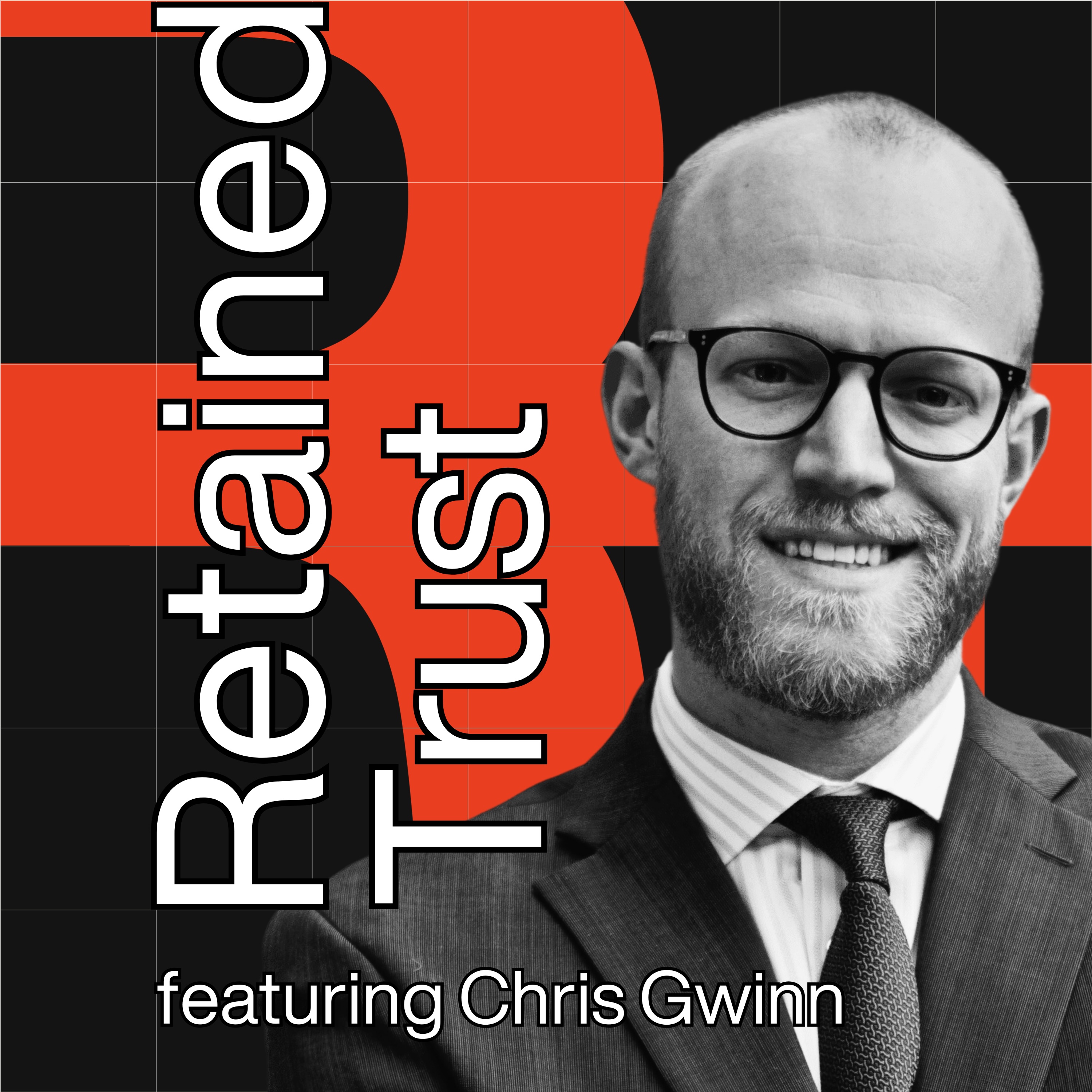
Financial Precision: Chris Gwinn on Year One of Midwest CFO
Oct 2100:23:21Tap to summarizeIn this episode of Retained Trust, host Karl Hughes reconnects with Chris Gwinn, founder of Midwest CFO, to explore what he's learned in the first year of building his fractional CFO firm. Chris shares how refining driver-based forecasting models and digging into operational KPIs have helped his clients make smarter strategic decisions. The conversation covers the evolution of his sales approach, challenges in bookkeeping, and the critical importance of accurate gross margins. Chris also outlines how he's scaling the business and reflects on personal growth through parenting and reading.Key Points From This Episode[00:01:16] Chris reflects on key learnings from his first year in business.[00:03:56] The power of using operational KPIs to drive more accurate forecasts.[00:06:15] How conversations with prospects have shifted to focus on metrics and drivers.[00:07:54] Refining service delivery based on better understanding client needs.[00:08:52] Chris defines his updated target client profile.[00:09:26] Early steps toward hiring and scaling Midwest CFO’s team structure.[00:10:43] Common shortcomings in bookkeeping and chart of accounts setup.[00:13:02] Why breaking out revenue and costs improves financial decision-making.[00:16:46] Gross margin as a key metric for growth and acquisition readiness.[00:17:29] Current acquisition channels and early marketing efforts.[00:18:24] Chris’s roadmap for scaling, including hiring and sales engine development.[00:19:57] The value of 90-day planning and long-term clarity.[00:20:36] Chris shares a favorite recent book: Software as a Science.[00:22:00] Karl recommends Ego is the Enemy and reflects on personal challenges with ego.[00:23:18] Closing thoughts and gratitude for the conversation.Links:Chris Gwinn on LinkedIn: https://www.linkedin.com/in/chris-gwinn-cfa-96383b26/Midwest CFO: https://midwestcfo.com/Karl Hughes on LinkedIn: https://www.linkedin.com/in/karllhughesProduction and editing by The Podcast Consultant: https://thepodcastconsultant.com
Transcribe →
Jon Schroeder’s Path from Tech to Wellness
Oct 700:54:30Tap to summarizeIn this episode of Retained Trust, host Karl Hughes speaks with Jon Schroeder, founder and CEO of Joy Fluent. Jon shares the journey behind BrewJoy, a new plant-based product designed to prevent coffee-related teeth stains, and digs into his broader mission of improving wellness through everyday habits. He reflects on lessons from past ventures in data privacy and elder care, his MBA experience at Kellogg, and the mental demands of entrepreneurship. The conversation probes the contrast between corporate and entrepreneurial leadership, managing decision fatigue, and the power of focus. Tune in for a candid, grounded look at what it really takes to build and lead a startup.Key Points From This Episode[00:00:42] Jon Schroeder introduces Joy Fluent and its first product, BrewJoy.[00:02:33] Background on Jon’s prior startup Datum and challenges with data monetization.[00:06:10] Tackling senior loneliness through transportation access solutions.[00:10:25] Lessons from failed ventures and entrepreneurial timing.[00:12:44] Jon’s decision to pursue an MBA and how it supported his entrepreneurship.[00:16:38] The value of elite networks, especially for underrepresented founders.[00:18:56] Differentiating leadership from management in corporate vs startup contexts.[00:23:41] The importance of adaptability in entrepreneurial management.[00:27:05] The concept of magnetism in entrepreneurial leadership.[00:31:11] Jon reflects on building emotional intelligence and influence.[00:34:22] Corporate vs startup hiring: micromanagement vs trust.[00:38:04] Cultural control and hiring involvement in different business types.[00:42:01] Mental and emotional stakes in entrepreneurship vs corporate roles.[00:46:10] Reducing decision fatigue through systems and habits.[00:48:59] Focus as a superpower: narrowing 2025 goals to two priorities.[00:51:48] Long-term vision for Joy Fluent beyond oral care.Links:Jon Schroeder on LinkedIn: https://www.linkedin.com/in/j-schroeder/Joy Fluent: https://drinkjoy.com/Karl Hughes on LinkedIn: https://www.linkedin.com/in/karllhughesProduction and editing by The Podcast Consultant: https://thepodcastconsultant.com
Transcribe →
EP.19 - From Niche to Growth: A Path to Agency Expansion
Mar 4, 202500:48:09Tap to summarizeIn this episode of Retained Trust, host Karl Hughes sits down with entrepreneur and agency expert Sam Shepler, founder of Testimonial Hero, to explore the ins and outs of building, scaling, and acquiring service-based businesses. Sam shares his journey from running a generalist video agency to selling it, launching a productized service, and now expanding through strategic acquisitions. Karl and Sam break down the power of productized services, how acquisitions can unlock new growth, and the challenges of integrating new businesses into an existing agency. They also discuss how to say no to custom projects, balancing specialization with expansion, and why maintaining good relationships with competitors can open unexpected doors.Key Points From This Episode:[00:00:00] Introduction to Karl Hughes & Retained Trust[00:00:43] Guest introduction: Sam Shepler’s background and agency experience[00:01:51] Selling his first video agency and transitioning into productized services[00:04:03] Why productized services appealed to Sam and how he built Testimonial Hero[00:05:50] The myth of recurring revenue in service businesses[00:07:09] The power of process-driven scaling and why it’s essential[00:08:38] Saying no to custom client requests & keeping services streamlined[00:10:37] The natural evolution from productized service to broader agency growth[00:14:28] Expanding into new service areas without losing focus[00:17:08] The limits of productized services and when to expand offerings[00:20:21] The acquisition strategy: why Sam decided to buy instead of build[00:23:46] Choosing the right services to add through acquisition[00:27:02] The challenge of managing multiple agency brands[00:30:15] Thinking in long-term horizons to unlock big opportunities[00:34:37] The role of competitors in potential acquisition deals[00:39:59] The difficulties of getting deals done & lessons from failed acquisitions[00:45:45] Sam’s recommended books on business, strategy, and psychology[00:47:00] Where to follow Sam & learn moreLinks:Sam Shepler on LinkedIn: https://www.linkedin.com/in/samshepler/Testimonial Hero: https://www.testimonialhero.com/Karl Hughes on LinkedIn: https://www.linkedin.com/in/karllhughesProduction and editing by The Podcast Consultant: https://thepodcastconsultant.com
Transcribe →
EP.18 – Profitability & Planning: Joey de Wit on Smarter Agency Finances
Feb 25, 202500:55:55Tap to summarizeIn this episode of Retained Trust, host Karl Hughes speaks with Joey de Wit, founder of AgenCFO, a fractional CFO service specializing in helping agencies master their finances. Joey shares his journey from corporate finance to entrepreneurship, highlighting the importance of financial forecasting, pricing strategies, and sustainable agency growth. They discuss the challenges of scaling service-based businesses, how to escape the feast-and-famine cycle, and why many agency owners underinvest in growth. Joey explains how proper financial planning can give agency owners control over their profitability, allowing them to reinvest wisely and build businesses that are financially resilient. If you're an agency owner looking to scale profitably, raise prices, and improve financial strategy, this conversation is packed with actionable insights.Key Points From This Episode:[00:00:30] Introduction to Joey de Wit and AgenCFO[00:01:03] The role of a fractional CFO in agency growth[00:03:15] What size agencies benefit most from CFO services[00:06:03] The common financial mistake agency owners make[00:08:39] The importance of financial planning and budgeting[00:10:47] How agencies can forecast revenue more accurately[00:15:24] Growth is expensive—why underinvestment is common[00:16:41] The challenge of scaling agencies and negative economies of scale[00:20:00] Pricing strategies: Why raising prices can be the best growth lever[00:23:04] Joey’s entrepreneurial journey from banking to agency finance[00:31:58] Hiring for finance roles—analysts vs. CFOs[00:38:51] Client acquisition: Twitter, referrals, and content marketing[00:41:18] The challenge of balancing growth with service delivery[00:45:03] The reality of entrepreneurship—why you’re never fully “off”[00:50:06] Book recommendations for agency owners and entrepreneurs[00:52:54] Where Joey sees Agent CFO in the next yearLinks:Joey de Wit on LinkedIn: https://www.linkedin.com/in/joeydewit/Joey de Wit on X: https://x.com/joeydewitAgenCFO: https://www.agencfo.com/Karl Hughes on LinkedIn: https://www.linkedin.com/in/karllhughesProduction and editing by The Podcast Consultant: https://thepodcastconsultant.com
Transcribe →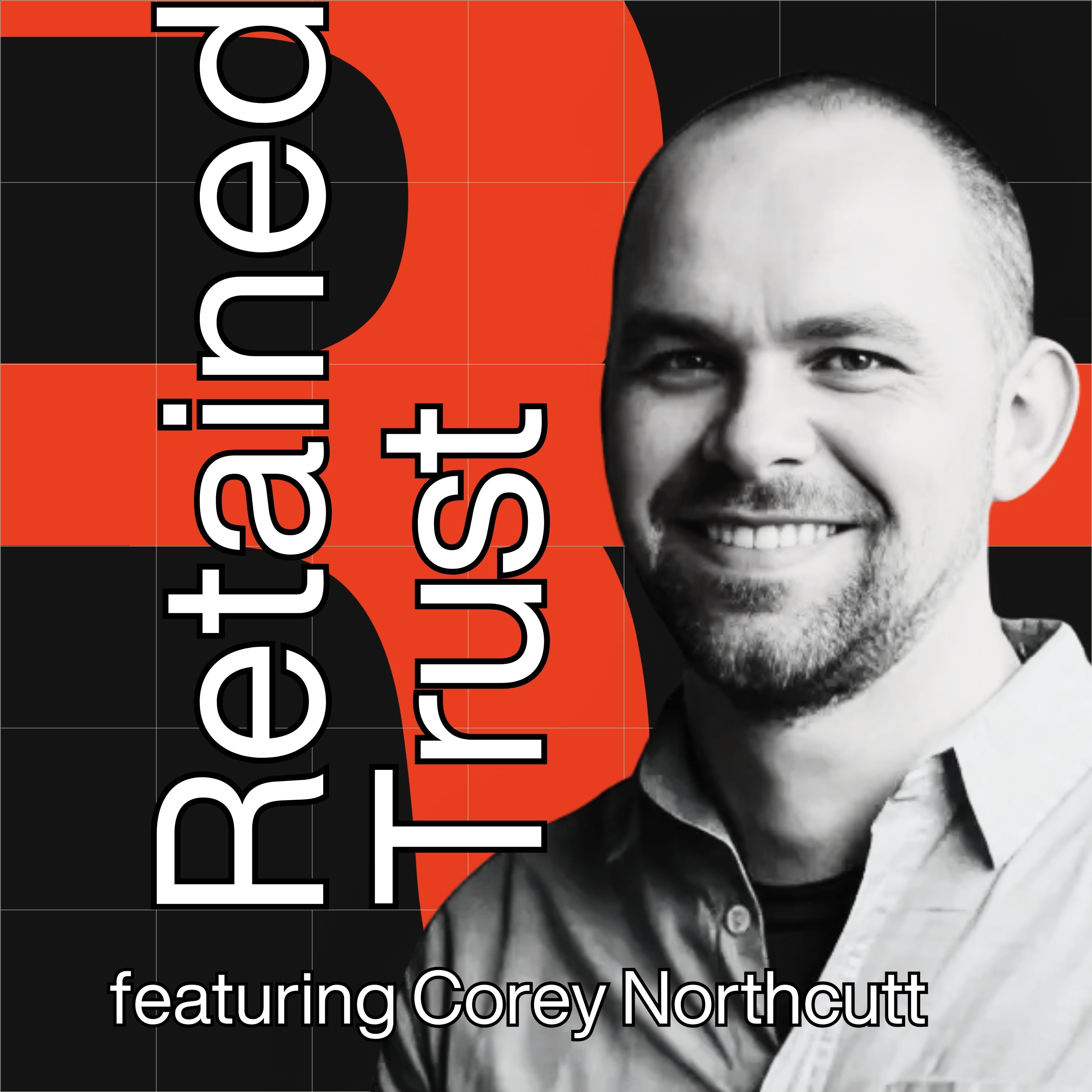
EP.17 - Scaling Success: Agencies, AI, and Acquisition with Corey Northcutt
Feb 18, 202500:48:26Tap to summarizeIn this episode of Retained Trust, host Karl Hughes sits down with Corey Northcutt, a serial entrepreneur and Chief Optimization Officer at Orbit Media Studios. Corey shares his journey from founding a hosting company in college to leading and selling multiple agencies, culminating in his role at Orbit Media. They discuss the evolution of digital agencies, the role of AI in marketing and optimization, and how agencies can leverage automation for smarter workflows. Corey also shares his perspective on junior roles in the AI era, the future of digital service businesses, and why he sees agency work as more resilient than ever. Whether you’re building an agency, integrating AI into your workflow, or considering an acquisition, this conversation offers valuable insights from an industry leader. Key Points From This Episode: [00:00:22] Introduction to Corey Northcutt and his entrepreneurial journey. [00:01:27] Corey’s background in building internet companies and selling agencies. [00:02:04] The role of Chief Optimization Officer at Orbit Media Studios. [00:04:46] How Corey transitioned from running his own agency to joining Orbit. [00:06:05] The size, structure, and services of Orbit Media Studios. [00:07:05] AI’s impact on SEO, content marketing, and agency workflows. [00:08:33] The role of AI in finding deficiencies vs. creating efficiencies. [00:10:46] AI’s ability to process and analyze large datasets for decision-making. [00:13:52] Does AI pose a threat to agencies, or is it a tool for growth? [00:16:47] The evolving role of junior employees in the AI era. [00:19:00] Corey’s early experiences launching a hosting business. [00:22:10] Growth hacking strategies and how Corey found underserved markets. [00:26:45] The intersection of AI, automation, and consulting work. [00:30:15] Predictions for the future of digital agencies in an AI-driven world. Links: Corey Northcutt on LinkedIn: https://www.linkedin.com/in/coreynorthcutt/ Corey Northcutt on X: https://x.com/corey_northcutt Orbit Media; https://www.orbitmedia.com/ Google Ranking Factors: https://www.orbitmedia.com/google-ranking-factors/ Karl Hughes on LinkedIn: https://www.linkedin.com/in/karllhughes Production and editing by The Podcast Consultant: https://thepodcastconsultant.com
Transcribe →
EP.16 - Scaling a Strategy-Driven Agency with John-Henry Scherck
Feb 11, 202500:49:45Tap to summarizeIn this episode of Retained Trust, host Karl Hughes speaks with John-Henry Scherck, the founder of Growth Plays, a B2B SEO and content strategy agency. John-Henry shares his transition from a solo consultant to building a growing agency, despite initially vowing never to hire employees. He discusses the challenges of scaling a strategy-driven service, the importance of hiring experienced talent, and how his approach differs from traditional agency models. The conversation explores the difficulty of getting strategic recommendations implemented, how to align content strategy with business objectives, and the key traits he looks for in hires. John-Henry also delves into personal branding, client acquisition through reputation, and how his agency balances autonomy and structure. Key Points From This Episode: [00:01:14] John-Henry’s early mindset: Why he originally resisted hiring. [00:02:38] How Growth Plays differentiates from traditional agencies. [00:03:52] The challenges of scaling a strategy-driven business. [00:04:54] How Growth Plays positions itself in the B2B SEO and content strategy space. [00:06:08] The hardest part of scaling strategy: Getting recommendations implemented. [00:07:42] Creating urgency in content strategy to drive execution. [00:09:50] Aligning strategy with business goals, public earnings reports, and KPIs. [00:12:11] The importance of one-on-one stakeholder conversations to extract real insights. [00:15:25] Key hiring attributes: Critical thinking, communication, and autonomy. [00:18:28] How John-Henry builds a team that counterbalances his own strengths and weaknesses. [00:20:54] The role of personal branding and word-of-mouth in agency growth. [00:22:22] Delivering great work as the best marketing strategy. Links: John-Henry Scherck on LinkedIn: https://www.linkedin.com/in/jhtscherck/ Growth Plays: https://growthplays.com/ Karl Hughes on LinkedIn: https://www.linkedin.com/in/karllhughes Production and editing by The Podcast Consultant: https://thepodcastconsultant.com
Transcribe →
EP.15 - Financial Clarity for Agencies with Paul Seaton
Feb 4, 202500:55:42Tap to summarizeIn this episode of Retained Trust, host Karl Hughes speaks with Paul Seaton, founder of AgencyFi, which provides outsourced accounting and CFO services for digital and creative agencies. Paul shares his journey from Deloitte to running his own firm, helping agencies navigate financial complexities. They discuss the importance of understanding gross margins, structuring financials properly, and making strategic decisions to balance profitability and growth. Paul also delves into content marketing strategies, trust-building with clients, and the realities of scaling an agency while maintaining financial health. Whether you’re an agency owner looking to refine your financial strategy or someone interested in the business side of digital services, this episode offers valuable insights. Key Points From This Episode: [00:00:00] Introduction to Paul Seaton and AgencyFi. [00:01:15] How Paul transitioned from Deloitte to launching his own firm. [00:03:00] Why Paul chose to specialize in digital and creative agencies. [00:04:25] Understanding the financial challenges agencies face. [00:06:10] The importance of trust in financial services. [00:07:45] Strategies for growing an agency-focused financial business. [00:09:50] Content marketing as a key driver for client acquisition. [00:12:15] The role of financial advisors in operational decisions. [00:14:30] The significance of gross margins in agency profitability. [00:17:00] Common financial misconceptions among agency owners. [00:19:40] Best practices for structuring an agency’s P&L statement. [00:22:10] The challenges of scaling and hiring delivery managers. [00:24:30] Balancing a lifestyle business vs. a scalable agency model. [00:27:15] Paul's perspective on pricing, churn, and long-term client relationships. [00:30:45] Final advice for agency owners looking to improve their finances. Links: Paul Seaton on LinkedIn: https://www.linkedin.com/in/paul-seaton-78392880/ AgencyFi: https://www.agencyfi.co/ Karl Hughes on LinkedIn: https://www.linkedin.com/in/karllhughes Production and editing by The Podcast Consultant: https://thepodcastconsultant.com
Transcribe →
EP.14 - Unlocking the Power of PR: Aidan Sowa on Sales-Driven Strategies
Jan 28, 202501:00:11Tap to summarizeIn this episode of Retained Trust, host Karl Hughes speaks with Aidan Sowa, founder and CEO of VelvetVoice PR. Aidan shares his unique journey from running a lead generation agency to building a thriving PR firm. He dives into the intricacies of “sales-enabled PR,” blending traditional strategies with modern tools to maximize impact. Aidan unpacks the challenges agency owners face when relying solely on referrals and highlights how PR can amplify credibility, boost conversions, and even attract investors. From authentic storytelling to leveraging cold email campaigns and staying resilient through setbacks, Aidan’s insights are a must-listen for agency owners looking to scale effectively. Tune in to explore actionable PR strategies that fuel growth and sustain trust.Key Points From This Episode:[00:00:00] Karl Hughes introduces the episode and guest, Aidan Sowa, founder of VelvetVoice PR.[00:01:00] Aidan explains VelvetVoice PR’s focus on building authority for entrepreneurs, influencers, and businesses.[00:03:10] Importance of PR for influencers and how strategic press coverage drives credibility.[00:05:14] Addressing challenges in PR attribution and maximizing ROI through social media and ads.[00:07:22] The credibility impact of PR on startups and venture-backed companies.[00:10:09] Advantages of “sales-enabled PR” over traditional approaches, focusing on measurable outcomes.[00:13:41] Mistakes to avoid in PR campaigns, including overuse of press releases and poor messaging.[00:16:03] Trends in PR for 2024, including the role of authenticity and the pitfalls of AI-generated content.[00:19:10] Tools like HARO and local business coverage as cost-effective PR starting points for small teams.[00:22:18] Aidan’s pivot from lead generation to PR during the COVID-19 pandemic.[00:24:30] Lessons learned from early entrepreneurial challenges, including dealing with chargebacks.[00:28:19] Scaling with cold email: Aidan shares practical strategies and tools for high-volume outreach.[00:35:04] How authenticity and executive involvement enhance sales conversations with larger clients.[00:43:22] Best practices for preventing chargebacks and ensuring payment security in digital services.[00:47:18] Debunking myths around “quick success” and the value of persistence in scaling an agency.[00:52:07] Aidan reflects on the importance of mindset, personal growth, and strategic goal-setting in entrepreneurship.Links:Aidan Sowa on LinkedIn: https://www.linkedin.com/in/aidansowa/Aidan Sowa on X: https://x.com/AidanCSowaVelvetVoice PR: https://www.velvetvoicepr.com/Karl Hughes on LinkedIn: https://www.linkedin.com/in/karllhughesRetained Trust: https://retainedtrust.com/Production and editing by The Podcast Consultant: https://thepodcastconsultant.com
Transcribe →
EP.13 - Breaking Down Business Books: Tevia Hoalst on Smarter Financial Management
Jan 21, 202500:53:51Tap to summarizeIn this episode of Retained Trust, host Karl Hughes welcomes Tevia Hoalst, founder of TeKoda Accounting, for an engaging conversation on the world of small business finance. Tevia shares her journey from the restaurant industry to leading a team that helps entrepreneurs manage their day-to-day accounting with a personalized approach. They explore the differences between "tax books" and "business books" and why a tailored approach to financial reporting can make or break a company’s decision-making process. Tevia explains the importance of finding the right financial partner who understands the unique needs of small businesses and emphasizes how data-driven insights can alleviate growth-related cash flow challenges. The discussion also covers key growth lessons, cash cycle management, and the psychological highs and lows of entrepreneurship.Key Points From This Episode:[00:00:00] Karl Hughes welcomes guest Tevia Hoalst, founder of TeKoda Accounting.[00:01:00] TeKoda Accounting’s personalized approach: Humanizing the bookkeeping process with client-tailored services.[00:02:02] Internal vs. tax accounting: Differences in how business and tax books are organized and why both matter.[00:04:58] The challenge of generic categories in tax-focused bookkeeping and its limitations on operational insights.[00:08:26] The importance of hiring the right accounting professionals for small businesses.[00:10:53] Insights from diverse industries: How observing different financial structures helps TeKoda’s Accounting provide better advice.[00:14:24] Common triggers for outsourcing bookkeeping: When and why entrepreneurs seek professional financial management.[00:17:31] The pitfalls of ignoring historical data and the importance of proactive financial planning.[00:20:13] Why entrepreneurs may resist data-driven decisions and how to balance vision with practical financial insights.[00:25:10] Managing growth-related cash flow challenges, such as negative cash cycles and solutions like credit lines and upfront payments.[00:28:26] Strategic financial planning: Knowing when to secure funding before a growth phase to avoid cash crunches.[00:31:03] Marketing challenges for service-based businesses and the importance of trust in customer acquisition.[00:36:17] The hiring process at TeKoda Accounting: Culture-first recruiting and the use of live skills assessments.[00:41:10] Managing the emotional highs and lows of entrepreneurship with the support of peer networks.[00:46:07] Book recommendations for entrepreneurs: "Simple Numbers" by Greg Crabtree and "Awesomely Simple" by John Spence.[00:50:46] Tevia’s goals for the future: Exploring growth through acquisitions and expanding brand visibility.Links:Tevia Hoalst on LinkedIn: https://www.linkedin.com/in/tevia-hoalst/TeKoda Accounting: https://www.tekodaaccounting.com/Karl Hughes on LinkedIn: https://www.linkedin.com/in/karllhughesRetained Trust: https://retainedtrust.com/Production and editing by The Podcast Consultant: https://thepodcastconsultant.com
Transcribe →