Podcast
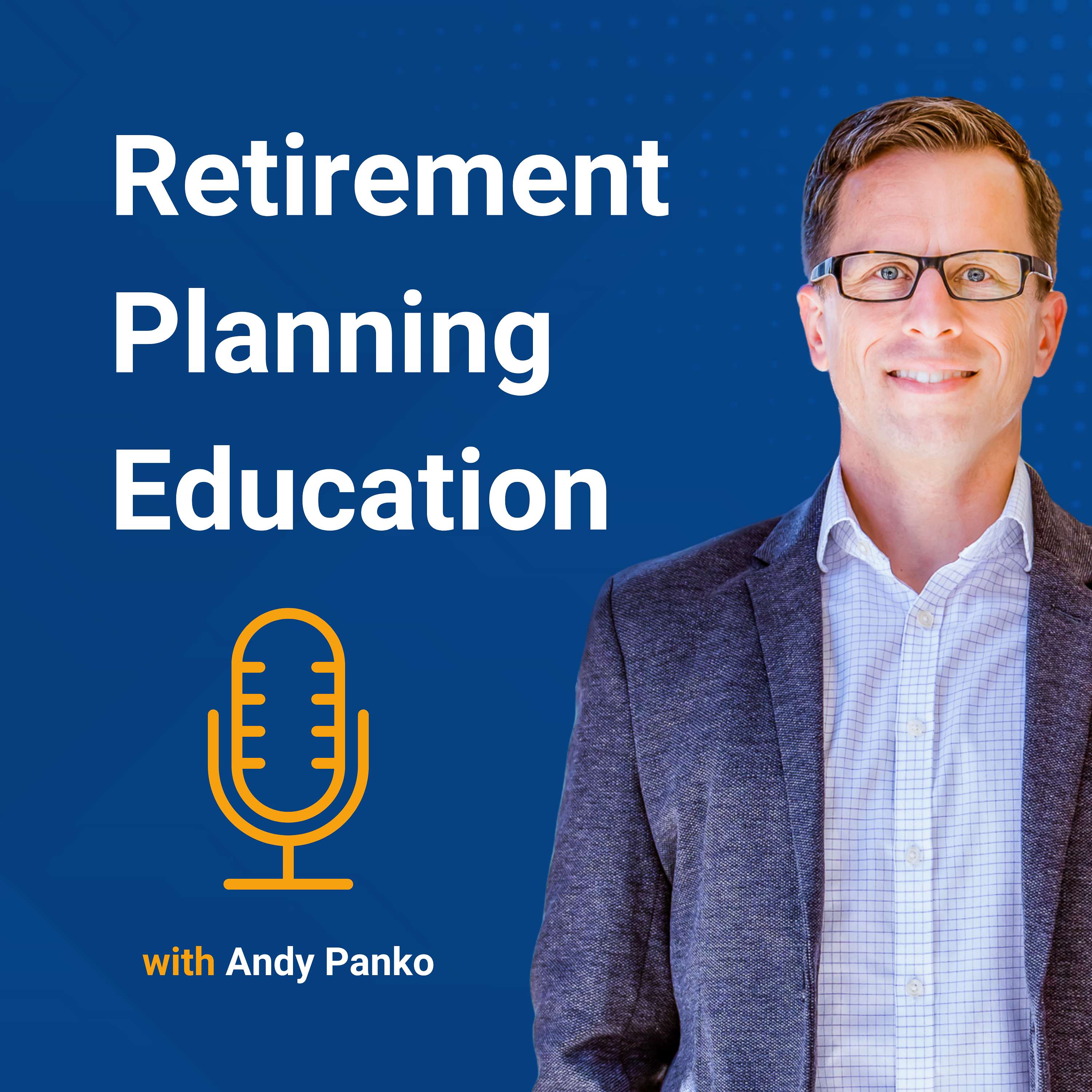
Retirement Planning Education, with Andy Panko
Hosted by Andy Panko · EN
Teaching you all about IRAs & Roth IRAs, employer retirement plans, taxes, Social Security, Medicare, portfolio withdrawal strategies, annuities, estate planning and much more!
30episodes
Episodes
Newest firstAll episodes
#215 - Summary of the 2026 annual Social Security trustees report
1w ago00:55:15Tap to summarizeAndy summarizes the recent 2026 annual Social Security trustees report, including what it would actually mean if the system's trust fund were to deplete, and what changes can be made to ensure that doesn't happenLinks in this episode:The full 2026 Social Security trustees report - hereSummary of the recently proposed PROMISE Act - hereThe recent episode of Inspired Money with me, Wade Pfau and Mary Beth Franklin discussing all things Social Security - hereTenon Financial monthly e-newsletter - Retirement Planning InsightsYouTube channel - Retirement Planning Education (formerly Retirement Planning Demystified)Retirement Planning Education website - www.RetirementPlanningEducation.com To send Andy questions to be addressed on future Q&A episodes, email andy@andypanko.com
Transcribe →#214 - Q&A edition...Roth conversions, directionality vs precision, separately managed accounts, tax return extensions and MORE!
2w ago01:08:30Tap to summarizeListener Q&A where Andy talks about: Should Roth conversion analysis look at marginal or effective tax rates ( 4:21 )His thoughts on why qualified Roth account distributions might eventually be included in certain measures of Modified Adjusted Gross Income ("MAGI") ( 8:28 )What other MAGIs are potentially impacted and should be watched out for with doing Roth conversions ( 12:38 )The difference between "directionality" and "precision" in retirement planning ( 20:40 )Is it reasonable for an advisor to charge you extra for outsourcing some of their investment management to a separately managed or sub-managed account ( 25:38 )His thoughts of reinvesting a deferred compensation plan to all cash when the plan will soon begin paying out its deferred payments ( 29:34 )His thoughts on using multiple dividend and fixed income funds to create a "high income sleeve" for near-term distribution needs ( 35:25 )Whether it's accurate that you can indirectly file a tax return extension simply by making an online tax payment and select "extension" as the reason for the payment ( 39:05 )Can a minor with less than $400 of self-employment income not file a tax return yet still be eligible to contribute to a Roth IRA ( 44:56 )How he helps clients balance Fear of Missing Out ("FOMO") and Fear of Running Out ("FORU") ( 52:04 )How much of his planning work with clients is computational vs psychological ( 54:42 )His thoughts on the gamification of investing, and the prediction markets ( 58:11 )Why there are so many different funds like buffered ETFs and option trading ETFs, at higher expense ratios, when many can just invest in a few basic low-cost ETFs ( 1:00:36 )To send Andy questions to be addressed on future Q&A episodes, email andy@andypanko.comAndy's LinkedIn profile: https://www.linkedin.com/in/andypanko/Links in this episode:Episode 207 of the podcast - Roth conversion analysis; more than meets the eyeTenon Financial monthly newsletter/blog - Retirement Planning InsightsYouTube channel - Retirement Planning Education (formerly Retirement Planning Demystified)Retirement Planning Education website - www.RetirementPlanningEducation.com
Transcribe →#213 – "Real" person retirement planning chat with Tom
3w ago01:17:25Tap to summarizeAndy chats with a real person (not an advisor) doing their own retirement planning. In this episode, Andy talks with Tom. They talk about a wide array of retirement planning topics such as when he started getting serious about planning for retirement, why he went back to work as a consultant a year after retiring, why their plans of relocating to a different state have since changed, what his Roth conversion plan is, and more! Links in this episode:Tenon Financial monthly e-newsletter - Retirement Planning InsightsYouTube channel - Retirement Planning Education (formerly Retirement Planning Demystified)Retirement Planning Education website - www.RetirementPlanningEducation.comTo send Andy questions to be addressed on future Q&A episodes, email andy@andypanko.comAndy's LinkedIn profile: https://www.linkedin.com/in/andypanko/
Transcribe →#212 - "Hot topics" edition...Andy and Tanya Nichols talk about having mortgages in retirement, when to start spending down HSAs, what might happen to Social Security and MORE!
4w ago01:38:05Tap to summarizeAndy and Tanya Nichols from Retire Agile share their thoughts on a handful of current events and "hot topics" relating to retirement planning. Specifically, they talk about:How we help clients get over the hurdle of actually spending their savings ( 10:27 )Their thoughts on having mortgages in retirement ( 22:27 )What they think is likely to happen to the Social Security system, and what changes might be made in advance of the trust fund depleting in a few years ( 34:56 )When people should start spending down their Health Savings Accounts, or HSAs ( 44:10 )Some state-specific tax planning considerations to keep in mind ( 53:07 )Their thoughts on living/revocable trusts, when they're needed, when they're not, etc. ( 1:03:12 )Alternatives to bond for people looking for investments that sit between the volatility and growth potential of stocks, and the stability and principal protection of cash and cash equivalents ( 1:16:39 )Links in this episode:Retire Agile website - https://www.retireagile.com/To send Andy questions to be addressed on future Q&A episodes, email andy@andypanko.comMy company newsletter - Retirement Planning InsightsYouTube channel - Retirement Planning Education (formerly Retirement Planning Demystified)Retirement Planning Education website - www.RetirementPlanningEducation.com
Transcribe →#211 – 8 common tax planning mistakes often made in retirement
Jul 201:13:33Tap to summarizeAndy discusses common tax planning mistakes often made in retirement. Additionally, he shares insight on how to attempt to prevent such mistakes, and/or fix them after they've happenedThe 8 common mistakes are:Not paying enough income tax timely throughout the year, and having underpayment penalties as a resultMissing or not taking the correct amount of Required Minimum Distributions (“RMDs”)Having improper beneficiary designationsNot properly applying Roth account withdrawal rulesNot understanding IRA “basis” and the pro rata ruleNot being as tax-efficient as possible with charitable givingNot managing Modified Adjusted Gross Income (“MAGI”)Not planning for state-specific income tax considerationsLinks in this episode:My YouTube video - How Much Estimated Tax to PaySummary of RMD factors from the Retirement Planning Education website's - Free StuffIRS summary of RMDs - hereMy company's newsletter - Required Minimum Distribution ("RMD") Rules from Inherited IRAsMy YouTube video - Roth IRA Withdrawal Rules My YouTube video reply of the webinar - IRA after-tax "basis," the pro rata rule and Form 8606My YouTube video - How to give to charities tax-efficientlyMy company's newsletter - How to donate to charities tax-efficientlyMy YouTube video - What is Modified Adjusted Gross Income, or "MAGI"Tenon Financial monthly e-newsletter - Retirement Planning InsightsYouTube channel - Retirement Planning Education (formerly Retirement Planning Demystified)Retirement Planning Education website - www.RetirementPlanningEducation.comTo send Andy questions to be addressed on future Q&A episodes, email andy@andypanko.com
Transcribe →#210 - Q&A edition...Mega backdoor Roth contributions, nonqualified annuities, exceptions to the IRA early withdrawal penalty, when to hire an advisor, how much is too much to pay for an advisor and MORE!
Jun 2501:09:36Tap to summarizeListener Q&A where Andy talks about: Are tax return amendments needed if info from a 1099-R was left out but doesn't impact the return's gross or taxable income ( 4:08 )What are the pros and cons of using average cost basis tracking for mutual funds ( 8:36 )Tax implications of nonqualified annuities and surrendering vs annuitizing it ( 13:55 )Is there a more optimized way to pay taxes on in-plan Roth conversions as opposed to having additional taxes withheld from your paycheck ( 23:21 )Thoughts on using "reverse budgeting" to figure out how much you spend, instead of manually adding up all of the line items of actual expenses you have ( 28:28 )How to properly report on your tax return a disability exception to the 10% IRA early withdrawal penalty if the custodian won't reflect the exception on the 1099-R ( 34:31 )How much is too much to pay a financial advisor who charges a percent of assets under management, and thoughts on only rolling some of a 401(k) to an advisor and managing the rest on your own ( 40:23 )Options/insurance to help cover expenses for dental, vision, and hearing since traditional Medicare doesn't cover those things ( 47:46 )When to consider getting a financial advisor (or at least getting a one-time financial plan done) ( 52:06 )How to properly report on your tax return a SEPP (Substantially Equal Periodic Payment) exception to the 10% IRA early withdrawal penalty if the custodian won't reflect the exception on the 1099-R ( 58:00 )Thoughts on retiring from Oklahoma to a high cost of living place like New York City (to be near kids and grandkids) ( 1:02:02 )To send Andy questions to be addressed on future Q&A episodes, email andy@andypanko.comLinks in this episode:Tenon Financial monthly newsletter/blog - Retirement Planning InsightsYouTube channel - Retirement Planning Education (formerly Retirement Planning Demystified)Retirement Planning Education website - www.RetirementPlanningEducation.com
Transcribe →#209 – "Real" person retirement planning chat with Mark Ross from the Rock Retirement Club
Jun 1801:27:15Tap to summarizeAndy and Mark Ross from the Rock Retirement Club talk about Mark's journey in retiring to become an "encorepreneur" by starting a coaching business, and spending more time creating art. They also address some of standard "real person" planning questions such healthcare before Medicare, Social Security claiming, the emotional transition to leaving the corporate world, and more! Links in this episode:Mark's coaching website - https://www.nextthinggroup.com/Mark's Instagram site for his art - https://www.instagram.com/next_thing_art/The Rock Retirement Club - https://www.rockretirementclub.com/Tenon Financial monthly e-newsletter - Retirement Planning InsightsYouTube channel - Retirement Planning Education (formerly Retirement Planning Demystified)Retirement Planning Education website - www.RetirementPlanningEducation.comTo send Andy questions to be addressed on future Q&A episodes, email andy@andypanko.com
Transcribe →#208 - "Hot topics" edition...Andy and Adam Grossman talk about analyzing annuities, retiring to a different state, bonds vs bond funds, inflation and MORE!
Jun 1101:41:30Tap to summarizeAndy and Adam Grossman from Mayport Wealth Management share their thoughts on a handful of current events and "hot topics" relating to retirement planning. Specifically, they talk about:How to analyze an existing annuity and whether to keep it, exchange it to another annuity or surrender it ( 11:44 )The different things to factor in when considering retiring to a different state ( 23:18 )What to do with your investments regarding concerns about the U.S.'s national debt, potential inflation, potential market declines, etc. ( 33:41 )How much to try to optimize moving around cash balances between savings accounts, money market funds, Treasury Bills, CDs, etc. to try to maximize the amount of interest you can get ( 43:44 )Their thoughts on individual bonds vs bond funds, what we use, and why ( 54:27 )How we handle and implement inflation assumptions when doing financial planning with clients ( 1:05:37 )Their thoughts on how Artificial Intelligence may impact financial planning, both as advisors and as consumers ( 1:12:55 )What to make of illustrations for permanent life insurance policies, how reliable those illustrations are, when to consider buying permanent life insurance, when not to buy permanent life insurance, etc. ( 1:19:48 )Links in this episode:Mayport Wealth Management's website - https://www.mayport.com/Adam's recent appearance on Morningstar's The Long View podcast - https://www.morningstar.com/personal-finance/adam-grossman-asset-allocation-is-an-investors-best-defenseTo send Andy questions to be addressed on future Q&A episodes, email andy@andypanko.comMy company newsletter - Retirement Planning InsightsYouTube channel - Retirement Planning Education (formerly Retirement Planning Demystified)Retirement Planning Education website - www.RetirementPlanningEducation.com
Transcribe →#207 – Roth conversion analysis: more than meets the eye
Jun 401:18:54Tap to summarizeAndy discusses the various areas of consideration and analysis that go into deciding whether Roth conversions might potentially be of value. Furthermore, he explains why it's impossible to actually quantify how much tax savings, if any, Roth conversions might potentially create. And what to consider when figuring out how much to convert in any given yearLinks in this episode:Vanguard's "Break Even Tax Rate" Roth conversion analysis white paper - hereTenon Financial's June 2026 Newsletter/blog - Roth conversion analysis: more than meets the eyeTenon Financial monthly e-newsletter - Retirement Planning InsightsFacebook group - Retirement Planning Education (formerly Taxes in Retirement)YouTube channel - Retirement Planning Education (formerly Retirement Planning Demystified)Retirement Planning Education website - www.RetirementPlanningEducation.comTo send Andy questions to be addressed on future Q&A episodes, email andy@andypanko.com
Transcribe →#206 - Q&A edition...Social Security spousal benefits, tax withholdings on Social Security, bonds vs bond funds, separating basis out of IRAs and MORE!
May 2800:54:40Tap to summarizeListener Q&A where Andy talks about: Claiming your own Social Security benefit at 62 and then later switching to collecting a spousal benefit after your spouse starts their benefit ( 5:45 )It's said by comedians that there are just a small number of basic jokes and everything else is just a variation. The same could be said about financial planning, where there are just a few core topics, and everything else is a variation on a core topic ( 11:18 )What is meant when it's said the stock market is a "complex adaptive system," and that it's movement is a "random walk" ( 14:08 )How to determine how much tax to withhold from your Social Security payments ( 17:34 )Why many flat fee financial advisors who focus on working with retirees only work with people whose net worth is generally no more than $10 million ( 21:22 )Bonds vs bond funds, and the pros and cons of using each for money that you plan on needing in three years, for example ( 29:23 )An example of removing "cream from the coffee" with regards to after-tax contributions or basis in traditional IRAs, so you can convert just the after-tax contributions without the pro rata rule making some of that conversion taxable ( 33:44 )Participating in fully paid securities lending programs at your brokerage custodian, where the custodian will borrow some of your securities out of your account and pay you some interest for doing so ( 41:50 )Thoughts about rolling over an HSA from one custodian to another, and whether it's better to do a direct custodian-to-custodian transfer (even if the money is out of the markets for a few weeks), or an indirect 60-day rollover (which will likely be processed and reinvested faster) ( 48:10 )To send Andy questions to be addressed on future Q&A episodes, email andy@andypanko.comLinks in this episode:Tenon Financial monthly newsletter/blog - Retirement Planning InsightsFacebook group - Retirement Planning Education (formerly Taxes in Retirement)YouTube channel - Retirement Planning Education (formerly Retirement Planning Demystified)Retirement Planning Education website - www.RetirementPlanningEducation.com
Transcribe →