
Podcast
Ride AI
Hosted by Oliver Bruce and Horace Dediu · EN
The Ride AI podcast presents cutting-edge insights and meaningful conversations with the world’s top mobility technology leaders so that you learn hard-won lessons of investment and innovation.
11episodes
Episodes
Newest firstAll episodes
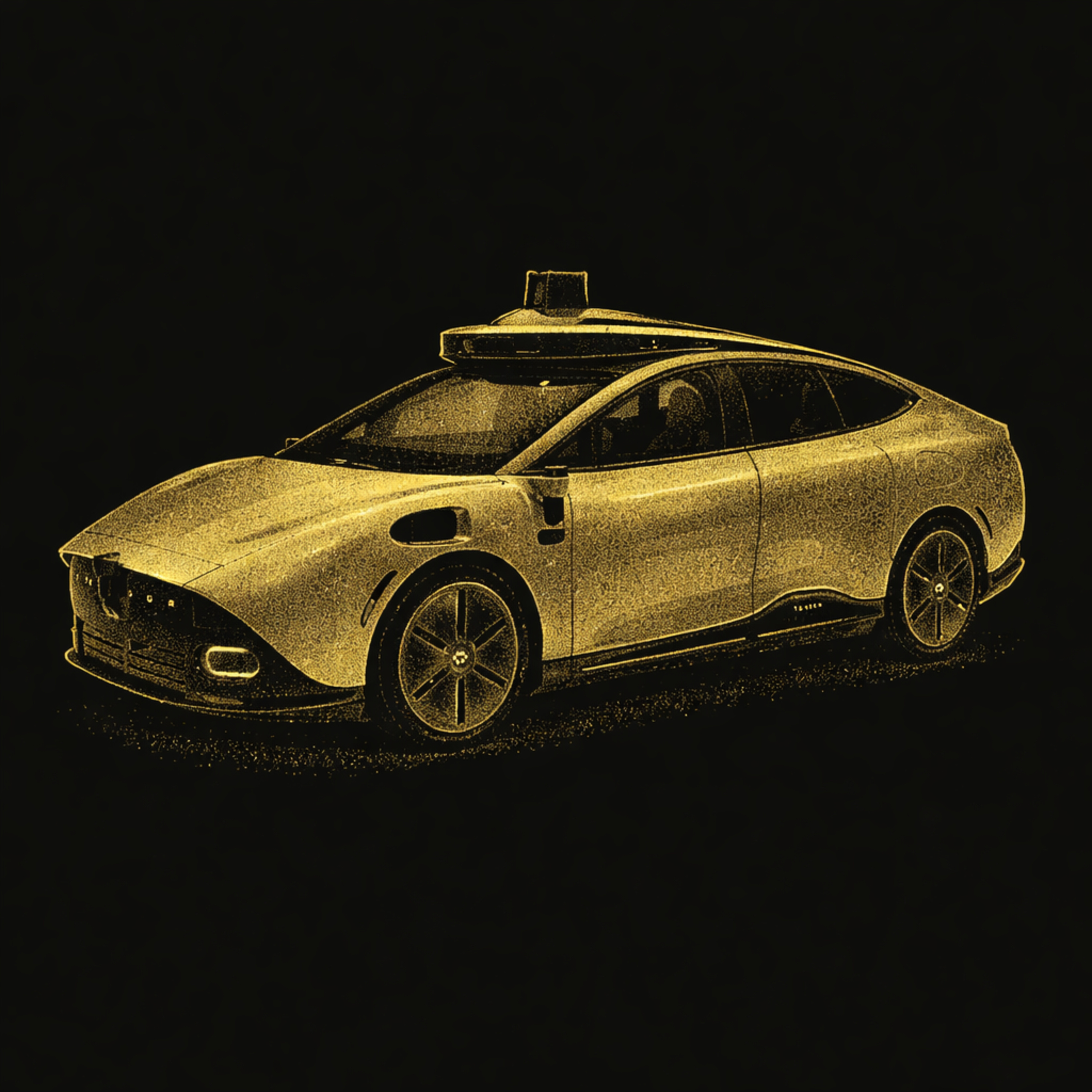
Inside Tensor's Truly Self-Driving Robocar (w/ Tensor COO Jewel Li)
Apr 1400:47:54Tap to summarizeWe do a deep dive into the Tensor Robocar, the world's first real SAE Level 4 self-driving vehicle that you can own.
Transcribe →
Inside DoorDash's Adorable 20mph Delivery Robot (w/ DoorDash VP of Autonomy Ashu Rege)
Oct 1300:57:51Tap to summarizeWe do a deep dive into Dot, DoorDash's newly announced homegrown delivery robot, that has eyes, can talks, and is capable of speeds up to 20mph.
Transcribe →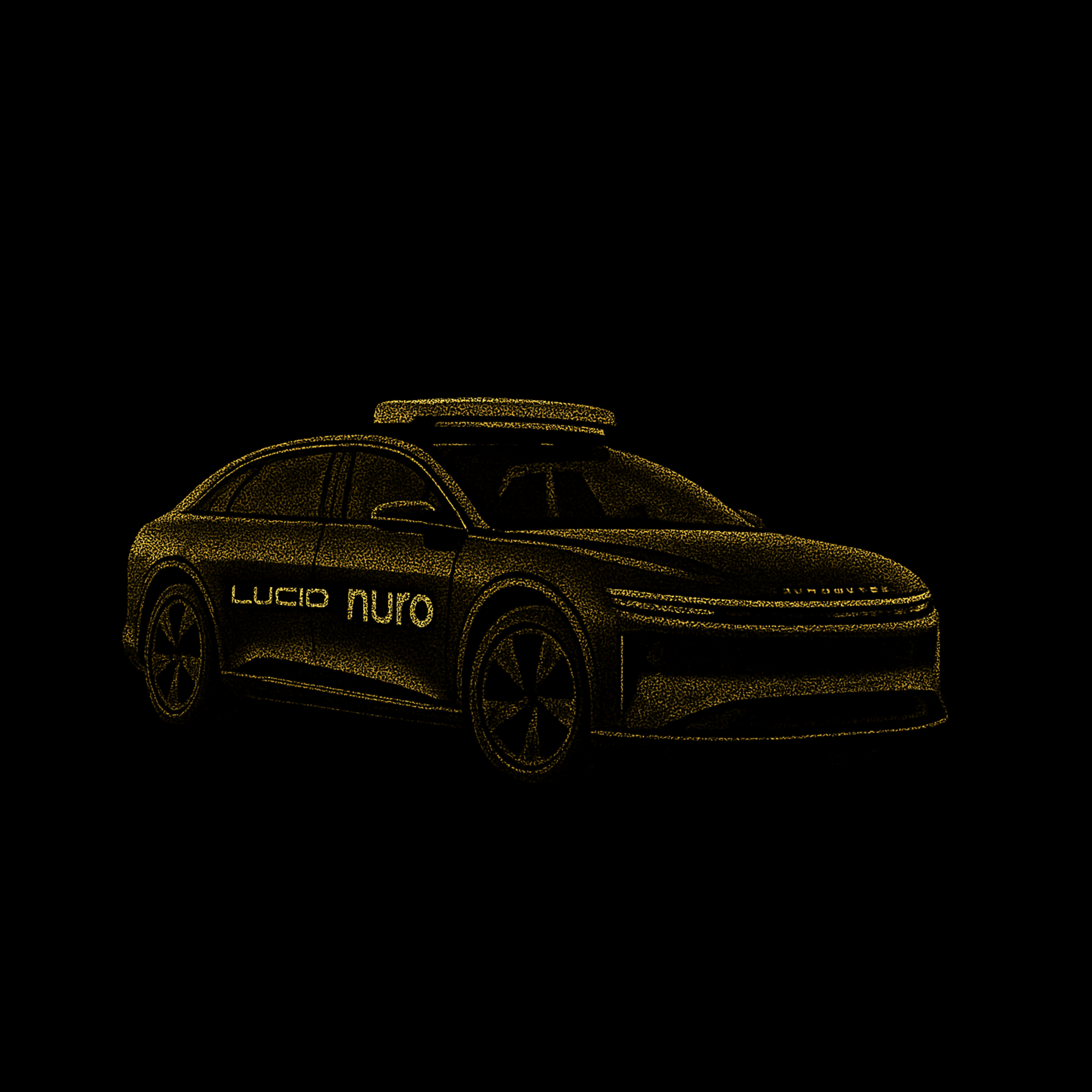
Inside The Biggest Robotaxi Deal To Date (w/ Nuro COO Andrew Chapin)
Aug 1700:36:30Tap to summarizeIn this episode, we dive into the details of the Uber-Lucid-Nuro robotaxi deal, which could be the largest deal of its kind to date.
Transcribe →
Transforming The World With Lidar (w/ Ouster CEO Angus Pacala)
Jul 12, 202500:47:39Tap to summarizeIn this episode, we dive into the nitty gritty of what makes a good sensor and how lidar could transform urban traffic as we know it.
Transcribe →
The Rise of Autonomous Racing (w/ AIPEX's Ed Bernardon)
Jun 30, 202501:18:07Tap to summarizeIn this episode of the Ride AI podcast, we sit down with Ed Bernardon, Chief Racing Officer at AIPEX Racing, to explore the high-octane world of autonomous motorsport. From dispelling the myth that self-driving race cars are just glorified remote-control vehicles to unpacking the unique challenges of AI-driven competition, Ed offers an insider’s look into the future of racing. He breaks down the tech stack powering AIPEX's autonomous vehicles, discusses the parallels and divergences between human and AI drivers, and reveals why the drama behind the code might rival the thrill on the track. We also dive into why autonomous cars might someday outpace their human counterparts.
Transcribe →
Delivering the Future with Ali Kashani of Serve Robotics
May 28, 202500:42:14Tap to summarizeIn this episode of the Ride AI Podcast, we sit down with Ali Kashani, CEO and co-founder of Serve Robotics, the company bringing AI-powered sidewalk delivery robots—with googly eyes—to city streets. Ali shares the origin story behind Serve's charming, efficient bots and explains why using a two-ton car to deliver a two-pound burrito simply doesn’t make sense.We dive into the rationale behind sidewalk robots versus road-based vehicles, the surprising stats about food delivery distances, and how Serve’s robots—some capable of 40 miles on a single charge—are redefining last-mile logistics. Ali also explains how the company maintains Level 4 autonomy with human-in-the-loop oversight and the unique challenges of operating in pedestrian-dense environments.Hear how Serve’s robots navigate public spaces with body language, what goes into scaling to cities like Dallas, Miami, and soon Atlanta, and why the future of delivery may depend less on bikes and more on scalable automation. Plus, Ali reveals unexpected revenue streams—from ad campaigns on robots to software licensing deals—and shares his dream cities for future deployment (spoiler: New York is high on the list).
Transcribe →
Inside Lyft’s Autonomous Vehicle Strategy (w/ Jeremy Bird, EVP of Driver Experience)
May 8, 202500:32:42Tap to summarizeIn this episode, we explore Lyft’s evolving approach to autonomous vehicles and the future of rideshare. Rather than building its own L4 tech, Lyft is doubling down on its marketplace strengths—demand generation, rider experience, and fleet management—while teaming up with AV innovators like Mobileye. The company envisions a hybrid future where human drivers and AVs coexist, expanding the market rather than replacing people.We dive into how Lyft plans to support its diverse driver base—over two million strong annually—by creating new opportunities, such as turning today’s drivers into tomorrow’s AV fleet owners. Plus, we break down the economics of surge pricing, the complexities of fleet ops, and how Lyft compares to competitors like Uber and Waymo.
Transcribe →
Navigating the Gig Economy (w/ Ryan Green of Gridwise)
Apr 28, 202500:44:50Tap to summarizeIn this episode of Ride AI, we dive into the fast-evolving intersection of autonomy, gig work, and delivery economics. Our guest, Gridwise founder and CEO Ryan Green, joins to discuss why autonomous vehicles won't spell the end for human gig workers — at least not yet.
Transcribe →
Cost Per Mile and the Road to Autonomous Trucking (w/ Xiaodi Hou of Bot Auto)
Apr 23, 202500:39:19Tap to summarizeIn this episode, we dive into the gritty reality of autonomous trucking with Xiaodi Hou, founder of Bot Auto, a Level 4 freight-hauling company that's rewriting the playbook on autonomy. While much of the industry chases glossy tech demos and futuristic hype, Bot Auto is quietly building a cost-efficient, scalable logistics operation—one truckload at a time.
Transcribe →
The Full Spectrum Challenge of Deploying Robotaxis with Vishay Nihalani of Waymo
Apr 15, 202500:20:26Tap to summarizeToday's episode is a recording of an interview from the Ride AI summit in which Vishay Nihalani of Waymo (Director of Product Management, Operations) unpacks the company’s transformation from Google’s self-driving side project into a global pioneer of autonomous mobility. From deployment strategy to global expansion, it’s a behind-the-scenes look at how Waymo is designing autonomy for the real world — and the road ahead. Interview by Edward Niedermeyer.
Transcribe →