← River Valley Church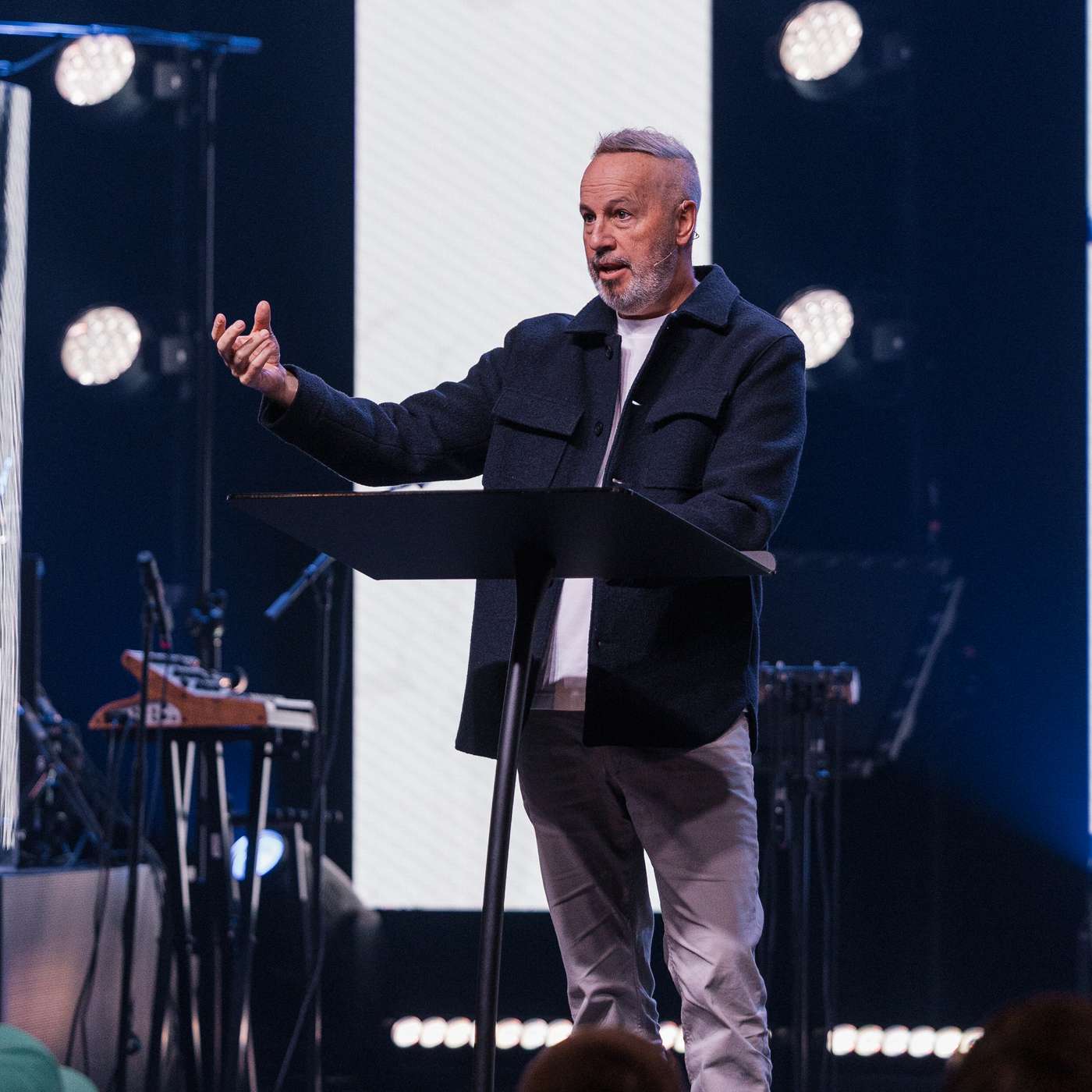
Loading summary
Transcript1 lines
- [00:00]
A
Well, we are going to look at a teaching that I've created called the seven levels of Forgiveness. And I want to let you know it is a teaching. You know, there's preaching, there's teaching, and then there's, like, Selah, like we had last week. All right? And that's a whole different category. And this is a teaching. And I thought I could get it done in one day, and I can't. It's going to have to be a series. It's going to be a series a little different. We're going to do part one now, and then we'll find a spot for part two up ahead, and then part three. And some of you that are dealing with unforgiveness, you're gonna be like, I want all the parts right now, and I'm gonna give you as much as I can, but I'm gonna talk about how to actually forgive. Okay? I wanna talk about how to actually do this and the seven levels of forgiveness. Now you say, where is that in the Bible? There's like. I know there's 70 times 7 or 77. Which one? Where, where's the 7 levels? The 7 levels is something I've lived, okay? So I'm, I'm literally sharing with you how I've lived out Matthew 6, Matthew 18, which we're gonna get to, and with real life, because nobody shows you how to live it out. And I, I found that I was forgiving people, but I really wasn't forgiving them. How many know what I'm talking about? I, I, I said it. I said it. We'll get there. But I was. And so I also wanna share this right up front. These examples are from my family and from staff members. All right? I'm just being honest. All right? Family and staff, like, close. Here's the thing I've learned. The people you have to forgive are the people that are close enough to hurt you. Okay. I think there's a lot of bad drivers out there that I have issues with in my car as I'm yelling at them, and they can't hear me, but they don't, like, ruin my life, you know, like, they don't. I don't think of their name or, like, that blue Bronco. I don't do that. But these are people that I've walked this through. And our big theology books that we have that we're taught that go into the forgiveness of God. I love that they do that. And they talk about the depths of his forgiveness, but again, they don't show us how to live it out, and how do I actually apply what I know I'm supposed to do? But everything within me doesn't. Like, everything within me wants to hold on. Everything within me wants to get even. And that's why I think we struggle with it, because people don't really talk about it that much. And we say, like, I'm gonna forgive or I'm not gonna forgive. And we have little sayings like, well, I'll forget, but I won't forget. I'll forgive, but I won't forget. We say, I'll forgive, but I'll keep my distance. You say, they have to earn their way back to me. I've had families in church. Like I'm talking about, they're estranged from their family. They have to earn their way. And you could see almost like it's boiling up in em. I'm like, we gotta live this differently. We'll say, I'm moving on. They're out. They're dead to me. These are things that we say as believers. And I'm like, this is hard. This is hard and this is sad. And you gotta understand forgiveness. Because forgiveness is not a side theme of the bi. It's the theme, like, we're forgiven. Like, while we were yet sinners, God loved us and he sent his son to die for us. So what? So that we could be forgiven of our sins. Like, what love is that? Okay, so this is the theme. And so when Jesus says it, he says it as clearly as he can. In Matthew 6:15, if you refuse to forgive others, your Father will not forgive your sins. So a lot of us look at that, we're like, oh, man, I gotta at least do minimum level forgiveness then. Cause I don't wanna not be forgiven. But he says it right there. If you don't do it, you won't be. And here's the thing. This forgiveness of other people does not earn salvation, okay? This doesn't earn. Like, if I forgive him, what it does is this unforgiveness shows a heart that fully doesn't understand how much you have been forgiven. All right? Jesus forgives us. God forgives us in a perfect way. And then when we don't give forgiveness to others, it just shows you don't understand this. You don't understand grace. And this is all simple right now. And some of you are probably amening this because you don't have anybody that you need to forgive, right? And you're like, amen, amen. But just wait till next week, all right? You know, like, here's the thing I've learned. It sounds simple until it's personal. Said, oh, yeah. Amen. Amen. Amen. I'm taking notes on this. And then when it's personal, we take forgiveness into our own hands. And we start saying, how much do I have to forgive? When do you have. Who deserves my forgiveness? And we say, think, why should they even get my forgiveness? And it just. We start to forget what we've been forgiven of. And I forget who taught this illustration. But it was so true that the gap between where God is and I am and how much he forgave me is, like, gigantic. It'd be bigger than this. But the gap between me and whoever's offended me is this. And I have problems with this. And God did this. And so we need to get this right as a church. And if we. I'll just jump all the way to level seven in this. If you get all the way to the end, it becomes a witness to the world. It becomes a witness to the world. When I've told people stories of people that I've forgiven and how God has got us all the way to restoration, I'll tell you. I was telling a story to John Bevere about a situation where we had forgiven somebody and reconciled with them. And John looks at me and he goes, that's beautiful. He goes, that's the type of church we all wanna be a part of. Like, we wanna be a part of a church that forgives to level seven. Okay? So we're gonna get there. But right now, we're living in this. Levels one through three is where we are. And so I'm gonna go through the seven layers, and I'm gonna give a quick foundation. I'll give you the seven for those of you that are wondering, like, what they're gonna be. And then we're only gonna get through one through three today. All right, that's it. In Matthew, there's actually two primary teaching on forgiveness. Matthew 6, which I've talked about, where Jesus is saying, if you don't forgive, like, you don't understand. If you don't forgive them, your Heavenly Father can't forgive you. Like, you gotta. You have to forgive. Okay? But then in Matthew 18, Peter says, like, okay, we got this. How about the tough people? How about the people that keep doing it over and over again? And Peter's like, how many times do I have to forgive? How many times? And you know, how many? Love Peter. I just love that he's like, I'll say the stupid stuff, you know? And so, see, but that was a good one. He's like, how many times do I have to forgive? And Jesus has already raised the stakes in Matthew 6. And he's saying, like, how you forgive others is exactly how God's forgiven you. Like, you gotta understand this. And Peter tries to put a number on it. Some would say 70 times 7. Some say 77. I'm using the 77. In Matthew 18:22, Jesus answered, I tell you, not 7 times, but 77 times. Whether it's 70 times 7 or 77, it's a lot. It's a lot. And Peter's trying to say, can forgiveness be counted, measured, capped? And he's saying, can we measure this? And I want you to know forgiveness for the Christian is not measurable. You can't measure it. It's the nature of grace. And you're either keeping score or you're clearing the score. And God's saying, clear the score. Now, this is the thing I want you to understand. Forgiveness is not just something we do in the moment. It's a posture that we have to live as Christians. All right? Remember, I said this is a teaching. And the seven layers are not different kinds of. Of forgiveness. It's just the progression of forgiveness. And some of you are like, again, where are you going with this, Pastor Rob? And I'll get. Cause it's not like I choose style 4. Does that make sense? If you're gonna do this right, I believe you have to go through all seven. And if you're wondering, like, where. I'm, like, trying to grab hold of this. This is something again. I've lived. I've just put this together, and I wanna communicate it to you. The word forgive in these passages means to release, send away, and cancel. Release, send away, and cancel. And the thing I want you to understand, if forgiveness has limits, then grace has limits. Forgiveness has no limit. We have to forgive. We have to understand how much we have been forgiven. So I've lived this out. Here's the seven layers of forgiveness. For those of you, like, when are you gonna get there? All right, all right. Level one. I have to forgive you. All right. I have to, like, God has me on a technicality. Like, I saw Matthew 6. I have to forgive you. Level two. I forgive you, but I want God to get you. All right. Like, how many have lived? That one right there. Yeah. I was like, oh, you'll get them, Lord. Well, thank you. Thank you. Of some torture bigger than I could. Right? You know, that's not really forgiven. All right. But it is A level. All right? Level three, I forgive you, but stay away from me. Boundaries. I'm gonna. I got boundaries. Stay away. I forgive you, but stay away. I don't even wanna see you. Level four, I forgive you and speak the truth in love. Right. Now we're getting somewhere. All right, Level five, I truly forgive you, and I release you. Okay, that's really. All right. Level five is really where I could even feel it when I said it. I could really. I literally could feel in my body, like. Like, that's where it's really happening. Level six, I want restoration and healing, all right? Now, let me just say this. Not every situation in your life can get to level six, all right? Everything can get to level five, all right? Level six, you say somebody might have done a heinous crime against you, okay? And you forgive them and you've released it. But you don't have to say, now, I wanna restore this relationship. Like, they did a terrible crime against you, all right? So there's no requirement, like, I have to befriend you now. And. And we have. Like, there are certain situations. Level five is all you're gonna get to, but for your family, your friends. Does that make sense? The people that are in your life, that should stay in your life. Level six. And then level seven, restoration becomes a testimony. All right? That's the end. That's where the world goes. How in the world did you get to that spot? I'm gonna say this. It's on my notes, but I just feel it. And Joe will have no problem with this, but Joe Anderson is one of those people that is in my life and was a former staff, and we. We. We walk these seven levels. I'm just gonna tell you that. We walk these seven levels, and you say, joe, you mean he preached the message at church and you let him preach just like a year and a half ago. Yeah, Joe. Joe. And one of our staff said, man, I watched that. I watched that whole thing with Joe. You and Joe. And that was, like, terrible. And. And. And then you got restored, and it was good that you were friends and you were like, Kumbaya, you know? Like, you know, and it was. Him and his family are in the church. But then. But then you let him have the pulpit. You let him have the pulp. Like, you let Joe preach. Like, I don't know if I could have done that. I could have got to, like, friendly in the congregation. But here's the thing. It is a living testimony. It's a living testimony. And so that is a beautiful level now, levels one through three are internal. This is where forgiveness begins. You've made a decision, but you're still working out what you're holding onto. But it's internal. Levels 4 and 5 are where it goes spiritual. Spiritual. All right? And level six and seven are the restoration. And again, you may not be able to get restoration with everyone, nor are you required to, because restoration takes two people. But forgiveness takes one person. Does that make sense? It just takes one. All right, so as we start here, most people are living in levels one through three, and you're saying forgiveness has started, but. But the heart is still negotiating, like, what you wanna do and how you're gonna live this out. All right, so level one, I have to forgive you. You're there, and you're like. You read Matthew 6, you read Matthew 18, and there's something there that says, if I'm gonna be a follower of Jesus, I have to forgive. I have to. Like, it's there. What's crazy to me is I talk to people in our church. I. I've counseled with people over the years. And I'm like, you have to forgive. They're like, I don't wanna forgive. I'm like, but you have to forgive. And they're like, but I don't want to. I'm like, you don't understand it. I'm just. I can't believe that they're arguing with it. But if you're gonna be a follower of Jesus Christ, you have to do this. This is what's so amazing about Christianity and about what we're living out, that we forgive. I'll never forget when I was talking to a guy that was to our Rotary group in Apple Valley, and I was there, and he was a famous wrestler back when I was growing up, the Sheik. That was his kind of wrestling name. And he was talking about the conflict in the Middle East. And I said, you know, afterwards, I said, who do you think will forgive first? He's like, we can't forgive. Like, we've been wounded and we've gotta, you know, pay back. And I said, but isn't it amazing? Jesus said to forgive our enemies. And he's like. I said, jesus says, we get to go first. We have to do this. And he was kinda like, man, almost like, why would he say that? Some of you as followers, you are like, why would we say that? Why would he say that? Because of what we've been forgiven. So you say, I'm gonna forgive because I had to. Because I read Matthew 6, because I read Matthew 18:70 times 7. And we all start. We start there. And. And the beautiful thing about this is it's anchored in obedience. You read the word, you didn't like it. You didn't. You're like, oh, Everything in your flesh is like, no. But you're like, because I'm a follower. I'm gonna do this. I'm gonna do this, and I have to do it. And you're like, God, give me the strength to do that. Now, here's the thing about all these levels. There's release and retain. Release and retain. All right, you're gonna release the offense. And are you gonna retain. Now, on level one, you're saying that you release it, but internally you're retaining it. You're like, I forgive you, but only. Cause Jesus says, I have to. And sometimes we do this level of forgiveness to reduce our guilt. You know, Like, I don't. I just feel bad. Jesus said to forgive, so I have to do it. And then others, it's to align with our community, our faith, community. Cause somebody says, well, you have to forgive. And you're like, I have to. You have to. You're like, all right, I do. I forgive. And inside you're going, not really, you know, like what I do, but verbally I do. And if you press me, I would have to. Mark 11:25 says, when you stand praying, if you hold anything against anyone, forgive them, forgive them. And what happens is you forgive these people, but you replay it in your mind over and over again. You don't even like that kind of that God asks you to do. I'm just being honest. I'm being transparent. You don't even like it. And I can show you an example from the Bible. Jonah. Jonah's like, repent or you're all gonna die. God's gonna set fire. Like, you're all dead. And then they repent. And he's like, should have killed him. I didn't know why I told him to repent. God, you were gonna forgive him. And he's like, he brought the message of forgiveness, and then he was mad that God is a forgiving God. Some of us are like that too. We're like, ugh, I'm doing this only cause you say, but I'm upset about this. Now, the strength of this is it starts the process, okay? Secondly, it anchors your forgiveness in obedience. That's a beautiful thing for a believer, okay? So it starts the process. It anchors the forgiveness and obedience, not emotion. And it has a pre decision to it that says, I'm the kind of person that forgives. I'm the kind of person that forgives. All right? That's the strength, the weaknesses. The heart is really unchanged. I mean, and as a parent, I just remember. Say you're sorry, Connor. Say you're sorry to Logan. Logan. Say you're sorry to Connor. Sorry. You know? Sorry. You know, And I say that word. Weird. Apparently, people say, you say the word sorry. I. All right. But anyways. All right, here's the thing. The heart is unchanged. It can become performative. Say you're sorry. Say you're sorry. All right? And retention is still strong because you're still carrying it. Here's the deal. Your mouth has released it, but your heart is holding onto it. But it's the starting place. All right? Okay, now level two. I forgive you, but I want God to get you. And in the weirdest way, like, when I discovered that. Cause I was like, it's not fair, God. If I forgive them, then they get off of all the charges. Like, I'm not dropping the charges. And then I was like, wait a minute. God's like, I'm not dropping the charges, but you can. I'm like, oh, you're gonna get them. And in the weirdest way, I was like, I love this level of forgiveness. You know, like, you're gonna get them. So this is. This is. Again, it's like, I don't wanna take revenge. But you're trusting in God's justice, sort of. In a weird way, you're like, he has ways to get you that are way tougher than me. Praise God. All right, so. And here's the deal. Now you're releasing your personal vengeance, but you're retaining emotional judgment. You're like, I'm not gonna dream of the ways to get you, but I'm emotionally attached to. To how God is gonna get you. And I'm gonna kind of watch. And every bad thing that happens in your life, I'll be like, see? You shouldn't have been so mean to me. Right? So this is not a great way to do this. You put the weapon down, but you're waiting for impact. And you're just watching. Like, how many weapons does God have that he can get them that I can't do? And the thing is, you start ruminating on this, and you keep the offense alive because you're keeping score. You're keeping score. And you're like, as long as God gets it. Matter of fact, I'm just being very transparent, okay? Some of the people, like I said, family, staff, Former staff. And I'm like, okay, God, I forgive them. Go ahead and get them. And I'm keeping score. And I'm keeping score watching the bad things that would happen to them. And I'm keeping score. Are there more good things happening to me than to them? As long as I'm doing better than them, there's justice in the world. But heaven forbid they would do better than me. Then it's injustice. Then I'm like, God, now you're not even being fair. Because I forgave them. And I said you could get them, and you're not getting them. It looks like you're blessing them. You're like, I can't believe he's our pastor. I'm just being honest with you. All right? This is the way you think, all right? And the offense stays there. You keep it there, and you're just watching and you're seeing. Romans 12:19. Do not take revenge. It's mine to avenge, says the Lord. And you forgive them, but every time the person's name is mentioned, you physically feel it, and you think, oh, I hope God's getting them. I haven't followed them. I'm gonna go check their Facebook. I'm gonna see how miserable they are. Like, is he really getting them? Has any new disaster fallen on them? And I know it sounds crazy, but you'll read, like, Psalm 109. Do it later. And if you have forgiveness issues, don't read Psalm 109. All right? But you'll read it. And you're like, lord, like in Psalm 109. He's like, May my enemy be fast guilty. May he be condemned. May his days be fused. And you're like, selah, amen. Thus saith the Lord. You know? And then you're like, maybe he be ruined. May he lose his home. May creditors seize everything. May he be cut off from the people. That's in Psalm 109. And you start reading, and you're like, amen. May all of that happen to Joe. You know, like, that's what you're thinking, and that's not forgiveness. That's. Who wants to join a church like that? Who wants to follow Jesus? If that's the way we live out forgiveness. All right, so level two has a few strengths. It releases personal revenge. That's good. That's good. You're not going to jail. It acknowledges that God is your judge. It moves beyond level one forgiveness that you're starting to trust. These are positive things. Positive things. But we're not done. Because the weaknesses here you're still tethered emotionally. You're still tethered emotionally. There's a subtle or overt desire. Psalm 109. For punishment. For punishment. Okay. And retention has shifted, but it hasn't disappeared. And it's interesting. You're not the judge anymore, but you're hoping for a very, very guilty verdict for the person that hurt you. So you're, like, moving away. All right, Level three. And I just think God's gonna use it again. This is. Remember, this is practical. This is pra. I'm not. We're not gonna win the deep theology on this message or teaching. This is practical. And I'm praying that people are gonna get set free and you're gonna realize I'm not stopping there. I wanna continue in this level three. I forgive you, but stay away from me. All right? The pre decision is, I forgive you, but I'm gonna guard. I'm gonna guard. It's almost like a neutral corner in boxing. I forgive you. Now go to the neutral corner. We're not gonna fight anymore. All right? This is the spot where forgiveness and wisdom start to interact. So it's a good thing. Forgiveness and wisdom start to interact because there's, like, Proverbs 4. 23. Guard your heart with all vigilance. Vigilance. Village vigilance, not village. All right. Guard your heart with all vigilance. And it's boundaries. And a lot of people. Boundaries are good. We hear a lot about boundaries in the church world. There's been some great books that Townsend and Cloud on boundaries, and you have to have boundaries. There are people that just hurt you over and over and over again. And you're like, lord, I think they're getting close to 77 a day. Like. And you're like, I gotta put up a boundary. Or that's a relative. Or you're like, okay, I'm gonna be in the world. I'm gonna be in relationship with this person. We're gonna have boundaries as we go and meet with them. And when this. Okay, that's good. This is good. And I wanna say this. Most people, what I'm seeing right now in the church and in the world is they're stopping at level three. They're stopping at level three. We're just like, boundaries, boundaries. Got it. Boundaries. I'm dropping the mic and we're boundaries. Okay? It's not good enough. We. We've gotta keep pressing through to level five, and then when possible, with the people that we can do to level seven. All right? So in these boundaries, you're saying, I don't have the need to repay you, but I have relational distance with you and I have self protection. And it may be an example of this. Might be like you have a family member, you pull back, you have less contact, you have more distance. There's no open conflict anymore, which is good, but there's no closeness. It grieves me to see people say, yeah, we don't see them anymore. They're in our family. We don't talk to them anymore. And we have boundaries, but we forgive them, but we have boundaries. And I'm like, ah, there's no more conflict, but there's no closeness. There should be something there. And we have example of this in the Bible, in Acts 15. Paul and Barnabas, they're fighting, they can't get along. They're arguing. They're arguing over a staff member. All right? So they're arguing over a staff. Like, I'm not gonna thank him, you know, and they're. And they. We agree to. We're going our different ways. We're going our different ways. We. I forgive you. Now you go to Asia. Like, I forgive you. Get out of here. Go to another country. All right? And so this is happening and it's. There's a distance that's there. And I'm convicted of this. And I want to share this story with Joe. And again, I love Joe. Matter of fact, I should probably have Joe up here when we do four and five. Matter of fact, six and seven, maybe when I do six and seven, Joe and I should tag team preach at one. All right. And you're saying, is it just Joe? No, there's others. There are others. There are some that I've been able to reconcile with. And for matters of confidentiality, I'm not saying their name. And there's others that I haven't been able to reconcile with that. The best I've got to is level five. I can't get to level six and seven, but at least I'm at level five. But Paul and Barnabas separate, and Joe and I in our life, we're at such an impasse that we knew we had to do level one. We did that. We did level two. We were probably living in level two a lot. And then we were in level three and we just, we had boundaries and we did this. And I'm actually kind of embarrassed as your pastor. We sent a letter out to like 300 people. Church was small. We sent a letter out to 300 different families saying, Rob and Joe can't get along. We don't even like each other that much. But because we love Jesus and because we have to, and because we wanna help the body of Christ, at least have peace. We're just not gonna see each other. He's gonna stay at his church, I'm gonna stay at mine. We're not gonna talk. We'll nod at district events, but we can't get there. And I'm embarrassed that that was our solution. And it still pains me because, like, I don't want to be that pastor. I don't want to be that person. I don't want our church to live that. And yet I did it. And that's why this is so personal to me. I want to see people find freedom and forgiveness. I want you to get to level seven. Do you know what it's like to see Joe and Jen and their whole family and, you know, their son Joey was in church just this last week and he lives in another area. And I saw him. I went up and hugged him. I mean, the joy of that level. I want you to get there. I want you to get there. And I'm sad that I did that. I'm grateful that I can teach you to live differently. And if you have that letter, burn it, okay? Burn that letter. I don't even know where that. I don't even have a copy of that letter. Don't send me one. Don't send me one. I wanna live in level seven. All right? Now, the strength of this is it establishes boundaries, it prevents further harm, it introduces wisdom. Okay? Weakness is it can still mask unresolved bitterness. Distance can become avoidance, retention. Now lives in protection. And that's just not a great place to live. You've forgiven enough to step back, but you've not forgiven enough to be set free. And stepping back is good, but being set free is so much better. So much better. And so the first levels of the forgiveness, they're internal. They're really the bare minimums. One through three, bare minimums. And I'm praying that as a church, you have to get to the bare minimums. Okay, we're gonna go to 4 and 5, 6 and 7. But you have to, like, these are the bare minimums. And then when we add level four, I kind of see it as. This is like. They're like the four legs of the table being set. And then level five is really, really, really, really where you get set free. And I've called them layers for a reason. It's not steps or degrees or 7 degrees of forgiven. I called them layers for A reason? Cause I've learned this, and I didn't come up with this on my own, but somebody else said it like, forgiveness is like peeling an onion, and you peel away a layer, and you cry, and there's still onion. And then you peel away a layer and you cry, and there's still onion. And you peel away and you peel away until you've peeled it all away and got to the heart of it and really forgiven. And you've cried it out and you've forgiven, and you truly are a testimony. So it's a layer, it's a level in this way. And I'm praying that we can get there. And the question I'm asking today is, how many levels are you willing to peel back? Some of you are, like, upset that you've heard three, and you don't even like it. Some of you are, like, in your spirit, you're like, I wanna do three. When will four and five? I gotta find healing. And we'll get that as soon as we can. And others, you're like, I'm looking forward to restoration. Cause this is bothering me. I wanna hug my dad again. I want my kids to not be estranged. I wanna tell that coworker that I love him. I know the business deal went bad, but I wanna live Jesus differently. And so I'm praying that you won't stop, you won't settle. You'll go through the hardest ones and you'll peel back the layers that only you can release. You'll do it. You're like, God, I want you to do this. He's like, I want you to do this. And I wanna shape you, and I wanna form you. And you know how much I've forgiven you. Forgive others. Forgive others. So, Lord, I just pray right now that we'd live this forgiveness out the way that you want us to. I thank you for anyone that's ever been all the way to a testimony. But, God, I pray right now for anybody that's struggling. And I feel this so deeply. There are people that are living in unforgiveness and hate towards family, towards friends, neighbors, coworkers, or. They don't have to stay there. They don't have to stay there. They can move from level to level to level. And I pray that they would move from just the basic levels to true forgiveness. And if they can only get to level five, God, may they find that freedom. And if what you allow them to do is to get to reconciliation, may it then become a testimony of grace. But may River Valley Church live this out differently. We have been forgiven of so much. How sad that we would not give forgiveness to others. Thank you Lord Jesus for your forgiveness. In Jesus name we pray. Amen and amen.