
Podcast
Robohub Podcast
Hosted by Robohub Podcast · EN
News and views on current and future trends in robot technology and artificial intelligence.
12episodes
Episodes
Newest firstAll episodes
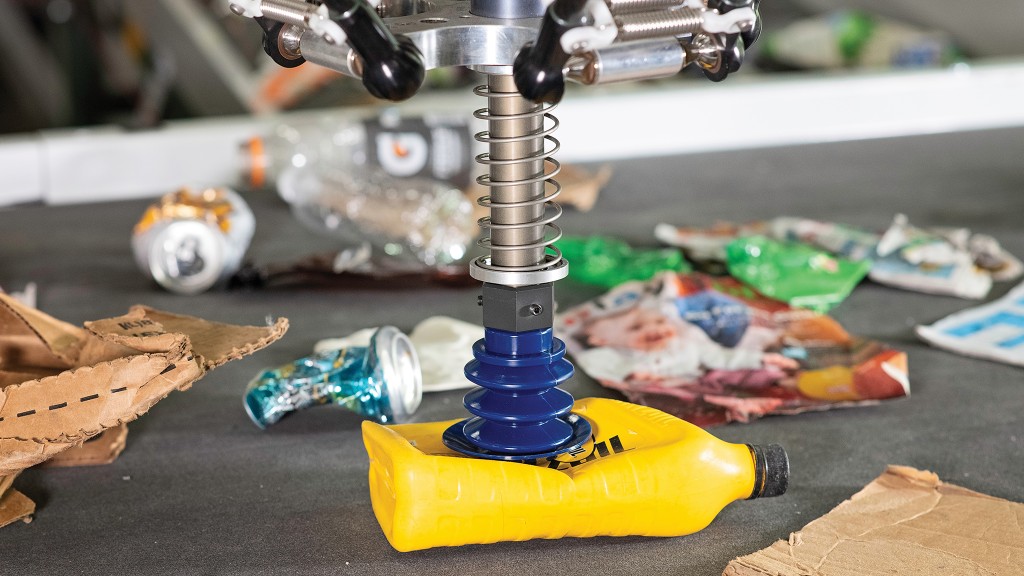
ep.366: Deep Learning Meets Trash: Amp Robotics’ Revolution in Materials Recovery, with Joe Castagneri
Oct 13, 2023Tap to summarizeIn this episode, Abate flew to Denver, Colorado, to get a behind-the-scenes look at the future of recycling with Joe Castagneri, the head of AI at Amp Robotics. With Materials Recovery Facilities (MRFs) processing a staggering 25 tons of trash per hour, robotic sorting is the clear long-term solution. Recycling is a for-profit industry. When the margins don't make sense, the items will not be recycled. This is why Amp's mission to use robotics and AI to bring down the cost of recycling and increase the number of items that can be sorted for recycling is so impactful. https://www.youtube.com/watch?v=QxiJLkFl7N0 Joe Castagneri Joe Castagneri graduated with his Master of Science in Applied Mathematics, with an undergrad degree in Physics. While still in university, he first joined the team at Amp Robotics in 2016 where he worked on Machine Learning models to identify recyclables in video streams of Trash in Materials Recovery Facilities (MRFs). Today, he is the Head of AI at Amp Robotics where he is changing the economics of recycling through automation.
Transcribe →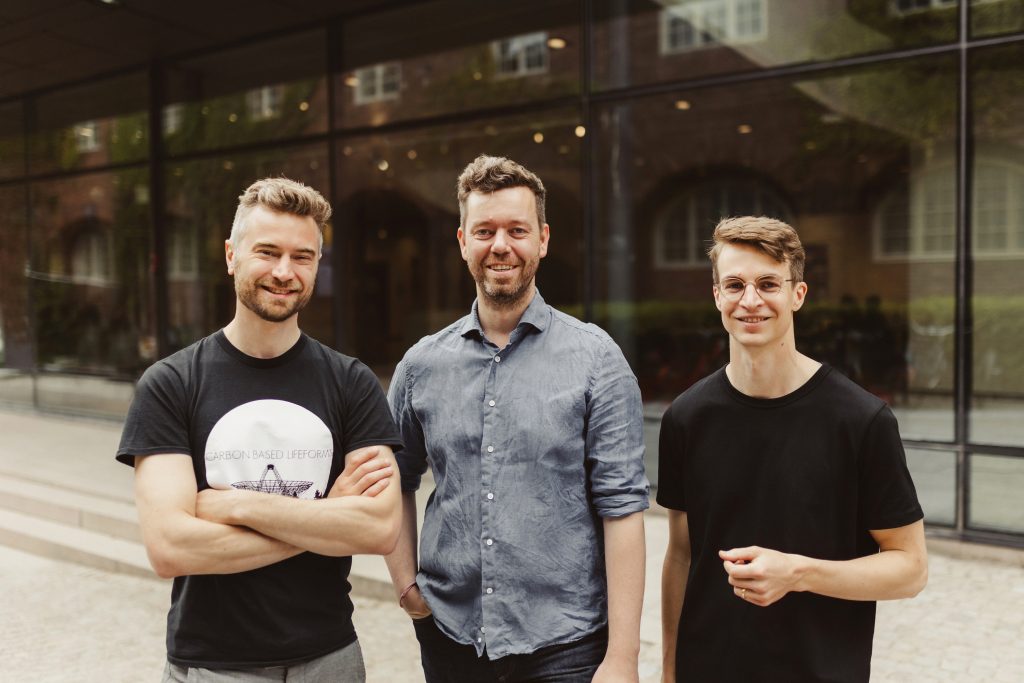
ep.365: ReRun An Open Source Package For Beautiful Visualizations, with Nikolaus West
Apr 5, 2023Tap to summarizeNico, Emil, and Moritz founded ReRun with the mission of making powerful visualization tools free and easily accessible for roboticists. Nico and Emil talk about how these powerful tools help debug the complex problem scopes faced by roboticists. Tune in for more. Nikolaus West Co-Founder and CEO Niko is a second-time founder and software engineer with a computer vision background from Stanford. He’s fanatic about bringing great computer vision and robotics products to the physical world. Emil Ernerfeldt Co-Founder and CTO Emil fell in love with coding over 20 years ago and hasn’t looked back since. He’s the creator of egui, an easy-to-use immediate mode GUI in Rust, that we’re using to build Rerun. He brings a strong perspective from the gaming industry, with a focus on great and blazing fast tools. Links ReRun Download mp3 Subscribe to Robohub using iTunes, RSS, or Spotify Support us on Patreon
Transcribe →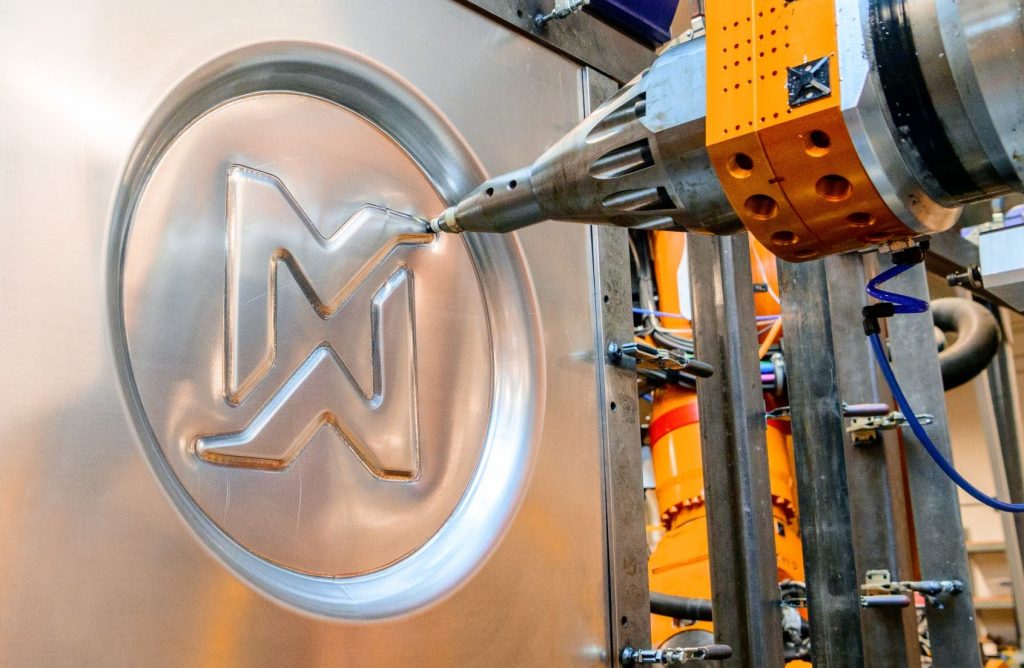
ep.364: Shaking Up The Sheetmetal Industry, with Ed Mehr
Feb 17, 2023Tap to summarizeConventional sheet metal manufacturing is highly inefficient for the low-volume production seen in the space industry. At Machina Labs, they developed a novel method of forming sheet metal using two robotic arms to bend the metal into different geometries. This method cuts down the time to produce large sheet metal parts from several months down to a few hours. Ed Mehr, Co-Founder and CEO of Machina Labs, explains this revolutionary manufacturing process. Ed Mehr Ed Mehr is the co-founder and CEO of Machina Labs. He has an engineering background in smart manufacturing and artificial intelligence. In his previous position at Relativity Space, he led a team in charge of developing the world’s largest metal 3D printer. Relativity Space uses 3D printing to make rocket parts rapidly, and with the flexibility for multiple iterations. Ed previously was the CTO at Cloudwear (Now Averon), and has also worked at SpaceX, Google, and Microsoft. Links Machina Labs Download mp3 Subscribe to Robohub using iTunes, RSS, or Spotify Support us on Patreon
Transcribe →
ep.363: Going out on a Bionic Limb, with Joel Gibbard
Dec 21, 2022Tap to summarizeJoel Gibbard, co-founder of Open Bionics dives deep into their creative, imagination-capturing prosthetic limbs.
Transcribe →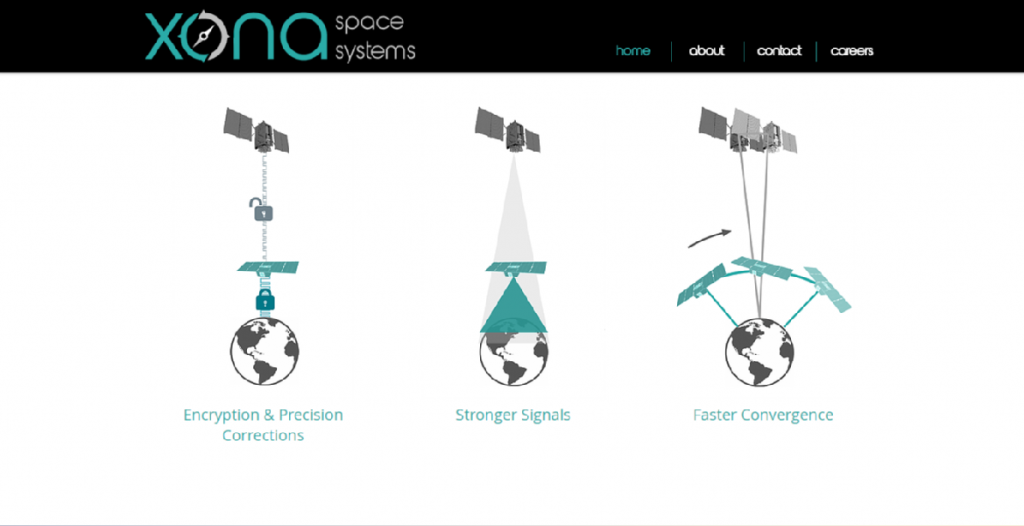
ep.362: Precise Navigation using LEO Satellites, with Tyler Reid
Nov 2, 2022Tap to summarizeDr. Tyler Reid, CTO of Xona Space Systems, discusses a new approach to global navigation satellite systems designed for self-driving cars.
Transcribe →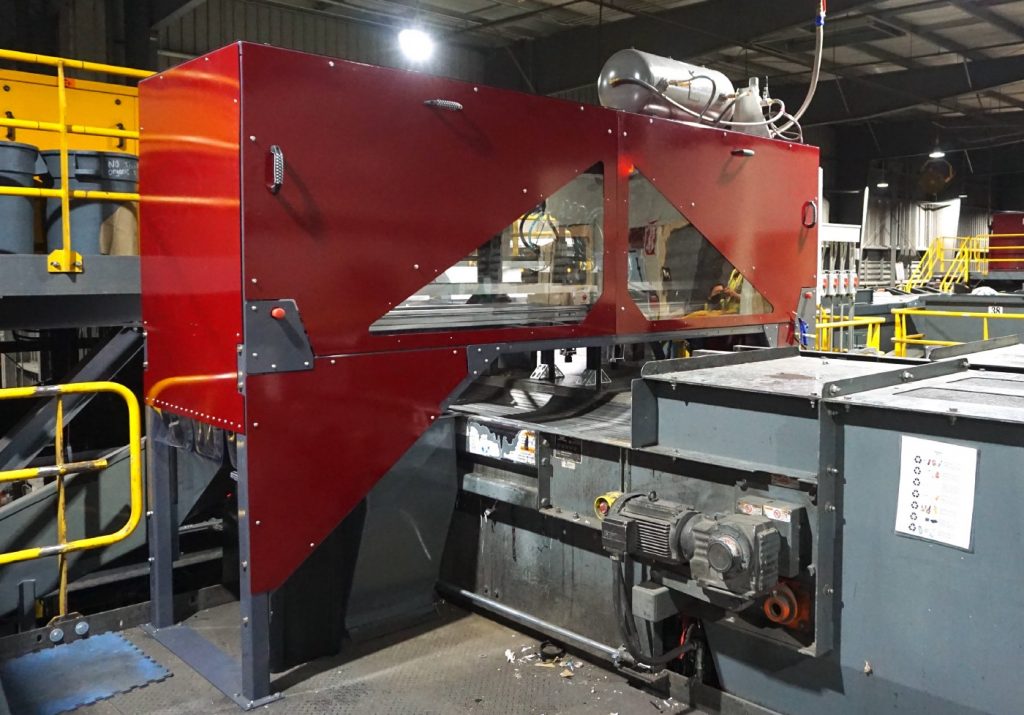
ep.361: Recycling: An Opaque Industry, with Areeb Malik
Oct 10, 2022Tap to summarizeAreeb, the co-founder of Glacier, gives some insight into the opaque recycling industry, and why it is unable to handle the volume of recyclable good Americans through out each year.
Transcribe →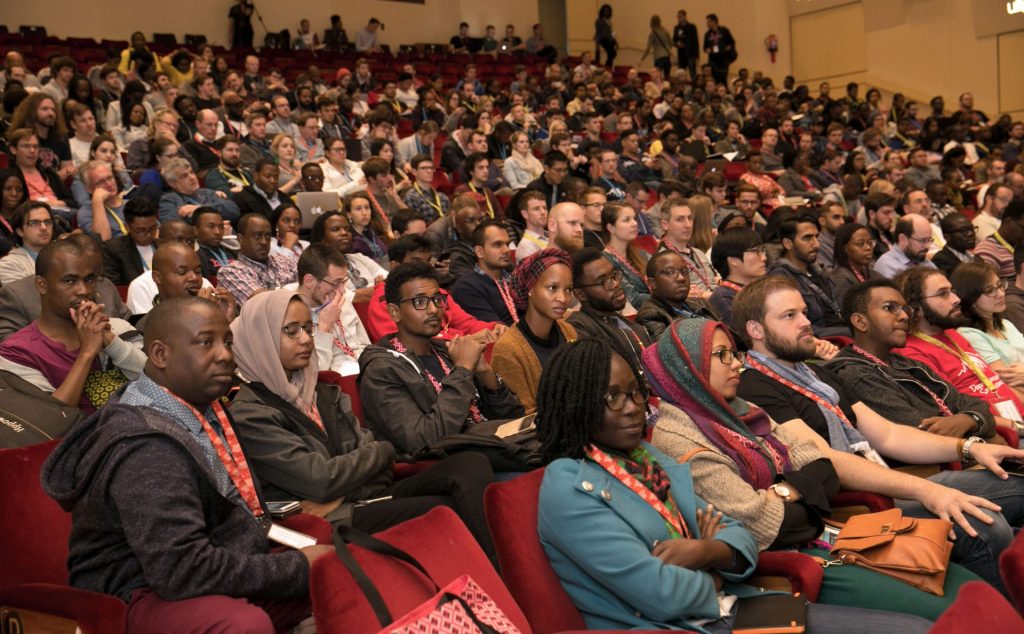
ep.360: Building Communities Around AI in Africa, with Benjamin Rosman
Sep 14, 2022Tap to summarizeDeep Learning Indaba is an organization that empowers and builds communities around Artificial Intelligence and Machine Learning across Africa. Benjamin Rosman dives into how Deep Learning Indaba is impacting these communities.
Transcribe →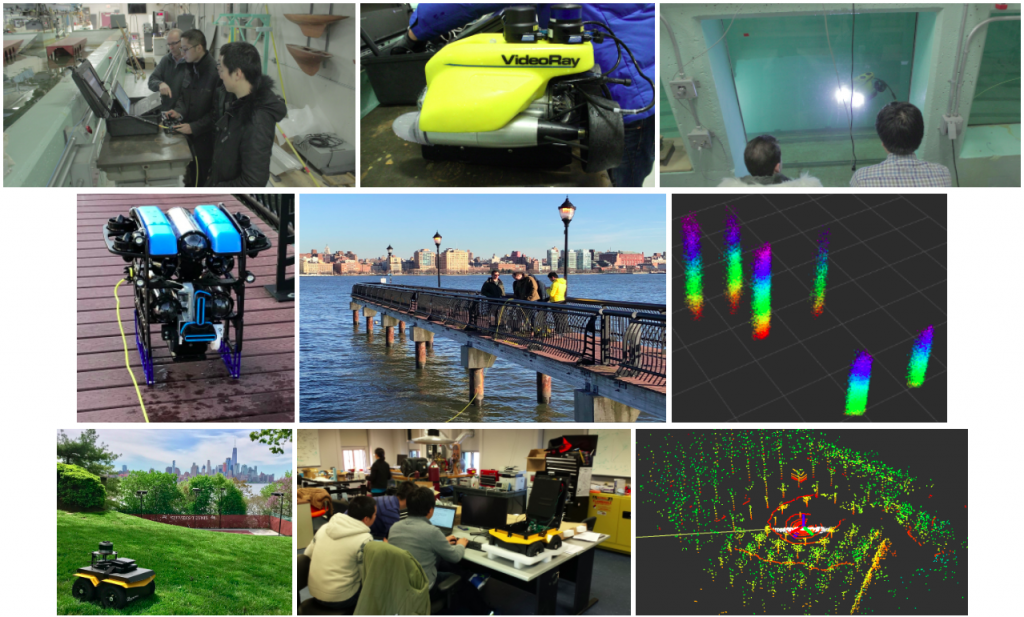
ep.359: Perception and Decision-Making for Underwater Robots, with Brendan Englot
Aug 21, 2022Tap to summarizeProf Brendan Englot, from Stevens Institute of Technology, discusses the challenges in perception and decision making for underwater robots - especially in the field.
Transcribe →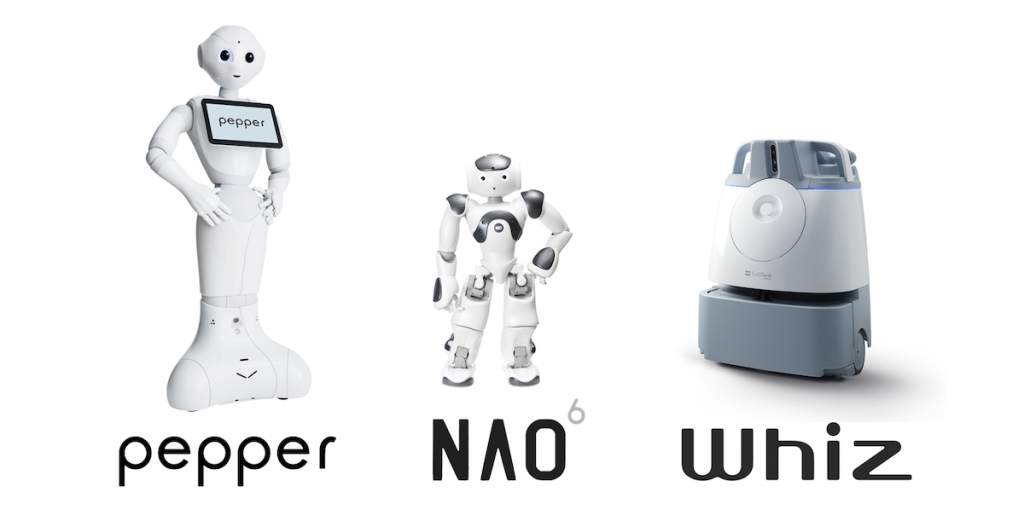
ep.358: Softbank: How Large Companies Approach Robotics, with Brady Watkins
Aug 3, 2022Tap to summarizeBrady Watkins gives insights into how a large company like Softbank Robotics approaches the Robotics market
Transcribe →
ep.357: Origin Story of the OAK-D, with Brandon Gilles
Jul 1, 2022Tap to summarizeBrandon Gilles, the founder of Luxonis and maker of the OAK-D, describes the journey and the flexibility of the OAK-D line of products
Transcribe →