Podcast
ROCKING OUR PRIORS
Hosted by Dr Alice Evans · EN
Dr Alice Evans and leading experts discuss growth, governance, & gender inequalities.
Alice is a Senior Lecturer at King's College London, and Faculty Associate at the Harvard Kennedy School.
10episodes
Episodes
Newest firstAll episodes
Are Men & Women Scrolling Apart? John Burn-Murdoch
Aug 201:14:16Tap to summarizeJohn Burn-Murdoch (the FT's Chief Data Reporter) and I discuss gendered ideological polarisation. - Does this hold worldwide? - Which groups are most polarised? - Is there a rise in hostile sexism? - Is this due to economic frustrations or online persuasion? - What are the possible solutions? Read John's weekly columns at https://www.ft.com/john-burn-murdoch
Transcribe →The Making of the Modern Muslim State: Professor Malika Zeghal
Mar 22, 202501:01:13Tap to summarizeThe Making of the Modern Muslim State: Professor Malika Zeghal by Dr Alice Evans
Transcribe →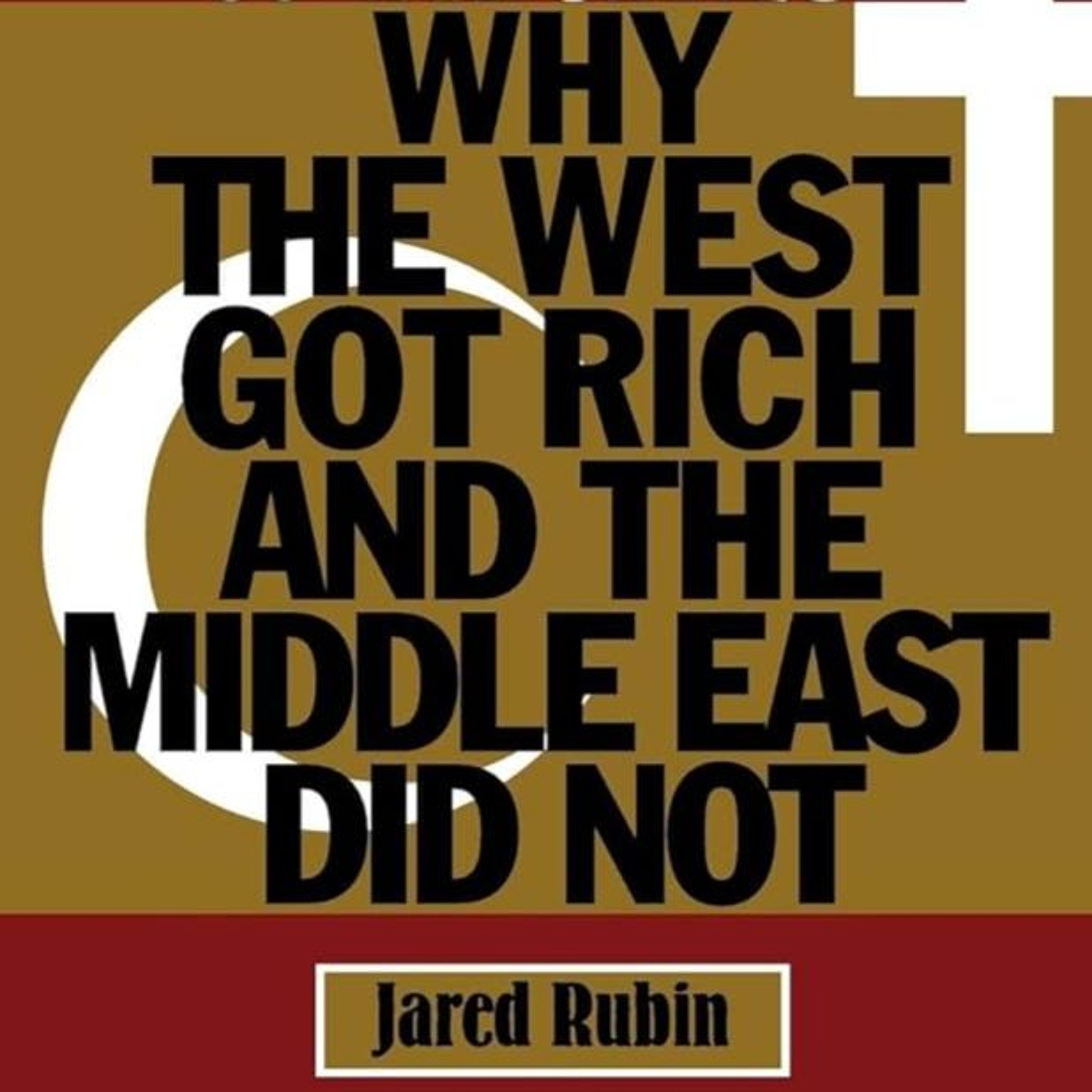
What caused the Islamic Revival? Professor Jared Rubin
Mar 20, 202501:44:23Tap to summarizeProfessor Jared Rubin has authored two superb books, “Rulers, Religion and Riches” and “How the World Became Rich”. He joined my podcast, to discuss: - Why did the Middle East Fall Behind? - What caused the shift to Scriptural Literalism? - What explains the Rise and Decline of Sufism? - How important was Wahhabism and Saudi Petrodollars? - Why were Liberalising Reforms Short-Lived? - Why has Digital Technology been More Disruptive in MENA? - What’s Constraining Middle East Economic Growth?
Transcribe →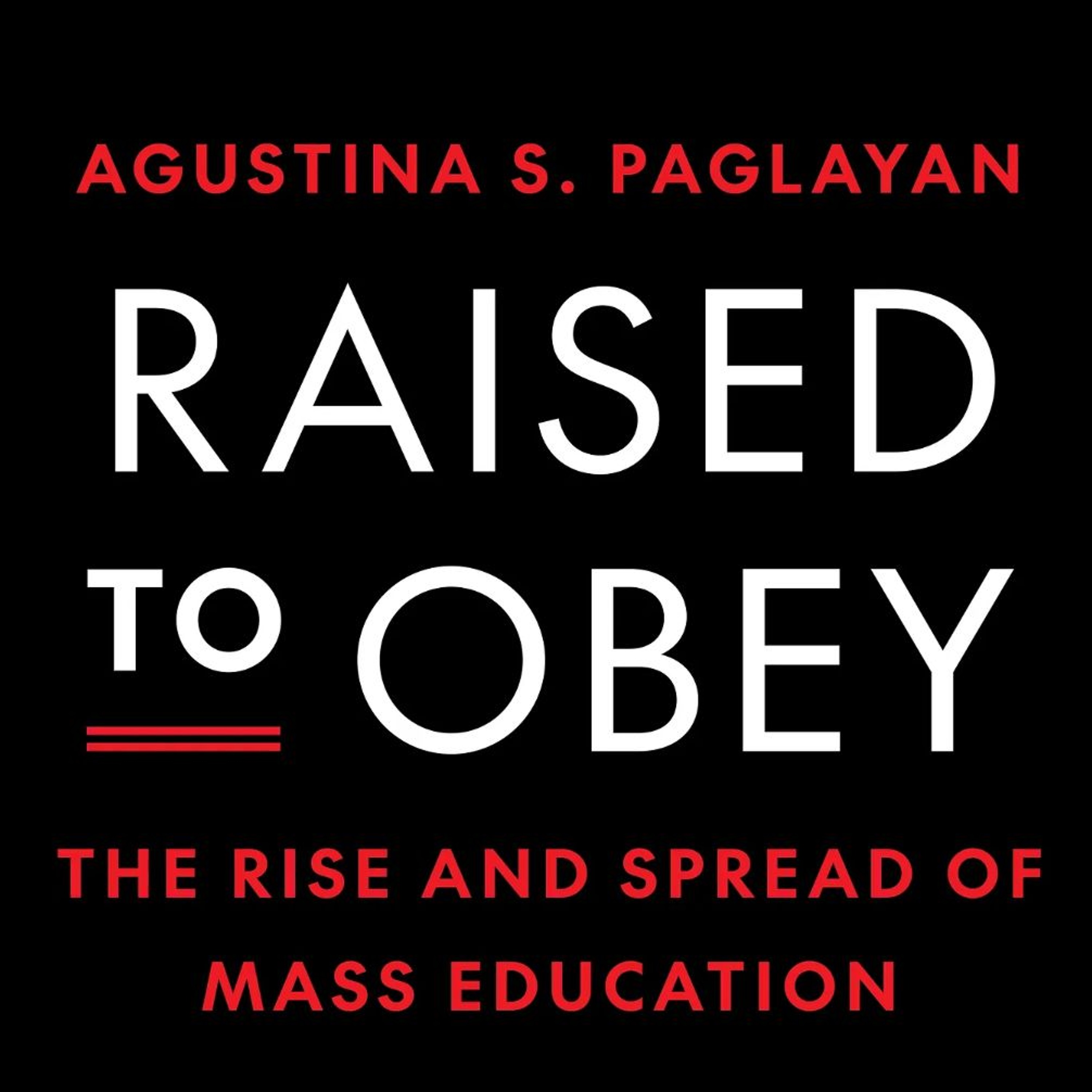
"Raised to Obey": Agustina Paglayan
Nov 19, 202401:16:17Tap to summarizeProfessor Agustina Paglayan has a fascinating new book: “Raised to Obey”! She contends that mass primary education systems were primarily established to consolidate state authority and maintain social order. But what about industrialisation, democratisation or the Protestant Reformation? And why should education experts consider Political Economy? Book: https://www.amazon.com/Raised-Obey-Education-Princeton-Economic/dp/069126127X/
Transcribe →
How does Low Fertility Affect Economic Growth, Worldwide? Jesús Fernández-Villaverde
Oct 2, 202401:47:56Tap to summarizeHow exactly does low fertility affect economic growth, are UN population predictions accurate, what’s driving the decline in fertility, and what can be done? To answer these questions, I’m joined by the brilliant macro-economist, Jesús Fernández-Villaverde Read his recent paper: The Wealth of Working Nations https://www.nber.org/papers/w31914
Transcribe →
Daron Acemoglu, V4.0: Rebooting Culture & Economics!
Sep 1, 202401:07:48Tap to summarizeProfessor Daron Acemoglu is famous for his careful empirical research, demonstrating the economic importance of institutions. But actually, he’s done a 180 to embrace culture! In this podcast we discuss his new theory of culture, what drives liberty and prosperity, the limits of democracy, and the importance of geography!
Transcribe →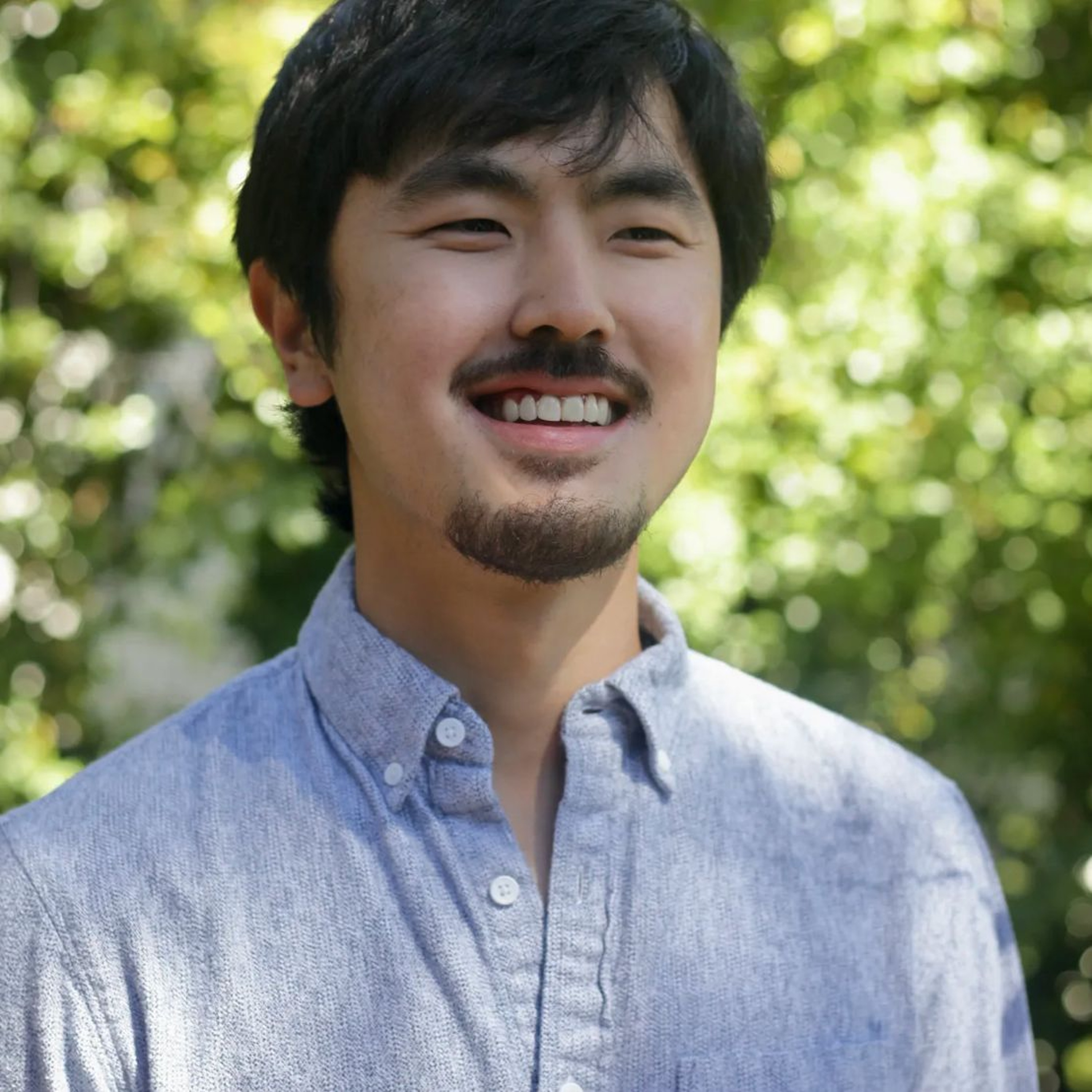
How did East Asia Get Rich?
Aug 30, 202401:17:03Tap to summarizeDr Oliver Kim has completed his PhD at Berkeley, recently appointed at Open Philanthropy. He does awesome research, carefully examining the drivers of structural transformation. We discussed: Why do you think East Asia is the only world region to have converged with the West? How have big data and computational tools changed our understanding of structural transformation? Oliver's website: https://oliverwkim.com/ His substack: https://www.global-developments.org/
Transcribe →Netflix and Change: Tracking Cultural Flux in Autocracies
Jul 26, 202400:36:39Tap to summarize“Vikings is no. 1 from all the Saudi men 😂”. Leila chuckled as we browsed top hits on Netflix. For only 30 Riyals (8 USD) a month, Saudis can tune into stories about uncovered pagans. A global feast of delights are now on offer - from Western films to women’s football. Rapid cultural change is afoot in Saudi Arabia, a unique experiment in top-down secularisation. But how can we as social scientists study such rapid cultural evolution in real-time, especially in an autocracy? In this podcast, I’ll highlight some exciting new methodologies. Buckle up.
Transcribe →Culture isn't a fossil, it's a fist-fight!
Jul 22, 202400:33:29Tap to summarizeCulture is not a static inheritance, but a dynamic arena of ongoing struggle. From the mosques of Jakarta to the classrooms of Louisiana, from TikTok feeds to university lecture halls, ideological warfare rages. This podcast explores the complex interplay of several crucial factors shaping our cultural landscape: Contestation: Culture is a battlefield where competing ideologies clash, merge, and evolve. Prestigious actors and institutions are especially influential, as others look to them as successful. No norm is set in stone; instead, we see a perpetual push and pull between progressive and conservative forces, each vying to define societal values. Economic growth, technological advances and political freedoms do not entail cultural liberalisation. These are merely vehicles - to be used by progressives and conservatives alike. Religious and cultural traditions: Deep-seated beliefs shape the receptiveness to change, and the scope of public debate. Drawing on my qualitative research across nine world regions and evidence from multiple disciplines, this podcast examines ideological battles in diverse settings, from the United States to the Middle East, Southeast Asia to Latin America.
Transcribe →PRESTIGE BIAS
Jul 18, 202400:28:18Tap to summarizeImagine: Elon Musk's tweet causes a cryptocurrency frenzy. Kim Kardashian’s outfit becomes an overnight fashion sensation. Daron Acemoglu and colleagues’ paper on settler mortality reshapes economic thinking. The Pope’s words influence millions globally. What links these diverse events? They’re all powerful manifestations of prestige bias. Psychologically, we seek guidance from those who’ve achieved success, looking to emulate their paths to prosperity and social approval. This creates a dynamic where the accomplished influence others, often reinforcing their own status in the process. From NBER’s Summer Institute to the glitz of Hollywood, prestige bias permeates every sphere of human endeavour. However, its impact is perhaps most profound and far-reaching in the realm of religion. Join me on a journey to the heart of the Muslim world, where we’ll explore the influence of Cairo’s Al-Azhar - a beacon of Islamic scholarship whose teachings reverberate globally. Through this lens, we’ll uncover how prestige bias shapes not just individual choices, but entire cultural paradigms.
Transcribe →