Podcast
Rowers Choice - Innovating Rowing
Hosted by Rowers Choice - Innovation & Change in Rowing · EN
Leading Innovation & Change in through conversations with coaches, athletes and leaders in rowing.
11episodes
Episodes
Newest firstAll episodes
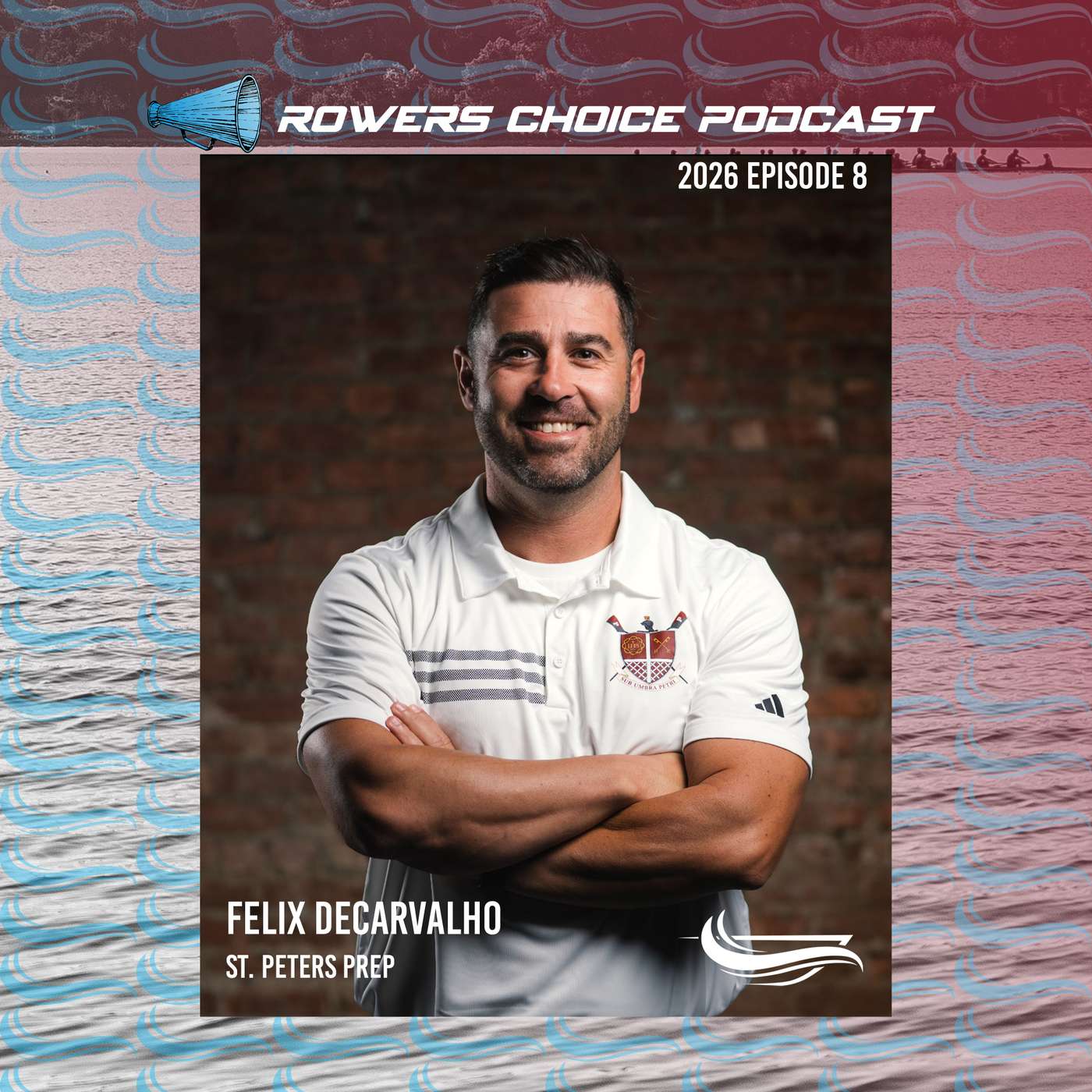
2026e8 - Felix DeCarvalho - St. Peters Prep
May 1400:55:38Tap to summarizeFelix DeCarvalho’s rowing journey began at Kearny High School, where the sport gave him structure, lifelong relationships, and a sense of belonging as the son of Portuguese immigrants. After continuing to train and race through Nereid Boat Club, he found his long-term place in rowing as a coach, helping build programs at Montclair, Don Bosco, and now St. Peter’s Prep. Over time, Felix evolved from a rigid, demanding young coach into a more athlete-centered leader focused on creating environments where kids love rowing enough to work hard at it. He is deeply concerned that rising costs and the growth of club rowing are making scholastic rowing harder to sustain, even though school programs are often the entry point for athletes who would never otherwise find the sport. His message to young coaches is simple: you do not need an elite rowing résumé to make a major impact—you need commitment, humility, and a real desire to help athletes grow.
Transcribe →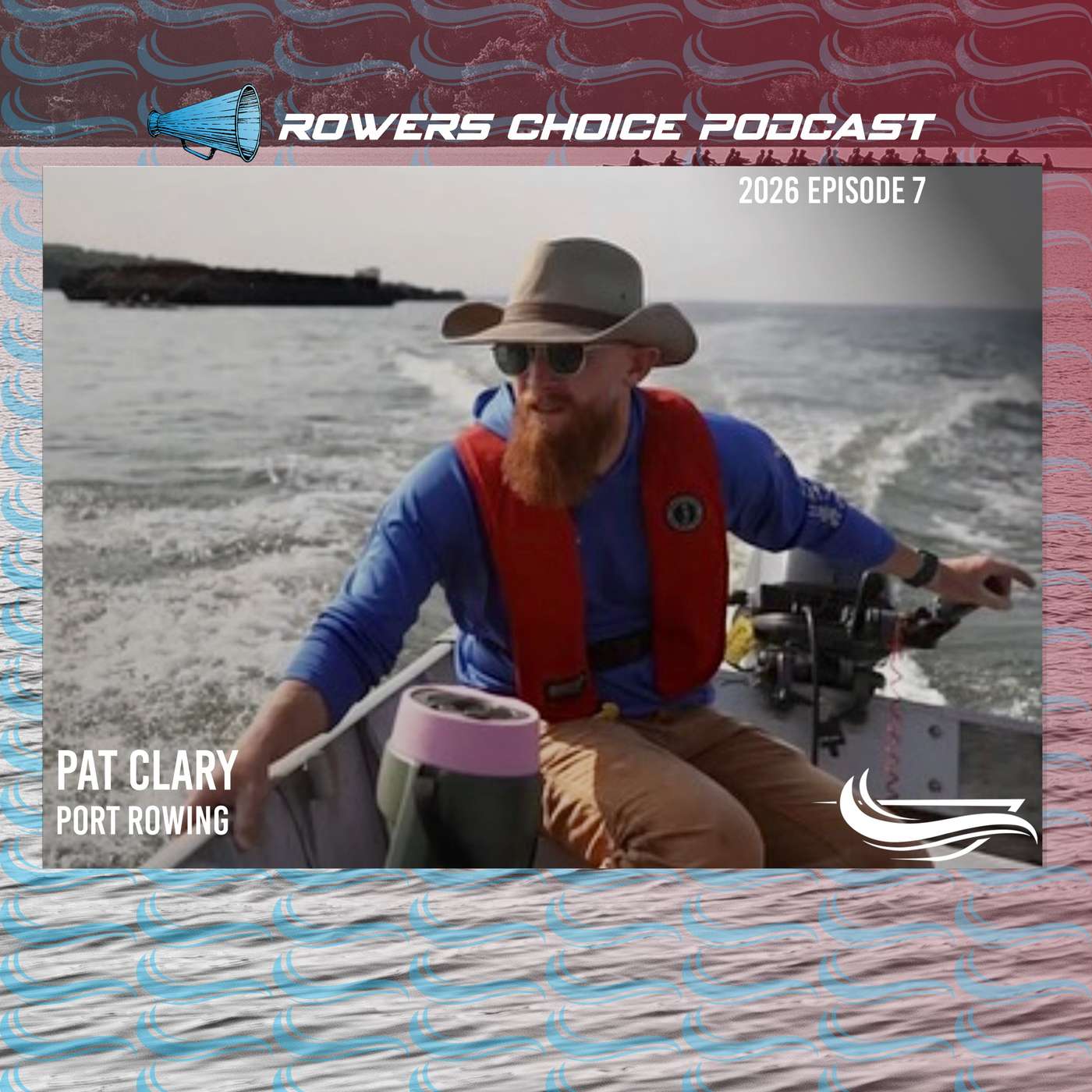
2026e7 - Pat Clary - Port Rowing
May 801:18:24Tap to summarizePat Clary’s conversation is a story about how rowing grabs people, humbles them, and turns struggle into purpose. From discovering the sport as a seventh grader, managing Type 1 diabetes, working multiple jobs to afford rowing, and eventually building programs with limited resources, Pat’s path shows that rowing is not only about medals or speed. It is about discipline, belonging, resilience, and the people willing to keep showing up. His coaching philosophy centers on making athletes feel seen, valued, and part of something bigger than themselves, whether they are in the 1V, 3V, novice boat, or just learning to pull together. The biggest takeaway is simple: great coaching is not just pedigree or technical knowledge; it is passion, connection, humility, and the ability to build a culture where every athlete believes they matter.
Transcribe →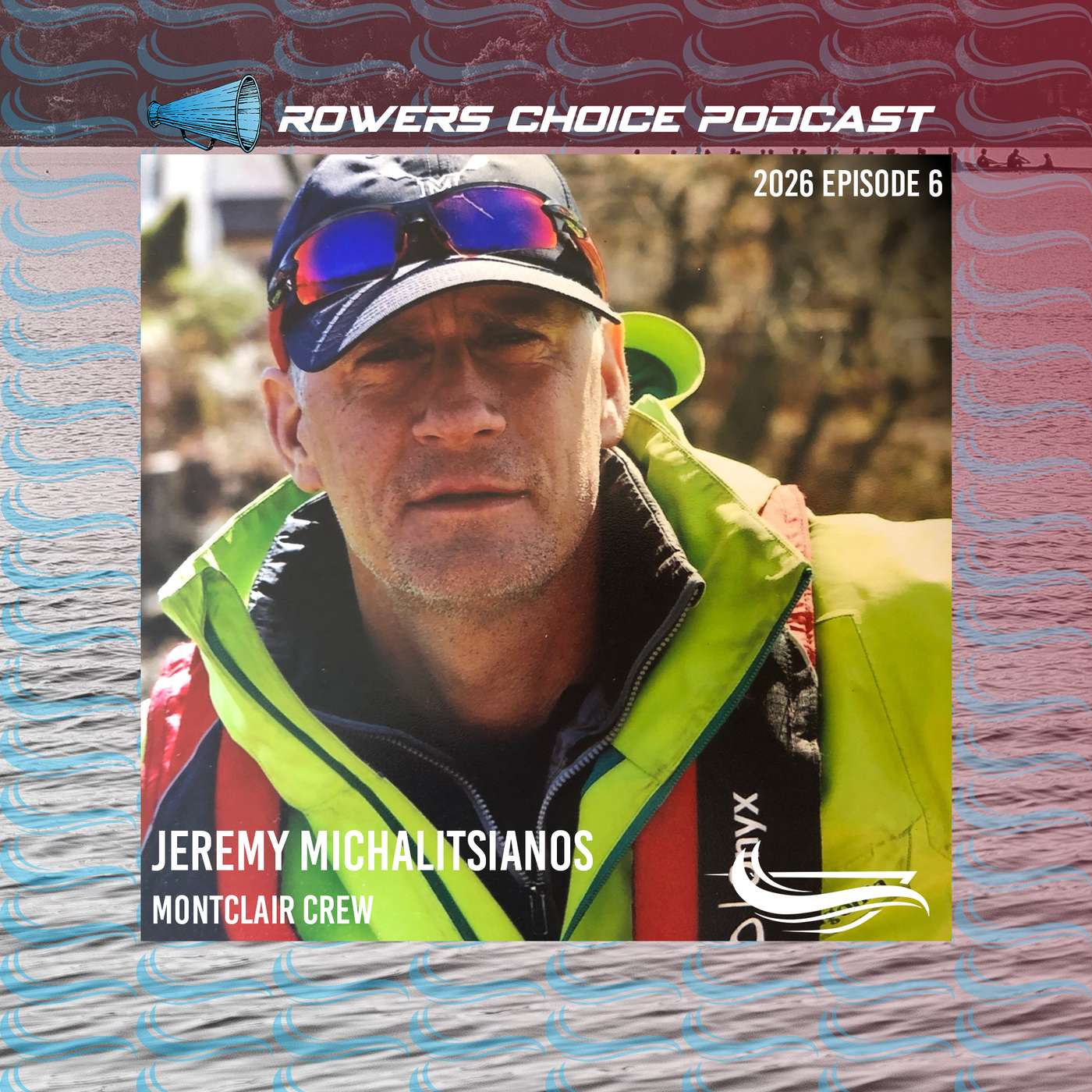
2026e6 - Jeremy Michalitsianos - Montclair
Apr 1701:13:29Tap to summarizeIn this episode, Jeremy of Montclair Rowing shares how growing up in a high-performance UK system—where young athletes trained alongside Olympians—shaped his belief that “success breeds success.” He explains the importance of a visible pathway, arguing that athletes perform better when they can clearly see what’s required to reach the next level. Jeremy contrasts the UK’s strong post-collegiate club system with the U.S., where rowing often drops off after college, creating a major structural gap. At Montclair, he built a winning program by immediately shifting culture from “we can’t” to “we can,” while prioritizing athlete development and experience over conventional prestige (like always chasing the 8+). His approach emphasizes belief, consistency, and building systems that allow success to repeat.
Transcribe →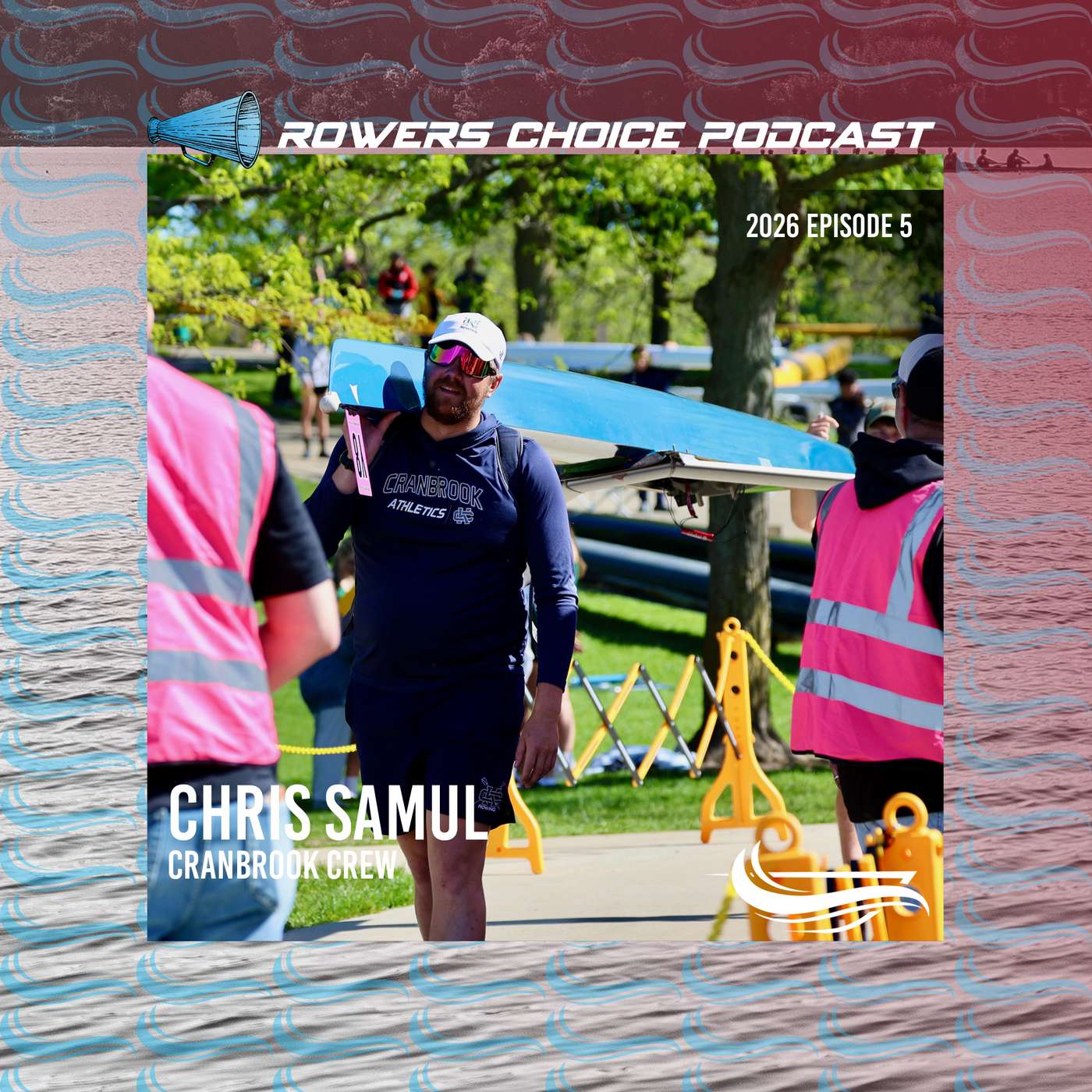
2026e5 - Chris Samul - Cranbrook Crew
Apr 1001:10:05Tap to summarizeIn this episode, host Alex DelSordo interviews Chris Samul, a math teacher and head rowing coach at Cranbrook Schools, about his journey from a novice in a low-resource club to a collegiate rower and dedicated coach. Samul details how a strong sense of belonging and friendship kept him in the sport despite early losses, a philosophy he now uses to lead a varsity program of nearly 70 athletes. The conversation critiques the "professionalization" of youth sports, arguing that it creates barriers and leads to burnout, while Samul advocates for a culture that balances competitive speed with character development. Ultimately, the episode highlights the unique value of scholastic rowing in fostering long-term engagement and personal growth through a supportive team environment.
Transcribe →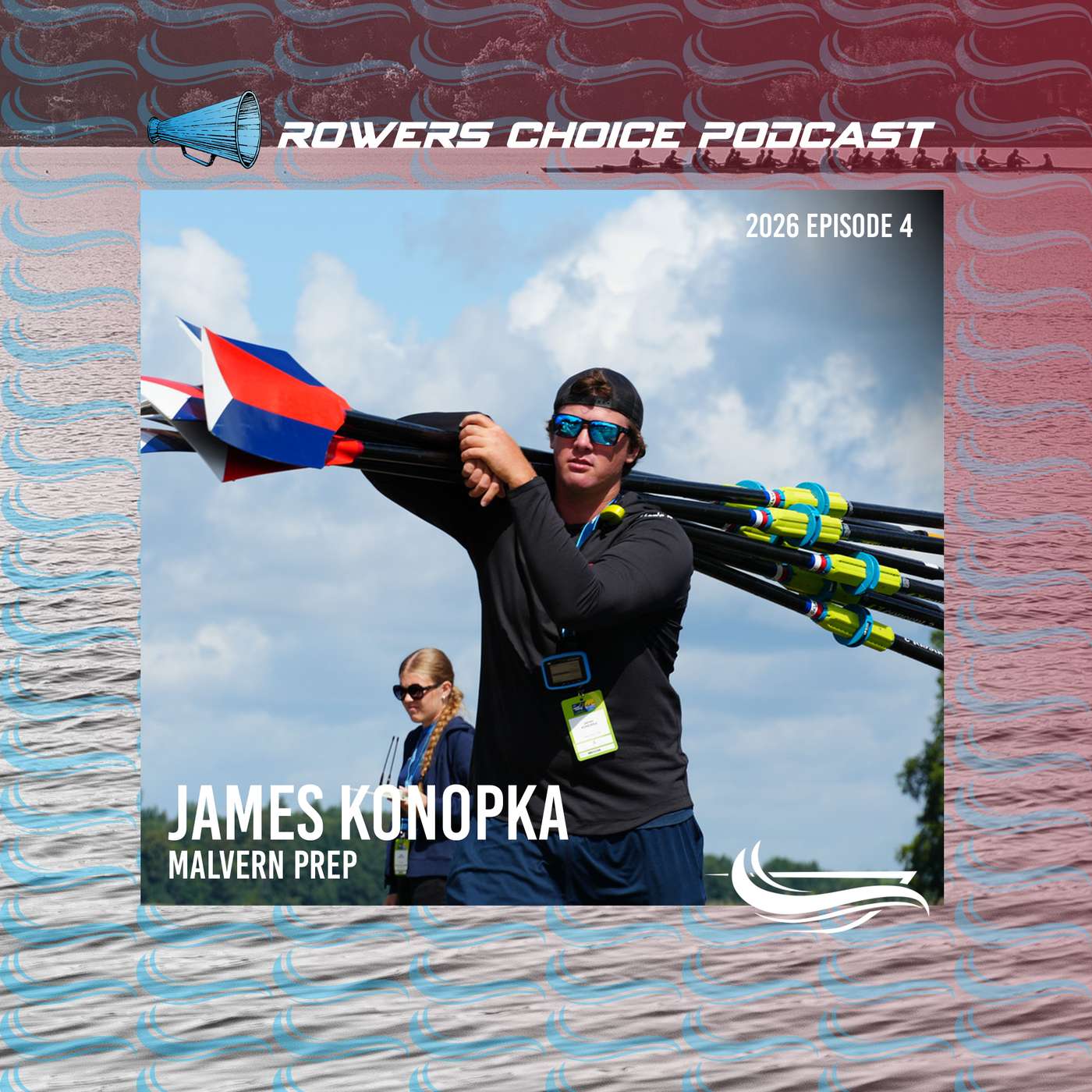
2026e4 - James Konopka - Malvern Prep
Mar 2701:14:08Tap to summarizeIn Episode 4, Alex sits down with Malvern Prep Head Coach James Konopka to explore what it really takes to build a coaching career—and a program—from the ground up.James grew up in rowing, with the sport deeply embedded in his family, but his path into coaching was anything but easy. From making $10,000 his first year and cold-emailing for opportunities, to learning by sitting in launches and asking questions, his story is a blueprint for young coaches trying to break into the sport.The conversation goes deeper than results. James reflects on how his philosophy has evolved—from chasing medals to focusing on athlete development, accountability, and long-term engagement in the sport. He shares what he’s learned about goal setting, mentorship, and why curiosity—not confidence—is the defining trait of great coaches.They also tackle bigger questions:Is there a real path to becoming a professional rowing coach?Is scholastic rowing growing or eroding?And what is the sport missing to move forward?This episode is a candid look at coaching, growth, and the future of rowing—from one of the sport’s rising young leaders.
Transcribe →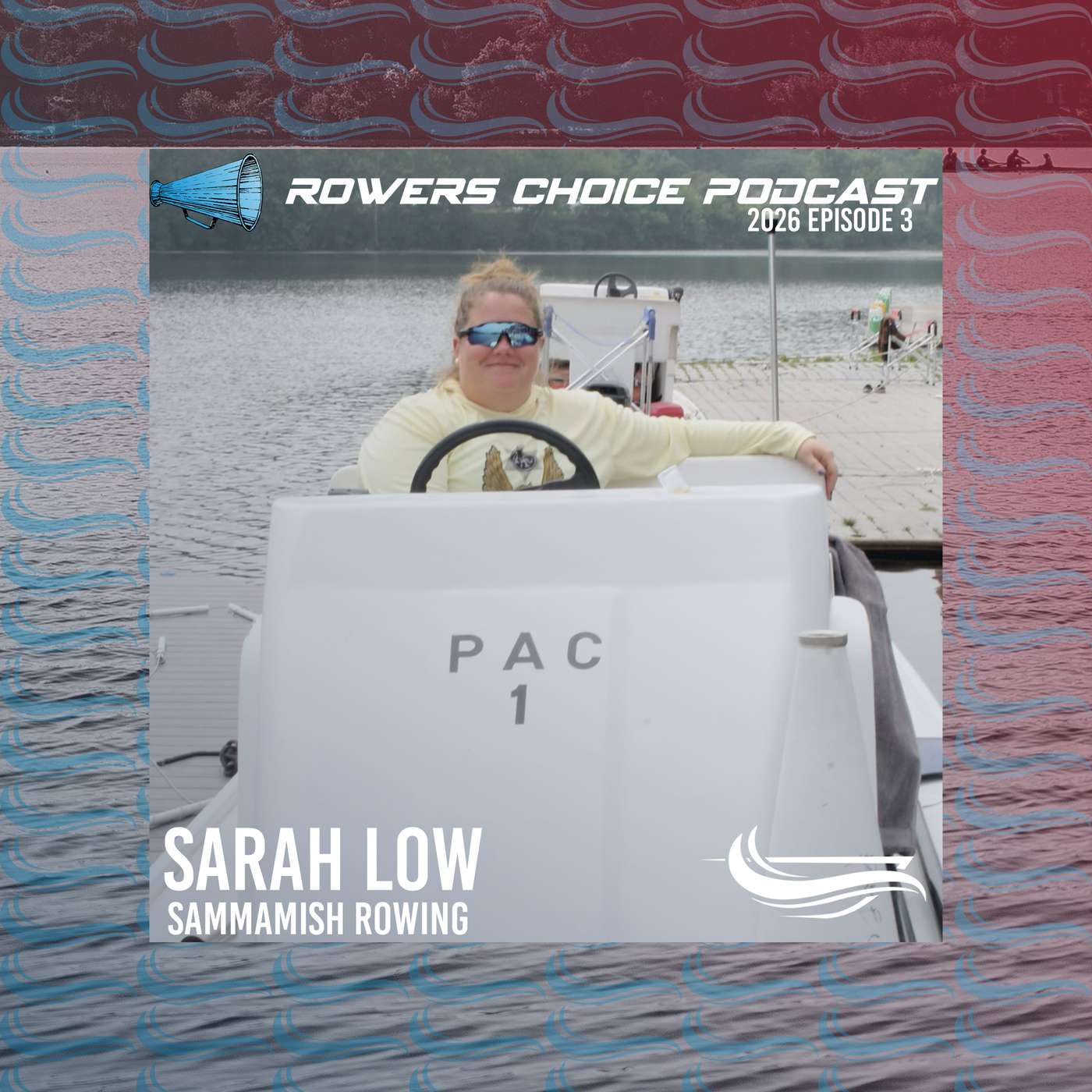
2026e3 - Sarah Low - Sammamish Rowing
Mar 1300:55:02Tap to summarizeIn this episode, Alex sits down with Sarah Low, Executive Director of Sammamish Rowing and longtime junior coach, to talk about coaching development and the future of the sport.Two key ideas stand out in the conversation. First, the best coaching education doesn’t happen in lectures or online seminars — it happens in small, in-person conversations where coaches can challenge ideas, ask questions, and learn from each other. Second, many young coaches hold themselves back by assuming top coaches are unreachable. Sarah shares how one simple email asking to observe a practice turned into a valuable learning experience — and why more coaches should be willing to just ask.It’s a thoughtful discussion about mentorship, confidence, and how better coaching knowledge spreads through the sport.
Transcribe →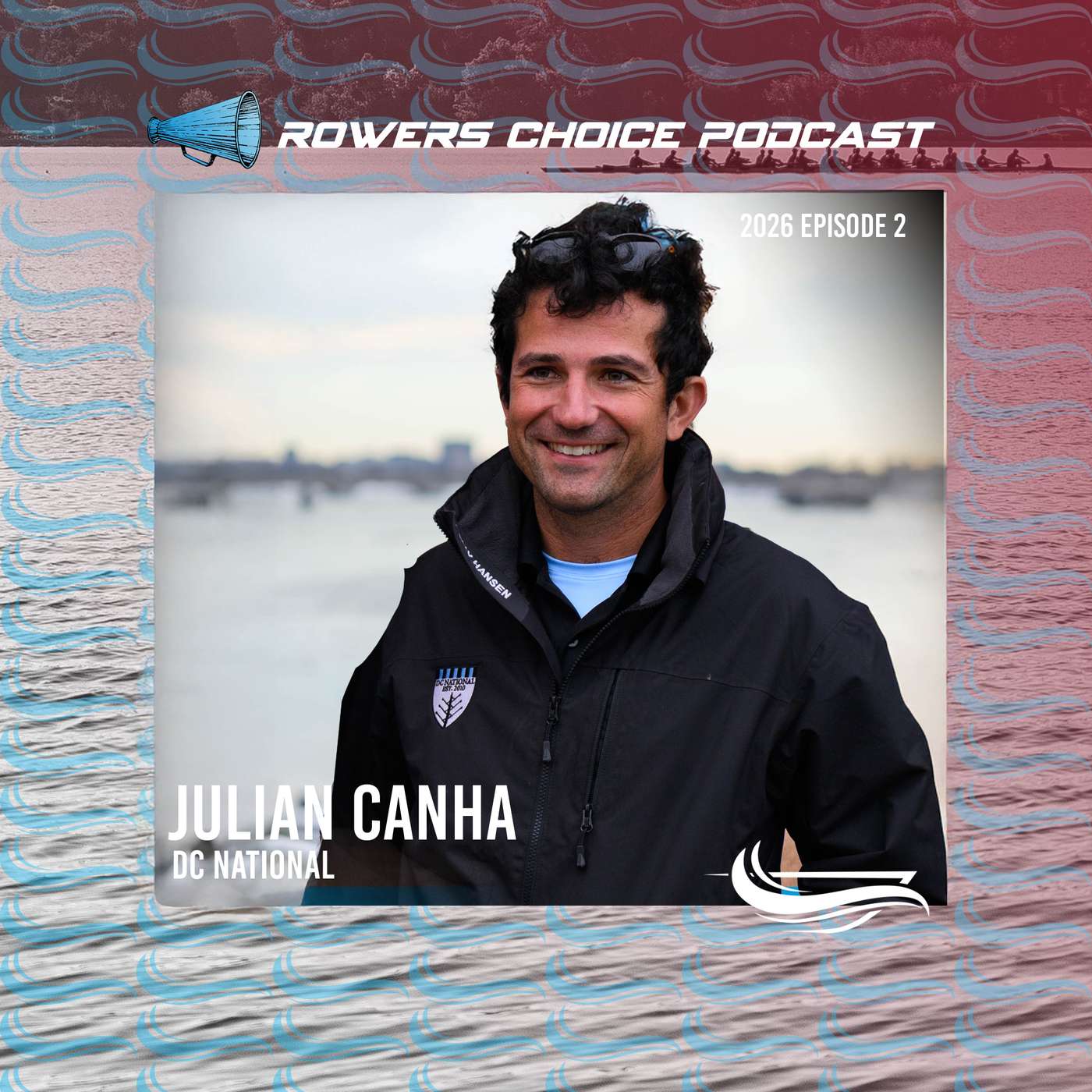
2026e2 - Julian Canha - DC National
Jan 3000:58:24Tap to summarize2026e2 - Julian Canha - DC NationalJulian Canha is a veteran high school head coach and program director with nearly two decades of experience, including dominant programs as an assistant at Montclair and and head coach at DC National. A former coxswain and University of Michigan rower, he’s led undefeated varsity seasons, won multiple Stotesbury and SRAA medals, coached USA Junior National Team athletes, and developed rowers recruited to Ivy League schools, Cal, and Washington.
Transcribe →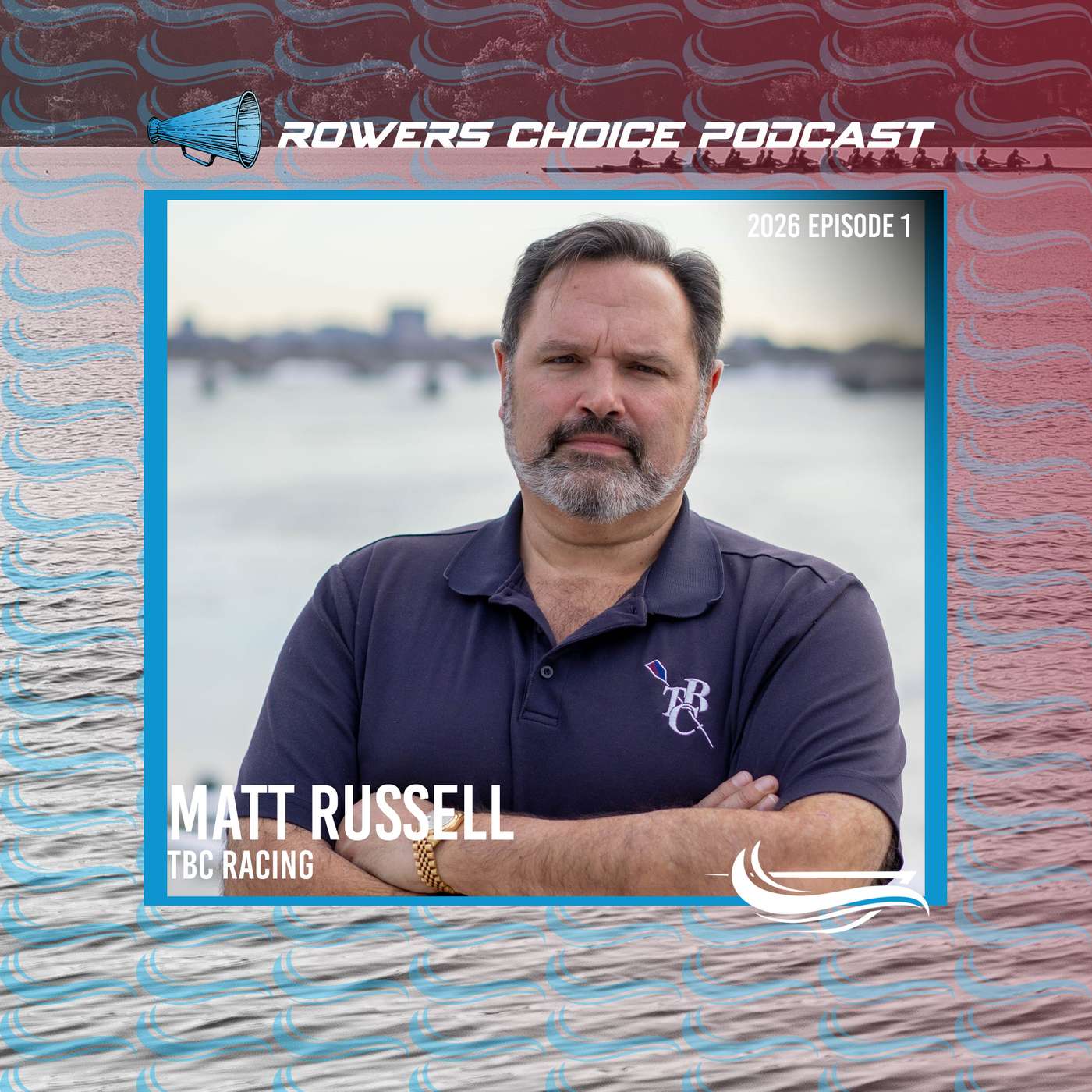
2026e1 - Matt Russell
Jan 1601:04:57Tap to summarize2026e1 - Matt Russell, TBC Racing.Entering his 40th year in the sport, TBC Racing founder Matt Russell has seen a ton of development in the Sport. Growing the program from an initial group of 4 boys, there are now over 400 athletes involved with TBC Racing. TBC Racing has become the place in the Washington DC area to have fun and go fast.
Transcribe →
2024e4 - Mark Gainey - Strava
Feb 29, 202400:57:45Tap to summarize2024e4 - Mark Gainey - StravaMark Gainey was a kid from Reno, Nevada who never expected to end up on the Harvard Rowing team. Mark was actually recruited to Harvard for running! Mark was a fast cross country runner who had an unfortunate injury that ultimately let him to the Harvard boathouse. Once he got in a boat he was hooked. On top of that, he met his future business partner. Now years later, Mark has launched multiple successful companies, most recently, the fitness app STRAVA.
Transcribe →
2024e3 - Tim Spell - OpenWater
Feb 8, 202400:50:02Tap to summarize2024e3 - Tim Spell - OpenWaterTim Spell is one of the founders of OpenWater and the definition of a grinder. Tim and Alex first crossed paths at George Washington Rowing and have stayed close ever since. In 2012 Tim founded OpenWater, one of the leaders in cloud-based software. In addition to talking about the work that went into his company, he talks about the importance of fitness and the role it has played in being a leader.
Transcribe →