Podcast
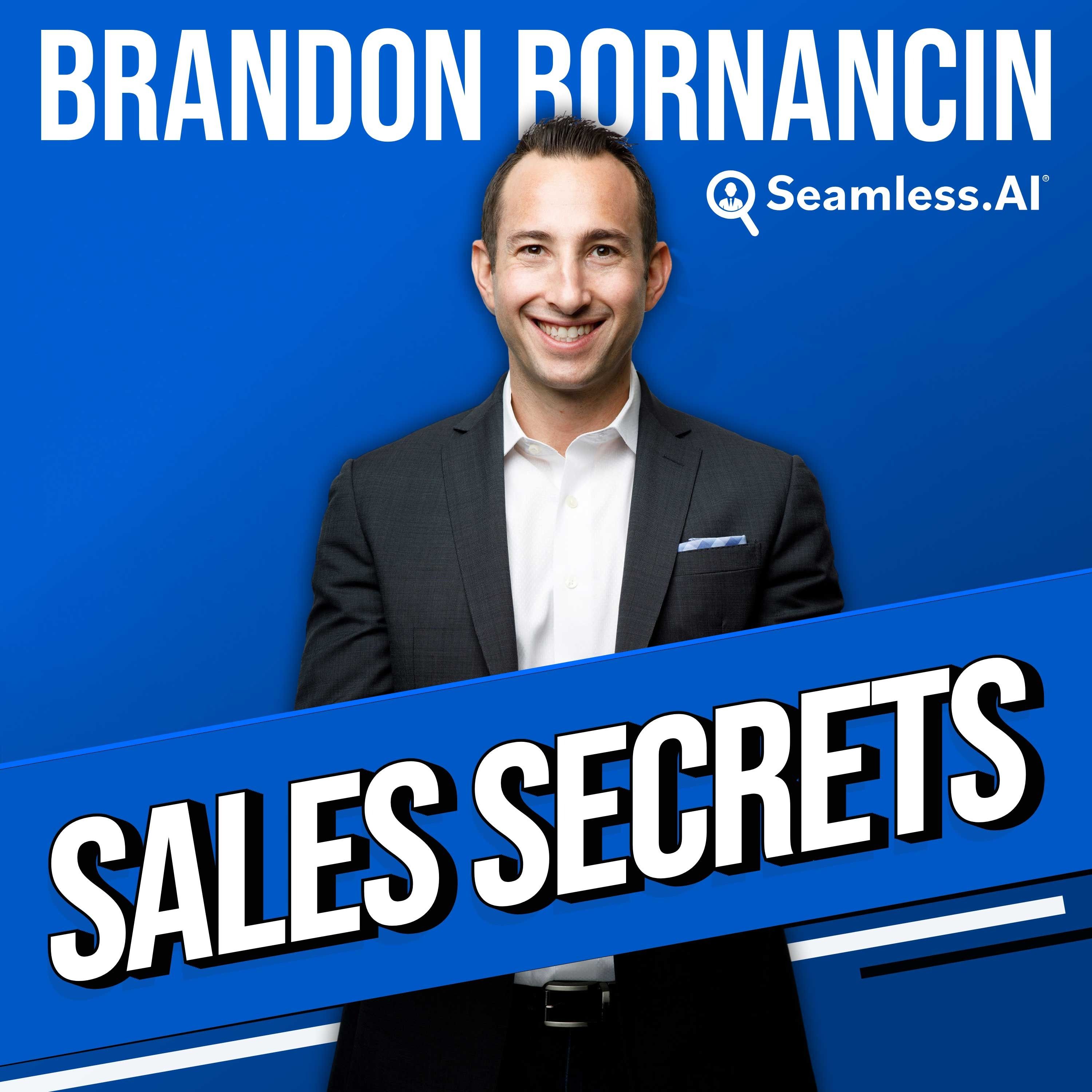
Sales Secrets
Hosted by Brandon Bornancin · EN
Brandon Bornancin is a serial salesperson, entrepreneur, and Founder & CEO of Seamless.AI.
He has interviewed the world’s biggest and brightest business experts (including Kevin Harrington, Jordan Belfort, Ryan Serhant, Bob Burg, and many more) to uncover actionable strategies, tips, and insights that you can use to generate more revenue and accelerate your business.
Ready to learn exclusive secrets from top sales, business, and entrepreneurs from around the world?
Then Sales Secrets From The Top 1% is the place to find them.
83episodes
Episodes
Newest firstAll episodes
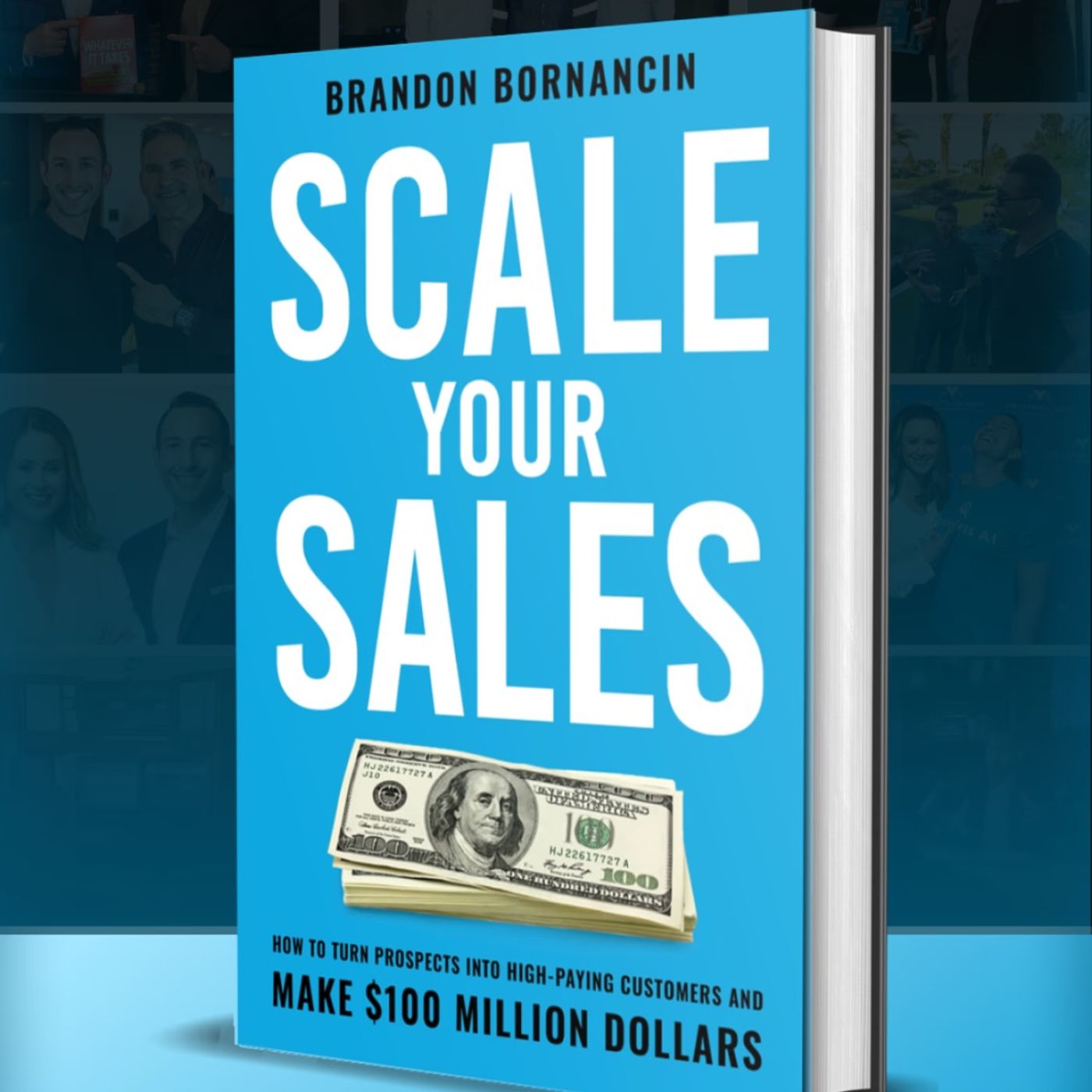
Chapter 46: Tech Stack, Tools To Turbocharge Sales | Scale Your Sales Audiobook
Jul 1000:07:09Tap to summarizePART 6 SCALING: THE 4 PILLARS TO $100M + BEYOND Congratulations on already accomplishing what 99% of professionals never do. You’ve mastered the mindset and habits needed for success. You’ve learned how to deliver world-class pitches, overcome any objection thrown your way, and close deals like the top 1%. Now, Part 6 of this book is about building a scalable sales machine that grows with or without you. It focuses on the four essential pillars of scalable success: People, Data, Technology, and Playbooks. You’ll learn how to hire, train, and lead teams that execute at the highest level. You’ll discover how to track actionable data across every department. You’ll evaluate whether your tech stack is truly built for scale and how to integrate your systems for smooth operations. And lastly, you’ll learn how to build bulletproof playbooks and documentation so your business can scale predictably and sustainably. This is the final stretch, so stay with me! Part 6 is where good turns to great, and great turns into an unstoppable growth engine. People: Hire, train, manage, and empower high-performing teams to execute at scale. Data: Track and improve data to fuel smarter decision-making and growth. Technology: Integrate cutting-edge systems to streamline workflows. Playbooks: Develop playbooks to ensure consistency, alignment, and optimal results. P.S.) Once my team and I scaled the business to tens of millions of dollars in revenue, I didn’t have the expertise to scale it to $100’s of millions in revenue. That’s when we brought on a private equity firm that taught us how to grow to $100M+ and beyond. I share everything they taught me in this part of the book on scaling. Big shout out to one of the best PE Firms out there, Spectrum Equity, and one of the best managing partners out there, Mike Farrell. Thank you, Mike and Spectrum, for teaching us since day 1 how to build a repeatable and scalable architecture. We couldn’t have done it without you. When you reach $10M+ in revenue, consider reaching out to them for an investment at www.spectrumequity.com.
Transcribe →
Chapter 45: Data, Measure What Matters | Scale Your Sales Audiobook
Jul 1000:17:57Tap to summarizePART 6 SCALING: THE 4 PILLARS TO $100M + BEYOND Congratulations on already accomplishing what 99% of professionals never do. You’ve mastered the mindset and habits needed for success. You’ve learned how to deliver world-class pitches, overcome any objection thrown your way, and close deals like the top 1%. Now, Part 6 of this book is about building a scalable sales machine that grows with or without you. It focuses on the four essential pillars of scalable success: People, Data, Technology, and Playbooks. You’ll learn how to hire, train, and lead teams that execute at the highest level. You’ll discover how to track actionable data across every department. You’ll evaluate whether your tech stack is truly built for scale and how to integrate your systems for smooth operations. And lastly, you’ll learn how to build bulletproof playbooks and documentation so your business can scale predictably and sustainably. This is the final stretch, so stay with me! Part 6 is where good turns to great, and great turns into an unstoppable growth engine. People: Hire, train, manage, and empower high-performing teams to execute at scale. Data: Track and improve data to fuel smarter decision-making and growth. Technology: Integrate cutting-edge systems to streamline workflows. Playbooks: Develop playbooks to ensure consistency, alignment, and optimal results. P.S.) Once my team and I scaled the business to tens of millions of dollars in revenue, I didn’t have the expertise to scale it to $100’s of millions in revenue. That’s when we brought on a private equity firm that taught us how to grow to $100M+ and beyond. I share everything they taught me in this part of the book on scaling. Big shout out to one of the best PE Firms out there, Spectrum Equity, and one of the best managing partners out there, Mike Farrell. Thank you, Mike and Spectrum, for teaching us since day 1 how to build a repeatable and scalable architecture. We couldn’t have done it without you. When you reach $10M+ in revenue, consider reaching out to them for an investment at www.spectrumequity.com.
Transcribe →
Chapter 44: People Hire Top Performers | Scale Your Sales Audiobook
Jul 1000:16:09Tap to summarizePART 6 SCALING: THE 4 PILLARS TO $100M + BEYOND Congratulations on already accomplishing what 99% of professionals never do. You’ve mastered the mindset and habits needed for success. You’ve learned how to deliver world-class pitches, overcome any objection thrown your way, and close deals like the top 1%. Now, Part 6 of this book is about building a scalable sales machine that grows with or without you. It focuses on the four essential pillars of scalable success: People, Data, Technology, and Playbooks. You’ll learn how to hire, train, and lead teams that execute at the highest level. You’ll discover how to track actionable data across every department. You’ll evaluate whether your tech stack is truly built for scale and how to integrate your systems for smooth operations. And lastly, you’ll learn how to build bulletproof playbooks and documentation so your business can scale predictably and sustainably. This is the final stretch, so stay with me! Part 6 is where good turns to great, and great turns into an unstoppable growth engine. People: Hire, train, manage, and empower high-performing teams to execute at scale. Data: Track and improve data to fuel smarter decision-making and growth. Technology: Integrate cutting-edge systems to streamline workflows. Playbooks: Develop playbooks to ensure consistency, alignment, and optimal results. P.S.) Once my team and I scaled the business to tens of millions of dollars in revenue, I didn’t have the expertise to scale it to $100’s of millions in revenue. That’s when we brought on a private equity firm that taught us how to grow to $100M+ and beyond. I share everything they taught me in this part of the book on scaling. Big shout out to one of the best PE Firms out there, Spectrum Equity, and one of the best managing partners out there, Mike Farrell. Thank you, Mike and Spectrum, for teaching us since day 1 how to build a repeatable and scalable architecture. We couldn’t have done it without you. When you reach $10M+ in revenue, consider reaching out to them for an investment at www.spectrumequity.com.
Transcribe →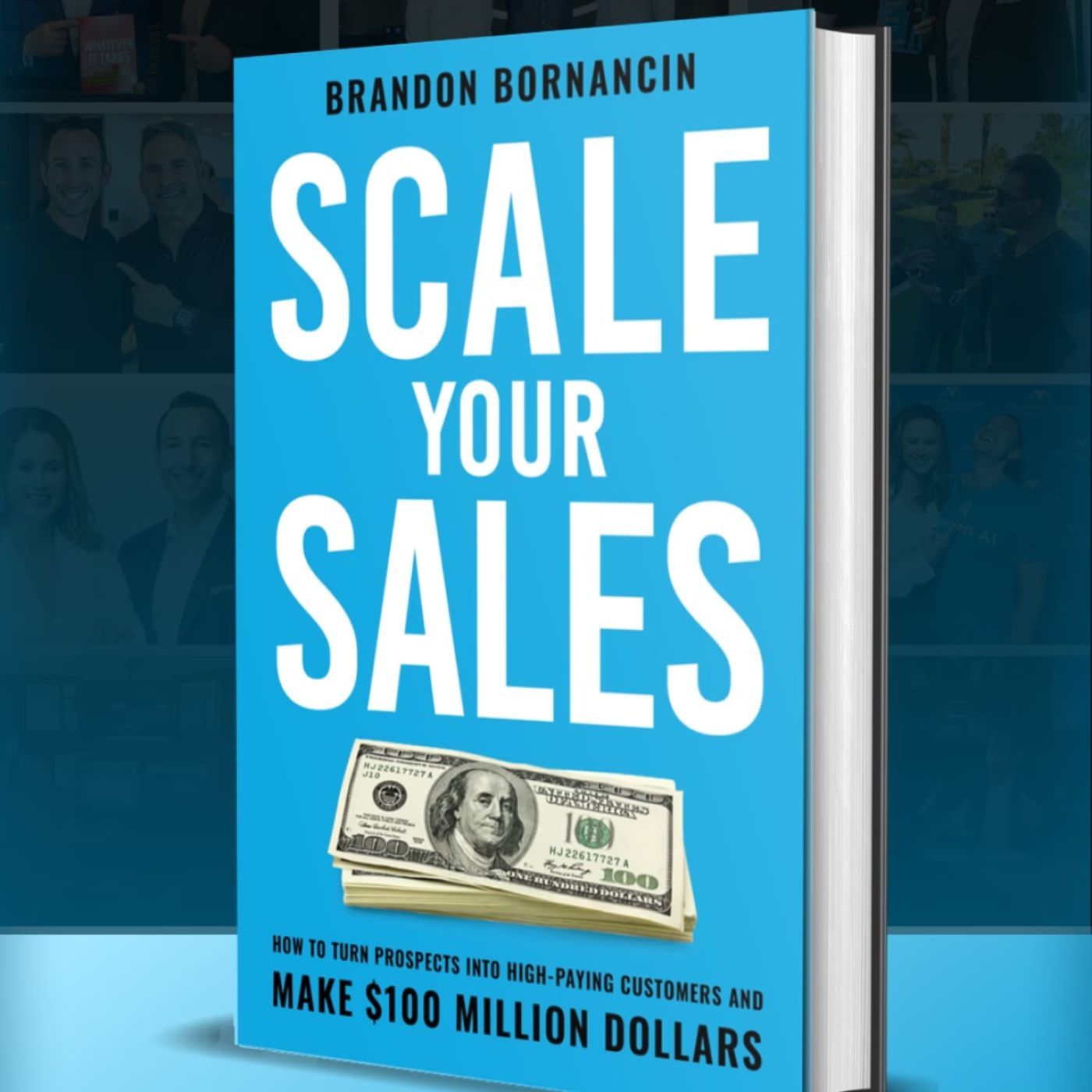
Chapter 43: Unresponsive Prospects | Scale Your Sales Audiobook
Jul 1000:12:20Tap to summarizePART 5 CLOSING: TURN MORE CONTACTS INTO CONTRACTS You’re almost through this incredible 6-part journey. Now that you’ve mastered how to overcome the most common sales objections, you’re equipped to find, pitch, and close any prospect, no matter the situation. Closing is the most important part of the sales process. It’s when all your hard work finally pays off. At the close, everything comes together. This is the critical exchange point where all the value you’ve built and the trust you’ve earned come together. Success in business and life boils down to your ability to close the sale. The difference between those who thrive and those who struggle isn’t luck or talent; it’s closing the sale when it matters most. Every conversation is a sale, whether you’re negotiating a multimillion-dollar contract or persuading a client to take the next step. In this part of the book, you’ll learn how to become a top closer and why closing is a crucial life skill to improve your revenue and the quality of your life. In this section, you’ll learn the top closing strategies that separate the top 1% from the rest. Lessons span: Value-Added Follow-Up: The money is in the follow-up. Plan out how to keep nurturing the prospect and getting everyone on the buying committee to sign the deal. Close or Lose – Nothing Else Matters: Understand why closing is a non-negotiable and how mastering this skill is the key to your success. Yes, Your Prospect Is Ready to Buy!: Get strategies to lock in the sale and close the deal. If you can’t close, you can’t win. Master the art of closing and you’ll unleash your success. Re-engage Unresponsive Prospects: Use these strategies to re-engage prospects who have gone silent.
Transcribe →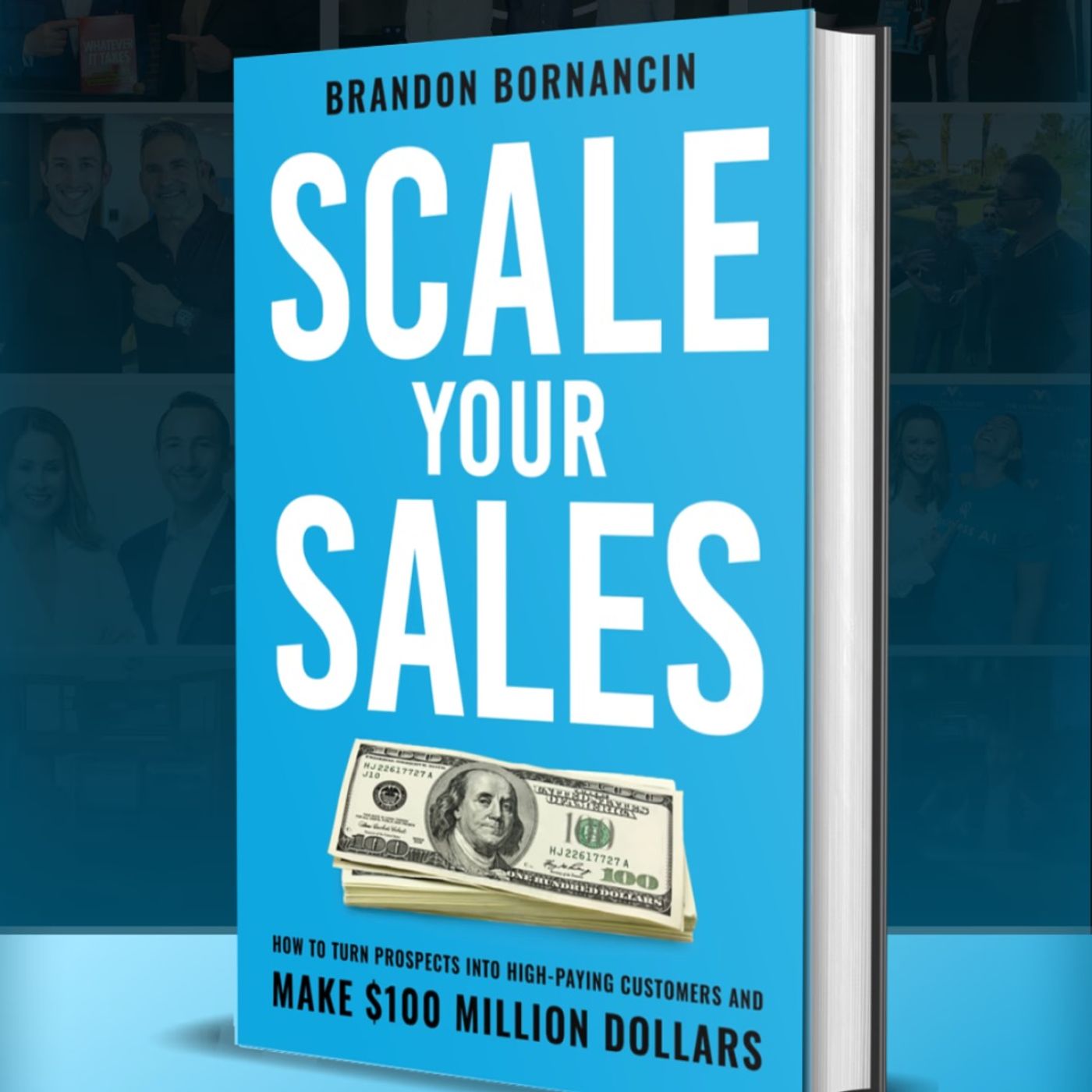
Chapter 42: Yes, I'm Ready To Buy | Scale Your Sales Audiobook
Jul 1000:05:17Tap to summarizePART 5 CLOSING: TURN MORE CONTACTS INTO CONTRACTS You’re almost through this incredible 6-part journey. Now that you’ve mastered how to overcome the most common sales objections, you’re equipped to find, pitch, and close any prospect, no matter the situation. Closing is the most important part of the sales process. It’s when all your hard work finally pays off. At the close, everything comes together. This is the critical exchange point where all the value you’ve built and the trust you’ve earned come together. Success in business and life boils down to your ability to close the sale. The difference between those who thrive and those who struggle isn’t luck or talent; it’s closing the sale when it matters most. Every conversation is a sale, whether you’re negotiating a multimillion-dollar contract or persuading a client to take the next step. In this part of the book, you’ll learn how to become a top closer and why closing is a crucial life skill to improve your revenue and the quality of your life. In this section, you’ll learn the top closing strategies that separate the top 1% from the rest. Lessons span: Value-Added Follow-Up: The money is in the follow-up. Plan out how to keep nurturing the prospect and getting everyone on the buying committee to sign the deal. Close or Lose – Nothing Else Matters: Understand why closing is a non-negotiable and how mastering this skill is the key to your success. Yes, Your Prospect Is Ready to Buy!: Get strategies to lock in the sale and close the deal. If you can’t close, you can’t win. Master the art of closing and you’ll unleash your success. Re-engage Unresponsive Prospects: Use these strategies to re-engage prospects who have gone silent.
Transcribe →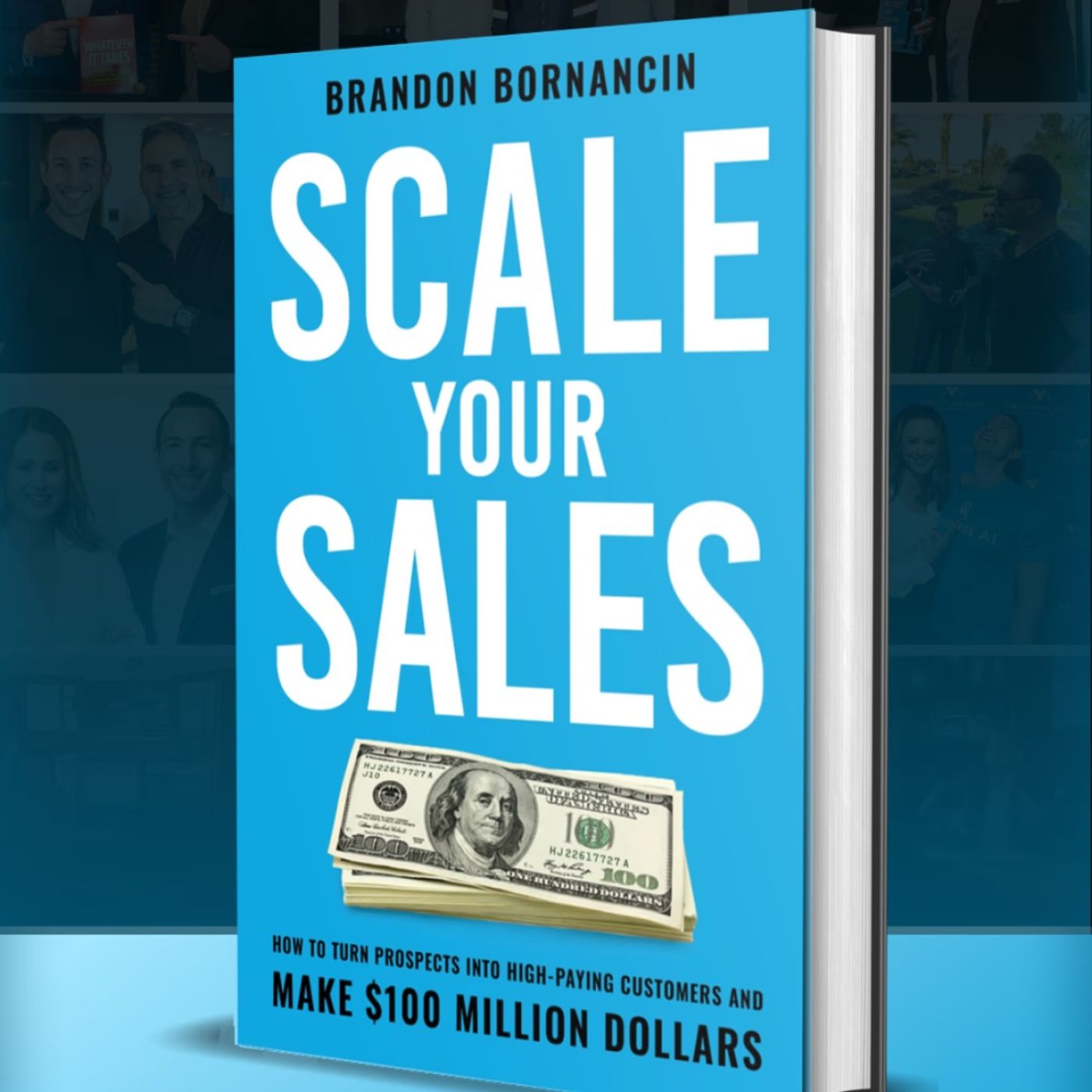
Chapter 41: Close or Lose, Nothing Else Matters | Scale Your Sales Audiobook
Jul 1000:11:56Tap to summarizePART 5 CLOSING: TURN MORE CONTACTS INTO CONTRACTS You’re almost through this incredible 6-part journey. Now that you’ve mastered how to overcome the most common sales objections, you’re equipped to find, pitch, and close any prospect, no matter the situation. Closing is the most important part of the sales process. It’s when all your hard work finally pays off. At the close, everything comes together. This is the critical exchange point where all the value you’ve built and the trust you’ve earned come together. Success in business and life boils down to your ability to close the sale. The difference between those who thrive and those who struggle isn’t luck or talent; it’s closing the sale when it matters most. Every conversation is a sale, whether you’re negotiating a multimillion-dollar contract or persuading a client to take the next step. In this part of the book, you’ll learn how to become a top closer and why closing is a crucial life skill to improve your revenue and the quality of your life. In this section, you’ll learn the top closing strategies that separate the top 1% from the rest. Lessons span: Value-Added Follow-Up: The money is in the follow-up. Plan out how to keep nurturing the prospect and getting everyone on the buying committee to sign the deal. Close or Lose – Nothing Else Matters: Understand why closing is a non-negotiable and how mastering this skill is the key to your success. Yes, Your Prospect Is Ready to Buy!: Get strategies to lock in the sale and close the deal. If you can’t close, you can’t win. Master the art of closing and you’ll unleash your success. Re-engage Unresponsive Prospects: Use these strategies to re-engage prospects who have gone silent.
Transcribe →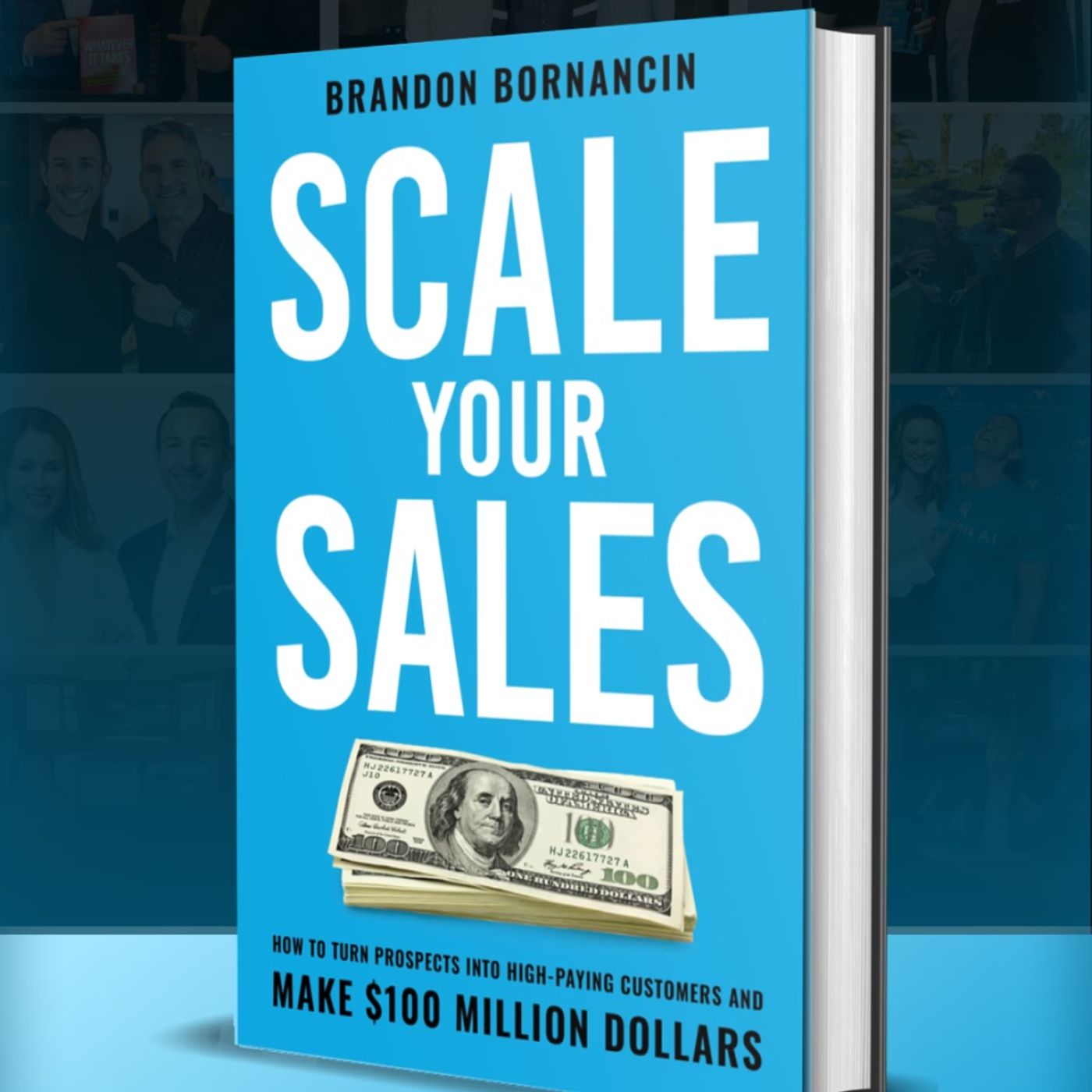
Chapter 40: The Money Is In The Follow-Up | Scale Your Sales Audiobook
Jul 1000:16:46Tap to summarizePART 5 CLOSING: TURN MORE CONTACTS INTO CONTRACTS You’re almost through this incredible 6-part journey. Now that you’ve mastered how to overcome the most common sales objections, you’re equipped to find, pitch, and close any prospect, no matter the situation. Closing is the most important part of the sales process. It’s when all your hard work finally pays off. At the close, everything comes together. This is the critical exchange point where all the value you’ve built and the trust you’ve earned come together. Success in business and life boils down to your ability to close the sale. The difference between those who thrive and those who struggle isn’t luck or talent; it’s closing the sale when it matters most. Every conversation is a sale, whether you’re negotiating a multimillion-dollar contract or persuading a client to take the next step. In this part of the book, you’ll learn how to become a top closer and why closing is a crucial life skill to improve your revenue and the quality of your life. In this section, you’ll learn the top closing strategies that separate the top 1% from the rest. Lessons span: Value-Added Follow-Up: The money is in the follow-up. Plan out how to keep nurturing the prospect and getting everyone on the buying committee to sign the deal. Close or Lose – Nothing Else Matters: Understand why closing is a non-negotiable and how mastering this skill is the key to your success. Yes, Your Prospect Is Ready to Buy!: Get strategies to lock in the sale and close the deal. If you can’t close, you can’t win. Master the art of closing and you’ll unleash your success. Re-engage Unresponsive Prospects: Use these strategies to re-engage prospects who have gone silent.
Transcribe →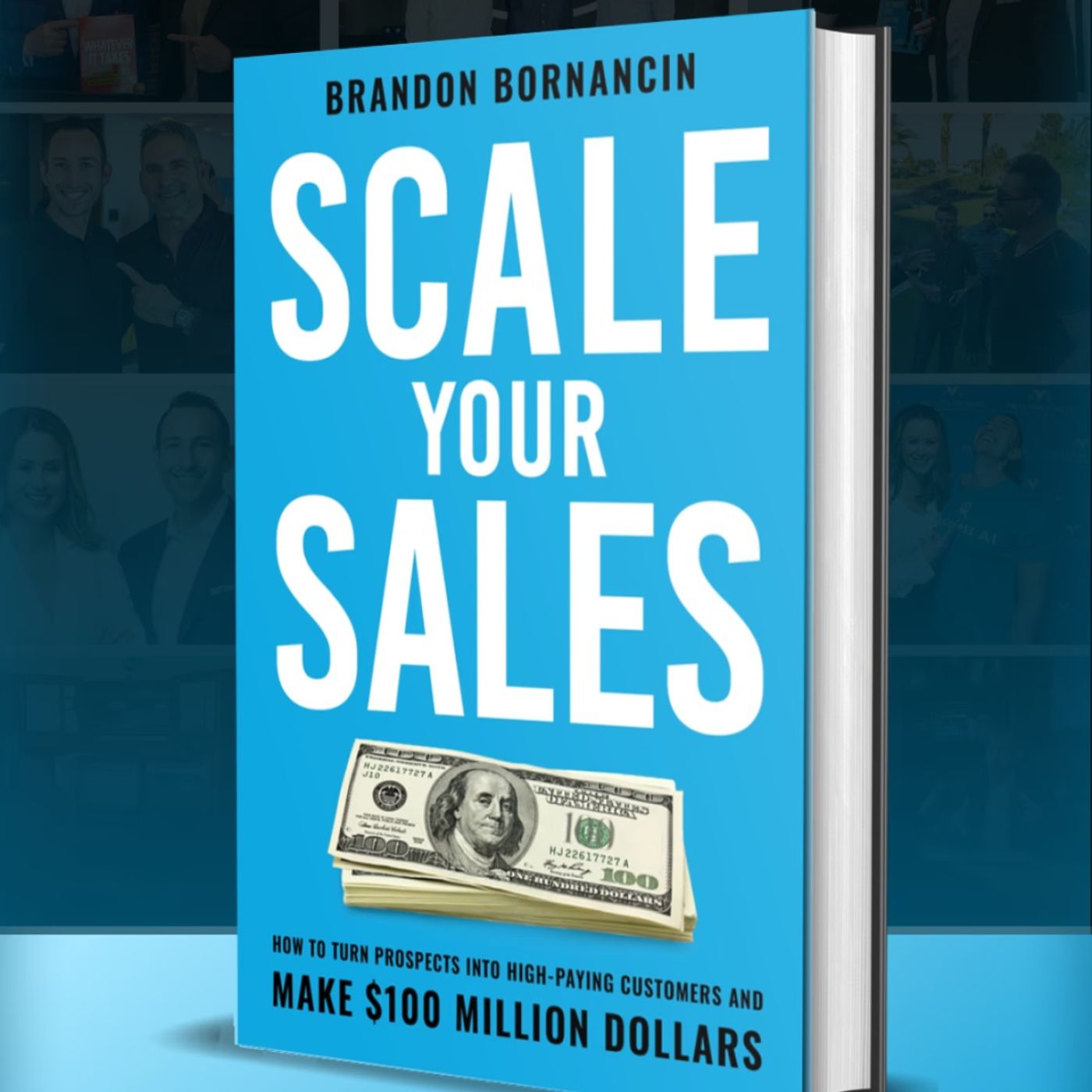
Chapter 39: Yes, I'm Interested | Scale Your Sales Audiobook
Jul 1000:05:26Tap to summarizePART 4: SALES OBJECTIONS: TURN CONCERN INTO CLOSED WON DEALS When you master the objection, you win the sale. After delivering a strong pitch, one of the last steps in the sales process is addressing and overcoming sales objections. Sales objections are any reason, concern, hesitation, or excuse that a prospect gives for not buying. The objection is not the end of the sale. It is the moment that decides it. Every deal lives or dies in the few minutes after resistance appears. When a prospect says it is too expensive, they need to think about it, or they are looking at a competitor, the amateur gets defensive, discounts, or retreats. The closer leans in. Objections are buying signals wrapped in fear, uncertainty, and risk. If you cannot confidently control that moment, you cannot scale your income. Mastering objections means staying calm, asking the right questions, uncovering the real concern, and resolving it with certainty and proof. Handle it with precision and you earn trust, authority, and the signature. Handle it poorly and the deal disappears forever. In sales, you either close or you lose. The best closers and highest growth companies know that sales objections are a necessary part of the sales process. Objections are a signal that the prospect needs more information, clarity, or proof before committing. If you know how to overcome sales objections, you can sell anything to anyone. In this section of the book, I’ve broken down all the top sales objections and scripts into their own chapter: I’m not interested I’m already working with someone It’s too expensive Send me more information I’m not the right person I need to talk to my boss I need to think about it I don’t have time How much is it? Tell me more Who is this? Call me back later I’m in a meeting Yes, I’m interested Objections aren’t roadblocks. They are bridges you cross to win the sale. In this part of the book, I give you all the exact word-for-word scripts, strategies, frameworks, and playbooks to win over 51,036 customers and generate over $250 million in revenue. If you can prepare to overcome sales objections with confidence, you’ll drastically increase your close rates and move more prospects from “No” or “Maybe” to “Yes! Where do I sign?”
Transcribe →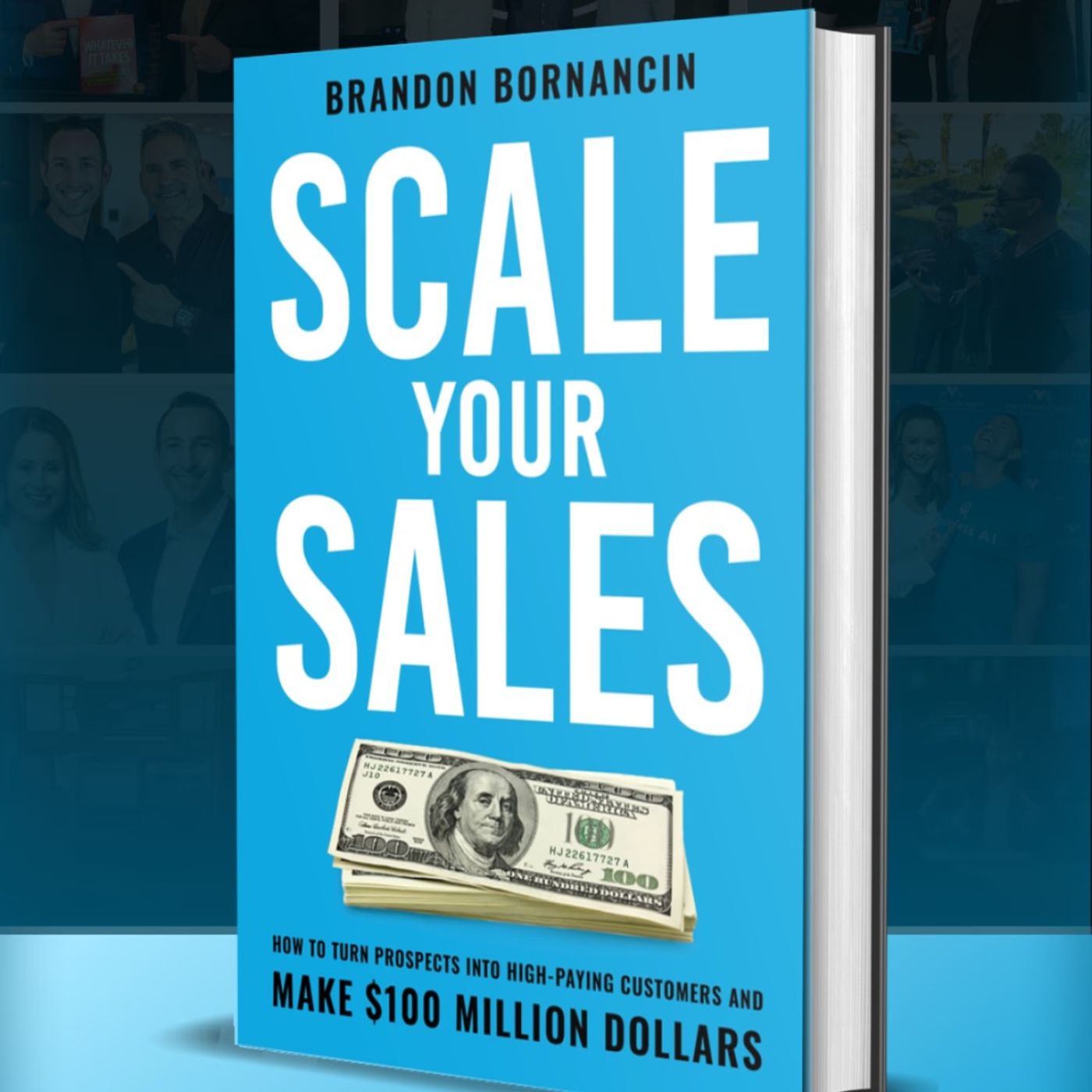
Chapter 38: I'm In A Meeting | Scale Your Sales Audiobook
Jul 1000:04:18Tap to summarizePART 4: SALES OBJECTIONS: TURN CONCERN INTO CLOSED WON DEALS When you master the objection, you win the sale. After delivering a strong pitch, one of the last steps in the sales process is addressing and overcoming sales objections. Sales objections are any reason, concern, hesitation, or excuse that a prospect gives for not buying. The objection is not the end of the sale. It is the moment that decides it. Every deal lives or dies in the few minutes after resistance appears. When a prospect says it is too expensive, they need to think about it, or they are looking at a competitor, the amateur gets defensive, discounts, or retreats. The closer leans in. Objections are buying signals wrapped in fear, uncertainty, and risk. If you cannot confidently control that moment, you cannot scale your income. Mastering objections means staying calm, asking the right questions, uncovering the real concern, and resolving it with certainty and proof. Handle it with precision and you earn trust, authority, and the signature. Handle it poorly and the deal disappears forever. In sales, you either close or you lose. The best closers and highest growth companies know that sales objections are a necessary part of the sales process. Objections are a signal that the prospect needs more information, clarity, or proof before committing. If you know how to overcome sales objections, you can sell anything to anyone. In this section of the book, I’ve broken down all the top sales objections and scripts into their own chapter: I’m not interested I’m already working with someone It’s too expensive Send me more information I’m not the right person I need to talk to my boss I need to think about it I don’t have time How much is it? Tell me more Who is this? Call me back later I’m in a meeting Yes, I’m interested Objections aren’t roadblocks. They are bridges you cross to win the sale. In this part of the book, I give you all the exact word-for-word scripts, strategies, frameworks, and playbooks to win over 51,036 customers and generate over $250 million in revenue. If you can prepare to overcome sales objections with confidence, you’ll drastically increase your close rates and move more prospects from “No” or “Maybe” to “Yes! Where do I sign?”
Transcribe →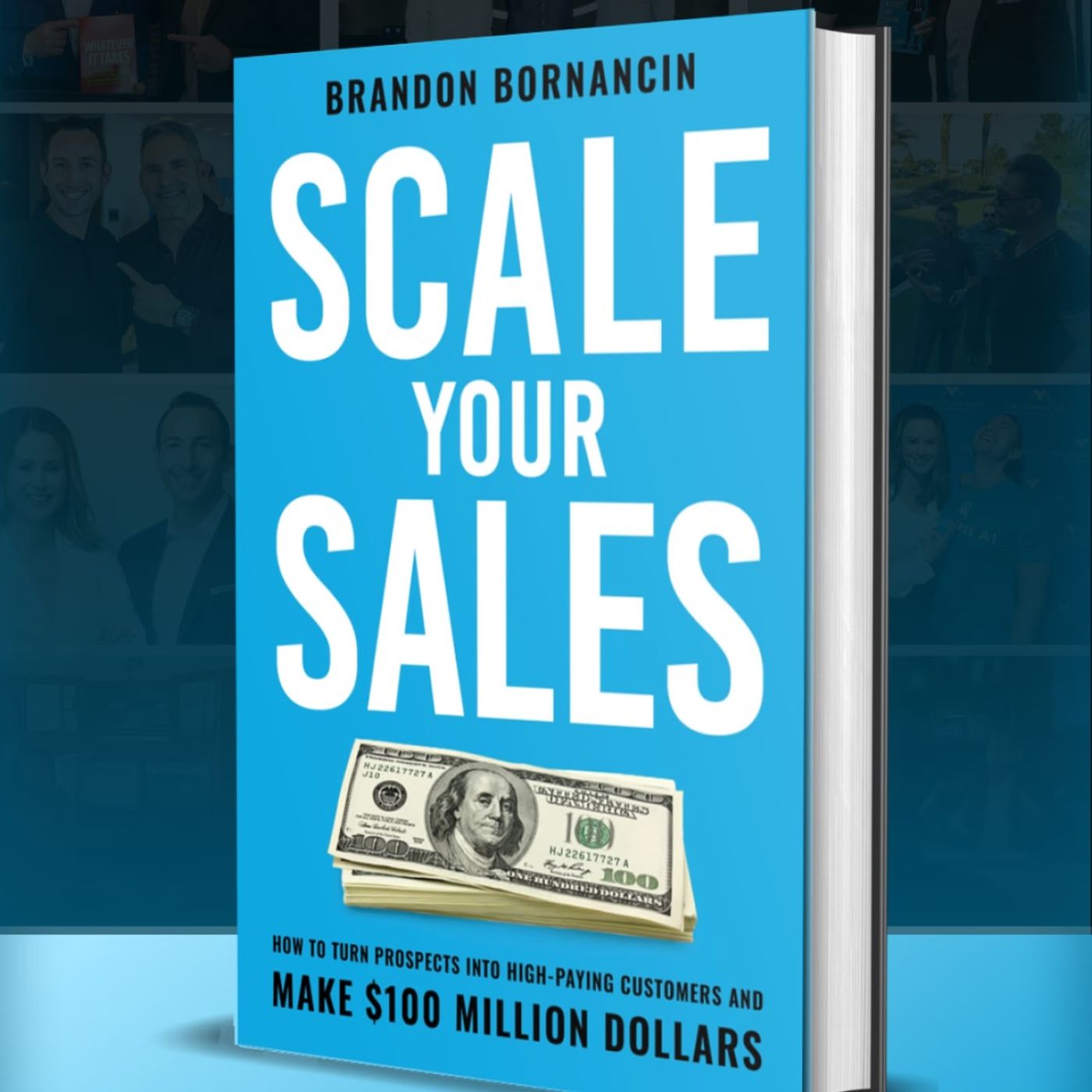
Chapter 37: Call Me Back Later | Scale Your Sales Audiobook
Jul 1000:09:51Tap to summarizePART 4: SALES OBJECTIONS: TURN CONCERN INTO CLOSED WON DEALS When you master the objection, you win the sale. After delivering a strong pitch, one of the last steps in the sales process is addressing and overcoming sales objections. Sales objections are any reason, concern, hesitation, or excuse that a prospect gives for not buying. The objection is not the end of the sale. It is the moment that decides it. Every deal lives or dies in the few minutes after resistance appears. When a prospect says it is too expensive, they need to think about it, or they are looking at a competitor, the amateur gets defensive, discounts, or retreats. The closer leans in. Objections are buying signals wrapped in fear, uncertainty, and risk. If you cannot confidently control that moment, you cannot scale your income. Mastering objections means staying calm, asking the right questions, uncovering the real concern, and resolving it with certainty and proof. Handle it with precision and you earn trust, authority, and the signature. Handle it poorly and the deal disappears forever. In sales, you either close or you lose. The best closers and highest growth companies know that sales objections are a necessary part of the sales process. Objections are a signal that the prospect needs more information, clarity, or proof before committing. If you know how to overcome sales objections, you can sell anything to anyone. In this section of the book, I’ve broken down all the top sales objections and scripts into their own chapter: I’m not interested I’m already working with someone It’s too expensive Send me more information I’m not the right person I need to talk to my boss I need to think about it I don’t have time How much is it? Tell me more Who is this? Call me back later I’m in a meeting Yes, I’m interested Objections aren’t roadblocks. They are bridges you cross to win the sale. In this part of the book, I give you all the exact word-for-word scripts, strategies, frameworks, and playbooks to win over 51,036 customers and generate over $250 million in revenue. If you can prepare to overcome sales objections with confidence, you’ll drastically increase your close rates and move more prospects from “No” or “Maybe” to “Yes! Where do I sign?”
Transcribe →