← Scamanda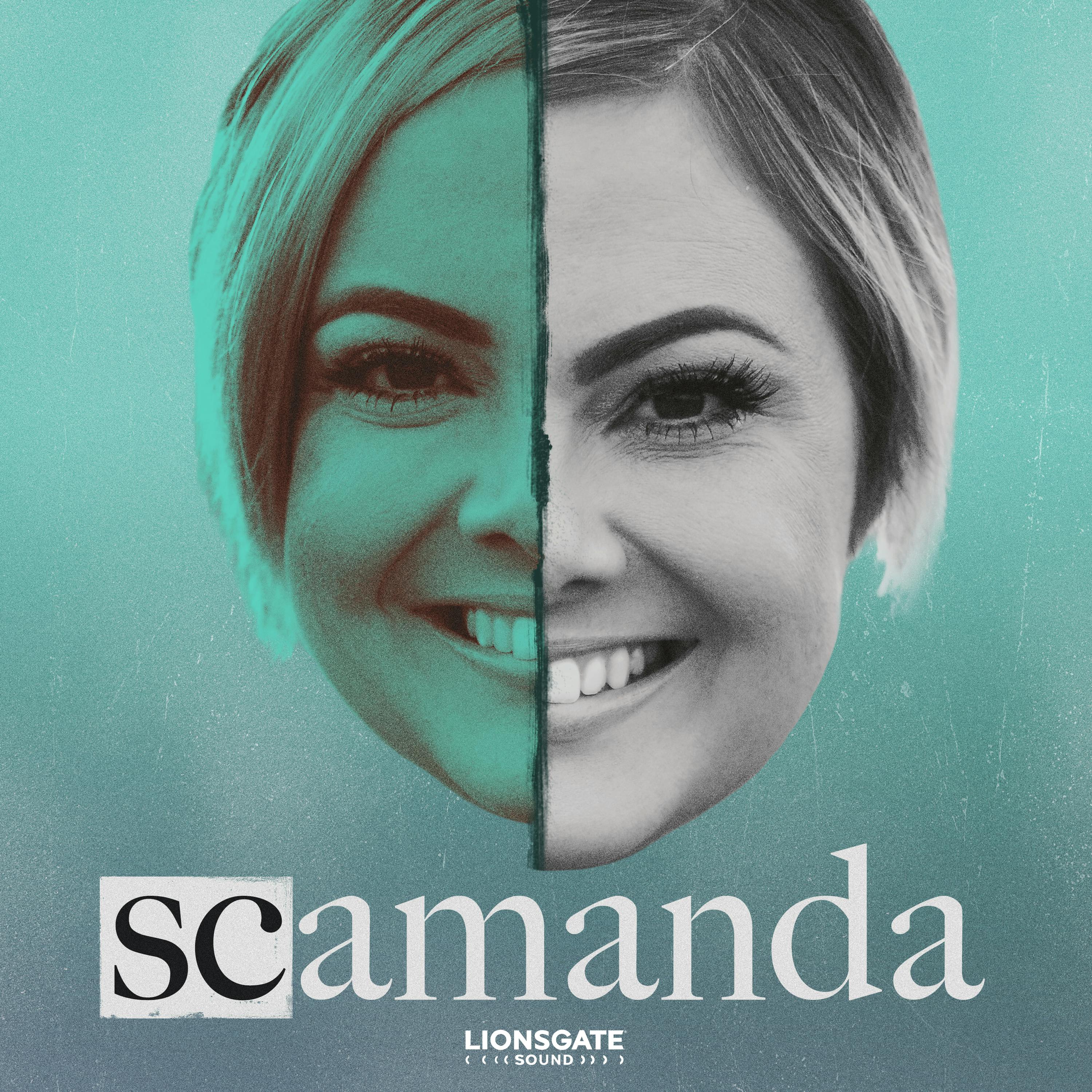
Loading summary
Transcript62 lines
- [00:01]
Charlie Webster
Wow.
- [00:01]
Kathleen Goldhar
What's up?
- [00:02]
Charlie Webster
I just bought and financed a car.
- [00:04]
Kathleen Goldhar
Through Carvana in minutes. You, the person who agonized four weeks over whether to paint your walls eggshell or off white, bought and financed a car in minutes.
- [00:12]
Charlie Webster
They made it easy. Transparent terms, customizable down and monthly.
- [00:16]
Nancy
Didn't even have to do any paperwork.
- [00:17]
Kathleen Goldhar
Wow.
- [00:18]
Charlie Webster
Mm. Hey, have you checked out that spreadsheet I sent you for our dinner?
- [00:22]
Corey
Options Finance your car with Carvana and.
- [00:25]
Kathleen Goldhar
Experience total control financing subject to credit approval.
- [00:30]
Ryan Reynolds
Dear old work platform. It's not you, it's us. Actually, it is you. Endless onboarding, constant IT bottlenecks. We've had enough. We need a platform that just gets us. And to be honest, we've met someone new. They're called Monday.com and it was love at first onboarding. Their beautiful dashboards, their customizable workflows got us floating on a digital cloud nine. So no hard feelings, but we're moving on Monday.com, the first work platform you'll love to use.
- [01:00]
Corey
If there's one thing that my family and friends know me for, it's being an amazing gift giver. I owe it all to celebration's passport from 1-800-flowers.com, my one stop shopping site that has amazing gifts for every occasion. With Celebrations Passport, I get free shipping on thousands of amazing gifts. And the more gifts I give, the more perks and rewards I earn. To learn more and take your gift giving to the next level, visit 1-800-flowers.com acastra. That's 1-800-flowers. Com acast.
- [01:30]
Detective Jose Martinez
Hey, I'm Ryan Reynolds. Recently, I asked Mint Mobile's legal team if big wireless companies are allowed to raise prices due to inflation. They said yes. And then when I asked if raising prices technically violates those onerous two year contracts, they said, what the are you talking about, you insane Hollywood? So, to recap, we're cutting the price of mint unlimited from $30 a month to just $15 a month. Give it a try@mintmobile.com Switch $45 upfront.
- [01:56]
Kathleen Goldhar
Payment equivalent to $15 per month. New customers on first 3 month plan only taxes and lower above 40 GB details.
- [02:03]
Nancy
The following episode contains difficult subject matter, including references to sexual assault. Please take care. I'm Kathleen Goldhar. This is Crime Story. Every week, a new crime with the storyteller who knows it best. One of the biggest podcasts of the year followed the cancer journey of a young woman named Amanda C. Reilly. In 2012, Amanda's life was turned upside down when she was diagnosed with stage four cancer and for nearly 10 years, Amanda fought hard, braving several relapses with the help of friends and family and. And a community of online strangers. But there was just one problem. Amanda never had cancer. Host and producer Charlie Webster spent years digging into Amanda's web of lies and created the hit podcast Scamanda. Charlie, welcome to Crime Story.
- [03:13]
Charlie Webster
Hi, Kathleen and everyone, listeners, thank you so much for having me on. I'm excited to talk, talk through Scamander because there's so many nitty gritty, nuanced details behind the scenes that I think.
- [03:24]
Nancy
We can discuss and before we discuss. And I have such a joy every time I get to say this. Cause there's been more than one. But we can disclose that we have worked together before. So that's something that I always want people to know. That I actually know you on a more personal level than just the woman who produced a massive hit podcast.
- [03:43]
Charlie Webster
I love that we actually know each other. Yeah, we actually do. We worked on the Shermans together, something I'm really proud of. And you did a brilliant job bringing that to justice. So, yeah, it was great to work with you and I'm glad that we can carry on talking about different stories as well, and hopefully we're together again.
- [04:02]
Nancy
That would be awesome. But let's talk about Amanda, because she is quite the character. Tell me who Amanda was. Is she still alive? Despite. Despite her diagnosis, despite having cancer many.
- [04:14]
Charlie Webster
Times at stage four and then recovering, relapsing. Recovering, relapsing. You gave a great introduction because Amanda started a blog in 2012, which you talked about, called Lymphoma Can Suck It. And she detailed her cancer journey so, so intimately, so so many people connected to it. And she gave hope to a lot of people. You've got to think about the time as well. You know, now we've got everything under the sun. We've got TikTok, Instagram, Twitter, you name it. You know, the. The world is small. And in 2012, it wasn't necessarily like that. Everybody was on Twitter and everybody was blogging. So it was the time of, like, the fitness blog, the cooking blog, the mummy blog. So she hit that blogger sphere moment and she. Such a convoluted story because there's so much more to it. But she originally was part of this family because she came into this family as a 17 year old where she taught cheer because the eldest of the two girls had, guess what? Lymphoma. Hodgkin's lymphoma. And so Amanda was 17 and she was helping with this person's non curricular activities, but she basically ends up marrying the husband of that family. Then the couple, Alita and Corey, who were the parents of the two young girls. Amanda ended up marrying Corey down the line and who was 12 years her senior. So if you kind of think, oh, where, you know, maybe there's lots of different plays of where this might have come from, you know, and the fact that she spent a long time with a young girl who had Hodgkin's lymphoma and then later she had Hodgkin's lymphoma. But going back to the story, and because it is, it's not just about this woman who faked cancer. It's about a story about psychological manipulation. It's about a family and you know, what lies can do to a family as well as a wider community as well as to the many, many thousands of people that she forwarded. But this went on for years and years and years and years. And she became part of a church and a massive mega church. You know, the churches that you kind of see on the tv, you've got so, so many people in the crowd and the energy and, you know, she was part of that. She ended up calling herself the anointed one. You know, people thought she was a miracle. But the key thing really to it is a lot of people, like, how can people, how can she. People have been duped by her. And I don't know, I always think, well, you would never question somebody who has cancer. She had the best disguise ever because you're not going to question anybody that's got cancer. And so many of us have been touched by cancer in our lives. But she was so good. And I said to many, many of her victims who I spoke to, she was just that good. It wasn't your fault. She was that good. She, you know, fainted in church, she wet herself in church. An ambulance came to get her in church. People went to hospital to visit her in hospital, having treatment. She emulated every step of the way of somebody who had cancer. So it wasn't just like she faked cancer behind a keyboard and stole money.
- [07:42]
Nancy
And when you say victims, I want to ask you to explain. How did somebody become a victim of hers? What are you talking about when you say a victim?
- [07:51]
Charlie Webster
Yeah, it's a good question. So it wasn't just financial. You know, there was people that looked after her children. She did have two children during cancer, and one of them was called a miracle baby that actually, she said reversed the cancer, but that's another story. And, you know, there was. There was financials involved, but a lot of people didn't really care about the money. It was the fact that they were betrayed so deeply by Amanda, and it was people that, you know, raised money for her. They did, like, rallies for her. She went on the pitch in different NFL games and stood there with other survivors. So she betrayed all those people. They're all victims of hell lies because they're sat there really having to deal with something that I can only imagine. I've been through some of my own illnesses and traumas myself, and I know how isolating it is and lonely and how horrifically painful it is, not just physically, but mentally. And she sat there fine with those people that were struggling, saying she had what they had. So the victimization is so deep.
- [09:02]
Nancy
And she lied to her family, too. Right. So you include her family as her victims.
- [09:07]
Charlie Webster
Yeah. She had a stepdaughter, which was not the daughter who had cancer, but the younger sister of the girl that had cancer. So it was Corey's daughter. And Amanda called her her bonus daughter. And, you know, she was part of it. She didn't realize. But Amanda ended up using her cancer with Corey in a custody battle to get Jessa, who's the youngest daughter, away from her mom, and she ended up living with Amanda and Corey, and she was taken away from her, her own mother. And, you know, never mind what that did to her mother, Alita, but the fact that she was part of these lies, and she started to question it after a while, and she felt, you know, she was just a young girl. What was she supposed to do? You know, it's so deep in terms of victimization. So it was a really good question. And then also, people raised money for her, and people gave her money. The least painful part of it.
- [10:06]
Nancy
Right? Exactly. Because that feels just like a. Like a cut. Like, it's like, okay, this is what happened. It was for the money. I get that. It's the victimization, part of the more emotional manipulation that you start to question why somebody would want to do that to somebody else. So thousands of people, decades or at least a decade of scamming these people. She is, like, full in. This is her identity. But it does start to fall apart. How does that happen? How do cracks start to appear that at least other people start to now think that maybe these people who are waving, you know, a red flag might have been Right.
- [10:55]
Charlie Webster
Yeah. So I think it's important to break that down, because actually, not many people did think that that became something that I had to really sensitively step around when I was making this because a lot of people still believed her when I got involved, because I got involved a stage where we weren't quite sure whether she had 100% lied. Well, I wasn't. The other person was, which I'll explain who she is. But how it started was Nancy.
- [11:25]
Nancy
Who's Nancy?
- [11:26]
Charlie Webster
Yeah, Nancy's a hardcore crime producer. That's probably the best way to put her. And a very different personality to me, which I think worked very, very well. And she's really dogged and like a dog with a bone. And she got an anonymous tip. Yeah, I'm talking years ago, I'm talking like back in 2015 and said, you know, look at these blog posts. I think this woman's lying. And it became very, very personal for Nancy. And Nancy sadly lost a sister to cancer. So again, I think that really gave her that extra motivation. But then she started to speak to Alita, who is Corey's ex wife and the mother of Jessa, who's the bonus daughter. And I use that word because that's how Amanda termed her, of Amanda, who were talking about the custody battle. And Nancy could see like, you know, the pain that Amanda was causing. And so she pursued and pursued and pursued Amanda and really looked into everything and didn't believe her. And so it was Nancy who actually handed it over to, to the police and then in the end to the irs, which is how Amanda got caught. Because again, something we should talk about is it was really hard to catch Amanda legally because it's not illegal to lie. And the thing about these, these kind of crimes is they're very, very behavioral and psychological. So, you know, our justice system is, no matter where we live, pretty much adversarial, where it's about, you know, this piece of evidence, you know, you stole this. I can prove it. Whereas behavioral crimes are much harder and coercive control is much harder to prove because of our justice system. Then it just became very personal for Nancy. And the more Nancy went after Amanda, the harder Amanda played. And Amanda actually sued Nancy and got a restraining order out against her and cost Nancy a two hundred thousand dollar lawsuit. But what's interesting to your question is when you said, you know, waving the red flag, you know, did people come suspicious? No, actually they thought Nancy was one of these horrible press people that was like just going after an innocent young mother. Because Amanda's young, you know, she's I think 37, 38 now. But you know, she started doing this in her early 20s. And so, you know, this poor woman who is advocating for cancer, she's raising money, she's a stand up beacon in the community, she's got cancer herself, she's fighting stage four, she's a miracle, she's got children, she's, you know, and this horrible, you know, journalist is coming after her. And that was the narrative right up until Amanda was sentenced. Like right up until the moment she was sentenced. And even then people were like, still not sure. So that's how convincing she was. And when, you know, when I started to speak to people, it was this like, what? I just can't believe, like what, you know, it's like, this is not the Amanda I know. And it was so conflicting. Not one person. Well, I mean, a few people were like, okay, you know, actually like there were a few things in hindsight and, and you know, I spoke to people when Amanda was younger, not in the podcast, this is after. And they said that she used to lie a lot, but nobody said to me, yeah, actually she was this and she was that. But the majority of people, like, so, you know, don't want to, don't understand, like, you know, so it was actually Nancy that became the baddie. And then I actually, in the podcast try to kind of use those, the two female characters to see what you thought about either of them because again, Amanda played into the innocent victim because she's very charming. You know, I spoke to her many times. She's very, very polite, very charming, very endearing, looks you in the eye, really cons, you know, empathetic. And Nancy is a wonderful person, but is far more like on the nose and a very different manner. So I think they played into each other's roles just because of their natural mannerism.
- [16:03]
Nancy
So Amanda was so good at it and so many, like you said, you couldn't find anybody for a long time who was really ready. But who tipped off Nancy then? Do you have any idea?
- [16:14]
Charlie Webster
I do, but that's the million dollar question. I can't because I agreed that I wouldn't out this person. Now the reason why is because they felt scared over what Amanda might do. But this person didn't want to be revealed. Maybe down the line she will be because like, hint, hint, we have other projects building off of this one, but right now, like out of my duty and confidentiality to her, like, I can't say because that was part of the stipulation.
- [16:51]
Nancy
Yeah, of course, no worries. I know you've said Nancy was the one who started all this, but. So how did you get Involved. What point in the story were you brought in and. And why?
- [17:10]
Charlie Webster
So I think Nancy and I were talking about a few other stories, and she told me about this Amanda. So I was like, I can't believe somebody would do that. Let me. You know, I'd be interested to have a look. So I had to look at it. And then Nancy was like, oh, do you think you could make it into a story to, like, get the story out there? And I was like, okay, let me have a look. And I had to be really careful. That look. Nancy. Nancy absolutely hates Amanda, and Amanda absolutely hates Nancy. Right. So I had to step away from that and not have that opinion. And some listeners might be like, yeah, but she. This woman fake cancer. Yes, in hindsight, we know that, and she's been sentenced to prison. But also, it's really important, as you know, Kathleen, as a journalist, that you don't. Nothing's black and white. I really don't believe it. There's so many colors in between black and white. There's so many reasons and complexities to our behavior and why we do things. It's not an excuse, but it was really important that, like, I looked at it that way. And to be honest, Scamander, the actual story and podcast, would never have been the podcast it was if I'd have just gone in there bulldozing and gone. This woman faked cancer. This is the story because what it is is a tale of psychological manipulation. And I'll go back to your question, but the reason why I made it like I did is because I wanted the listener to feel and understand that behavior, because the behavior is actually more common. It's very narcissistic behavior, gaslighting behavior, which we hear a lot about in terms of maybe a more intimate relationship, but we hear less about in friendships or. Or in general community. But sadly, it is quite common. So I really wanted listeners to go along that journey and not have me tell them what to think or me tell them what this woman did. You know, once I started to look in the story, it really did intrigue me. I got into the stage where she was being investigated by the police. House had been raided by the police. Amanda didn't stop, stop. She carried on posting. She actually, you know, the more the police went after her, the more she turned the heat up and. And doubled down. And so I got involved in that stage. And then Nancy and me went through all the blog posts, but Nancy done so much work beforehand, and then I separated myself and started to do my own investigation.
- [19:50]
Nancy
So who who did you talk to?
- [19:52]
Charlie Webster
Nancy was close with Corey's ex wife. Again, reminder, Amanda. That's Amanda's now husband and that side of things. So I was like, okay, I'm gonna speak to more people that I know. Amanda, let's speak to the church. Let me speak to the pastor that she was very close to. Let me speak to her closest friends. And there's some people that aren't in the podcast because again, they were. They were slightly too fearful to go on tape on mic. And some actually, you know, sadly felt maybe ashamed about their. As if they were complicit even though they weren't. And that's the funny thing about our behavior. Right. And going back to the conversation about victims, we sometimes blame ourselves. And few people I spoke to were like, I don't understand how I could have not seen it. And part of my job was to also reassure them. You know, I've never been in that situation, but I have been in situations of betrayal and narcissism on the other end of it, and trauma myself. So I understand that you use self blame. It's like a really common symptom, maybe, should we say that of trauma?
- [21:05]
Nancy
But I think you particularly would be sensitive that stuff because I don't know how much I think we should talk a little bit about you because you, you have had trauma. I mean, you've been very open about it. So we're not gonna like, you know, be talking about something that you don't put out there. But I think your history does help who they see walking in the room to have that conversation. And I think probably from your background, you have a particular way of approaching those conversations that make people even subconsciously understand that, you know, what it feels like to be confused and a victim of something and unsure of how it got to that point. Am I saying that right?
- [21:50]
Charlie Webster
Yeah. Thank you and for bringing that up, because I do understand. Yeah, like, I've had a. Just a very quick one and I don't want to trigger anybody, but I was raised in very severe domestic abuse. I come from a very poor background. My mum had me as a teenager. We were homeless twice when I was younger. Then when I was a teenager, I was groomed and sexually abused by my running coach. So, you know, I had a lot of turmoil before I even turned 18. And then in my adult life, seven years ago, I fell critically ill and I ended up in a coma. And then that was another trauma and another fight. And I've also gone through the. The battle of, you know, feeling ashamed and for a long time, I felt ashamed about. About what happened to me and ashamed about my past even going into this industry. I was like, well, if people knew, know that I'm from that, because, you know, the industry is quite privileged and it's hard to come from where I've come from to even get to where the majority of people start. So, you know, I carried that, you know, that shame in even into starting media and thought that, you know, I wasn't good enough. And then after a while started to realize, to your point, that, oh, the people I'm talking to and I'm working with are people like, like me. I even did a show called Surviving El Chapo recently and I worked with Jay and Pete Flores, who are twins that turned 16 El Chapo in. And I know we're here to talk about Scamander, but, you know, that people would think, oh, they were the biggest drug traffickers in North America. And then they turned on a dime and they ended up turning El Chapo in voluntarily. It's unheard of, and put themselves at risk. And people would think, you know, what am I? I can't relate to these people, but I can. We, we spoke for hours and hours about post traumatic stress disorder. We talked about mental health. We talked about our chaotic backgrounds. We talked about, you know, their dad was in prison. We talked about they were groomed behaviorally from a young age to drug traffic from the age of like seven. And we talked about those learned behaviors and we had so much in common. So I think I soon realized that, you know, maybe I could help tell stories and help people see them on a different light, because in ways I can relate to a lot, to a lot of the emotions that. That connect to them. And I could, in the case of Scamander, in the story of Scamander, you know, even I even spoke to Amanda and. And didn't go there shouting or judging or going, give me an answer, which is what I know other people tried to do with her. You know, I'm not here to judge. I'd just love to understand and with, again, victims, and maybe some people wouldn't like being called that, but, you know, they were victims of a crime. Let's just like hard line it. It's no. No emotion or judgment around it. They actually were. And whether that's emotionally or financially or, you know, their time, people gave their so much time to Amanda and their heart to Amanda. And I think sitting with those people and helping them understand that it wasn't their fault. And every single person Said to me that they had a piece of the jigsaw in this story, right. But they didn't know the rest of it. And so. So for so many people, I was helping them put the pieces together of their own experience, which helped them process it and move to the other side. That was a very long thing. I actually. I'm gonna do a really little shameless plug as we're speaking now, Kathleen, I've not announced this, but when this comes out, I will have announced it. But I've got a book coming out on trauma in May called why it's okay to Talk about Trauma. You can tell.
- [25:49]
Nancy
That's awesome. That's awesome, Charlie. Good for you. Because you're not busy enough because you don't spend enough time writing, but whatever.
- [25:57]
Charlie Webster
I know I need to get out more.
- [25:59]
Nancy
Yeah, exactly. What did you find out about why did you go how far down that road did you get to figuring out why she behaved this way? I know that like you said, that's the one question everybody wants to know, and you're not going to get the full answer, but I'm curious to know how far down the road you got.
- [26:27]
Charlie Webster
So I did go down the rabbit hole. Nancy would think differently. Nancy thinks that it was financial. I really don't think so. I don't think it also premeditated con. And I was really in two minds about calling it Scamander, because originally we were using Scamander as a joke in Working Title, and then I ended up calling it that and I was in two minds because of the word scam, because it's scam, Amanda. So Scamander. And I didn't feel like it did it justice because of the why? Because I don't think, to me, a scam is like, I. I always think it's like a con, you know, it's something that's premeditated, people scamming people out of money. Whereas Amanda, I feel like it was something that she did and. And she lied and then it just grew from there and. And she got validation through it and she got attention through it and self worth through what she was doing. And then it just carried on and carried on and carried on. So if you're in that situation, right, you can't. When people start questioning you, if you really think about it logically, if you go, oh, no. Oh, I'm outed. I've lied, then you've got to look in the mirror and you're going to lose a lot. So that's why a lot of people double down on their lies because it's self protection. It's human self protection. Going back to fight and flight because it means that you can carry on not without losing face. So it's actually quite a common behavior for people like that. And I honestly to a point think she believed her own lies and what she was doing. And if you think about it, and again, I just want to caveat that this is not a justification, it's just to. To understand her behavior. You know, she was stood on stage and people were like in awe of her. She became a local celebrity. And, you know, that's attractive to a lot of people. It really is. A lot of people, a lot of young people, they go on TikTok, they go on YouTube because they're trying to be known and a celebrity. And I think that's what it was. She got attention, she got free things. I don't think it was about, you know, buying a Ferrari.
- [28:40]
Nancy
It's interesting that she still holds it up. So in prison, she's obviously not being treated for a cancer and she's still alive. So how is she telling you that that all makes sense?
- [28:52]
Charlie Webster
That's a really good question. I mean, she is in a medical facility, which is interesting, and she is saying that she is not very well. I don't know what with and I don't know whether whether that's true or not, but that's what I know and that's what she's telling me. And you know, she does say that she is sorry about the people that she hurt. But interestingly, when you listen to the podcast in the last episode, I had like a creator's choice to make because I play out the court situation. So I play out Amanda's whole statement and the judge's statement. And a lot of creators would have just cut that out and said, oh, she got sentenced to X amount of years. She got sentenced to five years, by the way, which was the first case of its kind. And also the recommended sentence was 12 to 18 months. And she got five years federal. And now this case is being used by police all around different states in the U.S. how to catch these people. But the reason why I played that out is because I wanted people to hear what it was like, because I was in that courtroom and I wanted to hear what Amanda said. Because you didn't actually say that she lied about it and she did, you know, she said sorry about the people that she'd hurt. But she's never actually said that she lied about cancer, which I find really interesting.
- [30:39]
Nancy
What did the Police actually charge her with. Can we talk about that? You said it's the first time, which is fascinating, and that she got more. So can you break down what they actually charged her with and like how they got her?
- [30:49]
Charlie Webster
Yeah, I find this really interesting. So the police went after her. It was the San Jose police and it was a detective called Jose Martinez, a really great guy and he's in the podcast and he went after the case and he said that he had so much work on at the time, like he was pretty much a one man department and Nancy kept pushing him. So it was Nancy that took the case to him and there was something about this that made him carry it on and pick it up. And I think it became personal for him. And that was where that was Amanda's downfall because I honestly think she'd have got away with it. But it was the fact that a lot of people resonated with it and were like, oh, that could be my family that she's targeting and taking money off. And actually like all of us know in some capacity, somebody's that's been affected by cancer, whether it's ourselves or a family member or a friend or somebody that we're close to in our community. So I think that that was her best disguise, but also was her downfall because people emotionally connected to it rather than just doing it as their job. And that's what happened with Detective Martinez. So. But he just kept getting stuck and going up against walls all the time because he couldn't work out how to get her and because she was protected by HIPAA laws. So he was phoning up hospitals and hospitals and they were like, can't give you any information about this patient. And, and, and I think it's so interesting because I think the majority of us just think, oh, she's doing something wrong, the police should get her. But it's actually not like that. They need so much evidence to be able to bring a charge. They don't tend to bring anything to court unless they think they can get a dead on conviction. HIPAA laws protect all our medical records, so it's to do with anything medically, then the police can't access it. But he did manage after a long time, and I'm talking several years, he spoke to a hospital and he describes it really well, far better than I'm doing. And he said, okay, fine, just tell me though, is this person a patient? And then they said no. So it was only by the fact that he got that confirmation that she wasn't a patient. He could Then take it to the irs, and then the IRS ended up charging her with wire fraud. She was only convicted for the money that she took online. So all the cash, I mean, I've got a picture of her where there was cash thrown at her feet on stage in church. None of that counted. All the, like, services in kind, like, you know, food and clothes and like, babysitting and fundraising and trips. Yeah, she went to New York several times. That was funded and funded, you know, in business class, you know, air flights as well. And that was all funded by people. None of that counted. So it was only the money that you gave online to donate to her. Cause that she was convicted of. Because that was the only thing that they could prove because it was through wire fraud. That was the only way they could charge her. So I think it's fascinating just even the charge aspect of how this justice system works with these kind of cases.
- [33:57]
Nancy
And I know you asked this, this gets asked in the podcast, but everybody's always curious about her husband, Corey. He was never charged. How, you know, what do you believe? Do you think he didn't know? He insists he didn't know.
- [34:08]
Charlie Webster
You're right. This is the question a lot of people ask. So he didn't get convicted. So I found a key piece of evidence, which was the audio from. Because they claimed bankruptcy twice on Amanda's medical bills. So again, it's not just the money that was taken offline that she got convicted for. There was also the money that they claim, you know, they claimed bankruptcy twice. They actually Alita, the ex wife of Corey, was paying child custody to Alita and Corey because of Amanda's medical situation. So there was a lot of money coming in from different directions that wasn't part of the actual case. But I'm. It took me probably about six months, maybe even more, to get the audio from the bankruptcy. But it. It's of Corey basically taking the oath. And he says that he goes to every single appointment with Amanda. Yeah. So there's lots of different things. If you listen carefully to anything where anybody's talking about Corey, because other people did speak about him and what he was like and, you know, the things that he did. I mean, he told people he was a fireman and he was never a fireman. You know, there's lots of little things that really didn't add up. So you can go and make your own mind up. And if they involved him, they were worried that they would actually lose them both and they wouldn't get a conviction. So they had to choose And Amanda chose not to say anything about Corey, which I think is really, really interesting. And he the whole time claimed that he didn't know. But in court I was there and Corey, you know, his daughter was giving a really emotional victim's testimony and it was really emotional. I mean, she talked about how this affected her mental health and she was really upset. And as you can imagine, like she's 19 now. And Corey just didn't even react.
- [36:03]
Nancy
And I'm assuming that the couple, they're still together and he's just waiting for his wife to come home.
- [36:08]
Charlie Webster
Yep, they're still together and he has the two, they've got two little boys and which, you know, the grandparents of both sides look after the little boys as well. And Corey's got the boys and they're still together, you know, and it was interesting because when I first got the story and you know, we were talking about how you look at a story and how I personally look at something, I was like, oh, hang on, there's like a 12 year age difference. Is there some kind is in Corey's 12 years older than Amanda? No. Is there some kind of. And I'm not saying this, this is just the way that I looked at it. I wonder if there's like some kind of coercive control here. I wonder if he's, you know, pulling the strings behind the scenes. You know, that's why I looked at, to start with. But, you know, everything I found was that it was her that started doing this. And there was, you know, when she was in college, I found out that she said she got lupus and there was things that she did in college to get out of doing certain tasks and to get attention where she lied. You know, I spoke to people when she was younger that said that she would lie about silly things. So I think this is something that's a learned behavior from very young. And I just think that Corey and her were the perfect storm because I think that my own opinion is that he's got his own things as well and that they just, this just happened and carried on and, and then they got stuck in that situation.
- [37:43]
Nancy
I think I say in my intro, it's one of the most successful podcasts of the year, but I think it's was the most successful podcast of the year. Can you tell me lastly, sort of the response that you've had since this thing blew up?
- [37:56]
Charlie Webster
Yeah, the response has been phenomenal. And it's been so fascinating reading people's comments. You know, they ask a lot about Corey, a lot of people said, you know, why didn't I talk about a diagnosis of Amanda? Like, did she have Munchausen syndrome or, you know, some kind of disorder? And the reason why I didn't was because that was never mentioned in her court case. It was never mentioned in her defense. It was never mentioned in any. By the police, any records, any medical stuff. It was not mentioned. And I thought it was really important that I didn't decide to give her a diagnosis, even if I brought a psychologist in. You know, I've said I've done a lot of psychology work myself. You know, that person's just making a judgment based on the podcast. And I thought it was important not to take that away from the victims as well. And it's a story of psychological manipulation. So that was one of the comments. And also, like, the decisions that I made, some people said, oh, you know, or you could have made it shorter. And I was like, no, because it's not about the end result. It's about how she did it, and it's about taking you on that journey. It's about immersive storytelling as well. Like, I used Amanda's blog for people that haven't listened to it. You know, Amanda's blog posts are wiped from the Internet now. And, you know, I used her blog post to help tell the journey from her point of view and what. How she did it and what she did. So it's also. It's just fascinating storytelling. Not. Let's get to the point. And also, you know, one of the things is, like, the repetition of, oh, now she's got cancer, now she hasn't. Now she's got stage four, and now she's relapsed, now she hasn't, now she's back. And the reason why there's that repetition isn't because I'm repeating things, because that's what she did. So it's important to show that if I just go, oh, you know, she's got cancer. She had it, you know, four times and relapsed four times, then that's boring. And you need to feel how she did it to understand the complexity of what she did and how. I'm talking, like, not just hundreds, thousands of people were along for the ride and believed her right up until that. There was people that stepped into that court that still believed her.
- [40:12]
Nancy
Yeah, I think that's the incredible part, is that you showed just how long it lasted and how good she was at it to maintain that lie for so long. She really had to be good at it to make you believe that somebody could relapse four times.
- [40:26]
Charlie Webster
Exactly. Yeah.
- [40:28]
Nancy
And still be alive.
- [40:30]
Charlie Webster
Yeah, exactly. But it's, you know, again, it's not, I think it's not as obvious. There's hindsight. Right. You can look back and go, no, look, I feel like I could talk about it for ages.
- [40:42]
Nancy
So thank you so much for joining us. It's really nice to see you and it's nice to hear from you again.
- [40:48]
Charlie Webster
Thank you for having me on. Thanks everyone for listening. Too Foreign.
- [41:03]
Nancy
You'Ve been listening to Crime Story from CBC Podcasts. We drop a new episode every Monday. You can get our next episode a week early on CBC podcast's YouTube channel or by subscribing to the CBC Podcast True Crime channel on Apple Podcasts. In addition to early access, subscribers to our True Crime channel also listen ad Free Crime Story is written and hosted by me, Kathleen Goldthar. Our producers are Alexis Green and Sarah Claydon. Sound design by Julia Whitman. Our senior producer is Jeff Turner, our video producer is Evan AGARD, and our YouTube producer is John Lee. Executive producers are Cecil Fernandez and Chris Oak. Tanya Springer is the senior manager of CBC Podcasts and Arif Narani is the Director of CBC Podcasts.
- [42:01]
Charlie Webster
To everyone else, this is a desk, but to you, this is opportunity.
- [42:07]
Freddie Wong
Switch to Boost Mobile and get the Coach Prime Moto G5G for $29.99 at boostmobile.com the Boost Mobile network, together with our roaming partners, covers 99% of the US population. Moto G5G for $29.99 when you switch with a new Unlimited plus or Unlimited Premium Plan Activation online only. Taxes extra. All prices, fees, features, functionality and offers are subject to change without notice. Visit boostmobile.com for details.
- [42:31]
Kathleen Goldhar
If you haven't noticed, it's winter and now more than ever, I'm in need of a little treat. That's why I joined First Leaf, a wine club that delivers my favorite types of wine right to my door. Because there's really no better treat than a glass of delicious red, white or so go ahead and treat yourself to world class wines from First Leaf. Go to TriFirstLeaf.com Winter to get your first six bottles for just $44.95 with free shipping. That's T-R-Y-F I R-S-T L E A F.com Winter hi, this is Freddie Wong.
- [43:03]
Unknown
From Dungeons and Daddies and this episode is sponsored by Rocket Money dash Houston. Houston, we have a problem and that's too many subscriptions that I don't I like to put my credit card number into sites just for the sheer thrill of it. That's the fundamental problem of the Internet and money. And Rocket Money is here to solve that. Rocket Money is a personal finance app that helps find and cancel your unwanted subscriptions, monitors your spending, and helps lower your bills. You can see all those subscriptions that you've accrued over a lifetime of putting your credit card in on the Internet in one place. If you don't want them, just cancel them with a few taps. Rocket Money can help with that. Rocket Money's over 5 million users and has saved a total of $500 million in canceled subscriptions, saving members up to 740 a year when using all the app's premium features. Stop wasting money on things you don't use. Cancel your unwanted subscriptions by going to rocketmoney.com cancelsubs that's rocketmoney.com cancelsubs, not submarines.
- [44:01]
Over the past 75 years, more than 10,000 chemicals have entered our food supply, but the EU allows just 300 additives. At Thrive Market, we prioritize quality, banning over 1,000 ingredients found in conventional grocery stores. Our Healthy Swap Scanner helps you find better versions of your pantry essentials without the junk dyes or fillers. And everything is delivered right to your doorstep. So shop at a grocery store that actually cares about your health. At thrivemarket. Com, get started for 30% off your first order and a free $60 gift.