
Podcast
Schwab Network
Hosted by Schwab Network · EN
Schwab Network is brought to you by Charles Schwab Media Productions Company (CSMPC), a subsidiary of The Charles Schwab Corporation and not a financial advisor, registered investment advisor, broker, or futures commission merchant. THE SCHWAB NETWORK SITE, CONTENT, APPS, and RELATED SERVICES, ARE ON AN “AS IS” AND “AS AVAILABLE” BASIS, WITHOUT WARRANTIES. Not an offer or solicitation in any jurisdiction where we are not authorized to do business or where such offer or solicitation would be contrary to the local laws and regulations of that jurisdiction. ©2026 CSMPC. All rights reserved.
522episodes
Episodes
Newest firstAll episodes
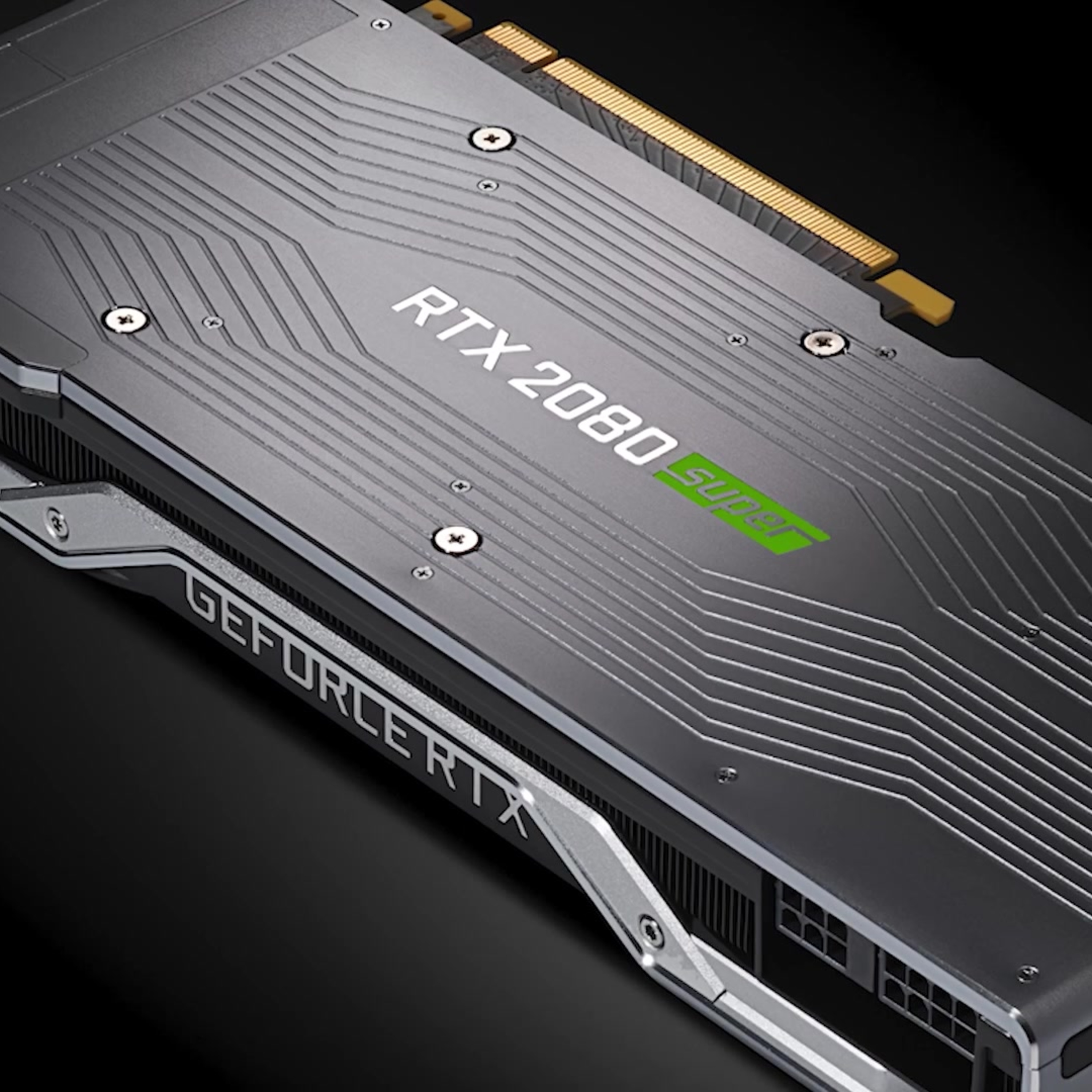
Stock Market Today: NVDA Ups AI Financing, ONON Plunges, APO Yankees Stake
Yesterday00:02:18Tap to summarizeNvidia (NVDA) makes a half-trillion-dollar financing plan for AI infrastructure. On Holding (ONON) sees its worst one-day sell-off on record. Apollo Global Management (APO) takes a stake in one of baseball's biggest teams. Marley Kayden discusses the top stories from Tuesday's trading session. ======== Schwab Network ========Empowering every investor and trader, every market day. Subscribe to the Market Minute newsletter - https://schwabnetwork.com/subscribeDownload the iOS app - https://apps.apple.com/us/app/schwab-network/id1460719185Download the Amazon Fire Tv App - https://www.amazon.com/TD-Ameritrade-Network/dp/B07KRD76C7Watch on Sling - https://watch.sling.com/1/asset/191928615bd8d47686f94682aefaa007/watchWatch on Vizio - https://www.vizio.com/en/watchfreeplus-exploreWatch on DistroTV - https://www.distro.tv/live/schwab-network/Follow us on X – https://twitter.com/schwabnetworkFollow us on Facebook – https://www.facebook.com/schwabnetworkFollow us on LinkedIn - https://www.linkedin.com/company/schwab-network/ About Schwab Network - https://schwabnetwork.com/about
Transcribe →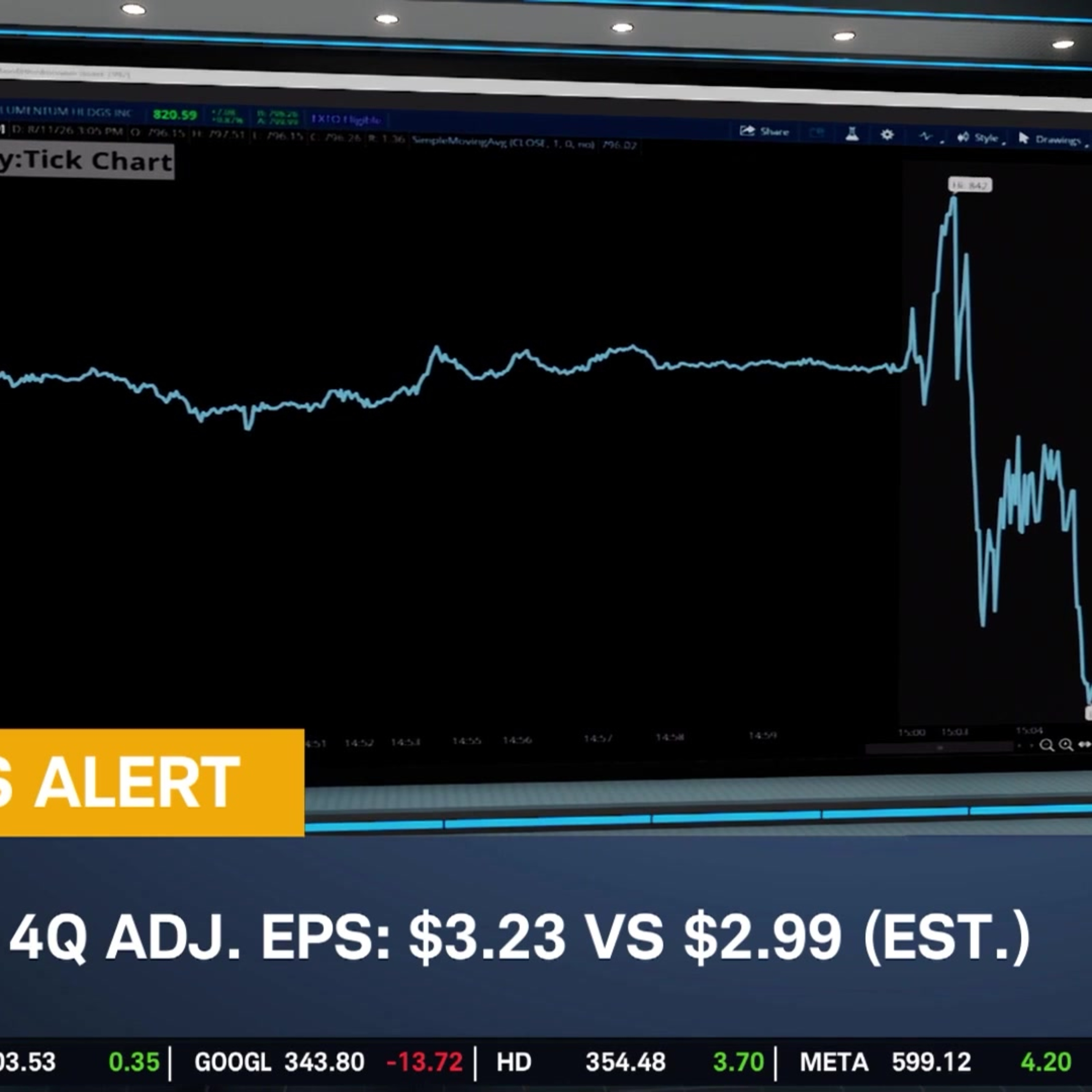
EARNINGS PANEL: CRWV, SMCI, LITE
Yesterday00:11:40Tap to summarizeWhile not as large as many Big Tech earnings as of late, Tuesday's slate of after-hour reports offer more color to the tech picture. Marley Kayden, Sam Vadas, and Alex Coffey discuss the earnings beats in CoreWeave (CRWV), Super Micro (SMCI), and Lumentum (LITE) along with the varying investor reaction to all three reports. ======== Schwab Network ========Empowering every investor and trader, every market day. Subscribe to the Market Minute newsletter - https://schwabnetwork.com/subscribeDownload the iOS app - https://apps.apple.com/us/app/schwab-network/id1460719185Download the Amazon Fire Tv App - https://www.amazon.com/TD-Ameritrade-Network/dp/B07KRD76C7Watch on Sling - https://watch.sling.com/1/asset/191928615bd8d47686f94682aefaa007/watchWatch on Vizio - https://www.vizio.com/en/watchfreeplus-exploreWatch on DistroTV - https://www.distro.tv/live/schwab-network/Follow us on X – https://twitter.com/schwabnetworkFollow us on Facebook – https://www.facebook.com/schwabnetworkFollow us on LinkedIn - https://www.linkedin.com/company/schwab-network/ About Schwab Network - https://schwabnetwork.com/about
Transcribe →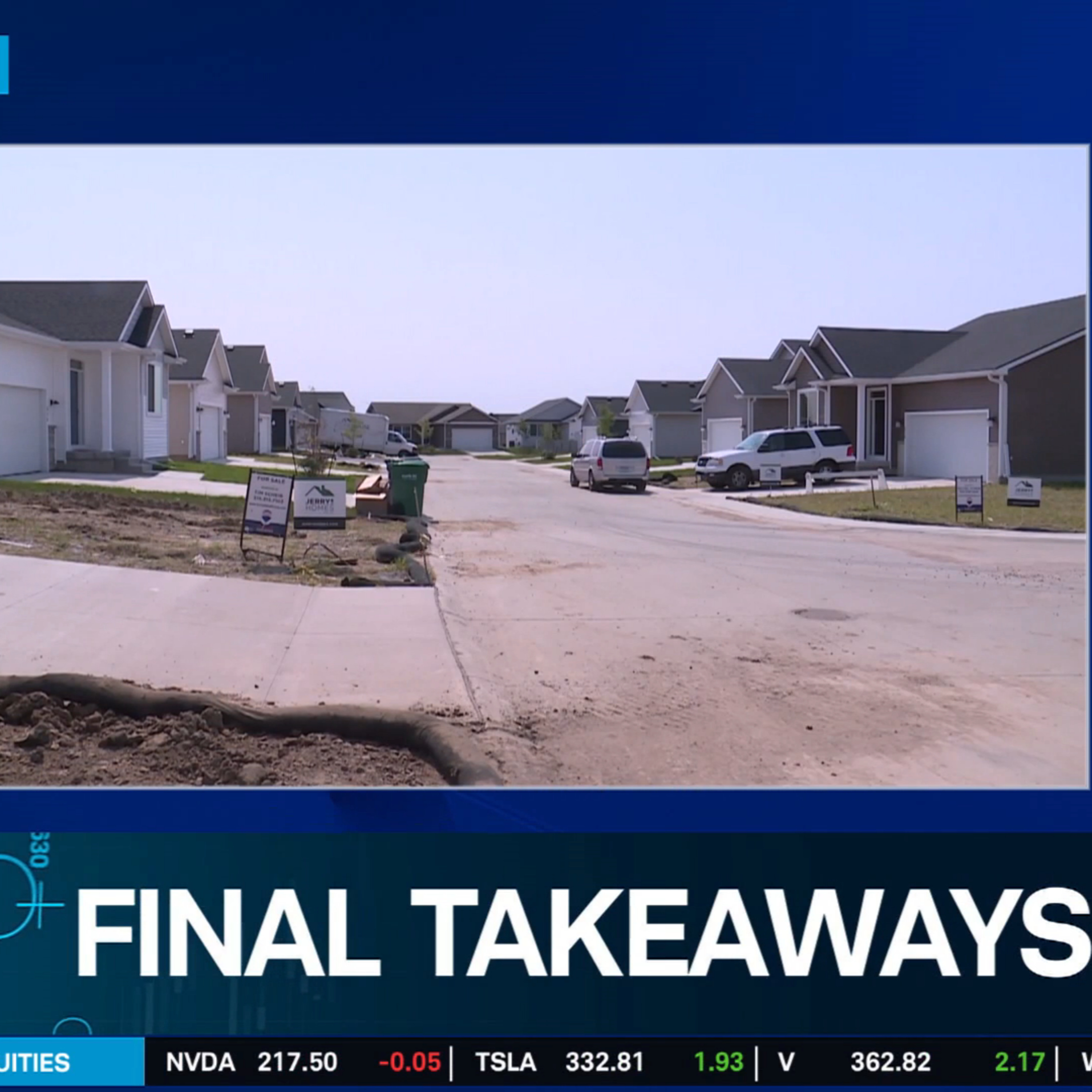
Tuesday's Final Takeaways: Chinese Stocks See Pressure & Existing Home Sales Slide
Yesterday00:04:44Tap to summarizeSam Vadas focuses on moves outside of U.S. equities by explaining what's driving the selling action in Chinese stocks on Tuesday. Marley Kayden turns to the macro front by looking at the pressure on existing home sales. ======== Schwab Network ========Empowering every investor and trader, every market day. Subscribe to the Market Minute newsletter - https://schwabnetwork.com/subscribeDownload the iOS app - https://apps.apple.com/us/app/schwab-network/id1460719185Download the Amazon Fire Tv App - https://www.amazon.com/TD-Ameritrade-Network/dp/B07KRD76C7Watch on Sling - https://watch.sling.com/1/asset/191928615bd8d47686f94682aefaa007/watchWatch on Vizio - https://www.vizio.com/en/watchfreeplus-exploreWatch on DistroTV - https://www.distro.tv/live/schwab-network/Follow us on X – https://twitter.com/schwabnetworkFollow us on Facebook – https://www.facebook.com/schwabnetworkFollow us on LinkedIn - https://www.linkedin.com/company/schwab-network/ About Schwab Network - https://schwabnetwork.com/about
Transcribe →
AI, Robotaxis, NVDA, AMD and the Trillion-Dollar Demand Boom Ahead
Yesterday00:06:53Tap to summarizeARK Invest's Brett Winton discusses how AI is becoming a powerful macroeconomic force, driving investment in data centers, cloud infrastructure and semiconductors. He highlights opportunities tied to Nvidia (NVDA), AMD Inc. (AMD), robotaxis and AI adoption, projecting trillions of dollars in new demand and economic activity by 2030.======== Schwab Network ========Empowering every investor and trader, every market day. Subscribe to the Market Minute newsletter - https://schwabnetwork.com/subscribeDownload the iOS app - https://apps.apple.com/us/app/schwab-network/id1460719185Download the Amazon Fire Tv App - https://www.amazon.com/TD-Ameritrade-Network/dp/B07KRD76C7Watch on Sling - https://watch.sling.com/1/asset/191928615bd8d47686f94682aefaa007/watchWatch on Vizio - https://www.vizio.com/en/watchfreeplus-exploreWatch on DistroTV - https://www.distro.tv/live/schwab-network/Follow us on X – https://twitter.com/schwabnetworkFollow us on Facebook – https://www.facebook.com/schwabnetworkFollow us on LinkedIn - https://www.linkedin.com/company/schwab-network/ About Schwab Network - https://schwabnetwork.com/about
Transcribe →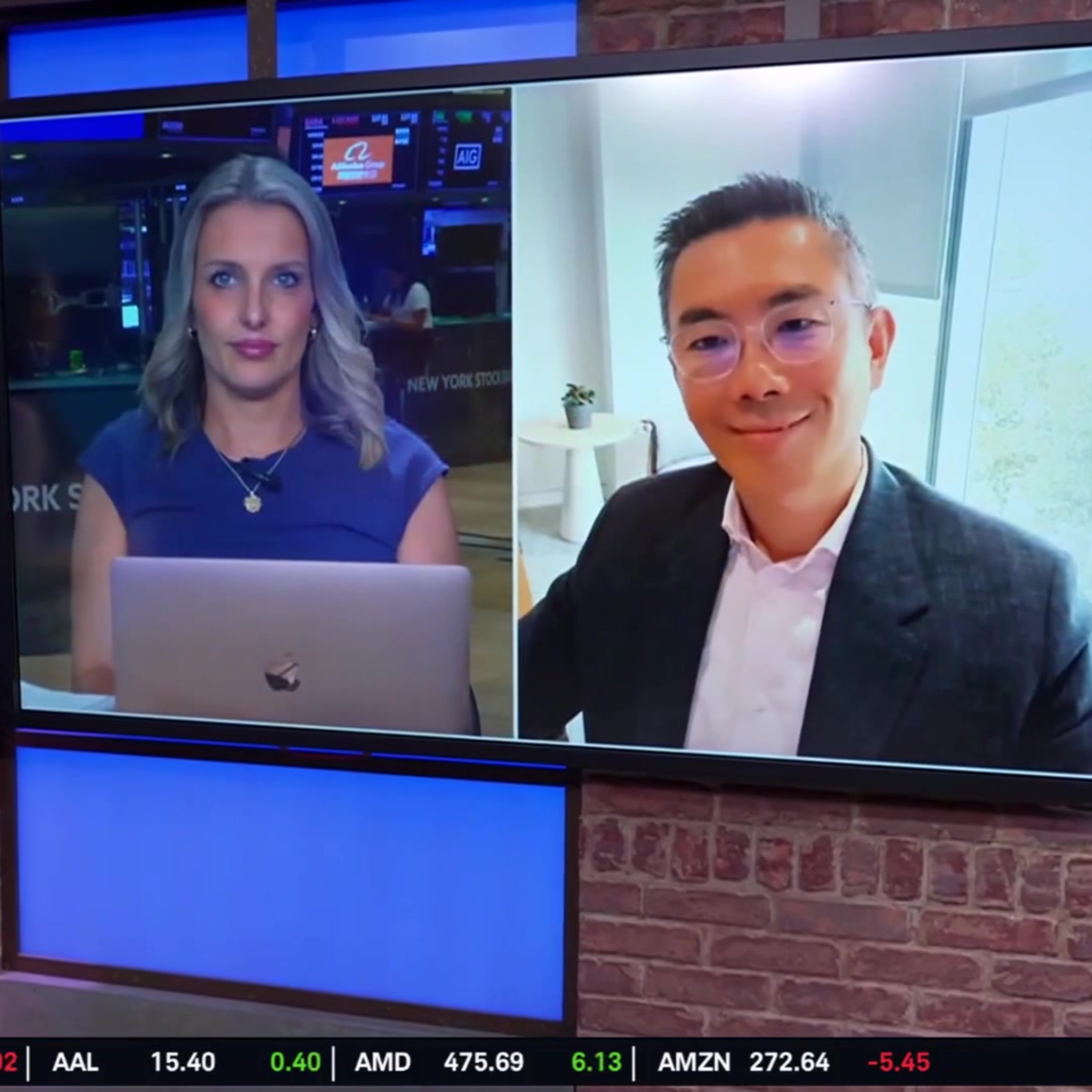
Data Centers & Logistics Power the Commercial Real Estate Comeback
Yesterday00:06:05Tap to summarizeHenry Chin of CBRE highlights a 25% increase in U.S. commercial real estate transaction volume in the first half of 2026, pushing activity above pre-pandemic levels. He discusses how demand for data centers, modern logistics facilities and advanced manufacturing sites is creating new opportunities, with AI adoption, reshoring trends and strong leasing activity supporting continued growth.======== Schwab Network ========Empowering every investor and trader, every market day. Subscribe to the Market Minute newsletter - https://schwabnetwork.com/subscribeDownload the iOS app - https://apps.apple.com/us/app/schwab-network/id1460719185Download the Amazon Fire Tv App - https://www.amazon.com/TD-Ameritrade-Network/dp/B07KRD76C7Watch on Sling - https://watch.sling.com/1/asset/191928615bd8d47686f94682aefaa007/watchWatch on Vizio - https://www.vizio.com/en/watchfreeplus-exploreWatch on DistroTV - https://www.distro.tv/live/schwab-network/Follow us on X – https://twitter.com/schwabnetworkFollow us on Facebook – https://www.facebook.com/schwabnetworkFollow us on LinkedIn - https://www.linkedin.com/company/schwab-network/ About Schwab Network - https://schwabnetwork.com/about
Transcribe →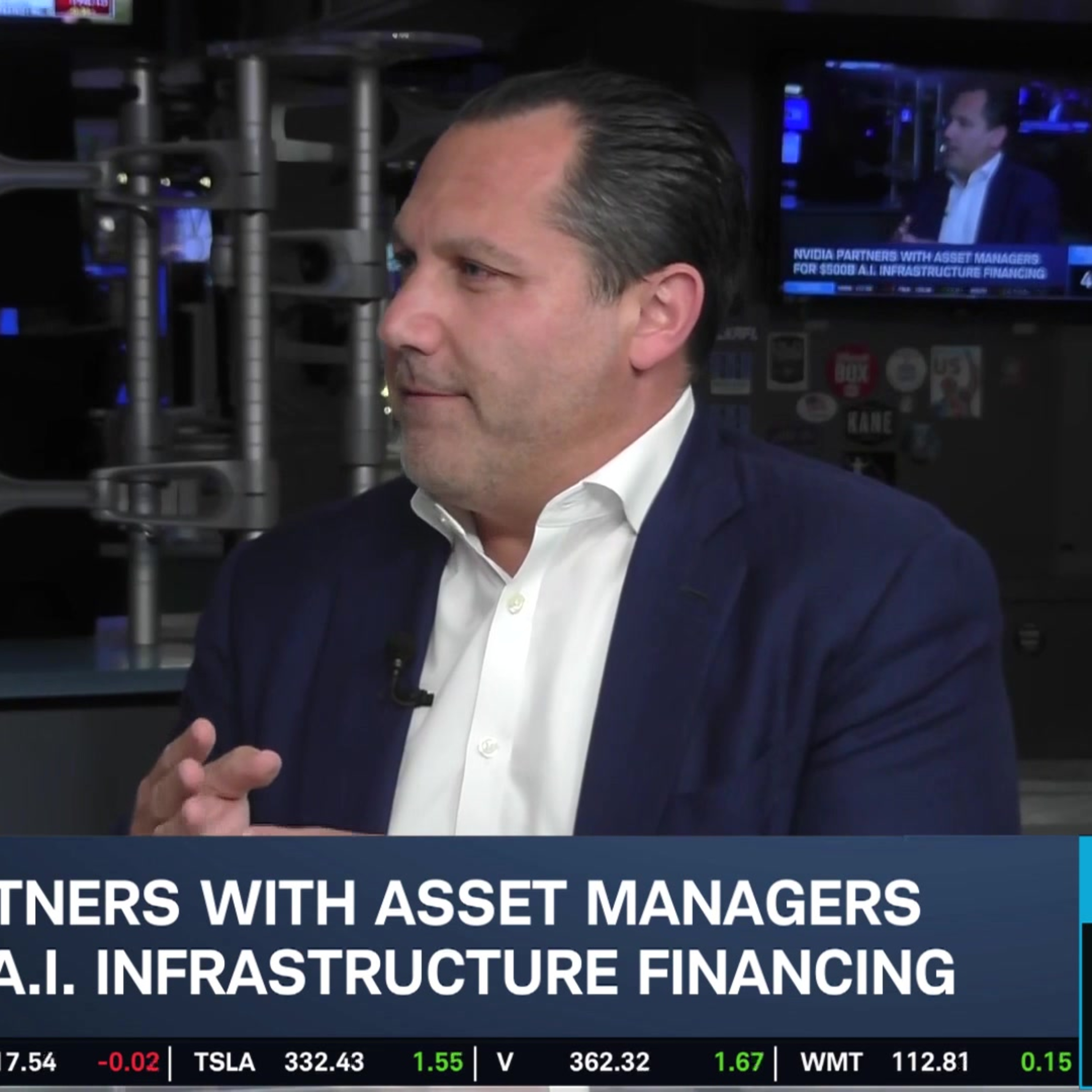
The Four D's Driving the Next Infrastructure Investment Boom
Yesterday00:10:01Tap to summarizeHarlan Cherniak of Macquarie Asset Management discusses how AI is accelerating investment in power grids, data centers and energy infrastructure. He highlights decarbonization, digitalization, deglobalization and aging demographics as key long-term drivers, while explaining how private infrastructure debt strategies can offer diversification and attractive yields for individual investors.======== Schwab Network ========Empowering every investor and trader, every market day. Subscribe to the Market Minute newsletter - https://schwabnetwork.com/subscribeDownload the iOS app - https://apps.apple.com/us/app/schwab-network/id1460719185Download the Amazon Fire Tv App - https://www.amazon.com/TD-Ameritrade-Network/dp/B07KRD76C7Watch on Sling - https://watch.sling.com/1/asset/191928615bd8d47686f94682aefaa007/watchWatch on Vizio - https://www.vizio.com/en/watchfreeplus-exploreWatch on DistroTV - https://www.distro.tv/live/schwab-network/Follow us on X – https://twitter.com/schwabnetworkFollow us on Facebook – https://www.facebook.com/schwabnetworkFollow us on LinkedIn - https://www.linkedin.com/company/schwab-network/ About Schwab Network - https://schwabnetwork.com/about
Transcribe →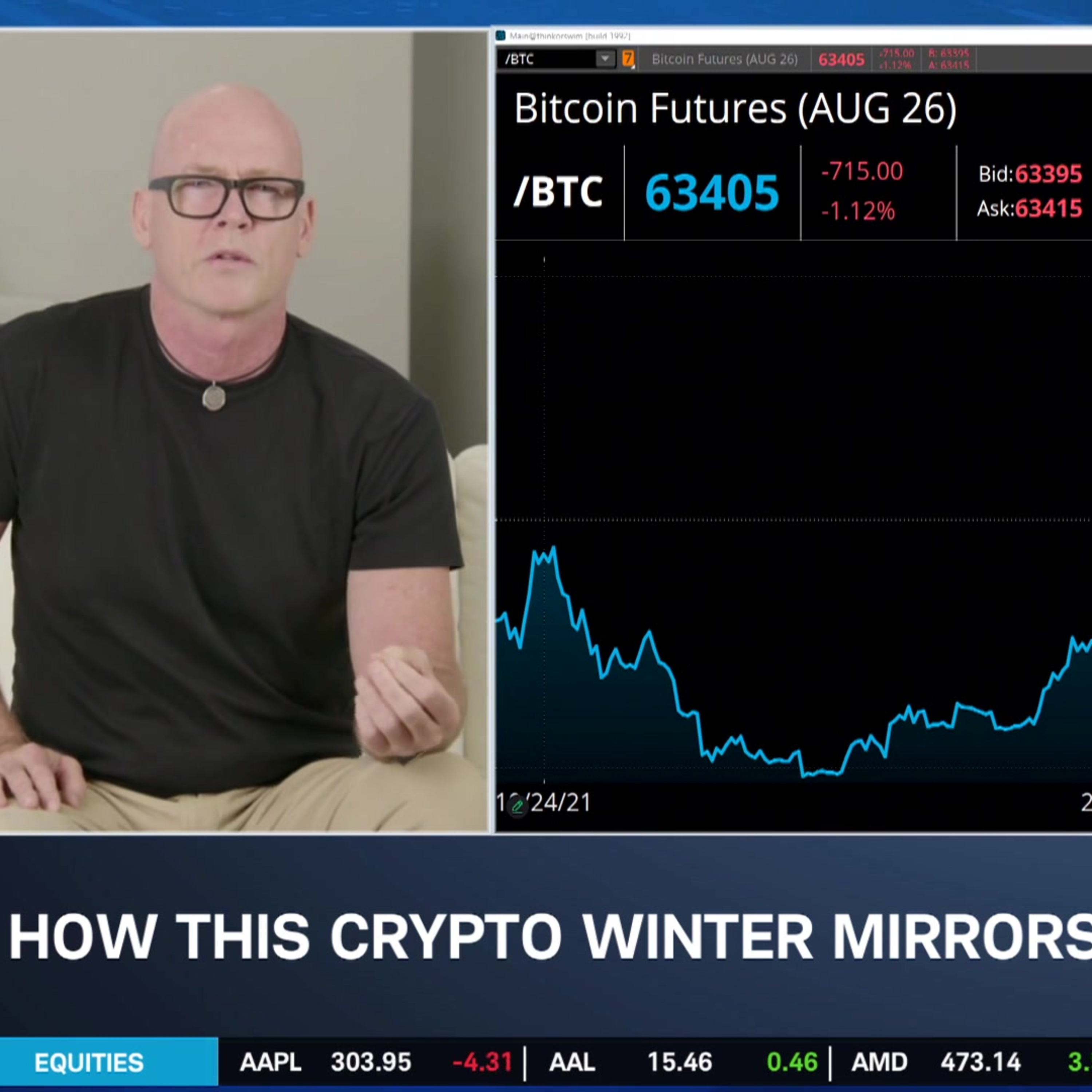
2026 Bitcoin Slump Mirrors 2022 Crypto Winter: Catalysts for Bulls to Regain Traction
Yesterday00:06:29Tap to summarizeMichael Willis, CEO of Cyber Hornet ETFs, compares this year's sluggish price action in the cryptocurrency space to 2022's crypto winter. He explains the "washout" Bitcoin and related assets are experiencing and how his company seeks to capitalize on current moves. Michael adds that newfound resilience in price action offer more room to run for assets. ======== Schwab Network ========Empowering every investor and trader, every market day. Subscribe to the Market Minute newsletter - https://schwabnetwork.com/subscribeDownload the iOS app - https://apps.apple.com/us/app/schwab-network/id1460719185Download the Amazon Fire Tv App - https://www.amazon.com/TD-Ameritrade-Network/dp/B07KRD76C7Watch on Sling - https://watch.sling.com/1/asset/191928615bd8d47686f94682aefaa007/watchWatch on Vizio - https://www.vizio.com/en/watchfreeplus-exploreWatch on DistroTV - https://www.distro.tv/live/schwab-network/Follow us on X – https://twitter.com/schwabnetworkFollow us on Facebook – https://www.facebook.com/schwabnetworkFollow us on LinkedIn - https://www.linkedin.com/company/schwab-network/ About Schwab Network - https://schwabnetwork.com/about
Transcribe →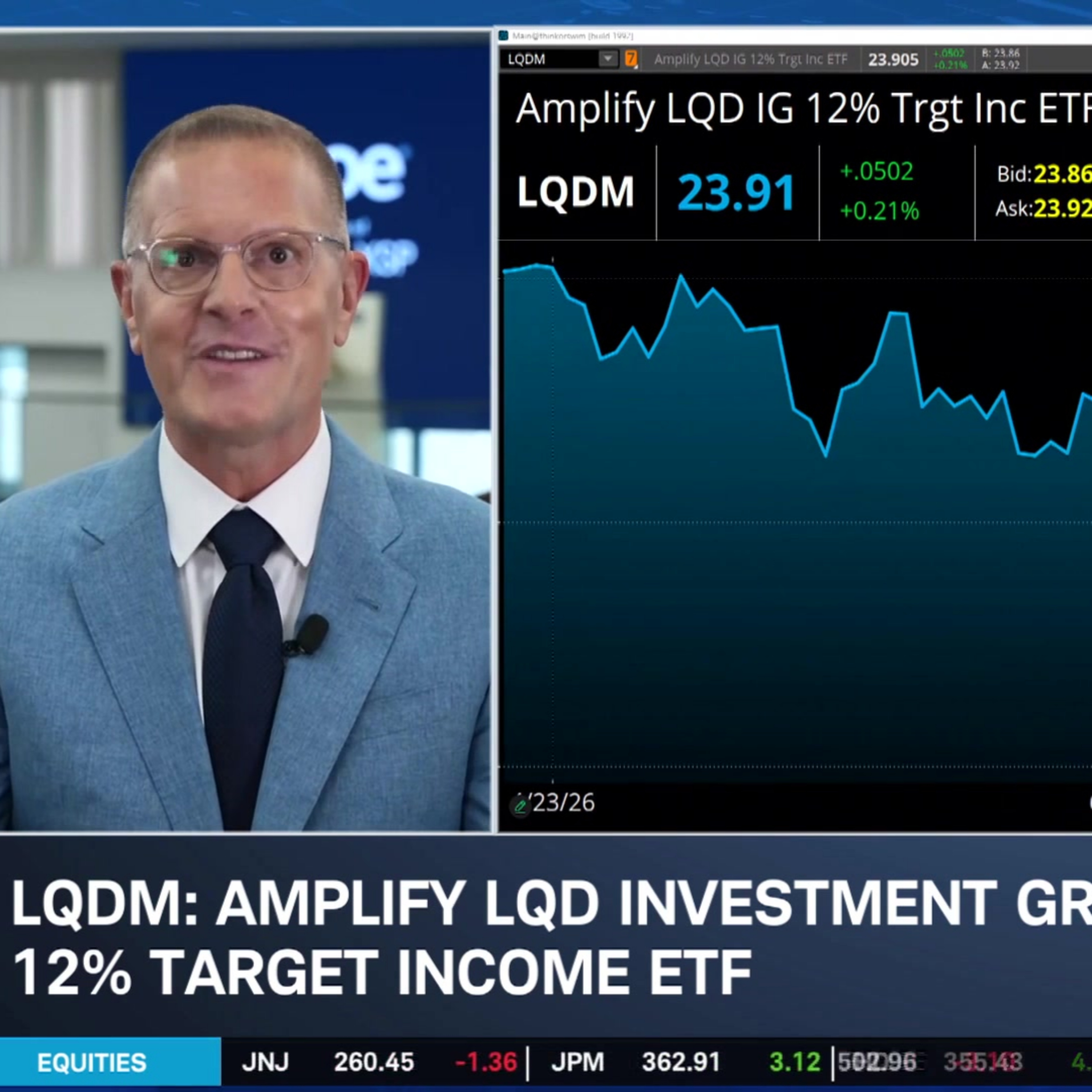
Amplify ETFs CEO on HYGM, LQDM & Yield-Focused Fixed-Income ETFs
Yesterday00:05:02Tap to summarizeAmplify ETFs CEO Christian Magoon explains how the Amplify High Yield ETF (HYGM) and Amplify Investment Grade ETF (LQDM) target 10% and 12% distributions through a combination of bond income and options writing. He discusses how the strategies can help hedge against rising interest rates while providing investors with a more consistent income stream.======== Schwab Network ========Empowering every investor and trader, every market day. Subscribe to the Market Minute newsletter - https://schwabnetwork.com/subscribeDownload the iOS app - https://apps.apple.com/us/app/schwab-network/id1460719185Download the Amazon Fire Tv App - https://www.amazon.com/TD-Ameritrade-Network/dp/B07KRD76C7Watch on Sling - https://watch.sling.com/1/asset/191928615bd8d47686f94682aefaa007/watchWatch on Vizio - https://www.vizio.com/en/watchfreeplus-exploreWatch on DistroTV - https://www.distro.tv/live/schwab-network/Follow us on X – https://twitter.com/schwabnetworkFollow us on Facebook – https://www.facebook.com/schwabnetworkFollow us on LinkedIn - https://www.linkedin.com/company/schwab-network/ About Schwab Network - https://schwabnetwork.com/about
Transcribe →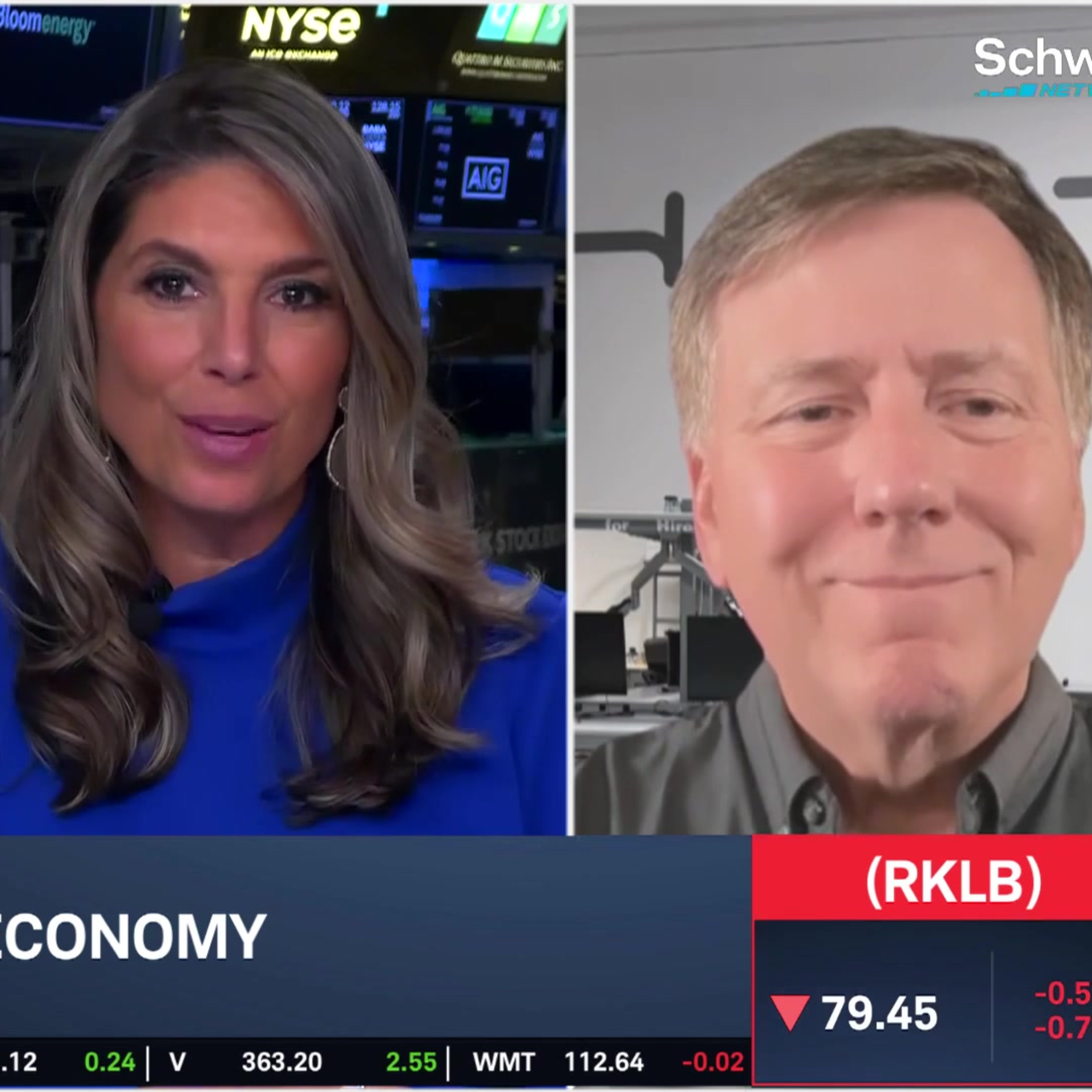
RKLB Demand Strong After Earnings, Room to Grow in SPCX Shadow
Yesterday00:08:55Tap to summarizeColin Symons says Rocket Lab (RKLB) is working to become a "tier one" company in the same lane as SpaceX (SPCX). While earnings didn't excite investors and margin pressures loom, he sees long-term demand supporting lasting momentum. Jim Cantrell equates the whole space industry to a "frontier economy" that will require an abundance of capital and lots of time to expand. He sees Rocket Lab as a winner and expects its runway to grow over time. ======== Schwab Network ========Empowering every investor and trader, every market day. Subscribe to the Market Minute newsletter - https://schwabnetwork.com/subscribeDownload the iOS app - https://apps.apple.com/us/app/schwab-network/id1460719185Download the Amazon Fire Tv App - https://www.amazon.com/TD-Ameritrade-Network/dp/B07KRD76C7Watch on Sling - https://watch.sling.com/1/asset/191928615bd8d47686f94682aefaa007/watchWatch on Vizio - https://www.vizio.com/en/watchfreeplus-exploreWatch on DistroTV - https://www.distro.tv/live/schwab-network/Follow us on X – https://twitter.com/schwabnetworkFollow us on Facebook – https://www.facebook.com/schwabnetworkFollow us on LinkedIn - https://www.linkedin.com/company/schwab-network/ About Schwab Network - https://schwabnetwork.com/about
Transcribe →
CRWV v. NBIS: Examining Neocloud Approach & Capital Awareness in AI Buildout
Yesterday00:06:20Tap to summarizeCoreWeave (CRWV) "will have to beat expectations by a lot" to show they can compete with other companies emphasizing AI compute, argues Brian Mulberry. He sees the company's backlog and revenue growth as a huge plus but the "inside out" CapEx approach as one that remains shaky. Brian turns to CoreWeave's key competitor in Nebius (NBIS) and highlights its "full stack" approach as more capital-aware. ======== Schwab Network ========Empowering every investor and trader, every market day. Subscribe to the Market Minute newsletter - https://schwabnetwork.com/subscribeDownload the iOS app - https://apps.apple.com/us/app/schwab-network/id1460719185Download the Amazon Fire Tv App - https://www.amazon.com/TD-Ameritrade-Network/dp/B07KRD76C7Watch on Sling - https://watch.sling.com/1/asset/191928615bd8d47686f94682aefaa007/watchWatch on Vizio - https://www.vizio.com/en/watchfreeplus-exploreWatch on DistroTV - https://www.distro.tv/live/schwab-network/Follow us on X – https://twitter.com/schwabnetworkFollow us on Facebook – https://www.facebook.com/schwabnetworkFollow us on LinkedIn - https://www.linkedin.com/company/schwab-network/ About Schwab Network - https://schwabnetwork.com/about
Transcribe →