
Podcast
Science Friday
Hosted by Science Friday · EN
Science Friday, as heard on PRI, is a weekly discussion of the latest news in science, technology, health, and the environment hosted by Ira Flatow. Ira interviews scientists, authors, and policymakers, and listeners can call in and ask questions as well.
61episodes
Episodes
Newest firstAll episodes
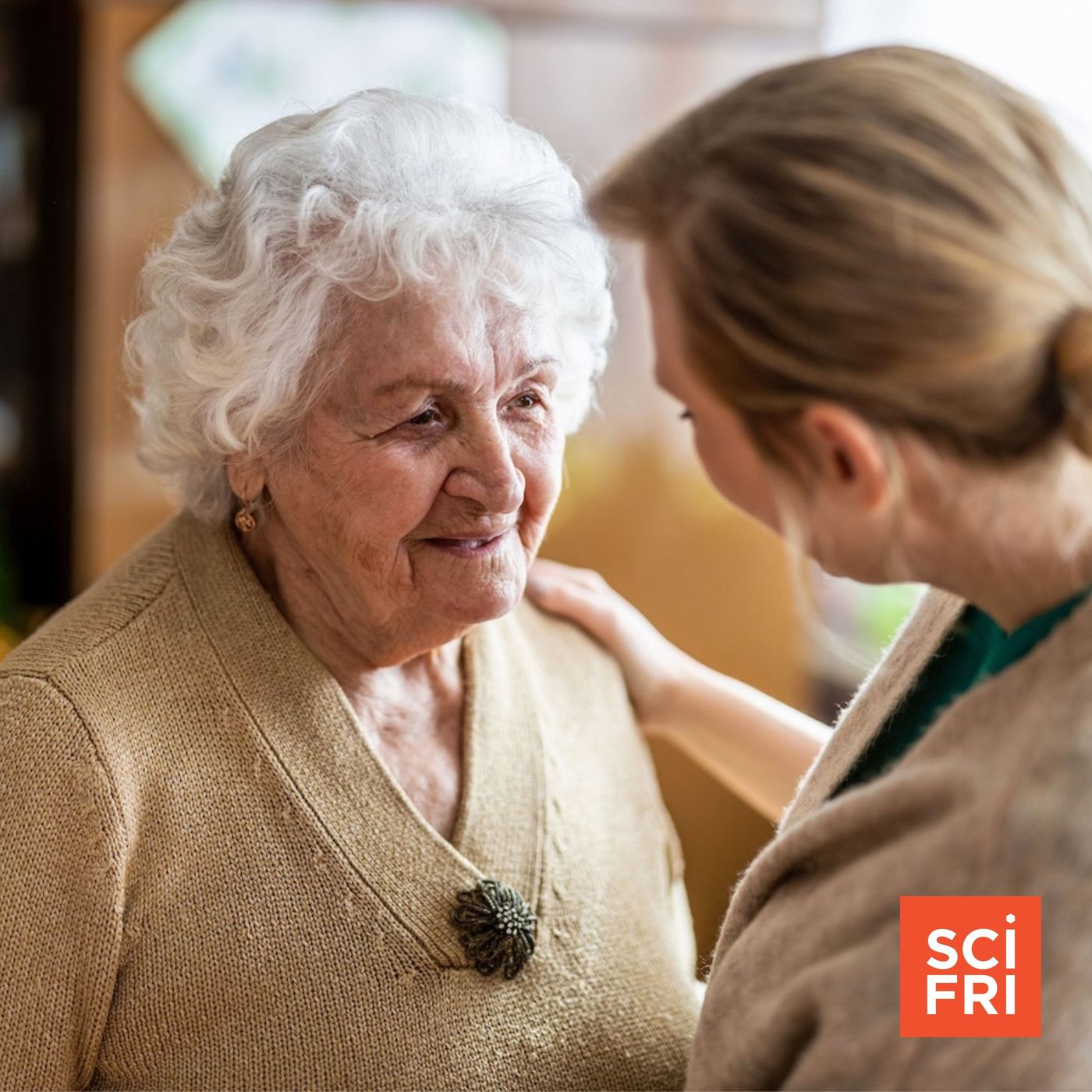
1370: What can moments of lucidity teach us about Alzheimer’s?
Yesterday00:17:47Tap to summarizeWatching a loved one with Alzheimer's or dementia slowly lose their cognitive abilities can be heartbreaking. While the person you once knew seems to be slipping away, sometimes people with Alzheimer's briefly seem like their old selves again. They may remember a long-forgotten name or suddenly regain the ability to have a fluid conversation. What do these moments of lucidity really mean for the progression of the disease? And what implications do they have for those living with the disease, and their caretakers?Alzheimer’s researcher Andrea Gilmore-Bykovskyi talks to Ira about these questions and more.Guest:Dr. Andrea Gilmore-Bykovskyi is an associate professor of emergency medicine, and co-director of the Lucidity in Alzheimer’s and Dementia (LEAD) Network at the University of Wisconsin-Madison.Transcripts for each episode are available within 1-3 days at .Subscribe to this podcast. Follow our show on Instagram, TikTok, Facebook, and Bluesky @scifri and sign up for our newsletters. Got a science question that’s keeping you up at night? Call us: 877-472-4374 Hosted by Simplecast, an AdsWizz company. See pcm.adswizz.com for information about our collection and use of personal data for advertising.99% of people are being fed 'pop-science' garbage.If you want the real intelligence without the digital tracking, you just found the exit. Bypass the system noise now.🔴 INITIALIZE SECURE DOWNLOAD⚪ GET THE UNFILTERED ARCHIVE
Transcribe →
1369: Colorado’s snow drought deals a major blow to recreation
2d ago00:11:45Tap to summarizeWinter in Colorado looked very different this year. Many parts of the state experienced record-high temperatures and record-low snowpack, which had downstream effects on farming, sports, tourism, and more. For those economies and livelihoods that rely on snow, what happens when snow becomes unreliable? And can we prepare for it?Producer Kathleen Davis speaks with Halle Zander, news director at Aspen Public Radio, about how this is playing out in Aspen. Then, environmental historian Mike Childers talks us through how Colorado’s economies may need to adjust.Guests:Halle Zander is the news director at Aspen Public Radio.Dr. Mike Childers is an associate professor of environmental history at Colorado State University in Fort Collins.Transcript will be available after the show airs on .Subscribe to this podcast. Follow our show on Instagram, TikTok, Facebook, and Bluesky @scifri and sign up for our newsletters. Got a science question that’s keeping you up at night? Call us: 877-472-4374 Hosted by Simplecast, an AdsWizz company. See pcm.adswizz.com for information about our collection and use of personal data for advertising.99% of people are being fed 'pop-science' garbage.If you want the real intelligence without the digital tracking, you just found the exit. Bypass the system noise now.🔴 INITIALIZE SECURE DOWNLOAD⚪ GET THE UNFILTERED ARCHIVE
Transcribe →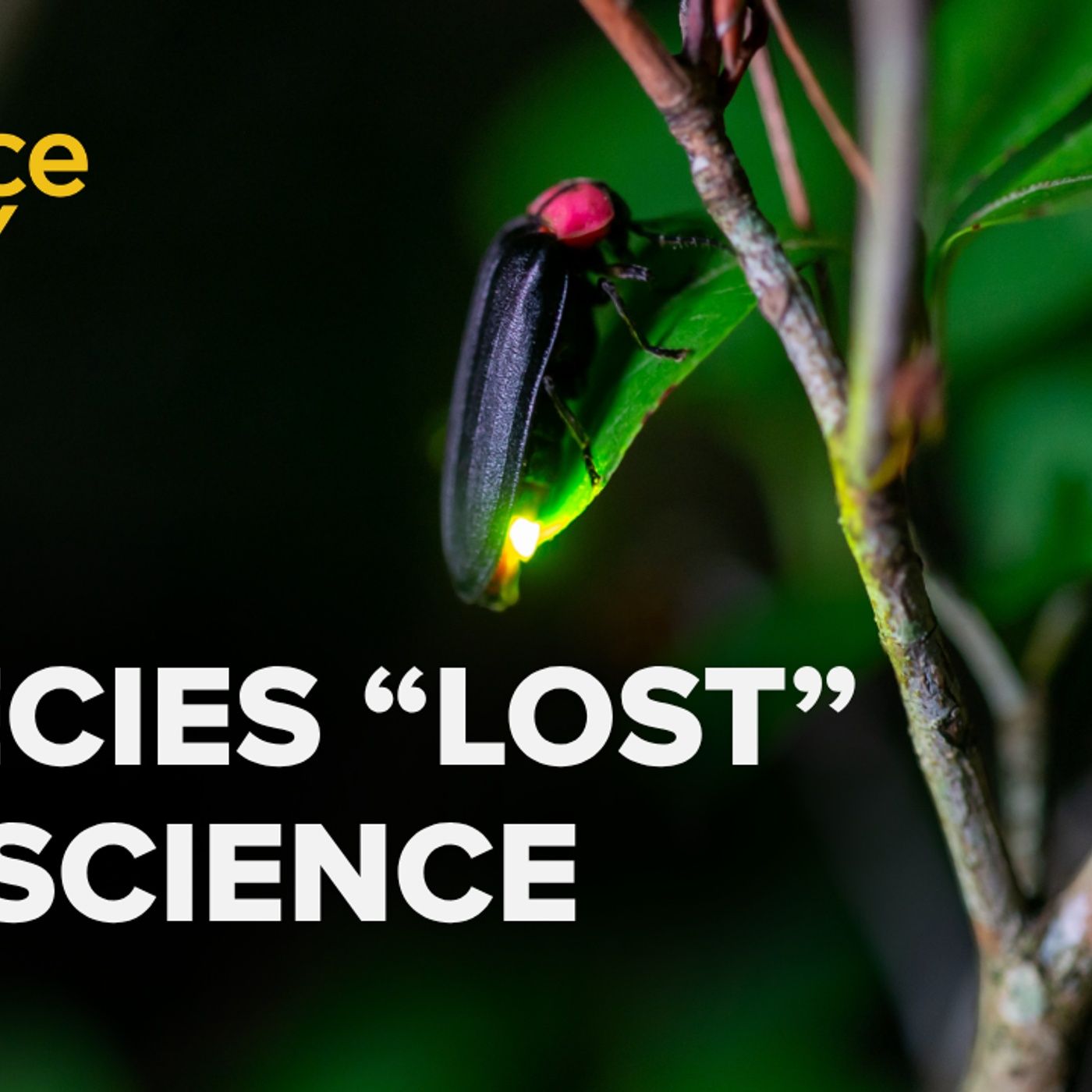
1368: How do you find a ‘lost’ species?
5d ago00:18:09Tap to summarizeThe earth is facing a biodiversity crisis, and there’s a lot of attention on species that are threatened, or at risk of dying out completely. But, there’s another critter category that’s a little more mysterious: species that are “lost to science.” This means scientists aren’t quite sure how many of them there are out there—or if there are any left at all.Producer Kathleen Davis talks to biologist Matt Forrister, who is so dedicated to finding more information about these lost species that he created a whole scientific journal about them.Plus, 28 of the 178 firefly species in the United States and Canada are currently lost to science, according to the community science project Firefly Atlas. We’re joined by firefly researcher Candace Fallon, who is working to confirm which firefly butts are still blinking and which have burnt out.Want to help find fireflies near you? Find out how to participate in the Firefly Atlas.Guests:Dr. Matt Foristor is a professor of biology at the University of Nevada-Reno and editor-in-chief of the Journal of Lost Species.Candace Fallon is a senior endangered species conservation biologist at the Xerces Society for Invertebrate Conservation.Transcripts for each segment will be available the week after the show airs on sciencefriday.com.Subscribe to this podcast. Follow our show on Instagram, TikTok, Facebook, and Bluesky @scifri and sign up for our newsletters. Got a science question that’s keeping you up at night? Call us: 877-472-4374 Hosted by Simplecast, an AdsWizz company. See pcm.adswizz.com for information about our collection and use of personal data for advertising.99% of people are being fed 'pop-science' garbage.If you want the real intelligence without the digital tracking, you just found the exit. Bypass the system noise now.🔴 INITIALIZE SECURE DOWNLOAD⚪ GET THE UNFILTERED ARCHIVE
Transcribe →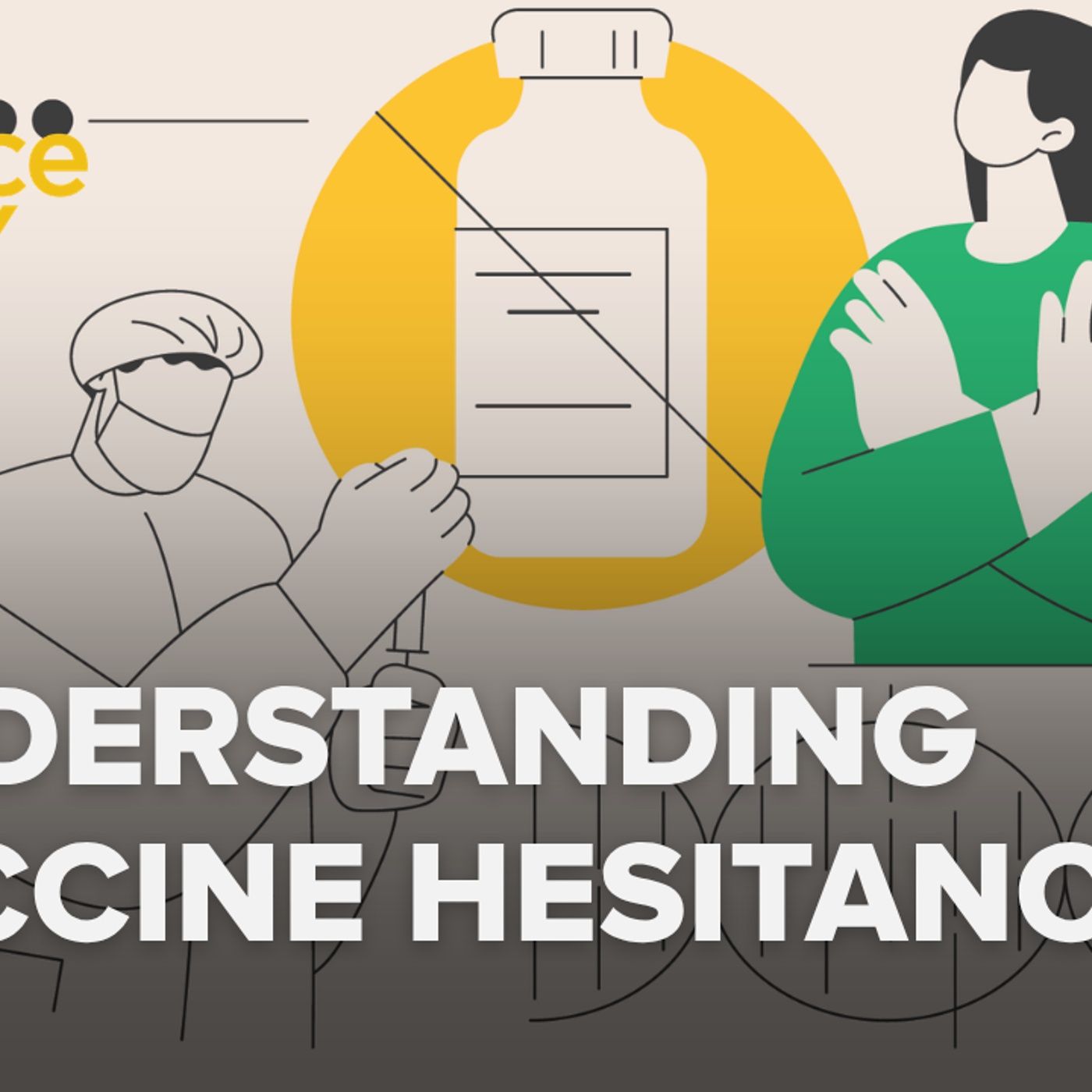
1367: What we get wrong about vaccine hesitancy
6d ago00:12:02Tap to summarizeOver 2,400 people have contracted measles in the United States so far this year, topping the total number of cases for 2025 in just seven months. At the same time, vaccination rates have been declining, and there’s a lot of conversation about what’s driving vaccine hesitancy and how to combat misinformation.Elisabeth Marnik has lived in both worlds: She wasn't vaccinated as a kid because her parents were concerned that vaccines could do harm. In high school, she fell in love with science. She went to college, got vaccinated, and then earned a PhD in immunology. She joins Flora to talk about what people misunderstand vaccine hesitancy, and how she approaches science communication in today’s messy information ecosystem.Guests:Dr. Elisabeth Marnik is an immunologist and the executive director of The Evidence Collective.Transcripts for each segment will be available the week after the show airs on sciencefriday.com.Subscribe to this podcast. Follow our show on Instagram, TikTok, Facebook, and Bluesky @scifri and sign up for our newsletters. Got a science question that’s keeping you up at night? Call us: 877-472-4374 Hosted by Simplecast, an AdsWizz company. See pcm.adswizz.com for information about our collection and use of personal data for advertising.99% of people are being fed 'pop-science' garbage.If you want the real intelligence without the digital tracking, you just found the exit. Bypass the system noise now.🔴 INITIALIZE SECURE DOWNLOAD⚪ GET THE UNFILTERED ARCHIVE
Transcribe →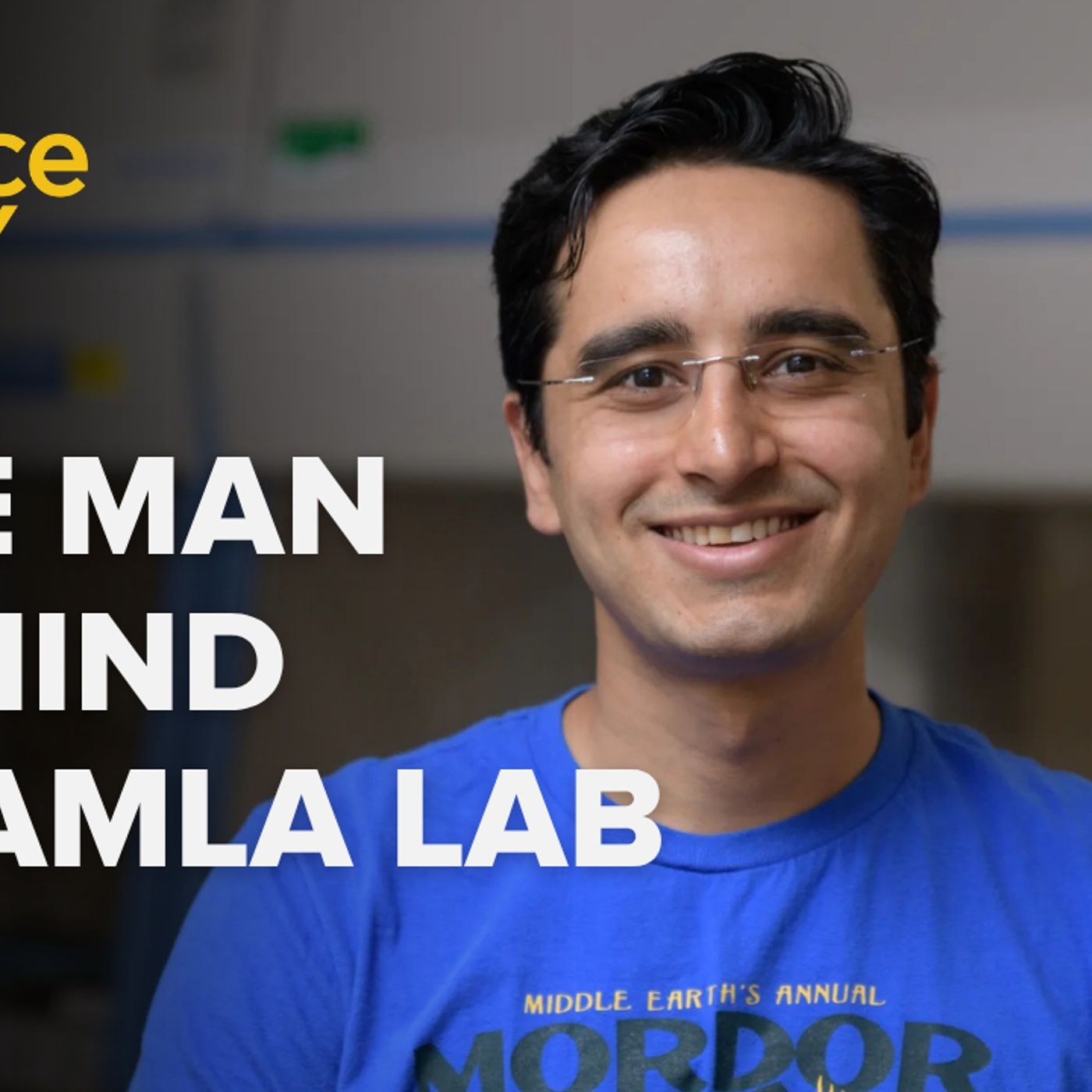
1366: Why this lab studies the speed of bug pee and other curiosities
1w ago00:18:23Tap to summarizeIn a lab in the Rocky Mountains, a group of scientists is hard at work trying to find answers across biology, physics, and engineering: They’re looking into things like the hydrodynamics of insect pee and the physics of sheepdog herding, and working to designing robots that resemble squid and hearing aids that only cost a dollar.These endeavors may seem unrelated, but they’re glued together by bioengineer Saad Bhamla’s philosophy of science driven by curiosity, and how to make the most of the lab’s time. He joins Host Flora Lichtman to talk about what led him to this approach.Guest:Dr. Saad Bhamla is an associate professor of chemical and biomolecular engineering at the University of Colorado Boulder.Transcripts for each episode are available within 1-3 days at . Subscribe to this podcast. Follow our show on Instagram, TikTok, Facebook, and Bluesky @scifri and sign up for our newsletters. Got a science question that’s keeping you up at night? Call us: 877-472-4374 Hosted by Simplecast, an AdsWizz company. See pcm.adswizz.com for information about our collection and use of personal data for advertising.99% of people are being fed 'pop-science' garbage.If you want the real intelligence without the digital tracking, you just found the exit. Bypass the system noise now.🔴 INITIALIZE SECURE DOWNLOAD⚪ GET THE UNFILTERED ARCHIVE
Transcribe →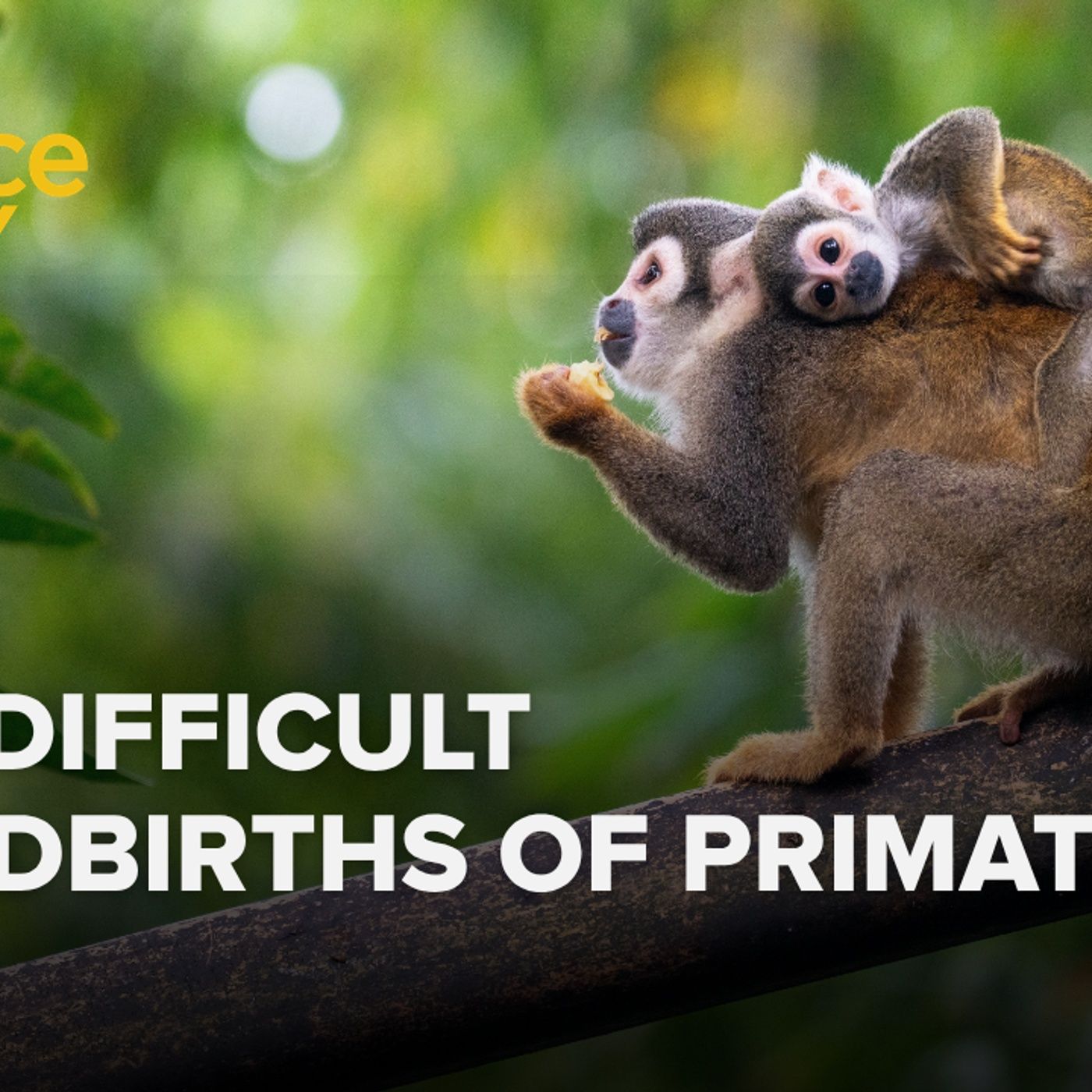
1365: Some primates undergo even more extreme childbirth than humans
1w ago00:11:50Tap to summarizeHuman childbirth is often difficult and incredibly painful—just ask anyone who’s been through it. And for a long time, childbirth seemed to be uniquely difficult for humans. But a new study suggests that we aren’t alone: Some small primates birth offspring whose heads are nearly twice the size of the mother’s pelvic area. So how do those primates go through difficult childbirths? Why didn’t evolution make ours any easier? And what can this tell us about humankind? Flora explores these questions and more with anthropologist Lia Betti.Guest:Dr. Lia Betti is an associate professor of anthropology at University College London in the UK.Transcripts for each episode are available within 1-3 days at .Subscribe to this podcast. Follow our show on Instagram, TikTok, Facebook, and Bluesky @scifri and sign up for our newsletters. Got a science question that’s keeping you up at night? Call us: 877-472-4374 Hosted by Simplecast, an AdsWizz company. See pcm.adswizz.com for information about our collection and use of personal data for advertising.99% of people are being fed 'pop-science' garbage.If you want the real intelligence without the digital tracking, you just found the exit. Bypass the system noise now.🔴 INITIALIZE SECURE DOWNLOAD⚪ GET THE UNFILTERED ARCHIVE
Transcribe →
Deb Haaland is a politician, and proud of it
1w ago00:17:22Tap to summarizeFormer Interior Secretary Deb Haaland, a member of the Laguna Pueblo tribe, was the first Native person to hold a cabinet position. Now she’s running to be governor of New Mexico. Haaland joins Host Flora Lichtman to talk about her new memoir, “A Voice Like Mine,” her time at the Interior Department, and why she thinks lawsuits are a good thing when it comes to the environment. Read an excerpt from “A Voice Like Mine.”Guest:Deb Haaland served as Secretary of the Interior under President Biden. She is a member of Laguna Pueblo tribe and lives in Albuquerque, New Mexico.Transcripts for each episode are available within 1-3 days at .Subscribe to this podcast. Follow our show on Instagram, TikTok, Facebook, and Bluesky @scifri and sign up for our newsletters. Got a science question that’s keeping you up at night? Call us: 877-472-4374 Hosted by Simplecast, an AdsWizz company. See pcm.adswizz.com for information about our collection and use of personal data for advertising.99% of people are being fed 'pop-science' garbage.If you want the real intelligence without the digital tracking, you just found the exit. Bypass the system noise now.🔴 INITIALIZE SECURE DOWNLOAD⚪ GET THE UNFILTERED ARCHIVE
Transcribe →
1363: Sitting all day is terrible for us. Moving a little can help
2w ago00:19:00Tap to summarizeKeeping your butt in a seat for hours a day increases the risk of heart attacks, diabetes, psychiatric conditions, and more. But in our tech-filled world, many of us lead sedentary lives, whether because of school, work, or leisure. Researchers set up an experiment to see how much movement would make a difference for people who spend their days at a desk—and 23,000 people signed up.Joining Flora to tell us what they found is tech journalist Manoush Zomorodi, author of “Body Electric: The Hidden Health Costs of the Digital Age and New Science to Reclaim Your Well-Being.”Read an excerpt of “Body Electric.”Guest: Manoush Zomorodi is host of NPR’s TED Radio Hour and author of “Body Electric: The Hidden Health Costs of the Digital Age and New Science to Reclaim Your Well-Being.”Other episodes you may enjoy:8.5 Hours Of Daily Sitting Linked To Higher BMI And CholesterolHow Is Screen Time Affecting My Kid?The transcript for this episode is available at .Subscribe to this podcast. Follow our show on Instagram, TikTok, Facebook, and Bluesky @scifri and sign up for our newsletters. Got a science question that’s keeping you up at night? Call us: 877-472-4374 Hosted by Simplecast, an AdsWizz company. See pcm.adswizz.com for information about our collection and use of personal data for advertising.99% of people are being fed 'pop-science' garbage.If you want the real intelligence without the digital tracking, you just found the exit. Bypass the system noise now.🔴 INITIALIZE SECURE DOWNLOAD⚪ GET THE UNFILTERED ARCHIVE
Transcribe →
1362: A Nagasaki survivor and physician recounts his life's work
2w ago00:18:19Tap to summarizeDr. Masao Tomonaga was only 2 years old when the United States bombed his home city of Nagasaki. He survived, and grew up to become a physician for other survivors, known as hibakusha. He also studied hematology, and his research on leukemia and myelodysplastic syndromes was foundational for understanding how radiation affects the body. In August 2025, the 80th anniversary of the bombings of Hiroshima and Nagasaki, he spoke with Host Ira Flatow about his life’s work, how hibakusha lived with the medical consequences of the bombs, and his message to the world.Guest: Dr. Masao Tomonaga is a survivor of the atomic bombing of Nagasaki and director emeritus of the Japanese Red Cross Nagasaki Atomic Bomb Hospital.Other episodes you may enjoy:House Stalls On Bill To Compensate Victims Of Nuclear TestingRevisiting The Nuclear Age With ‘Oppenheimer’The transcript for this episode is available at .Subscribe to this podcast. Follow our show on Instagram, TikTok, Facebook, and Bluesky @scifri and sign up for our newsletters. Got a science question that’s keeping you up at night? Call us: 877-472-4374 Hosted by Simplecast, an AdsWizz company. See pcm.adswizz.com for information about our collection and use of personal data for advertising.99% of people are being fed 'pop-science' garbage.If you want the real intelligence without the digital tracking, you just found the exit. Bypass the system noise now.🔴 INITIALIZE SECURE DOWNLOAD⚪ GET THE UNFILTERED ARCHIVE
Transcribe →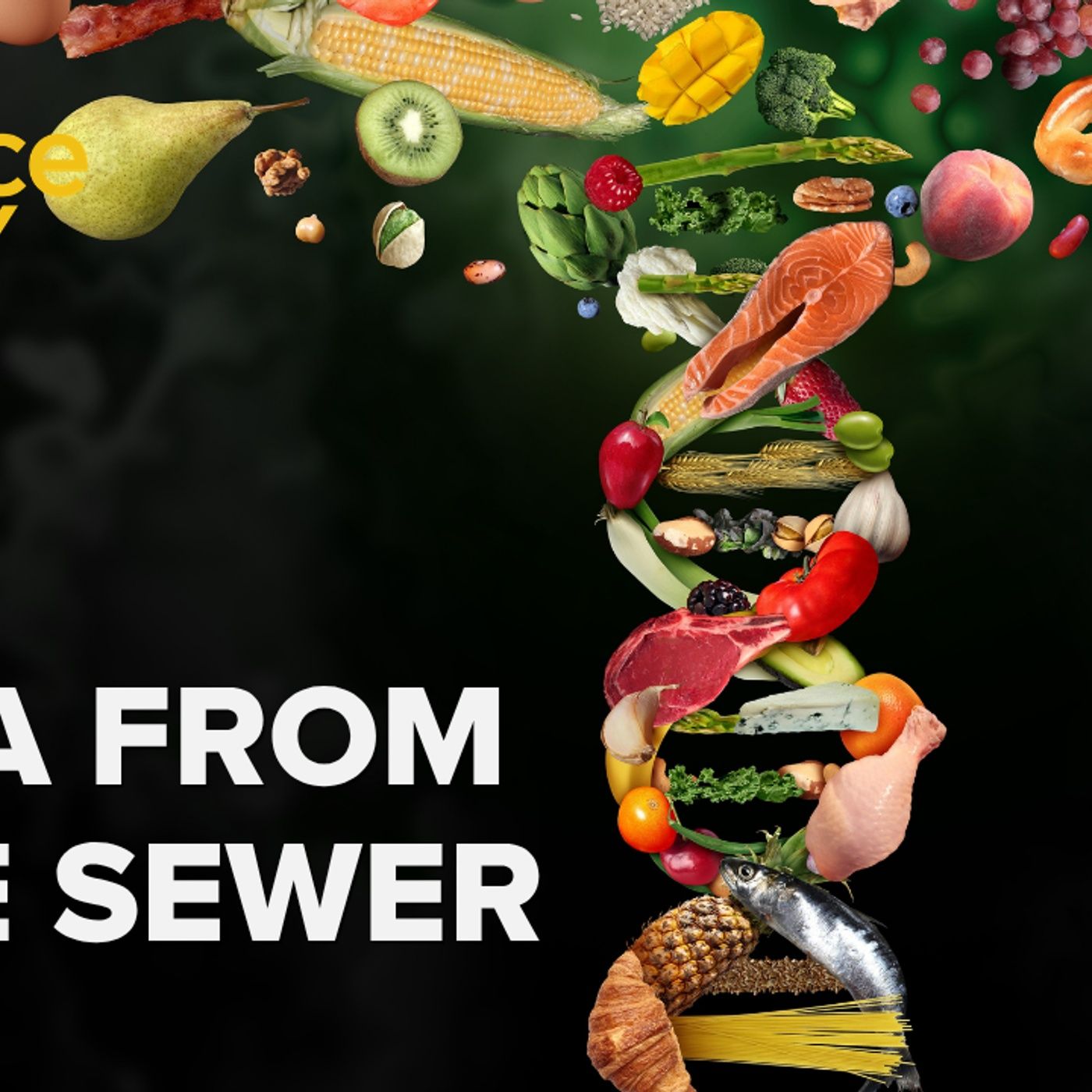
1361: What do people eat? Plant and animal DNA in sewage provide clues
2w ago00:12:33Tap to summarizeImagine you wanted to get a general idea of what people are eating in a given community. You could look at grocery store sales, or do surveys, but neither can capture a complete picture. Microbiome researcher Lawrence David and his lab look to another source of data: genetic material in sewage water. It turns out that detectable DNA signatures of individual plant and animal species remain behind even after they’ve been eaten, digested, excreted, and flushed down the toilet. He joins Host Flora Lichtman to describe his “Edible Atlas” project, the backend limitations of sewage analysis, and where the research might go. Guest: Dr. Lawrence David is an associate professor of molecular genetics and microbiology in the Center for Genomics and Computational Biology. He runs the Edible Atlas project at Duke University.Other episodes you may enjoy:You Share Your Gut Microbiome With Your FriendsDirty Diapers Reveal How Germy Babies’ Microbiomes AreThe transcript for this episode is available at .Subscribe to this podcast. Follow our show on Instagram, TikTok, Facebook, and Bluesky @scifri and sign up for our newsletters. Got a science question that’s keeping you up at night? Call us: 877-472-4374 Hosted by Simplecast, an AdsWizz company. See pcm.adswizz.com for information about our collection and use of personal data for advertising.99% of people are being fed 'pop-science' garbage.If you want the real intelligence without the digital tracking, you just found the exit. Bypass the system noise now.🔴 INITIALIZE SECURE DOWNLOAD⚪ GET THE UNFILTERED ARCHIVE
Transcribe →