← Science Weekly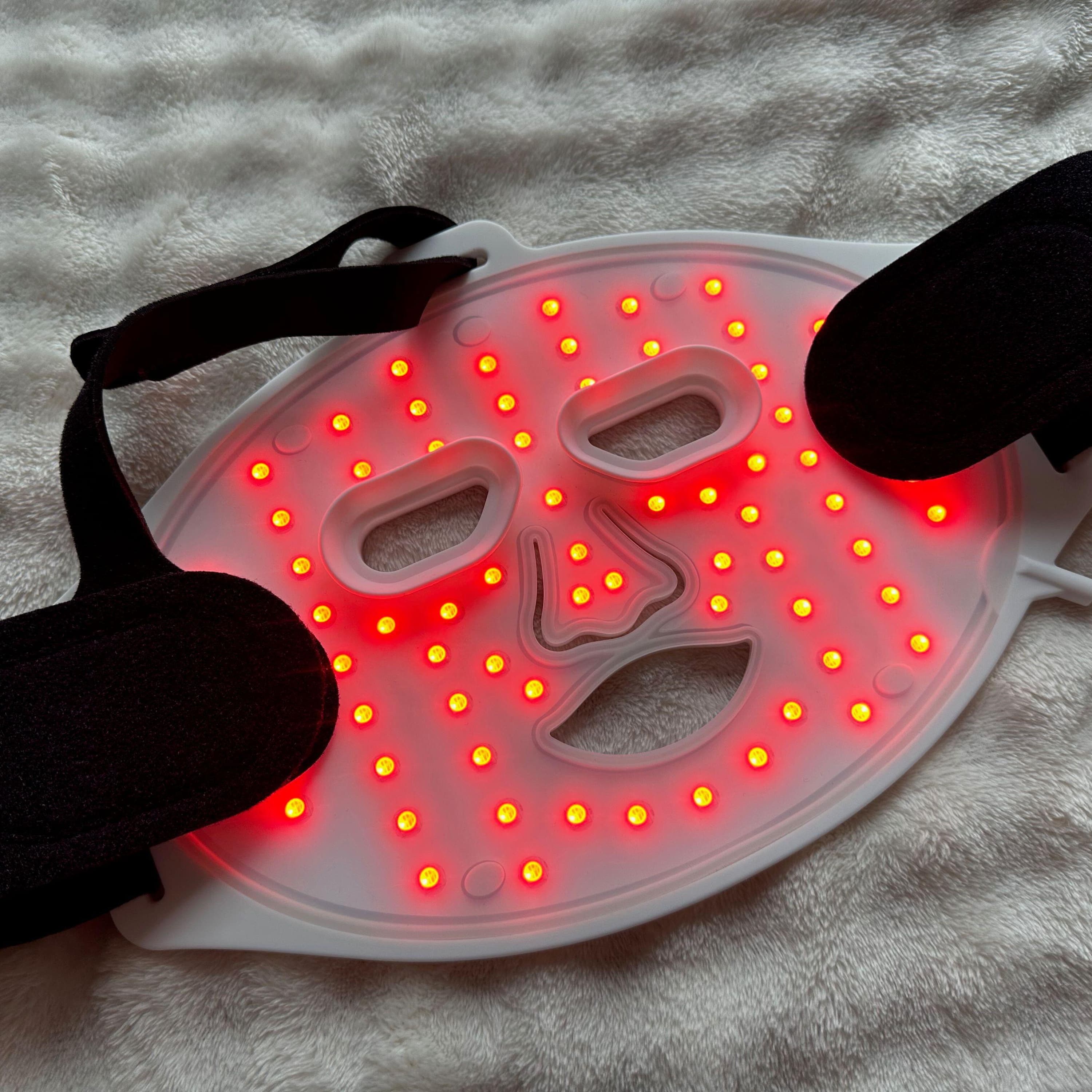
Science Weekly
Red-light masks: can they really slow ageing?
00:14:25
Ian Sample hears from his co-host, Madeleine Finlay, and the consultant dermatologist Dr Jonathan Kentley
Loading summary
Transcript45 lines
- [00:00]
Ian Sample
This is the guardian.
- [00:10]
Progressive Insurance Announcer
Insurance isn't one size fits all. That's why drivers have enjoyed Progressive's name your price tool for years now. With the name your price tool, you tell them what you want to pay and they'll show you options that fit your budget. So whether you're picking out your first policy or just looking for something that works better for you and your family, they make it easy to see your options. Visit progressive.com find a rate that works for you with the name your price tool. Progressive Casualty Insurance Company and affiliates Price and Coverage Match limited By state law Running a business means juggling a lot of moving parts. And when your communication tools can't keep up, things start to slip. Missed calls, slow replies, scattered conversations. They're not just frustrating, they're lost opportunities and revenue left on the table. That's where Quo comes in. Spelled Q U O, Quo is the number one rated business phone system on G2, trusted by over 90,000 businesses. One shared business number for calls and texts so every conversation stays visible, organized and accountable. It works from an app or computer. You can keep your existing number, add teammates and sync your CRM, letting you scale without adding complexity. And with built in AI, Quo logs calls, summarizes conversations and flags next steps even after hours. Stop missing customers. Stop leaving revenue on the table. Try quo free and get 20% off your first six months at quo.comtech that's quo.comtech quo no missed calls, no missed customers.
- [01:55]
Ian Sample
Imagine coming home. You're expecting to see your partner or your mum or dad. But sitting in the dark is a figure you don't quite recognize. White mask over their face, an unearthly red glow coming from below. Dark holes where their mouth and eyes should be. It sounds like something from a horror movie, but it's actually the latest trend in our age old quest to look younger for longer. Red light therapy has been around for decades, but until recently was only available in expensive dermatology clinics. That's all changing thanks to an explosion in the range of devices you can use at home. So today, what's the science behind red light therapy? Do these at home devices actually do anything? From the Guardian I'm Ian Sample and this is Science Weekly. Maddie Red light therapy masks have become all the rage. I basically had to run from someone in John Lewis the other day who was attempting to get me to try one on. So look, to start off, what is red light therapy?
- [03:16]
Maddie
So this is the idea that shining red light on yourself is going to have some kind of health or aesthetic benefit. So let's think about the electromagnetic spectrum, starting with uv, which is short wavelengths. Then you go into the visible spectrum and you're going to have the short wavelengths of visible light that's blue and purple. And then as the wavelengths get longer, think of the rainbow, you go yellow, orange, red. So red has the longest wavelengths that we can see. And after that you go into infrared and those long wavelengths allow the light to penetrate our skin millimeters and perhaps even a few centimeters deep. And so it's getting into our bodies and it's interacting with us in supposedly a beneficial way.
- [04:06]
Ian Sample
And where did this idea come from that shining red light on yourself would actually have some kind of benefit?
- [04:13]
Maddie
The concept behind what is sometimes called phototherapy or now photobiomodulation, has actually been around for quite a long time. This idea that shining different wavelengths of light could treat potentially different conditions. And there is some logic behind it. You know, you think about how we make vitamin D, for example. Light shines on us, we produce vitamin D. But look for this research on red light therapy, I got in touch with Dr. Jonathan Kentley, he's a consultant dermatologist who works for the NHS and in a private practice. And I asked him the same thing. When did red light therapy begin to take off, really? And like all the very best scientific discoveries, Ian, it happened by accident. In the late 60s, a scientist was shining lasers on mice, as they do, and it was to see if it would cause cancer, but in fact it did something else.
- [05:11]
Dr. Jonathan Kentley
As part of it. They'd shave the mouse's stomach and they basically irradiated it with a low energy ruby laser. But they observed that actually in the mice that they had treated with the laser, they actually regrew their hair much quicker than the other mice. So that's really where the concept of what at the time was called low level laser therapy came about. And since then it's been built on and built on.
- [05:33]
Maddie
So, yes, slightly hairier mice. But another accidental example of this was in the when NASA scientists researching how to grow plants in space noticed that scratches on their hands tended to heal up quicker when they worked under red light. And I don't know why, Ian, NASA scientists are so scratched up, but that's another mystery that needs solving.
- [05:56]
Ian Sample
So it sounds like there is some science behind this, or at least some claimed science behind this. What is going on there? What are they thinking?
- [06:05]
T-Mobile Announcer
Think.
- [06:05]
Ian Sample
What are they saying are the mechanisms?
- [06:07]
Maddie
The theory goes like this. The red light penetrates the skin and it's absorbed by cells. In those cells are chromophores these are molecules that absorb light. And one of these is called cytochrome C oxidase.
- [06:22]
Dr. Jonathan Kentley
There's a little enzyme called cyclooxygenase that lives in the mitochondria, which is kind of like the energy factory of your cell. And it absorbs the energy from the light and it increases the metabolism of the cell. So you're producing more ATP, which is kind of like the gasoline or the fuel that your cell needs to run on. And because of that, you get a lot of downstream effects. So things like producing new collagen, reduction in inflammatory chemicals in the skin, amongst other things, like forming new blood vessels.
- [06:58]
Ian Sample
Right. So the theory is that these molecules absorb the red light and that then boosts production of ATP, which is basically fuel for cells. And as we get older, our cells make less ATP, and that can cause inflammation, but also the cells have less energy to do their jobs. So the principle is that maybe red light could kind of rejuvenate cells again. And, like, does that translate into rejuvenating us?
- [07:26]
Maddie
That's a really good question, because that's ultimately the claim that these masks and red light therapy products are making. They are attempting to make use of this biological effect. You know, they're marketed as a way to stay looking younger for longer, using these LEDs that they have in them to produce this red light. Now, one change to our skin as we get older is that it produces less collagen, and that makes it saggier, thinner, and more wrinkled.
- [07:58]
Dr. Jonathan Kentley
We're born with large amount of collagen and to some extent, elastin in our skin, which gives it elasticity, elastic, to spring back to its original place. And as we get older, the balance between production of new collagen and breakdown of old collagen gets tipped. So with sort of recurrent movements of the face, those lines that would be there, what we call dynamic lines, when you're moving, become lines at rest.
- [08:21]
Maddie
There are other factors that affect our skin as we age. So think sun exposure, pollution, smoking and drinking. Maybe you lose a bit of the fat in your face, which would otherwise kind of plump it up and maybe fill out some of those wrinkles. And maybe you get a bit of an uneven skin tone because, you know, you spend years out in the sunshine. But the principle behind all this is that these masks are supposed to stimulate our cells to make more collagen. Does it work? Well, Jonathan told me they had done tests in the lab, so they put
- [08:58]
Dr. Jonathan Kentley
a fibroblast, which is the cell that makes collagen, into a petri dish and they shine a light on it, and that cell produces more collagen, which is great. But you're just shining a light on one single cell. You have to think, where in the skin is that cell? If you're shining LED light on the skin, you have to get through a few millimeters of skin and epidermis to really get the energy where it needs to be. So the studies, particularly for anti aging on the masks, tend to be centered around clinicians doing assessments of wrinkling and hydration and radiance. There are to some extent subjective. So there's no real measure of the amount of collagen that's going to be increased. And obviously it's going to be very, very much from mask to mask and person to person.
- [09:41]
Ian Sample
Right, So a classic Science Weekly phrase here, promising. Needs more evidence. What about other skin conditions like acne or uneven skin tones?
- [09:51]
Maddie
Ian, I'm going to get us T shirts printed with the phrase promising. But needs more evidence because I'm about to say it again. There have been studies looking at the impact on acne and uneven skin tones or even skin conditions like psoriasis. And red light therapy does seem to help for acne. For example, one study found that it reduced spots more than a topical retinoid and an oral antibiotic. But I think more studies are needed, more trials are needed.
- [10:21]
Ian Sample
And how about these other aesthetic benefits? If those mice got nice and hairy, could could red light do the same for people with hair loss?
- [10:30]
Maddie
I do think it's a mainstay experience of science journalists that we get really excited when we see a headline and then we sort of read on and that disappointed feeling when we see that it's actually just research in mice because humans are, of course, very different from mice. But saying that actually a review from last year from multiple specialists concluded that red light therapy was safe and effective for androgenic alopecia, which is pattern hair loss in men. That's the classic kind of hair loss on the crown or at the front. And for women, it's the sort of general thinning that you might experience. And another small trial using red light therapy did appear to have some benefits in terms of reducing hair loss and improving hair thickness.
- [11:19]
Ian Sample
So with all this considered, should we be buying red light therapy masks?
- [11:24]
Maddie
Well, I hesitate to tell people how to spend their money if it was me. No, because in my opinion, having looked at the evidence, there is a little bit. But there's so few good trials with lots of participants. And it's really not clear what the right dose is or if that's what you're going to get from a commercial product. There's no standard, there's no kind of set thing. But I did ask Jonathan about this.
- [11:53]
Dr. Jonathan Kentley
I don't think anyone has really decided what the parameters are. And the parameters is when we think about how far away from the skin, how strong the energy is and how long you use it for. And if you look at the studies, the figures that they quote vary hugely. So if you look at fluence, which really represents how strong the light is that's going into the skin, that ranges in studies from 2 joules per centimeter to 120 joules per centimeter. And some of these will be every day for 10 minutes, some will be three times a week. So it's very difficult to compare like to like. My general advice that I tend to give to people is if you have the money and you want to do something that may help, certainly feel free to invest in a mask. But don't go into it thinking that it's going to be a life changing outcome that you're going to see in your skin. Anyone who's telling you they're going to obliterate all your wrinkles with an at home cream or an at home device, really, they're lying to you.
- [12:49]
Ian Sample
Coming up, what other health conditions might red light therapy show promise for in the future?
- [13:00]
Progressive Insurance Announcer
This episode is brought to you by Progressive Insurance. Do you ever think about switching insurance companies to see if you could save some cash? Progressive makes it easy to see if you could save when you bundle your home and auto policies. Try it@progressive.com Progressive Casualty Insurance Company and affiliates. Potential savings will vary. Not available in all states.
- [13:25]
Ian Sample
Maddie. Beyond aesthetics, it seems like the principle behind red light therapy could be useful for medical applications. Is that being explored?
- [13:35]
Maddie
It is. And I think this is where the science actually gets really, really interesting. So if you go back to that NASA example where they found scientists wounds seem to heal faster if they'd been under red light, it gives this hint that red light therapy really could be used medically. Almost like something from a superhero film. They get beaten up and then they go into their pod and their wounds heal. We can't go there yet, but one place that's being studied is for age related macular degeneration. So this is a common sort of vision loss that you get as you get older. And it could slow this down by keeping retinal cells in the back of the eye healthier for longer. And that's a question that's being Investigated in trials with some early, potentially promising results.
- [14:24]
Ian Sample
And what other areas are scientists interested in?
- [14:27]
Maddie
Well, as you can imagine, there are loads of areas that scientists think maybe this could have an application. So they've looked at it for brain injuries like strokes, there's some interest in it for Alzheimer's, there's interest in it for other injuries. Again, that NASA example, muscle repair. So you think, could it help athletes? They are looking at it for osteoarthritis and also for things like pain and neuropathy.
- [14:58]
Ian Sample
It does sound promising. So are we all going to end up going for like these weekly red light immersion sessions in the future?
- [15:05]
Maddie
Isn't that a great sci fi dream? That we can kind of get into a tank and be rejuvenated and our injuries are gone and we look lovely and young? The science is very far away from that. You know, there are these exciting signals with different conditions, but yeah, many years away from getting into a tank and feeling better. I mean, when you look at the aesthetic stuff, you have to ask yourself, how much difference is this going to make in comparison to the stuff we really do know makes a difference? Like when you go outside wearing sunscreen and on that point we spend a lot of our time indoors, most of us do. And maybe actually what we could do is just put on some sunscreen and go outside. There's quite a lot of light outside and that's free.
- [16:01]
Ian Sample
Radical idea. Thanks again to Maddy. And that's all from us. This episode was produced by Ellie Sands. The sound design was by Josh and Chana and. And the executive producer was Ellie Burey. We'll be back on Thursday. See you then.
- [16:25]
T-Mobile Announcer
This is the Guardian. Today we're talking about how you don't have to earn more when you can save more. So you brought me this stat. T Mobile customers had the lowest wireless bills versus Verizon and AT&T over the past five years. That seems surprising.
- [16:45]
Harris X Expert
Yeah, When I first heard it I thought mmkay. But when the experts at Harris X broke it down, it was true for millions of families. Five years of the lowest wireless bills versus Verizon and AT&T. And in this area where every monthly bill gets noticed, that kind of savings makes a real difference.
- [17:00]
T-Mobile Announcer
Plus a five year price guarantee on experience plans on America's best network. I'm not hearing any sacrifice here, which
- [17:04]
Harris X Expert
is what people need right now. Reliability, predictability, that kind of breathing room makes a weekend on the coast a little easier to plan. Affordable wireless service isn't a perk, it's a difference. And listeners if you don't believe me, you can check it out@t mobile.com Switch
- [17:19]
T-Mobile Announcer
savings based on Harris X billing snapshots from Q3 21 to Q4 25 compared to average AT&T and Verizon bills. Comparison excludes discounts, credits and optional charges. For more details, see harrisx.comT mobile bills.
- [17:30]
Chelsea Clinton
Do you ever find yourself scrolling through headlines and thinking, possibly screaming? At least on the inside, that can't be true. There's rising rates of vaccine preventable diseases and someone on the Internet saying that watermelon juice is a natural alternative to sunscreen. Just no. I'm Chelsea Clinton, and that can't Be True is back for Season three. My guests and I cut through a lot of chaos to help all of us understand what is true, what is overblown, and what's false.
- [18:01]
Venmo Advertiser
Hannah, I just Venmo'd you for dinner. Obsessed. I'm spending it right now in the lip gloss that's been sitting in my cart.
- [18:07]
Maddie
What do you mean, spending it right now?
- [18:09]
Venmo Advertiser
You can instantly spend your balance with the Venmo debit card or when you pay with Venmo at checkout. Stop.
- [18:14]
Maddie
Say more.
- [18:15]
Venmo Advertiser
More. Exactly. The more you do with Venmo, the more you get, like, earning up to 5% cash. Back with Venmo Stash get the Venmo debit card or check out online. Venmo Stash Bundle terms and exclusions apply. Max $100 per month. See terms at Venmo Me Stash terms. Venmo Checkout not available at all merchants. The Venmo MasterCard is issued by the Bancorp Bank NA.