Podcast
Screaming in the Cloud
Hosted by Corey Quinn · EN
Screaming in the Cloud with Corey Quinn features conversations with domain experts in the world of Cloud Computing. Topics discussed include AWS, GCP, Azure, Oracle Cloud, and the "why" behind how businesses are coming to think about the Cloud.
29episodes
Episodes
Newest firstAll episodes
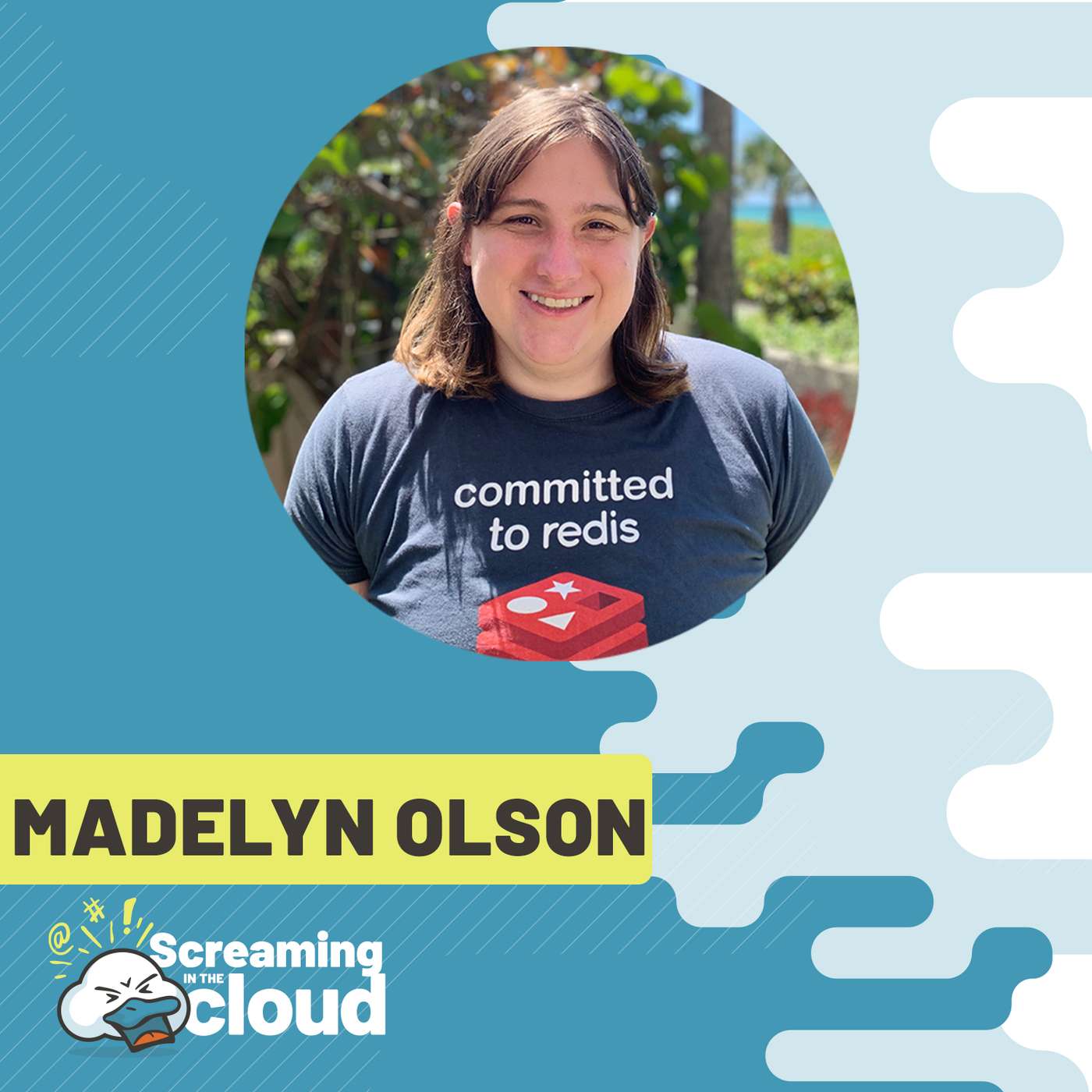
When AI Starts Writing the Pull Requests with Madelyn Olson
Jun 2500:29:32Tap to summarizeAI-generated code is no longer just producing low-quality pull requests. According to AWS Principal Engineer and Valkey core maintainer Madelyn Olson, the quality of AI-assisted contributions has improved dramatically in just the last few months.In this episode of Screaming in the Cloud, Corey Quinn and Madelyn discuss how AI is changing open source development, the growing burden on maintainers, and how projects like Valkey are using AI to find bugs, improve security, and harden production systems. They also explore Valkey's continued growth, the future of software development, and why experience, operational knowledge, and community still matter in an age where code is becoming cheaper to create. *Since this episode was recorded without video, we thought it was the perfect opportunity to get creative with AI!Show Highlights: (00:00) Open Source Stability Push(00:32) Reinvent Afterglow Banter(01:40) AI PRs Get Better(04:36) Whimsy Versus AI Slop(06:14) AI Security Hunting Reality(09:12) Maintainers Adapt to AI(11:28) Valkey Fork Wins Adoption(14:43) Fighting the AI Tidal Wave(23:45) Next Five Years and Roadmap(27:02) Release Woes and Where to FollowAbout Madelyn: Madelyn Olson is a co-creator and core maintainer of Valkey, a high-performance key-value datastore, and a Principal Engineer at Amazon Web Services (AWS). She specializes in building secure, highly reliable systems and is passionate about collaborating with open-source communities. In her role at Amazon, Madelyn serves as a Principal Software Development Engineer for Amazon ElastiCache and Amazon MemoryDB, where she focuses on advancing distributed data technologies and contributing to the growth and success of the Valkey project.Sponsored by: duckbillhq.com
Transcribe →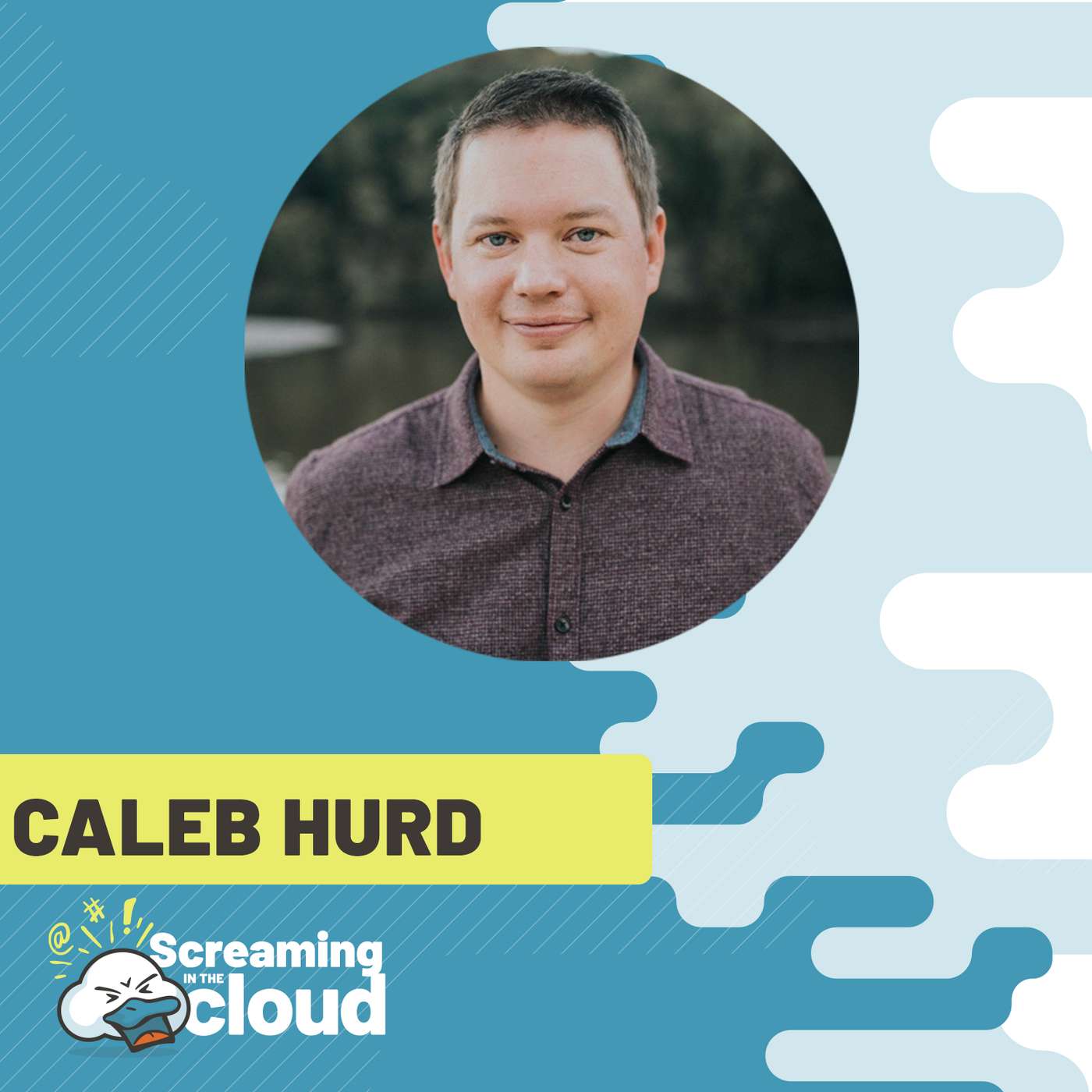
The Appalachian Cloud Trail: Hiking, Cloud Economics, and Finding Perspective
Jun 1100:33:25Tap to summarizeWhat happens when two cloud economists leave AWS behind and spend six days hiking 60 miles on the Appalachian Trail? Corey Quinn sits down with Caleb Hurd to share stories from the trail, including exploding sleeping pads, heroic shuttle drivers, lost phones, and the unique community that makes long-distance hiking special. Along the way, they draw surprising parallels between backpacking and cloud economics, discussing everything from serverless architecture and cloud cost optimization to the hidden challenges of on-prem infrastructure. It's a conversation about technology, adventure, perspective, and why sometimes the best way to solve complex problems is to step away from them entirely.Show highlights:(00:00) Why Hiking Hooks You(00:15) Meet Caleb on the Trail(01:31) Trail Miles and Ultralight Parallels(05:24) The Sleeping Pad Blowout(07:46) Shepherd Saves the Day(09:43) Trail Community and Cloud Community(11:07) Post Trail Perspective and Inside Jokes(15:35) Back to Work On Prem vs Cloud Pain(25:47) Server-less Spend and Lambda Sprawl(32:29) Wrap Up Where to Find CalebAbout Caleb: Caleb Hurd is a Cloud Economist at Duckbill, where he helps enterprises make sense of their cloud spend. Before moving to the cost side of the house, Caleb spent years in the trenches building and operating large-scale cloud environments and leading the engineering teams behind them across companies ranging from healthcare tech to enterprise Saas. He also founded CostOps.cloud, an AWS cost consulting practice, and is a vocal advocate for engineering-led FinOps — arguing that the people closest to the architecture should be the ones driving cost strategy, not spreadsheet jockeys in finance. Caleb holds a degree from Georgia Tech and made an unconventional journey into tech from a background in carpentry, which may explain his preference for building things over just talking about them. He's based in Atlanta.Links:LinkedIn: https://www.linkedin.com/in/calebrhurd/Sponsored by: duckbillhq.com
Transcribe →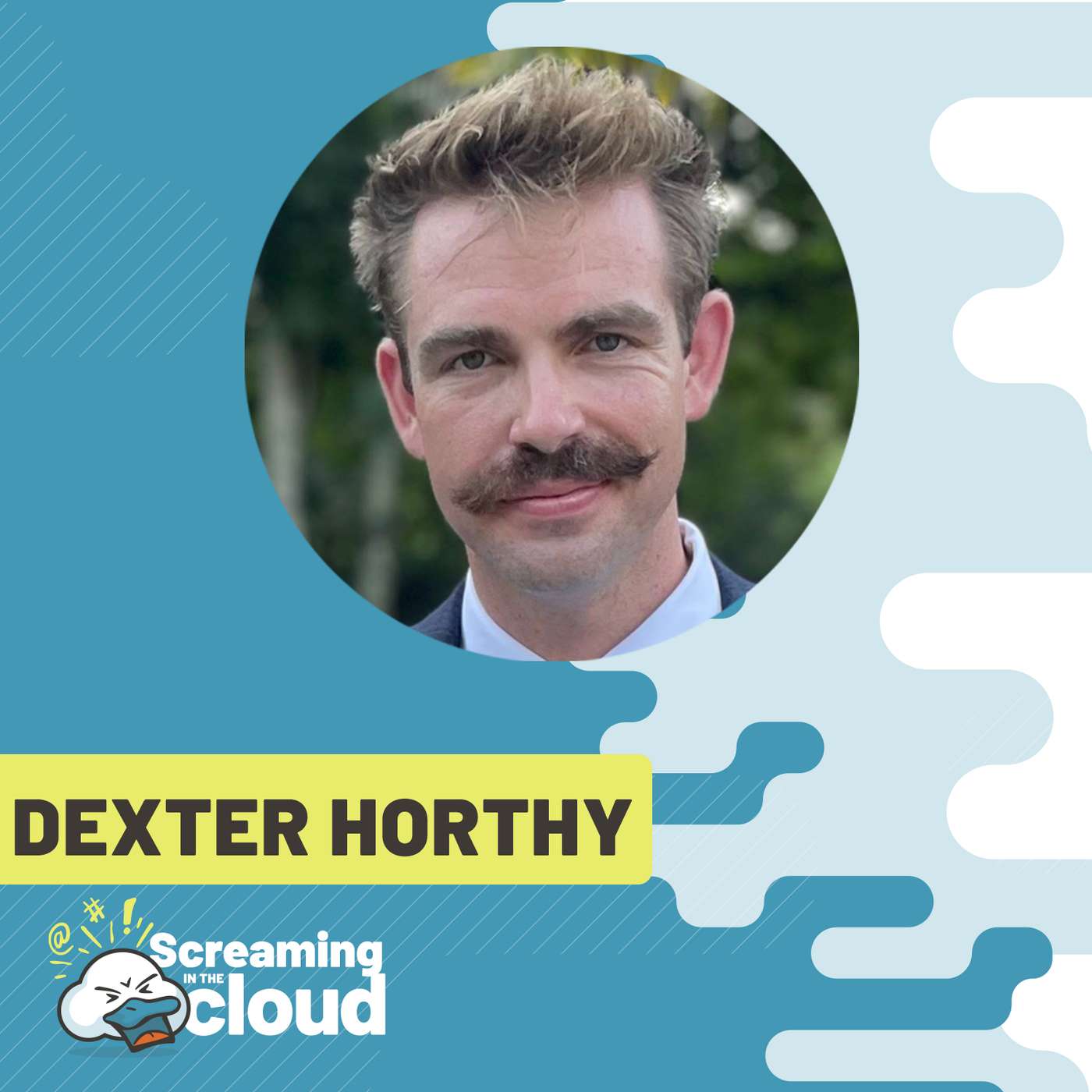
Coding Agents, Chaos, and the Future of Dev Work with Dexter Horthy
May 2800:32:48Tap to summarizeIn this episode, Corey Quinn sits down with Dexter Horthy, CEO and Co-founder of Human Layer, to unpack what engineers are getting wrong about AI, especially when it comes to coding agents.From the obsession with “just throwing more tokens at the problem” to the reality of building scalable AI workflows, Dexter shares hard-earned insights on how to actually push models to their limits. They dive into the evolution of developer workflows, the rise of AI-powered software factories, and why understanding context and verification matters more than raw model power.If you’re building with AI or trying to, this episode will challenge how you think about what these systems can (and can’t) do.Show highlights: (00:00)Throwing Tokens Too Far(01:04) Meet Dexter Horthy(01:52) Personal AI Benchmarks(04:12) Human Layer Race Condition(05:59) Rewrites and Tech Debt(07:19) Software Factories Mindset(10:20) Verifiable Problems and Token Limits(13:45) Agents in the Trenches(18:05) GitHub at Agent Scale(26:23) Safety Ethics and Closing ThoughtsAbout Dexter: Dexter Horthy is the CEO and Co-Founder of HumanLayer, where he helps engineering teams tackle complex problems in large codebases using coding agents. Previously, he worked in DevOps, SRE, and Solutions Engineering at Replicated, and contributed to lunar navigation software at NASA JPL. Outside of work, he’s a fan of tacos and burpees, though not necessarily in that order.Links: LinkedIn: https://www.linkedin.com/in/dexterihorthy/Website: https://humanlayer.devSponsored by: duckbillhq.com
Transcribe →
The Rise of Autonomous Ops: Inside AWS’s DevOps Agent with David Yanacek
May 1400:30:33Tap to summarizeIn this episode, Corey Quinn sits down with AWS Senior Principal Engineer David Yanacek to explore the next evolution of DevOps.After two decades of building systems to reduce operational pain, David shares how AWS’s new DevOps Agent is pushing automation to a whole new level, autonomously diagnosing incidents, suggesting fixes, and proactively improving systems before engineers even log in.From pager overload to autonomous remediation, this conversation is a glimpse into a world where software isn’t the bottleneck anymore, operations are evolving into something entirely new.If you care about DevOps, SRE, platform engineering, or just want fewer 3 a.m. alerts, this episode is for you.Show highlights: (00:00) DevOps Meets Agents(00:13) Welcome and Sponsor Break(01:29) David Yanacek Backstory(02:34) DevOps Roots at Amazon(04:22) DevOps Agent GA Overview(05:32) LLMs MCP and Any Cloud(08:32) Guardrails and Safe Changes(11:47) Beta Results and Consistency(14:13) Troubleshooting Theory and On Demand(17:29) Future of DevOps and ClosingAbout David: David Yanacek is a Senior Principal Engineer at AWS and a lead advisor on the Agentic AI team. His current work focuses on Kiro, Amazon Bedrock AgentCore, and AWS’s operational agents, where he helps shape the future of intelligent, autonomous systems.Over a 19+ year career at Amazon and AWS, David has been at the forefront of building services that simplify life for developers and operators. His experience spans serverless, DevOps, and CloudOps, including launching Amazon DynamoDB and AWS IoT Core, and contributing to the direction of cornerstone services like AWS Lambda, Amazon API Gateway, and Amazon CloudWatch.David also served as the lead publisher for the Amazon Builders’ Library, helping customers apply Amazon’s hard-earned architectural and operational lessons to their own systems.Outside of engineering, David plays the French horn in a local Seattle ensemble.Links:LinkedIn: https://www.linkedin.com/in/david-yanacek/Website: https://aws.amazon.com/builders-library/authors/david-yanacek/Sponsored by: duckbillhq.com
Transcribe →
Building the Backbone of AI Agents: Telemetry, Open Source, and the Future of Developer Infrastructure with Brian Douglas
Apr 3000:29:17Tap to summarizeAI agents are moving fast, but the infrastructure behind them is still catching up. In this episode of Screaming in the Cloud, Corey Quinn sits down with Paper Compute CEO Brian “B Dougie” Douglas to explore building telemetry for AI agents, open-source infrastructure, token economics, and what it takes to create developer tooling in the AI era. From local-first observability to agent runtimes and the future of AI workflows, this conversation dives into what’s next for AI-powered development.Show highlights: (00:00) Open Source Trust Signal(00:16) Show Intro and Sponsor(01:07) What Paper Compute Builds(01:55) Telemetry for Agents Explained(04:10) Local First Data and Sharing(06:18) Second Time Founder Story(09:06) Token Costs and Pricing Psychology(14:20) Stereos VM and Safer Runtimes(20:34) Open Source Strategy and Vibe Coding(24:54) Whats Next and Wrap UpAbout Brian: Brian is the founder of the Paper Compute Company, a distributed systems primitives for AI agents.Brian previously founded Open Sauced, a company dedicated to increasing knowledge and insights of open-source communities. In 2024, Open Sauced joined the Linux Foundation, further solidifying Brian’s commitment to advancing open-source initiatives. With a passion for open source, Brian has consistently supported and mentored new contributors through Open Sauced, empowering developers to excel in the open-source ecosystem.Previously, Brian also led Developer Advocacy at GitHub, where he fostered a community of early adopters through content creation showcasing the newest GitHub features. His experience spans across notable companies in the tech industry, including Netlify, where he worked as an advocate. Brian’s dedication to open source extends beyond his professional endeavors. He currently hosts two podcasts Open Source Ready and The Secret Sauce: A podcast focusing on developer insights and experiences.Through these platforms, Brian continues to share valuable knowledge and promote open-source culture within the developer community.Links: LinkedIn: https://linkedin.com/in/brianldouglasWebsite: https://b.dougie.devSponsored by: duckbillhq.com
Transcribe →
The Power of Saying No: Growing by Narrowing Your Focus with Corey Quinn
Apr 1600:28:58Tap to summarizeWhat happens when you stop trying to serve everyone, and start focusing on the right customers?In this episode, Corey Quinn sits down with Corey Quinn (yes, really) to talk about specialization, scaling service businesses, and the power of saying no. From growing a digital agency from $20M to $200M to escaping founder-led sales, this conversation dives into practical lessons for founders, marketers, and leaders looking to scale with intention.Show highlights: (00:00) Specialization Mindset(00:21) Show Intro and Sponsor(01:18) Two Corey Quinns(02:39) Guest Background and Book(04:41) Scaling a Service Agency(06:28) Inbound Limits and Outbound Shift(10:21) Cookie Gifting Breakthrough(12:12) Making Gifting Work(19:09) Retention Through Specialization(25:20) Founder Bottlenecks and Wrap UpLinks: LinkedIn: https://www.linkedin.com/in/coreyquinn/Sponsored by: duckbillhq.com
Transcribe →
Build vs Buy: The Hidden Costs of “Just Building It” with Ahmed Bebars
Apr 200:42:55Tap to summarizeJust because you can build it doesn’t mean you should. In this episode, Ahmed Bebars, Principal Engineer at The New York Times, joins Corey Quinn to talk about real-world cloud decisions, Kubernetes complexity, and the constant trade-off between building your own solutions and buying existing ones. From home labs to enterprise architecture, they unpack what actually works, and what engineers often get wrong.Show Highlights: (00:19) Intro(01:09) From Imposter Syndrome(06:34) Honest Community Feedback(09:29) EKS Versus ECS Debate(21:32) Home Lab Reality Check(22:40) Build vs Buy Long Game(28:04) Focus on Core Business(34:35) Uptime Tradeoffs and Standards(39:41) Networking and IPv6 Debate(41:28) Wrap Up and Where to FindLinks:Ahmed's LinkedIn: https://www.linkedin.com/in/ahmedbebarsSponsored by: duckbillhq.com
Transcribe →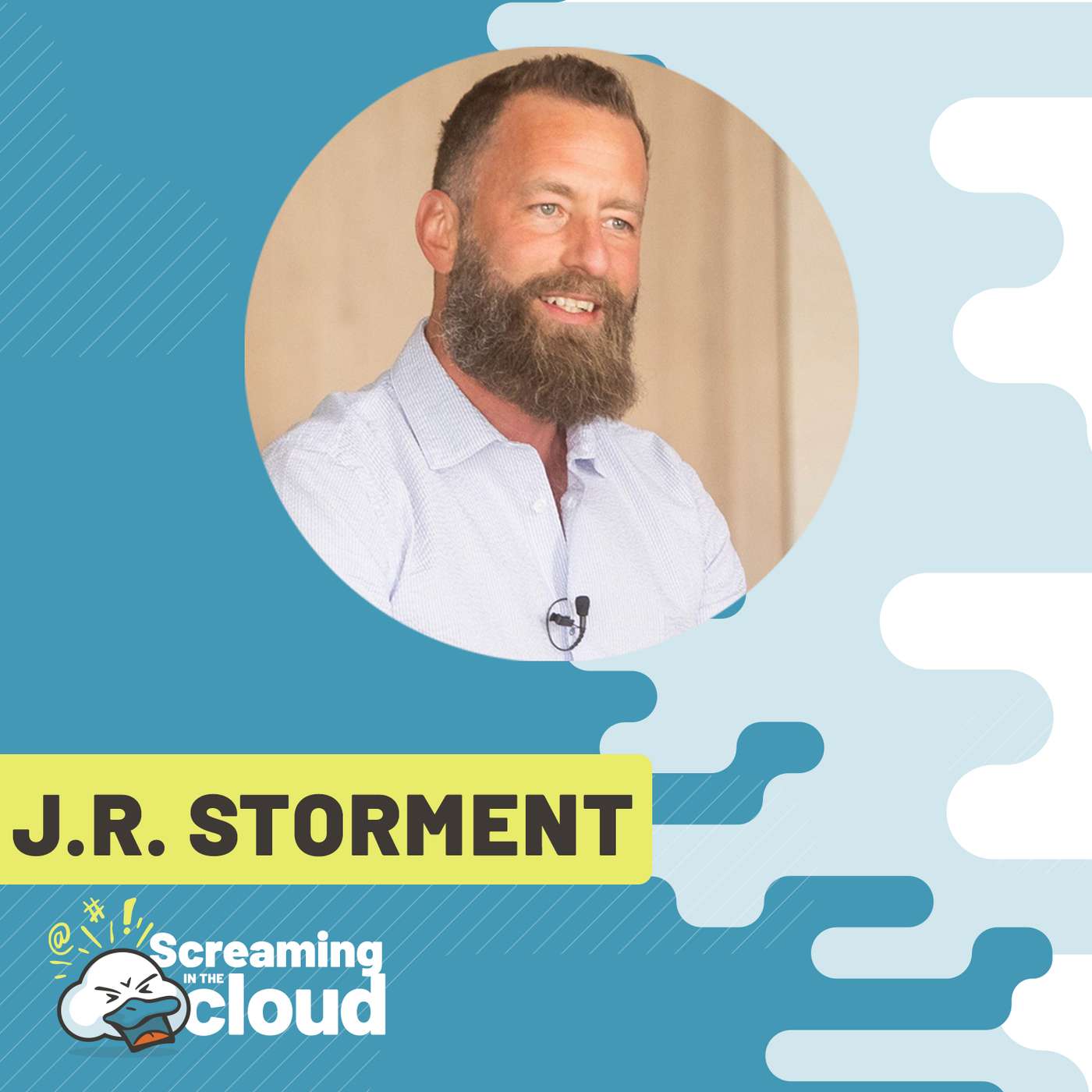
FinOps, AI, and the Cost of Cloud Chaos with J.R. Storment
Mar 1900:47:33Tap to summarizeWhat happens when cloud economics meets the messy reality of business, AI, and human behavior?Corey and J.R. Storment unpack why cloud cost management is less about math and more about psychology, the real difference between FinOps for AI vs. AI for FinOps, and why automation still struggles with edge cases (despite all the hype). Along the way, they explore multi-cloud complexity, the rise of consumption-based pricing, and how businesses are navigating massive, unpredictable spend across cloud, SaaS, and AI platforms.If you’ve ever wondered why your cloud bill feels like chaos, or how to actually get value from it, this episode pulls back the curtain.Show Highlights:(00:00) FinOps Royalty Reunion(03:06) Origin Stories and Naming FinOps(06:32) AI for FinOps vs FinOps for AI(11:05) Automation Hype and Human Psychology(22:16) Contracts Multi Cloud and Commitments(24:26) Context Beats Optimization(26:06) Trust and Billing Clarity(28:14) Focus Standard Flywheel(30:11) SaaS Coverage and Conformance(34:06) Contracts Multi-cloud and Wrap UpLinks: FinOps: https://www.finops.org/Sponsored by: duckbillhq.com
Transcribe →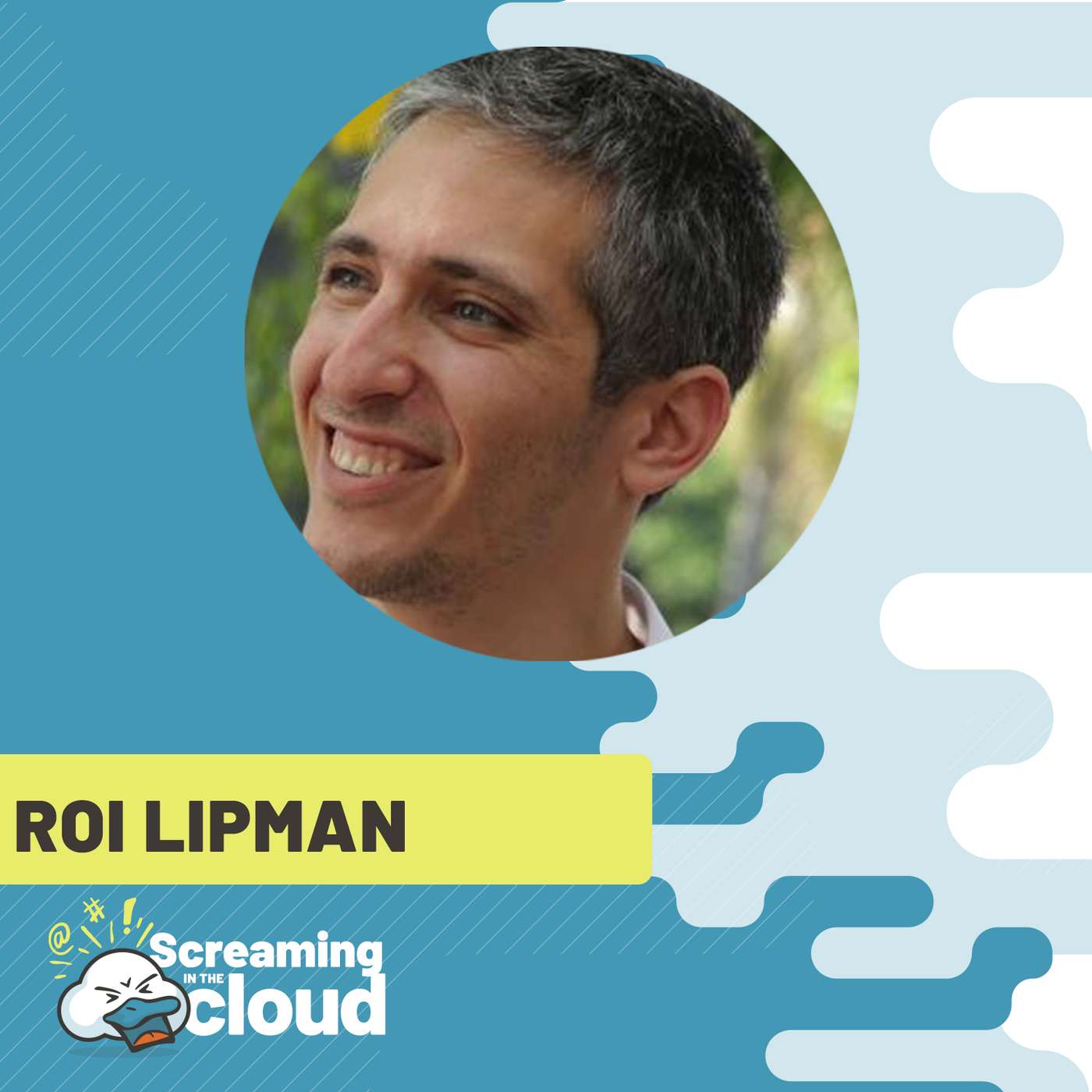
Everything Is a Graph (Even Your Dad Jokes) with Roi Lipman
Mar 500:38:53Tap to summarizeIn this episode of Screaming in the Cloud, host Corey Quinn sits down with Roi Lipman, CTO and co-founder of Falco DB, to unpack the evolving role of graph databases in a world overflowing with data stores. Roi shares his journey from building RedisGraph at Redis to spinning it out into Falco DB, along with his enduring love of the C programming language (dad jokes included). The conversation explores why graph databases remain niche, but powerful, especially for pathfinding problems like supply chains and access management, how vector search became a feature rather than a standalone database, and what AI-assisted development means for modern engineering. Along the way, they tackle open source sustainability, Rust rewrites, AI-generated pull request chaos, and the looming question of where the next generation of senior engineers will come from.Highlights: (00:00) C Language(00:27) Welcome(01:18) Database Landscape Overview(03:17) Why Graph Databases Matter(07:25) AI Built Apps and Data Choices(10:29) How FalcoDB Fits In(12:20) Vector Search as a Feature(16:48) FalcoDB Origin Story(19:54) Open Source Business and Rust Rewrite(25:23) Toy Graph Problems and Closing ThoughtsSponsored by: duckbillhq.com
Transcribe →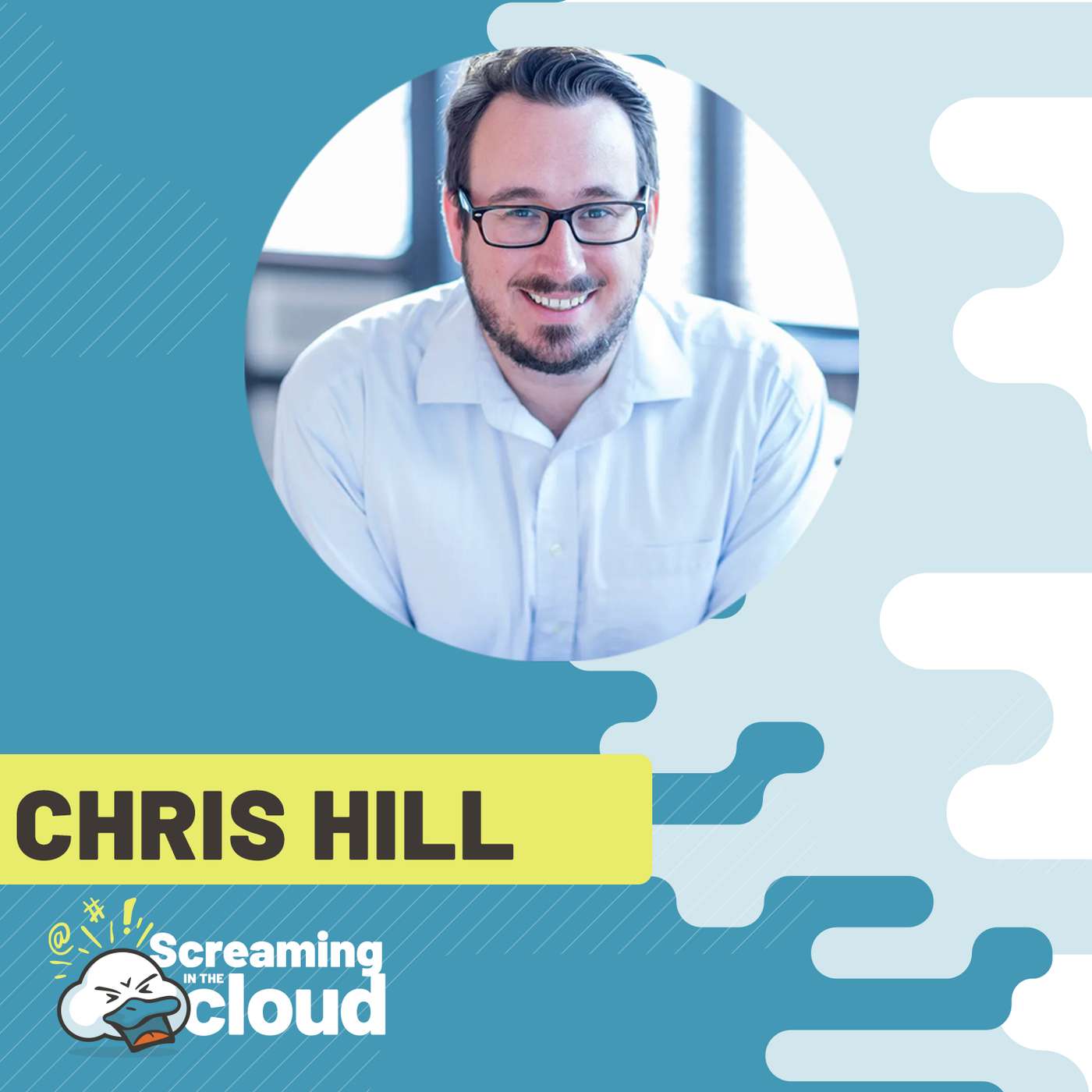
AI, Authenticity, and the Future of Podcasting with Chris Hill
Feb 1900:27:11Tap to summarizeThis week on Screaming in the Cloud, Corey sits down with Chris Hill, CEO of Humble Pod, to talk about the messy, nuanced reality of AI in media. From secretly cloning Corey’s voice for an ad using ElevenLabs (and almost getting away with it) to the growing tension between polished production and authentic content, they unpack what AI can actually do versus what it claims to do.They explore the shifting economics of podcasting, the rise of video-first formats, Netflix’s entrance into the space, and why “good enough” production often beats expensive studio perfection. It’s a candid conversation about trust, automation, creative integrity, and why sometimes the most dangerous AI use case is the one no one notices.Show Highlights:(00:00) The AI Voice Clone Ad Nobody Noticed(00:44) 700 Episodes In: Catching Up with Humble Pod’s Chris Hill(01:16) New Studio, New Vibes: Building a Podcast Space in Tennessee(01:51) AI in Podcasting Workflows: Riverside, Editing Promises & Human Judgment(07:50) Authenticity vs Production Value + Duckbill Hiring & Product Shift(14:05) Renewals, churn, and why point solutions fail(14:15) The Doc Tools saga: building the wrong thing (and Disney lawyers)(15:15) Bahamas studio build: consulting where quality really matters(16:34) Gear talk & pro tips: teleprompters, cameras, and looking at the lens(18:50) Podcasting goes video-first: clips, discovery, TikTok, and the wrap-upAbout Chris Hill: Chris Hill is a Knoxville, TN native and founder of Humble Pod, where he helps brands, startups, and thought leaders develop, launch, and grow podcasts across the U.S. and beyond. He works with clients ranging from local Knoxville businesses to entrepreneurs in Silicon Valley and around the world.Chris is the co-host and producer of Our Humble Beer Podcast and lectures on podcasting and marketing at the University of Tennessee. He earned his undergraduate degree in Marketing & Entrepreneurship from the University of Tennessee at Chattanooga and later received his MBA from King University.He currently serves as President of the American Marketing Association Knoxville chapter and enjoys supporting the local craft beer community, traveling internationally, and exploring the outdoors.Links: Humblepod: https://www.humblepod.com/Sponsored by: duckbillhq.com
Transcribe →