← Second in Command: The Chief Behind the Chief with Cameron Herold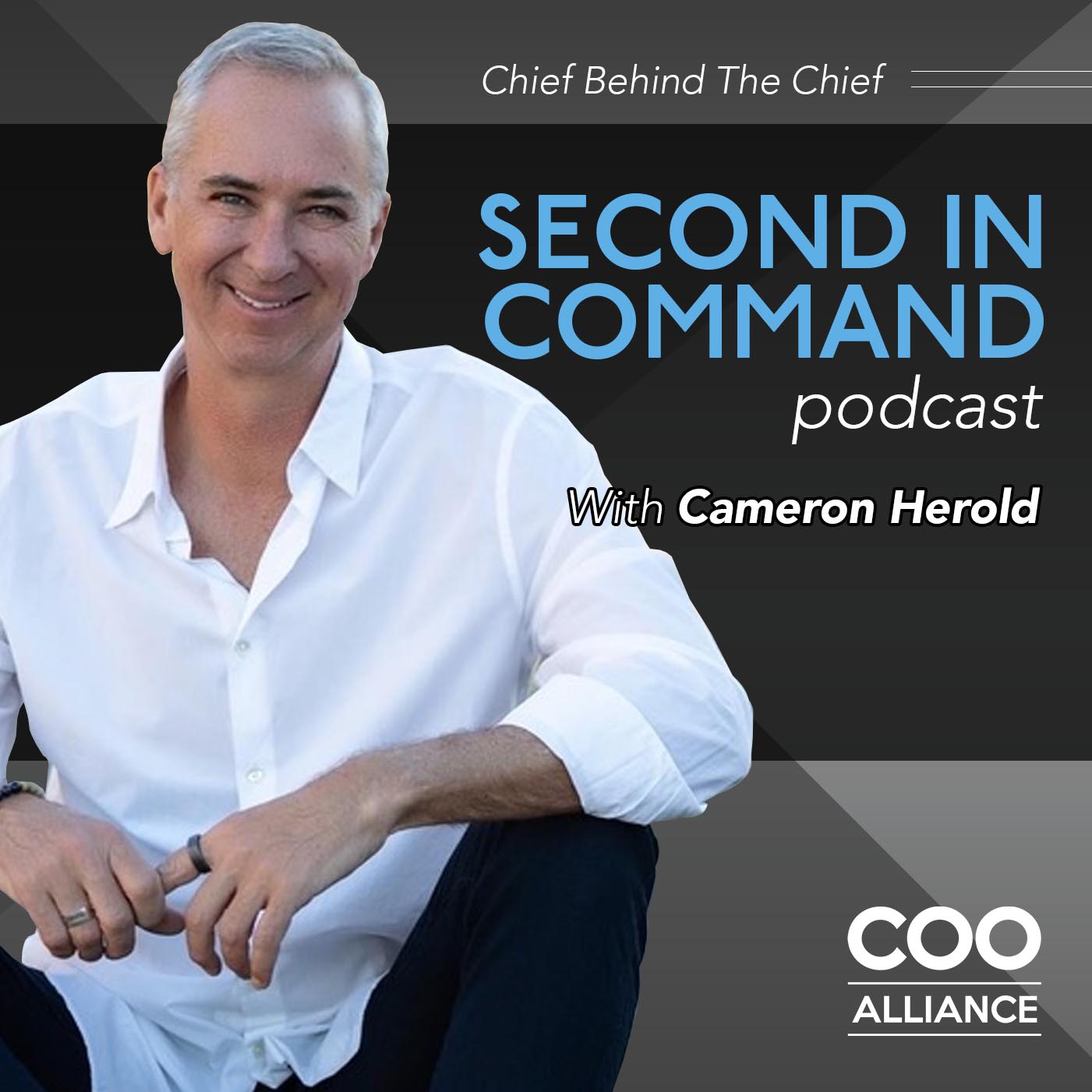
Second in Command: The Chief Behind the Chief with Cameron Herold
Ep. 439 - Y Scouts CEO, Max Hansen
00:23:05
Loading summary
Transcript35 lines
- [00:00]
Cameron Herold
Hey, it's Cameron Herald, the host of the Second in Command podcast. Before we dive in, there's something you need to know. If you're a coo, VP Operations, or you're in any role where you're the second in command to the CEO, the COO alliance is the place for you. If you're the integrator to the visionary, you're going to want to join us. The COO alliance is the world's leading community for the second in command. We've had over 500 members like you join from 17 countries to grow their skills, connections and confidence. You'll get the tools, friendships, and a 10x guarantee to ensure that you get your money's worth. Go to cooalliance.com to learn more and see if you qualify. You can even book a free call with our team to ask questions. Now, let's jump into this week's episode.
- [00:44]
Max Hanson
You know, if you really have to get a role right, especially at the C level or a key role doesn't have to be at C level, maybe it's a, you know, director of Operations because the company is not, you know, big enough to even have a VP or a C level. If you have to get something right, you go find somebody you trust and you go deep with them. That would be my advice. And if you've had, if you've been burnt by a retained search firm, I think you just kind of chose the wrong firm and the wrong person to trust. So that would be my advice.
- [01:15]
Cameron Herold
Welcome to the Second in Command podcast produced by the COO alliance and brought to you by its founder, Cameron Herold. In the second in command podcast, we talk to top COOs who share the insights, strategies and tactics that made them the chief behind the chief. And now here's your host, Cameron Herald.
- [01:40]
Max Hanson
Today I'm joined by Max Hanson, the CEO of Wyscouts, a purpose driven executive search firm. Together, we unpack the philosophy behind retained executive search firms and how their approach transforms recruitment into a strategic alignment process. Max and I explore how why Scouts process prioritizes purpose and values, aligning leadership with organizational culture to ensure an exceptional fit. Max shares the firm's unique covert discovery process, which builds trust and fosters meaningful connections with candidates. Before revealing the specifics of company names or roles. We also delve into the complexities of the client recruiter relationship and the common challenges businesses face when navigating their hiring processes alongside external search firms. You'll hear practical advice on fostering collaboration through transparent communication, structured planning and a strategic interviewing approach. Max Highlights the inefficiencies of over interviewing and underscores the importance of maintaining candidate engagement and experience throughout the recruitment journey. If you're a leader looking to refine your executive hiring strategies or simply curious about innovative recruitment methods, this episode is packed with actionable insights.
- [02:56]
Cameron Herold
So, Max, thanks. Thanks very much for doing this. I have been looking forward to asking you a little bit more about why scouts and what you guys do as an executive recruiter, even though you've been a partner of ours for the entire eight years of running the CO alliance. So thanks for showing up. I appreciate it.
- [03:10]
Max Hanson
Thanks for having me.
- [03:12]
Cameron Herold
So describe for anybody who's never used an executive recruiter, what's an executive recruiter do? What's the difference between like contingency, retained, where do you guys fall in that whole spectrum and then, then what separates you from the rest? Because you guys are very different.
- [03:24]
Max Hanson
Yeah. So I'll start out with the retained versus contingent. And you know, keep in mind my perspective is I did own a contingent search firm for actually three of them. We hired 50,000 people. One of the job brokers, main company, we're doing 50 million. So I know a little bit about contingent from my own experience. My perspective on the difference between contingent and retained is a retained firm is like when you retain an attorney, like it's somebody you go all in with. This is a person that you trust that's going to do the due diligence on the front end to really understand what it is you're looking, looking for and then do all the market mapping to figure out that where this person exists and do all of that kind of upfront work and then go find the person and execute it. And through the process they're going to make sure that you actually choose the right person that's right for you. And I'd say one of the bigger differences between a lot of contingent and retained firms is a retained firm can get you a perfect resume and they will have the discipline to tell you if they see something that they don't like, not hire this person. A contingent firm, not to say that they do this on purpose, but the way the arrangement set up is like they're just not set up to do that and go to find those little things to be disciplined enough to hold off on hiring, you know, not hiring somebody that may have the perfect resume. So the model dictates a lot of how the work is done. And the simple way is a retained firm is doing a lot more due diligence on the front end to make sure that they get the higher. Right.
- [04:52]
Cameron Herold
In simplistic terms, a contingency firm is only going to get paid if you hire one of their candidates and the retained firm is you're paying them to go and find you the best person. They're getting paid regardless. So they're doing the work to find you the best person because they're getting paid. They don't have any risk. Their only risk is that their name will get tarnished if they don't find you good people. Right. So they work really hard to keep their brand high. Would that be fair?
- [05:19]
Max Hanson
That'd be fair. My advice to somebody, whether it be ours, obviously I'm biased because I went from tangent to retain. I'd say, you know, if you really have to get a role, right, especially at the C level or a key role doesn't have to be at C level. Maybe it's a, you know, director of operations because the company's not, you know, big enough to even have a VP or a C level. If you have to get something right, you go find somebody you trust and you go deep with them. That would be my advice. And if you've had, if you've been burnt by retained search firm, I think you just, you know, kind of chose the wrong firm and the wrong person to trust. So that would be my advice. And then kind of back in, I'll just start backing into the WY Scouts question that you asked. So Wise Scouts is purpose based retained executive search firm. We started in 2012 and you know, the way I kind of see it and what we've done is after being in the contingent industry like I described, we learned a lot of what didn't work and what did work. So a lot of things that the three differentiating factors that we really point to to be kind of succinct is first and foremost, our bedrock is aligning people on culture, which we describe as purpose and values, kind of that combo. And we do a org DNA to understand that about companies that align leaders to that. But the other things that I think we do well, and I think everybody should do well is we help our clients through a role visioning and success outcome design process to get clear on what success looks like in the first 12 months of the role. And I emphasize that because a lot of people want to throw everything in the kitchen sink in a job description and then go out to market. And it's almost impossible to interview somebody to that many, you know, to those many things. So you really want to make sure you're thinking about like what this person needs to achieve in the next 12 months, what are the three success outcomes? What are the key responsibilities, you know, corresponding to those, and how are we going to measure it? And then the second thing that we do a little bit different. And again, everybody can do this. In fact, Dan Martell talks a lot about. He does, how he does this internally with his team is we take everybody through a covert process on the candidate side. Meaning when we reach out to candidates, we let them know that we're retained and exclusive by a company that cares so much about the complete alignment around culture and competencies that we want to take them through a discovery process to learn more about them before we get into the details of the role. Now, I know that's kind of a mouthful, but our whole point is we make candidates feel very, very special, special leaders about getting to know them first, because that's super important to really understand them, to make sure that they even are in alignment with the soft skills of the company. Then if they are, then we go deep with them. So we really dig into what's most important to the candidate in that first call. And then the last piece I'll finish. What kind of differentiates us when all three of these combined is our three uniques is the third one is a leadership model for hiring. So when we started the business, we had a neuroscientist that coached me and our other co founder, Brian Moore, and we were looking for, like, in this day and age, what are the best leaders on the earth demonstrating? And the guy actually the neuroscientist, Dr. Robert Cooper, came up with six elevated behaviors. Six was too many. We narrowed it down to three. But the three things we look for as proof points in each role prior that this leader has been in is how much they've been a relentless learner, how much they developed other people, and how have they driven the results. So those three things, if you think about looking at for proof points in.
- [08:31]
Cameron Herold
Each one of their roles, Interesting. And I love that because I've always said that a leader's core job is to grow people. So that's number two. And that relentless learner is interesting. I was at one of our COO alliance meetings. I was talking about how we need to recruit people who like to learn or recruit people and then train them. And somebody said, why don't we just recruit people who like to learn on their own, right? Who already show up wanting to learn, hungry to learn. And that was your first point when you and I first met, which was going back now years ago. 13ish years ago, 12 years ago when I first got exposed to what wisecouts did this culture based recruiting, you guys at some point would actually recruit people and get them interested in the job and you started screening them without even telling them the name of the company that they were even going to be interviewing for. Can you explain how that worked and why that was so important?
- [09:18]
Max Hanson
Yeah, absolutely. That's what I was referring to in the COVID process. So we used to call it purpose discovery. We've gone away from just saying purpose discovery. I think purpose is a word that's used a lot and I think it's kind of scares people honestly. So we just call it covert discovery now. But when we reach out to candidates, we don't tell them the company. And what's interesting about this, when we first started doing it, we didn't know if it was going to be effective because thinking about it, we're reaching out to people that are working that aren't even expecting us to reach out. They're not even looking for work. So when we reach out, we let them know that we're retaining exclusive by a company that cares so much about the complete alignment around culture and competencies that we want to take them through this discovery process. And the interesting part is they almost always opt in because people don't reach out to them like that. And what I've learned for people out there that you know can, you can do this on your own. So if you just had somebody with a Gmail address that reached out, what we discovered is everybody's findable at the C level. Like if anybody's accomplished something, if there's a COO or second in command as you know, if they've done anything, like they've got a profile and they can be found, you can find their contact, contact information. We think how you engage with them really differentiates whether or not they will opt into the process and start engaging with you. So it's one thing that we've learned that I would share that the way you reach out and the way you engage is really the differentiating factor in this day and age.
- [10:36]
Cameron Herold
All right, when a company is looking to hire or to engage an executive search firm, what should they look for? How do they decide? I mean clearly they should pick you, right? But how do they pick one? Because maybe they're not going for a very senior role. And I know you guys specialize a lot in the C suite or VP level. How do they pick a firm and where do they go wrong when they're when they're, once they've picked one, even let's say they've even selected you. Where do companies go wrong in working with a search firm? Like, what can they do better to get better results and to not have as much frustration and to get better candidates? Sure.
- [11:08]
Max Hanson
So I think the first thing is we believe in process. So to understand, say, hey, explain your process and they should have a clear process that in our opinion should help you get more clear on what you're looking for. Right up front. There's, there's very.
- [11:27]
Cameron Herold
Hey, it's Cameron. I hope you're loving today's episode. Quick question for you. Does your company have a strong leadership training program in place to grow the skills of everyone who manages people? If you want to help yourself and your company grow, get everyone who manages people learning from my invest in your leaders online training program.
- [11:45]
There are 12 core leadership skills that.
- [11:47]
I cover online and for only 650 per person, they're all going to really grow. CEOs pay me $78,000 a year to coach them one on one and now you can all benefit for 1% of what they pay me. These are the same leadership skills that I created and certified everyone in at 1, 800 got junk when I was there as COO. Go to investinyourleaders.com today and use promo code podcast10 before the end of the month to get 10% off each manager you sign up. Now back to the show.
- [12:25]
Max Hanson
Few companies, there's some, but very few that actually come to us with a job description that's accurate. Somebody else has written it. A bunch of people have added stuff, but they've never thought about like, all right, what is this person actually need to achieve? What do we, how can we concentrate down? So I'd say they've got to have a process for helping you understand what you're looking for. The other thing is, I'd ask them is how are they going to go find candidates? And so I mean, for us, we don't post jobs. Everything we do, we have a research team. But any of any firm worth their salt if they're just going to go post the job, quite honestly, I mean, do you really want to pay somebody to go post a job on your behalf? And who knows, you know, how they're going to treat candidates because that candidate experience quickly goes into the employee experience and they're representing you. So understanding what their process is is super important. And then the thing that, that I would want to understand is what success have they had, what types of Companies have, they worked with and you know, the references that they're willing to give. And in our case, a lot of times we'll have, you know, testimonial like reference videos already made that, you know, show the, the CEO of the company talking about like what it is we do. So I think understanding the process, understanding their track record and really, you know, understanding the success that they've had by specifically either talking to, you know, folks that they've worked with or at least them giving you enough information and case studies or something else that can give you confidence that they've been there, done that. And I think the another thing that's important to understand is who are you going to be working with in the firm? And I've got, I'm lucky to have an amazing team. I wouldn't execute a search nearly as good as my team does. You know, we've created an amazing process. But understanding the person that you're going to be working with, the one person that in making sure that there's one person that you can always get a hold of throughout the process, you can text anytime and making sure that, that, you know, is a solid contact. And really, you know, one of the things that we think is important is staying on the same page of the client of what types of candidates are coming through and being very transparent on the quality of people that are coming through or the lack of at all times. And the one thing that usually goes off the rails, you asked, you know, what's the one thing that happens that gets challenging is when clients don't stay engaged. Like if they're not ready to interview people like you bring an A player to the table and if the search firm has executed the process and vetted them and the candidate experience is good, and then all of a sudden they can't, you know, they can't schedule with the hiring manager. What that tells the candidate is that it's not that important, you know, to that, that company. So that's the one thing I'd point out.
- [15:04]
Cameron Herold
It's interesting. I remember years ago I was flying out to Atlanta, Georgia and my VP was with me and we had to go out and interview 18 people in three rounds of six group interviews. And then we selected two people from each of those rounds of six to do one on one interviews with. And then we selected three of them to do second interviews with and we did reference checks and at the end of two and a half days we made an offer and the 18 candidates were so blown away with the process and we're like it doesn't take a lot of time to do a bunch of like 90 minute one on one interviews. But, but what takes time is the weeks in between. And you're right, that kind of just shows the candidate you're not that keen, not that interested. The guy that we hired, a former Major League baseball pitcher, is still working with 1-800-got-JUNK 20 years later. It kind of shows that the process doesn't need to take time. The process needs to be tough. Question I have about the process. Let's say that you're a company and you've gone through the top grading methodologies. You've absorbed the book who you really know how to interview. Maybe you've put people through my Invest in youn Leaders course on interviewing. You really have good solid skill set around interviewing and you've got a process that you like to run. How do you merge that process in with the Wise Scouts recruiting process or with an executive recruiting process where you know, you guys have got a process and then do you just throw your process at the window or how do you mesh them together?
- [16:27]
Max Hanson
Yeah, no, this is an incredible question. On the front end you definitely have to decide. You know, we, our process is pretty thorough so you have to decide on the front end. And this would be another way to understand if this is the right search firm because you can say, hey, this is the process we follow. Like we follow the who to a T. Since you guys have your process. How are we going to do this together? And you're hitting a really important point because over interviewing a candidate and especially on the client side, if they have a bunch of, a bunch of managers that are interviewing them and they're all asking the same thing and there's no organization to how they're going about it. Because I point back to the success you had at 1-800-GOT junk when you hired that pitcher was you had a plan and made those people felt very much that you're intentional about the plan. I think what we see a lot of times and this is what we help our clients not do.
- [17:16]
Cameron Herold
They don't have a plan interview.
- [17:18]
Max Hanson
Yeah, yeah.
- [17:20]
Cameron Herold
And they're not even that sure what they're looking for. So then they stumble through the process.
- [17:23]
Max Hanson
Yeah, yeah.
- [17:25]
And you, you know, you and I have had this conversation. I think what people tend over what they do when they, they're not confident about their selection is they over interview and then they want to do some sort of like project that's you know, kind of ridiculous. Spending a lot of time with the Candidate, if you have a really good interviewing process and, you know, you and I are on the same page, you shouldn't have to do that. You should be able to. To, you know, vet the person. And I. But I think the thing that. To. To keep in mind, especially when it comes to top grading and the who, I love a lot of the philosophies in those processes, but a lot of those processes were, you know, built and kind of created a while back. They're kind of assuming that people are applying to roles. You want to be able to vet the person enough. But understand it has to be to get an A player that is, you know, in demand, it has to be good experience for that candidate. And again, it goes back to having a plan of how you're going to ask the questions, who's going to dig in on what, how you're going to collaborate. And I think when it comes to collaborating, at least with your team, once you've had several people interview, I think having some sort of scoring mechanism and a scoring matrix is what we call it. But the scores, in my opinion, don't even matter as much as the conversation that happens between the two people on the team, you know, about, like, why they scored them a certain way, because they would change their scores, because some people discover certain things, but I think that's super important to have. And lastly, having a plan to make a decision. A lot of people go into this and they're like, all right, I'm just. When I find the person, we'll figure out how to make the decision. No, you have to have a plan. Like, if there's three people interviewing, one person makes the final decision. Like, you've got a process in order to make the decision. If you don't, some other company will. And that a player that might be interested in a couple people at the same time, you might lose them to somebody else.
- [19:10]
Cameron Herold
I love that last question I have on this is, how much skill training should a company have? And do you guys give them that kind of skill training on doing interviews? Like, if a company comes in and they want to use an executive recruiter, but then they suck at interviewing, how.
- [19:25]
Do you help them unstuck on that?
- [19:26]
Like, do you give them any recommendations and training around that?
- [19:29]
Max Hanson
Yeah, I love this question. Yeah, we put together an interview guide for everybody. And, you know, the funny thing is it's. It's kind of like the. You know, when a manager, a leader, says that they don't need kudos, but they're the person that needs it, the Most you know, they tell you that. Yeah, well most of the time. And I can say this because I'm not talking, you know, to one that we're working with, but the people that suck at interviewing most of the CEOs that just like to talk and they don't listen. And so we put together a very thorough interview guide that's very specific on the success outcomes and key responsibilities. And if you know they're inputs and values based questions together for them as well. But our point is as we give it to them and just say, hey, please do us a favor, just stick to the interview guide. We haven't asked these questions. These are your questions. You get asked, asked the question and just get silent and listen. And if you haven't gotten what you've heard, ask them. And this is from the who and what else? And typically the second you know that once you dig in a little bit, they'll tell you kind of the answer that it's a real answer. And if they didn't, you can just say and what else again? And the best thing about this, especially for people that haven't interviewed is when they're done they'll just say that there's nothing else and then you can move on to the next question.
- [20:38]
Cameron Herold
The pregnant pause, right? And then what else or what? Yeah, the pregnant pause afterwards just lets them kind of continue. It's interesting. I've also seen that so many companies, the CEO especially starts to sell when they get a really excited, a good candidate in front of them, they start selling and they scare them away. The best way to sell, which I don't curious if you agree with this then we can pause or stop. But I think the best way to sell a great candidate is to grill the crap out of them in an interview. Like an A level candidate. If you make it the hardest interview of their life, they want the job. But if you sell them on how great your company is, you're probably scaring them away. Any thoughts around that?
- [21:16]
Max Hanson
Oh, 100. I think that the best candidates take it, take it as a challenge as they should and then like my our style. This is how we this is what we do with clients too. At the end of the process before we get we actually you work with clients but I recommend this candidates is you flip the script on them instead of selling them, you say hey, now that you know about us and now that we've met you know a little bit more about us, why would you make a great candidate for us? So you make them then sell themselves in so like, you're. You're right on it. Like is like you do actually do the opposite at one point. You just stop and say, all right, now you know, enough about us. Why are you a great candidate for us? And see what they do.
- [21:51]
Cameron Herold
Oh, and I won't even answer their questions until the end of the interview. I'll actually, which. Which really flips the script on them. But as soon as a candidate starts asking me questions, like, hey, I love your questions, as soon as I know that you're worthwhile for me to spend time with, like, that we're actually interested, then I'll answer all your questions. But right now, I need to grill the crap out of you until I know for sure, because otherwise it's pointless to me even answering your questions. And they're like, oh, shit, like, this is my interview, dude. You didn't book me to show up to ask me questions. I booked you to show ask you questions. We'll get to them at the end. Last 10 minutes is reserved for you. Now. I want to ask you about this. All right, Max Hanson, CEO and founder of Wisecouts. Thanks so much for sharing with us. Really appreciate that.
- [22:29]
Max Hanson
Thanks for having me, Cameron.
- [22:31]
Cameron Herold
Great insights. Thank you.
- [22:34]
You've been listening to Second in Command, brought to you by COO alliance founder Cameron Her. If you enjoyed this episode, please be sure to, like, share and subscribe to us on Apple Podcasts, Spotify and our other podcast streaming platforms. For more best practices from industry leading COOs, visit COOAlliance.com.