← Second in Command: The Chief Behind the Chief with Cameron Herold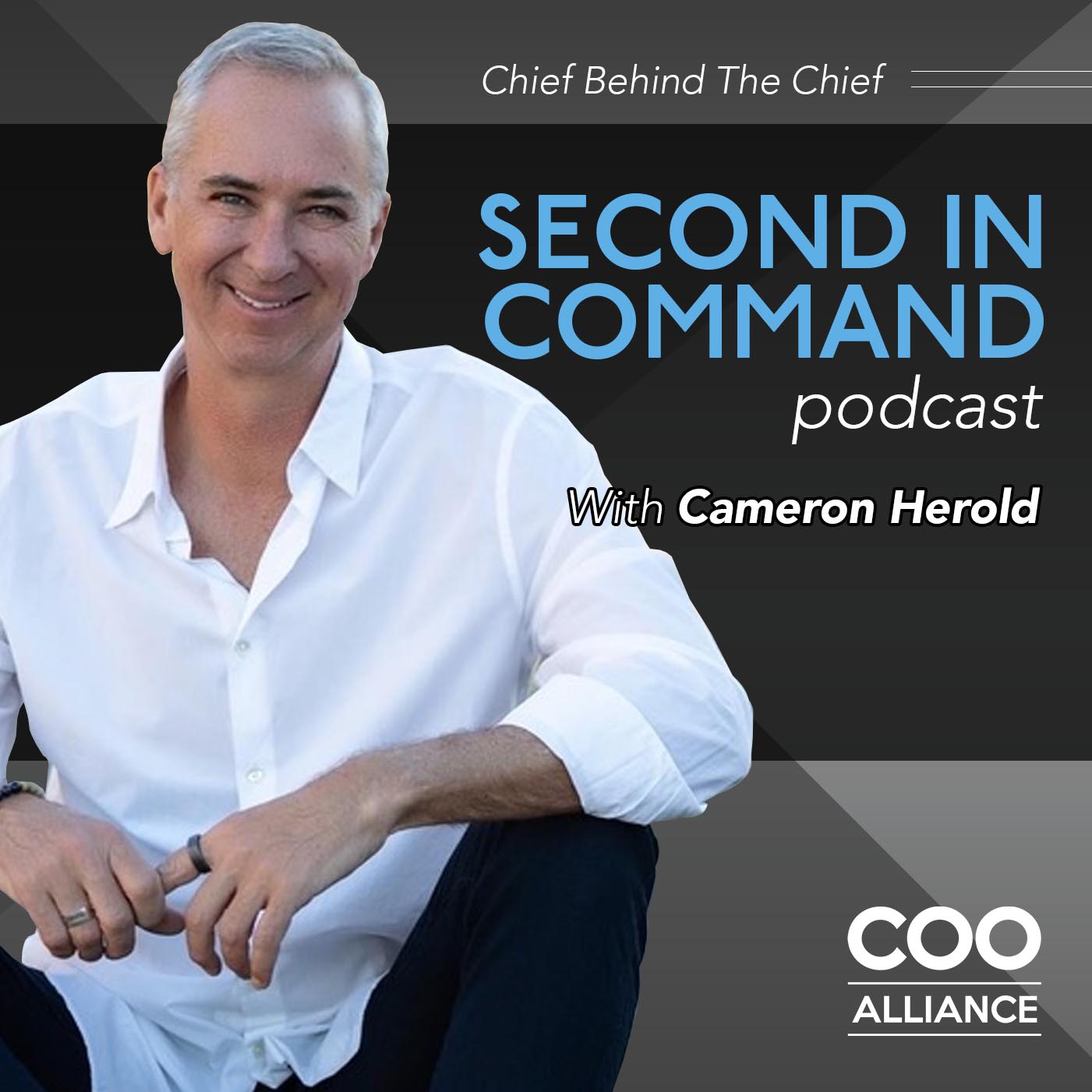
Second in Command: The Chief Behind the Chief with Cameron Herold
Ep. 448 - COO, Titan Restorations, Sami Erhart
00:57:17
Loading summary
Transcript81 lines
- [00:00]
Sammy Earhart
The imposter thing, I think it's always going to be there a little bit. It's definitely better than it was when I first started. And again, I don't want to give away too much, but some of the questions that were asked before Cameron said that was like, the size of your business and revenue wise and employee wise, and obviously there were people in the room that were a smaller company than we were, but then there were a lot of people much larger than than we were that still raised their hand. And I'm like, what the hell? You know? And then you get to talking to these people, and I'm like, there is no way you should have imposter syndrome. Like, you're amazing. You're so much smarter than, you know, all the different things that we think in those conversations. And I think it took a couple years before showing up to those events and being on there where I felt confident to even, like, raise my hand or chime in and comment on something.
- [00:53]
Cameron Herold
Welcome to the Second in Command podcast, produced by the COO alliance and brought to you by its founder, Cameron Herold. In the Second In Command podcast, we Talk to top COOs who share the insights, strategies, and tactics that made him the chief behind the chief. And now here's your host, Cameron Herold.
- [01:18]
All right, on today's episode of the Second In Command, we have our guest, the incredible Sammy Earhart. She is a proud member of the COO alliance, and she's also the Chief operating officer of Titan Restoration in Arizona. They have 75 employees and four thriving locations across Arizona, and Sami has really been a key player in scaling the company. She started off as a mitigation manager in 2012 and has risen through the ranks over the last 12 years into the role of second in command. So she's really played in a lot of different arenas in the company, and her journey is one of relentless adaptability, really stepping into being a visionary leader. And something we've talked quite a bit about in our personal relationship is her commitment to creating a winning culture. She's really known for her direct and pragmatic approach, and she's completely transformed Titan's operations, aligning the right people and the right seats. She's fostered a lot of great accountability in the company. And so today on our episode, we. What we dive into is a lot about what it's like to be at the top as CEO and how that can often be lonely being in that position sometimes, and what she's done to find support and structure in that. We'll also explore her strategies for how they've introduced AI, really supporting and driving those changes, getting people to adopt the quickly changing environment that we're finding with AI, how she's overcoming imposter syndrome, and how the company has embraced a 10x growth mentality to optimize both client success and company culture. So get ready. Today's episode is an amazing one with this industry trailblazer as we welcome in Sami Earhart.
- [03:07]
Here we go. Well, welcome to the Second In Command podcast. Sami, we are so excited to have you today.
- [03:14]
Sammy Earhart
Glad to be here.
- [03:16]
Cameron Herold
Sammy is a friend of mine that I actually met through the COO alliance. So we've hung out a couple times at Cameron's events and she has so many cool things to share. We were just talking about the last like 10 minutes here, just kind of jamming out on your background and how you got to the company that you're with, which you've been there for 13 years. So let's start there. Would love to just hear a little bit about what was your journey like becoming COO at Titan Restoration.
- [03:47]
Sammy Earhart
Absolutely. So I, to be honest, fell into this industry, job, company, everything, somewhat by accident. I had a friend that I was looking for a job, had been divorced, relocated. He called. I was actually interviewing for another restoration company and he called and said, do not go work for them. You've got to come work at Titan, where I'm at. And I interviewed. I was actually hired as a dual role, part time as managing. They had an office up in the north eastern part of the state, so I was kind of managing that office. It was a small satellite office. And then they actually hired me to be one of their estimator salespeople's assistant. So I was kind of splitting my time between that. About three months in, I recommended that we shut the satellite office down. It was a bunch of people just spending Russ's money hunting and doing whatever they wanted. And the sales assistant refused to utilize me. And so they offered me a mitigation management position. Again, three months into this industry that I didn't know existed prior to coming to work here, I knew nothing about mitigation. I said I would love to jump into it as long as I was going to get some training. Fast forward. I've had the mitigation manager position. I then moved into a superintendent on the reconstruction side. So I moved from the emergency services to the repairs. I've been the controller, I've been ops manager and now I've been the COO for the last five years or so.
- [05:21]
Cameron Herold
Cool.
- [05:22]
Sammy Earhart
So here I am here. You are.
- [05:25]
Cameron Herold
And can you give us a little bit of context on what does your company do?
- [05:29]
Sammy Earhart
Yeah. So we are a full service restoration company. So we're a general contractor that specializes in restoration needs. So flood, fire, mold, bio trauma, pretty much anything catastrophe related to home or business.
- [05:44]
Cameron Herold
Okay, cool. And one of the things that you were telling me before we got on here was like, I didn't even know this industry existed. It's. This was your words, like kind of a boring industry. And you don't really know that this even exists until you need it. And we've talked about some of my past story with. I got really sick with mold and took me out for a few years. No one had ever really told me about mold or like the signs of looking for it until, you know, I, I experienced it. So I'm curious for you, what was the draw in the first place to working there? And then since being there for 13 years, what's kept you inspired or passionate about it to be there for so long?
- [06:29]
Sammy Earhart
Yeah, so the draw, I mean, initially, obviously I. I needed a job. I was a single mom with four kids, so that was the start of it. But very shortly after starting at Titan, it was the people. So the owner of Titan is amazing. I mean, he started this company fresh out of college. He was a carpet cleaner, Came across a flood, liked it, decided to jump into it, kind of nerded out on it, became really interested in the science behind it and how to dry a building without completely tearing the building down. I mean, as far as my interest in it, I think the thing that keeps me here more than anything, well, besides the people, is that it's different every single day. There is not one day that is ever the same here. There's no catastrophe that's ever the same. And I know I say catastrophe. I use that term loosely. I live in Arizona. We do not have hurricanes or, you know, earthquakes or whatever. We do have fires, but we have shitty water. And so everything floods, from water heaters to the summer condensate lines. Student housing is big for us here. Stupid college students are like great for business for us anyway. So the draw is that. Is that no two days are the same. It's a. An industry that is grow, I mean, growing. It's becoming more of something people that are aware of. And I, unfortunately, I think that's because more people are experiencing losses, whether it's at their home or business. But yeah, it's. It's something I didn't even know existed until I started working in it. And now to think that so many businesses. There's so many. And even here in the Phoenix area, it's very saturated with restoration companies. But the need is there. You know, there's enough work for everybody. And just being able to people we sell, I jokingly tell people when they ask what I do, I sell a service nobody ever wants to hire, which is true. It's, you know, we're not somebody you ever want to have to call. And so when you do have to call, we want to be your go to and we want to have a lot of great relationships and partnerships that people trust and rely on us to come in and kind of turn their disaster into something better.
- [08:44]
Cameron Herold
Yeah. Amazing. Well, one of the things that you said that I heard in that was one is the people and then two, the variety and the things that are changing. And when I was reviewing some of the show notes that we had before, something that stood out to me was Russ being the visionary and you being the operator and switching back and forth between being in the weeds of all the changes and processes and systems and people to being able to meet him in Vision. And then I think even this year, it sounds like you kind of did that together. Like he brought you in for that. I would love to hear what was that like? Why did he want to bring you into that? What was different this year that he wanted to bring you in and then just sharing a little bit about what that experience was like, doing that together.
- [09:31]
Sammy Earhart
Absolutely. So the last time that we updated a vision at Tight or Russ updated a vision at Titan, and he's always kind of kept the leadership team involved in it, ultimately, he's always provided it, but he's always. We've always done some kind of exercises or different things to kind of make sure everybody's on the same page before he creates it. And so it has been. The last one was probably in 2017, 18. I can't remember. There was a general manager that was in charge at the time. The exercise went terribly wrong. It went south. I mean, it caused more issues on our leadership team than I care to admit. Anyway, fast forward a few years. I mean, we've always. I feel like Russ and I have been on the same page as far as that goes, but we never had something that was well communicated, I guess, to the rest of the company. And so it was recommended. Actually, I think Cameron might have even been who recommended us to Vision Driven. And so we hired Vision Driven and he brought me in on that, on that exercise. And so it was probably one of the Most like uplifting, eye opening experiences I've ever had in the sense of how they go about it and just asking questions and probing Russ and I and you know, thought Russ and I were on the same page. And after this exercise it confirmed that we really are and, and what we want is the same. And so that exercise was amazing. And then they provided this very beautifully written, you know, wordsmith of everything that we said in the several hours of different conversations that we had. And they provided some visuals and stuff that we then have been able to relay down, you know, down to our team. And I've never felt better about going into the next three years and the goals that we have set and what we want to see accomplished in the next three. So I thank him for that and being a part of it. And, and not only that, like I said, Vision Driven was, they were amazing. We met with a couple different people and just the questions that they ask are, you know, really insightful and it was great. Wow.
- [11:40]
Cameron Herold
Amazing. So kind of like it sounds like the book that Cameron has, Vivid Vision. Have you read that book?
- [11:47]
Sammy Earhart
I have. And so back up to the, the year that was went south, 17, 18, whatever it was. I may be wrong in this, but I'm pretty sure the GM had, had read Cameron's book. And this is nothing negative on Cameron, but she didn't ask any of the rest of us to read the book at the time she wanted to do this. And so there was. She asked us all to write our own visions for like our departments. And then I think her, I think her plan was to kind of put that all together and make one great big vision. Well, in the exercise, nobody's vision was what her vision was and everybody's visions got scrapped and then it just ended up being what she wanted anyway. And we're like, why did you just waste weeks of our time and energy to provide you anyway and again without that taking up too much time. So after that, a year or two, we read Vivid Vision. I've actually read it a couple different times. And this process was much more in line with what the book talks about and represents than my first experience.
- [12:56]
Cameron Herold
Gotcha. Could you share what is maybe one or two things that if a company was going to have people on their team read that book or write their vision for their department or even from a company standpoint, from the leadership team down, what were some things that were helpful for you guys that other people could take into doing that exercise for themselves?
- [13:17]
Sammy Earhart
So I, my biggest thing is just being open minded. So you know, it gets semi lonely at the top. Right. And what I foresee or what I think needs to happen is not always the reality of how things should happen or the way to get there maybe isn't the reality. I mean, I've been blessed that I was able to have, you know, operate in several different capacities here at Titan. So I feel like for my role that's been beneficial because I, I think I have a pretty versatile understanding of all the different departments and how this flows. Not every coo, I think has had that journey, but if you're going to ask your team to participate in it, you have to be open minded at what they're going to come back to you as being they're the expert in that field or that department and not otherwise. You just need to provide the vision and present it and hope that they buy into it. But if you're going to ask somebody's opinion, need to be open minded and welcome what they have to say.
- [14:23]
Cameron Herold
Yes, agreed. Especially when like a team member is putting in so much effort into something. The amount of conversations, just having a conversation with a friend of mine actually who just left the company or like a big part of why he didn't want to be there anymore was the company would say that they were open to feedback but then when they would share their opinion, nothing would actually change, nothing would be implemented. So I think there's a lot of truth and power and not just opening up the door for people's visions and their ideas, but actually making sure that something happens with it.
- [14:59]
Sammy Earhart
Absolutely.
- [15:01]
Cameron Herold
One of the things that came up for me when you were sharing about that is the process of growing through a company from kind of a more an entry level position to coo. You said it was, it's lonely at the top.
- [15:16]
Could you share a little bit more about that?
- [15:19]
And it's kind of a vulnerable topic. But what has that experience like been for you? What does it feel like? Maybe what are some of the things that it's brought up or you've experienced as a result of being at the top.
- [15:33]
Sammy Earhart
Yeah. So it, it's just an interesting thing to be continually promoted within a company for anybody and it doesn't matter I think what position you're being promoted to. When you are colleagues, maybe at the same level with people and then you then become their boss, it changes the dynamic of your relationship and, and naturally. So, you know, luckily a Titan, you know, we have good retention here and there's a lot of people here that have been here longer than me and some that around the Same time of me that have kind of been through this journey with me, and, you know, it. It changes the relationship to the point where sometimes you kind of feel like the second that happens, you're a little bit now an outcast. Like, oh, no, now, you know, now she's a boss and we can't do or say or whatever. And so it's taken a lot of mental energy for me to, you know, like, hey, I. I'm still who I am. I still value your opinion. I still need you. You're still a part of, you know, a valuable part of this team, and to make sure that that relationship, you know, remains intact. And then, I mean, as far as kind of at the top. I know I kind of talked to you about this in the. The notes before, but, you know, we've had an interesting last couple of years with Russ, my CEO, the owner of Titan's Health. And so I've always had him, and. And then when he got sick, just, you know, the in and out there and, like, who do I go to? You know, So I was always taught, you know, you complain up, you never complain down, and when up is out, then it's like, shit, where do I go from here? You know? So luckily, I've had, I mean, Cameron being one, but a lot of outlets just throughout my network that is like, hey, can I bounce a few things off of you that, you know, you don't really want to do to people, maybe underneath you until you have something to. To actually talk about without scaring them or causing some unnecessary fear. And so that was. Been a struggle, but that compared to the ups is. Is minimal. I mean, the downs have been very minimal, but it's all been a learning experience. It's all, I think, expedited a lot of things here at tit, having Russ step out a little bit, you know, my confidence obviously, has grown with some of that knowing, like, all right, well, it's just me here. Here, let's go. But. And then just the trust Rust has in me to, you know, to keep. Keep doing this for him, which is awesome. But I mean, that we just have. We have an amazing culture and team here, and I mean, they're all willing to put forth anything needed to help keep this going. So it's great.
- [18:09]
Cameron Herold
Yeah, that's really cool. I. I heard, you know, about the. The health challenges that he was having and what a huge, like, gap. I'm sure that was created. And then also the opportunity for you to step up, and I think that's something that leaders can get stuck in sometimes, like being afraid to go on vacation, afraid to step out because what's going to happen if. If I leave? Because we are so entrenched in the weeds of everything, we feel like we're so important in many way. And you can oftentimes block your team from stepping into their own leadership, solving problems. And sometimes like you don't even know how strong your team actually is, how capable they are. And what are the things that I'm doing that I don't need to be doing actually, because my team can, can do that for me. And we don't know until we create that space for them. And so it sounds like there's probably a big, big. A big current of that for you with some of those things. What was maybe one of the hardest parts of that for you? And then what was the highlight of that for you?
- [19:21]
Sammy Earhart
The hardest part was self doubt. I would say, like, am I making the right decision? Is this what Russ would have wanted to do? You know, is this the decision that he would have made? That was probably the hardest thing. But what came from that was again, I think it strengthened the trust relationship between Russ and I. But and not only that, it forced me because this is a struggle of mine to kind of what you just said, delegate, like what can I hand off to somebody else that I don't need to be doing? How am I hindering my team from kind of being given the same situation that I was given based on Russ and it be a trickle down effect. And so we, we've done a little bit of restructuring. You know, I have delegated a lot of things off my plate that I just don't need to be doing anymore. I hired an ea, which Cameron kept telling me, you don't have when you are one, you know, and working through that. And I mean it's been so much good has come out of it. Way more good than negative. The worst part obviously was just Russ's health and having to have some of those hard conversations, but he's doing great. And that's, you know, hopefully now in the past and we're. And we're moving forward, but I would say those are the two biggest.
- [20:39]
Cameron Herold
Beautiful. It's really cool that you're able to step up into that. And even with the, the self doubt and the imposter syndrome, which I remember at my first CEO alliance event, Cameron kind of starts the. We're not giving away any, any secrets at the event, but Cameron starts it off by connecting people. And one of the questions that he asked asks Is if you feel like you are an imposter, raise your hand.
- [21:03]
Sammy Earhart
Yeah.
- [21:04]
Cameron Herold
And everybody raises their hand. And that was something I was really experiencing. I mean, I like, you know, went from second hire to CEO of a 100 person company in two and a half years. The imposter syndrome for me was like skyrocket out the window.
- [21:21]
Sammy Earhart
Yeah.
- [21:22]
Cameron Herold
And I felt like who's going to eventually find out that I have no idea what I do. Someone's gonna.
- [21:28]
Sammy Earhart
I still think that every day. Yeah. Same thing. Yeah.
- [21:31]
Cameron Herold
It's funny like hearing you, you share that and I think a lot of people experience that was there in the. Because you've been. How many years have you been a member with the CO alliance?
- [21:42]
Sammy Earhart
I just started my fourth or fifth year. I can't remember.
- [21:47]
Cameron Herold
Okay, cool.
- [21:49]
Sammy Earhart
Yeah.
- [21:49]
Cameron Herold
Has that been helpful for you? In one. I guess I'm curious, from an imposter syndrome standpoint or like the self doubt belief, how has that supported you? And with like the loneliness aspect, how did getting around other COs support you?
- [22:06]
Sammy Earhart
Yeah. So the, to be honest and the, the imposter thing, I think it's always going to be there a little bit. It's definitely better than it was when I first started. But same experience that you just said. I get into this room and I think. And again, I don't want to give away too much, but some of the questions that were asked before Cameron said that was like the size of your business and revenue wise and employee wise and obviously there were people in the room that were a smaller company than we were. But then there were a lot of people much larger than, than we were that, that still raised their hand and I'm like, what the hell? You know, and then you get to talking to these people and I'm like, there is no way you should have imposter syndrome. Like, you're amazing, you're so much smarter than, you know, all the different things that, that we think in those conversations. But after. And, and I think it took a, you know, a couple years before showing up to those events and being on there where I felt confident to even like raise my hand or chime in and comment on something or, you know, I'm, I'm a pretty introverted person and so I do much better in small groups. But like it's getting better, but the network itself. So the one thing I would say, so not only has the CEO alliance group, but the people that even that group has introduced me to outside of the alliance has been huge. But just the constant. So, you know, on the Slack channels or just the people are always going, if you, you know, if you need help, let me know, send me an email, let's meet up. And so we've, I've had multiple conversations with tons of members. Just a quick 30 minute call that's like, hey, this is kind of what I'm struggling with. I remember you mentioned something on the last thing that this is, you know, you have some experience in this and just talking to somebody else and I. The beauty of the alliance for me. So we're a part of a lot of different networking groups within our industry. The alliance for me has been amazing because it's not my industry. I mean there's a couple people that luckily I've been able to bring into the mix that are from our industry but just having people from all different walks of life, all different businesses, all different experiences, backgrounds that are all just all they want to do is help each other out and, and Cameron's role of, you know, opinions aren't allowed. You have to have, you know, done it, tried it, experienced it in order to share I think is probably one of the best things you could ever do in these situations because it's either proven failure or proven success before somebody opens their mouth. Right. And I think that is so powerful and I appreciate that more than anything. My ID doesn't really love the bullshit. So if you haven't done it, I don't really want to talk about it anyway. And so I think that's one of the best things that he's done at his events in that regard is just getting that setting the guidelines, I guess.
- [24:58]
Cameron Herold
Yeah. What is one of the key areas where if you are in a group and you were to tell them, hey, if you need help with this one thing, this is the key thing that I could help with. I am the most confident, like imposter syndrome is out the window. I know I am amazing at this. What is Sammy's superpower?
- [25:22]
Sammy Earhart
Well, funny you ask. I had to do a freaking 10 minute talk at the Vancouver last year and it was the most nerve wracking thing I've ever done and I didn't actually. So again this is back to. And this isn't me being humble or whatever. I truly do not think I have a superpower. As a matter of fact, if I were going to describe myself it's like Jack of all trades, master of none, like I'll just figure out how to do it and do it and I'm probably never going to be the best at it but you know, I'll get it 85% and then, you know, whatever, somebody can kind of take it over. Russ. So I asked Russ and a couple other of my other executive team members, you know, if you had to say what my superpower is, what would it be? And most everybody, it was pretty unanimous that it was getting shit done, which is kind of back to my point. But that doesn't really answer your question because that's very broad. I totally get it, but I think I. I build trust with people really easily because I am kind of a no bullshit kind of person. And you get what you see. I'm not. I don't really hide well. I probably should learn to hide it a little better. But what I'm feeling or what I'm thinking, and people either love or hate that. And the people that love it, I think work really well with me. And the people that hate it, you know, probably shy away from dealing with me. But with that being said, I think it's created a way for me to have this, you know, my, my people around me, whether it's at work or in my personal life. And you know, that they get me, they understand me, I get them, I trust them, and we are able to collaborate and to work on things and the trust is there. And if you come in and you ask my opinion, you know, you're going to get it whether you like it or not. And I expect the same in return. And it's worked for me. But. And going back, you know, to kind of your question about getting done, I think that's always just been, you know, I mentioned before and without getting into it, I've been a single mom the most of my life and like, it was something that I just had to do. Right. You just have to figure it out. So you don't have time to wait around for somebody to show you how or tell you how to do something. So you just figure out how to get it done. And to be honest, in. In any industry I've worked or job that I've had, that's been my key to success, is just figure it out. Nobody has time to sit there and walk you through everything. So figure it out.
- [27:42]
Cameron Herold
So, yeah, jump in and just.
- [27:45]
Sammy Earhart
Yeah, dirty. And don't be afraid to fail.
- [27:49]
Cameron Herold
Yeah, totally. What is, what is your structure like? Because it sounds like you're involved with people and systems and so many different kind of pieces of the business. Do you have a structure? This is something that I personally geek out about. So I'm really interested in how you do this. Like, do you Plan your week. Do you do time blocks? Do you have certain days of the week that you like?
- [28:13]
Yeah.
- [28:13]
What is. What is the breakdown so that you can get shit done in a productive way while focusing on those highest priority things?
- [28:20]
Sammy Earhart
Yeah, well, so I'm back up a year or two. I will say I had zero structure. It was whatever landed on my plate at the time. At the time when Russ and I start, you know, we knew this. He was going to be stepping away. You know, his health had declined. And we were talking a lot about the delegating and getting me an EA and all of the different things. And it really have a lot of that and I was very hesitant to. Because. And a lot of it's because of this industry that, that we work in. It's emergency. I mean, it's 24 7, 365. You know, there's. There's not. It's just constant chaos, which again, I. I think I thrive in chaos. That's probably why I've. I've stayed here as long as I have. But I will say the last two years, the big. Like one of the things I've been focusing on is that. So we opened our. Had been in Mesa up until. Only in the Maricopa county area up until 2021. And then we acquired a company in Tucson in 2021. And the act. When I say acquired, it was a very. It was a friend of ours that we'd been doing business with back and forth for years. And he calls, he's ready to sell. I mean, it was like a handshake, you know, whatever. But back to Russ and I's relationship, he's like, sammy, run down there, meet the people, see if it's worth buying. And I'm like, are you freaking kidding me? Like, I know nothing about acquiring a. You know. Anyway, fast forward a few years. We ended up making the acquisition and we get. We got some great people out of that. But in. So that started my back and forth. So I was in Mesa and I was in Tucson. And it was at that time that I really had to kind of structure my. I had to get my shit together and structure it so that everybody kind of knew what was going on in the different places. So I started using my calendar, which I had never really been a fan of, you know, created a calendar link and so people could schedule different times with me. This was right after Covid. So we all learned to do zoom and teams and all the things that were required during COVID So I am now minus my zoom issues that I had with you this morning. We're a team's people here, but we do. I schedule a lot of, of that. But I am not a weekly person, I'm a daily person. So every morning I get. I'm very routine. I know I say I thrive in chaos, which I do. But I also really love routine. So the fact that the holidays are over and everybody's schedules are back, I'm thrilled today. So I'm daily. Every morning I wake up, I do, you know, my morning routine at home. And then my calendar is the first thing I look at. And I am old and not as. My memory is not as good. So I have to set alarm for every little calendar thing so that I don't miss anything. And we have a pretty systematic meeting structure. So all of that's pretty regular. But as far as just the day to day stuff I do, I live and die by my calendar anymore, which I didn't used to be. And I always kind of criticize. I didn't like that rigid of a structure. And I don't try to pack it super tight where I don't have some room, you know, for. And I like to have my door open and be able to interact with people. But I am traveling back and forth amongst our four locations now. And so it's really the only way that I can make it work.
- [31:35]
Cameron Herold
Yeah, well, I mean, it makes sense. Yeah, a lot going on. I remember when things started getting crazy for me and running multiple departments, I was like, yeah, I can't just go into my day and be like, okay, what I want to work on. I had to be very intentional. So like what I did was on Sundays I, I did like find that planning the week was helpful, which I, I had a lot of resistance to doing. It was actually something that me and the owner of the company I was working for were butting heads on. Like, for the most part I'm like pretty open and coachable. But he was telling me, like, you need to plan your week starting on Sundays and then every day, like plan tomorrow today. And I was like, I just don't think that's gonna work for me. Like, I wanna wake up and then figure it out. So I gave a lot of like resistance to it. But then once I actually did it and I planned my week and he taught me this concept of blocking like all the same projects in one. And then you create these little buffer zones. So like on Monday I would do all my calls, like all my one on ones team meetings. I just like eight hours, boom, boom. Boom. I don't have to think about checking slack or email. Like, I am on calls all day and it's nice. At the end of the day, you're just like, cool. Like, I'm done with all my calls. And then the next day would be my project day and I would have all of those blocked and then I would make sure that there was a two hour buffer either that day or like the next day in the morning, before my next like block of calls or whatever so that anything I didn't get done or, you know, things pop up during the day. That was the other thing I was finding. Like, you can plan stuff all day, but then if you have an emergency come up, what do you do with it if you haven't blocked any extra space? So then I would move that into the two hour buffer zone. Man, once I started doing that, my productivity went up and my stress went down.
- [33:26]
Sammy Earhart
Absolutely.
- [33:27]
Cameron Herold
There's no reactivity.
- [33:28]
Sammy Earhart
So weird. Because I was the same way as far as resisting it. And, and I think my resistance came from more of a place like, like, we can't plan emergencies that happen here, which is true. But I also, I mean, it's been years since I've actually been out in the field, so it was a really dumb excuse on my part. Right? Like, yeah, I may have to jump in a little bit on something in the back end, but it's not like I'm having to respond to, you know, a lot of these. But it, it was just, I think again, just something that was really hard to get used to. And, and like you said, and then when I first started it, I think I, I was booking my days out so full that I had no buffer, no time. And then I also didn't like the feeling of like, if something didn't get completed that was on my calendar, it was like the whole day was a fail for me. And I'm like, I'm setting myself up for failure the way I started it. Right. So I, it took a, a lot of adjusting to figure out like just the right balance of how many appointments should I have on a day, what that buffer look like. And then on my travel days, like, what, you know, what does that look like? So, you know, we're two years in and I'm still, I think, fine tuning it a little bit. But it is, it is so much better and it's, and it's shared. So then people aren't like, what's Sammy doing? Or, you know, where's she at today? Or whatever. So I think that's been helpful too. One of the problems with, you know, it's a blessing and a curse to have kind of worked your way up in a company because whenever there's a gap or somebody leaves or gets let go or whatever, it's like, oh, well, Sammy's done that before. She can fill in. And so then I do tend to kind of get sucked into the weeds, you know, in those scenarios. So trying to kind of stay out of that and figure out the cross training and make sure that we always kind of have a backup and because my direct reports kind of the number goes up and down depending on kind of what's going on. So anyway. But it's. I mean, I. It. It's a work in progress for sure. Yeah.
- [35:22]
Cameron Herold
Well, it sounds like you're doing great and something that I would love to hear your thoughts on from an adaptability standpoint because it sounds like during COVID you guys had a big shift shift from more in person stuff to figuring out how to do the whole online remote thing. And a lot of companies went through drastic transformation and this like, oh, shoot, we have to figure this out. It's like, not even if we want to. Like, we are. We are figuring this out. I think there's also a lot of that energy happening with AI right now.
- [35:52]
Sammy Earhart
Absolutely.
- [35:53]
Cameron Herold
What have you guys been doing to stay on the edge of AI in your industry?
- [36:01]
Sammy Earhart
What.
- [36:02]
Cameron Herold
What's that been looking like in your world?
- [36:04]
Sammy Earhart
Yeah. So I will say, I mean, as far as Covid goes, the only thing we really had to adapt to was more other people, you know, and our clients. A lot of places were shut down. We were considered a necessary company or whatever they called it back then. So we didn't officially ever really have to shut down. However, with that being said, you know, a lot of the people that we work with and deal with and clients and partners and everything, I mean, everybody was affected by. So we did figure out virtual meetings. I'll give us that. That's about the extent that we figured out during COVID But as far as AI goes, I agree the shift is huge. And I mean, we're a construction company, so I mean, we're not the most sophisticated of industries in that regard. However, Russ, and this is something I love and hate about him all at the same time, is a techie nerd. Like, he loves all things tech and he's brilliant when it comes to it and he can read and pick up and he follows all the right people to know what's the next thing coming. And he's kind of challenged our leadership team a lot over the last few years and introducing AI and showing us different things that it's doing. And so we made a big push this last year with AI and we did some different company challenges actually in 2024 we did an AI challenge. So every month at our all hands meeting, whoever had the best use of AI. So the, the rules were, you know, they have, they're utilizing AI in some capacity and we didn't give them any parameters on it. If it did, if it was an AI that costed, you know, money or something, they just had to get approvals from their supervisor. But to be honest, most of them are fairly cheap. They had to have showed somebody how to do it before they could be eligible and then they would present and then the winner. You know, we were giving away prizes. Our market, our CMO is using it for all kinds of things. I mean he's creating music for his clients of these cheesy little songs about them or him or whatever. He's made himself look amazing actually via AI and he made these Santa pictures for the holidays that went out and all the, you know, the group text messaging reminding people about whatever. We're utilizing it in operations as far as emails and estimate review and comparing estimates. We're using it for pricing feedback. I mean I feel like for our industry we're, we're doing pretty well. I mean there's definitely people doing a little more than us, but there's a lot of people still like very resistant to it and which is unfortunate. Russ just sat on actually an industry panel at an event in New Hampshire back in September and it was a technology panel and it was him and then three other of the big players as far as technology goes in our industry. And, and it was probably one of the best panels I'd listened to in a while. I mean it's industry specific for us, but it was great and the feedback that they got off of it was amazing. And so it's kind of sparked some different things. And now, you know, there's a bigger stage coming up that they've asked him to kind of do the panel again and you know, get more players involved. So I mean we're there, we're using it, we could be better but and we don't have anybody really designated it to it right now. What I am really looking forward to and hope this happens in the next year so is now taking AI and using it in a lot of automations for different things and how do we eliminate some of the pesky tasks the day to day stuff that, you know, I think AI can handle and it doesn't need to be a live person. And we constantly, and I don't remember who originally said it, but we tell our team, you know, AI is not going to take your job, but AI, you know, it will take your. Like, we will replace you with somebody that's using AI, so don't resist it, you know, jump on board. It's here, it's not going away. So utilize it and make your, you know, make yourself, make your life easier, you know, work smarter, not harder. And anyway, so we're trying really hard. And you know, some of the older generation, I would say, are a little more resistant than the younger, but we're getting there.
- [40:20]
Cameron Herold
Yeah, well, I love how you said that from like an adoption standpoint of, of we have every intention of you keeping your job if you're using AI, but if you shut down the opportunity to learn and adapt and grow, then we'll find someone that will be willing to do that. With the challenge thing, it sounds like that was a way to get buy in and give people initiative. I'm always curious. This was something that I love doing, is finding ways to involve the team and make things fun. And something I was always playing around with is not wanting to create a culture of transactional roles and responsibilities. Like, I will only do this if there's a challenge or like, I'm going to do this if I know I'm going to get a raise. What have been some of the key parts of building culture and getting people to adopt things while also, you know, still having that, like, yeah, we're all hands on deck. We're all here doing the same thing. How do you think about getting team buy in?
- [41:26]
Sammy Earhart
So I would say buy in is actually probably one of the biggest struggles for me personally is and, and what I've learned over the last, you know, however long I've been doing this is it. It's all, it's all about how it's presented to somebody. And so, I mean, for example, something as simple as slack. We tried to adopt slack within Titan in 2017 and it was a complete bomb. Nobody used it, it sat out there. It was never. And it just, it just gradually like faded off. And then, you know, two years ago we were like, we have to have something better. What we're doing isn't working. And we're like, okay, we're gonna, you know, try slack again. And we tried this, you know, seven, communicate it seven times before you do anything. And it's something so basic, but every department head, you had to be mentioning it in your meetings. Every. S. You know, this is coming, this is the purpose, this is why we're doing it here. D d d Anyway, and Slack's been amazing and has, you know, saved a lot of our communication. With that being said with AI, I will say when we first brought even I, me personally, when Russ brought it up to me and started showing me some of the things, I was like, what the hell is this? Like, I, like I just, I didn't understand it. I. I'm like, this is like futuristic, like what the Flintstones were to me when I was a kid, right? Like the flying cars and robots and all the. Anyway, so I was a little late. But then he started applying it to like our situations, our business, our lives, our whatever. And I'm like, oh my gosh, like, this is mind blowing. So then when we introduced it to the leadership team, it was kind of the same thing. I'm like, we have to, to do it in ways that they understand it. It can't just be whatever the demo is for whoever's, you know, the next AI tool. Like it has to be something that they're going to understand. So we had a, we had a couple people on our leader. You know, tinfoil hats are like, nope, I'm not giving them information. You know, I'm just not gonna play in this game. And I'm like, you guys are gonna get left behind. Anyway, they, luckily they came around and now they're probably using chat GPT like more than anybody else. But from the challenge perspective. And when we introduced it, it's the buy in has been a little resistant until it's applied to their actual role. So I will say we had a coordinator that I mean was using, to be honest. Wait, I want to say it was called Wave. So she's on a call with a customer. This app like records the call and then it provides a very cliff note, bullet pointed summary with action items from the conversation. She copies, pastes it, puts it into the job note, sends it back to the client, recapping their conversation and we're like, holy shit. You know, so she presents it in a deal and everybody's like, what are you talking about? Well then she showed our technicians, so our frontline guys that are responding to this stuff like, look, here's what I'm using. Here's how you can summarize what you're doing. Copy and paste, put it in your job note and I'll quit nagging you about Getting your job note in. And so it's the actual application of it and how it can make your life easier, which is what has pushed the. But like made the buy in so much quicker. You just are talking about it or even if I'm talking about it and how it affects my day to day, but it doesn't affect the next guys. They're checked out. They're like, well that's great for you, but it's not what I, you know. So in presenting it we've had to know your audience, right? Rule number one and present. It's, you know, here's options and here's two or three options. You don't have to use all of them. Try them, come back, tell us what you think. Is it working? Is it not? Is it helpful? Let's find something new. So that's been our approach and again, I mean it has not been the most, you know, it's been rocky but it's, it's definitely helped in giving real life application.
- [45:24]
Cameron Herold
Yeah, I think it's key what you're saying about like kind of having some, some preparation ahead of time and making it simple and seamless in the teaching. Because one of the things even that I recognize in myself, it took me from hearing about ChatGPT to the first time using it definitely over a year because in my mind I'm thinking AI robots, like, like way beyond what I'm going to be able to figure out because like my brain, it's always funny when people hear that I've been the coo, they think oh, you might be able to like build systems and do zaps. And you know, that is not me. Like my mind not work like that. I'm good at putting people in place to do that. But the actual figuring out like the in the weeds system stuff, not for me. So AI felt really scary to me. And then by the time I actually got ChatGPT and I was like, wait, this is just like Google. All I have to do is save something. Like I way overstressed about this, this and now I'm, I use chat GBT probably four to five times a day. And so I think that there's a lesson in just being able to like release even for our own, not even like team, but just our own, you know, understanding of AI is like, it doesn't have to be so complicated and stressful. If we can take the mindset of like, maybe this is going to be way easier. Because that's actually the point of it is it's supposed to automate Things, it's going to be way easier. And how can I make it playful and fun and being able, able to then take that belief that you have and shift that to your team is really important because I think we often there's a lot of us that feel like it's this really scary, intimidating thing, but it doesn't have to be.
- [47:06]
Sammy Earhart
Yeah, no, it's, it's, it's amazing actually. I mean, it, it is still a little scary because it's just a lot of unknown. But it's. To me, it's now scary more in an exciting way versus like a, like actually terrifying, you know, scary.
- [47:20]
Cameron Herold
Yeah, yeah, I hear you on that. Well, I want to ask one more question before we wrap up. There was something I saw about 10x mentality. What is the 10x mentality?
- [47:33]
Sammy Earhart
So we read the book 10x is better than 2x by Ben Hardy. It's been over a year ago, so we run on a fiscal year, starts November 1st. And, and Russ had this crazy idea that we should introduce this 10x concept to our team. And so the leadership team read the book. In our first all hands meeting, or actually technically our last all hands meeting of our 20, 23 year, we introduced the concept, we asked all employees to read the book. I think 90% of them probably did. And then we, we interviewed a handful of the employees and asked them for, you know, kind of what their understanding of the book was after they read it. And you know, the biggest thing that we were focusing on was like the 8020 rule. And, and I don't know, maybe this. I feel like in our industry this is common. I don't know about all, but like we have these several years of a lot of growth and then we kind of would plateau for a year or so. And then it's like you have to kind of refigure some things out in order to hit that next level. And we were kind of at that plateau point and in kind of like, look, taking a step back, diving into the weeds a little bit to figure out maybe what we thought was happening and in our business is strictly relationship based. And so we, we don't do advertising, we don't do pay per click. We don't, I mean, we don't pay for referrals. We don't do TPA work. So we have our sales and marketing team that literally have physical relationships with, with, with all of their clients. And certain clients are, you know, better than others. And what we found was we were spending all of our time on customers that were sucking every ounce of energy and resource we had out of our business. And you know, I, I think Russ learned it from Genius Network. Joe Polish the ELF concept that you want your clients to be easy, lucrative and fun. Yeah. And so combining the 10x is better than 2x or easier than 2x and the elf mentality, we introduced this concept of shed the 80 focus on the 20 and let's see what we can do. And I will say over our 20, 24 year, we shed some clients that were sending several million dollars worth of work our way. But the energy and the resources and time that those clients were sucking.
- [50:04]
Cameron Herold
Yep.
- [50:04]
Sammy Earhart
Was. And, and it was a very, very hard thing to get salespeople, especially to buy into because. And especially from a personal relationship standpoint. I mean, these are people that have been in the trenches for years building and developing these relationships. And for us to be like, nope, we're not doing it anymore. And to just cut them off and it affects their sales goal and titans, you know, revenue and, and you know, we're like, look, we understand that this could, you know, we could drop in revenue for the next little bit while we figure this out. And we're okay with it as long as we're making, you know, the necessary steps to get back to the clients that we want to get to. And we didn't drop in revenue. We still had a growth year last year and we're able to shed some of that. And just the mindset shift in our people has been huge. And especially our sales team because I think they finally feel like, you know what, I don't have to put up with this. Like, I can't, you know, this relationship, relationships are two way and if only one side is benefiting, it's, it's not healthy. And so it's okay to say, nope, sorry. I don't care how much work you send, you can send that to my competitor and they can, you know, spin in circles like we've been doing for the last little bit. And so we're still focus. I mean, we're not perfect at it. We still have a ways to go. But it, it's been a great starting point and something that we continue to bring up and ment, you know, in all of our meetings.
- [51:36]
Cameron Herold
Oh, I love that so much. And I have so much respect for you guys for really focusing on the health of the business and the energy because, like, we can always make more money. We can always have another push month. But our life and our energy, the, the joy and the passion of what we're doing and Then the ripple effect of how that comes into your family's life, like when you leave work, there's no separation like here. It all flows into each other. And so if you've got this toxic energy pulling away from you in your job, then like what that's taking away from other things. It actually makes me think of something that Cameron said at, I think it was on an event or one of our live calls, which really stood out to me at the time was he said, imagine if you put all of the energy that you're putting into your B players, trying to make them A players into just your A players. And that was such a boom, like light bulb moment for me because, yeah, like, I would have these people, I'm like, man, like I want them to be here so bad and I'm spending so much time, call, call, call, you know, support here, read this book. And then my A players, they're not getting as much attention and yet, like, they're good, they're my A players and A players, they, they want that, that, that consistency and the growth and the leadership. So I can see that totally being the same thing for clients as well. If you've got your team spending all this energy on your, you know, your, your bad clients, then what is that taking away from your clients that want to be here for a really long time or from the energy that could go towards making new deals with more amazing clients. Yeah. And I think we get, it can be so easy to get lost in the short term. Like, like, we just need to make money. We want to make sure the sales people are happy. I think it's really cool that you guys were able to focus long term longevity and sustainability from like an overall health standpoint. Really, really cool.
- [53:40]
Sammy Earhart
Yeah, it, like I said, it's, I mean, it's, it's, it's hard. I mean it's a hard thing. It's a hard mindset shift. And, and like I, I still a struggle a little bit when we do have to, you know, remind them like, it's okay and, and it's, it's kind of, I feel like a little bit of hypocrisy a little bit because it's like leads, leads, leads. And then we're like, no, not those leads. So kind of like, yeah, learning to like that balance of like, okay, you know, yes, we want the leads, but we want the quality leads. We want the quality clients, the quality relationships. We don't want to be the people that are just going to take anything and everything and we're Greedy and like, no, that it doesn't, it doesn't work out for anybody. In the end, the client still ends up pissed off. We're pissed off, we're overworked, we're stressed out. You know, everybody, every. The whole team is in disarray. And so it's a work in progress. But I mean, I, if nothing else, the book itself was, you know, very eye openening and something everybody should read and, and back to employees. And I think I actually just listened to a. A thing on Instagram from Dan Martell, who. Same thing on. If we spent the time we spent on B players with our A players, you know, even without the B players, our business probably would have already, you know, tripled. And same thing for me. I'm like the A players, I feel like always kind of get ignored because they're A players and it's the exact opposite of how life should really be. So it's a constant reminder, I think all leaders probably need to hear is, hey, just because they're amazing doesn't mean we just let them, you know, let them ride, spend the time with them. They probably have so much more to even potential to, to offer than we even know.
- [55:25]
Cameron Herold
Well, on that note, I love everything that you shared today. This was so amazing and fun and we were just talking about you coming to Austin. You guys have some cool things in the works. So, yeah, we've got, we've got many more cool conversations I'm sure ahead of us. Thank you so much for sharing. Is there anywhere that people can find you, connect with you if they have questions or.
- [55:49]
Sammy Earhart
Yeah, well, I'm on, I mean, I'm on all social media, but yeah, I'm on LinkedIn. Everything's just under my name, Sammy Earhart. You can also find me on, you know, I'm on all Titan stuff. We're, you know, we've officially gone viral on Tick Tock, which, you know, at my age I feel like is so cool. But social media, if you want to.
- [56:08]
Cameron Herold
See Sammy doing a dance on TikTok, where it's at.
- [56:11]
Sammy Earhart
I know the young, the young kids around here involve me in all kinds of stuff. I never would have have said I would be doing, you know, a few years ago, but here we are, so it's fun trying on Tik Tok.
- [56:24]
Cameron Herold
She's on TikTok.
- [56:26]
Sammy Earhart
Yeah.
- [56:26]
Cameron Herold
Amazing. Well, thanks for your time. I really appreciate it.
- [56:29]
Sammy Earhart
Thank you. Yeah, I look forward to seeing you again. We've missed you the last few years.
- [56:34]
Cameron Herold
Ah, well, I'm back. Here we are.
- [56:35]
Sammy Earhart
I know this is great.
- [56:37]
Cameron Herold
All right, see you, Sammy.
- [56:38]
Sammy Earhart
All right. Bye.
- [56:39]
Cameron Herold
Bye.
- [56:43]
You've been listening to Second In Command, brought to you by COO alliance founder, Cameron Herald. If you enjoyed this episode, please be sure to, like, share and subscribe to us on Apple Podcasts, Spotify, and our other podcast streaming platforms. For more best practices from industry leading COOs, visit COOAlliance.com.