← Second in Command: The Chief Behind the Chief with Cameron Herold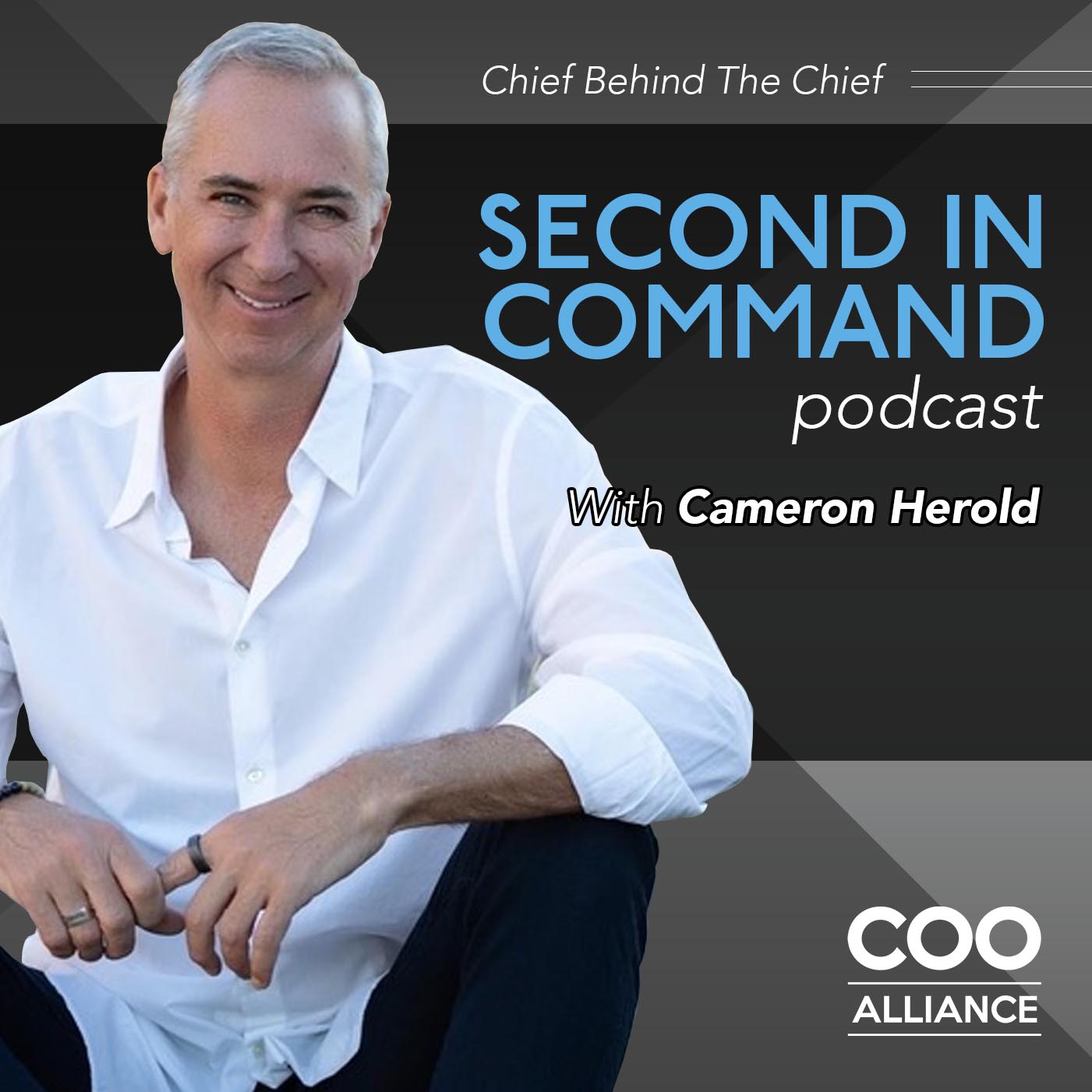
Second in Command: The Chief Behind the Chief with Cameron Herold
Ep. 538 - FAN FAVORITE | ClickFunnels Former COO Ryan Montgomery - How to Build an Unstoppable Distributed Team
00:47:30
Loading summary
Transcript133 lines
- [00:00]
Cameron Herold
Just a quick note before we dive in. This is actually one of our older episodes, but we're bringing it back because it's one of the most downloaded ones we've ever released. Clearly, it struck a chord with a lot of listeners, and I know there's so much value packed inside. So whether you're hearing it for the first time or revisiting it, enjoy this fan favorite.
- [00:17]
Ryan Montgomery
If you approach it from a remote first, if you will, or distributed first approach. Think about, like, well, how are we going to build culture with a completely remote team? It'll work even if you are in an office, right?
- [00:29]
Cameron Herold
Exactly.
- [00:29]
Ryan Montgomery
For sure, it'll work if, you know, if you have processes and tools and training and you have those things in place, assuming everybody's distributed, it'll work if you get together, it'll work when you go back home, it'll work when somebody's traveling, it'll work when you bring on a new employee who's in a different time zone.
- [00:44]
Cameron Herold
Oh, I love that.
- [00:45]
Ryan Montgomery
Definitely go out of your way to prepare for that.
- [00:53]
Narrator
Welcome to the Second in Command podcast, produced by the COO alliance and brought to you by its founder, Cameron Herold. In the second in command podcast, we talk to top COOs who share the insights, strategies and tactics that made them the chief behind the chief. And now here's your host, Cameron Herold.
- [01:18]
Cameron Herold
Ryan Montgomery is a leader, problem solver, and mentor. He has a background in software engineering and likes to tackle problems head on to find solutions that work the first time. He measures his success by the success of the people around him, and he strives to help his teams and peers realize their full potential. When he's not working hard to be the brains behind the operation, he spends his time being active and relaxing for his family. And ryan is the COO for Clickfunnels. Ryan, welcome to the second McMahon podcast.
- [01:50]
Ryan Montgomery
Thank you for having me.
- [01:52]
Cameron Herold
Yeah, I'm super excited to actually get the rest of the story here. I met Russell for the first time about five years ago. We were at an event called the Genius Network. We were sitting beside each other and I was like, I don't know who this guy is, but he's kind of like pretty high on the geek factor like I am. And he was, you know, a little gregarious and. And. But ClickFunnels was pretty small five years ago, kind of when you got involved too. So it was just this small, little cute upstart at the time, and. And he seemed to be a big marketer, but you guys have really crushed it.
- [02:21]
Ryan Montgomery
Crush it. Is one way to put it. Yeah, that's, it's, it's been a wild ride, for sure.
- [02:26]
Cameron Herold
It's gotta be. So tell us. So, I mean, there's some listeners who don't know what ClickFunnels is. I'm not sure where they've been hiding, but tell us what ClickFunnels is, what kind of your space is, and then we'll dive in.
- [02:36]
Ryan Montgomery
Yeah, so it's, it can be described in many ways to different groups if people sort of see it as a different tool. So a lot, you know, our, our background and our sort of core, original set of customers came from the Internet marketing community. Right. So people selling stuff online, all kinds of things, whether it's a course or some kind of downloadable PDF or something, everybody had their own little thing and they wanted a better way to sell it. And so, you know, ClickFunnels was born out of. Basically Russell was one of those people. Right. So Russell and Todd, the other co founder, were working together and they were making these sites to sell stuff online using all kinds of tried and true methods. But they were doing this over and over and over and over and every single time they were starting from the ground up and having to do the design and development, all this stuff. And so the, the, the impetus of it was, you know, I think it was something, I don't, you know, who, who knows exactly when it clicked for someone. But, you know, I think it was. Todd was like, you know, we could just, like, we could just do this, but like make it the thing and just so we have our own little, our own little engine to build this for ourselves. And so that sort of spiraled out of control as, as this typical Russell fashion, you know, started piling, like, well, what if it did this and what if it did this? And, and that kind of is what became clickfunnels through a couple different iterations.
- [03:52]
Cameron Herold
Yeah. And I'm a client of ClickFunnels. Have been for about a year. I've used a couple of different competitors in this space. What I loved about your software was you kept it as I would describe, clean, simple, fast and easy.
- [04:05]
Ryan Montgomery
I think the best way to say it is it's a simpler way to sell something online.
- [04:08]
Cameron Herold
Yeah. And it works. And it's kind of the opposite of, I won't say others in your space, but I'll give some examples. Microsoft just seems complicated and Salesforce just seems complicated and people complain about them. And you don't hear people complain about clickfunnels. Is that true?
- [04:29]
Ryan Montgomery
I hear about the complaints, there's definitely the haters there out there. And I think the complaints are good. I mean, that's feedback. We're not building this software for ourselves. We are a big user of our own software. We love to say that we eat our own dog food. We sell click funnels on click funnels. But the feedback is what drives us. Our customers are very vocal, very active and we love that they tell us exactly what they need and when we get it wrong. They tell us when we get it wrong. And we always listen to that feedback and internalize it and have invested heavily in making it right and making it simpler. I think people don't realize how difficult it is to sell something online yourself. You can go throw up a product on Amazon, that's easy. But the thing you're losing when you do something like that is that's no longer your customer, right? That's Amazon's customer. You don't own that customer. And that can be really short sighted for a business. Long term. You want to own your own customers, but to do that you've got to engage with designers and developers. And there's a lot of comp. You know, you should never, as an entrepreneur who just wants to sell something or just has an idea and wants to just get it out there in front of people, you shouldn't really have to really know what DNS is or SMTP or HTTPs. Like these should mean nothing to you and you should never have to really be faced with this kind of technological hurdle. And Russell, he nerds out on marketing, but he is not a technical guy. Like he is not the tech co founder, as he will point out very clearly. He stumbles on the technology and just wants his thing out there. He knows that if he can get it out on the Internet, he can sell it. And that's why Todd and Russell are such a good pair together and why they've been so successful. They're a really good match. They complement each other extremely well for that reason. Todd's the technical guy, right? Who can take a crazy thing that Russell wants to put on the Internet and make it happen as quickly as possible.
- [06:19]
Cameron Herold
Okay, so I want to, I want to talk about that crazy thing. I've got about six questions already to kind of dive in with you on this too. One of the questions I have, especially with a very gregarious, outgoing business development PR centric or marketing centric CEO, is they have an idea a minute and they often want to. They're like a perpetual motion machine, right, where they just want to Throw those ideas into your lap and then they want to go create more. One of the ideas that came up recently was that Russell and our good friend of mine, Dean Graziosi and Tony Robbins, decided to launch a course together. Now those are not three dissimilar people. Very type A, very driven, very big personalities. How did you say yes to that, first off? Because it seemed like bit of a distraction to the rest of the business. And then how did you guys get them to all work together?
- [07:10]
Ryan Montgomery
Well, what. In that particular case, you know, the involvement from, from our side from Click Funnels was, was pretty minimal.
- [07:16]
Cameron Herold
Okay.
- [07:17]
Ryan Montgomery
You know, we, we. I think I met a couple times at their team and just as a means of consulting, you know, they already had their own internal team doing a lot of the heavy lifting. And so we were brought in just because we were doing something together to see if there was opportunities to optimize and help them. But they have a great team and they had a lot of things, you know, already locked down. I think they wanted to see, like, how do we do it? You know, they wanted to learn what we know. And they already had a lot of good stuff going. So it was really just more consultative than anything else, but.
- [07:43]
Cameron Herold
Right. So probably more of a marketing consultative partner than operational. Okay, so let's go back to just.
- [07:49]
Ryan Montgomery
Russell did a lot of work with that and was more involved. But on our side, our team is focused on the platform.
- [07:54]
Cameron Herold
Right. So if you go back to the normal day to day, then how do you get on the same page with Russell and Todd with where they want to go in terms of vision and the technology so that you can then put the plans and the people in place to execute on that?
- [08:07]
Ryan Montgomery
Yeah, so that's, that's a good question. So one thing that I think is, is interesting is, you know, they're, they, they definitely have a vision. You know, they have a very specific vision for what they want and the way that they want to achieve it is important. You know, I think we, we sort of famously have not accepted any venture capital. Right. We've bootstrapped our whole company as. As much success as we've had, we've had to really earn it. And that's not an accident. Right. There's plenty of opportunities out there for people who want to jump on the clickfunnels bandwagon and throw money at us. We've said no many, many times because it would confuse our message. It would be another partner that may not be aligned. And so you have to really go out of your way to Turn that stuff down. And I know there's a lot of people out there fishing for money all the time and they don't know how to get VC funding. But when you have something as clear a vision as ours, it's, it's good that it's coming in. But I think we've had a very specific clear vision. So some of that vision is hard to communicate and you don't always know until you see it. And so there's just a lot of great people around them. Myself, we have other partners, we have our product team. We have a lot of people sort of sussing it out constantly because, yeah, sometimes they don't know. I mean, sometimes they, they have an idea and they know when it feels right and when it doesn't. Sometimes they have a really clear vision and sometimes that vision is driven by other people in the company. Russell didn't go in or Todd didn't necessarily go in and pick out this little button color over here should be 5 pixel rounded rate. They don't make those kinds of decisions, but something has to somewhere and there's sort of different levels of decision making going on. And I think that what we've gotten good at is that transition from stages of the company. You probably understand this, we're a new company every six months.
- [09:55]
Cameron Herold
Yeah, right.
- [09:56]
Ryan Montgomery
And so the company that made the like, so, so the Todd, Russell, Ryan and whoever else was around back in the early, early days making decisions, we made decisions very differently six months later, a year later, two years later. Like we've been making decisions very differently all along to the point where we're at now where we have a director of product design and we've got some, we've got lots of great people around to help suss those ideas out. We've got great product managers who then get all the details. You know, Russell and Todd are not necessarily details oriented. Todd can definitely be, but Russell sometimes can wave a, wave a broad stroke magic wand and say this is the thing we need to do. And then you know, all right, well now we can actually like how you know and, and, but that's, that's, I think the, the great challenge that, that's what, that's what makes the job interesting and fun and exciting in that it's not just nobody cares at the top and our customers don't care. Like we've got super vocal customers, we've got a lot of strong opinions. We have a clear vision. Like we just want to make it happen and everybody involved really wants it to make it the best you touched.
- [10:58]
Cameron Herold
On something which is just how difficult fast, rapid growth can be. And I think a lot of people think that rapid growth must be so simple. But I talked to Clay Mask, who's the founder of infusionsoft, and Ben Horowitz from the hard thing about hard things, both of them talk about how managing growth, your leadership team almost gets put out of a job. Klate said with infusionsoft, every two doubles. So when a company doubled in revenue twice, when it went from 2 to 4 and then from 4 to 8, that mid level team was probably for the most part out of a job. They were getting replaced by people above them. Ben used to say it was one triple. Did you guys go through that as well where you were having to bring in more senior talent above the current team? And, and, or how are you training your mid level team to keep their skill growing to stay with the, with the growth?
- [11:47]
Ryan Montgomery
Yeah, I think our growth has been a challenge as I don't know how anybody who's gone through the kind of growth we have would, would say anything otherwise. Because it's, it's, there's all kinds of, you know, one day you solve that problem, right? And the, the whole, the old adage of like every solution brings the next problem, right? So every day we solve something, the next day there's this new thing that we got to worry about whether it's, you know, for, for example, one of our big challenges this year was we are now required to be a PCI Level 1 DSS compliant provider. Whereas before we were kind of flying under the radar and that was fine. Not that we did anything insecure, we have a great security team and all that, but now it's like required. And so now we have to file policies and we have to do audits every quarter and every annual and all this kind of stuff, fly people out to physically inspect processes and all that kind of thing. And so with great success, you know, because we're doing so much volume through our platform, which is, which is awesome that our customers are that successful, it then required us to jump through all these other hoops that we didn't necessarily want to, but are happy to, to make sure that we have a successful platform. So, so there's always, every day there's this, this new challenge. So with, with, with the team and the structure that we've put in place, it also had to change as we had new requirements and new changes. So when we were, you know, I don't know, a couple years ago, we're like 6 devs ish. Less than 10 on our product now we're close to almost 70, I think total. So it's just a huge upswing in the number of people. While you get more people, you need to start managing those people. They need clearer direction. You know, you, it's not just me and Todd having a quick chat about something and then just doing it tomorrow.
- [13:26]
Cameron Herold
Yeah, yeah.
- [13:27]
Ryan Montgomery
There's a lot of stuff in place that has to be managed.
- [13:30]
Cameron Herold
You mentioned before we went live that you've got about 350 employees now, system wide, some of them. And a great portion of those are remote as well, correct?
- [13:39]
Ryan Montgomery
Most, yeah. That's another thing is we also made a, you know, a strategic decision that the way that we want to build this company is distributed. We want a remote team based in large part based on you know, our, I think our, some of our business idols, you know, the basecamp fellows with remote and rework and all those, the great simple but effective like thought provoking books. Those definitely bled into how we built our company. And so we are primarily distributed. We have a couple hubs, there's a couple pockets and some offices like in Boise, there's a, there's one in Atlanta, there's one. But yeah, we are a distributed company which I always love to say makes everything harder.
- [14:20]
Cameron Herold
What do you think was, what do you think was the biggest thing that had to change from, you know, four or five years ago when you were, I would guess, you know, 30 employees and now you're 350. What are the biggest couple things that had change and what do you think are the, the couple things that have stayed the most consistent?
- [14:36]
Ryan Montgomery
I, I think there's, that's, that's a good question. So the thing that stays consistent would be we are still really excited about marketing our product. And this is something I think that we try to, to teach. We do a lot of education, a lot of teaching and try to get people excited about marketing because we believe that if, if you're the person who's the most excited about marketing your product that you'll be successful.
- [15:00]
Cameron Herold
Right.
- [15:00]
Ryan Montgomery
So all the tools and training and everything out there, if you don't really care to tell the world about your thing, you're probably not going to have much success. And I think that consistently we are still super excited about clickfunnels and telling the world about it and how it can solve your problems. And you know, that really has not gone down. If anything it's gotten more exciting. We have a bigger team, we're able to solve bigger problems, we're able to go into different markets and do more exciting stuff. And so I think that has been consistent the whole time. I think that a lot of things that have changed have been holdovers from everybody's previous company or, you know, things they learned that didn't apply. Like, nobody has done what we're doing. None of us have built a company that has 350 employees and makes $100 million a year and has billions of dollars going through. None of us have done that. And so we all had ideas and preconceived notions and we had baggage and we had all these things and it all kind of had to come together and work together. And so you had to throw some of that old stuff away because it didn't work. You know, I think it was maybe just over two years ago or something, maybe it's three years ago now, I can't remember. But there are these clear points where we as an executive team running the company went through a transition together, right? Like we, we're all still here. So like we've gone from that tiny little thing to that 10,000 customers and then 20 and then 40, and now we've got almost a hundred thousand customers on our platform. And every, every sort of like major milestone along the way, we had to change how we thought about our company, about ourselves and the way that we interact and we become a much, a much stronger executive team because of that. And a lot of that requires you throwing something away that, that's not going to help you get to the next level.
- [16:37]
Cameron Herold
What did you have to throw away personally?
- [16:40]
Ryan Montgomery
Oh, what did I, I mean, I've definitely. So, so it's, it's kind of interesting, but I'm, I'm sort of the outsider to the group. I came from a very traditional tech startup land, background doing consulting and software engineering for the Valley and that kind of thing. And so I had a lot of, I had a lot of preconceived notions about how startups work. And you know, because everyone had been VC funded and they had a very viewpoint on the world. And so coming into an Internet marketing, you know, selling from stage and all of this kind of stuff was like completely bizarre land to me. And none of them, none of the partners Russell Todd had, they never worked for anyone else. They've never had a good old office job or sat in a cubicle and had to sit in a meeting with a boss. They're the driven entrepreneur that been doing it themselves the whole time. So they didn't have any of that Background. And so I think for some reasons there's a good mix there. Definitely we mix well for that reason. And I brought certain things that they didn't know about, but they've definitely rubbed a lot off on me about what I value and think is important. I think there was some things that I've lost about, you know, venture capital and raising money and the way that you invest in employees and like, you have to, you have to throw some of that away to be able to build a company that's growing as fast as we were, that's bootstrapped that. Yeah, yeah, have to lose some of those.
- [18:01]
Cameron Herold
Because I love that you said that the excitement has stayed consistent. I saw a video of Russell the other day and I was laughing. I'm like, that guy's either drinking way more coffee than he used to or he's just as excited as ever because.
- [18:11]
Ryan Montgomery
He'S just the, the funniest thing is he doesn't drink coffee at all.
- [18:14]
Cameron Herold
I know, he's just, he's on fire. It's amazing. So how about in terms of growing your team? So you talked a little bit about Russell and Todd and for all of you and for many people it's similar. That this is the biggest thing we've ever done. You know, you wake up in the morning and it's just bigger than it was yesterday. And so you've not only got the accelerated growth curve, but just every day it's the biggest thing you've ever done. So what are you doing specifically to grow yourself, to grow your skills and to grow the skills of your leadership team?
- [18:44]
Ryan Montgomery
Well, so I do a lot of reading actually. Not to say we have like a book club mentality, but Russell's a big reader. We'll throw out a lot of books. We'll definitely kind of share books with each other that have been impactful or had a good message. And then we'll sort of take that, you know, we'll shift that to employees, to our leadership team. We might even engage with some of those individuals that do some consulting and that kind of thing to kind of bring in an expert, which is, which sounds like a very kind of grand, you know, old timey thing to do for a big company to do is bring in a consultant and come in.
- [19:19]
Cameron Herold
No, not at all.
- [19:20]
Ryan Montgomery
Well, and I think, and again, I think like tiny little startups, you know, that's kind of like that epitome of that. But, but for us, it's just really cool to bring in a person that you would never probably engage with on Your own, and bring that person into our world and have them work with their team, you know, have them bring in those, like, people they would never get to talk to and meet some of our, like, idols in the business world. So that was kind of fun. Yeah.
- [19:39]
Cameron Herold
I think at the end of the day that the more we grow our people, the more we grow our company. I was talking to a CEO that I've coached from about 40 people up to 750. He just raised 255 million from Warburg Pincus last year or two years ago now. And we were talking about meetings, and he was saying that meetings suck. And I'm like, meetings don't suck at all. I said, have you ever trained your employees on how to run them? He said, no. I said, have you ever trained all your employees on how to show up and attend them and participate at them? He said, no. And I said, well, then, meetings don't suck at all. You suck at running meetings.
- [20:08]
Ryan Montgomery
Right?
- [20:08]
Cameron Herold
And I literally. I literally wrote a book for him to then distribute to all of his employees, which now it's now called Meeting Stock. But my belief has always been that the more we grow our people, the more we grow our brand.
- [20:19]
Ryan Montgomery
Oh, a hundred percent. I think it was. Was it Russell? Not Russell Brunson. Russell Branson, the other super successful entrepreneur. He said, if you take care of their. Your employees, they'll take care of the customers. Yeah, I think that that is a really. I think for me personally, if I were to summarize, like, the. My view on how to build a company or how to run it, I am definitely focused on employees. And I think as a CEO, my role at ClickFunnels as our CEO, because every CEO is unique at every company. You're sort of the guy who just fills in the gaps, right, Depending on the company.
- [20:50]
Cameron Herold
It's funny that other people. Well, that. That is something about your company culture that has somehow actually eked out into the kind of atmosphere people actually speak pretty highly of. Clickfunnels in terms of its employee engagement.
- [21:07]
Ryan Montgomery
Yeah, it's funny, you know, we've. We just got like some. I don't know, some recognition in Entrepreneur magazine for being like, number one something entrepreneurial company. Last year we had, like, one of the best places to work. And all of that, I think, is great. It's great to see that recognition. The best stories, though, come from our employees and from a low, super low turnover rate like that, that, to me is the key metric for. Are we doing a job of providing engaging work, interesting work? Are we Doing meaningful work. You know, in this day and age, people, especially in the software world, they can go work anywhere.
- [21:42]
Cameron Herold
That's right.
- [21:43]
Ryan Montgomery
They could go get a job tomorrow from 10 different places if they wanted to. Why are they choosing to work here? And I think if you keep them engaged and that's different for everybody, but then you shouldn't, you know, there's no reason why they wouldn't just keep coming to do awesome work every day. And I think when you see turnover, like I think we had a spell of over two years before we had our somebody leave the company. Wow. And it was, and it was a contentious position and we, you know, it was potentially something that we weren't really sure long term how it was going to work out. So it's kind of like we kind of knew where it was going, but it was two years before anybody left. And I was pretty proud of that.
- [22:21]
Cameron Herold
You know, it's interesting because you. What you brought up in terms of why employees stay doing meaningful work and they're highly engaged and they're interested in their job, and that has nothing to do with what the mass media covers as the best place to work. They always talk about the massages and the free lunches, but that, that's kind of cost of entry now. And like, lots of companies do that, but lots of companies still, or lots of people quit those companies too. Having that great employee culture is what you talked about.
- [22:48]
Ryan Montgomery
Yeah, I think that for, for everybody, it's, it's different things. You know, you gotta have interesting, cool stuff to work on.
- [22:54]
Cameron Herold
Right.
- [22:54]
Ryan Montgomery
You want, you want to show up and be like, hey, this is like challenging me. And this is like, I love this. And I've gotta, I've got enough space to do good work. There's a. I don't know who says this, but it's. I love it. It's. You know, many people hire for innovation but manage for status quo. Right. You want to bring that person in who's gonna do everything and solve all your problems, but then you manage them to just. You're comfortable with and what you've always been doing. You don't really let them innovate. I think we've actually gotten a lot better about letting outsiders come in. New people come in with new ideas. People that have different experience. And while we definitely still have our vision, they're able to kind of take it and run with it and make it their own and take ownership over it. I think ownership is a huge part of why somebody remains engaged foreign.
- [23:45]
Cameron Herold
Hey, it's Cameron Herald. Your COO whisperer and guide to scaling businesses. Check out my YouTube channel at YouTube.com amronherald and that's H E R O L D, where I share tons of raw tips and insider secrets to have you level up as a leader and grow your company. From leadership hacks to growth strategies. It's all there. No fluff. Subscribe now. Hit that bell for notifications and comment on a few of the hundred videos that I've uploaded so far. And let's build your empire together. Let's go. You mentioned. I think you mentioned two books. One was remote and one was Rework.
- [24:25]
Ryan Montgomery
Yeah. Classic Basecamp books. Yeah.
- [24:27]
Cameron Herold
And are those books based on running remote teams?
- [24:33]
Ryan Montgomery
Yeah. So remote was all about how to. Not only how, but why you should run a remote team. The value of it and rework was really just. They were sort of challenging. Some of those, again, the status quo of how startups are sort of running.
- [24:46]
Cameron Herold
Okay, so give us some lessons on how to run remote teams. I mean, it's becoming more and more kind of doer. Everyone is kind of talking about it, wanting to do it. I just did an interview with a media outlet in Germany this morning, and we were talking about the remote teams and the gig. The gig kind of economy.
- [25:03]
Ryan Montgomery
Yeah.
- [25:03]
Cameron Herold
How do you. How do you build a great culture when so many of your employees are not coming into an office place? How do you keep people aligned? How do you communicate? You know, all that stuff.
- [25:13]
Ryan Montgomery
I think also. So this, this is a topic I. I'm very passionate about. So I've been on many remote teams myself and have seen it from the beginning, early days when there was like two people that were remote or a few people, but most people were in the office. And so I have that experience of knowing what it feels like to be forgotten about, to be like, oh, yeah, we forgot to include them in the meeting. Hey, we'll. We'll just catch you up later or something. And feeling completely disconnected. And so I have spent other time before Clickfunnels working on how to be a better remote company. So the reason that I was even hired at ClickFunnels in the first place was I was found through a recruiter as a remote software engineer for that, because I had experience in that and that's what they were trying to build. And so, um, so it worked out because I was remote. If I. If that hadn't been a. A part of the business, they wouldn't have been able to. To find me. And I think that's one of the big. The big Reasons that you do it is to cast the widest net. I want to find the best people. And with technology today, there's really no reason for depending on the job. But like, you know, certain, like I would. Most work, most work should probably be able to be done remotely. But the way that you engage with your remote team, keeping everybody distributed, it levels the playing field. There's no more. Well, there's this group of people that had a meeting and nobody knows what they talked about. And so now all the remote people have to catch up or they just always feel disconnected. So I think that if you, if you approach it from a remote first, if you will, or distributed first approach think about like, well, how are we going to build culture with a completely remote team? It'll work even if you are in an office, right?
- [26:48]
Cameron Herold
Exactly.
- [26:49]
Ryan Montgomery
For sure it'll work if, you know, if you have processes and tools and training and you, you have those things in place. Assuming everybody's distributed, it'll work if you get together, it'll work when you go back home, it'll work when somebody's traveling, it'll work when you bring on a new employee who's in a different time zone.
- [27:04]
Cameron Herold
Oh, I love that.
- [27:04]
Ryan Montgomery
Definitely go out of your way to prepare for that. You can't have a meeting at 9am every day. That doesn't work for somebody who's in six hour, it's 2am for that person. You're really going to have that. So what do you do? Right? So how do you have those things? And it's, every company is different. There's not like a, here's how you do a meeting on a remote team. But you, you definitely have to think about things more asynchronously. Maybe, maybe we don't need the face to face meeting. Maybe we don't need to all get in, look at each other at 9am every day. Maybe we could do it through an email thread or a Slack channel or you know, whatever works. Maybe we do two meetings, maybe we do one in the morning and one in the afternoon or maybe just do one at midday because that's what works for everybody. It's just rethinking the problem. To prefer how do we make this work for everybody assuming everybody's remote first?
- [27:52]
Cameron Herold
Are you dealing with many that are freelance kind of part time or fractional or are you just big enough that you can get kind of the gig economy but they're still full time with you now?
- [28:02]
Ryan Montgomery
No, I don't know that we're really engaging in the gig economy. Our employees are all full time employees or they're full time contractors on a long term basis. So we definitely don't have part time and people just checking in. There's a couple of things. You know, we work with an illustrator who does some illustrations. He's definitely like kind of a gigger, but just a consistent gigger because we always send him all of our work.
- [28:24]
Cameron Herold
So.
- [28:25]
Ryan Montgomery
Yeah, but most of our team is full time and dedicated to the values and vision that we have for the platform.
- [28:32]
Cameron Herold
How does the, how does the leadership team at ClickFunnels work? What are your meeting rhythms like?
- [28:39]
Ryan Montgomery
Well, so we, and this is something I put together not too long ago, but we have a weekly directors meeting. So all the directors of all departments. So our company has two CEOs, Todd and Russell's co CEOs, myself as a CEO kind of reporting to them, but kind of in the middle of a general administration. And they each oversee marketing and product, if you will. So there's like three major divisions within each of those. There are departments, so marketing, product design, product development, accounting, et cetera. And there's a director over each one of those. There's about a dozen or so. So we have a go meeting is what I've called it, a go meeting every Monday, about a half an hour with all CEOs, myself and then all the directors for each department. The go meeting is for goals and obstacles. So you go through your goals, the top goals, stuff that you probably need feedback from either Todd and Russell on or one of the. You just want people to be aware that this is a thing that's going to impact other departments or an obstacle. I don't know how to move forward on this. I need feedback from Todd or I don't know how to move forward on this. I need help from another department. And so it's just kind of getting all of that stuff out there for the week so that all the departments and Todd and Russell walk away knowing like, okay, this is what's going on. And we were able to like either give a quick answer and build some momentum. Momentum is a huge value of ours. Build some momentum, get that obstacle out of the way, connect them with the right person or hey, let's talk after this and do a quick offline meeting with everybody and figure that out because it's not a quick answer. And so the idea is to leave that meeting kind of with. With an idea of kind of what's going on across the board and who needs to connect with who. So it's just a quick Goals and obstacles and then break meeting. So we do that weekly.
- [30:21]
Cameron Herold
I like the, I like the go part, especially the obstacles component because I think it really fosters the team is there working with each other to help remove obstacles and blocks from each other. It's kind of like you're all on that same team and then you run your business area. Second. Almost.
- [30:37]
Ryan Montgomery
Yes. And that is actually a. That is a. That is a good observation because I think that there's this. It's easy to fall into the trap of being your department head and caring about your people in your department, and that's valuable. But you also have to remember that you're a part of this other team running the whole company and that it's not just you and your department because then you start to self optimize, you start to prefer. And you got to remember, like, hey, like it's. It's also important that accounting gets what it needs from product development.
- [31:06]
Cameron Herold
Totally.
- [31:06]
Ryan Montgomery
Right? Yeah.
- [31:08]
Cameron Herold
I was talking to someone the other day about, about NFL football. So where, where you're between Chicago and Detroit. Who's your team?
- [31:15]
Ryan Montgomery
Lions.
- [31:16]
Cameron Herold
Okay, so Lions. So you've got the Lions, you've got, let's say you've got kind of the wide receiver for the Lions. You've got the offensive team, the defensive team, and special teams. What is the most important team for that wide receiver?
- [31:31]
Ryan Montgomery
I don't know. I'm not huge into football, but I would. For that wide receiver, I don't know what what is. Or for the quarterback, probably the coaching team. I don't know.
- [31:41]
Cameron Herold
Yeah. So this is where I love, like, I love kind of setting you up for this because it's the Detroit Lions. Right? Right. That's the most important team. Their offensive team or the coaching team or the defensive team, that's their second team. And you know, the quarterback. When they're off the field, they're not sitting around waiting to go back out and play. They're watching the defense, watching what's happening against them. When the defense comes off, it goes, hey, you just got beat by this guy.
- [32:05]
Ryan Montgomery
This is what happened. This is what I saw.
- [32:07]
Cameron Herold
They're helping each other for the sake of the whole team. And that's when I think you guys are really killing it with your go meeting. Especially is you've probably fostered this culture where you've all got each other's backs, you're all helping the problem solve each other. Kind of like, ready, break. It's almost like a huddle where it's like you slap your hands, ready, go. I think that's a huge part of your culture.
- [32:28]
Ryan Montgomery
Yeah, I think there's the concept, something we've been. I haven't really introduced yet, but one thing I wanted to make clear was, you know, refer to, I've heard it referred to as team number one. This is from a guy I've been reading, Patrick Lencioni, I think.
- [32:42]
Cameron Herold
Yeah, I know Pat well.
- [32:43]
Ryan Montgomery
Yeah, a lot, A lot of good stuff. And he has this concept of reminding you that you're part of team number one, which is that executive team, and that, you know, we're here to work with each other and help each other and figure stuff out. And as a coo, I sort of see myself, at least in our organization, as sort of that floater for any department. So I have direct reports on the GA side of our business, the general administration, but then I have dotted lines to every other director.
- [33:08]
Cameron Herold
Sure, of course.
- [33:09]
Ryan Montgomery
So that can jump in. There's a clear, like, yeah, you're going to work with Todd or you're going to work with Russell directly. Like, they're definitely like in that line, but sometimes there's something that I just need to get pulled in on to help out with. And so I definitely have a. A glue aspect to tune my role.
- [33:24]
Cameron Herold
Does, does he talk about that in his book on silos, politics and turf wars?
- [33:29]
Ryan Montgomery
I think so. I haven't gotten to that one yet, but it's in another one or five.
- [33:33]
Cameron Herold
Dysfunctions of a team.
- [33:35]
Ryan Montgomery
He references that this is the unfair advantage or the advantage or something like that where he talks about, like, organizational health.
- [33:43]
Cameron Herold
Okay, I haven't read that one yet. Yeah, I really love that whole team number one concept. I think that's got to be something that more people really, truly get. And it's, it's almost not as important when you're small. You know, when you're a 10, 20 person company, that happens by default because you're all running so fast. Jack of all trades, master of none, you know, but when all of a sudden you're big and you're managing these big downlines, you can really. You can really kind of get those silos by accident.
- [34:09]
Ryan Montgomery
Yeah. And I think that, you know, we've. We've seen that happen. It's. It's easy to get siloed. We. We were basically operating as two companies, Right. For a long time because there was kind of two co founders with two different viewpoints and two different teams. And we kind of just naturally or, you know, grew apart to some degree where there was like two companies. And we realized that. And we said, you know, well, what do we want to be? Do we want to be two companies or do we want to be one company? And if we're going to be one company, how. What are we going to do? Actually, a part of me moving out from a CTO role, which I had kind of been focused more working with Todd on the technology platform. So I'm a new CEO. I've only been CEO now in that role for about six. Six months, nine months. And a part of that was that realization of, like, how are we going to become one team? And in my, my, A goal for my role is to bring the company together, to be that one team. To bring stuff like a go meeting where we have all of the directors from all departments come together comes from that, that strategy.
- [35:07]
Cameron Herold
Do you, do you guys brand a lot of your systems internally? Do you kind of have a name for them, like a Go meeting?
- [35:14]
Ryan Montgomery
Yeah, I, I think that we're a marketing company, so we market stuff. You gotta sell stuff. Yeah, sometimes, you know, I, I know working with Todd and Russell, especially Russell, like, if I don't, if it's not, if it's not sexy, like, I'm gonna lose them. So I gotta, I gotta put some, some effort into making it marketable and sellable and I gotta swell. I love sales.
- [35:32]
Cameron Herold
No, I think it's true. A guy had a very early stage mentor who was the founder of a company called College Pro Painters. And he said to build an amazing business, it had to be a little bit more than a business and a little bit less than a religion. And you had to be in that zone of a cult.
- [35:45]
Ryan Montgomery
And.
- [35:45]
Cameron Herold
Yeah, and that cult, like a go meeting, is kind of culty. Right. But that shit sells well.
- [35:52]
Ryan Montgomery
It has to be engaging. It has to feel like a thing. And you know, you've got to be able to sell it and market it. It has to be effective. Right. It can't just be marketing and sales. There has to be some, some meat on it, on it. But it's, it's, it's a simple enough framework. I think that that's something else we value is, you know, simplicity and not, not overthinking stuff. And so, and the concept of the Go meeting was actually comes from something else. That's an important framework we use called a V2 mom. Are you familiar with that? So, okay, so this is actually really good and I'm glad we're talking about.
- [36:22]
Cameron Herold
It because this has all been really good.
- [36:24]
Ryan Montgomery
V2 mom is vision, values, methods, obstacles, measures. It is a very simple 5 section 1 page document that describes a goal, vision, values, measures, methods, methods, obstacles and measures. And this comes from Salesforce. This comes specifically from Mark Benioff when he started Salesforce. There's a classic V2 mom he wrote for Salesforce before he started the company because this was a concept he took from Oracle. And so we, we've, I don't know, I forget where we learned about it, but we work with Salesforce a lot and started to actually roll this out into, into our organization. It's just like, look, we need, we need to start getting on the same page literally about like what it is we're trying to achieve. Because as we grew, you know, there were some of those growing pains of like communication and ah, do we need to document this or can we just have a quick chat? But as you grow, like having that quick chat isn't, isn't always gonna cut it. And a lot of times things are moving so fast that you need to go back and remember, like, why are we even doing this? Who decided this? When did we decide this? And so this was a, a good solution for us at the time and still is just as like, look, let's just write down, let's just communicate what the goal is because then what we can do is we can, we can disagree. Maybe that's not what Todd thought the goal was. Maybe I thought the goal was different. Maybe Jason thought the goal was different. Maybe Danny thought something else. So what it allows you to do is rally around a consistent vision for something. So when I was transitioning possibly into this role of COO, I wrote a V2 mom for COO. What is the goal of a CEO? And I wanted to make sure that Todd and Russell knew what the goal was and that we were all on the same page. And we shared it and made sure, like, here's the goal document. So as my role changes, change the document. I should be able to go back there. Anybody should be able to go back and reference that. Like, what's the goal here? Why, why do we have a coo?
- [38:11]
Cameron Herold
Well, that's a, that's an especially important one because this Harvard wrote an article about 14 years ago called the misunderstood role of the COO. And the COO is very, very different in every single company because you're really taking all the stuff that the CEO sucks at and doesn't love.
- [38:27]
Ryan Montgomery
Yeah, essentially. Yeah.
- [38:29]
Cameron Herold
For real, right? Like, you know, I think about, you think about Shopify, who is. Harley was one of the very first guests I had on the CEO alliance. Harley's Harley's the coo, but he's all marketing, biz, dev, public relations, out, outward facing. And Tobias, the CEO is very inward facing, exact opposite of you guys.
- [38:45]
Ryan Montgomery
Right, right.
- [38:46]
Cameron Herold
So, yeah, this, you need that clarity for sure. You said near the beginning that, you know, there's some stuff that you're hearing from your customers that you guys are struggling at. Where are you struggling as a, you know, as part of your natural growth or with the product that you're working on now? What are you guys hearing that you're working on?
- [39:02]
Ryan Montgomery
What do we. Well, I mean, everybody has a different business. You know, we've got, like I said, almost a hundred thousand customers, which is to say a hundred thousand different businesses.
- [39:12]
Cameron Herold
Yeah.
- [39:13]
Ryan Montgomery
And they all have different needs, they're at different stages, they use different, they use third party tools that are different. They've decided to make their business this way for some reason and, and you know, like, like any sort of platform, like we are. Everybody wants it to be a little bit different for them. And so, so I think the great challenge isn't, isn't how do we meet everybody's needs. It's, it's. And I think that we would have thought about this differently. This is something actually. Did you see our birthday announcement? All that stuff that came out in the past few weeks?
- [39:41]
Cameron Herold
No big.
- [39:43]
Ryan Montgomery
We had a big promotion around our birthday. We just turned five years old, I think it was last week.
- [39:47]
Cameron Herold
Happy birthday.
- [39:49]
Ryan Montgomery
So for that we had a big promotion. There was a lot of hullabaloo about what are they going to be announcing, are they going to ipo, are they going to buy some company? And you know, in true clickfunnels fashion, we were, we were selling something. We're trying to get people to upgrade and it worked really well. It was very effective. But the, at the end of the day, what people want from us is they all want different things. And we decided that we're never going to be able to give everything, everything they want, but we don't want to water everything down and try to push everyone into like one way of doing things. And we started to go down that path. We started to try to be the one way to do everything. Sending emails, Facebook, et cetera. Right. We're going to do it all. And I think it was, gosh, a couple months ago now we realized, Russell, you know, and this is, this is one of those powerful moments where you get that like, transition to the next company moments. Yeah, we had a killing of sacred cows kind of email go out and it was a conversation. Todd And Russell had of like, hey, man, we need. We need to. We need to kill some sacred cows here and throw some bombs in here and see what sticks. And we did. And so we decided to make some major changes to our. To our product offering, to the way we run our business, even to the name of the business. Like, we've. We threw it all out there. Everything was on the table.
- [41:03]
Cameron Herold
Amazing.
- [41:04]
Ryan Montgomery
And it was. It was a really big deal. And from that, we kind of decided that we don't want to be that one solution for everything. We want to be that platform that we work with the best, you know. So. So there's a book called Play Bigger that's about, you know, this idea of. Have you ever familiar with it?
- [41:22]
Cameron Herold
No.
- [41:23]
Ryan Montgomery
So. So the. The gist of it, there's a lot of really good stuff in that. But Play Bigger talks about becoming and maintaining success in a market relies on your ability to maintain yourself or become the category king. Right. So we are the category king of sales funnels.
- [41:36]
Cameron Herold
Yeah.
- [41:37]
Ryan Montgomery
We are not the category king of email autoresponders. We are not the category king of pick a thing. Right. But we need to integrate with those. Our people rely on us to be able to do that. And so I think we looked at, you know, Salesforce is a successful model. We don't necessarily want to, like, do everything the way they did it. There's definitely some feeling that you sign up for Salesforce and then you have to spend like nine times more money to like configure it and pay consultants and do all these things just to make it equal. We don't want that.
- [42:07]
Cameron Herold
That's sadly, that's the reputation.
- [42:10]
Ryan Montgomery
Right. And I think, you know, it's deserved. They have a great platform and a great service and they're huge and they provide a lot of value to a lot of businesses. But there's definitely a bar that you have to be over for it to be successful. So I think what we're doing in many ways is providing that same flexibility, integrating with the best category kings out there instead of trying to become a category king because we never will. Right. We're category king in sales funnels and we're happy with that. And we want to be able to integrate and plug in. And so I think a part of our birthday announcements, there'll be some other announcements at Funnel Hacking Live, which is our annual event in January, and then some more for Russell's birthday. Sort of three parts, major announcements, Big, big changes coming. Still.
- [42:49]
Cameron Herold
Nice. I'm sure I'll see Russell at the Annual, annual Genius Network event in a few weeks or I guess a month. But I want to think back to your 22nd birthday. You're graduating college, you're 22 years old. What word of advice would you give yourself back then that now you know to be true, but you wish you'd known. At 22.
- [43:08]
Ryan Montgomery
I'd probably finish my degree. I probably would have convinced myself to Finish those remaining 11 credits and get my bachelor's because I never did that. And I looked into going back and I'm like, yeah, I can. I already had a full time job. I was already doing this, so would have been nice to check that box so my kids don't hold it against me later when I'm a nerd going to college. But no, I, I think I don't know what I would tell myself. And I'm pretty happy. I mean, I'm definitely very grateful for all of the success that I've been able to participate in and help be a part of. You know, I feel, I think that ClickFunnels is quite unique in the world and I'm, I'm just happy to be a part of it and help out and make it, make it what it is. We, you know, I don't think I would have ever thought when I was 22 that I would be a part of something like this in quite this way. And at this level, we get to help out tens of thousands of small businesses and entrepreneurs and help people realize their dreams every day. We have what's called the click funnels pulse. It's a little 10 minute, all employee, all hands and we go through critical numbers for each department. We talk about how many customers we have and then we share. At the end we share a success story of a customer. There is no shortage of success stories on ClickFunnels.
- [44:26]
Cameron Herold
Amazing.
- [44:27]
Ryan Montgomery
And that, I mean, I don't think people realize. I think Sometimes people at ClickFunnels take it for granted a little bit. Sometimes we don't realize how amazing it is to have this much success and to be doing it in a way. It's not like we're just a great tech company with a cool database or something, some technology. Every day we have testimonials and stories from real people who are impacted in a meaningful way by the work that we do. And like that's kind of a crazy thing to have anywhere, let alone at a tech company in this day and age. And so I think that that's pretty unique and I love being a part of that and all of the other you know, we're part of some other great organizations we're able to help because of the, because of the great success we've had. We're able to give back, like not only to all the entrepreneurs we help, but to Operation Underground Railroad, which everyone should check out. The Oor they help free children from sex trafficking. And we've given them a ton of money, we've given them a platform, we've, you know, Russell personally has spent a lot of time helping them market themselves. And like ClickFunnels could just, we could all just be, I don't know, driving Lambos and sitting on CNN if we wanted to. But we're not, we don't care about that stuff. It is, it is so much more important to us that we have a great product that our customers love that people are excited about every day and that we're able to like give back to these kinds of things. And I think that all of that, once you achieve that kind of success becomes a lot more important to everybody. And so to be able to have that, I think, I don't know that I would be able to tell my 22 year old self anything other than just like, hang on, you're going to be grateful. Hang on a little bit, it's going to show up. You just got to be patient, keep putting yourself in the right position. I think that that's one thing that I didn't really think about when I was 22, but I was doing, I'm a very driven, motivated. I was doing everything, everything all the time. I said yes to everything. I was, I was in the army, I was getting jobs, I was running my own web host company. I was like doing everything I could, failing a lot along the way, but it put me in that position to be the right person at the right time for click funnels. And so if anything, I, yeah, just say hang on.
- [46:29]
Cameron Herold
No, it's, it's great. I mean, I love, and I love the hang on lesson as well, because that's an important one. I think a lot of people quit the day before. It becomes the overnight success too, right? Yeah, it takes a long time. This has been really, really powerful. I really appreciate it. Ryan Montgomery, the COO for ClickFunnels. Thank you so much for sharing with us on the Second In Command podcast.
- [46:50]
Ryan Montgomery
Yeah, thank you, man. I loved it.
- [46:52]
Cameron Herold
That was great.
- [46:55]
Narrator
You've been listening to Second in Command, brought to you by COO alliance founder Cameron Herald. If you enjoyed this episode, please be sure to, like share and subscribe to us on Apple podcasts, Spotify and our other podcast streaming platforms. For more best practices from industry leading COOs, visit COOAlliance.com.