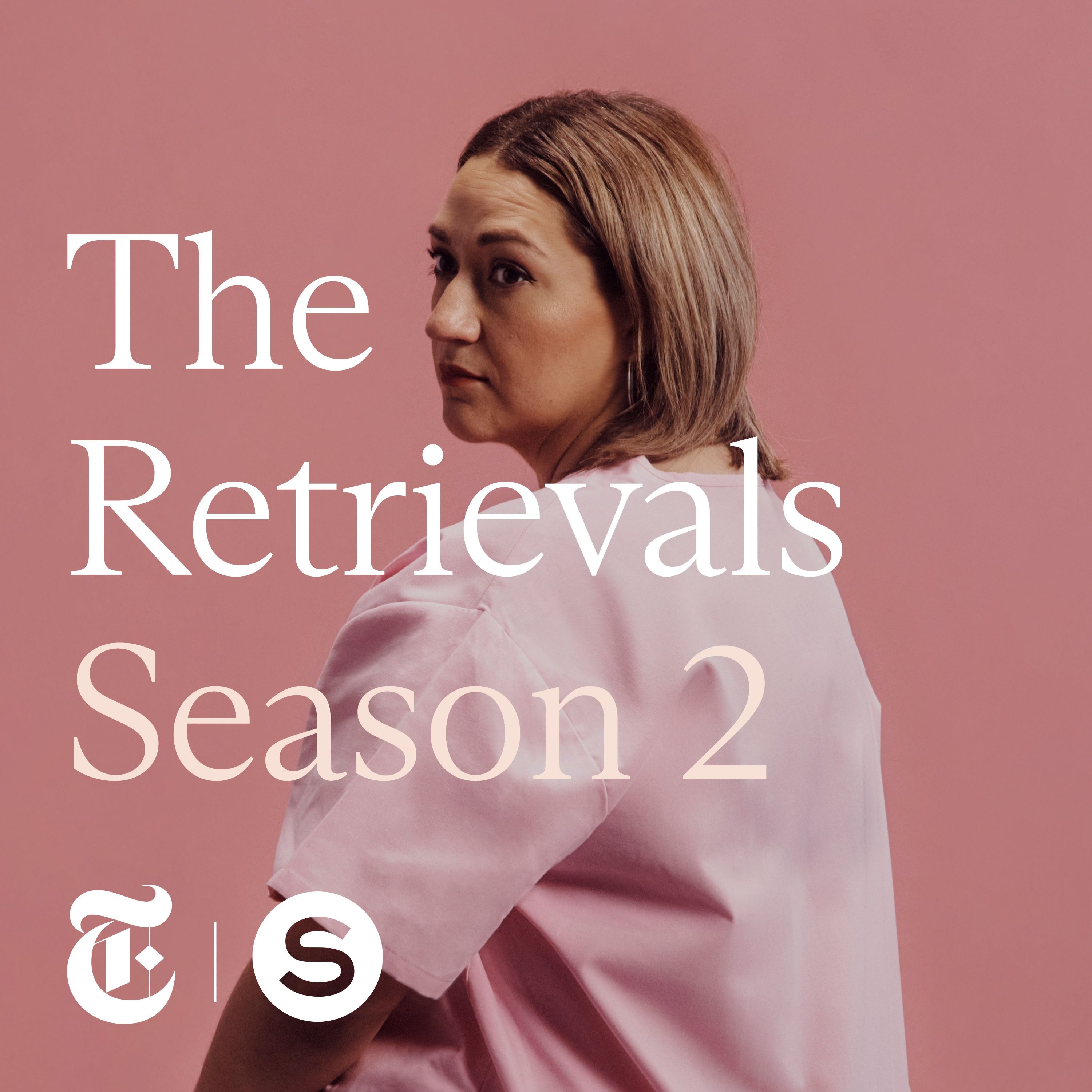
C-sections are the most frequently performed major surgeries in the world. So why do so many patients feel severe pain during them? Season 2 of the award-winning podcast “The Retrievals” is an investigation into this underreported problem — and the new effort to solve it. Listen wherever you get your podcasts.
Loading summary
MultiCare Representative
For 140 years, MultiCare has been in Washington prioritizing long term solutions, partnering with local communities, and expanding access to care. Together, we're building a healthier future. Learn more@ multicare.org hello Cereal listeners.
Sarah Koenig
Sarah Koenig here. Today is a big day over here at Cereal Productions because we're releasing the second season of the Retrievals, a series hosted by Susan Burton. The first season came out two years ago and it was great. It was named Best Podcast of the Year by a bunch of outlets, won a Peabody Award. This new season is a brand new story. So not a continuation of the season one story, but I'd call it a thematic cousin. It follows a group of doctors and nurses in a Chicago hospital who are spurred into action after one of their own nurses undergoes an excruciating surgery. The kind of thing that should never happen to anyone, but it turns out, happens a lot. Writing this season, Susan, was inspired by shows like the Pit and er. So if you're like us and you love those shows, you are in for a treat. This new season of the Retrievals rolls out like a taught medical drama. If you want to take season two for a spin, you can listen to the trailer I'm about to play. Or if you're already a fan, then you already know how good the show is going to be, so why wait? Just go ahead and search for the Retrievals podcast. You'll find the second season there ready for you to start. It's four episodes and we'll be releasing a new episode every Thursday for the next few weeks. And of course, if you're a New York Times subscriber, you can listen to the whole season right now. Okay, here is a trailer for the show. And again, please search for the Retrievals in your podcast apps.
Susan Burton
Here's Susan if you're listening to this, it might be because you heard a podcast series I made called the Retrievals. Sometimes when I meet people, they'll say, oh, the one where the nurse stole fentanyl. Others don't mention the plot. They go straight for the theme. They know the podcast as the one where doctors thought it was normal for the women to be in pain. It doesn't matter if you haven't heard the Retrievals, the details of that podcast are less important than the common experience it described Pain a doctor didn't listen to, pain a doctor didn't adequately treat. That resonated with many listeners, and hundreds of them, mostly women, began writing to me with their own stories. One afternoon I opened a note that was unlike any I'd received so far. The listener described something that was so shocking that I thought what she experienced must have been singular, an anomaly, a mistake. Then, within a day or two, I opened two more of these notes describing similar experiences. Soon I understood that this was a subject that would come up again and again.
Patient
I was rushed into the C section. My husband was there, and I could feel them starting the operation. I could feel the incision.
MultiCare Representative
And the doctor asked me, do you feel pressure? And I said, no, I feel everything.
Patient
And everybody kept telling me, oh, you know, you're just feeling a lot of pressure. And I was like, no, I'm pretty sure this is just pain. And they said, well, that's not possible. You know, if you were feeling it, you would pass out from the pain. And I was like, I wish I could pass out from the pain, because this is. I could feel them taking my organs out and moving them. I could feel them pulling the baby. I mean, it was. It was. I'm shaking. Just talking about was major abdominal surgery without full anesthesia.
Susan Burton
Patients don't know this happens. Doctors and nurses do.
MultiCare Representative
So when I look back to residency.
Susan Burton
It'S something that we all see and we all know.
MultiCare Representative
What I remember hearing is that C sections are going to hurt. I mean, I don't think anyone was like, hey, it's okay for your patient to be in severe pain. But it was kind of like, well, pressure's normal.
Medical Professional
Pressure's normal. Pressure's normal. And I'm like, how does he know that it's pressure, not pain? I feel like at first, before I saw it happen, when people would say, oh, yeah, I felt everything and all this, I'm like, that can't be true. Like, there's no way. There's no way. Who would let that happen? Like, who would do that? But.
Susan Burton
From Serial Productions and the New York Times, I'm Susan Burton, and this is the retrievals season two, the C sections, coming July 10th. Listen, wherever you get your podcasts.
Long-Form Summary of "The Retrievals, Season 2 - Trailer"
Released on July 10, 2025, "The Retrievals, Season 2 - Trailer" serves as an enticing gateway into the latest installment of Serial Productions' acclaimed series. Hosted by Susan Burton and produced in collaboration with The New York Times, this trailer sets the stage for a gripping narrative that delves into the intricacies of medical ethics and patient experiences within the healthcare system.
The trailer opens with a brief endorsement from MultiCare Representative, emphasizing the organization's long-standing commitment to healthcare excellence. This segment, while non-content, establishes the credibility and community-focused ethos of the series.
Sarah Koenig, the renowned host of "Serial," provides the initial narrative framework at [00:18]. She announces the release of the second season of "The Retrievals," highlighting its success and accolades. Koenig mentions that the first season received widespread acclaim, including recognition as "Best Podcast of the Year" by multiple outlets and earning a prestigious Peabody Award.
Key Quote:
"The first season came out two years ago and it was great. It was named Best Podcast of the Year by a bunch of outlets, won a Peabody Award." ([00:35])
Unlike its predecessor, Season 2 of "The Retrievals" is introduced as a "thematic cousin" rather than a direct continuation. This season focuses on a new narrative arc centered around a team of doctors and nurses at a Chicago hospital. The catalyst for their journey is a harrowing incident involving a nurse who undergoes a distressing surgery—an occurrence that, as revealed, is alarmingly common within the medical community.
Susan Burton, the host, elaborates on the inspiration behind the new season. Drawing parallels to other notable podcasts like "The Pit" and "Ear," Burton hints at a narrative rich with tension and emotional depth, positioning Season 2 as a "thoughtful medical drama."
Key Quote:
"This new season of the Retrievals rolls out like a taught medical drama." ([00:55])
Delving deeper, Susan Burton shares insights into the thematic exploration of Season 2. The season examines systemic issues in healthcare, particularly focusing on the under-treatment of patient pain—a subject that resonates deeply with the audience.
At [02:51], a poignant patient testimony underscores the gravity of the issue:
"I was rushed into the C section. My husband was there, and I could feel them starting the operation. I could feel the incision."
This firsthand account reveals a distressing scenario where a patient undergoes major abdominal surgery without adequate anesthesia, experiencing excruciating pain due to insufficient pain management. The narrative captures the emotional and physical turmoil faced by patients, highlighting a critical gap in medical care.
Susan Burton connects these experiences to broader systemic problems:
"Pain a doctor didn't listen to, pain a doctor didn't adequately treat." ([03:04])
The trailer also sheds light on the medical professionals' standpoint, revealing a disturbing normalization of patient suffering within hospital protocols. At [03:34], a MultiCare Representative reflects on their residency training:
"What I remember hearing is that C sections are going to hurt. I mean, I don't think anyone was like, hey, it's okay for your patient to be in severe pain. But it was kind of like, well, pressure's normal."
This admission illustrates the internalization of inadequate pain management practices among healthcare workers, who often dismiss patient pain as mere pressure rather than addressing it as a serious medical concern.
Medical Professional adds further context:
"Pressure's normal. Pressure's normal. And I'm like, how does he know that it's pressure, not pain?" ([03:57])
Susan Burton emphasizes the significant response from listeners following the first season, with numerous submissions from individuals sharing their own painful medical experiences. This influx of personal stories underscores the pervasive nature of the issues addressed in "The Retrievals."
Key Quote:
"The details of that podcast are less important than the common experience it described." ([03:04])
Concluding the trailer, Koenig reiterates the availability of the new season, encouraging both existing fans and new listeners to engage with the series. "The Retrievals, Season 2" comprises four episodes, with new installments released weekly every Thursday. Additionally, New York Times subscribers are granted immediate access to the entire season.
Final Note:
"From Serial Productions and the New York Times, I'm Susan Burton, and this is the retrievals season two, the C sections, coming July 10th." ([04:20])
"The Retrievals, Season 2 - Trailer" effectively sets the stage for a season that promises to tackle challenging and underreported issues within the healthcare system. Through compelling narratives, authentic patient testimonies, and insightful commentary from medical professionals, the trailer invites listeners to explore the often-overlooked experiences of pain and inadequate care in medical settings. By maintaining a balance between emotional storytelling and investigative journalism, Serial Productions continues to uphold its reputation for producing transformative narrative podcasts.
Accessing the Podcast: