
Podcast
sgSMU
Hosted by Singapore Management University · EN
Official account of Singapore Management University, a premier university in Asia established in 2000 that is home to over 13,000 undergraduate, postgraduate, executive and professional students. The University emphasises rigorous, high-impact, multi- and inter-disciplinary research that addresses Asian issues of global relevance.
11episodes
Episodes
Newest firstAll episodes
SMU City Perspectives with Associate Professor Yasmin Ortiga
Dec 100:26:52Tap to summarizeThe Philippines has long embraced its identity as a ‘nation of emigration’ — a country that not only sends workers abroad but has built entire institutions to sustain this global flow. In this episode, SMU Associate Professor of Sociology Yasmin Ortiga unpacks how migration has been woven into the fabric of Philippine society shaping education, employability, and even family aspirations. As Singapore continues to depend on migrant healthcare workers, Ortiga challenges us to consider: what if source countries like the Philippines decide to keep their workers home? [About the SMU CP Podcast Series] SMU City Perspectives brings together researchers from Singapore Management University (SMU) for insightful conversations exploring the pivotal trends in digital transformation, growth in Asia, and sustainable living. Get inspired and discover solutions that will help you drive more impact in your work and shape the future of cities.
Transcribe →
SMU City Perspectives with Professor Fiona Williamson
Nov 1200:16:56Tap to summarizeSingapore’s modern skyline masks a long-standing culture of urban cultivation. In this episode, SMU Professor of Environmental History, Fiona Williamson, uncovers how gardening once served not just as a leisure pursuit, but as a crucial strategy for food resilience and ecological stewardship. From wartime vegetable plots to today’s hydroponic rooftops, she traces how policy, memory, and land use have reshaped this legacy. As cities confront climate volatility, density, and the need for local food security, could reclaiming micro-gardening and community plots revive a more resilient, self-sustaining urban ethos? [About the SMU CP Podcast Series] SMU City Perspectives brings together researchers from Singapore Management University (SMU) for insightful conversations exploring the pivotal trends in digital transformation, growth in Asia, and sustainable living. Get inspired and discover solutions that will help you drive more impact in your work and shape the future of cities.
Transcribe →
SMU City Perspectives with Associate Professor Terry van Gevelt
Nov 13, 202400:20:48Tap to summarizeBecause of climate change, cities have been grappling with stronger and more frequent storms as well, most recently being Typhoon Yagi in Vietnam and Hurricanes Helene and Milton in America. But many people remain apathetic to climate change. SMU Associate Professor Terry Van Gevelt explains the intricacies of climate change communication and what needs to be done to get urbanites facing climate change to become more aware. . [About the SMU CP Podcast Series] SMU City Perspectives brings together researchers from Singapore Management University (SMU) for insightful conversations exploring the pivotal trends in digital transformation, growth in Asia, and sustainable living. Get inspired and discover solutions that will help you drive more impact in your work and shape the future of cities.
Transcribe →
SMU City Perspectives with Assistant Professor Aidan Wong
Nov 13, 202400:22:26Tap to summarizeAs the effects of climate change continue to grow, the world is more aware than ever about the concept of being sustainable. Most people's entry point to sustainability consists of the ‘Three R’s’, Reduce, Reuse and Recycle. The question is, what makes waste reusable and recyclable? And what role does informal labour have to play in this journey to sustainable living? In this podcast, Assistant Professor of Urban Studies (Education) at the Singapore Management University, Aidan Wong, explains his research on the value creation process within e-waste recycling networks, including the role of the karang guni, in Singapore and Malaysia. [About the SMU CP Podcast Series] SMU City Perspectives brings together researchers from Singapore Management University (SMU) for insightful conversations exploring the pivotal trends in digital transformation, growth in Asia, and sustainable living. Get inspired and discover solutions that will help you drive more impact in your work and shape the future of cities.
Transcribe →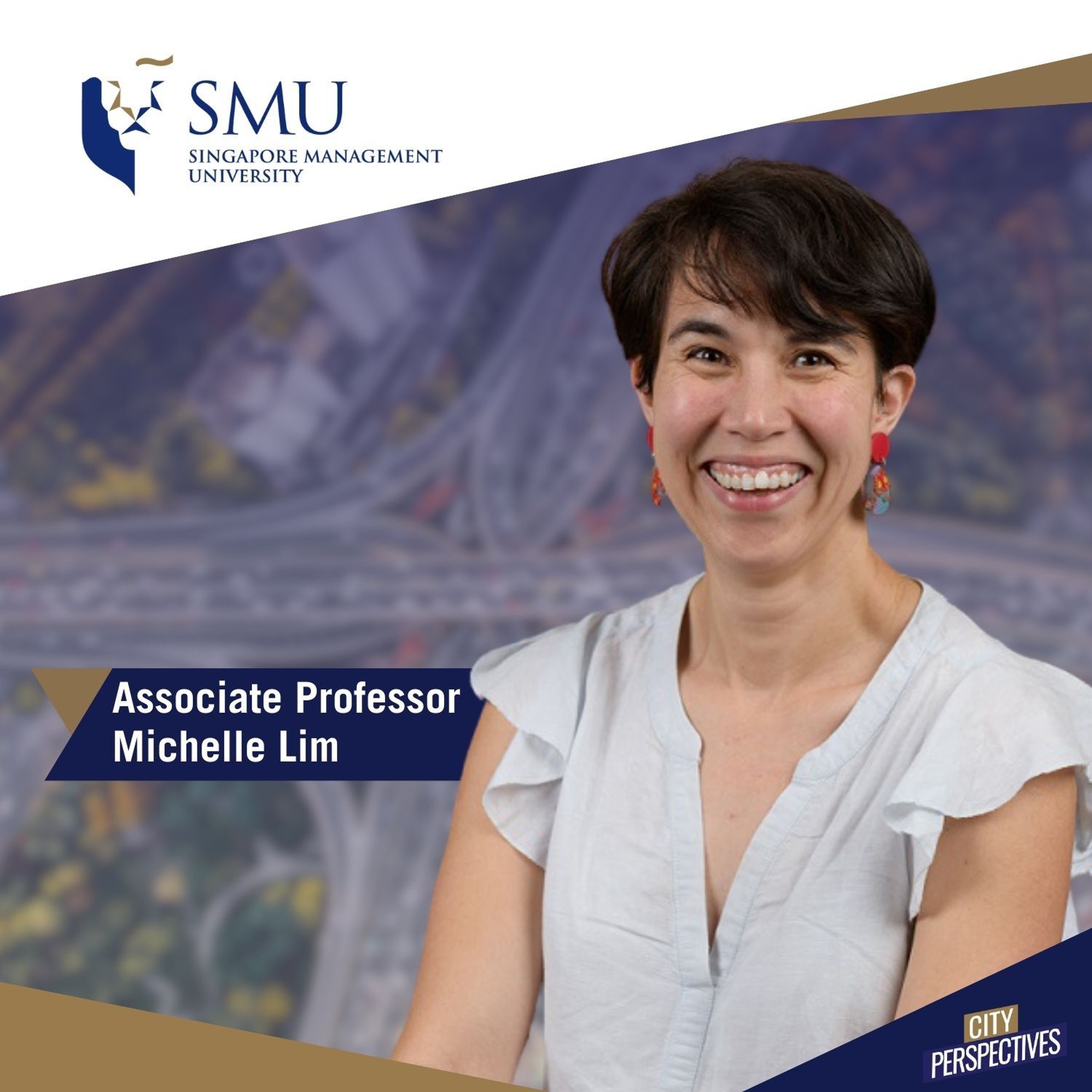
SMU City Perspectives with Associate Professor Michelle Lim
Aug 20, 202400:22:47Tap to summarizeAs the climate crisis looms, how can we build a more sustainable future? While the establishment of the United Nation Sustainable Development Goals (UN SDGs) provides a helpful compass to achieve sustainability, they tend to be viewed and applied in isolation from each other. This glosses over what sustainability really means for those most vulnerable to its impacts. In this podcast, SMU Associate Professor Michelle Lim demystifies the dense jargon of the UN SDGs, and argues how viewing them as a set of integrated and interconnected goals is essential to empower us to chart a meaningful path forward for the planet and people. [About the SMU CP Podcast Series] SMU City Perspectives brings together researchers from Singapore Management University (SMU) for insightful conversations exploring the pivotal trends in digital transformation, growth in Asia, and sustainable living. Get inspired and discover solutions that will help you drive more impact in your work and shape the future of cities.
Transcribe →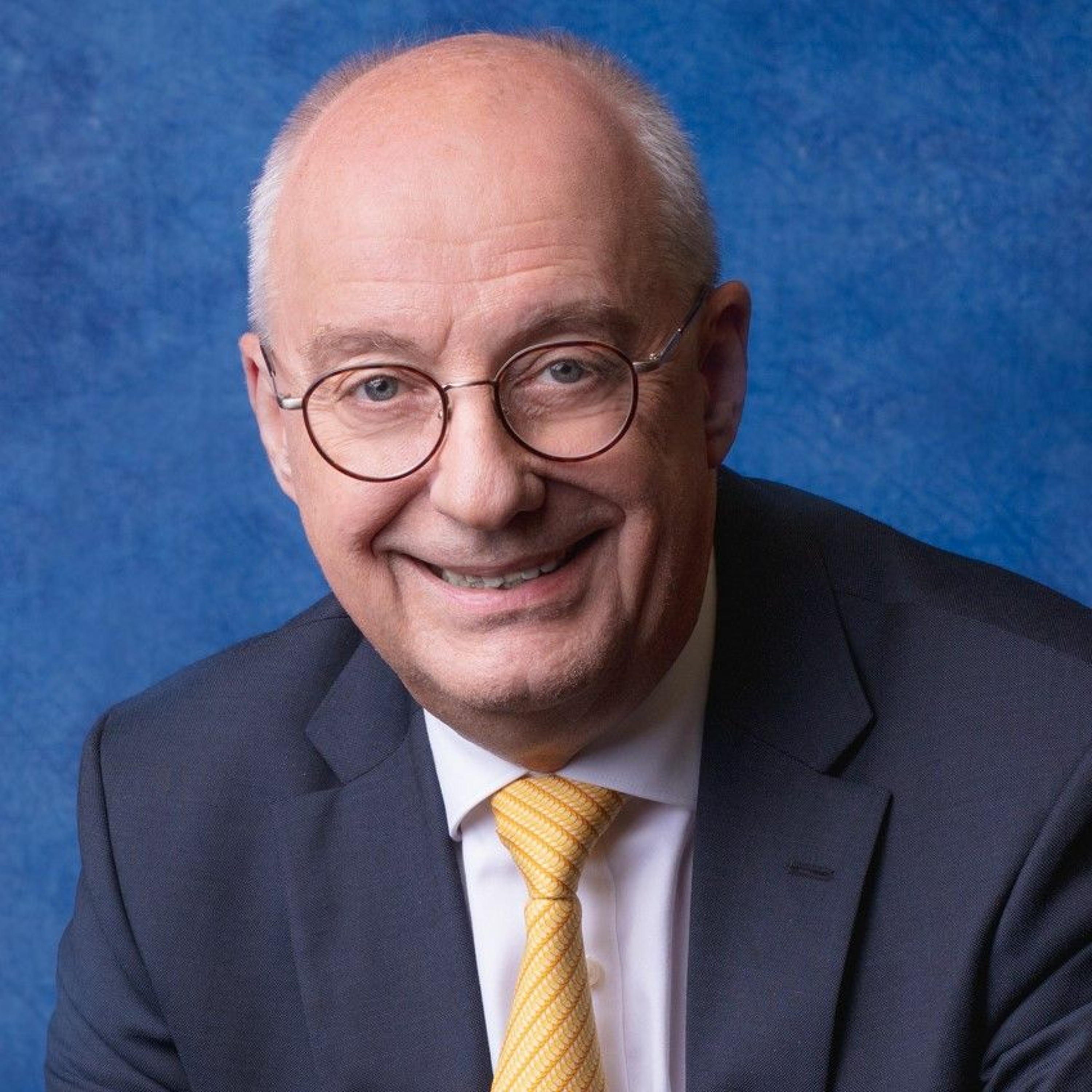
The Ecosystem Advantage
May 13, 202000:16:11Tap to summarizeWith the advent of new technologies, rapidly changing customer needs and emerging competitors, companies across industries are facing disruptions like never before. To succeed, they will need to innovate by harnessing the power of a wide range of partners who can bring different skills, experience, capacity, and their own networks to the task. In this podcast, SMU University Professor Arnoud De Meyer, who is also co-author of The Ecosystem Edge (https://ecosystemedge.com/) and The Ecosystem Advantage, shares riveting lessons from organisations poised to innovate successfully in this age of disruption. His case-based research reveals how ecosystem leaders bring companies together with complementary abilities to redefine value, serve more customers and create an overall larger pie for each to partake from.
Transcribe →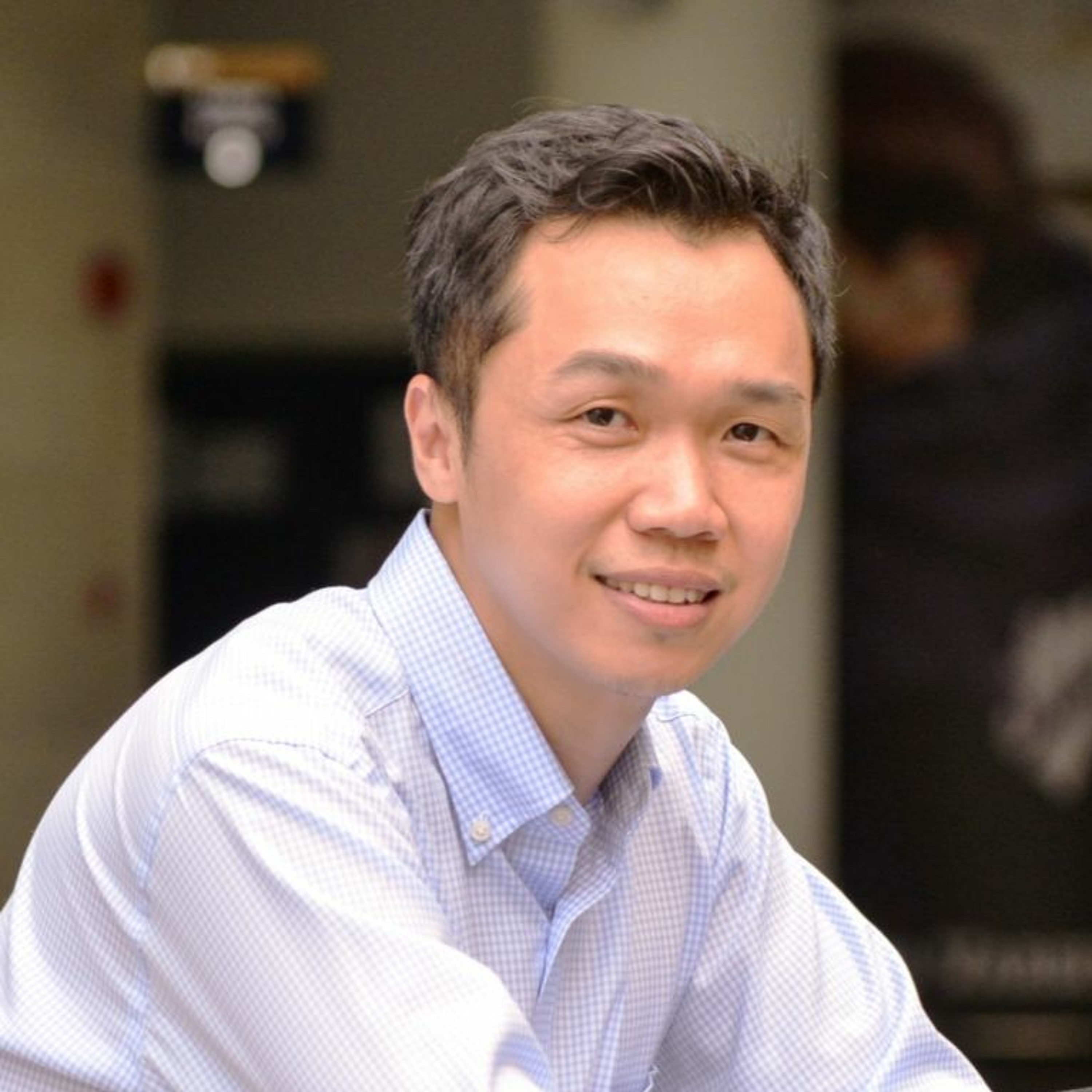
Artificial Intelligence & data protection in Singapore
Apr 8, 202000:14:12Tap to summarizeData has emerged as the most important driver for modern economic development. New industries have arisen from the use of data with personal information as the core asset, while many traditional models of business are ‘disrupted’ or drastically transformed. Artificial Intelligence (A.I.) has also become an integral tool for the management and processing of data, including personal data, as it provides greater accuracy and capability. How should the use of A.I. in data management be regulated and should it be treated any differently under the data protection regime? What role can A.I. play in regulating the use of personal data and as a cybersecurity tool? Is creating a form of propertisation of personal data and ‘data ownership’ useful? These are just some of the lingering questions that regulators and organisations are currently grappling with. Central to the issue is how A.I. can best serve and safeguard humanity’s interests. Warren Chik is Associate Professor of Law at SMU School of Law, and concurrently Deputy Director at SMU’s Centre for AI and Data Governance. In this podcast, he shares his recent research into Artificial Intelligence and Data Protection in Singapore, which takes a deeper look into consumers’ trust, organisational security and government regulation.
Transcribe →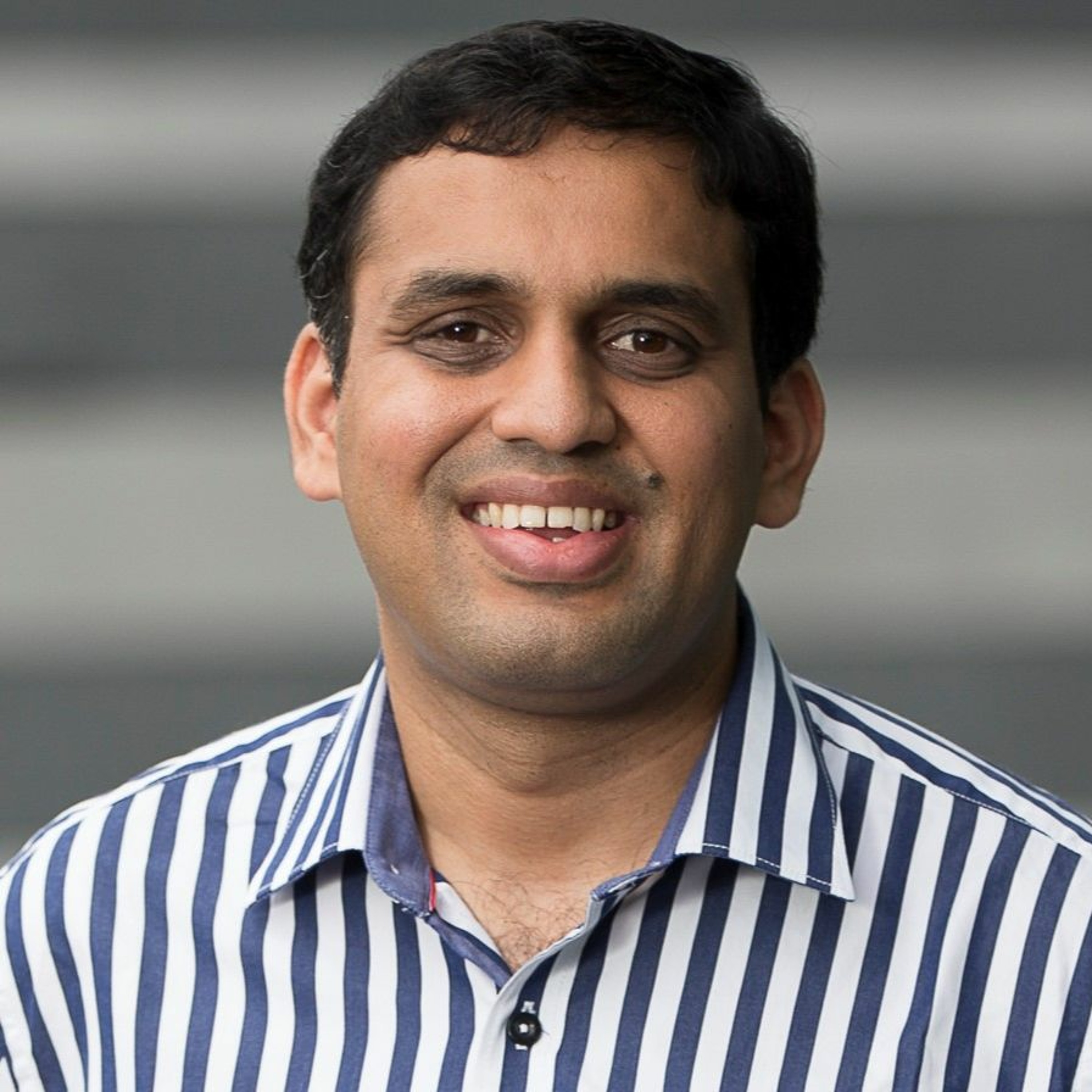
Artificial Intelligence for transportation & security
Apr 8, 202000:14:46Tap to summarizeRapid urbanisation, coupled with the lack of coordination in the use of resources, such as taxis and security personnel, has negatively affected a wide array of quality-of-life metrics. These include waiting time in queues, response time for emergencies, and the number of traffic violations in cities. Using AI and Machine Learning methods, aggregation systems have been developed and adopted to improve the matching of resources and demand, thereby enhancing the efficiency of real-world transportation, emergency response and security systems. In this podcast, Associate Professor Pradeep Varakantham from the SMU School of Information Systems shares how AI can be used to improve transportation and security.
Transcribe →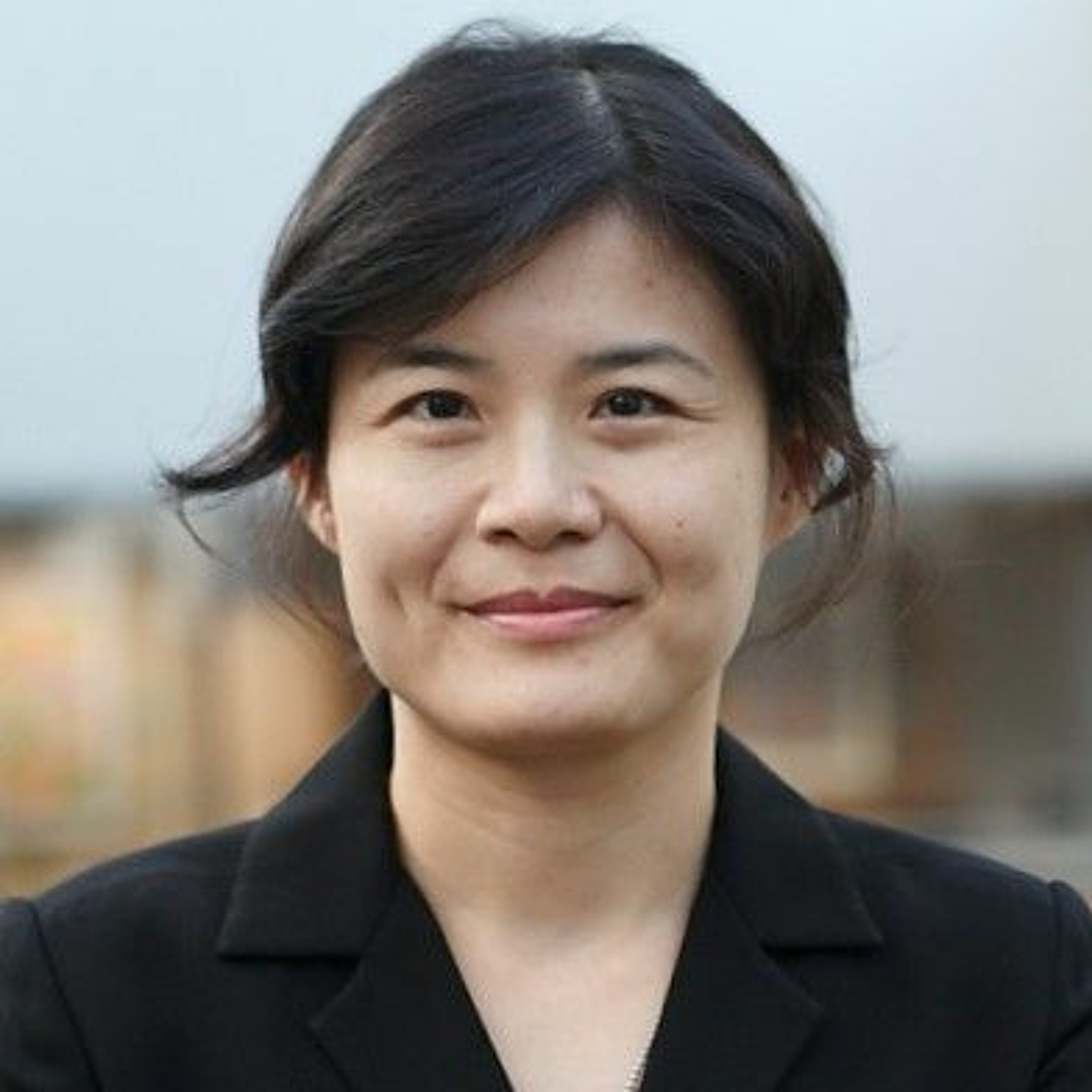
Singapore in the Global Value Chains
Mar 11, 202000:11:55Tap to summarizeSingapore is a small and open economy, with its economic growth highly dependent on international trade. With the momentum of global trade growth being buffeted by increased economic uncertainties and rising trade tensions, does Singapore’s position in the global value chains, or GVCs, stand it in good stead to navigate choppy waters ahead? In this podcast, Associate Professor of Economics and Lee Kong Chian Fellow Chang Pao-Li from the SMU School of Economics, discusses the key findings of her research jointly conducted with Phuong T. B. Nguyen, Postdoctoral Research Fellow from SMU Lee Kong Chian School of Business. They evaluate how intensively the Singapore economy has participated in the GVCs, and characterise Singapore’s key upstream and downstream trade partners in the international production network. They also analyse the position of Singapore in the GVC, and how its position has shifted over the years. The pattern of Singapore’s position is compared with those of major regional exporters including China, Japan, Korea, Taiwan, the US, and the world as a whole.
Transcribe →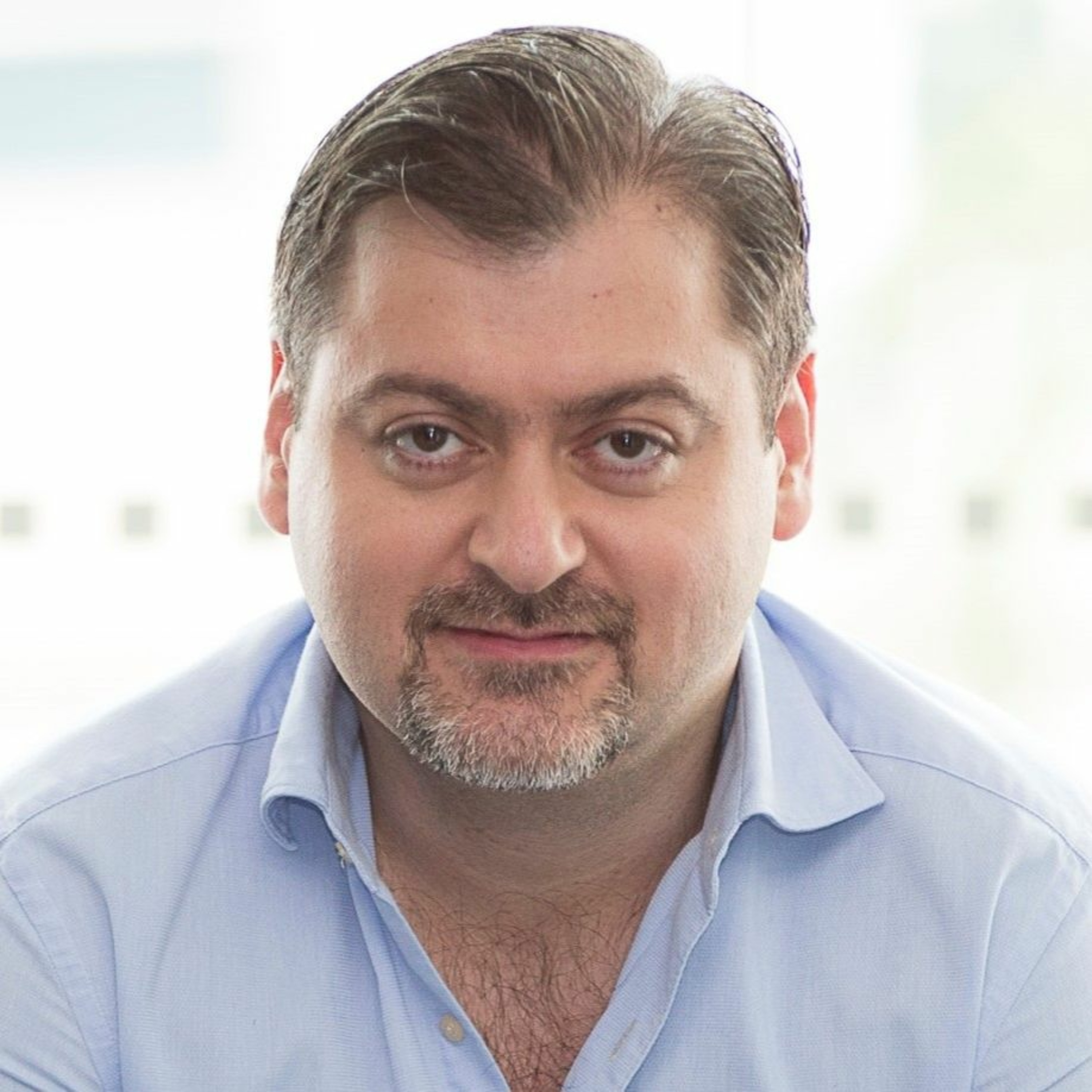
The economic & environmental implications of biomass
Mar 2, 202000:14:56Tap to summarizeGlobal warming and climate change have created an unprecedented global interest in reducing greenhouse gas emissions, especially in energy production. Biomass, or organic matter, which is a renewable energy source that can replace fossil fuels in energy production is gaining popularity. Consequently, commercialising agricultural residues as biomass is gaining momentum in many countries. In a pioneering study, Onur Boyabatli, Associate Professor of Operations Management and DBS Sustainability Fellow at SMU’s Lee Kong Chian School of Business, together with Assistant Professor of Operations Management Buket Avci, and PhD student Li Bin, studied the economic and environmental implications of biomass commercialisation in agricultural processing industries. In this podcast, Associate Professor Boyabatli shares his insights into this trending subject and the policy implications of their research findings.
Transcribe →