
Podcast
Shorts: Beyond Measure w/ Tara, Caroline & Allison
Hosted by Tara West, Caroline Balz, Allison Goldberg · EN
A bite-sized podcast where fashion stylist Tara and interior designers Caroline & Allison—each with a background in psychology—unpack the deeper layers of style, design, and mindset. From fashion and interiors to psychology and culture, they deliver short, sharp, and stylish insights that make a lasting impact.
29episodes
Episodes
Newest firstAll episodes
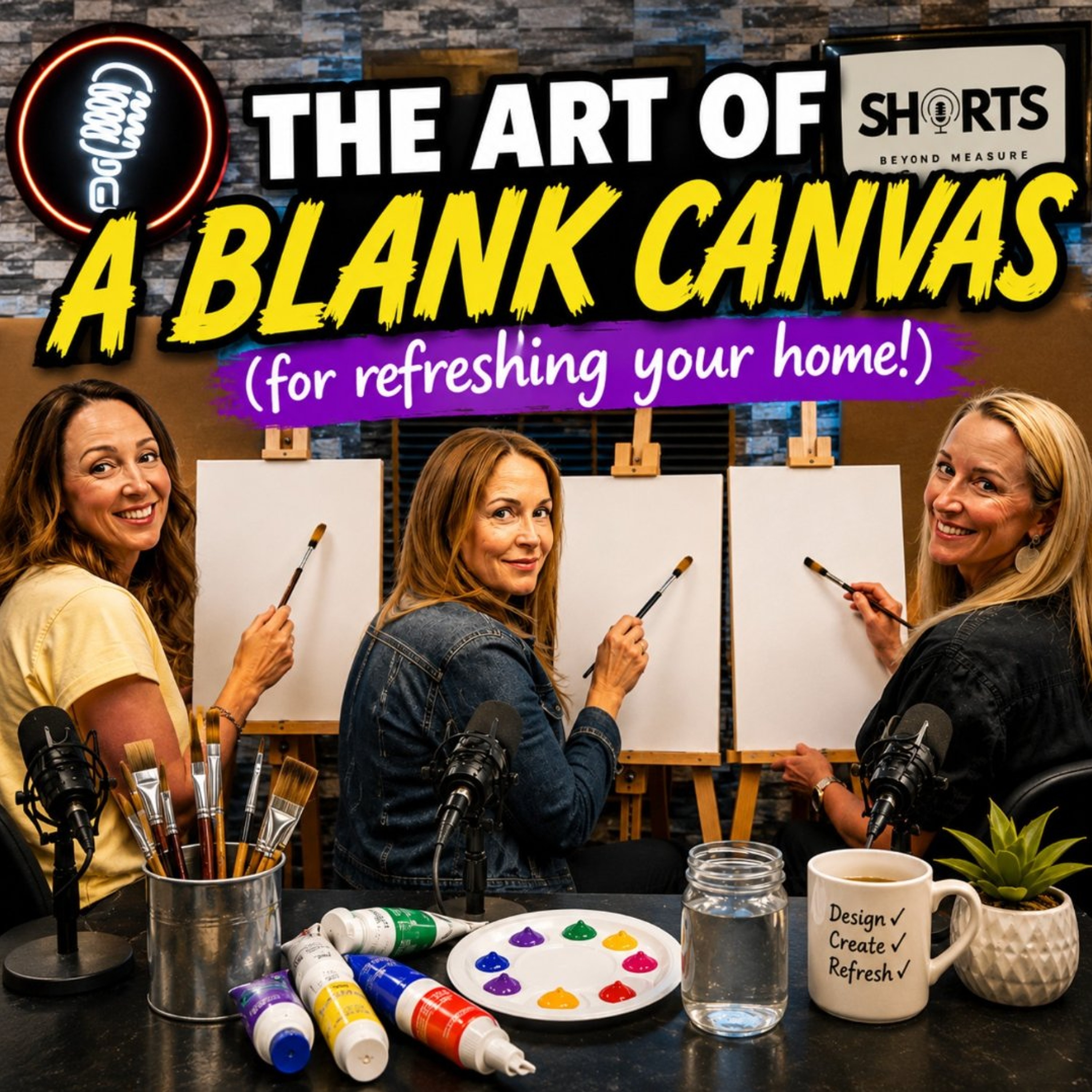
The Art of a Blank Canvas: Refreshing Your Home Without a Full Redo
2w ago00:12:12Tap to summarizeTara, Caroline and Allison talk about cleaning out Allison’s closet and a lockbox, then shift to the episode topic: creating a “blank canvas” at home. They describe an “art consult” with a client who owned meaningful travel art, where they removed all artwork from the walls, clustered pieces together to see what “talks,” and gave standout pieces their own moment, emphasizing that “not everything can sing.” They suggest taking art down, patching and spackling, and reimagining gallery walls as a simple, low-cost way to refresh a space, including rotating art to avoid being “overhung.” The conversation connects overdoing wall art to over-accessorizing and touches on the psychology behind excess, then parallels the approach to purging and reorganizing closets, ending with light talk about capris returning as a trend. Topics 00:30 Summer Catch Up 00:36 Lockbox Closet Banter 01:38 Blank Canvas Idea 01:55 Art Consult Method 03:11 DIY Gallery Wall Reset 04:13 Overhung Homes Debate 05:54 Jewelry And Armor 07:38 Closet Cleanout Psychology 09:27 Capris Comeback Talk 11:36 Wrap Up And Callback
Transcribe →
Seeing Style and Spaces Differently
3w ago00:12:59Tap to summarizeTara, Caroline, and Allison discuss Tara’s outdoor wedding in Maryland, where ticks prompted worries about Lyme disease; Alison shares experiences spotting ring rashes on her children and getting prompt antibiotic treatment. They pivot to “attention restoration theory” (ART), describing it as looking at things differently than intended and applying it to interior design by reorienting rooms, combining functions, and repurposing objects like placing a ginger jar on a patio to elevate an outdoor “second living room.” They note how client trust affects how far designers can push ideas. Tara applies the concept to personal styling, helping a client dress more age-appropriate while still feeling sexy, and they discuss using scarves and even men’s ties in multiple ways to elevate outfits. Tara explains how to subscribe to her newsletter at tarawestfashion.com and mentions creating mood-board tips for dressing for sporting events like the World Cup, Wimbledon, and F1. Topics 00:33 Wedding Weekend Recap 00:58 Tick Panic Storytime 02:26 Lyme Disease Fears 03:26 Today’s Topic ART 03:52 Designing By Reframing 05:10 Client Trust And Scope 06:41 Styling Too Young 07:50 Age Appropriate Wardrobes 09:17 Scarves And Ties Hacks 10:46 Newsletter And Event Outfits 11:50 Sporty Style Chat 12:27 Wrap Up And Goodbye
Transcribe →
Allison’s Road to Freedom
4w ago00:18:30Tap to summarizeTara, Caroline and Allison discuss how guest connections often become meaningful collaborations, highlighting Lacy Garcia of Willow, a women’s financial planning firm focused on empowering women to understand finances. Allison shares that attending Lacy’s talk was especially impactful as she navigates a divorce after never handling bills, accounts, or financial decisions during her marriage, and she describes feeling controlled by not having her name on accounts or utilities. The conversation emphasizes normalizing financial literacy, having money conversations in marriage, and the value of prenups as protection rather than a sign of expecting divorce. Allison reflects on moving from intense anxiety and grief to a steadier emotional place by fully feeling her emotions and leaning on friends, including a supportive community of divorced women. The group also discusses supporting children through divorce by creating calmer, healthier home environments. Find Lacy Garcia at https://www.trustwillow.com/ Topics 00:30 High Noon Catch Up 01:14 Guest Spotlight Lacy 02:11 Divorce Money Wake Up 04:03 Learning The Basics 07:53 Prenup Talk 09:17 Emotional Recovery 11:22 Friends And Community 13:47 Kids And Resilience 15:45 New Home Energy 17:44 Closing Thanks
Transcribe →
Building a Hamptons Design Brand: Jen DeLalio Returns
Jun 1600:13:00Tap to summarizeCaroline and Allison welcome back Jen (Bean) DeLalio of JKate Designs from Southampton to discuss her pivot from software programming and consulting into interior design and how she built a Hamptons-focused portfolio. Jen shares that her projects span Westhampton through Amagansett, with a coastal, easy-breezy style that also leans slightly traditional and patterned. She explains the importance of professional photography as a non-negotiable marketing investment, describing how photographing her sister’s Bergen County renovation and a major East Hampton project helped elevate her website and content, including a project video produced through a charity-auction win. They also talk about maintaining a tight design process, screening out difficult clients during inquiries, and using a “secret” inspo image to confirm client preferences. Jen shares where to find JKate Designs online. Find Jen on the socials at @jkatedesigns or at https://jkate-designs.com/ Topics 00:29 Part Two Welcome 00:43 Meet Jen Bean 01:52 Podcast Fan Moment 03:08 Hamptons Roots 03:39 Design Style Sweet Spot 04:28 Pro Photos Matter 05:21 Sister Reno Breakthrough 07:54 East Hampton Dream Project 09:24 Marketing Budget Reality 10:29 When to Walk Away 11:14 Client Process Tricks 12:04 Where to Find Jen 12:36 Final Sign Off
Transcribe →
From NYT Analyst to Hamptons Designer: Jen (Bean) DeLalio
Jun 900:14:45Tap to summarizeThe guest is Jen (Bean) DeLalio, a high school friend of Caroline’s. They reminisce about shared Boston summers and Caroline’s multi-day Cape wedding. Jen describes her early career as an econ major who entered tech consulting in 1998, later working as a systems analyst at The New York Times before moving full-time to Southampton. After taking an NYU night class in interior design and working in an antique shop and design showroom, she returned to remote web-based software work as a contractor for about 10 years while renovating her own home and helping friends. In 2015 she launched JKate Designs via a Houzz profile, balancing demanding early projects with consulting and parenting. She explains how the Haven Workshop in 2022 helped her adopt stronger business systems, marketing, and financial goals, prompting her to leave consulting and scale with subcontracted procurement, bookkeeping, and CAD support. Find Jen on the socials at @jkatedesigns or at https://jkate-designs.com/ Topics 00:33 Guest Arrival 01:19 Jen Bean Backstory 02:20 Wedding Weekend Tales 03:42 Career Pivot Begins 05:34 Hamptons Design Roots 06:44 Launching JKate Designs 07:42 First Clients Juggling 09:43 Haven Workshop Breakthrough 11:02 Systems Strategy Lessons 12:37 Building The Team 13:53 Where To Find Jen
Transcribe →
How Hostile Architecture Shapes Behavior
Jun 200:12:48Tap to summarizeAllison and Caroline discuss heavy pollen before recapping Sparkle in the Park, a longtime Emerald Necklace Conservancy fundraiser. They describe multiple last-minute pivots: switching from a perceived-privileged luncheon to an evening tented dinner, then losing the City of Boston tent permit and relocating the event to board member Georgia Lee’s private home. They highlight the home reveal and the dramatic design transformation by David DeCicco Designs and Julie Freed/Freed Events, and note the event raised significant funds and may return as a May 5 lunch next year. The episode topic shifts to hostile architecture—design choices that manipulate behavior (e.g., anti-sleep benches, airport armrests, uncomfortably cold restaurants)—and briefly connects the idea to “hostile fashion,” including restrictive skirts and high heels. Topics 00:28 Pollen And Missing Host 01:02 Sparkle In The Park Recap 02:13 Event Backstory And Pivots 03:56 Swing Mishap And Next Year 05:02 Hostile Architecture Explained 06:22 Everyday Examples And Comfort 07:45 Designing Atmosphere On Purpose 08:46 Hostile Fashion And Met Gala 10:46 Clothes As Social Signals 12:17 Wrap Up And Sign Off
Transcribe →
Executive Presence & Purpose with Rachel Wexler
May 2600:18:20Tap to summarizeThe gang welcomes back Rachel Wexler, a leadership development partner who helps leaders and teams get unstuck and build new ways of operating aligned to their goals. Wexler discusses executive presence as showing up with confidence and conviction by knowing strengths and development areas, clarifying the gap between identity and reputation, defining a bigger “why,” and understanding needs and boundaries. She describes working with both women and men, including executives with egos, and using data-driven tools like the Hogan Assessment to ground “soft” topics in statistically reliable insights about how people are perceived. Wexler shares her career pivot from education product development and workforce development work at Penn Foster (2015–2023), deciding to leave as she approached 50 to avoid regret, and learning resilience and iteration through social media. She outlines her business focus on coaching/consulting and sharing ideas about humanity, authenticity, trust, and high-performance teams. Rachel on LinkedIn: https://www.linkedin.com/in/rlwexler/ Instagram: @ RWexlerLeadership https://www.rachel-wexler.com/ Topics 00:32 Rachel Is Back 01:52 Executive Presence Basics 03:02 Identity Versus Reputation 05:05 Handling Ego With Data 07:52 Friendship And Business Plans 08:58 Pivoting Into Entrepreneurship 12:15 Turning 50 Leap 12:46 Social Media Growing Pains 14:34 Where The Business Goes Next 16:15 Presence Tip Before Meetings 17:11 Socials And Farewell
Transcribe →
Building Trust at Work with Rachel Wexler
May 1900:16:01Tap to summarizeThe guest is Tara’s longtime friend Rachel Wexler, who recently launched her own business after 20 years leading product and strategy teams. Rachel describes her evolving role as a “leadership development partner,” working with leaders and teams through coaching, leadership programs, small-group work, and team offsites to help organizations use internal talent well, build trust, and create environments where people can be authentic. She explains using tools like 360 feedback—speaking with peers, direct reports, senior leaders, and sometimes people in a client’s personal life—to identify key themes and “name what’s really going on” beneath the surface. Rachel shares an offsite example that began with a personal question to humanize teammates and shift focus from deadlines to connection. She says her favorite part is helping people, especially women, see their strength and value. Rachel on LinkedIn: https://www.linkedin.com/in/rlwexler/ Instagram: @ RWexlerLeadership https://www.rachel-wexler.com/ Topics 00:29 Meet Rachel Wexler 00:48 Friendship Backstory 02:10 Launching Her Business 03:01 What She Actually Does 05:24 Why Leadership Work Matters 06:54 Reading the Room Skills 09:34 Inside a Team Offsite 12:51 Favorite Part of the Job 14:53 Where to Find Rachel 15:35 Wrap Up and Thanks
Transcribe →
The Rule of 7: Decision Fatigue in Fashion and Design
May 1200:14:12Tap to summarizeThe gang celebrates Tara’s recognition as one of Boston’s best dressed and discusses how professional wins support business. They pivot to cultural and health conversations around Ozempic, including reports of bone density issues, differing medical opinions, social pressure to use it, and observations about shrinking size availability and plus sizes “going away.” The main topic is Miller’s “rule of seven,” explaining how too many choices create decision paralysis; they apply it to styling and design by limiting options (e.g., a few mood boards or samples) rather than overwhelming clients. They describe how knowing a client’s taste, budget, and closet helps narrow choices, how shopping together can educate clients, and how expanded design options have increased complexity while COVID-era constraints encouraged creativity. Topics 00:29 Best Dressed Win 02:33 Ozempic Culture Talk 03:58 Sizes And Fashion Shift 07:39 Rule Of Seven 09:17 Styling Without Overwhelm 12:48 Design Choices Explosion 13:51 Wrap Up And Requests
Transcribe →
Bad Apples: How One Negative Person Spoils the Bunch
May 500:11:11Tap to summarizeThe topic: the “bad apple effect,” or how one negative person can permeate and drag down an entire group. After chatting about missing each other and Tara’s rainy, windy weekend in Pensacola for a friend’s 60th birthday, they compare the concept to removing a bad strawberry to keep the rest fresh and to group dynamics where a “Debbie Downer” demands attention. Caroline describes how a difficult subcontractor’s attitude can create client and brand issues, requiring calm, professional conversations and rules like routing all client concerns through the designers. Tara shares a styling incident where a high-end store sent a $2,500 blazer with a sensor still attached and a loose button, then blamed her, reinforcing the value of accountability and apologizing. They note research suggesting negative peers can reduce student achievement and emphasize choosing better company with age. Topics 00:30 Catching Up Derby To Pensacola 00:52 Pensacola Stories Waffle House 01:48 What Is Bad Apple Effect? 02:45 Bad Apple In Groups 03:05 Workplace Subs And Boundaries 04:48 Opposite Action Staying Calm 05:09 Stylist Horror Story Sensor Tag 07:13 Accountability And Owning Mistakes 08:04 Comic Detour Dave Dating Update 09:06 Theory Explained Social Contagion 09:42 Choosing Your People And Parenting 10:35 Wrap Up And Goodbye
Transcribe →