← Sibling Revelry with Kate Hudson and Oliver Hudson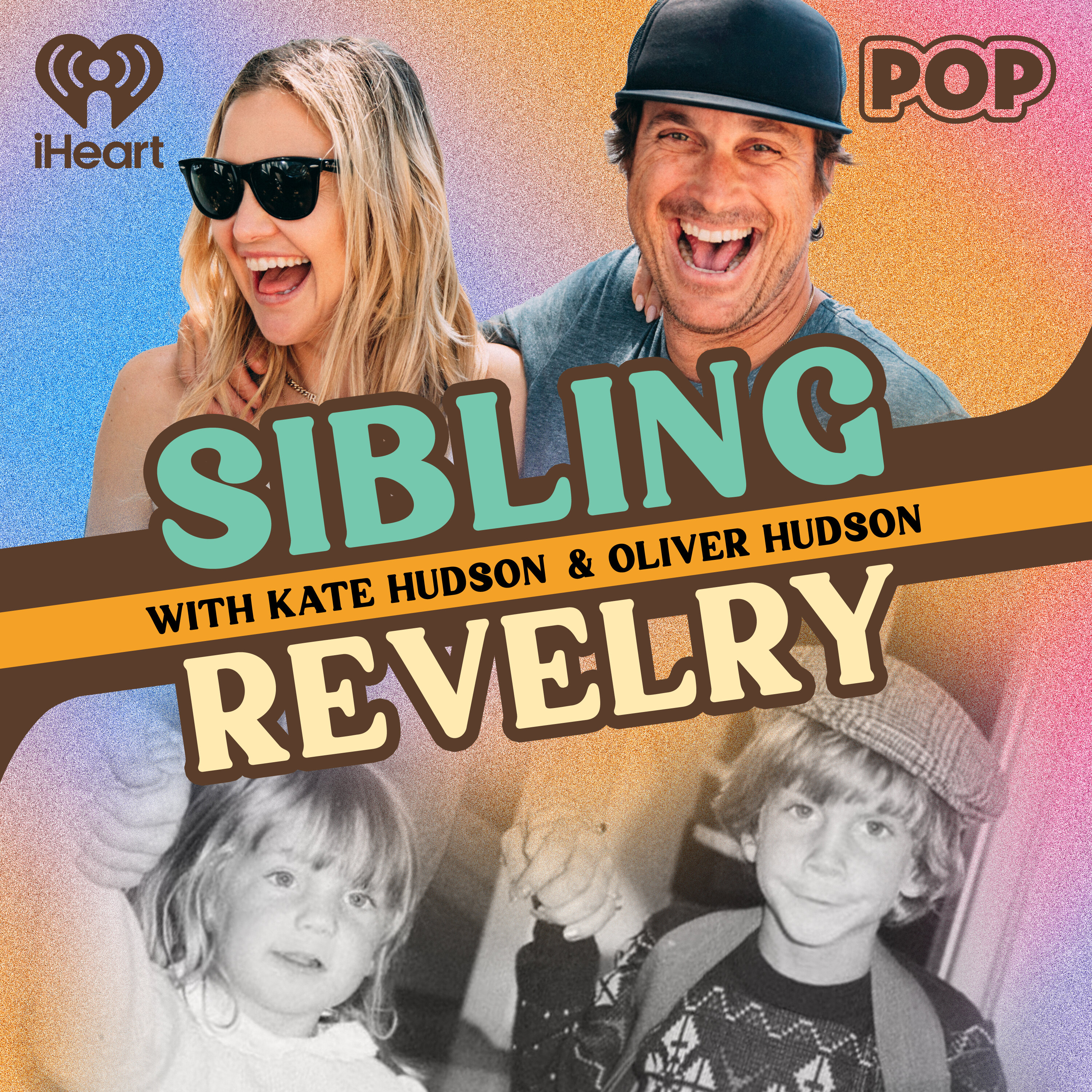
Loading summary
Transcript347 lines
- [00:00]
Joanna Bedell
This is an iHeart podcast.
- [00:05]
Oliver Hudson
This podcast is sponsored by PayPal. Okay, let's talk holiday shopping. When you want to make the most of your money, head to the PayPal app before you check out. They give you the flexibility to pay in four no fees, no interest. And this is big. You can get 5% cash back when you pay later with PayPal. So whether you're shopping for a gift for the kids, your spouse, or one for yourself, PayPal helps you make the most of your money this holiday. Save the offer in the PayPal app expires 1231. See paypal.com promoter subject to approval. Learn more at paypal.com pain4paypal inc.nmls910457 Fall is such a great season to travel with my family, so we've been talking about a trip to Switzerland because I've actually have never been to Switzerland. Hiking in the Alps, taking those scenic trains, tasting all the chocolate. So when we travel I love staying in an Airbnb. If you're heading out this fall, consider hosting your home on Airbnb with a co host network. You can have someone local take care of everything while you're gone. Find a co host@airbnb.com host have you.
- [01:09]
Kal Penn
Ever turned a dollar into ten grand? I doubt it, but now you can. On Better Picks Download the Better App, Pick more or less on your favorite player stats, watch the games and win some cash. It's that simple. Better picks available in 33 states, including Texas, California and Georgia. Download the Better App today. That's Better B E T R and get a free $10. No deposit necessary. Must be 21 or older. In a jurisdiction where Better Picks operates.
- [01:31]
Oliver Hudson
Terms and conditions apply.
- [01:33]
Kal Penn
Better Picks Sports just got better. Hey audiobook lovers, I'm Kalpin.
- [01:40]
Oliver Hudson
I'm Ed Helms.
- [01:41]
Kal Penn
Ed and I are inviting you to join the best sounding book club you've ever heard with our new podcast, Irsay The Audible and iHeart Audiobook Club.
- [01:50]
Oliver Hudson
Each week we sit down with your favorite iHeart podcast hosts and some very special guests to discuss the latest and greatest audiobooks from audible.
- [01:59]
Kal Penn
Listen to Earsay on America's number one podcast network, iHeart. Follow Earsay and start listening on the free iHeartradio app today.
- [02:08]
Amy Brown
This is Amy Brown from Feeling Things with Amy and Kat. Isopure Protein helps you focus on more of what matters, like feeling your best every day with great tasting nutrition. That's high protein and low carb. It's never been simpler. I use Isopure unflavored protein every Day. And I have already restocked three times since first trying it. Actually, I think I've bought it four times now because my daughter took a bag of it to her dad's house. With 25 grams of ultra filtered protein, you can add it to things like guacamole, pasta sauce and more. It tastes great on everything. Enjoy more of what matters today@isipyourprotein.com and get 20% off your order when you use code MINES20 at checkout.
- [02:56]
Oliver Hudson
Hi, I'm Kate Hudson and my name is Oliver Hudson. We wanted to do something that highlighted our relationship and what it's like to be siblings. We are. A sibling rivalry.
- [03:12]
Joanna Bedell
No, no.
- [03:13]
Oliver Hudson
Sibling rival. For free.
- [03:16]
Joanna Bedell
Don't do that with your mouth.
- [03:20]
Oliver Hudson
Sibling revelry.
- [03:24]
Sarah Bedell
That's good.
- [03:28]
Oliver Hudson
Solver Hudson reporting live from Wilder Hudson's room. Once again, it is 12:10 and the kid has come into his room unexpected. He's supposed to be at school. Why aren't you at school? Number one, free period. But that doesn't mean you can come home.
- [03:46]
Joanna Bedell
No.
- [03:46]
Oliver Hudson
So I'm good. Still gonna do this podcast from your room, buddy? I need to. I'm all set up. The people are in the waiting room right now. Just hang out, Wilder. I'm all settled in. Go into my room. My room's better than your room anyway. Just go into my room. Watch TV or whatever. There he is. He's leaving his own room because guess what? I paid for this house. I paid for this house. Thank you. Thank you very much. Love you. All these clothes and computer. This is all mine because it's my money. Get out of here. No, it's Wilder Hudson, everybody. I mean, the kid's supposed to be home at 3:30, not. Not 12:10. He has a free period and he comes home. Anyway. That was the intro. My intro is my son introing into his own room. But let's get to it because our ladies are in the waiting room right now. They're triplets and they're all OB GYNs. Pretty incredible, actually. I guess you could see one or then you could see the other. I mean, how do they work that out? I mean, one can cover for the other. I mean, there's all kinds of things that they can go down. These are doctors Joanna, Sarah and Victoria Bedell. And let's bring him in to get into this. How are you guys? I'm good. I'm not even gonna try to distinguish voices with three people in general who are not triplets. It's hard enough. So we're just gonna Say, this is the Badells.
- [05:24]
Joanna Bedell
Yeah.
- [05:26]
Oliver Hudson
But this is great. Thank you, guys for coming on. This is so interesting.
- [05:31]
Joanna Bedell
We were actually just talking about how we don't think that we're particularly interesting, but it's okay.
- [05:37]
Oliver Hudson
Well, I don't know you. I don't. I mean, maybe you're not interesting personally, which I doubt that.
- [05:43]
Sarah Bedell
That's right. Yeah. She's the boring one.
- [05:45]
Oliver Hudson
Are you the boring one?
- [05:46]
Joanna Bedell
I don't think so. She's the least funny.
- [05:49]
Sarah Bedell
Yeah, definitely.
- [05:53]
Oliver Hudson
Really? Who's the funniest?
- [05:56]
Sarah Bedell
I don't know. Just my answer to that is always not Sarah. Yeah.
- [06:01]
Oliver Hudson
Who's the. Who is the last born?
- [06:03]
Joanna Bedell
Joanna.
- [06:04]
Kal Penn
Joanna.
- [06:05]
Oliver Hudson
Joanna.
- [06:05]
Sarah Bedell
Oh, sorry, I didn't label it correctly. Yeah. So I. I'm Joanna, Sarah and Vicki.
- [06:11]
Oliver Hudson
Vicki, Joanna, Sarah, Vicky. From my left to my right. Well, thank you guys for coming on. This is really a treat. I mean, the fact that you guys are all. You have your own practice together now, right?
- [06:24]
Joanna Bedell
Yeah. Yes.
- [06:24]
Oliver Hudson
Was there ever. I know that your. Was your mother an Obie?
- [06:27]
Joanna Bedell
Yes.
- [06:29]
Oliver Hudson
As well, Right?
- [06:30]
Joanna Bedell
Yeah, yeah. We actually. We practice with our mom as well.
- [06:35]
Oliver Hudson
Still.
- [06:36]
Joanna Bedell
Yes.
- [06:37]
Oliver Hudson
Is she still the matriarch?
- [06:39]
Joanna Bedell
Yeah.
- [06:39]
Oliver Hudson
Like, is she still. Do we still listen to Mom? Meaning, like. All right, Mom.
- [06:43]
Joanna Bedell
Oh, yeah.
- [06:44]
Oliver Hudson
Come on. Like, let me do my thing.
- [06:47]
Joanna Bedell
There's. There's a mix of that, but she. We always end up listening to her, I think.
- [06:52]
Oliver Hudson
Yes, you do. You still. You don't. You don't.
- [06:55]
Joanna Bedell
You.
- [06:55]
Oliver Hudson
You don't go against Mom.
- [06:58]
Joanna Bedell
It takes a lot to go against Mom.
- [07:00]
Sarah Bedell
Yeah. I mean, do you.
- [07:03]
Oliver Hudson
No, not to her face. You know, it's always, you know, it's your. It's your. It's your mom. I mean, you know, they always know better, but then there's sometimes when you're like, okay, yeah, okay, Mom. You know, thank you. Thanks for the advice, but, you know, the kids are fine. Everything's gonna be fine.
- [07:25]
Joanna Bedell
Yeah.
- [07:26]
Oliver Hudson
So you guys almost didn't have a choice. I mean, growing up in this world, in this field, I was reading that you saw your first live birth at, what, 8 years old? Right. Do you remember that experience? Because it seems to be a flashbulb memory, one of those that will stick with you forever.
- [07:42]
Joanna Bedell
Yeah. Because there were a lot. There were a lot of elements that were confusing.
- [07:47]
Oliver Hudson
Right, That's. Well, that's what I was about to ask at such a young age. You know? How was that? Because obviously, there's the miracle and the beauty of what life is and how it all goes down, and when you really get quiet and think about what is going on. It's completely insane. But as an 8 year old, are you just like, oh, Jesus.
- [08:05]
Joanna Bedell
Yeah, you're not thinking about that?
- [08:07]
Sarah Bedell
Yeah, no, no. Yeah. Not expecting blood. Not expecting the size of a baby's head. Not expecting scissors to be involved.
- [08:17]
Joanna Bedell
Yeah, yeah. A lot of screaming.
- [08:20]
Sarah Bedell
Oh, yeah, yeah.
- [08:21]
Joanna Bedell
And then our mom afterwards, like, wasn't that so cool?
- [08:25]
Oliver Hudson
Yeah. But was it kind of a moment where she pulls you guys in, like, all right, girls, it's time to see what I do?
- [08:34]
Joanna Bedell
Yeah, yeah.
- [08:35]
Sarah Bedell
Like, all right, stand over there. Okay. Don't move. Don't touch anything. Just watch.
- [08:40]
Oliver Hudson
Were you asking for this?
- [08:41]
Joanna Bedell
I don't remember asking.
- [08:43]
Sarah Bedell
I don't.
- [08:44]
Joanna Bedell
It was just kind of a perfect storm where we must have been out with her while she was on call. She got called to the hospital. It was a patient that obviously she knew very well. Can my daughters come in? It was kind of urgent and. Yeah, sure. Stand to the side, like, yeah, bring them in. I don't think this would be allowed nowadays.
- [09:05]
Sarah Bedell
Oh, no.
- [09:06]
Oliver Hudson
Yeah.
- [09:07]
Joanna Bedell
No way. Three completely unrelated children just stand in the back.
- [09:11]
Oliver Hudson
Yeah, totally. I mean, yeah. My mom brought me to, like, sets, you know, like, come see your mom work. You know, this is different. It's like, hey, come see mom administer an episiotomy and potentially, you know, take a cord around a neck.
- [09:26]
Sarah Bedell
But you're right, the offer was, do you want to come to work with me with.
- [09:30]
Joanna Bedell
No.
- [09:30]
Sarah Bedell
Like, you want to close your eyes right here? Like, hey, maybe, maybe not. You're allowed to say no.
- [09:36]
Oliver Hudson
Yeah.
- [09:37]
Joanna Bedell
But also, certainly we had gone to work with her before, but it was in the office where she's not doing that, or we would, like, go on rounds with her where she's not actually doing procedures. She's just saying hi to patients. And so it was probably like. Yeah, but it was not the same.
- [09:54]
Oliver Hudson
No, no.
- [09:55]
Sarah Bedell
I remember once going on, like, postpartum rounds, and she was taking staples out of a C section scar. That was very unexpected.
- [10:02]
Oliver Hudson
Yeah.
- [10:02]
Sarah Bedell
Never seen staples in, like, a person. And then being afraid that, like, is someone gonna staple me.
- [10:12]
Joanna Bedell
For some reason?
- [10:13]
Oliver Hudson
Yeah.
- [10:13]
Sarah Bedell
Yeah.
- [10:14]
Oliver Hudson
Oh, gosh. Wow.
- [10:16]
Joanna Bedell
So that was not when we decided to become.
- [10:19]
Oliver Hudson
No, of course that was not. But it was imprinted somewhere in your memory. You know what I mean? You know, it's funny because I was just on another podcast. We were talking about nepotism, you know, and, like, the Nepo baby and how that's been sort of this big thing in the last few years or whatever. The Nepo baby. And. And it always seems to have been attributed or seems to be attributed to, like, the entertainment industry. You know what I mean? But I always say that's bullshit. I mean, nepotism exists across all jobs, all facets. You know, if you're a steel worker and. And then you can help your. Your. Your daughter or your son get into that, bang, it's gonna happen. You know what I mean? We love a lot of the times we love what our parents did. And if we can get a leg up, you get a leg up, you know. So how much was that in play with you guys? Not necessarily nepotism because you have to go through medical school. You got to work your way through, but at what point were you all three? And it's interesting being triplets because when you're dealing with different age gaps, you know, there's different. Different influences, different times of life, but it's collectively, it's like, hey, guys, let's all do this. You know, like, how did that go down?
- [11:41]
Joanna Bedell
It's so funny that you say that just with nepotism in general, because even obviously that's a topic now. That probably comes a lot for you just being in the entertainment. But you're absolutely right. It's really relevant in the medical field. There's several doctors whose parents were doctors and doctors in the family. It's so funny. Despite being from a medical family, I have not thought about it applying to me, but that's definitely true.
- [12:10]
Sarah Bedell
Oh, yeah. Oh, yeah. Not from this standpoint, but I think obviously we're smart. So growing up, and I feel like it happened very passively at first with both of our parents as OBGYNs, you hear them kind of talking the doctor language. They clear like people respect them. The friends they invite over for Thanksgiving, you know, another doctor. And you just kind of hear that language a lot. And sure, I think maybe just subconsciously, passively, it. It never scared us. Like, oh, gross, mom, don't talk about that. Like, that's gross. No, fine here and there, she would be a little gross, but for the most part, no, like, ok, you find some of that interesting and sort of just gravitate to it. I think I agree that it's unusual that we all happen to pick the same specialty in the medical field. I didn't think that that's what I wanted to choose, per se.
- [13:07]
Oliver Hudson
Oh, you didn't?
- [13:09]
Sarah Bedell
I did eventually.
- [13:10]
Oliver Hudson
Right. And going in, it wasn't like, I'm going in to be an ob.
- [13:14]
Sarah Bedell
No, I didn't think so. If anything, yeah, these deliveries, the scissors, all of that was Like, I don't know how much I really like blood. So thinking some like.
- [13:23]
Joanna Bedell
Or at least to be open to something.
- [13:24]
Sarah Bedell
Yeah. To be open to something else. And, man, turns out men make really terrible patients. That's my bias.
- [13:32]
Oliver Hudson
Yeah.
- [13:33]
Sarah Bedell
And just going to say, ended up gravitating kind of after medical school.
- [13:39]
Oliver Hudson
Was that kind of the same with all you guys sort of going into medical school, sort of thinking, I don't know, we'll see.
- [13:46]
Joanna Bedell
Yeah. I think generally, yes. And then, you know, you go through all of the different options or you're forced to. You have to see if you like, surgery, psychiatry, pediatrics, everything. And I think going through ob gyn, it was just something that's familiar.
- [14:03]
Sarah Bedell
Yeah. And.
- [14:04]
Joanna Bedell
Okay. I feel like I generally know what's going on here. I'm not starting from zero. And with us, I guess, you know, we all had that same experience, so there was some type of a comfort there, perhaps.
- [14:17]
Sarah Bedell
Yeah.
- [14:18]
Joanna Bedell
BGYN is also a very unique specialty in that most patients are. Well, they're not sick. And when they're hospitalized.
- [14:26]
Sarah Bedell
Yeah. They're not sick either.
- [14:27]
Joanna Bedell
They're not sick. They're there for a. Actually a really special thing that you have an opportunity to be a part of. And these are patients that you don't just see for one issue and then do their delivery and not again. You follow them throughout their whole life, and that's a really special thing. And now we're taking care of patients that our mom delivered, and now we're delivering their babies. Crazy patients that our dad used to take care of are our patients. And so there's not a lot of fields that are like that.
- [15:00]
Oliver Hudson
Yeah, that's a great point.
- [15:02]
Kal Penn
Yeah.
- [15:02]
Oliver Hudson
There's a generational thing as well.
- [15:04]
Joanna Bedell
Yeah.
- [15:05]
Oliver Hudson
You know, and you guys are young, so you're gonna be like, I delivered your great, great grandmother.
- [15:14]
Joanna Bedell
Yeah.
- [15:15]
Sarah Bedell
So I'm very curious. When we first got invited to this podcast, the first question I wrote down.
- [15:19]
Joanna Bedell
That I have to ask is, how.
- [15:23]
Sarah Bedell
How does. Like, I would have asked Kate. How does Kate pick a gynecologist? Is it just your mom's gynecologist?
- [15:29]
Joanna Bedell
Yeah, I told her not to ask that.
- [15:32]
Oliver Hudson
No, no, you can ask. You can ask me anything. Like, we're very open. Very open book. Very open book.
- [15:38]
Kal Penn
Book.
- [15:38]
Oliver Hudson
That's a good question. It wasn't my mom's. I know that. I have no idea how she actually chose hers. I know. I know who he is. You know, you know, with. With my wife, he was just my. When my wife. Dr. Mandel, he just moved she just moved to LA from Miami and. Yeah. And. And then I guess, you know, before I knew her, I guess she had. By the way, his name is Howie Mandel, which is amazing.
- [16:09]
Joanna Bedell
No, it's. You're being serious. So we have a random story about that. We saw Howie Mandel with his mom in Vegas and at one point he was like, you know, asking the audience questions, are there any doctors in the house? And we forced our mom to raise her hand, kind of. Doctor, are you a gynecologist? And he just bragged on her for.
- [16:28]
Sarah Bedell
Yeah.
- [16:29]
Oliver Hudson
Really?
- [16:30]
Joanna Bedell
Yeah.
- [16:31]
Oliver Hudson
Amazing. That's really funny. Yeah. So you know how he's the greatest. He delivered all my babies, you know, but his name is Howie Mandel, which is incredible, you know, hilarious. Yeah, yeah.
- [16:43]
Joanna Bedell
That's how you chose your kind of course.
- [16:46]
Oliver Hudson
If you don't have a comedian's name, then you're out.
- [16:48]
Joanna Bedell
Yeah, you're out.
- [16:54]
Oliver Hudson
Anyone else have that nagging feeling that your dog is bored and just sits there looking at you and you feel super guilty about it? Well, one way I combat that is making meal time everything it can. Before my dog Donut Nom Nom does this with food that actually engages your pup's senses. With a mix of dog approved smells, textures and ingredients, Nom Nom offers six unique recipes that keep things interesting, all while delivering real health and wellness benefits. And the meat. It looks like meat. And the veggies, they look like veggies because, shocker, they are. Their recipes are crafted by vet nutritionists. So I feel good knowing it's designed with my dog's health and in mind. You can serve Nom Nom as a complete and balanced meal or as a tasty addition to your dog's current diet. So if you're like me and your dogs are like your kids, you should give Nom Nom a try. It's a healthy, high quality choice that my guys seem to love. So keep meal time exciting with Nom Nom. Available at your local Pet Smart store or at Chewy. Learn more@trinom.com Hudson spelled try n o m.com Hudson so yeah, I'm a golfer. I golf. It's what I do. And Arizona has incredible golfing, especially Scottsdale. And the fall is the best time to go golf in Scottsdale and Arizona. You know what, if you're looking for a serene escape, fewer crowds than that time of year. And the weather is amazing. So the city is always bustling during the major event season like spring training or the WM Phoenix Open, which I've been to.
- [18:26]
Joanna Bedell
Sometimes you want a more relaxed getaway and in fall, Scottsdale can be all about you. It's perfect for hiking, yoga, guided meditations.
- [18:34]
Oliver Hudson
Horseback riding, and did you know Scottsdale is home to more than 200 area golf courses? Mm, yeah. Told you. This is why I'm going. Go play golf. World class golf. There's also Scottsdale's Old Town District, all walkable with world class shops and restaurants.
- [18:49]
Joanna Bedell
You won't be bored.
- [18:50]
Oliver Hudson
There's still tons to do there in the fall. Dreamy Draw Music Festival is always a good vibe. Canal Convergence is a cool annual art event at the Scottsdale waterfront and it gets decked out for the holidays, including Scott's Dazzle when Old Town gets all festive and all lit. So you gotta go visit unwindinscotsdale.com today. This podcast is sponsored by PayPal. Okay, let's talk holiday shopping. When you want to make the most of your money, head to the PayPal app before you check out. They give you the flexibility to pay in four no fees, no interest. And this is big. You can get 5% cash back when you pay later with PayPal. So whether you're shopping for a gift for the kids, your spouse, or one for yourself, PayPal helps you make the most of your money this holiday. Save the offer in the PayPal app expires 1231. See paypal.com promoterms Subject to approval. Learn more at paypal.com Pain for Paypal Inc. NMLS 910457.
- [19:50]
Amy Brown
Let'S be real Life happens. Kids spill, pets, shed and accidents are are inevitable. Find a sofa that can keep up@washablesofas.com Starting at just $699, our sofas are fully machine washable inside and out so you can say goodbye to stains and hello to worry. Free living. Made with liquid and stain resistant fabrics, they're kid proof, pet friendly and built for everyday life. Plus, changeable fabric covers let you refresh your sofa whenever you want. Neat flexibility Our modular design lets you rearrange your sofa anytime to fit your space whether it's a growing family room or a cozy apartment. Plus, they're earth friendly and trusted by over 200,000 happy customers. It's time to upgrade to a stress free mess proof sofa. Visit washablesofas.com today and save that's washablesofas.com offers are subject to change and certain restrictions may apply.
- [20:49]
Kal Penn
Do you like free money? Well, today's your lucky day. Better Picks is offering a free $10 just for signing Up. Download the Better App. Pick more or less on your favorite player's stats, watch the games and win some cash. It's that simple. Better picks available in 33 states, including Texas, California and Georgia. Download the Better App today that's Better Betr and get a free $10. No deposit necessary. Must be 21 or older. In a jurisdiction where Better Picks operates, Terms of conditions apply. Better Picks Sports just got better.
- [21:24]
Oliver Hudson
Watching my wife, you know, she's 52 and she's. I think she's in Perry right now. Not full, but it still remains to be sort of seen. Obviously, menopause right now is hot. It's all over the place, you know.
- [21:37]
Joanna Bedell
As it should be.
- [21:39]
Oliver Hudson
Yeah, I mean, it's really. It's sort of in the zeitgeist. It's. It's out there, you know, And I think it's important for men to honestly, you know, hear about it, learn about it, to understand what it is, to understand sort of the symptoms and the repercussions of it as well. Because as men, there has to be some sort of compassion for it. You know, we all need love, we all need physical intimacy. We need a lot as humans, and some need more than others. And men, you know, want to feel loved and seen and appreciated, just like women do as well. And sometimes, you know, there's a medical situation that's happening where it can curtail that or at least dampen it. And I think we gotta, we gotta understand sort of what it is, you know. Yeah, there's that hormone. Hormone replacement therapies. You know, it's finding the right balances. You know, we've been struggling with that just a little bit like from estrogen to progesterone. Like, what, what is the right balance here? You know, all of a sudden the period goes away. You know, it's gone for months and then bang, it's on. It's kind of there for 17 more years, you know, and as a dude, I'm like, babe, like, you know, I'm like kind of horny, like, what's up? She's like, still there. I'm like, okay. I'm like, let's see, month three. But again, these are all things that I think men need to honestly have compassion for and understand and, and, yeah, deal with.
- [23:06]
Joanna Bedell
Definitely.
- [23:06]
Sarah Bedell
Yeah.
- [23:07]
Joanna Bedell
Yeah.
- [23:07]
Oliver Hudson
You know, so, yeah, all that being said, she's sort of. We've got Howie, but she's also found someone else for, you know, the, the HRT stuff. And what's your guys take on all that, by the way? I mean, because it is. Because. Because you. You hear some stuff about. I don't know whether it's just all. But how it's like, oh, it's not good and it's not good for you.
- [23:29]
Joanna Bedell
And yeah, so it's definitely not. And it definitely is good for you.
- [23:34]
Oliver Hudson
Okay.
- [23:34]
Joanna Bedell
But I agree with what you said in that obviously every patient is different. Finding the right is important. And especially in perimenopause, things are changing and things can change. And so in terms of dose adjustments and things like that. Yeah, you have to stay on top of it. And I like that she's seeing a separate specialist for it. Whether that means. Yes, Dr. Mandel either didn't want to do it or whatever, but having it as a specific focus and that she found somebody that's focusing on it is really important. And. Yeah, putting the hormone game back in the. In, like in the headlines in the last couple of years, I think has been a huge plus for social media.
- [24:22]
Oliver Hudson
What do you think that's attributed to? Like, how did that happen? You know, how to. All of a sudden it is in the headlines, it is on social media. It's even in my algorithm. You know, it's like, it's like fishing and football and then menopause. I'm like, wait a minute. What the.
- [24:36]
Joanna Bedell
Yeah, well, I, I mean, so there was a big New York Times article that came out in the last couple of years by a journalist who's going through perimenopause herself. And so I think now we're in an era where we have the platform for women to make or just anybody to make an issue sort of the forefront of social media or their accounts and their posts. And it really is a bigger issue than everybody was recognizing in terms of, you know, obviously at any. Or at. At some point, women will go through this and 100% of them.
- [25:17]
Sarah Bedell
Yeah, yeah.
- [25:19]
Joanna Bedell
And the symptoms last a really long time and they are not fun. And now we just have a better outlet to kind of get that off our chests and for people to hear it. And so. But a lot of this, I think, was sparked by an article by a perimenopausal journalist in the last.
- [25:38]
Oliver Hudson
Because you're not. It's. It's not necessarily a. Raising. Raising awareness for some sort of a disease, you know, that you're going to raise funding for. It's. It's almost. It's interesting. It's raising awareness for something that is natural, naturally occurring, but it's more about, you know, getting it out there so people understand what it is. And I guess as I said a few times before, it can have more compassion for it and around it. I mean, do you think it's benefited women just as or, or more men? I mean, women know that it's going to happen, right? I mean, and then they understand these are the symptoms. They know that they need to sort of maybe get treatment for it or however that's going to work. It's not something that is new, you know, so it's, it's interesting because there is, it is in the headline. So what is it actually doing? Who is it for? It almost is like for the dudes who are like, yeah, okay, I get it now.
- [26:38]
Sarah Bedell
That's so funny that you say that. Like you're just the second dude I've spoken to today. So I don't know, like, I don't like in a day, I don't hear.
- [26:47]
Joanna Bedell
That perspective like ever.
- [26:49]
Sarah Bedell
So I'm not sure. But yeah, it's very interesting. It's a natural thing. There's really nothing different necessarily about the treatments for it either. You know, it's not like, oh, wow, there's this brand new shiny product out there. Nope.
- [27:01]
Joanna Bedell
Are things that have been around for.
- [27:02]
Sarah Bedell
Several decades and, and they work. And we've had that knowledge for a long time. So, yeah, I think it's really just, I, I, I feel like Halle Berry, I don't know, has a lot to do with it. Like, she had bigger name people kind.
- [27:16]
Oliver Hudson
Of Oprah did something big on it and Drew, Drew had hal on talking.
- [27:22]
Sarah Bedell
About truly like famous faces, like, you know, wearing less makeup and just like, yeah, this is me, this is my age and I'm owning it. Like, you know, people not dyeing their hair so much. I think that that has also helped forward too, of like, all right, this is just normal stuff. Is it really that normal, though, to like, have a hot flash every five minutes? Like, does that happen to you? Maybe it's just sparked conversation and created these like mini links all along the way to have it be more popular on social media.
- [27:48]
Oliver Hudson
I think there's just a camaraderie in knowing that you're not alone, even though you know you're not alone. You know, I like having I, I wouldn't say suffer, but I have suffered. You know, I'm an anxiety. Like, I'm on Lexa Pro. It's been a part of my life, you know, and of course I know that millions of people suffer from anxiety, that it's even far worse than what I go through. But at the same time, just talking to Someone or, you know, experiencing, you know, a conversation with someone who's in the same boat, there's comfort in it, strangely.
- [28:22]
Sarah Bedell
Yeah. Oh, yeah.
- [28:23]
Oliver Hudson
You know, even though, you know you're not alone, but when it's out there, you're like, oh, yeah, okay, that's me. I get it. You know, so there's something about that. That club as well.
- [28:33]
Joanna Bedell
Yeah. You know, I think there are also a lot more, because one or two generations ago, there were more just male physicians in general.
- [28:44]
Sarah Bedell
Yeah.
- [28:44]
Joanna Bedell
And so now that's kind of aging out where there are more just perimenopausal and menopausal gynecologists who at least once they get to this stage, they're like, wait, what? Like, I don't want to deal with this for years. I don't have to deal with this for years. And there was also a lot of misinformation and misinterpretation about the safety of hormone replacement. And so now it's just kind of the perfect storm where I guess women just aren't standing for, okay, this is natural. Like, let's not do anything about it. It's like, wait, what? I want to enjoy the last third of my life and not be really bogged down by bothersome symptoms.
- [29:24]
Oliver Hudson
Yeah. So what? Explain perimenopause and then moving into menopause. Like, what is the difference?
- [29:32]
Joanna Bedell
So the definition of menopause is no periods for one year.
- [29:36]
Oliver Hudson
Okay.
- [29:38]
Joanna Bedell
Over age 40, whatever. Obviously, you won't know that until it has already been a year. And so sort of the time leading up to that, when you're getting irregular periods and menopausal symptoms is perimenopause for some women. And that amount of time can be variable. For some people, that perimenopause can last 10 years of irregular periods. Symptoms. Yeah, because your hormones don't really just fall one day. They go on a roller coaster on the way down.
- [30:13]
Sarah Bedell
They really try to go back to normal, but they can't. And.
- [30:17]
Joanna Bedell
Yeah. And that sort of hormone chaos is perimenopause.
- [30:23]
Oliver Hudson
But do the symptoms change? You know, once you. Once you have that year with no period and you are in official menopause, did the symptoms go away?
- [30:34]
Joanna Bedell
For some, maybe, yeah. For some people, yes. For some people, no. Everybody's experience is a little different. Some women will continue to have symptoms. Maybe not every symptom, and maybe not to the same degree, but eventually they do get better. But not in a predictable way. Right.
- [30:56]
Oliver Hudson
Oh, really?
- [30:57]
Joanna Bedell
Yeah. Not for everybody.
- [30:59]
Oliver Hudson
It's just different. It can just, like, Boom. Something goes away or below. It's different for everyone.
- [31:04]
Joanna Bedell
Yeah.
- [31:05]
Sarah Bedell
No crystal ball.
- [31:06]
Oliver Hudson
No. Ten years.
- [31:10]
Joanna Bedell
Yeah. No, I.
- [31:11]
Oliver Hudson
That's a long time.
- [31:13]
Sarah Bedell
Yeah.
- [31:13]
Joanna Bedell
I still have some patients that are in their 60s, late 60s, that still have hot flashes. Yeah.
- [31:20]
Oliver Hudson
Really?
- [31:21]
Joanna Bedell
Yes. I know. I call them the unlucky ducks, but. But, yeah. No, you can still treat that.
- [31:30]
Oliver Hudson
Yes. Yeah. And. And does it sometimes take a while to find the right balance? And I'm speaking for my wife. I mean, she's here.
- [31:40]
Joanna Bedell
Yeah.
- [31:40]
Oliver Hudson
She would love to talk to you, but, like, you know, it's just been. It's. It's like, oh, God. It's like the testosterone, the progesterone, Too much estrogen, not enough estrogen. And then, you know, it's like the bloating and the sensitive breasts and that. It's like. It's. It's almost like this fine balance, at least.
- [31:55]
Joanna Bedell
Yes.
- [31:56]
Oliver Hudson
With her, it seems.
- [31:58]
Kal Penn
Yeah.
- [31:58]
Joanna Bedell
Can be. Yeah.
- [31:59]
Sarah Bedell
Especially in perimenopause.
- [32:01]
Joanna Bedell
Right. Just because you're still having so many. Just natural hormone fluctuations that it can be hard to. Yeah. It can be hard to catch up with medicine with that. But. Yeah, stick with it. It's worth it.
- [32:15]
Oliver Hudson
No, yeah, yeah, yeah, yeah. No, I know, I know. She's. She's a trooper, for sure. But I want to get back to one thing you said earlier, Joanna said earlier you got into the practice because men are horrible patients.
- [32:33]
Joanna Bedell
Yes.
- [32:35]
Oliver Hudson
I have to. I want you to expand on that a little bit, because I. I think I. With you, you know.
- [32:41]
Sarah Bedell
Okay, great.
- [32:41]
Oliver Hudson
But I'm wondering where that comes from. How are they horrible? How are they worse?
- [32:47]
Joanna Bedell
I have a theory. And sometimes, and it's funny, I talk to my patients about this sometimes when they're like, oh, man. My husband, like, he. He doesn't understand any of this. And I think it's because from a very young age, girls start getting their period, like, sometimes when they start nine years old. So at some point, at a very young age, girls are already paying attention to their bodies, like, by force. You have to pay attention. So we're just kind of naturally doing that from a young age. Like, what do boys have to pay attention to? It's like, I'm fine, I'm fine, I'm fine. I don't need to go to the doctor.
- [33:25]
Sarah Bedell
I'm fine.
- [33:25]
Joanna Bedell
Nothing's going on. Or they just ask another boy and they're like, yeah, you're good.
- [33:30]
Oliver Hudson
Yeah. You're like, what is this thing on my knee? Like, I don't know. You're fine.
- [33:36]
Sarah Bedell
Right? Yeah, I definitely Noticed, like, just gonna say I look young, and I definitely did, like, in medical school, and I. I really felt treated that way. Like, whenever you're walking around with the team of doctors, you're the girl on the team. You look the youngest, you appear, maybe to men, I don't know, like, the most ignorable. And like, I don't know, I could. It felt like men. Some of the men talked to me like that, like, not looking at me or like. Yeah, okay. There's one time I walked into a room because they would send the medical students to do different things, and one guy in the bed went.
- [34:20]
Oliver Hudson
Even. Like an audible. Yeah.
- [34:22]
Sarah Bedell
Like.
- [34:25]
Joanna Bedell
Like, you're here anyway.
- [34:27]
Sarah Bedell
And just, you know, little things like that. And it was very easy to notice that women didn't do that. Just straight up, they didn't do that. Or you could tell, like, you're trying to explain something to them, and they're like, huh, huh. Thank you. You know what? You remind me of my daughter.
- [34:44]
Oliver Hudson
Oh, gosh. Right.
- [34:46]
Sarah Bedell
So you can just tell that I. It felt like they weren't taking me very seriously. And women, just, by comparison, didn't do that.
- [34:53]
Oliver Hudson
Yeah. Yeah. But I wonder if there's something even overall where men are just wimpier. Just generally when it comes to medical stuff, like, I don't want, like, the needle, like.
- [35:05]
Kal Penn
Yeah.
- [35:05]
Oliver Hudson
You know. You know, and women are just. Just tougher. Just generally when it comes to this.
- [35:10]
Sarah Bedell
Definitely.
- [35:11]
Joanna Bedell
Definitely.
- [35:12]
Sarah Bedell
I. I don't know.
- [35:13]
Oliver Hudson
Well, let me. Let me ask a question, actually, because you. You. Your patients are women, but you see men all the time because the fathers. Right. So how. How has that sort of been. Do you get all kinds of different dads in there? You know, some were really into it. Some who are just nutty. I mean.
- [35:32]
Sarah Bedell
Yes.
- [35:32]
Joanna Bedell
But a weird common theme is a lot of them wear Star wars theme shirts to the deliveries.
- [35:38]
Oliver Hudson
Are you kidding me?
- [35:40]
Joanna Bedell
Not kidding.
- [35:41]
Oliver Hudson
What?
- [35:42]
Joanna Bedell
Yeah. Why? Why unclear.
- [35:46]
Oliver Hudson
Yeah.
- [35:46]
Joanna Bedell
I don't know if I've noticed.
- [35:48]
Sarah Bedell
I didn't know. I'm just not paying attention.
- [35:50]
Oliver Hudson
That is so funny.
- [35:53]
Joanna Bedell
Yeah. There are all kinds of dads. I would actually say most of the dads that we've encountered have actually been pretty good. Yeah. Some of them have more questions. Some of them have no questions. Yeah, It's a whole range.
- [36:08]
Sarah Bedell
Yeah.
- [36:09]
Joanna Bedell
Yeah.
- [36:09]
Sarah Bedell
But I don't know.
- [36:10]
Joanna Bedell
That's not.
- [36:10]
Sarah Bedell
I'm. I'm gonna put another no in the mail column. I don't think that that's the fairest time to assess because they, you know, they're coming in a Little happier. I think that they know, whatever. Our patients are very nice, but like, like, how am I supposed to behave in this situation? I better be extra nice. I better be this, I don't know, it's kind of a biased time.
- [36:32]
Joanna Bedell
Yeah, it's generally a happy, exciting time. And yeah, they're anxious, but usually a happy, anxious.
- [36:40]
Oliver Hudson
Yeah, yeah. Until it goes wrong. Like, you know, I mean, there's all, again, it's beautiful 90 of the time, but you guys have to deal with a lot of heartbreaking stuff. Stuff as well, you know, I mean, that's part of the job, right?
- [36:55]
Joanna Bedell
Yeah, yeah. Things can definitely, you know, change in an instant from exciting to really, really scary. And emergencies can happen.
- [37:05]
Oliver Hudson
Yeah, yeah.
- [37:06]
Joanna Bedell
It's just one of those fields.
- [37:08]
Oliver Hudson
How do you, how do you deal with that? Do you have to sort of. Do you have to separate yourself a little bit from the emotion of it?
- [37:15]
Joanna Bedell
Yeah, I mean, certainly in the moment we're all well trained to handle the emergency at hand. And you're really not thinking about the emotional part, like when you're in the, you know, kind of weeds with things. But afterwards, really, that kind of stuff hits me when I get home or like on the drive away from the hospital. But yeah, I mean, and it is nice in those situations to at least work with family where everybody is immediately understanding as to what happened. I mean, even medically, you like, don't even have to go through what the emergency was, you know, because they're all totally understanding what just happened. And for the emotional support part or.
- [37:58]
Sarah Bedell
We were literally there together a good amount of the time.
- [38:03]
Joanna Bedell
So yeah, that's been helpful.
- [38:12]
Oliver Hudson
So, yeah, I'm a golfer. I golf. It's what I do. And Arizona has incredible golfing, especially Scottsdale. And the fall is the best time to go golf in Scottsdale and Arizona. You know what, if you're looking for a serene escape, fewer crowds than that time of year. And the weather is amazing. So the city is always bustling during the major event season, like spring training or the WM Phoenix Open, which I've been to.
- [38:37]
Joanna Bedell
Sometimes you want a more relaxed getaway. And in fall, Scottsdale can be all about you. It's perfect for hiking, yoga, guided meditation, horseback riding.
- [38:46]
Oliver Hudson
And did you know Scottsdale is home to more than 200 area golf courses? Yeah. Told you. This is why I'm going. Go play golf. World class golf. There's also Scottsdale's Old Town district, all walkable with world class shops and restaurants.
- [39:00]
Joanna Bedell
You won't be bored.
- [39:01]
Oliver Hudson
There's still tons to do there in the fall. Dreamy Draw Music Festival is always a good vibe. Canal Convergence is a cool annual art event at the Scottsdale waterfront and it gets decked out for the holidays, including Scott's Dazzle when Old Town gets all festive and all lit. So you gotta go visit unwindinscotsdale.com today. This podcast is sponsored by PayPal. Okay, let's talk holiday shopping. When you want to make the most of your money, head to the PayPal app before you check out. They give you the flexibility to pay in four no fees, no interest. And this is big. You can get 5% cash back when you pay later with PayPal. So whether you're shopping for a gift for the kids, your spouse, or one for yourself, PayPal helps you make the most of your money this holiday. Save the offer in the PayPal app expires 1231. See paypal.com promoterms subject to approval. Learn more at paypal.com pain4paypal inc.nmls910457 Life's messy.
- [40:01]
Amy Brown
We're talking spills, stains, pets and kids. But with Annabe, you never have to stress about Messes again@washablesofas.com display Discover Anabe Sofas, the only fully machine washable sofas inside and out, starting at just $699. Made with liquid and stain resistant fabrics, that means fewer stains and more peace of mind. Designed for real life, our sofas feature changeable fabric covers allowing you to refresh your style anytime. Need flexibility? Our modular design lets you rearrange your sofa effortlessly. Perfect for cozy apartments or spacious homes. Plus, they're earth friendly and built to last. That's why over 200,000 happy customers have made the switch. Upgrade your space today. Visit washablesofas.com now and bring home a sofa made for life. That's washablesofas.com offers are subject to change and certain restrictions may apply.
- [40:59]
Kal Penn
Do you like free money? Well, today's your lucky day. Better Picks is offering a free $10 just for signing up. Download the Better app, pick more or less on player stats, watch the games and win some cash. It's that simple. Better Picks is available in 33 states, including Texas, California and Georgia. Download the Better app today. That's Better B E T R and get a free $10. No deposit necessary. Must be 21 or older. In a jurisdiction where Better Picks operates, terms and conditions apply. Better Picks Sports just got better.
- [41:32]
Oliver Hudson
Hey everyone, Ed Helms here and hi.
- [41:35]
Kal Penn
I'm Kal Penn and we're the hosts of Irsay the Audible and I Heart Audiobook Club.
- [41:42]
Oliver Hudson
This week on the podcast, I am sitting down with Jenny Garth, host of the iHeart podcast. I choose me to discuss the new Audible adaptation of the timeless Jane Austen classic Pride. And this is not a trick question. There's no wrong answer. What role would I play?
- [42:02]
Amy Brown
You know what?
- [42:04]
Oliver Hudson
I can see you as Mr. Darcy.
- [42:06]
Amy Brown
You got a little Colin Firth.
- [42:08]
Kal Penn
Okay, that's really sweet.
- [42:10]
Oliver Hudson
I appreciate that, but are you sure I'm not the dad? I'm not Mr. Bennett. Here, listen to Earsay the Audible and iHeart Audiobook Club Club on the iHeartradio app or wherever you get your podcasts. So how does one choose one of you guys? It's like they're triplets. Okay, let's see. Like, you know, they're all great. I'm. They're all the. They're all very similar, you know, like, you're nicer than you. I thought you have beds. Does any one of you, like, who is. Does one of you have better bedside manner than the other? Or. You know what I'm saying? Like. Or is it just. Just they get all of you. If. If. If my wife is coming in into your practice? Like, we had all three.
- [43:00]
Joanna Bedell
Yes. So, yeah, so we would rotate kind of, you know, the first visit, you see Joanna, then Sarah, then Vicky. And we have our own individual call schedule. So whatever day happened to fall on for the delivery, then that's the doctor that you got. But we would make efforts, if it wasn't in the middle of the night, have, like, two of us come show up at the delivery. Or in rare cases, all three. Yeah, if it just happened to work out that way, then. Yeah.
- [43:37]
Sarah Bedell
Or who was it?
- [43:38]
Joanna Bedell
There were patients that delivered the day you delivered.
- [43:42]
Sarah Bedell
Yeah, yeah, we were all there.
- [43:44]
Joanna Bedell
Yeah, we, Vicki and I, delivered babies the day that Joanna had her baby. Just on the other side.
- [43:52]
Sarah Bedell
Question that you're not asking is they. They were not my obgyn.
- [43:55]
Oliver Hudson
That was literally going to be my next question. I was going to say, do you guys have kids?
- [44:00]
Joanna Bedell
Yes. Well, they do. I'm pregnant now. Oh, look at you.
- [44:05]
Oliver Hudson
Congratulations. Amazing. So, wait, so you are not delivering your sister's kids?
- [44:12]
Joanna Bedell
No, absolutely not.
- [44:14]
Kal Penn
Okay.
- [44:14]
Oliver Hudson
Why? Why?
- [44:15]
Joanna Bedell
We established that boundary. No. Even before any of us got pregnant, we talked about it, and at first we're like, oh, that would be so, so cool. But then, you know, the reality sets in of, well, if there truly was an emergency, like, God forbid, you had to rush and do a C section on your sister, and you're like, it's really scary. And if God forbid, anything were to go wrong or happen, like, how do you live with that guilt of like, you know, so it was just. No, but we were present for all of the deliveries and the leg holders. Yeah, yeah. But it was also a really good thing. So Joanna, her daughter Jane was the first baby that was, was born amongst the three of us and we were all there and as soon as she was born, instantly all of us were just in inconsolable tears, like happy tears. Yeah. And so we definitely had a moment after of like, if I was delivering your baby, like I wouldn't have been able to do anything.
- [45:16]
Kal Penn
Right.
- [45:17]
Oliver Hudson
Yeah. I think that's so smart though. Really, you know.
- [45:21]
Joanna Bedell
Yeah, it worked out.
- [45:22]
Oliver Hudson
I guess it outweighs all the fun. You could have like push like what, like what are you doing?
- [45:28]
Joanna Bedell
Doing?
- [45:28]
Oliver Hudson
You got nothing.
- [45:29]
Joanna Bedell
You know, so actually that is what happened. Yeah. When I, when I had my first and I was pushing, I. It took like an hour and I couldn't feel anything and they were both holding my legs and I was like, am I doing okay? And they were like, yeah, you're doing great. And I knew it was like, oh, I'm pushing poorly.
- [45:48]
Oliver Hudson
Yeah, same.
- [45:49]
Joanna Bedell
Yeah, same happens.
- [45:51]
Oliver Hudson
Yeah, you can razz each other and it's okay.
- [45:54]
Joanna Bedell
Yeah, yeah, yeah.
- [45:57]
Oliver Hudson
So I have a 12 year old daughter, I have two boys and my little girl in this. Since you've been practicing, have you seen any shift or change in young girls sort of getting their period? Has it, has it gotten earlier? Are we, is it we talking about, you know, environmental stuff, foods, you know, have we, have we seen this at all?
- [46:20]
Joanna Bedell
So I actually maybe not like since we've been practicing, but certainly since we were little. Compared to this day and age, the actual age of the onset of periods has shifted towards a little bit younger. And what's considered a normal range of first period is, has shifted to a younger age. I don't know if we can account for like one specific environmental thing to explain that, but I mean, it's got to be something environmental.
- [46:52]
Oliver Hudson
It's got to be something, right?
- [46:54]
Joanna Bedell
Yeah, yeah, yeah. I don't know. But I always, I, I can't imagine getting a period at age nine. Whenever I hear patients. Yeah, girls as young as eight and nine can get periods. And I just always feel bad for my patients where that was their experience because that must have been.
- [47:14]
Sarah Bedell
Yeah.
- [47:15]
Joanna Bedell
Very scary day.
- [47:16]
Sarah Bedell
They're dying, I'm sure.
- [47:17]
Oliver Hudson
Oh yeah. Oh gosh. No, I know. I mean, we're a very open Family, you know, Rio. Some. Her name is Rio. She's like, like, I need to talk to Mommy. I'm like, what about me? She goes, I gotta talk to Mom. I'm like. I'm like, did you get your period? She's like, dad, Daddy, no. You know, but at the same time, like, I could be with her when that happens, you know, I mean, that's a. It's a thing, you know, is that. That dads have to sort of potentially deal with that first time.
- [47:48]
Joanna Bedell
Time. Yeah. It's funny that you say that, because even though our dad was a gynecologist, any period question that I had for myself, mom, like, no, Dad.
- [47:59]
Sarah Bedell
I would have asked them. I wouldn't. I don't want to ask my mom either. I was the last to get my period. So, yeah. Any period facing. Question them first, then maybe mom and then never dad.
- [48:11]
Oliver Hudson
Amazing. That is so funny. Well, you guys, this is. We've done, I don't know, hundreds of podcasts, and this has been the most interesting one. I mean, I've never talked about periods and vaginas more in my life. Menopause.
- [48:30]
Joanna Bedell
You're very well versed.
- [48:32]
Oliver Hudson
Yeah, well, you know, I. I think you have to be. I think dudes have to. They have to be. It's just part of being.
- [48:39]
Joanna Bedell
Thank you. That it's true.
- [48:41]
Sarah Bedell
Yeah. Not everybody feels that way, but, yeah, I agree.
- [48:44]
Joanna Bedell
It makes a difference.
- [48:45]
Oliver Hudson
It does. It just makes life a little bit easier, too, you know? I mean, if you have a knowledge, you have some knowledge, if you understand what's going on biologically, and then you may not take things so personally. You know what I mean?
- [48:58]
Joanna Bedell
Yeah, sure.
- [48:59]
Oliver Hudson
That's what happens.
- [49:00]
Joanna Bedell
Yeah.
- [49:01]
Oliver Hudson
But this has been awesome, you know? Where are you guys, by the way? Where do you live?
- [49:05]
Sarah Bedell
Miami.
- [49:06]
Joanna Bedell
Miami?
- [49:06]
Oliver Hudson
You're in Miami. Okay. Yeah. Well, cool. I appreciate you. Thank you for taking the time.
- [49:13]
Sarah Bedell
Well, I have one question you can ask me.
- [49:18]
Oliver Hudson
Anything.
- [49:18]
Joanna Bedell
Okay.
- [49:19]
Sarah Bedell
Maybe we've already crossed paths. So in 1995.
- [49:24]
Joanna Bedell
Oh, gosh.
- [49:25]
Sarah Bedell
Our family, with our dad. We were on vacation in Aspen.
- [49:29]
Oliver Hudson
Okay. Just got back yesterday.
- [49:34]
Sarah Bedell
We were. I don't remember where we were, but we were at a hotel with our dad.
- [49:38]
Oliver Hudson
Yeah.
- [49:39]
Sarah Bedell
And I remember our dad coming back to the hotel room saying, guys, I just saw Kurt Russell and Goldie Hawn in the hotel. Right, dad? Oh, man, that would have been so cool. So if your parents or you were like, oh, are those triplets over there? They were talking about triplets at this hotel in Aspen in 1995, like, around New Year's If I didn't already say that.
- [50:01]
Oliver Hudson
Yeah, yeah, yeah. Oh, my God.
- [50:03]
Joanna Bedell
We would have been like 8 years old.
- [50:05]
Oliver Hudson
Yeah, that is funny.
- [50:07]
Joanna Bedell
So, yeah.
- [50:08]
Oliver Hudson
Yeah. Oh, gosh. What do you remember? What hotel was it? The Jerome.
- [50:11]
Joanna Bedell
Oh, no way. No.
- [50:14]
Oliver Hudson
Yeah, yeah.
- [50:15]
Sarah Bedell
You would have to ask Bill.
- [50:17]
Oliver Hudson
Yeah, that is funny. Amazing. Amazing. Well, I will. I will run it by them. I will run it by them. Striplets sometimes are hard to forget.
- [50:28]
Joanna Bedell
Right?
- [50:28]
Oliver Hudson
So it's like. Oh, wow. Right?
- [50:30]
Joanna Bedell
It's true.
- [50:31]
Oliver Hudson
All right, I'm gonna by mom because she'll remember more than Kurt for sure. And I'll get back to you.
- [50:37]
Sarah Bedell
Okay, thank you.
- [50:40]
Oliver Hudson
All right, guys, thank you so much.
- [50:42]
Joanna Bedell
Yes, thank you.
- [50:44]
Oliver Hudson
Have the best day.
- [50:46]
Joanna Bedell
You too.
- [50:46]
Sarah Bedell
You too.
- [50:47]
Joanna Bedell
Bye.
- [50:47]
Oliver Hudson
Bye.
- [50:47]
Sarah Bedell
Bye.
- [50:48]
Oliver Hudson
Well, that was interesting. I didn't think I'd be talking about menopause and periods, but. Hey, Oliver Hudson. I guess this guy, this guy all ruts and he does it all. I mean, you know, we can talk. I just burped into the mic. He just talked. You know, he can talk. He could talk sports, he could talk anxiety, he can talk feelings, and he can talk. He can talk menopause, like Jack of all trades, master of none. But that was amazing. That was fascinating. Very cool. Glad to have had them on. And now I'm leaving because I have nothing more to say. Oliver Hudson out. This podcast is sponsored by PayPal. Okay, let's talk holiday shopping. When you want to make the most of your money, head to the PayPal app before you check out. They give you the flexibility to pay in four no fees, no interest. And this is big. You can get 5% cash back when you pay later with PayPal. So whether you're shopping for a gift for the kids, your spouse, or one for yourself, PayPal helps you make the most of your money this holiday. Save the offer in the PayPal app expires 1231. See paypal.com promoterms Subject to approval. Learn more at paypal.com pain4paypal inc.nmls910457 Want to score?
- [52:17]
Kal Penn
When your favorite player does well, you can't unless you download Better Picks. Who is giving away a free $10? Download the Better app, pick more or less on player stats, watch the games, and win some cash. It's that simple. Simple must be 21 or older in a jurisdiction where Better Picks operates. Terms and conditions apply. Better Picks. Sports just got better. Hey, audiobook lovers, I'm Cal Penn.
- [52:35]
Oliver Hudson
I'm Ed Helms.
- [52:36]
Kal Penn
Ed and I are inviting you to join the Best sounding book club you've ever heard with our new podcast, Hearsay, The Audible and iHeart Audiobook Club.
- [52:45]
Oliver Hudson
Each week we sit down with your favorite iHeart podcast hosts and some very special guests to discuss the latest and greatest audiobook books from Audible.
- [52:54]
Kal Penn
Listen to HearSay on America's number one podcast network, iHeart Followersay, and start listening on the free iHeartRadio app today.
- [53:02]
Oliver Hudson
Hey, it's Ryan Seacrest for Albertsons and Safeway now through November 4th. Shop the annual beauty event and save $5 when you spend $25 on select beauty products. Shop in store or online for items like Dove Body Wash, Native Body Wash, Cetaphil gentle skin cleanser, Dr. Squatch body wash, Neutrogena Hydro Boost Water Gel, Dial Liquid Hand Soap and Olay Body wash. And save $5 when you spend $25 or more. Offer ends November 4th. Restrictions apply. Offers may vary. Visit albertsons or safeway.com for more details. The day begins at the Chase Sapphire Lounge by the club at Boston Logan Airport. You get the clam chowder In San Diego, it's tostadas New York espresso martini. It's 10am why not? It's the quiet before your next flight. The shower that resets your day.
- [53:46]
Kal Penn
The menu that lets you know where.
- [53:48]
Oliver Hudson
You are are this is access to.
- [53:49]
Kal Penn
Over 1, 300 airport lounges and every Sapphire Lounge by the club. And one card that gets you in Chase Sapphire Reserve, the most rewarding card. Learn more at chase.com sapphireserve. Cards issued by JPMorgan Chase bank and.
- [54:01]
Oliver Hudson
A member FDIC subject to credit approval.
- [54:03]
Joanna Bedell
This is an iHeart podcast.