
Podcast
Singletracks Mountain Bike Podcast
Hosted by Singletracks.com · EN
Podcast host Jeff Barber, Editor-in-Chief at Singletracks.com, aims to inform and inspire with topics and interviews from the mountain bike world. Since 2015, we have been sharing weekly stories from under the helmets of the most inspiring and influential mountain bikers.
Join us as we learn from top athletes, product designers, trail builders, coaches, mechanics, artists, and leaders in the mountain biking community.
29episodes
Episodes
Newest firstAll episodes
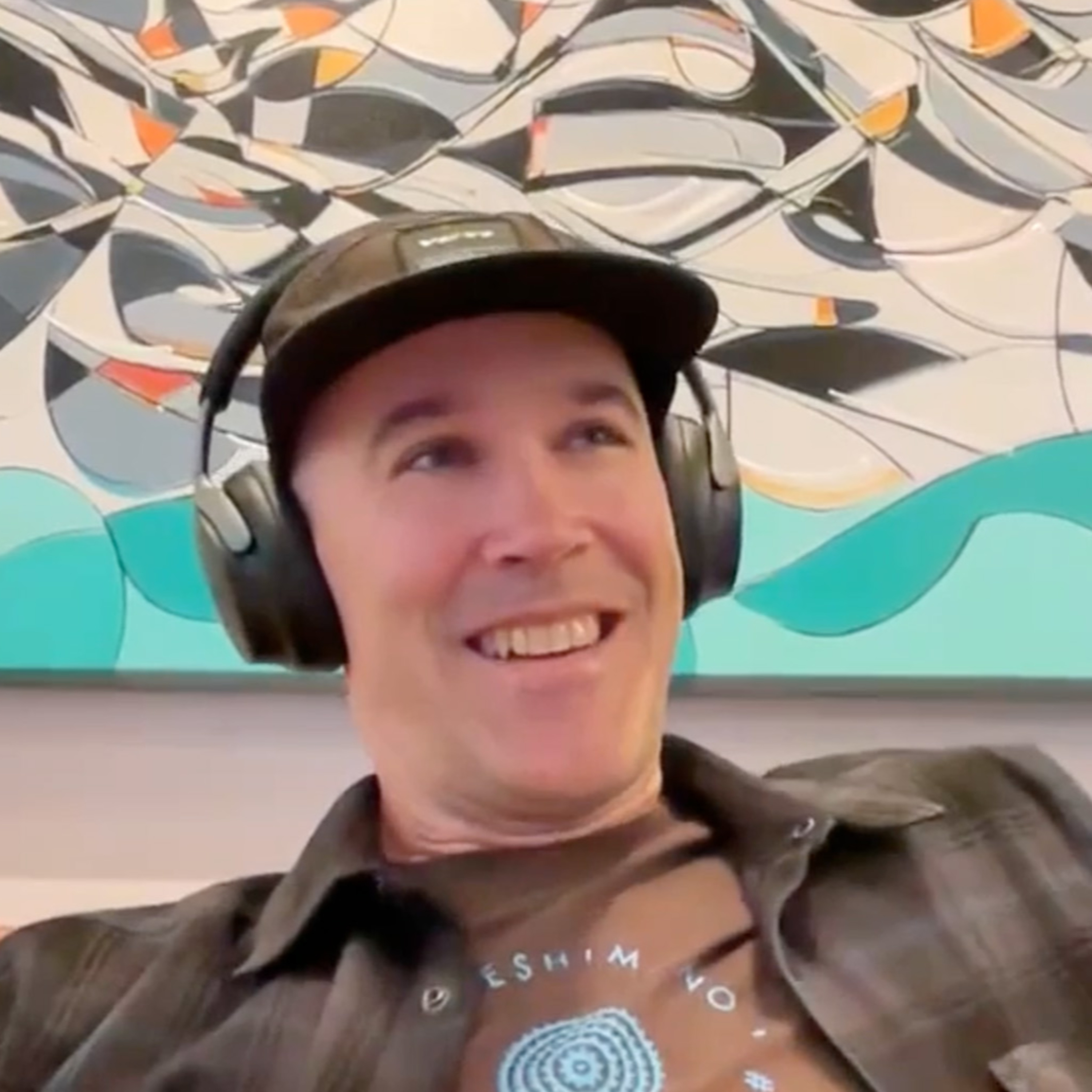
Three-time mountain bike Olympian Geoff Kabush on racing, his Repack FKT, and experimenting with 32-inch wheels
3w ago00:42:37Tap to summarizeGeoff Kabush is a three-time Olympian and professional cross-country mountain bike and cyclocross racer with multiple Canadian National titles to his name. He's also a two-time winner of BC Bike Race and recently finished seventh this year against a stacked field that included Nino Schurter.Tell us about your very first bike race. Why did you decide to sign up? Did you think you'd still be racing mountain bikes at age 49? In 2021, after multiple attempts, you set the FKT on the Repack DH course. What surprised you about the project? Would you ever consider giving it a try on a Klunker?You've been experimenting with 32-inch wheels, and recently picked up a Naked Bicycles 32er gravel bike. What do you think about the emerging wheel size? How substantial are the performance benefits?Do you have a favorite race format? Has that changed for you over the years?What was it like racing the BC Bike Race this year? Do you plan to race the new format next year? What's your secret to staying fast into your 40s and 50s? How much of a race like the Downieville Classic is mental vs. physical?Racing and sponsorships look very different today than they did when you first started out. Do you think it's harder for athletes today who are expected to be influencers and competitors at the same time?You've ridden your bike and raced all over the world. What's your favorite place to ride? As a Squamish local, do you have any trail recommendations for visitors?What other challenges do you have planned for this year?Keep up with Geoff's latest adventures on Instagram @geoffkabush.This episode of the podcast is brought to you by Feedback Sports. If you love your bike, you know that regular maintenance is the key to a smoother, faster, and safer ride. But a good wrenching session starts with the right setup. Enter the Feedback Sports Pro Mechanic and Sprint repair stands. Trusted by World Tour mechanics and home hobbyists alike, these lightweight, anodized aluminum stands are ultra-stable, highly portable, and fold down in seconds. Whether you're chasing down a tricky drivetrain click in your garage or dialing in your shifting at the trailhead, Feedback Sports gives you shop-quality precision wherever you are. Pair their award-winning stands with their professional-grade tool kits—like the Reflex Fixed Torque Ratchet Kit—and you have everything you need to keep your rig running flawlessly. Stop wrestling with your bike upside down on the grass. Elevate your maintenance game and give your bike the care it deserves. Head over to feedbacksports.com today to check out their full lineup of repair stands and precision tools.An automated transcript will be available at Singletracks.com later today.
Transcribe →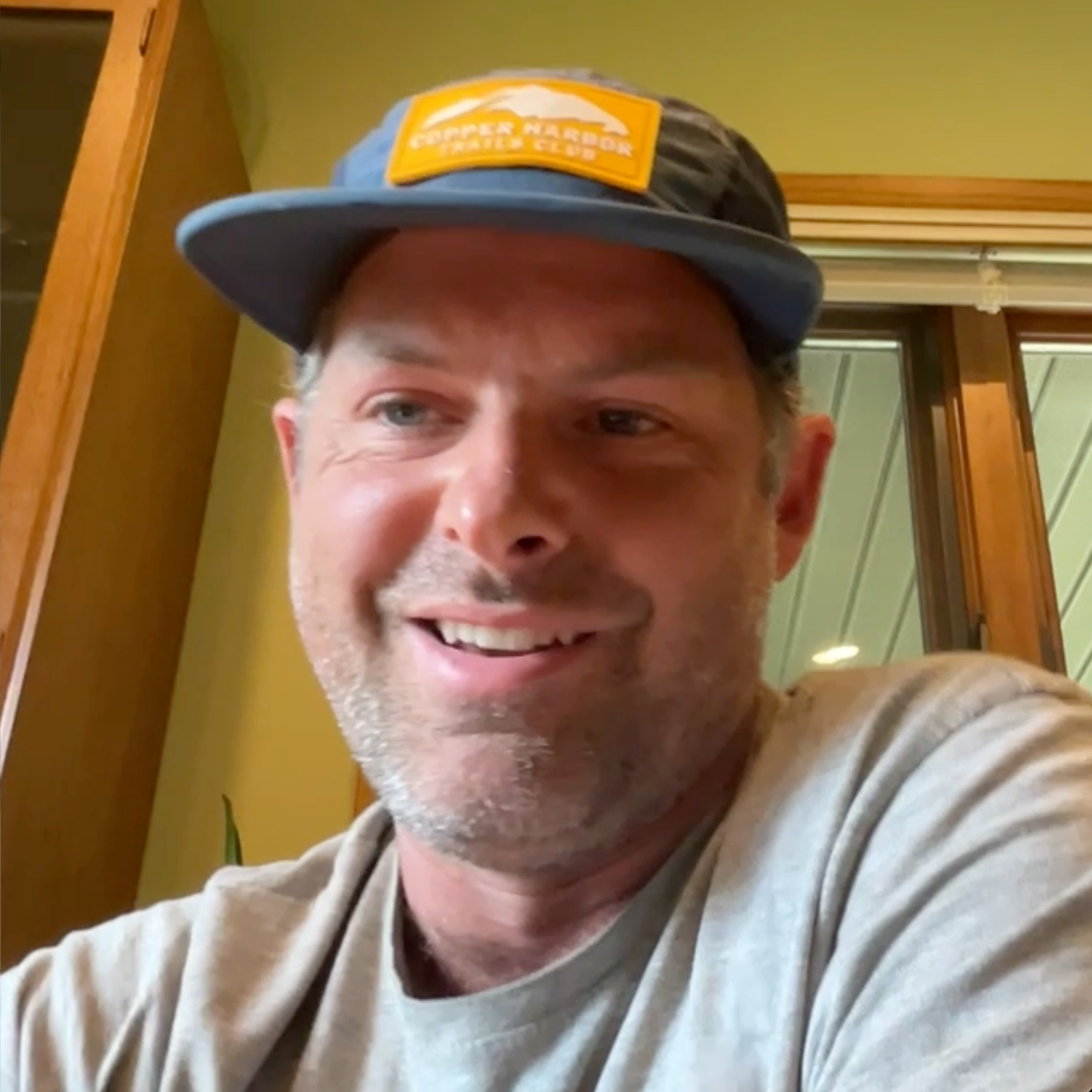
How to build memorable mountain bike trails with Aaron Rogers, CEO of Rock Solid
Jul 700:48:05Tap to summarizeAaron Roger is the founder and CEO of Rock Solid Trail Contracting which provides planning, consulting, design, and build services for projects mostly around the US. Rock Solid has built thousands of miles of trails in the US since 2014, in iconic destinations like Bentonville and Copper Harbor.What was the first mountain bike trail you ever built?Before starting Rock Solid, you were the president of the Copper Harbor Trails Club. What was the vision for the trails in Copper Harbor at that time?What makes for a quality mountain bike trail? How do trail builders create memorable trails? Do riders want to ride difficult trails, or just trails that appear to be difficult?When it comes to tourism, are high-quality trails alone enough to bring visitors?How has trail building changed since your time as a Trail Specialist at IMBA?Why do you think so many riders prefer hand-built trails over machine-built ones? Is it possible to make a machine-built trail feel like a hand-built one?What are some of the projects you are most proud of? Who is your primary client for a trail build: riders or the land manager? How do you balance the desires of both groups?Tell us about some of the custom trail-building tools Rock Solid has developed over the years. What are some projects Rock Solid is working on now?Visit rocksolidtrails.com to learn more about the trail-building company.This episode of the podcast is brought to you by Feedback Sports. If you love your bike, you know that regular maintenance is the key to a smoother, faster, and safer ride. But a good wrenching session starts with the right setup. Enter the Feedback Sports Pro Mechanic and Sprint repair stands. Trusted by World Tour mechanics and home hobbyists alike, these lightweight, anodized aluminum stands are ultra-stable, highly portable, and fold down in seconds. Whether you're chasing down a tricky drivetrain click in your garage or dialing in your shifting at the trailhead, Feedback Sports gives you shop-quality precision wherever you are. Pair their award-winning stands with their professional-grade tool kits—like the Reflex Fixed Torque Ratchet Kit—and you have everything you need to keep your rig running flawlessly. Stop wrestling with your bike upside down on the grass. Elevate your maintenance game and give your bike the care it deserves. Head over to feedbacksports.com today to check out their full lineup of repair stands and precision tools.An automated transcript will be available at Singletracks.com later today.
Transcribe →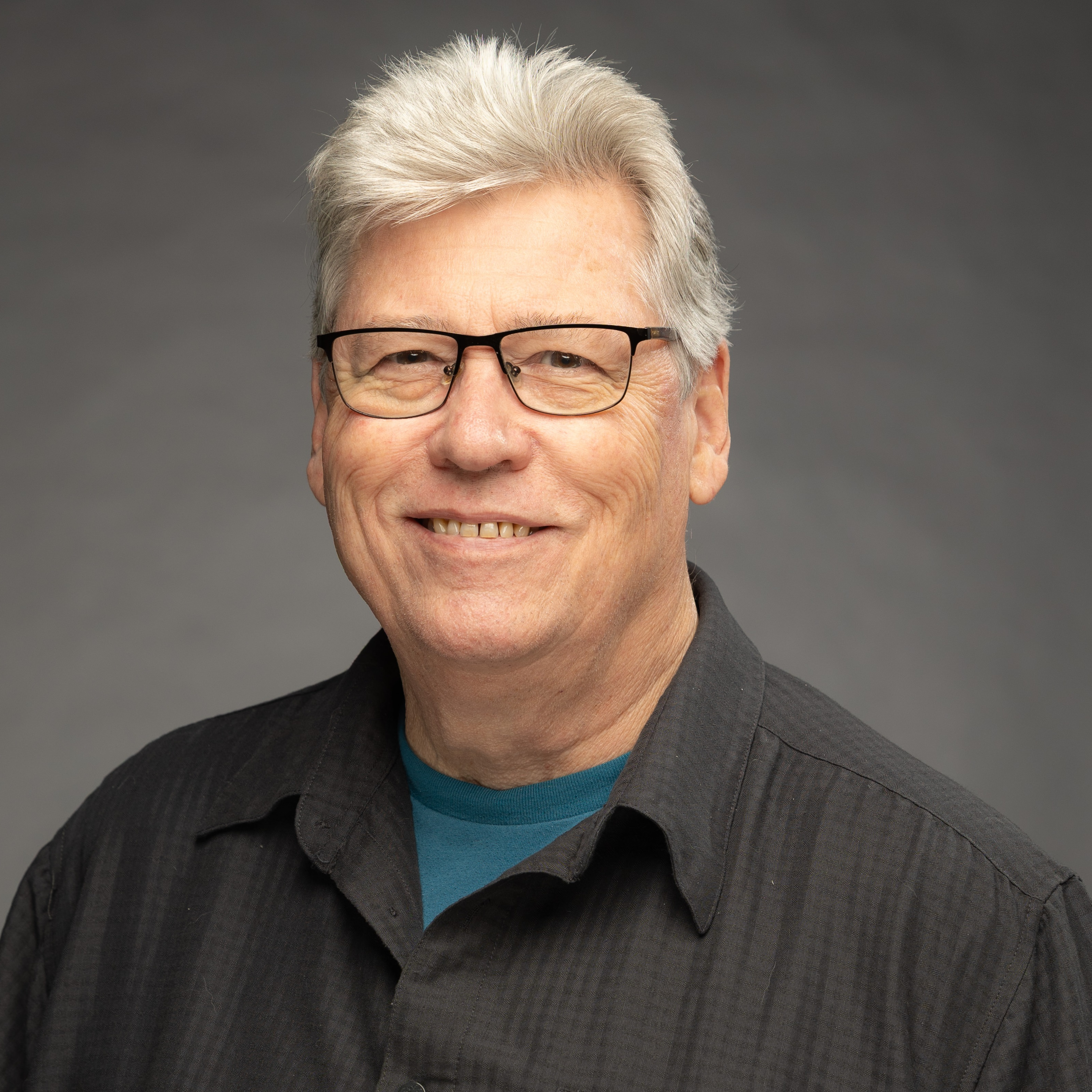
Why are mountain bikes so expensive? Industry veteran Rick Vosper explains the economics of cycling
Jun 2300:44:09Tap to summarizeRick Vosper has been in the bike industry since the 1980s, serving in marketing and communications roles for some of the biggest brands in the business. His company, RVMS, provides creative services to consumer products and outdoor companies, and he's a regular contributor to Bicycle Retailer and Industry News. What was your first job in the bike industry? How did you land that job?Is cycling now, or has it ever been, a growth industry? What are the main participation drivers?For bike brands, how realistic is it to grow overall participation vs. market share?Why are mountain bikes so expensive? Is anyone getting rich by selling bikes?What do you make of Chinese brands like Avinox and X-LAB entering the US market? Is vertical integration a threat to existing bike brands?Is the local bike shop doomed? What is working for the more successful bike shops?Between brands, retailers, and consumers, who wields the most power in the bike industry?Is it that some US bike brands are seeing 50% or more of their sales going to e-bikes?It seems like the US e-bike classification system was meant to avoid confusion, but now we're seeing problems around the country involving the sale and use of e-motos. What went wrong?Now that a lot of the volatility in the supply chain has settled down, what opportunities do you see for bike and component brands going forward?What advice would you offer a young professional considering a job in the outdoor industry?Keep up with the latest bike industry analysis from Rick at Bicycle Retailer.This episode of the podcast is brought to you by Feedback Sports. If you love your bike, you know that regular maintenance is the key to a smoother, faster, and safer ride. But a good wrenching session starts with the right setup. Enter the Feedback Sports Pro Mechanic and Sprint repair stands. Trusted by World Tour mechanics and home hobbyists alike, these lightweight, anodized aluminum stands are ultra-stable, highly portable, and fold down in seconds. Whether you're chasing down a tricky drivetrain click in your garage or dialing in your shifting at the trailhead, Feedback Sports gives you shop-quality precision wherever you are. Pair their award-winning stands with their professional-grade tool kits—like the Reflex Fixed Torque Ratchet Kit—and you have everything you need to keep your rig running flawlessly. Stop wrestling with your bike upside down on the grass. Elevate your maintenance game and give your bike the care it deserves. Head over to feedbacksports.com today to check out their full lineup of repair stands and precision tools.An automated transcript will be available at Singletracks.com later today.
Transcribe →
Steel mountain bike philosophy: An interview with Cotic founder Cy Turner
Jun 201:03:27Tap to summarizeCy Turner is the founder and owner of UK-based Cotic Cycles. The Cotic brand got its start in 2003 and is known for high-quality, handcrafted steel bikes, ranging from hardtails to full-suspension bikes to gravel bikes. What were you looking for in a hardtail in 2001 that you couldn't find back then?Where does the Cotic name come from?Why build mountain bikes from steel? Why did you stop using titanium?Why does it seem like so many British bikes made from steel? Are most of your buyers located in the UK, or do you see a decent amount of demand internationally? Why move away from matched 29" wheels for the recently updated Cotic Jeht trail bike?Do you see mountain bike geometry continuing to evolve, or is it pretty well optimized at this point?Have you ridden a bike with 32-inch wheels? What's your perspective on the bigger wheel size?The Cotic Rocket is one of the few high-end electric bikes with a steel frame. What made you want to design an e-bike? What's next for Cotic?Learn more about Cotic at cotic.co.uk.An automated transcript will be available at Singletracks.com later today.This episode is sponsored by Greater Sandpoint Chamber of Commerce.If you’re looking for your next mountain bike destination that offers just about everything, put Sandpoint, Idaho at the top of your list! The Lower Basin trail system serves up world-class riding through towering timber and across massive granite rock slabs, with trails for every rider — from technical black diamond descents to fast, flowy cross-country loops.For excellent park-style riding, head up to Schweitzer Mountain Resort with dedicated downhill trails and e-bike access to more than two dozen trails. Or pedal from town to the Pine Street Woods trail system where the trails range from flowy to technical.When you’re ready to take a break from the trails, Lake Pend Oreille is right there for camping, boating, swimming, or even standup paddleboarding. And after a big day outdoors, head into the town of Sandpoint where you'll find a great selection of bars and restaurants to relax and refuel. Get all the details to plan your perfect getaway at visitsandpoint.com. The trails and the good times are waiting for you when you Visit Idaho!
Transcribe →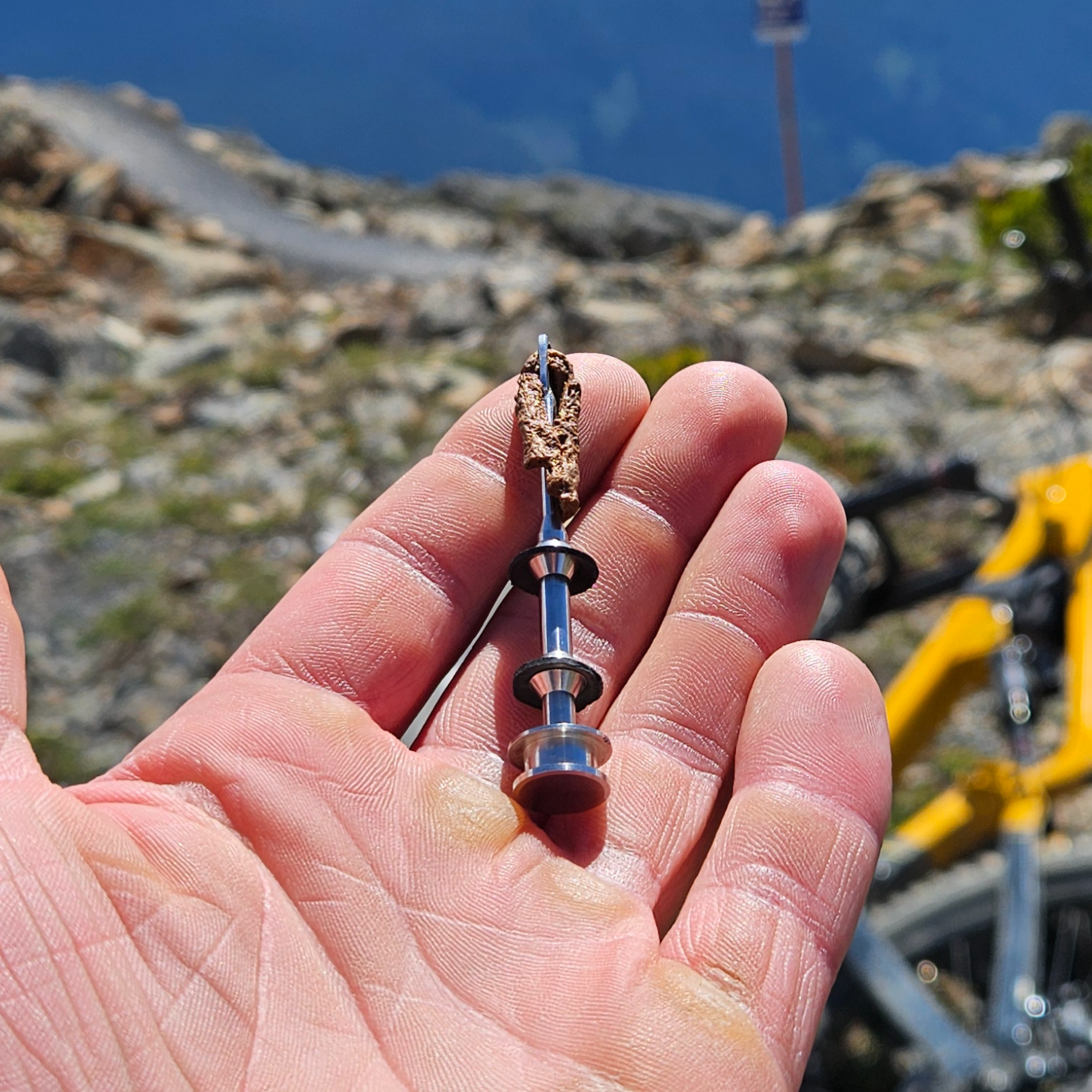
How a teenage mountain biker patented his tire plug stash tool
May 1900:34:59Tap to summarizeSam Garrett is a teenage mountain biker and inventor living in Rapid City, South Dakota. He was recently awarded a design patent for a tubeless tire plug tool that fits inside a standard mountain bike thru axle.How did you get into mountain biking?When did you start wrenching on your own bike?Why did you decide to create your own tubeless tire plug tool? What did you think you could improve about existing tire plug tools?Walk us through the process from idea to finished product. What were the biggest challenges along the way?Why did you decide to call it Every Rider's Must (ERM)?What have you learned about patents? Why go for a design patent instead of a utility patent?What did you think when you saw the Robert Axle Project tire plug tool that also fits inside a front axle? What makes the ERM different?Do you have any tips or tricks for making fast and effective puncture repairs on the trail?As a young rider, what's your outlook on the sport of mountain biking? Which aspects of mountain biking get you and your friends stoked?What's next for Garrett Dynamics? Are you looking at creating new products?Learn more about the ERM at garrettdynamics.com.An automated transcript will be available at Singletracks.com later today.This episode is sponsored by Greater Sandpoint Chamber of Commerce.If you’re looking for your next mountain bike destination that offers just about everything, put Sandpoint, Idaho at the top of your list! The Lower Basin trail system serves up world-class riding through towering timber and across massive granite rock slabs, with trails for every rider — from technical black diamond descents to fast, flowy cross-country loops.For excellent park-style riding, head up to Schweitzer Mountain Resort with dedicated downhill trails and e-bike access to more than two dozen trails. Or pedal from town to the Pine Street Woods trail system where the trails range from flowy to technical.When you’re ready to take a break from the trails, Lake Pend Oreille is right there for camping, boating, swimming, or even standup paddleboarding. And after a big day outdoors, head into the town of Sandpoint where you'll find a great selection of bars and restaurants to relax and refuel. Get all the details to plan your perfect getaway at visitsandpoint.com. The trails and the good times are waiting for you when you Visit Idaho!
Transcribe →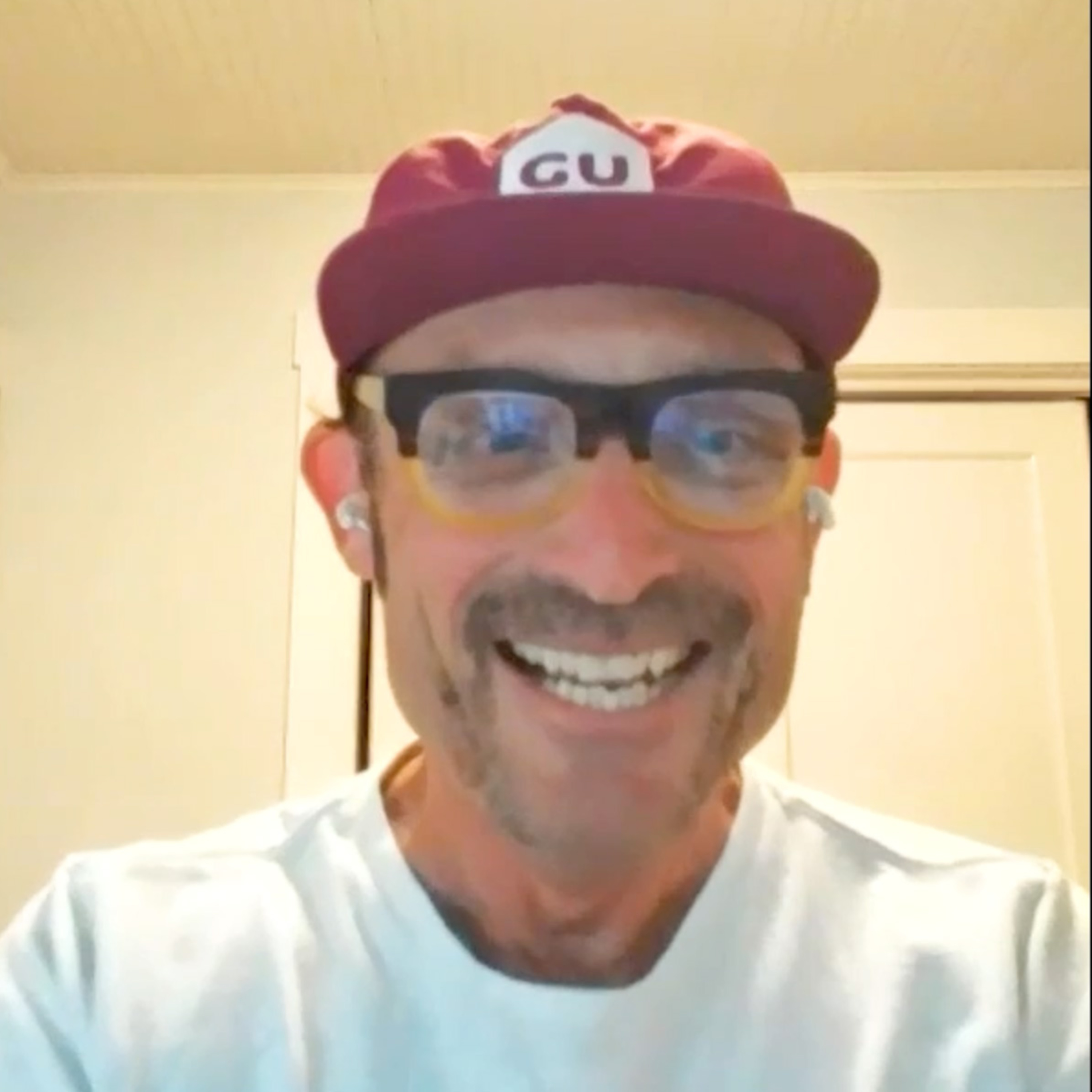
Yuri Hauswald became a pro mountain biker at age 36. By 45, he was a gravel biking legend.
May 1200:55:12Tap to summarizeYuri Hauswald is a former 24 Hour Solo mountain bike racer who won the Unbound Gravel 200 in 2015 at age 45. In 2023, he was inducted into the Gravel Cycling Hall of Fame, and this year, he's hoping to raise $50K to support cycling in Emporia, Kansas through a unique fundraiser.You didn't turn pro until you were 36 years old. How did you get into cycling?What attracted you to gravel racing after all those years of mountain bike racing?Tell us about your Unbound 200 win in 2015. How did that unfold?How did the Bantam Classic gravel race in Petaluma, CA get started? How does the event compare to Unbound or, say a UCI gravel race? Do you think gravel racing has changed over the years, particularly since 2022 when the UCI added gravel events?Do you think there's an opportunity to young riders into gravel riding in the same way NICA has introduced them to mountain biking?How have gravel bikes changed since you started riding? Is the line between gravel bikes and drop bar road bikes becoming blurred? What do you think about 32" gravel wheels?Tell us about the Life Time Foundation’s “Chase the Race” initiative. How many riders do you hope to pass? What will the funds support?Outside of racing, what does a fun ride look like for you? What are some places you've visited that are worth going back and riding again?Can you ever really retire from bike racing?You've reinvented yourself several times over your career. What's next?Fundraiser link: https://app.99pledges.com/fund/yurichasetherace/yuri-hauswaldAn automated transcript will be available at Singletracks.com later today.This episode is sponsored by Greater Sandpoint Chamber of Commerce.If you’re looking for your next mountain bike destination that offers just about everything, put Sandpoint, Idaho at the top of your list! The Lower Basin trail system serves up world-class riding through towering timber and across massive granite rock slabs, with trails for every rider — from technical black diamond descents to fast, flowy cross-country loops.For excellent park-style riding, head up to Schweitzer Mountain Resort with dedicated downhill trails and e-bike access to more than two dozen trails. Or pedal from town to the Pine Street Woods trail system where the trails range from flowy to technical.When you’re ready to take a break from the trails, Lake Pend Oreille is right there for camping, boating, swimming, or even standup paddleboarding. And after a big day outdoors, head into the town of Sandpoint where you'll find a great selection of bars and restaurants to relax and refuel. Get all the details to plan your perfect getaway at visitsandpoint.com. The trails and the good times are waiting for you when you Visit Idaho!
Transcribe →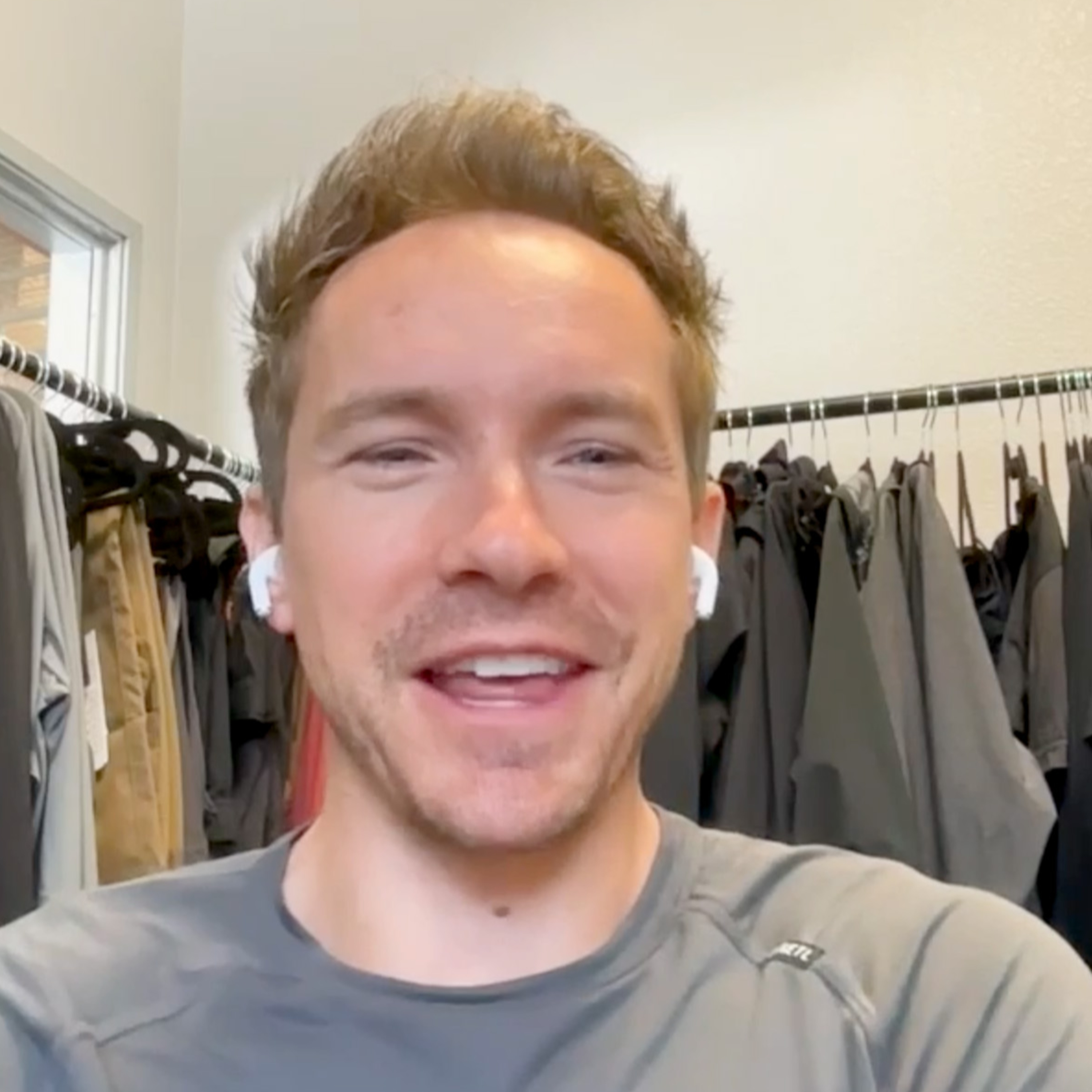
CEO shares what it takes to start — and sustain — an online bike shop
Apr 2101:07:51Tap to summarizeJeff Cayley started Worldwide Cyclery in 2011 when he was just 21 years old, and today he's also the founder and CEO of two more brands, KETL Mountain Apparel and Trail One Components. Jeff is based in Nevada, where he also co-hosts a podcast known as the MTB Podcast. In this episode, we ask:What was happening in the bike industry when you started Worldwide Cyclery that made you think it was the right moment to launch an online retailer?What made you focus specifically on the high-end, enthusiast market?Is content creation and media an important part of selling bikes?What Covid-era effects are retailers like Worldwide Cyclery still seeing today?As someone who loves bikes, how do you square the convenience and price advantage of ordering online with wanting to support your local bike shop?In 2019, you acquired KETL Mountain Apparel when it was still in its infancy. What was the vision behind growing that brand?In 2021, you co-founded Trail One Components with a giving component attached to every sale. How does that model work?What's the value proposition for Trail One products compared to other component brands?Why is owning your own brands, like KETL and Trail One, important to you?You're known for building really dialed, unique custom bikes. What are you riding at the moment?You've mountain biked all over the US and even internationally. What are some of your favorite places to ride?An automated transcript will be available at Singletracks.com later today.This episode is sponsored by Greater Sandpoint Chamber of Commerce.If you’re looking for your next mountain bike destination that offers just about everything, put Sandpoint, Idaho at the top of your list! The Lower Basin trail system serves up world-class riding through towering timber and across massive granite rock slabs, with trails for every rider — from technical black diamond descents to fast, flowy cross-country loops.For excellent park-style riding, head up to Schweitzer Mountain Resort with dedicated downhill trails and e-bike access to more than two dozen trails. Or pedal from town to the Pine Street Woods trail system where the trails range from flowy to technical.When you’re ready to take a break from the trails, Lake Pend Oreille is right there for camping, boating, swimming, or even standup paddleboarding. And after a big day outdoors, head into the town of Sandpoint where you'll find a great selection of bars and restaurants to relax and refuel. Get all the details to plan your perfect getaway at visitsandpoint.com. The trails and the good times are waiting for you when you Visit Idaho!
Transcribe →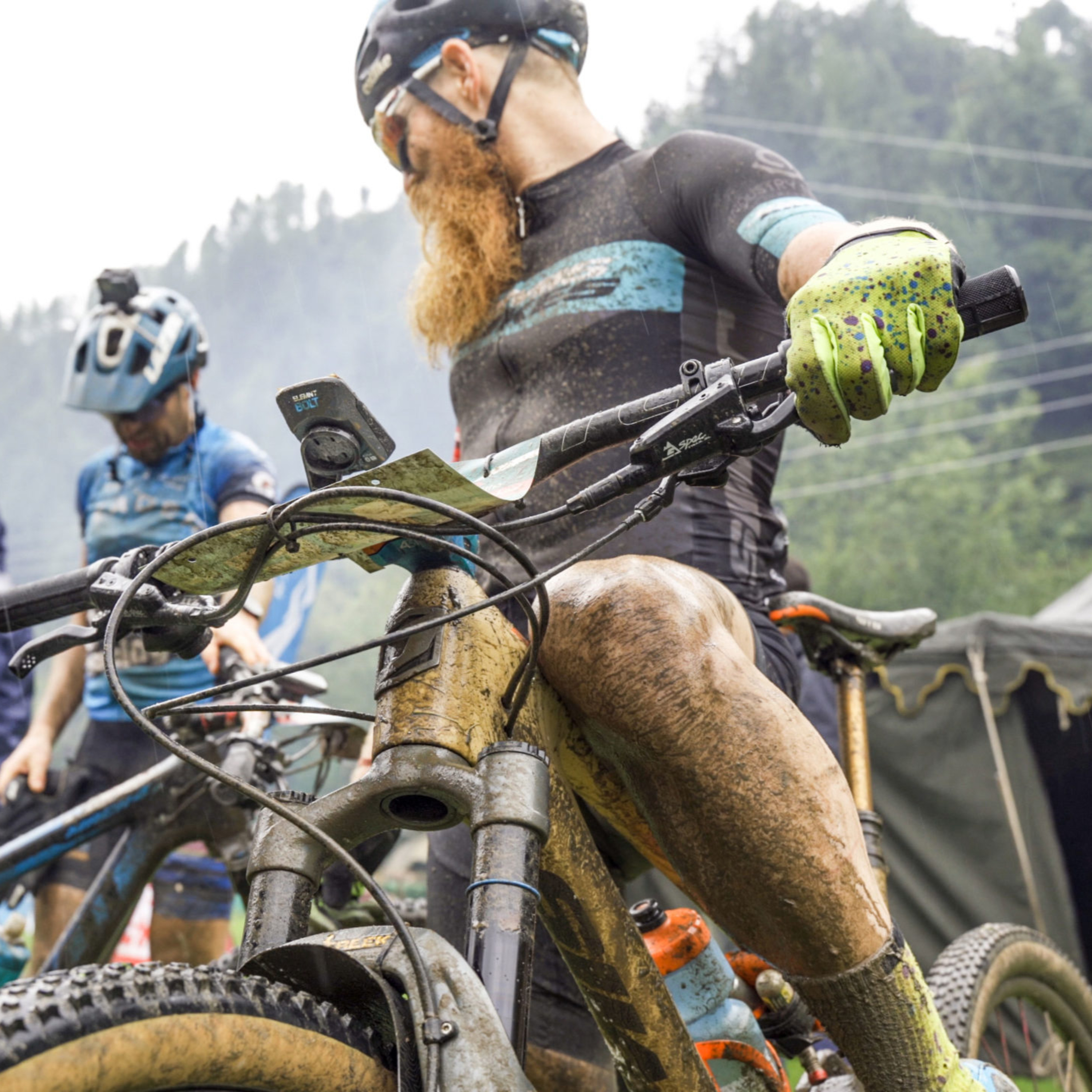
“You’re not going to win the stage race on the first day” – Thomas Turner on strategy and survival
Mar 3100:47:48Tap to summarizeThomas Turner is a professional mountain bike racer who's been competing at the top level of gravel and mountain bike racing for nearly two decades. He's been sponsored by Jamis since 2010, was the 2012 Cyclocross Masters World Champion, and has notched multiple National Ultra Endurance Mountain Bike Race Series podium finishes along the way. He just got back from racing El Reto del Quetzal in Guatemala, and he's here to talk about stage racing, training, and what it's like to rides bikes around the world.How did you first get into mountain biking and racing?You've been with Jamis since 2010 — what's been the key to making that relationship last so long?You've raced BC Bike Race, La Ruta, Pisgah Stage Race, even gravel events like Unbound and The Crusher — what is it about adventure races, and stage races in particular, that keeps drawing you back?What does it take to be competitive in a stage race?How do you choose which races to enter each year?You just raced El Reto del Quetzal in Guatemala — what was that event like?What does your training look like when you're preparing for a multi-day stage race?How do you handle recovery during and after a stage race?What's your bike setup for a race like El Reto del Quetzal?Do you have a favorite place to ride in the world?What's a fun and accessible stage race you'd recommend for someone trying their first one?Follow along with Thomas Turner's adventures on Instagram @thomasturnermtb.An automated transcript will be available at Singletracks.com later today.Follow Singletracks on Instagram @singletracks to keep up with the latest mountain bike news.
Transcribe →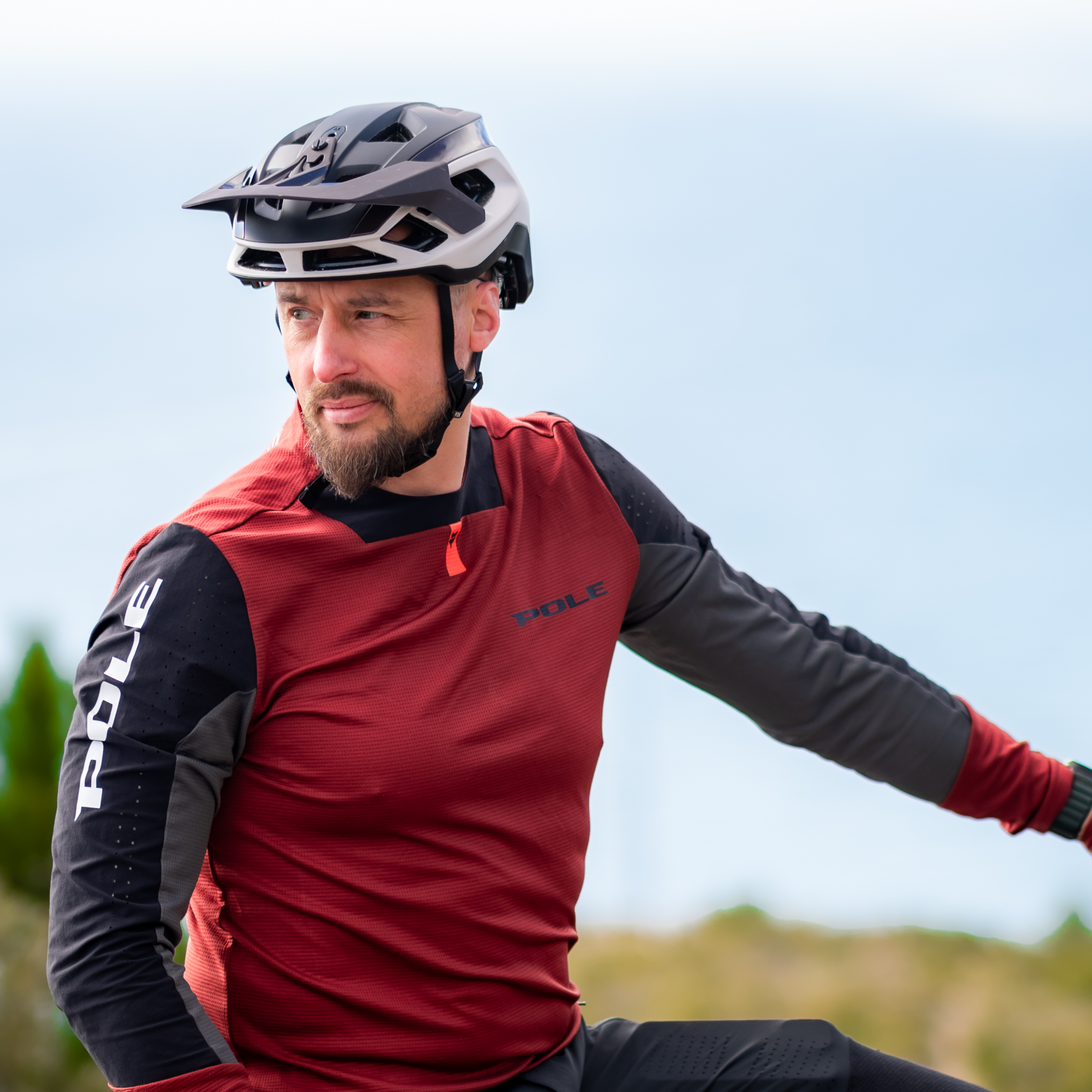
Pole Bicycles returns: Leo Kokkonen on CNC'd bike frames, bankruptcy lessons, and eMTB prototype
Feb 2401:15:10Tap to summarizeLeo Kokkonen is the founder of Pole Bicycles, a boutique mountain bike brand based in Finland that's known for its innovative design and construction techniques. Founded in 2013, the brand was forced to file for bankruptcy in 2024, but now they're back with a brand new prototype and a desire to continue pushing the envelope.Why start a bike company in 2013? What did you want to do that wasn't already being doneHow did the mountain bike community react to your geometry ideas back then?In 2017, you were planning to produce a carbon fiber bike. But then you decided not to. WhyHow did you come up with your process for machining frames out of aluminum?What are the advantages of designing and manufacturing bikes in Finland? What are the challenges?What are the MTB trails like in your area of Finland?Tell us about the challenges Pole faced that ultimately led to bankruptcy. What happened? What did you learn?What can you tell us about the latest prototype you're working on?How has your production method changed?What's next for Pole?Visit polebicycles.com online and follow @polebicycles on Instagram to see the bikes and to keep up with the brand.An automated transcript will be available at Singletracks.com later today.Follow Singletracks on Instagram @singletracks to keep up with the latest mountain bike news.
Transcribe →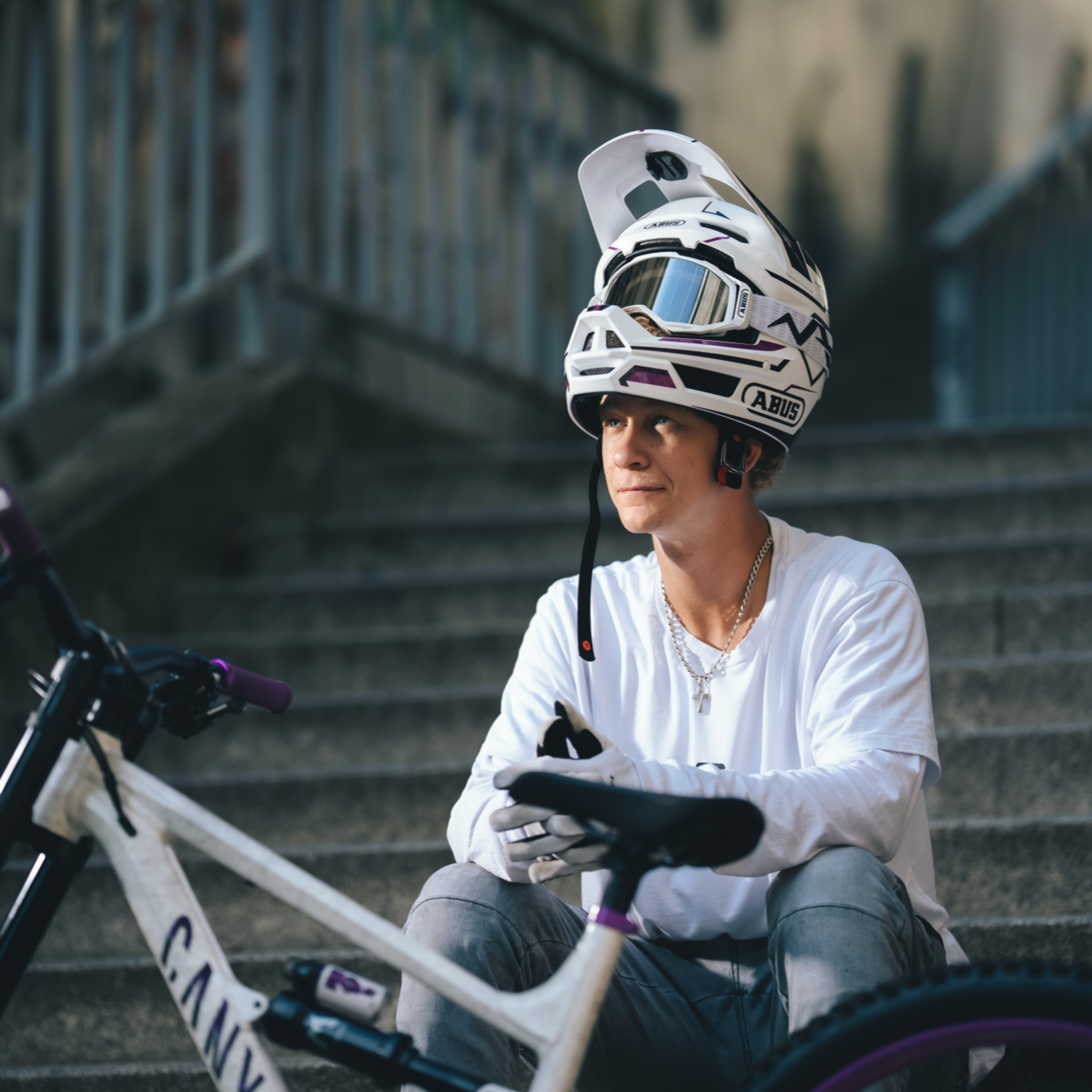
How 23-year-old Gabriel Wibmer lands "Impossible" tricks on his mountain bike
Feb 301:14:08Tap to summarizeGabriel Wibmer is a 23-year-old Austrian free ride and trials rider who's built a massive YouTube following with his creative urban riding videos, including the viral late for school series that's racked up nearly 25 million views, sponsored by Canyon bikes and hailing from East Tyrol, Austria, Gabriel has proven himself both as a Downhill Racer and as one of the most innovative content creators in mountain biking today.How did motocross and trials riding shape your mountain biking style? Who are your biggest influences?How has YouTube changed since your "Late for School" video in 2019? Do you think it is harder to go viral now?Is it true you came up with the "Wibmer Impossible" concept after having a bike stolen in Prague?Do you usually start with a location and build a story, or does the concept come first?What was the most challenging trick in "Wibmer Impossible"?How is your Canyon Torque DH bike set up? What modifications do you make?How did you prepare for the tricks in "Gravel Mania"? Do you ride drop bar bikes regularly?What was the hardest part about riding bike park features on a gravel bike?Where is your favorite place to ride?Do you have interest in racing downhill or trials again? What about urban downhill like Red Bull Valparaíso?What projects are planned for 2026?Follow Gabriel @wibmergabriel on Instagram and his YouTube channel. Cover photo: © Hannes BergerAn automated transcript will be available at Singletracks.com later today.Follow Singletracks on Instagram @singletracks to keep up with the latest mountain bike news.
Transcribe →