
Podcast
Singletracks Mountain Bike Podcast
Hosted by Singletracks.com · EN
Podcast host Jeff Barber, Editor-in-Chief at Singletracks.com, aims to inform and inspire with topics and interviews from the mountain bike world. Since 2015, we have been sharing weekly stories from under the helmets of the most inspiring and influential mountain bikers.
Join us as we learn from top athletes, product designers, trail builders, coaches, mechanics, artists, and leaders in the mountain biking community.
30episodes
Episodes
Newest firstAll episodes
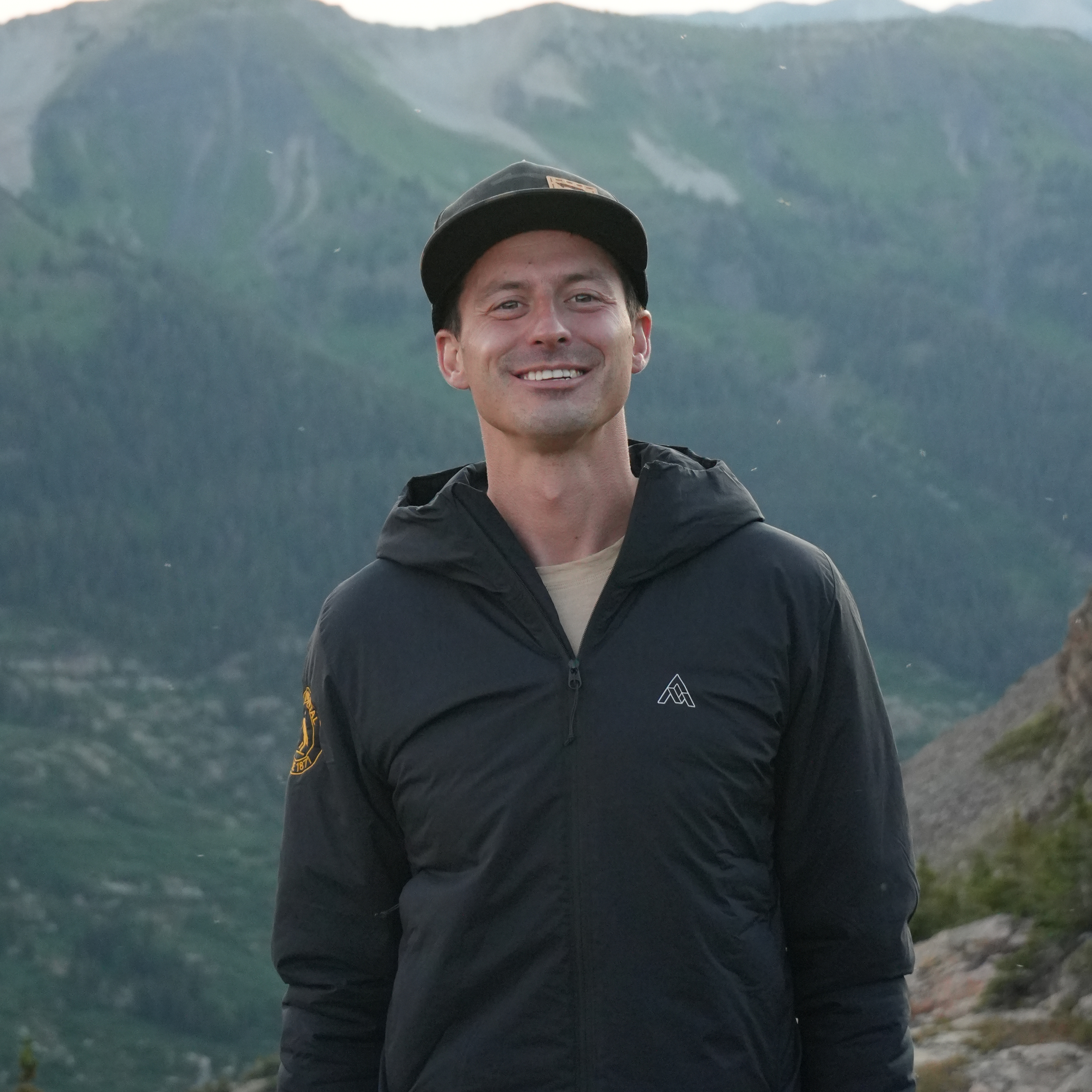
Revel Bikes founder brings a fresh approach to a broken industry
Aug 12, 202500:49:43Tap to summarizeIf you follow the bike industry, you probably saw the news earlier this year that Revel was shutting down. It caught a lot of people off guard, including customers, fans, and even some insiders. But just a few months later, found Adam Miller announced he was buying the brand back and relaunching Revel with a new vision. So today, we’re going to talk about that journey—why Revel is going direct-to-consumer, what Adam learned during his time away from the company, and why he believes now is the right time to double down on building bikes again.Why bring Revel back now, especially given the challenges facing the bike industry?What were you doing between stepping away from Revel and deciding to buy the brand back?Why move to a direct-to-consumer model with the relaunch?What’s wrong with the traditional dealer/distributor model for selling bikes?What financing options are available for building and growing a bike company today?How do you see smaller brands like Revel competing with the big players in the industry?What makes Revel different from other bike brands, especially in such a competitive marketWhat’s one thing you’re doing differently this time around based on your past experience?An automatically generated transcript will be available at Singletracks.com later today. More info about Revel at revelbikes.com.This episode is sponsored by Trailbot. Trailbot is the smarter way for trail managers to communicate updates without relying on social media. Don’t let The Algorithm bury your posts—easily share conditions and closures to your web site, social media and the app all at once. Best of all, it’s free.Trailbot is used by over 260 trail systems in 17 states and growing fast. Over 50,000 riders have installed the free iOS and Android apps to get official updates with optional push notifications, without having to see what their weird relative posted on social media. Learn more at trailbot.com.
Transcribe →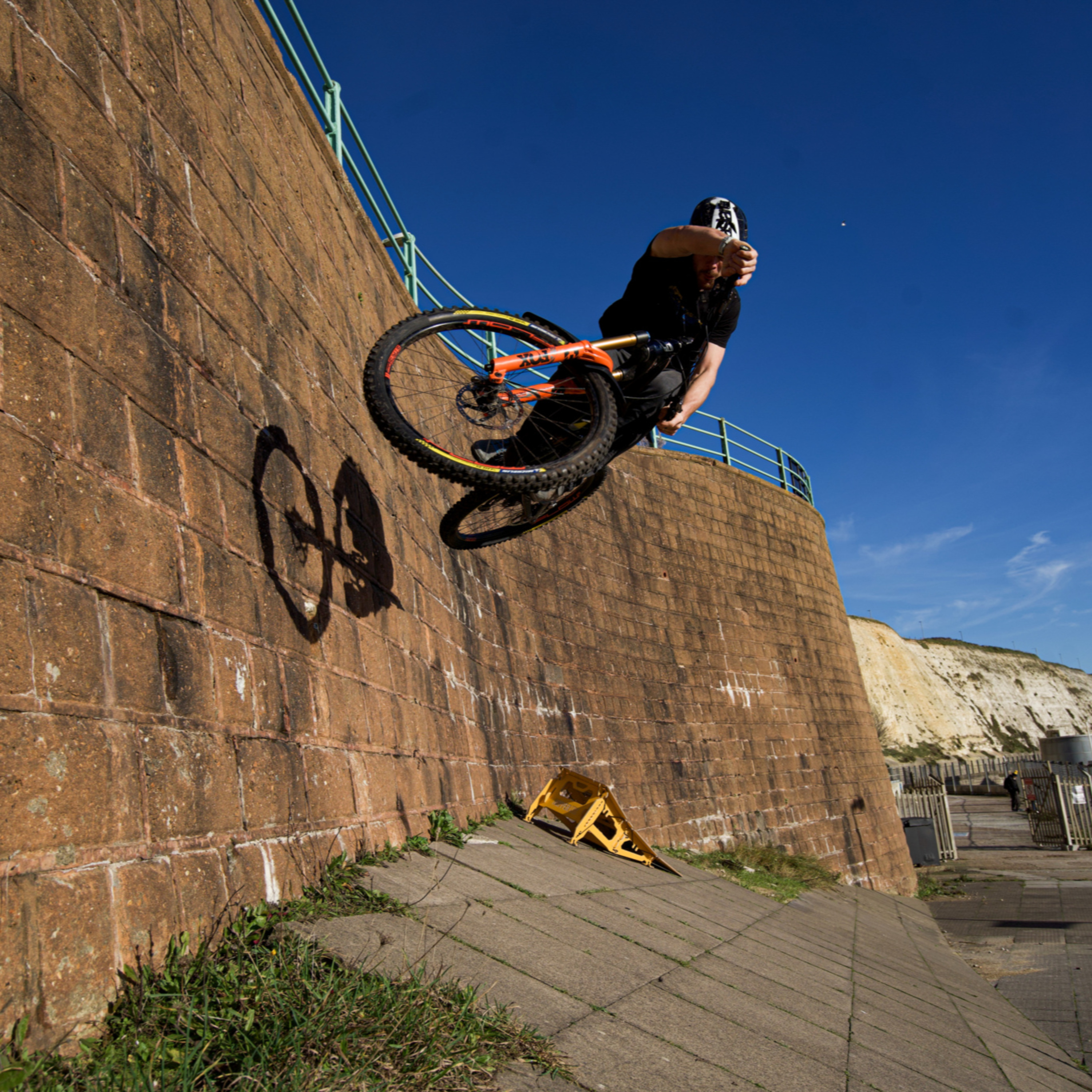
With no MTB trails nearby, he designed portable ramps for practice anywhere
Aug 5, 202500:41:39Tap to summarizeIf you want to get better at jumping, or you’re trying to progress your riding without a mountain in sight, this episode is for you. Tadas Puodžiūnas is the founder of MTB Hopper, a Lithuanian company that designs and sells portable bike ramps.What was it like learning to mountain bike in Lithuania?How did the idea for MTB Hopper come about?Do you think growing up in a flat place gave you any advantages as a rider?Why is it generally easier to follow someone into a jump than to try it solo?How do you figure out how much speed you need to clear a jump?Is there a good way to ‘test’ a jump without hitting it full-send the first time?How much suspension travel do you really need for small to medium-sized jumps?How do MTB Hopper ramps help with that progression? And how do they compare to DIY setups?Are there any MTB trails in Lithuania you can recommend for someone visiting the country?An automatically generated transcript will be available at Singletracks.com later today. More info about MTB Hopper at mtbhopper.com.This episode is sponsored by Trailbot. Trailbot is the smarter way for trail managers to communicate updates without relying on social media. Don’t let The Algorithm bury your posts—easily share conditions and closures to your web site, social media and the app all at once. Best of all, it’s free.Trailbot is used by over 260 trail systems in 17 states and growing fast. Over 50,000 riders have installed the free iOS and Android apps to get official updates with optional push notifications, without having to see what their weird relative posted on social media. Learn more at trailbot.com.
Transcribe →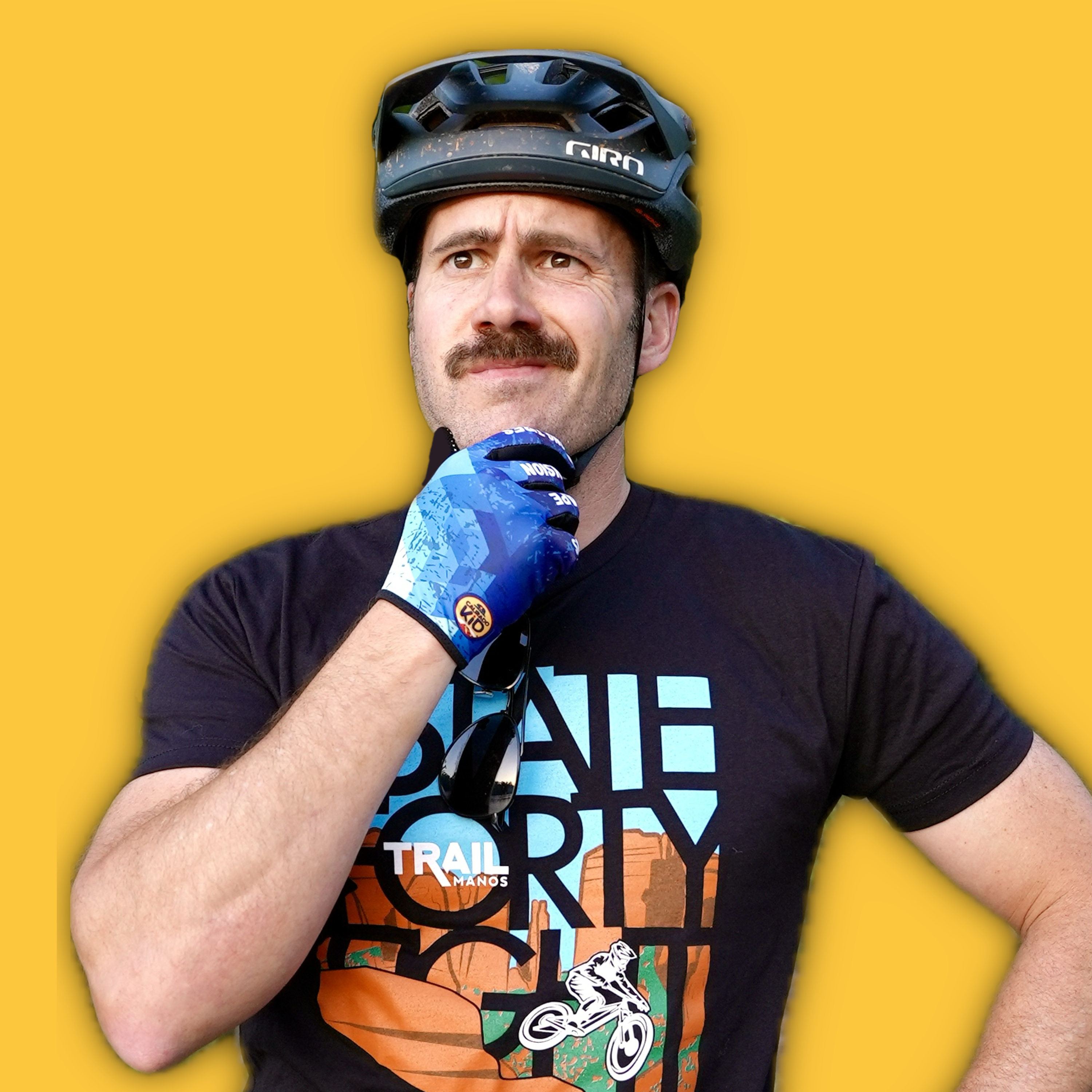
How Calirado Kid makes riders laugh while also making a difference
Jul 1, 202500:34:52Tap to summarizeJoe is the Calirado Kid, a Sacramento-based mountain bike content creator known for posting hilarious bike-related videos on Instagram, TikTok and Youtube. This summer he's teaming up with a nonprofit organization called Adventure Scientists to encourage riders to help document biodiversity in California.How did you first get into mountain biking?Do you think mountain bikers take riding too seriously? Why do you think mountain bikers like to make so many excuses about riding? What are some of the most effective ones you use yourself?What do you do when you catch yourself making an excuse during a group ride?Tell us about Adventure Scientists and the California Biodiversity project.How exactly do mountain bikers collect biodiversity samples? What does that process look like on the trail?What types of samples are being collected, and how will they actually be used to support conservation?What’s the weirdest or most interesting thing you've encountered on a mountain bike trail?How do you balance entertainment with making a positive impact?What’s your favorite trail system to ride in California?What else are you working on right now — anything exciting coming down the pipeline for your social media channels?Get involved at adventurescientists.org and follow @caliradokid on Instagram.An automatically generated transcript will be available at Singletracks.com later today.This episode is sponsored by Trailbot. Trailbot is the smarter way for trail managers to communicate updates without relying on social media. Don’t let The Algorithm bury your posts—easily share conditions and closures to your web site, social media and the app all at once. Best of all, it’s free.Trailbot is used by over 260 trail systems in 17 states and growing fast. Over 50,000 riders have installed the free iOS and Android apps to get official updates with optional push notifications, without having to see what their weird relative posted on social media. Learn more at trailbot.com.
Transcribe →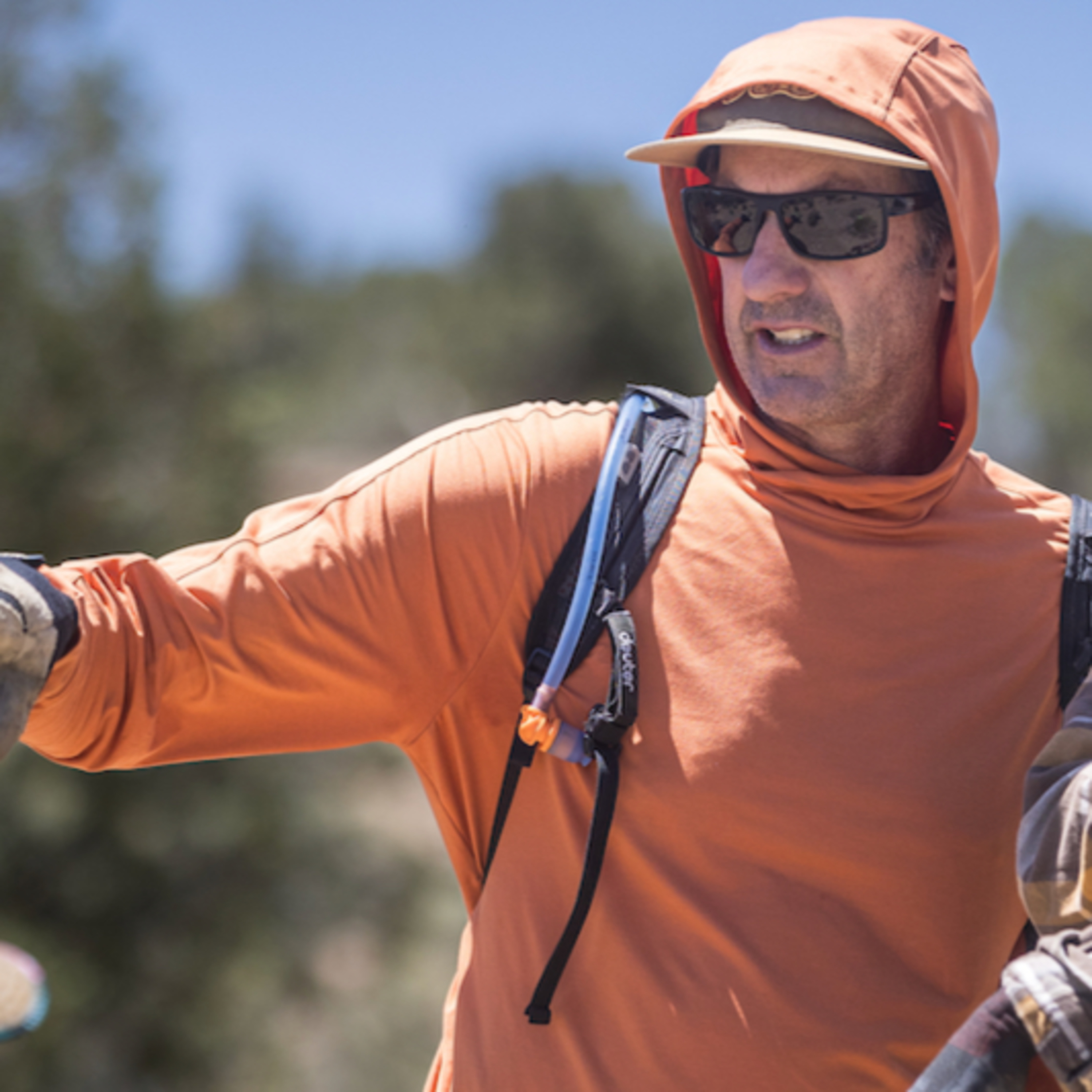
Longtime MTB trail builder Joey Klein explains how designs have changed over three decades
Jun 17, 202501:09:57Tap to summarizeJoey Klein has been involved in mountain bike trail design for more than 30 years, and has worked for the International Mountain Bike Association (IMBA) longer than anyone else. This year he's being inducted into the mountain bike hall of fame in recognition of his contributions to the sport.How did you first get involved in trail design?What it like to be a part of the Subaru-IMBA Trail Care Crew program for three years in the late 90s/early 2000s? Do you think a program like that would be effective today?What was the idea behind launching IMBA Trail Solutions?How has trail design and planning evolved over the past two decades?Is this the golden age of trail building?How will the trails of the future be different from the trails we ride today?Do modern bike designs drive trail designs, or is it the other way around?Why do you think a lot of long-time riders don't like flow trails?Among the many projects you've been involved with over the years, which ones are your favorites?What is the biggest misconception riders have about trail design?What's next for you, and for IMBA Trail Solutions?Get more information about IMBA and IMBA Trail Solutions at imba.com.An automatically generated transcript will be available at Singletracks.com later today.This episode is sponsored by Trailbot. Trailbot is the smarter way for trail managers to communicate updates without relying on social media. Don’t let The Algorithm bury your posts—easily share conditions and closures to your web site, social media and the app all at once. Best of all, it’s free.Trailbot is used by over 260 trail systems in 17 states and growing fast. Over 50,000 riders have installed the free iOS and Android apps to get official updates with optional push notifications, without having to see what their weird relative posted on social media. Learn more at trailbot.com.
Transcribe →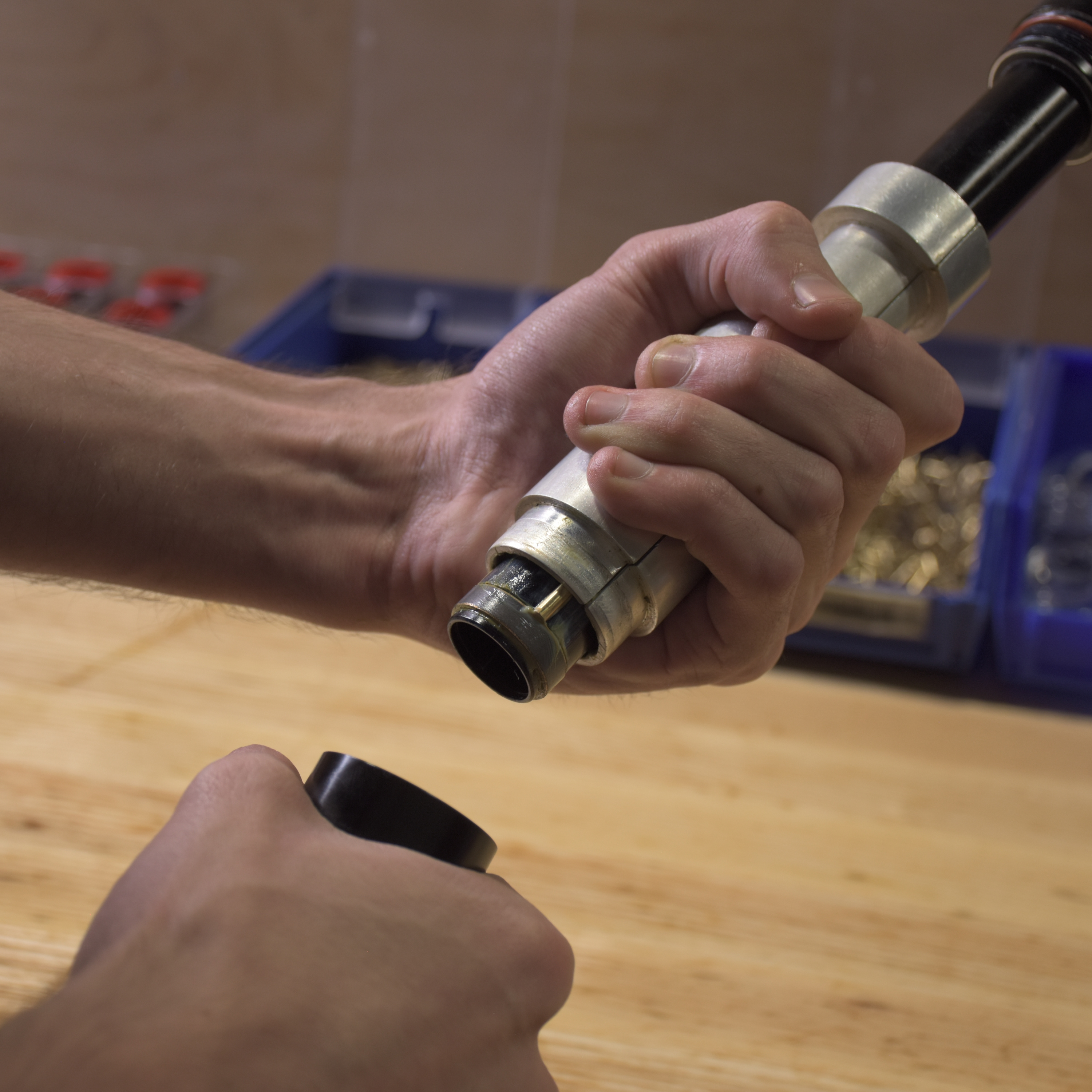
Dropper posts: (Almost) everything you need to know
May 13, 202501:14:47Tap to summarizeJack Pittens is the co-founder 9point8, an Ontario-based bicycle component brand known for its dropper posts and other innovative products. How did 9point8 get its start? What is your background?For dropper posts, is there an advantage to using a sealed cartridge vs. one that's tunable, or another design? How do you make a dropper post lightweight? Do today's buyers even care about the weight of a dropper post? Why do you assemble 9point8 dropper posts in house vs. outsourcing production to Asia? How often should riders service their dropper posts? What does service involve?Do you think adding electronics to dropper posts is a good idea? What are the pros and cons?Why do two similar dropper post diameters — 30.9mm and 31.6mm exist? And why are 27.2mm diameter dropper posts so hard to find?Why are seatpost head designs so complicated?How did the 9point8 INVRS pedal design come about? What else is 9point8 working on?Get more info at 9point8.ca. An automated transcript is provided at Singletracks.com.This episode is sponsored by Trailbot. Trailbot is the smarter way for trail managers to communicate updates without relying on social media. Don’t let The Algorithm bury your posts—easily share conditions and closures to your web site, social media and the app all at once. Best of all, it’s free.Trailbot is used by over 260 trail systems in 17 states and growing fast. Over 50,000 riders have installed the free iOS and Android apps to get official updates with optional push notifications, without having to see what their weird relative posted on social media. Learn more at trailbot.com.
Transcribe →
At age 55, Lee McCormack is still getting faster, and helping other riders do the same
Apr 29, 202501:09:32Tap to summarizeLee McCormack is a mountain bike skills instructor and coach, and he's the author of nearly a dozen books, including the NICA Skills Training Manual. He's written extensively on bike fitting and fitness training, and just last year he launched his own bike brand, Mistress Cycles.How have mountain biking techniques changed over the years?What's the difference between a good mountain bike racer, and a good mountain bike coach? Is pedal cadence important for mountain biking? How do you know if your cadence is too fast or too slow? How can you improve your cadence?Why are you such a fan of pump tracks. Why?How do Moto Cranx work on a pump track?Do you think mountain bikers tend to be overconfident, or underconfident in their skills?Do you think it's possible to be faster in your 40s or 50s than in your 20s by maintaining fitness and progressing your skills?How did Mistress Cycles come about? What is it about "modern" mountain bike geometry that you find frustrating?You've come out with some innovative products over the years, like the RipRow trainer and Moto Cranx. In addition to the bikes from Mistress Cycles, do you have any other projects in the works?You can keep up with the latest from Lee McCormack on Instagram @leelikesbikes, where you'll find links to all of the projects we talked about today.An automated transcript of our edited conversation is provided at singletracks.com. Click here for an unedited video of our conversation, where Lee illustrates many of the concepts discussed. Note: may contain brief language some readers find offensive.This podcast episode is sponsored by Backslope Tools.Backslope Tools designs and produces innovative lockable, stackable, and field-repairable tools for trail building, landscaping, and gardening. With 20 years of trailbuilding experience, Backslope is putting the right tools for the job into builders' hands, from individuals to full-on trail crews. Order online at backslopetools.com and save 15% on your order with code SingletracksPod.
Transcribe →
Mountain bike trail building and development are going platinum
Apr 15, 202500:52:04Tap to summarizeIn this episode of the Singletracks podcast we're going to be discussing some of the latest news and trends from the world of mountain bike trail development. We discuss:A recent meta-analysis of mountain bike tourism by IMBA and the Trust for Public LandThe use of private land for trail developmentThreats to existing trail systemsWhat's happening in ArkansasWhat to expect in 2025 and beyondVisit Singletracks.com for a complete transcript,--Keep up with the latest in mountain biking at Singletracks.com and on Instagram @singletracks
Transcribe →
He had a hard time finding bikes that fit, so he designed one with 36-inch wheels
Mar 25, 202500:49:04Tap to summarizeDavid Folch is the founder and CEO of Dirty Sixer, a boutique bike builder focused on fitting tall riders with big wheel bikes. The Dirty Sixer line currently features gravel, all-road, and electric bikes, and will soon include a mountain bike with 32" wheels.How did your brand Dirty Sixer get started?How tall do you have to be for a 32er to make sense?What are some of the MTB geometry challenges involved in designing around 32" wheels? Does anything get easier in terms of fitting tall riders thanks to the bigger wheels?Has tire availability limited the development of 32" wheel bikes up until this point?Are any current MTB forks designed to fit 32" wheels?You hinted that you're working on a full-suspension mountain bike with 32" wheels. What are the challenges involved in designing a bike like that?Will a 36er mountain bike ever be viable in terms of tire and fork availability? There are several comments on your Instagram posts from people who are against the idea of a mountain bike with 32" wheels, seemingly because this would represent another standard. Do you think 32" wheels will ever gain significant traction like 29er wheels did in the early 2000s?What's next for you in terms of big wheel mountain bike development?Visit dirtysixer.com to get more info about the bikes and tech discussed in this episode.--Keep up with the latest in mountain biking at Singletracks.com and on Instagram @singletracks
Transcribe →
Using Nutrition to Improve Recovery and Fuel Your MTB Rides
Aug 15, 2023Tap to summarizeNichole Dandrea-Russert is a Registered Dietitian Nutritionist and the author of The Vegan Athlete's Nutrition Handbook. Her website Purely Planted offers tips for adding more plants to our diets, and she's based right here in Atlanta. How did you get interested in nutrition? Have you always been an athlete? For the vegan athletes you work with, is improving performance a primary reason for adopting a plant-based diet, or are other considerations that tend to come first? How does a plant-based diet help athletes with recovery and reducing inflammation? How does eating less saturated fats and cholesterol improve athletic performance? Is it helpful for endurance sports like cycling? How do you know if you are not getting enough fat? What are some good plant-based sources of protein? What are some other advantages of a plant-based diet for cyclists? Do you have any tips for keeping to a healthy diet while traveling? How big of a factor is diet in athletic performance? Can mountain bikers get some of the advantages of a plant-based diet without giving up meat and dairy completely? The Vegan Athlete's Nutrition Handbook is out today and you can purchase it online or keep up with the latest at purelyplanted.com. The Singletracks podcast is brought to you by TPC -- The Pro’s Closet. Spring is the perfect time to upgrade, and TPC has an industry-leading selection of new and Certified Pre-Owned bikes, plus frames, wheels and accessories. Each Certified, Pre-Owned bike is inspected, tested and serviced, and every bike includes thirty day returns. Visit tpc.bike/singletracks and enter code Singletracks40 to save forty dollars on every order over two hundred.
Transcribe →
How to Take Great Mountain Bike Photos
Feb 13, 2017Tap to summarizeIn this episode of the Singletracks podcast, Aaron, Greg, and I share our tips for taking great mountain bike photos. For additional resources, check out these articles about mountain bike photography. Mountain Bike Photography: How to Work with Light Mountain Bike Photography: 10 Techniques for Beginners Mountain Bike Photography: 10 Editing Tips for Beginners --Keep up with the latest in mountain biking at Singletracks.com and on Instagram @singletracks
Transcribe →