Loading summary
Transcript53 lines
- [00:01]
A
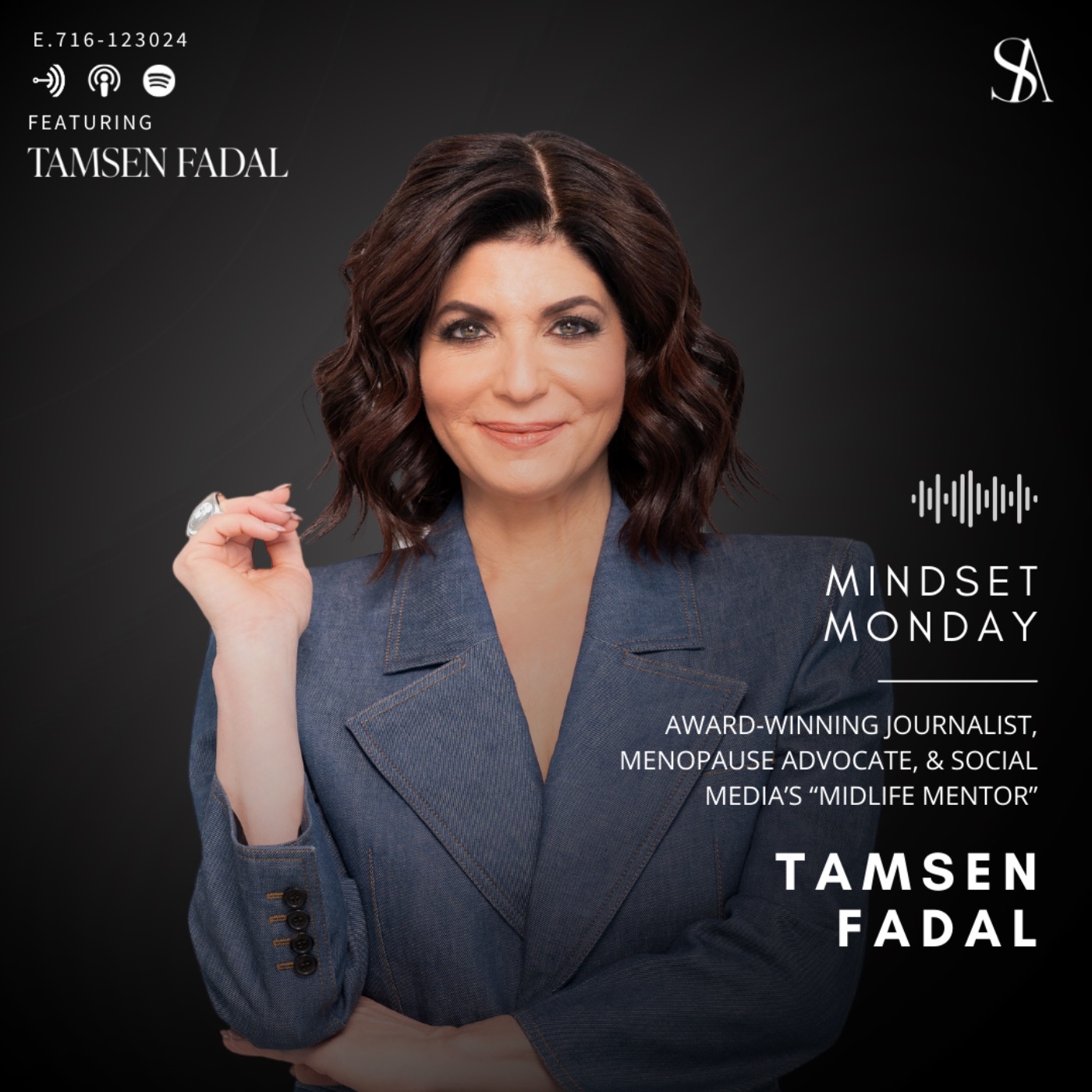
Hey guys, before the episode starts, I wanted to pop in and remind you to definitely go check out Bon Charge and listen to that episode, if you haven't already. Bon Charge makes this phenomenal red light LED mask, which I have been obsessed with since I tried it. It is so different than all of the other masks out there because it's completely eliminating blue light. It's reducing EMFs down to like the most minimal amounts I've ever seen. And they're really working hard at one charge to make sure that the light therapy that we use on a daily bas is doing just the best it can possibly do for us. As many of you know, blue light does age you and a lot of the conventional LED masks that we're used to actually incorporate blue light into the therapy that they offer. I really enjoy the fact that this doesn't do that and it's offering us this option of just red light. The benefits of red light are endless. We've published so many educational posts about it, so definitely make sure you check that out as well. And if you haven't already, pick up the Bon Charge, the red light mask. You can find that in our shop, my shelf. Or you can go direct to the Bon Charge website, which will be linked in the show notes of this episode. Thanks so much. Hey guys. Welcome back to another episode of Skin Anarchy. Today's guest is very special because I am such a fan of hers and her work and her advocacy means so much to me, not only as a medical professional, but as a woman. A lot of you might know her for being an acclaimed journalist, an author and Emmy award winning TV anchor. And now she has released this wonderful documentary around menopause called the M Factor. And I'm just so excited to talk about this because as many of you know, menopause is something we all go through as women. It's something that affects every single one of us in so many different ways. And for the first time, this documentary and this movement that she's created is a become a launching off place for so many of us. So welcome Tamsen. It's such an honor to be hosting you.
- [02:00]
B
Thank you so much. Thanks for having me.
- [02:02]
A
Yeah, no, I would love to, you know, chat with you because congratulations on the documentary by the way. It's amazing.
- [02:08]
B
Oh, thank you.
- [02:09]
A
The M Factor for everyone listening. It's. It's a documentary that was released in October about menopause and it's so inspiring to see that you took this step and made this, because I've never seen anything like it.
- [02:21]
B
Thank you yeah, And I'd love to.
- [02:23]
A
Learn about, you know, what led you to, you know, making this pivot in your career, from this amazing career in journalism to now you're such an advocate for women's health. You know, what led to that?
- [02:35]
B
You know, I gotta tell you, it was nothing I planned, that's for sure. I think I just kept seeing the need over and over again, and the stories became more and more personal to me the more I talked to women. And it was really important to keep getting that message out. And I think the more I peeled back the layers, the more I realized, like, wow, I've got to. This can't keep happening. It's just not okay. And when we set out to do the documentary, it was really just to be able to share information, share resources, and bridge the experts with the audience. And that's how it started. It was, you know, we were like, maybe we'll put it up on YouTube. Weren't really sure what we were doing with all of it. It really excitingly took on a life of its own. But, you know, the same thing with the book is that I wanted to bring the gap between incredible experts out there in the audience. And I think that that's kind of been the overwhelming theme with everything so far.
- [03:27]
A
Yeah, I mean, I think the. The really unique part about this is that you're talking. I mean, you've discussed topics here. I mean, in the documentary were never even considered, you know, when the conversation around menopause. I mean, I know that for me, even watching it from, like, that healthcare standpoint, people would discuss things like hot flashes. Right. Or like, the very big stuff. But no one dove into things like mental health or, you know, anything else, really, if you think about it. And so how was that, you know, uncovering all of these really important details about this? You know, it's something that every woman goes through. I mean, how was the process of research and getting everybody together, together for this? I mean, what was that journey like?
- [04:09]
B
Yeah, you know, it was interesting for the. For the documentary. Everyone was just so willing because everybody wanted to be able to talk and share. And that was. That's an exciting part for me. Like, I was so grateful for that because we need. We needed to share that information. I don't know about you, but I see this community, and this community is just incredible in terms of, you know, of sharing and being around and doing, you know, so many different things that are so important in terms of just sharing that wealth of information. And the same thing with the book, like, I didn't I didn't get a single no. You know, everybody said yes. When do you need. When do you need the interview, Vi? What do you need? What can I do? And there's something to be said about that. You know, it's. There's something to be said about people being so forthcoming and just. Just so helpful in everything that they're, you know, everything that they're doing and sharing and their expertise.
- [04:58]
A
Yeah, I mean, you know, it's really interesting that you say that, because I remember when I started this podcast, I mean, in the early days, like, there were a few brands that came forth and they were like, hey, you know, we're menopause focused brand, you know, and there's no one to there. There's no one highlighting this, you know, at all. Like, no one's talking about it, and we've created a brand and no one's even talking about it. And it was like, I don't know why, you know, because we go through.
- [05:22]
B
I know.
- [05:23]
A
Yeah. It's crazy. And, you know, the interesting thing is, like, the perimenopausal phase, I mean, no one speaks about leading up to, during and afterwards. Like, no one even considers that this is a lifelong thing that women go through, you know, and so that's. That's the most fascinating part about it.
- [05:40]
B
You know, it's been so important to me that it wasn't just something that happened in the doctor's office, that we were very aware that this goes to all aspects of our life. You know, it doesn't. We don't just, you know, have everything happen in the doctor's office. And that's really why I wanted to move past, you know, like, get the. Just the facts in the beginning so women could kind of know where they are and then figure out what, you know, what else they need to know. I think that's just really, really important.
- [06:04]
A
Absolutely. Now I want to focus on this one study. The film highlights this One study from 2022 that misrepresented menopause treatment options. And it's 2002. Yeah, yeah, 2002.
- [06:15]
B
Sorry. Initiative.
- [06:16]
A
Yeah. Can you share how you approached the unraveling of this misinformation in the documentary?
- [06:23]
B
Yeah, well, you know, I mean, look, we, We. You saw who we. Who we interviewed and what we talked to each one of them about. And it was just, you know, these women that are in this space, these doctors that are in the space. In this space were. Many of them were on the ground floor when this was happening. Many, many of them were right There when this study comes out and they get this phone call the next day from patients like, what did you do? What's going on? Estrogen causes breast cancer. That was what, you know, kind of the headlines made everybody believe and it was very, very scary for women. Imagine if you were, if you were one of those women that's being treated by your doctor and you, you see that now since then we've seen what the real story is and, and we've looked at like how the numbers and everything were presented, how the data was presented. But we still have this as women, big fear about breast cancer. I myself do for sure. I have a mother that died from breast cancer, a stepmother that died from breast cancer. But that data does not support what women were so, have been so afraid of for a long time. And what that study did was put us way behind when it comes to research. Way, way behind.
- [07:27]
A
Yeah, yeah. No, I think that these kind of studies, you know, when they go like, I've seen this happen also, like, you know, in the skincare world, you know, people talking about things that are very old, very dated studies and they really create this like fear mongering, you know, thing and people are scared to ask questions after that. You know, it's almost like this negative effect. So, yeah, I can definitely see. I'm also just like, what were some things, I mean, for you that came out that maybe you were like, wow, I didn't know this, you know, during the process of making the documentary or just the whole journey of this.
- [07:59]
B
You know, it's interesting. I didn't know anything about dental. I didn't think dental was a thing. I didn't even know that was a, that was an issue that happened in menopause. But that, so that was a surprising one for me. And it's actually was a surprising one for a lot of the women that were in the, in the auditoriums and theaters. I've noticed, I noticed there'd be this like dental health. That's why I've lost a tooth. So it's been interesting to see reaction. I think also the lack of education that doctors have been given. Another huge point that we can't, you know, we can't overlook anymore. And then I guess I think the other big part of it is the fact that so many women suffered for so many generations in silence, you know, was the final thing that I think I really took away from what we did when we were, you know, doing our research.
- [08:43]
A
Yeah, I mean, that's actually interesting. Yeah, I didn't know about dental either, you know, it's something that. I think dental is just something we don't talk about anyways. But yeah, I mean, it impacts the whole body. That's very interesting that, you know, there hasn't been more focus on all of, like the multi faceted, you know, impact of menopause. It's. It's crazy.
- [09:02]
B
Sure.
- [09:03]
A
Yeah, for sure. So, you know, I know that you're. I mean, you're just such, such an inspirational figure to me because you really are focused. I mean, everything about your work, whether social media presence that you have or things that you advocate for. I know that recently you visited the White House. I mean, it's so inspiring. I mean, can you give us just some advice, general advice to women about approaching their own health? You. What would you tell somebody if they didn't even know where to begin with their health?
- [09:32]
B
First of all, you know, I think make sure that you're listening to yourself and listening to your gut and not be dismissed. That's just huge. First and foremost for me, I think, also making sure that you're taking some of the time right now to pay attention to what's going on. So if you're in your 30s, you know, you're not too young to be paying attention to what's happening within your body. And I think that that's what we get to. We get to this place where, like, you know, I'm 30, I'm not gonna be in menopause forever. That's when I'm older. But everything you do right now is helping for what happens then. And I think that that's a really important lesson that I wish I had, you know, paid attention to and learned. And then I guess I would also say this, I would also say that you think you need to take the time to take care of yourself. We put that on the back burner so often. And I wish I had not done that quite as much as I had, I did for myself. And, you know, I think I make up for it. I'm trying to make up for it today, but I probably would have a lot less to make up for had I paid attention to all of those things, the stress and all the different things that, you know, that I. I thought I could just handle.
- [10:32]
A
Yeah, that's really great advice. I think we all do it, you know, to some degree, especially I'm not a mother, but I know that, you know, especially when women become mothers, it becomes this, like, no more thinking about me. You know, it's all about the kids. It's all about the family. And it's, it's crazy to think that there's so much like, selflessness there, you know, but then you look at your own life and you're like, I haven't even taken care of myself in 10 years. You know, like, what have I done? And so, yeah, I know. Now you often talk about like, midlife as a time of reinvention, you know, for people. And what does reinvention really mean to you? And, you know, how can women really embrace that at any age?
- [11:12]
B
You know, I think reinvention means, to me is taking some time to figure out what's important to you. I don't know that we all know what our next chapter is going to be and exactly what we want to do and where we're going, but I think it's really important to take a little bit of time to think, think about it and that, you know, that's all of what we do during this time. For me, reinvention, I, I feel like found me. I don't know that I had made that plan myself, but I don't know, five years ago, if I had to talk to you, I would have known exactly what I was, you know, what I was doing and where I was going. But I definitely know that I, I know my purpose now and I'm very clear of, you know, what I want and where I want to help.
- [11:46]
A
That's, that's solid. I mean, I definitely struggle with, with it as well as this idea of like, you feel like you can be in a rut, you know, a lot of times. I know, like, especially like if you have career where it feels like this is it, you know, this is what I'm doing and, and then having to like pivot, I mean, I, I couldn't imagine, you know, I really admire you for that, that you've, you've taken on so many different things in life. Yeah, I mean, it's really. I would love to actually, you know, kind of dive deeper into that because I think that this whole idea of like truly finding something that women like, can resonate with, you know, it's difficult, right, For a lot of us. I mean, what is, what is your advice on, in terms of like a day to day kind of mindset that we could. Terms of. I want. You want to get things done. Yes. You want to have a successful career in a life, but how should we really approach that that's going to help us, you know, in the long term?
- [12:37]
B
It's funny, it's so important, right? Like we, we have this like to do lists of getting through life. And I said, my whole life has been a to do list up until now. I think what I'm trying to do is say, like, I look at my schedule every day. I'm like, what is really important? What is really going to serve? You know, like, where I go next and what I want to do and how I feel and how I'm taking care of myself. And you know, and then also where my, where my health comes. Like, it's very, that, that comes first in a lot of cases and it hasn't come first before you know it. Now all of a sudden I'm like, you know what? This is really, really important. And I have to really, really pay attention to it. And so I feel good that that's the, that's how I design my days. I try to make sure that I've got my, you know, I'm up in the morning, I'm taking care of myself. First thing I get out there and see some light, I'm going to bed at the same time every night as best I can. I get up at the same time every morning as best I can. I'm not perfect in any way and I don't punish myself when I don't quite make it, you know?
- [13:31]
A
Yeah, I love that, I love that you have this, like, yeah, that's really cool because I think a lot of times I heard this from somebody a while ago where they were like, you know, if you want to be successful, you can't do the three hour morning routine. You know, you gotta just get up and go. And a part of me, like, I remember when I was younger, I was like, I really resonate with that. But then I was like, wait a minute, you know, if I don't do anything in the morning, if I don't take care of the simple things in the morning, my entire day is just right, crude, you know, like, yeah, I'm actually interested because I know that you also hold a holistic health coaching certificate and you serve on so many boards, you know, such as let's Talk Menopause. I would love to learn how has your personal health journey informed your advocacy work?
- [14:13]
B
Yeah, I mean, it's, it's informed it in so many different ways, I guess in terms of just feeling better about what I'm able to talk about openly. And I think that, you know, I, I went back and did that for myself initially so I could just kind of feel better and know what was important to me and figure out the difference between, you know, what was My, you know, primary things that I' paid attention to versus not. So I did, you know, I did a lot of that for my own health. And I. I think that was kind of my first step in. In what was next with me, quite frankly.
- [14:41]
A
That makes sense. I think that that's really cool that you did that for yourself. Like, you went and got that piece of education. Yeah.
- [14:47]
B
Thank you.
- [14:47]
A
I think that, you know, lifelong education is something that a lot of times it's not talked about, you know, and we don't really talk about the idea, you know, informing ourselves throughout our lives. It's not always just for, like, a career, you know, you got to keep learning and you gotta keep growing.
- [15:03]
B
Yeah, I could not agree more.
- [15:05]
A
So I want to talk a little bit more about, you know, Capitol Hill because, you know, this is something that I find to be so amazing about what you're doing because you're really trying to make lasting change. And. And I would love to learn, you know, what policy changes are you most focused on and why are those essential for women's health?
- [15:23]
B
Yeah, I mean, look, I think what's the most essential thing for women's health is to make sure that we've got enough of the research going on for women. Midlife women have been left out of so and so that's the most important thing for me, no matter what. And then making sure women have access and figuring out a way exactly for them to. To have that. Have access to the help that they need, have access to the services they need and the information they need and those. That's kind of where it begins and ends for me. I just think that if we can get there and we can get women first information, the right information, not make them have to run through all these different hoops to figure out what exactly is going on with them, we will be in a much, much different place. Place.
- [16:03]
A
I completely agree. Yeah. I mean, one thing that I would, you know, love to ask you about is this idea of, like, funding for different programs, because I know that, like, from the research perspective, definitely, like, I can't tell you how many times, like, I think there was, like, a grant I submitted, like, five years ago, and it had something to do. A little portion of it was menopause. It was focused on breast cancer. And I had the hardest time getting this funded. Like, it was, you know, it's. It's like, crazy. But I mean, it really pointed out this idea of, like, where's the funding? You know, like, where. Where's the money going? Like, is it even going towards women's health, you know, and so, like, what are your thoughts around that? Like, the way that our research is and the way that our, you know, like the initiatives for scientists and researchers and doctors like to pour efforts into this. Do you think that we're lacking in that way, you know, as a country, as a nation, or. I mean, what are your thoughts around that?
- [16:54]
B
I mean, look, yeah, we. We need. We need more. I mean, the fact that we're not even paying attention to that or you get turned down for something like that is, to me, just. It's heartbreaking because I think that had. Until we put women at the forefront of a lot of these things, we didn't. We weren't even required to be in studies and in. In these studies, these research studies until the mid-90s. That's insane. To my head, it's. It's unbelievable that we don't have a testosterone that's ours and we have to, you know, use a man's version of testosterone and get it compounded because we don't have what. What we need rightfully concerns me all the time. I think about women that, you know, can't do hormone therapy for. For contraindications and. And contraindicators that they have. So what's their solution? You know, there's. There' of unknowns that I think we need to answer. I don't know that we're going to get them answered in my lifetime, but I sure hope we get on. We get on the way to doing that. And I want to just say this. There are some incredible researchers out there. They need that money to be able to continue to do what they're doing.
- [17:50]
A
Yeah, I completely agree. I think there's definitely a huge, like, you know, desire, you know, in the community to want to do more, but then your hands get tied. You know, NIH is funding a lot of things, you know, like, I can't tell you how many times I've looked, and I'm like. Like, there's. There's funding for sea turtle, you know, for turtles, and they're. I love turtles, don't get me wrong. But, you know, it's just so difficult, you know, to get any kind of real significant funding. Like an R01 is impossible almost. Right, right for this. So in terms of looking ahead, you know, what are your hopes for the future of menopause awareness and midlife advocacy?
- [18:25]
B
Yeah, I hope, you know, I hope we can stop talking to ourselves about it and we are able to start talking to everybody about it. I want Men to be involved in this conversation. It's critical. I want it not to be used against women in the workplace place. I want to make sure that, you know, that, that research money is there. And I'd like this to be another transition in life, a life stage versus this, this thing that we have to focus on right now because we just don't have the help. So that's, that's my hope. My hope is this becomes a normal part of our lives versus this, like, wait, what do we do? Where are we? What is it? And that, you know, we look at women in this stage and we don't think that they're less than or not relevant or invisible. Because right now I still think that we have a lot of ageism that we haven't even begun to tackle.
- [19:08]
A
Absolutely. Yeah, I, I definitely agree with you. And I'm, I'm curious. Like, you know, what do you, how do you perceive, like, men's role in all of this, you know, in terms of, like, women going through these changes and, you know, whatever those might be? How do you think men right now play a role or could play a role, a better role in all of this?
- [19:25]
B
Well, I think by not separating everything, you know what I mean? Like, I think that men go through all these changes too, but they, we don't, we don't call them crazy things and we don't say they're being hormonal and we don't, you know, I think that there' there's something to that some, somehow women get this bad rap when, you know, because we have some other traits that are amazing, like emotion and, you know, and wisdom and care. And so I, I, I hope that, and I do think that a lot of men see the, the power in women at this age. And I just think that the more that we let, the more that we teach that that's what it should be versus this. Like, you know, you're past your prime and you're not so relevant and not so useful and not so in the know. The more that we continue to change that narrative, the safer and better we're going to be as a society.
- [20:13]
A
Yeah, yeah, absolutely. No, I, I'm getting sick of that too. Like, you're just hormonal, like. Yeah, well, that's all the time, you know, like, hormones are part of your body, just like men. So I, I definitely resonate with that, what you said, you know, as a roundup question, I would love to just get, you know, your advice for anyone out there who wants to add to this, you know, Community and build upon the amazing work of people like you and, you know, the others that are trying to really advocate for anything, what can. Where can we start? You know, what's a good starting place to really contribute and to do more?
- [20:46]
B
Well, I think, first of all, make sure you're educated. Make sure if there's anybody in your circle that you see struggling or not knowing what to do to try to help them out. I think that community is the biggest part of everything right now that we have, and that's how we're getting the word out. That's how you and I are connected. You know, we. Community is a big, big deal and so important at this stage. And then I would say, you know, if you do have the time to help do something and to help advocate or to help, you know, pay attention to. Attention to what's going on in terms of trying to get more money or paying attention to, you know, how we can best back women in whatever stage you're in, or if you're in a place in a. In a workplace where you can make some changes because you're a woman at the top, that would be amazing.
- [21:26]
A
That's awesome. Yeah, I love that. And I hope for anyone listening out there, if you're really interested in, you know, doing something and you are trying to do something, please, you know, like, reach out to us. I'd love to learn about it because I just. I feel like it's very, very hard to find people that really, genuinely want to make impact in the space, you know, And I know we want to. We hear about it and we're like, yeah, we should change. Change that. But it's a different thing to really pick up the, you know, the tools and do something.
- [21:53]
B
Yes, yes, you're right. You're so right.
- [21:55]
A
But really, hats off to you, Tamson. I mean, I'm. You're such great work. Yeah, no, I really.
- [22:00]
B
It means a lot.
- [22:01]
A
Thank you for your work, actually, you know, thank you for it.
- [22:03]
B
I so appreciate it. I so appreciate it.
- [22:05]
A
Well, it's been such an honor to host you and I've love learning from.
- [22:08]
B
Videos, so thank you, thank you, thank you.
- [22:11]
A
I hope you love this episode with Tamsin. I just want to remind everybody, make sure you guys go check out the M Factor documentary if you have not already. Also, Tamsen has a book coming out which we will be posting a lot of things about in the future. So make sure you check out our stories on Instagram and follow our socials at Skincare anarchy on both TikTok and Instagram or X or anywhere that you tune in for our social media media content. Also, I want to remind everybody that our episodes are fully shoppable. So if you're looking for any of the products from the brands that we interview, you can definitely check out every single one of those through our Shop My Shelf account. All of that is linked in our bio on Instagram as well as in the show notes of every episode. So I just wanted to say check that out. Let us know what you guys think of this episode. Make sure you chime in, send us an email, a message, whatever you want to do, but just voice your opinion. Thanks for tuning in and I'll be back next time.